



Show More

Blog


Blog
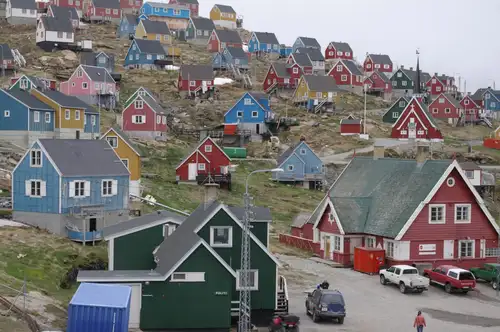
10 Traits of Post-Ice-Age Greenland
Grasses, sedges, and other species of heath were the first arrivals, and are still commonly found in Greenland. Scientists have been able to work out how plants colonised Greenland by examining ancient pollen samples found in deposits at the bottom of lakes: Dwarf birch came to western Greenland around 9,000 years ago, and around 4,500 years ago – roughly the same time humans were first boating onto Greenland shores – green alders were taking up residence there.
Blog
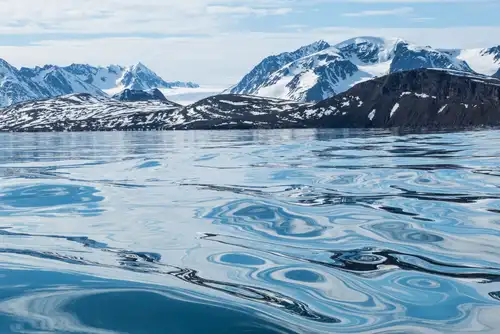
Freshwater ecosystems in the Arctic
The Arctic, surprisingly, hosts a rich and varied array of freshwater ecosystems, including lakes, ponds, rivers, streams, deltas, and wetlands. Some of the world's largest rivers and deltas, such as the Lena, Ob, and Yenisei, are found in this region.
Blog
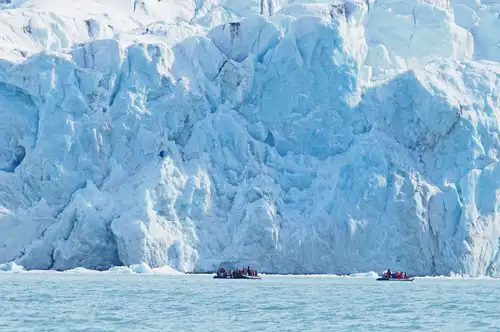
All About Ice: Glaciers and Icebergs of the Arctic and Antarctica
Blog
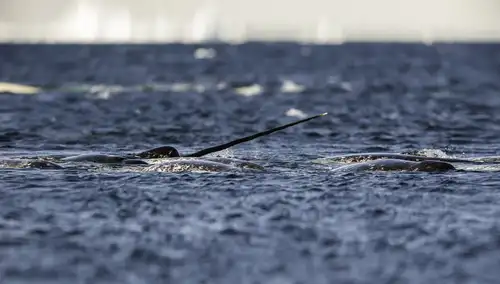
Narwhals: the Aquatic Unicorns of the Arctic
Though narwhals are among the rarest whale species encountered during our Arctic expeditions, a journey to the Arctic regions of Greenland and Svalbard always holds the potential for spotting these elusive creatures.
Blog
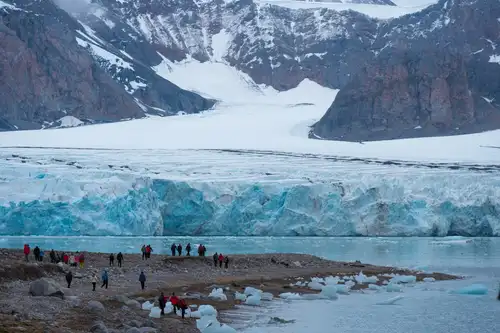
16 Conversation-Starting Svalbard Facts
It might seem odd that an icy, snowy, bear-packed cluster of islands at the edge of the world could be such a hotspot (so to speak) of outdoor tourism.
Blog
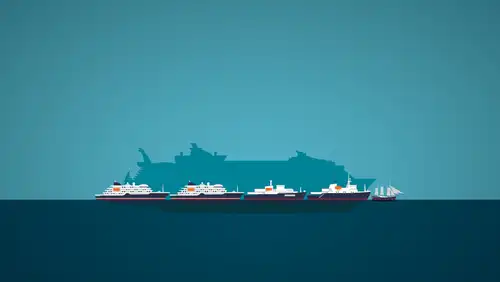
The Impact of Small vs. Large Cruise Ships
The generalization that larger ships impact the environment more than smaller ships seems like such a no-brainer that if someone said it to you, you’d be easily forgiven for thinking you were being tricked.
Blog
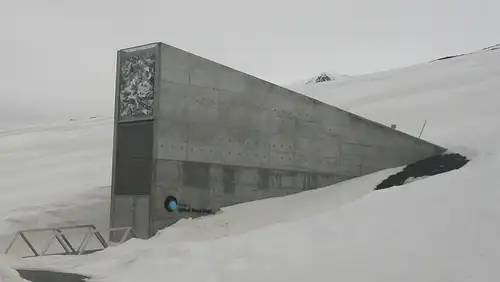
Inside the Svalbard Global Seed Vault
Literature, cinema, and even video games often present us with various global disaster scenarios. These typically involve devastating wars, catastrophic natural events, or widespread pandemics that leave survivors scavenging for food and supplies amidst hordes of zombies.
Blog
Keep It Green: Our Commitment to Sustainable Polar Travel
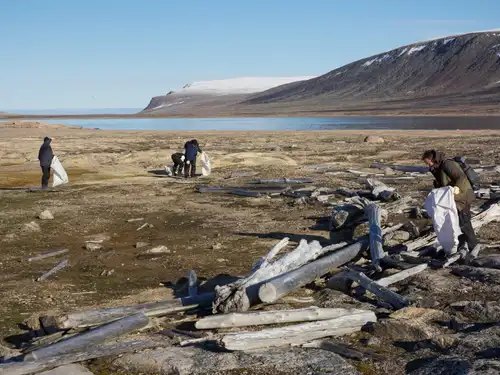
It doesn’t make much sense for expedition travel if every time we visit the polar regions we leave them worse than we found them. And that’s just considering things from a purely human perspective, which we don’t.

Blog
The Ice-Jewelled Geology of Spitsbergen
The Svalbard archipelago is located in the Arctic Ocean, roughly 660 km (410 miles) north of Norway's northernmost point. This region is a haven for geologists, boasting a rich geological history that spans from the Mesozoic era (65-245 million years ago) through the Cambrian era (570 million years ago) and back to the Archean era, over 3.5 billion years ago.
Blog
Navigating by touch through the sea ice
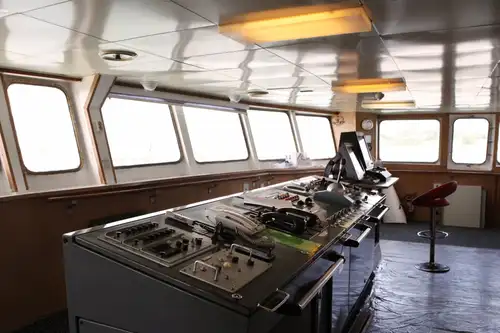
Ships are meant to glide effortlessly through calm waters, but our Greenland expedition vessel Ortelius is shuddering and wiggling as it navigates through the calm yet frozen waters between Svalbard and the islands. We’re on the North Atlantic Odyssey, a journey that starts in continental Europe and concludes near the North Pole in Svalbard. Onboard are 115 enthusiastic passengers. Most of them are currently on the outer decks, cameras in hand, captivated by the sea ice.
Blog
Antarctica’s Hourglass Dolphin
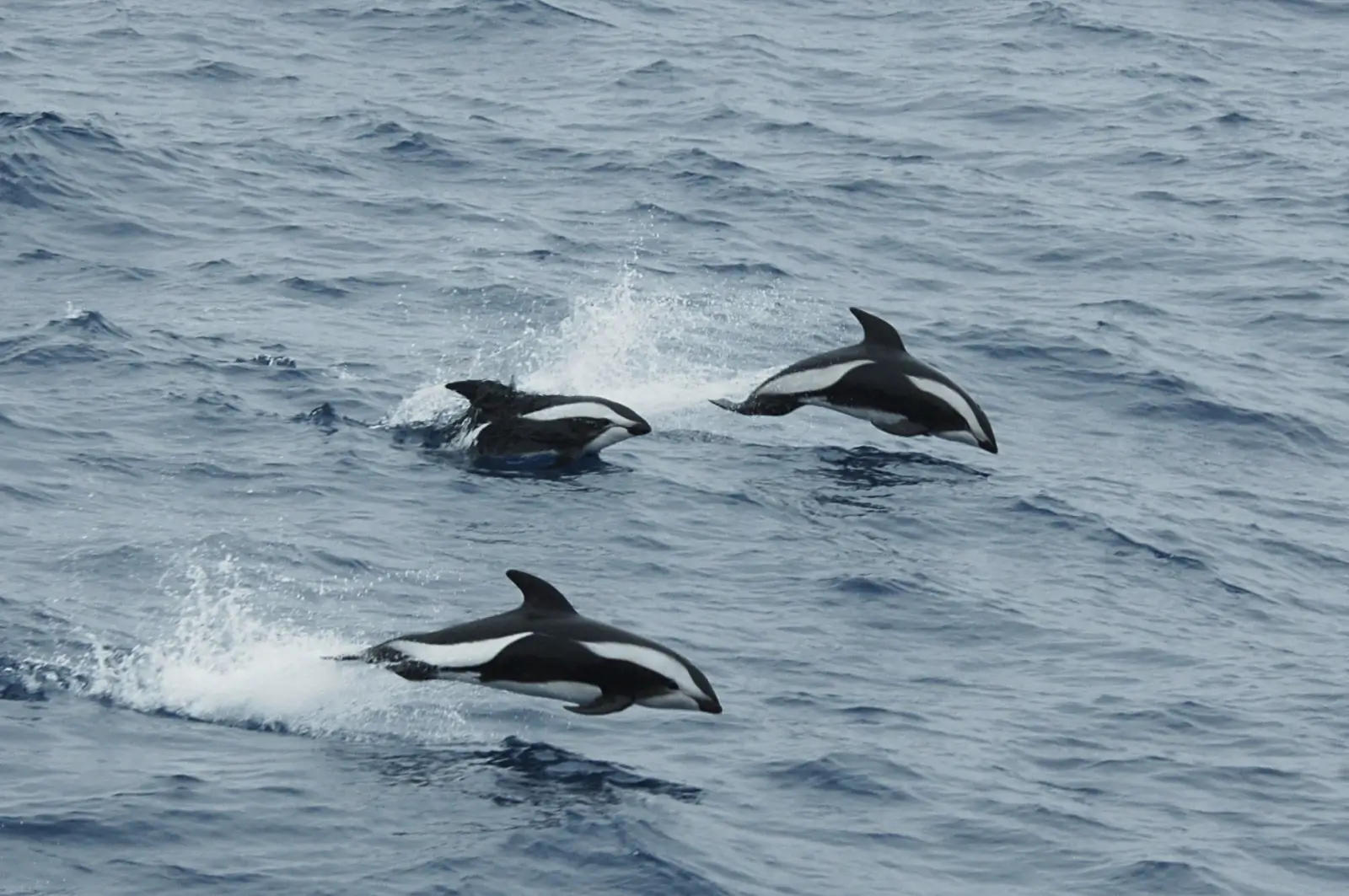
Though hourglass dolphins are especially rare, they’re actually not a threatened or endangered species.
Blog
Greenland: Where the Kayak Was Invented
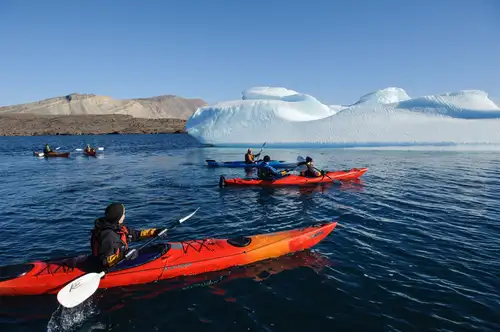
If you've ever enjoyed kayaking, you owe a debt of gratitude to the ancient Greenlandic Inuit who originally designed them for hunting. The thrilling adventures people now have navigating some of the world's most challenging rapids wouldn't be possible without the Inuit's need for a nimble form of water transportation. While travelers still use kayaks in this region, they are typically not fishing, whaling, or sealing. Consequently, recreational kayaks have been adapted to fit their new role.
Blog
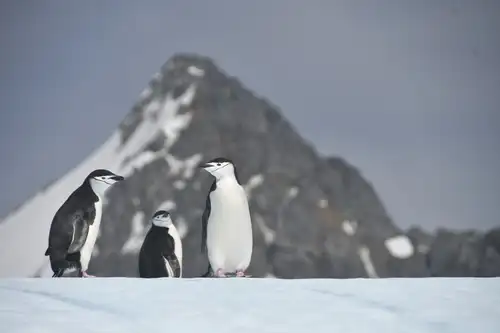
11 South Orkney Animals: Whales, Seabirds, and Penguins Aplenty
The South Orkney Islands are often overlooked as a destination for Antarctic travel.
Blog
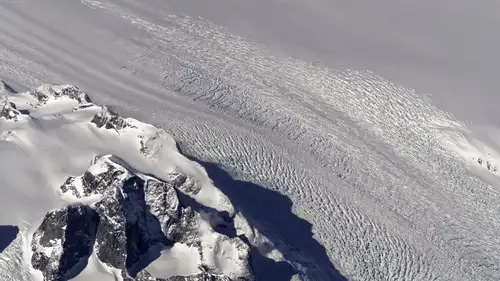
Ice streams and lakes under the Greenland Ice Sheet
The Greenland ice sheet is a dynamic mass of dense, flowing, and deforming ice. Snow deposited on the central parts of the ice sheet is gradually compressed into ice that slowly moves towards the ice margin. At the ice margin, the ice is removed by melting or by breaking off into icebergs.
Blog
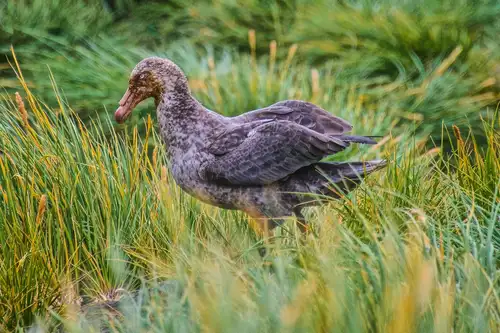
The Giant Petrels of King George Island
Antarctica is undeniably one of the world’s premier birding destinations.
Blog
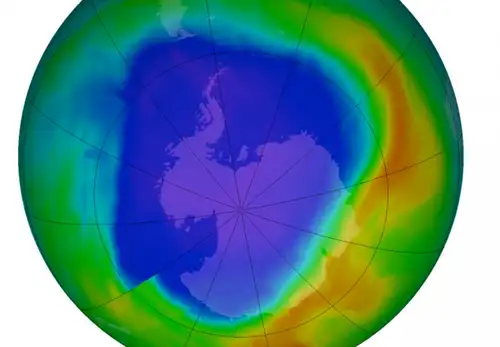
The ozone layer in Antarctica
An ozone molecule is composed of three oxygen atoms rather than the usual two. It exists in the atmosphere in trace amounts. Ozone molecules are created through the interaction of ultraviolet (UV) radiation from the sun with oxygen molecules: When an O2 molecule is split, the two free oxygen atoms bond with other O2 molecules to form O3 molecules.
Blog
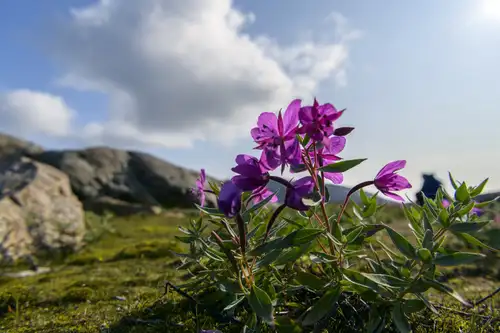
Arctic Flowers, Trees, and Other Plant Life
When many people think of the Arctic, they probably imagine a stark white wasteland devoid of anything except snow, glaciers, and the occasional far-wandering polar bear.
Blog
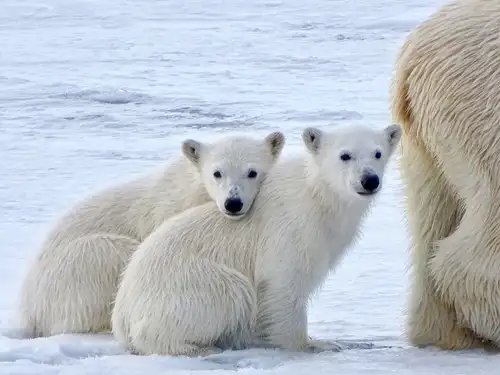
Where the Polar Bears Roam
Going to the Arctic without clapping eyes on a wild polar bear can be reasonably compared to visiting Africa without seeing a giraffe or a zebra or, most analogously, a lion.
Blog
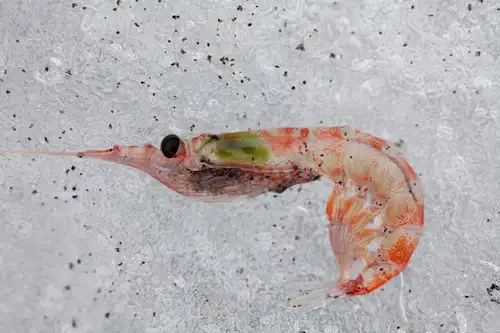
Life in the Polar Regions
Polar bears in the Arctic, penguins in Antarctica.
Blog
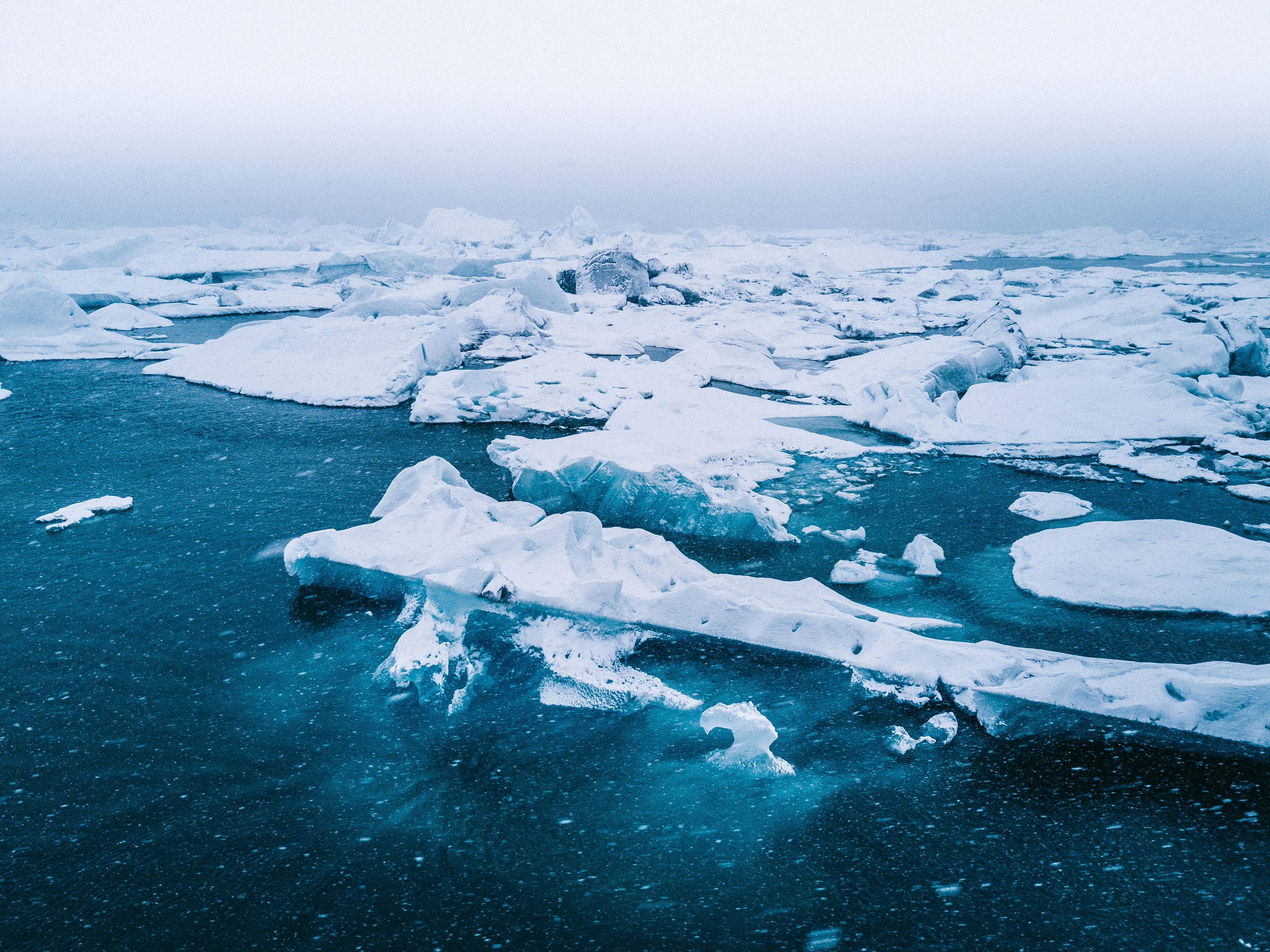
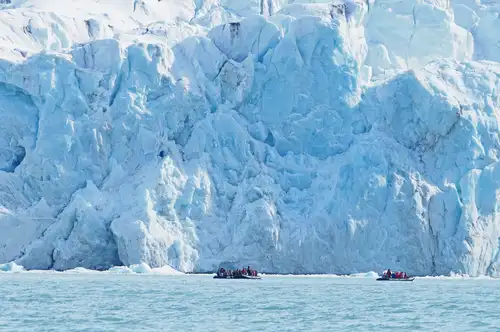
Get to Know Your Ice
Ice plays a crucial role in everything from cooling your drink to regulating the planet's temperature. Let's explore the various forms of ice you might encounter during an Arctic or Antarctic adventure.