


 28 July 2027 - 11 Aug 2027
 15 Days/14 Nights
 Longyearbyen - Longyearbyen
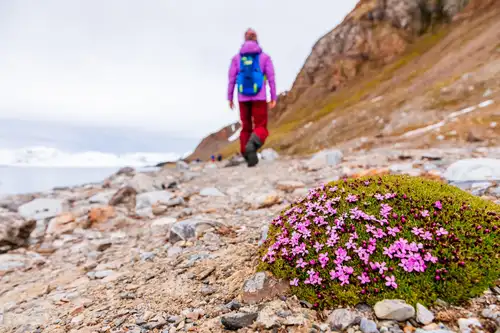
You arrive in Longyearbyen, the main town of Spitsbergen, the largest island in the Svalbard archipelago. Explore this former mining town, with its interesting parish church and Svalbard Museum. Despite its stark appearance, over a hundred plant species have been recorded here.
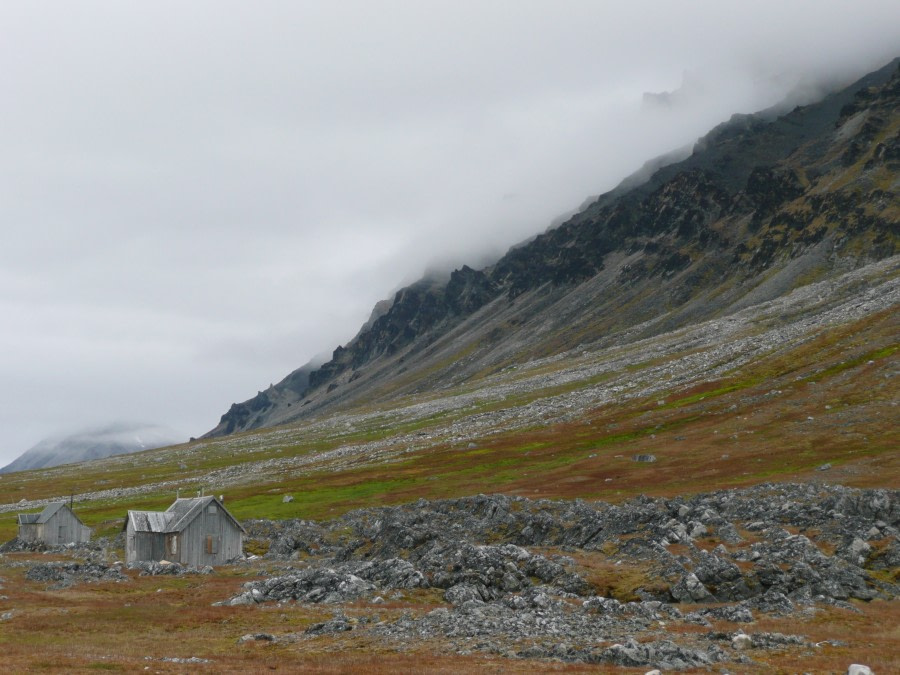
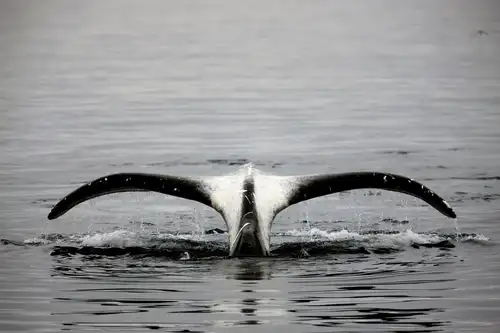
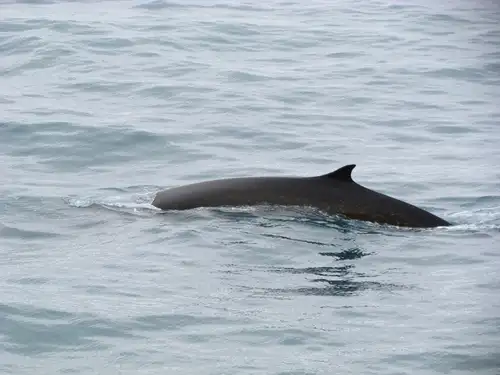
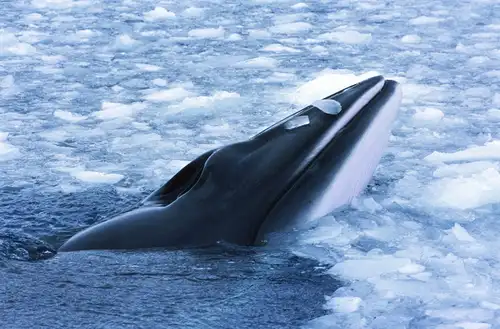
In the early evening, the ship sets sail from Isfjorden, where you might spot your first minke whale. You then head to Trygghamna, where you can visit the remains of a 17th-century English whaling station and an 18th-century Pomor hunting station the next morning.
Foxes, seabirds, and grazing reindeer
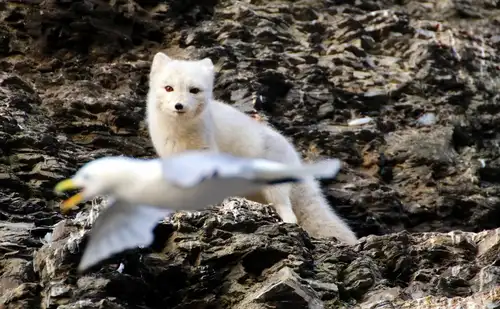
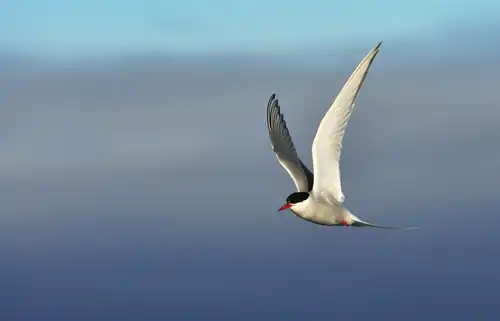
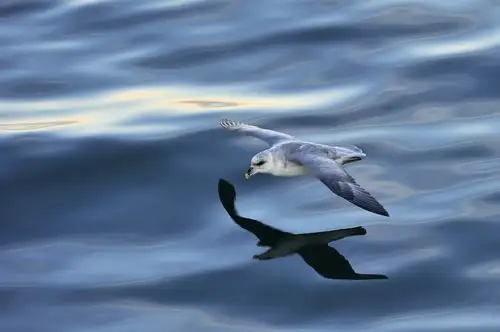
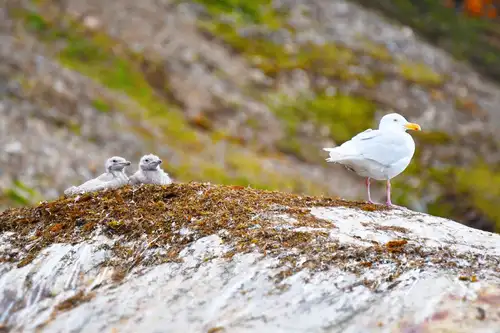
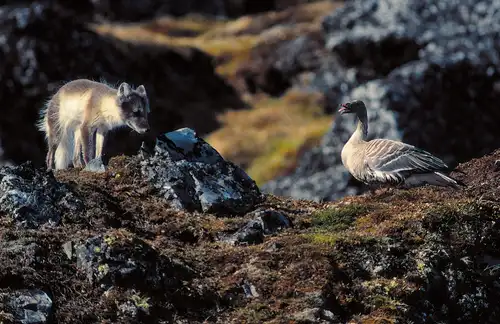
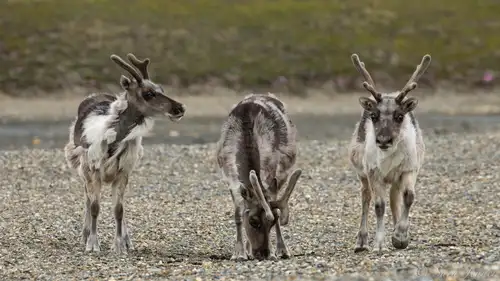
From Trygghamna, you walk to Alkhornet, a large seabird cliff where birds are scouting for breeding spots. Below the cliffs, you might see Arctic foxes and reindeer grazing on the lush vegetation if there’s not too much snow.
Remains of the whalers
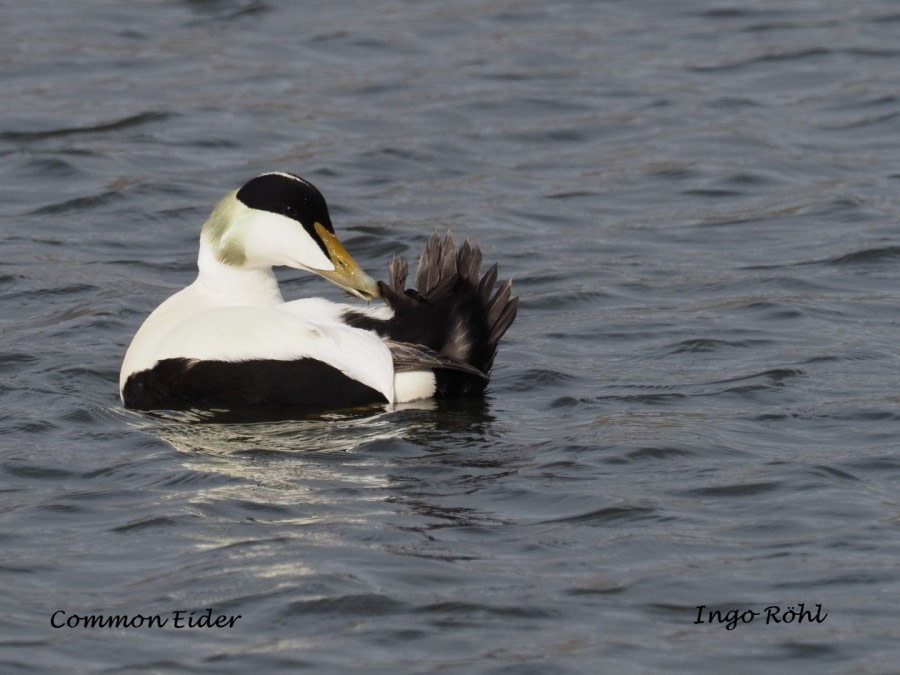
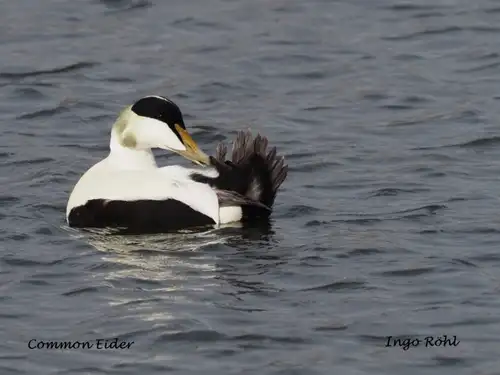
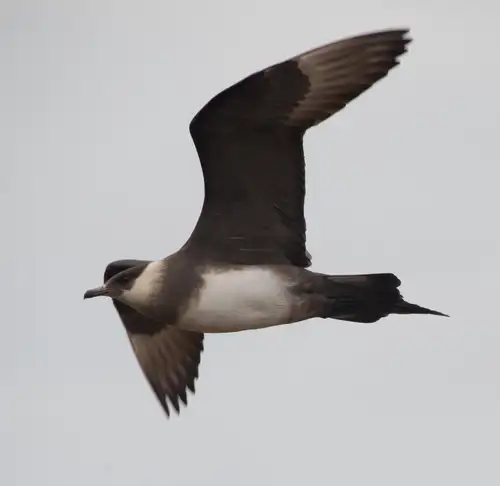
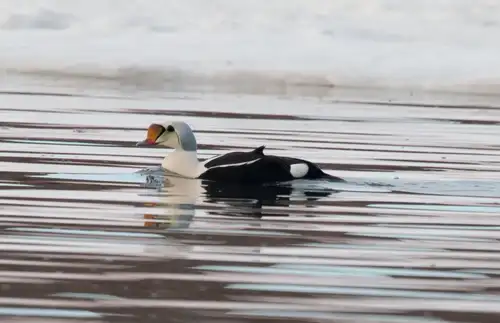
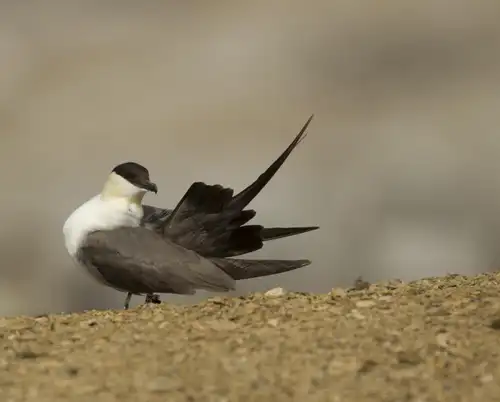
You sail into Fuglefjorden, with views of Svitjodbreen and Birgerbukta, both breeding areas for great skuas and possible polar bear sightings. On Birgerbukta, you can see 17th-century Basque ovens used for cooking whale blubber. Next, you visit Ytre Norskøya, a small island that was a Dutch whaling lookout. Follow the whalers’ tracks to the summit, passing bird cliffs. Onshore, see more 17th-century blubber ovens and breeding Arctic skuas and common eiders among the graves of Dutch whalers.
The many sights of Svalbard
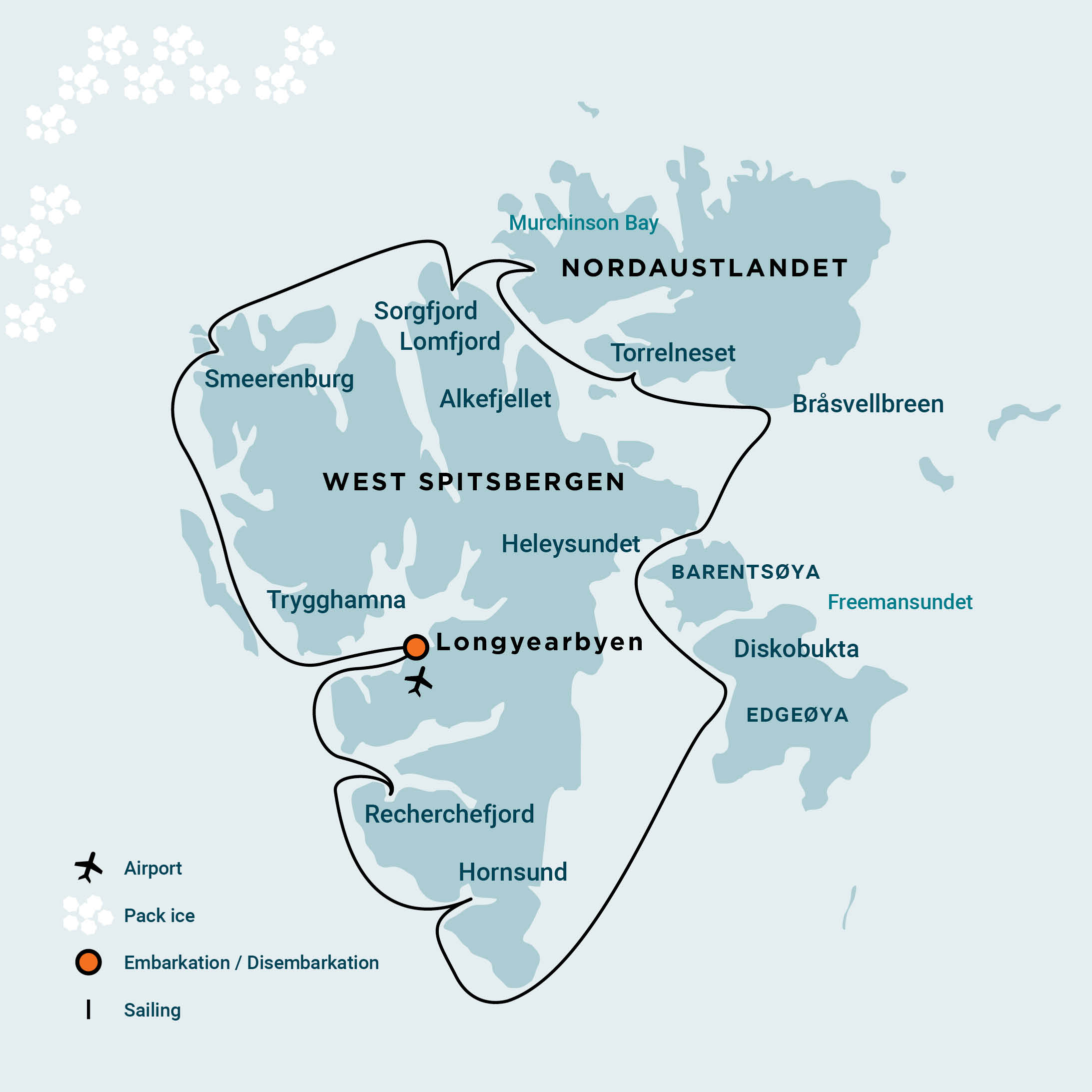
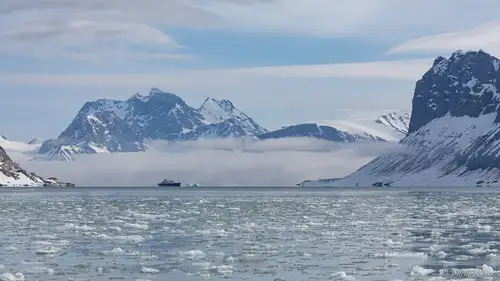
You start by sailing to either Sorgfjord or Murchison Bay, home to numerous reindeer and a Swedish research station. Continue through Hinlopen Strait, surrounded by ice caps. Over the following days, you may visit:
- Lomfjord: A beautiful fjord with towering mountains, great for hiking.
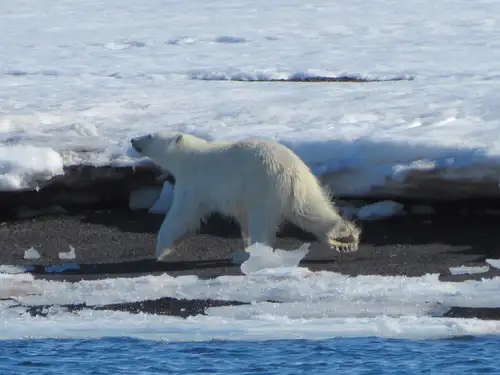
- Wilhelmøya: A tundra landscape where polar bears might be seen, good for various hikes.
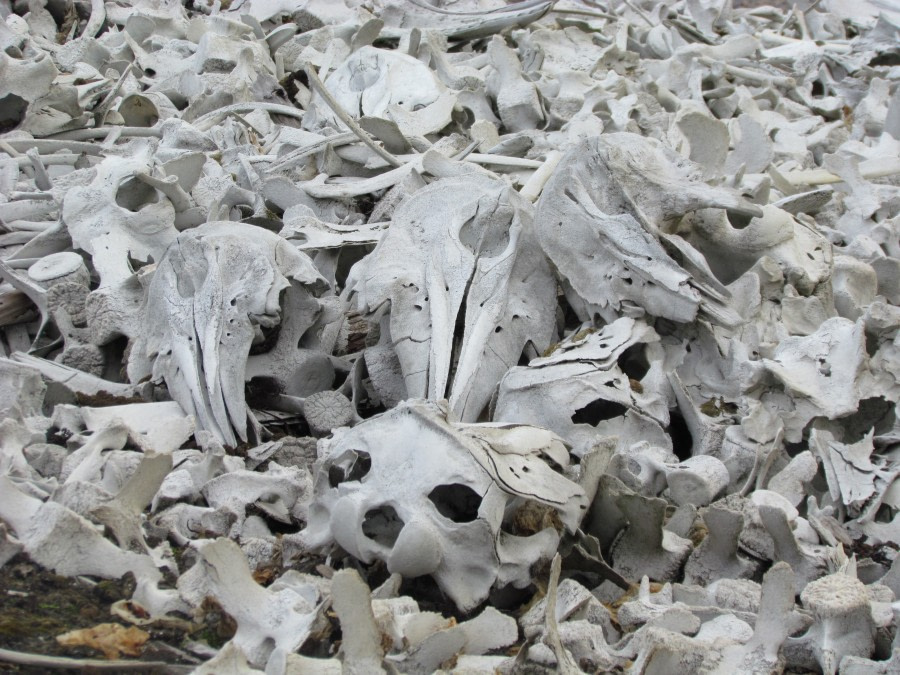
- Svartknausflya: A stark polar desert rich with invertebrate fossils and whale skeletons.
- Heleysundet: A narrow, picturesque waterway between Spitsbergen and Barents, navigable against the current.
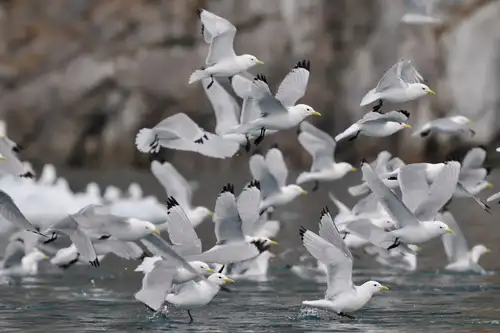
- Freemansundet: Depending on conditions, sail through this waterway. A walk at Kapp Lee may introduce you to reindeer and walruses, and you might visit a large colony of kittiwakes in Diskobukta. Arctic foxes and polar bears often roam here, scavenging for birds.
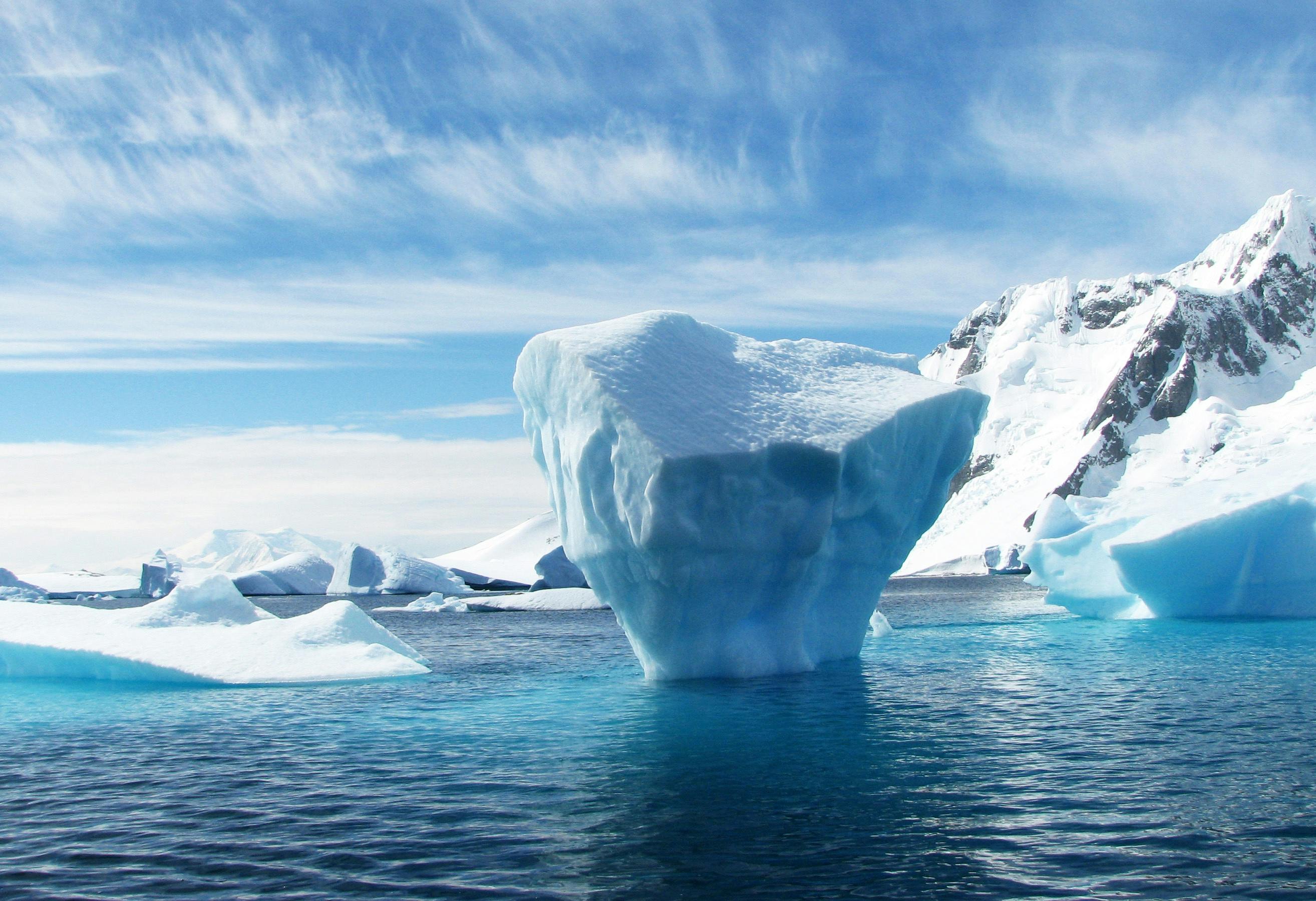
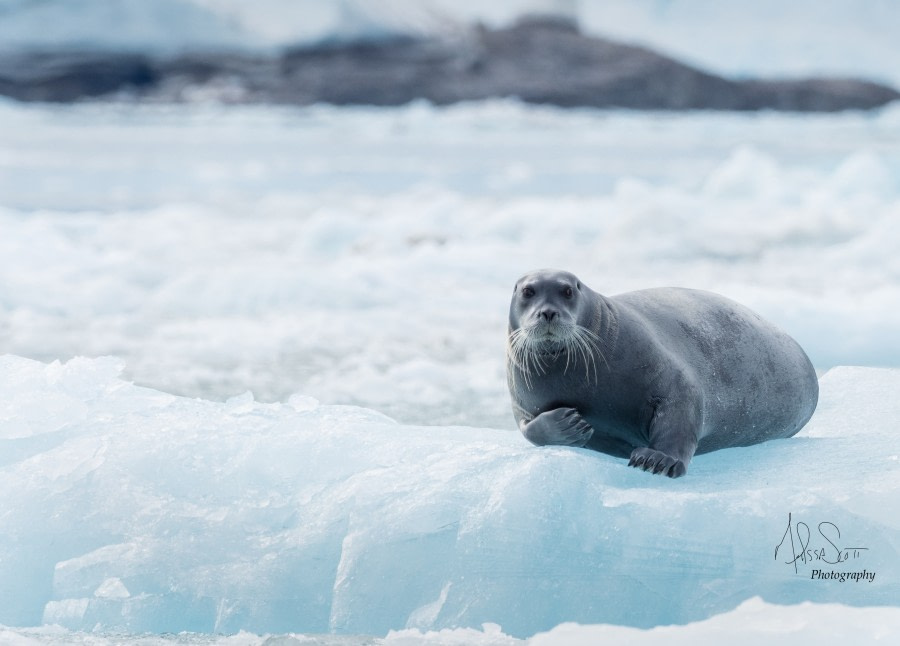
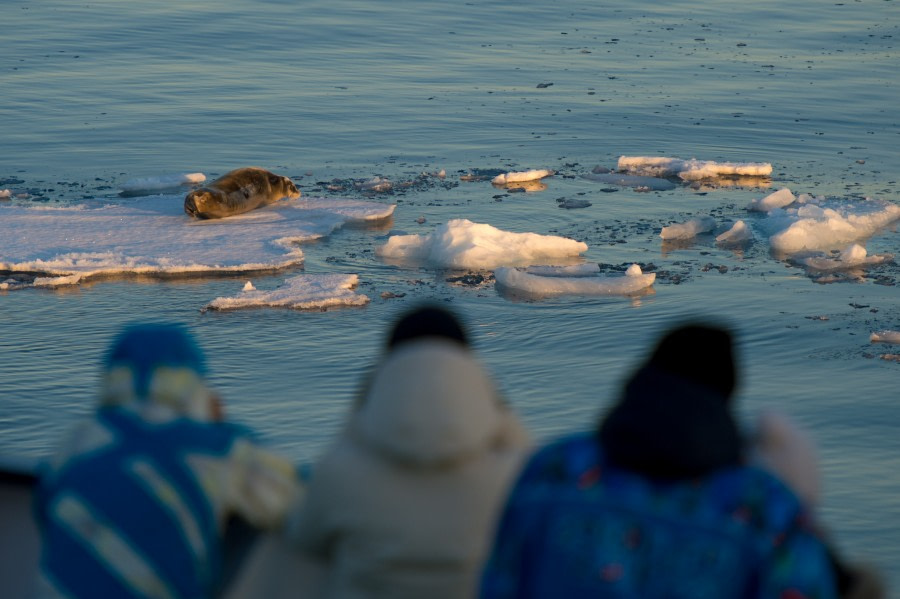
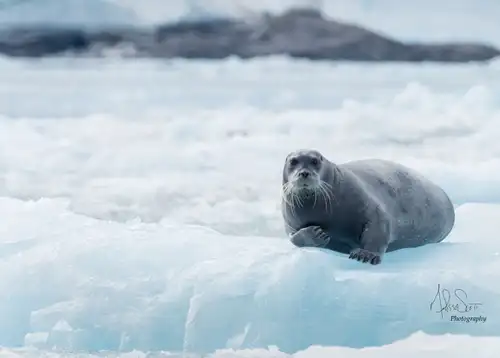
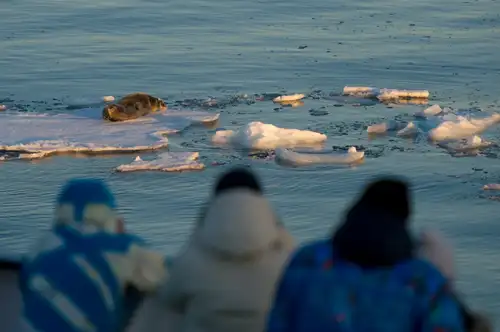
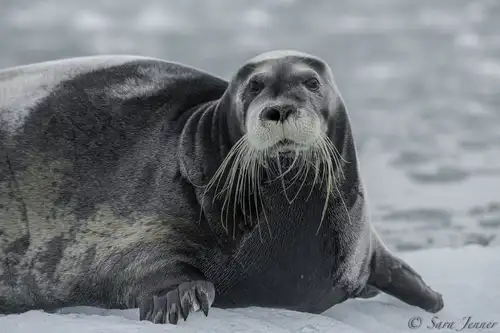
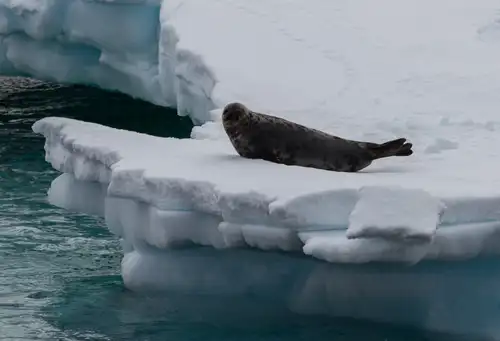
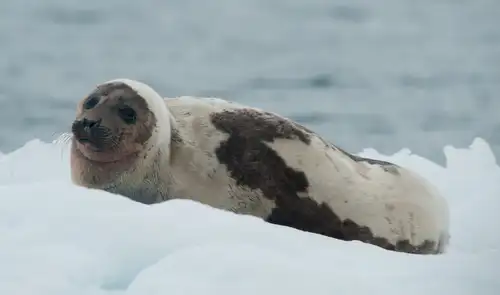
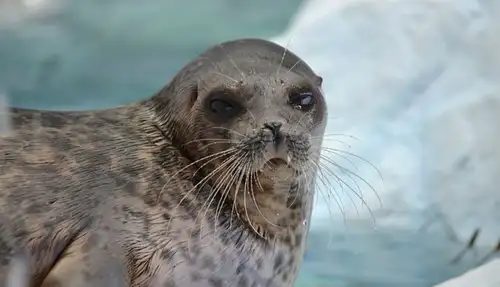
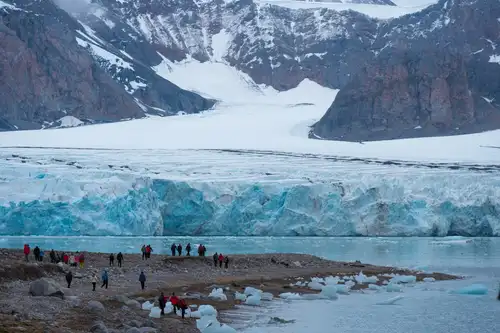
- Hornsund: Sail into the labyrinth of side fjords around Hornsund. At Brepollen, see a large glacial deposit. Sailing along the glacier front offers chances to spot bearded seals and polar bears. The geological formations are vibrant and mesmerizing.
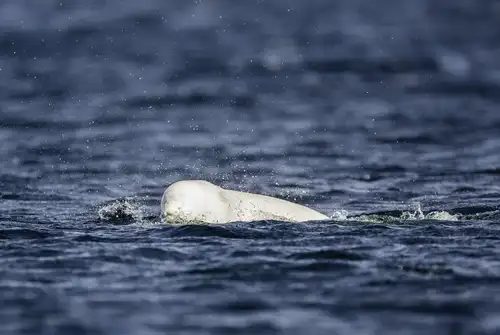
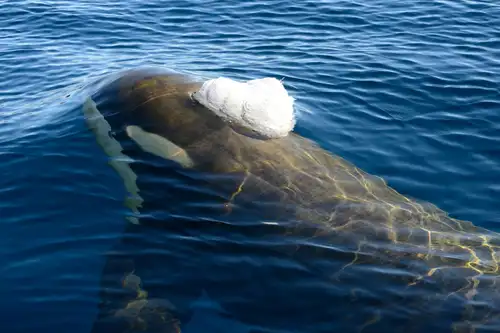
- Bellsund: On the way to Longyearbyen, you may reach Ahlstrandhalvøya, with fascinating geological formations and remains of 20th-century beluga hunting. This is still a good area to see beluga.
There and back again
Every adventure must end. You disembark in Longyearbyen, taking home memories for your next journey.


s/v Remvrandt van Rijin
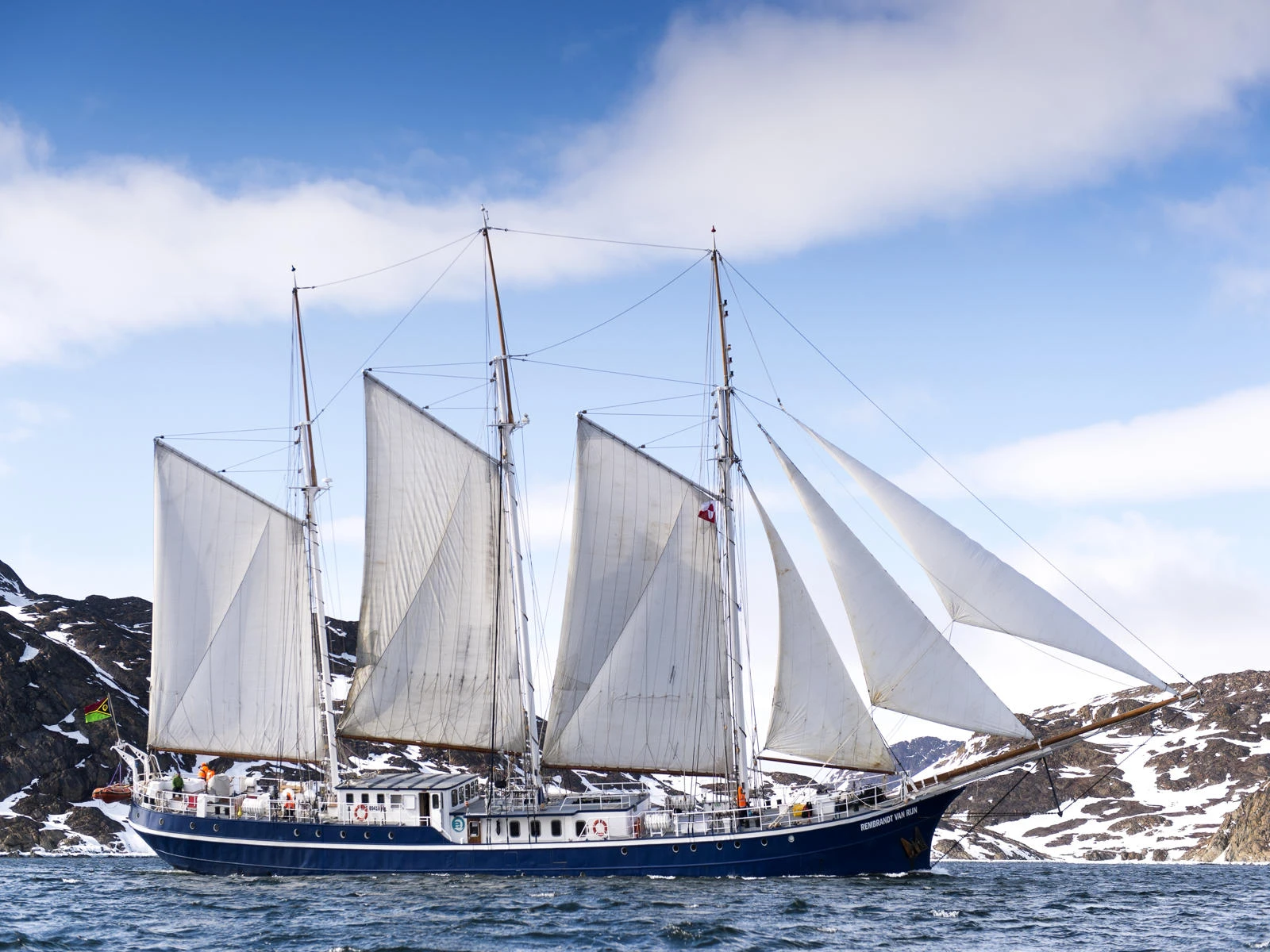
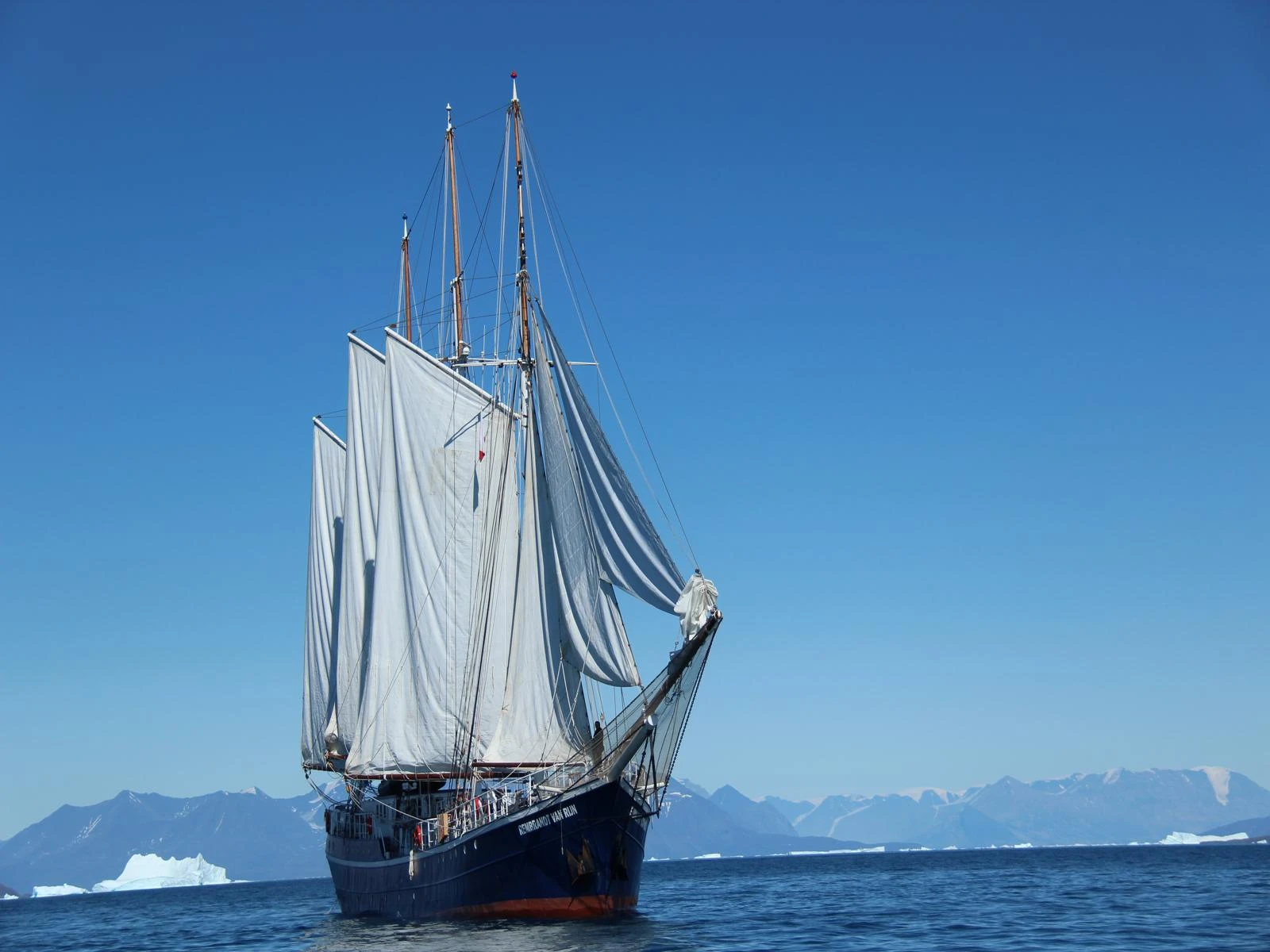
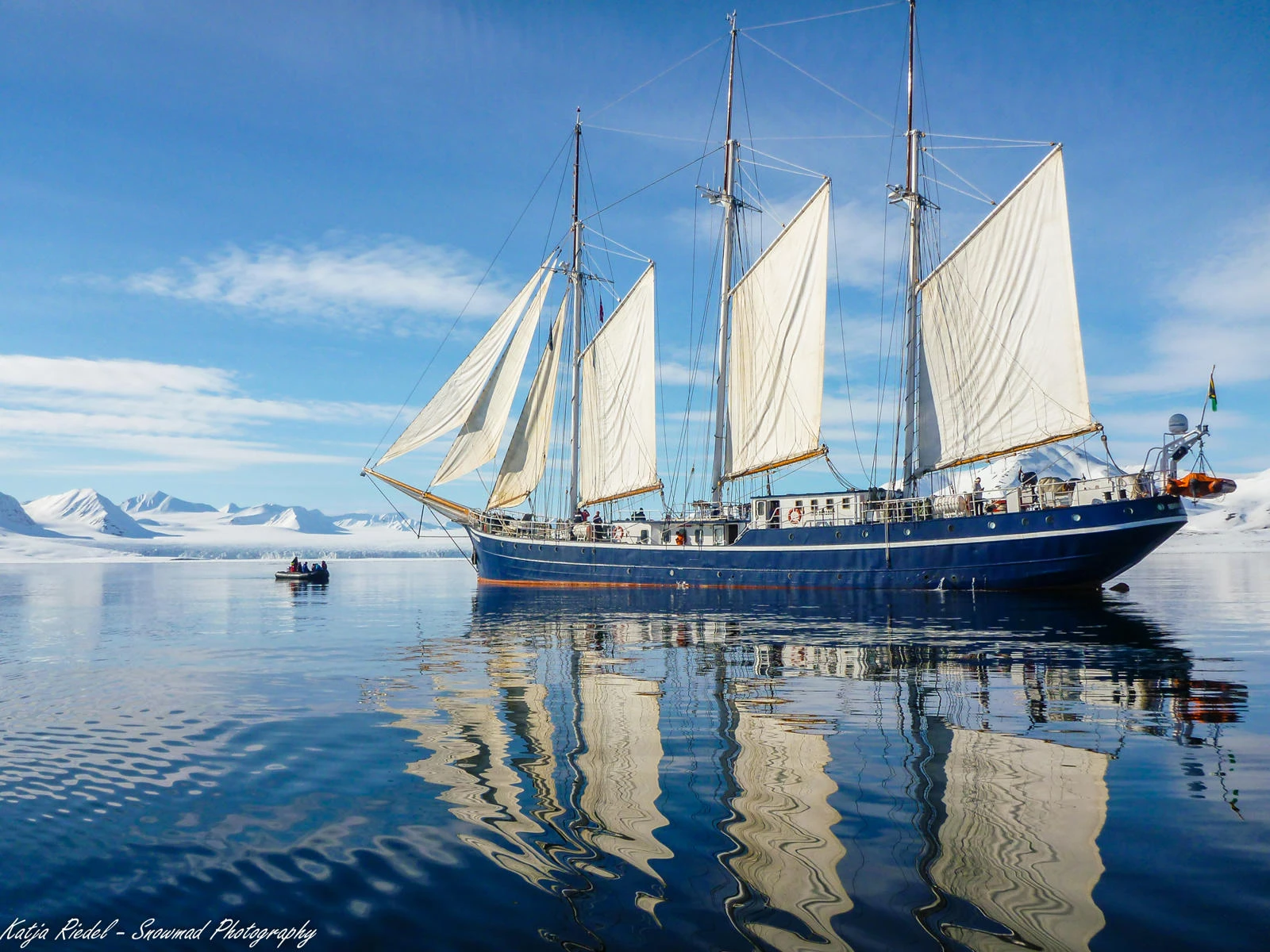
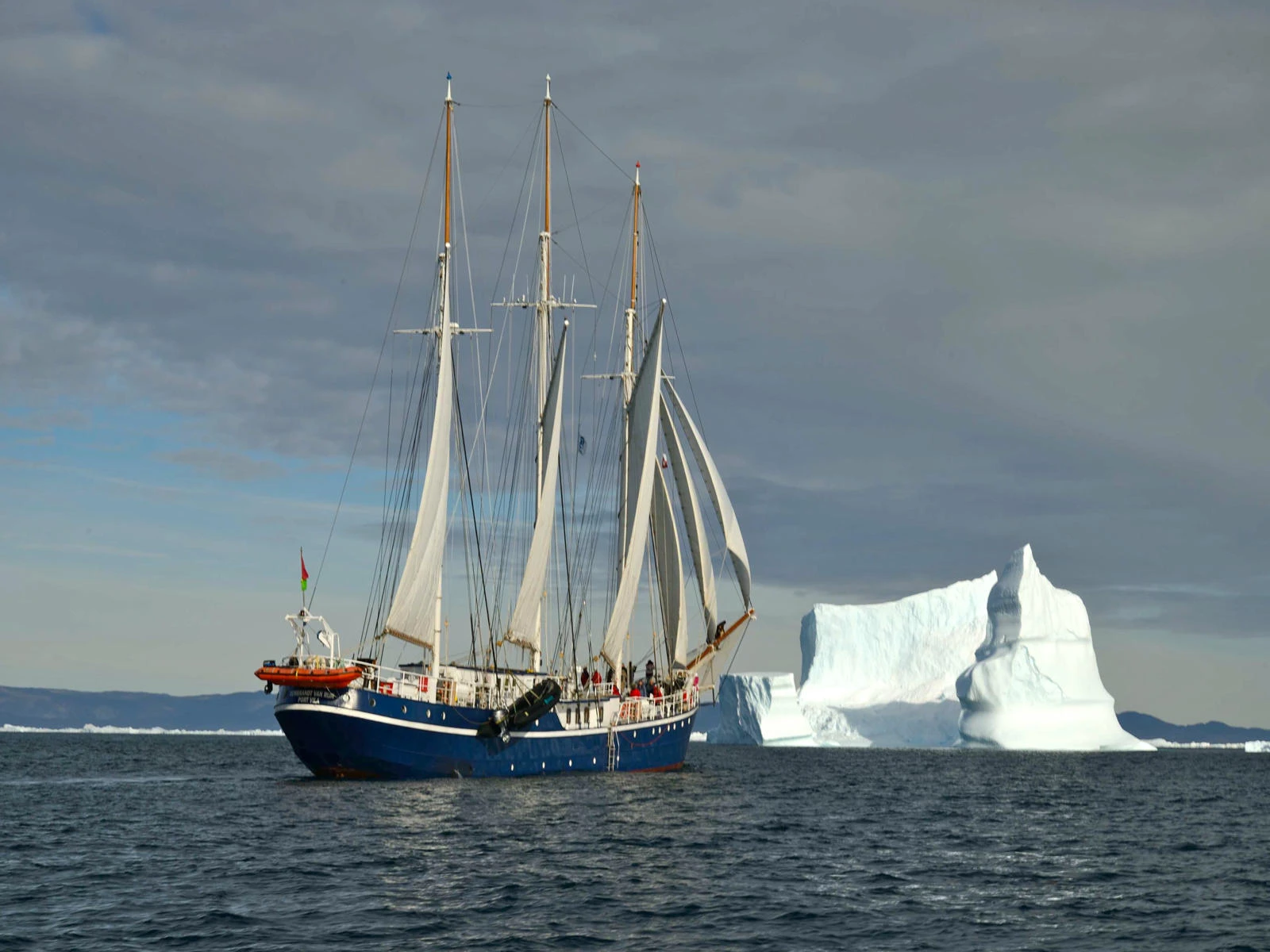
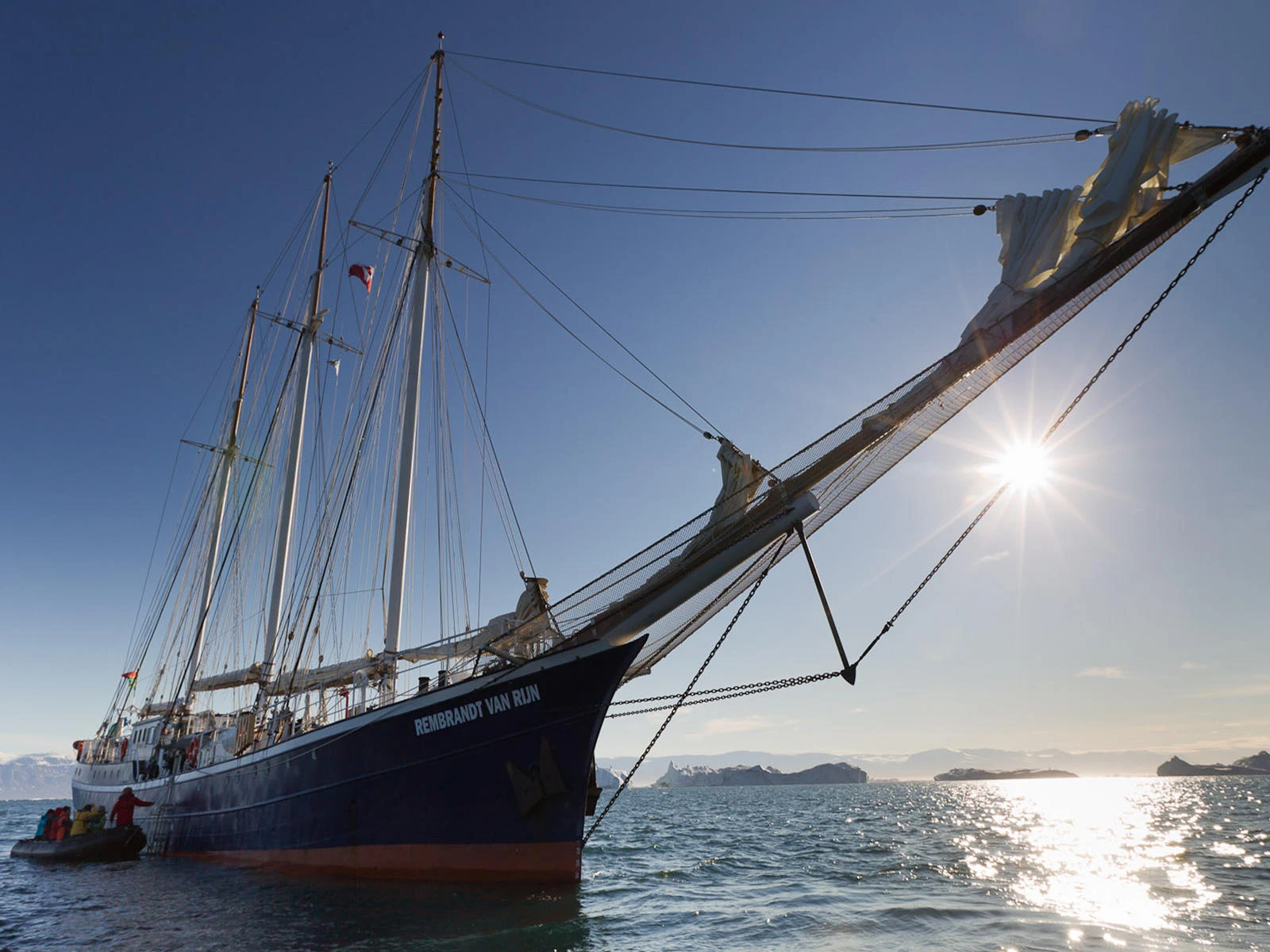
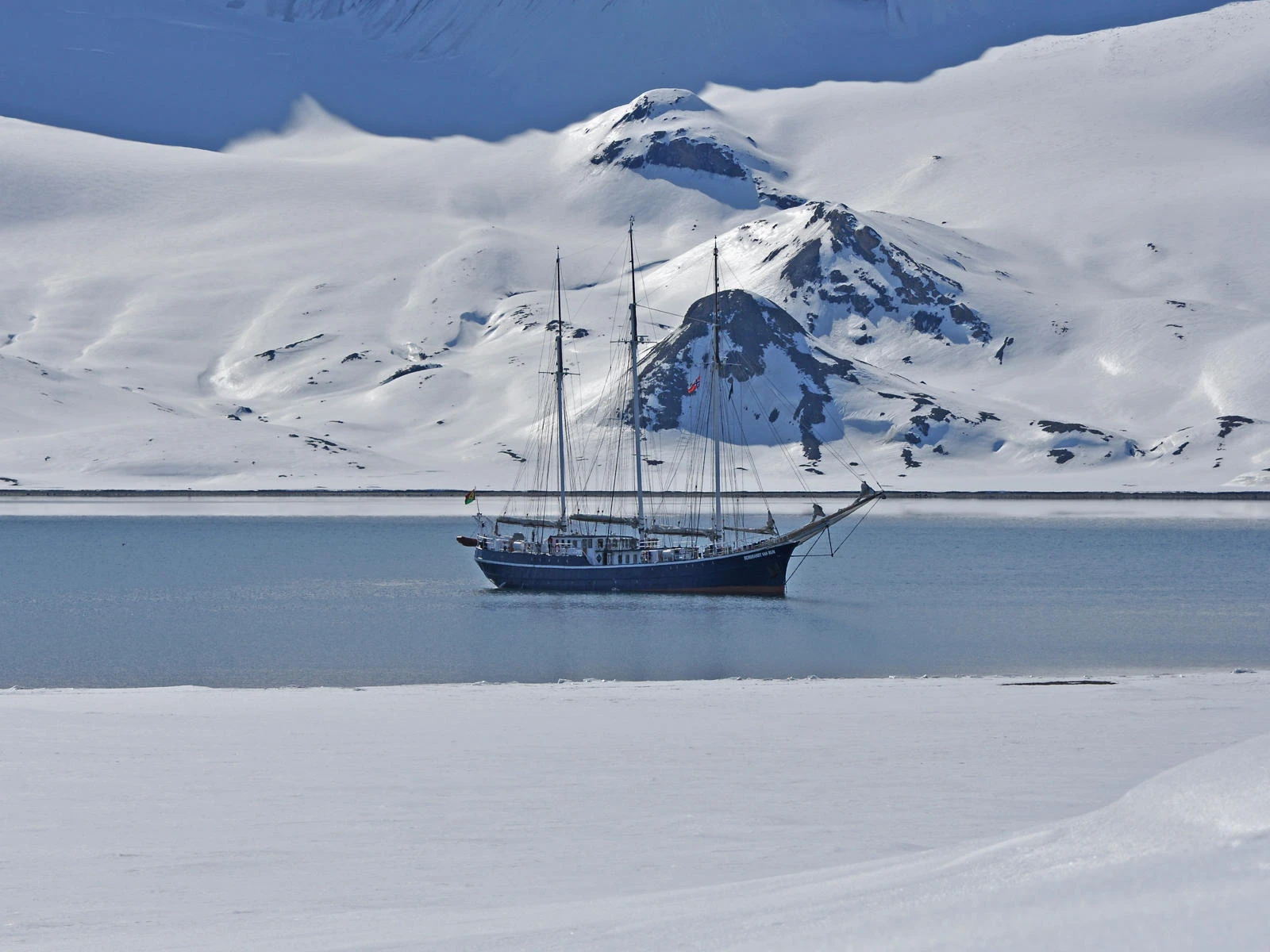
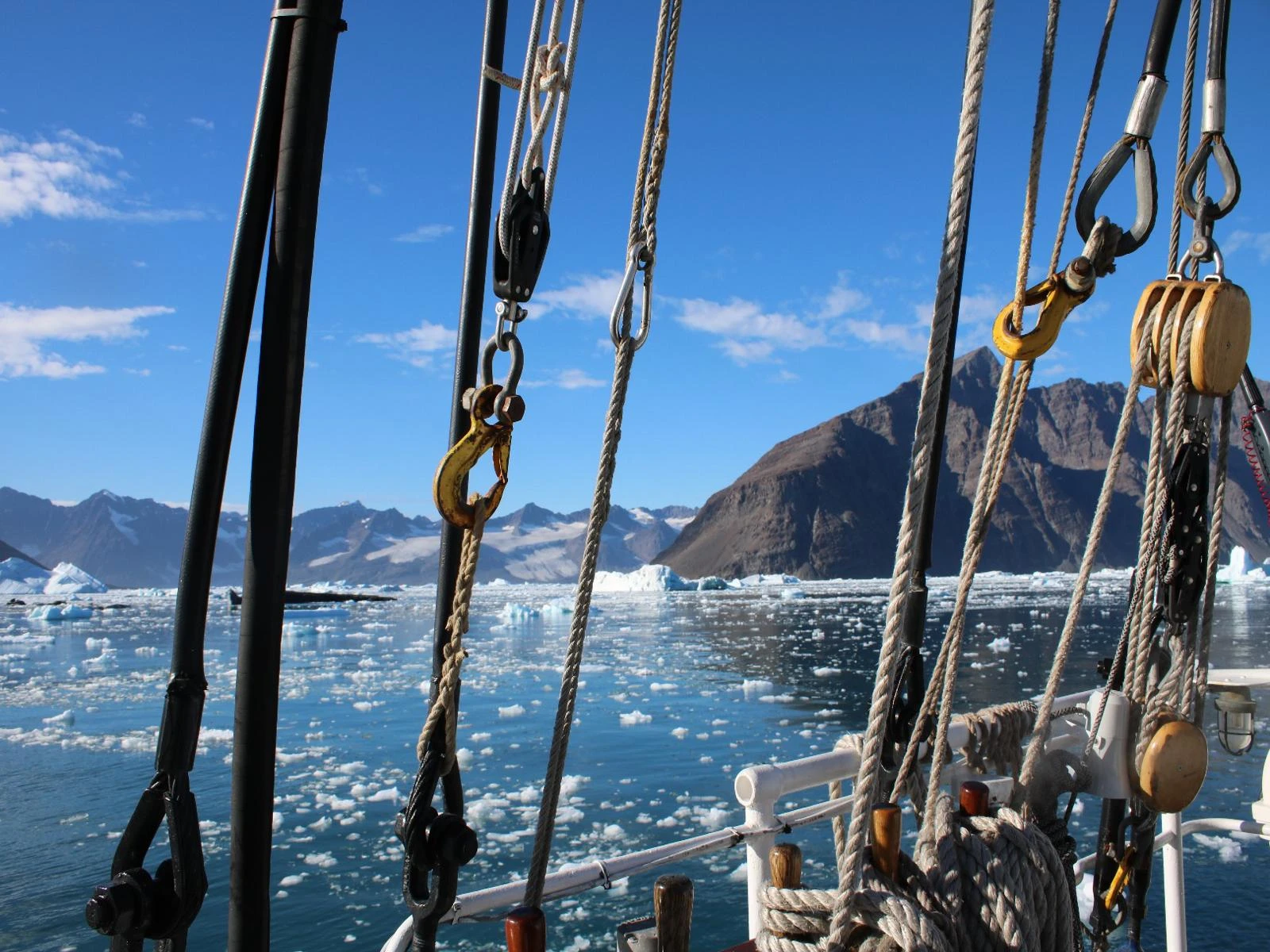
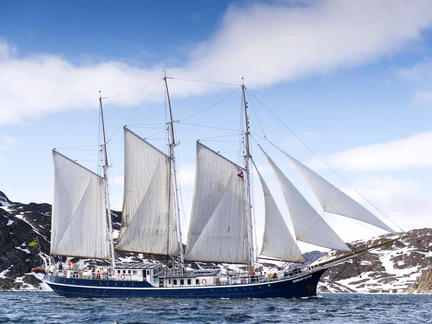
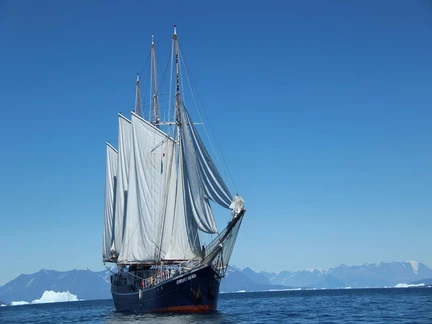
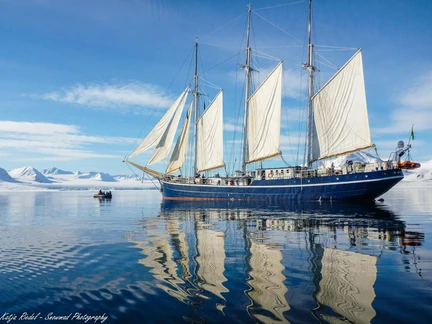
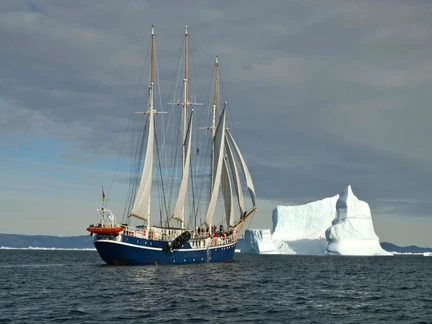
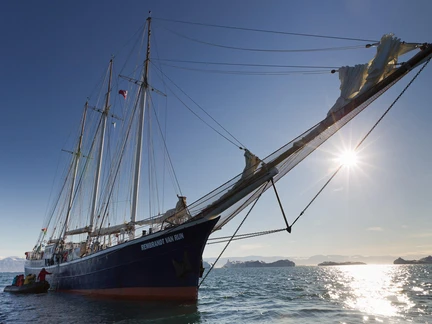
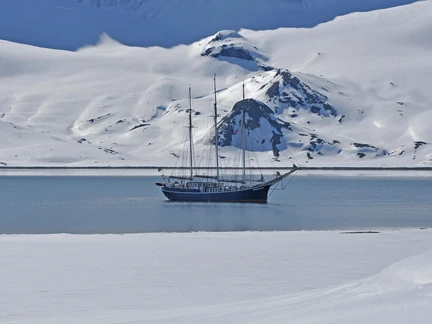
Our three-mast schooner, Rembrandt van Rijn, is ideally suited for expedition cruising among the fjords of Greenland and Spitsbergen.
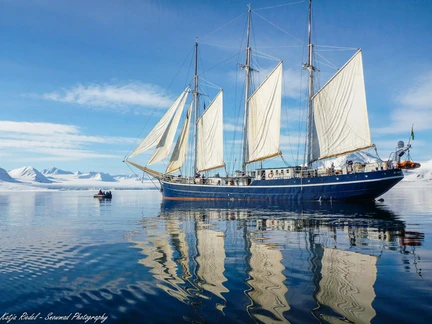
Specifications
| Passengers: | 33 in 16 cabins |
| Staff & crew: | Crew 10 | Guides 2 |
| Length: | 49,50 meters |
| Breadth: | 6,65 meters (22,9 ft) |
| Draft: | 2,8 meters (8 ft) |
| Ice class: | Suitable to sail in the Svalbard and Greenlandic waters. |
| Displacement: | 435 tonnes |
| Propulsion: | 2 cummins engines together 550 KW |
| Speed: | 6,5 knots average cruising speed |
Cabins Gallery
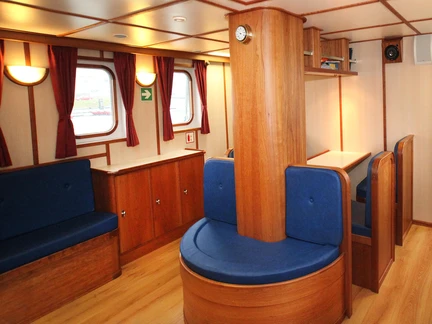
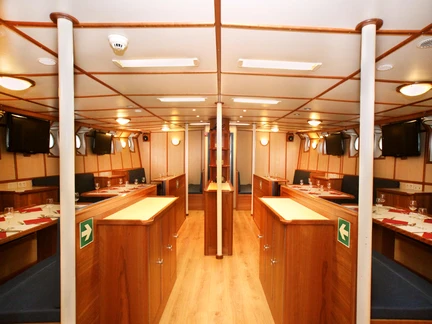
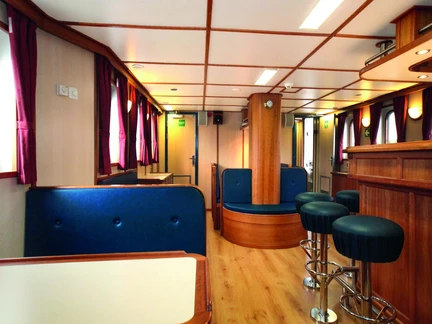
Ship Interior Gallery
Ship Exterior Gallery
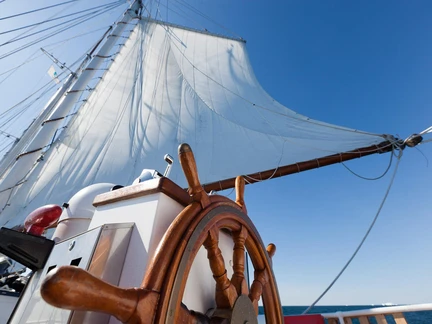
S/V Rembrandt Van Rijn was originally built as a herring lugger in 1947. The vessel was then rebuilt as a three-mast passenger sailing schooner in he Netherlands in 1994, sailing in Spitsbergen (1994 – 1996) and the Galápagos (1998 - 2001). The vessel later underwent a complete rebuilding and refurbishment program until 2011. The communication and navigation equipment has been completely renewed according to the latest SOLAS regulations.
Perfect for expedition cruising among small islands
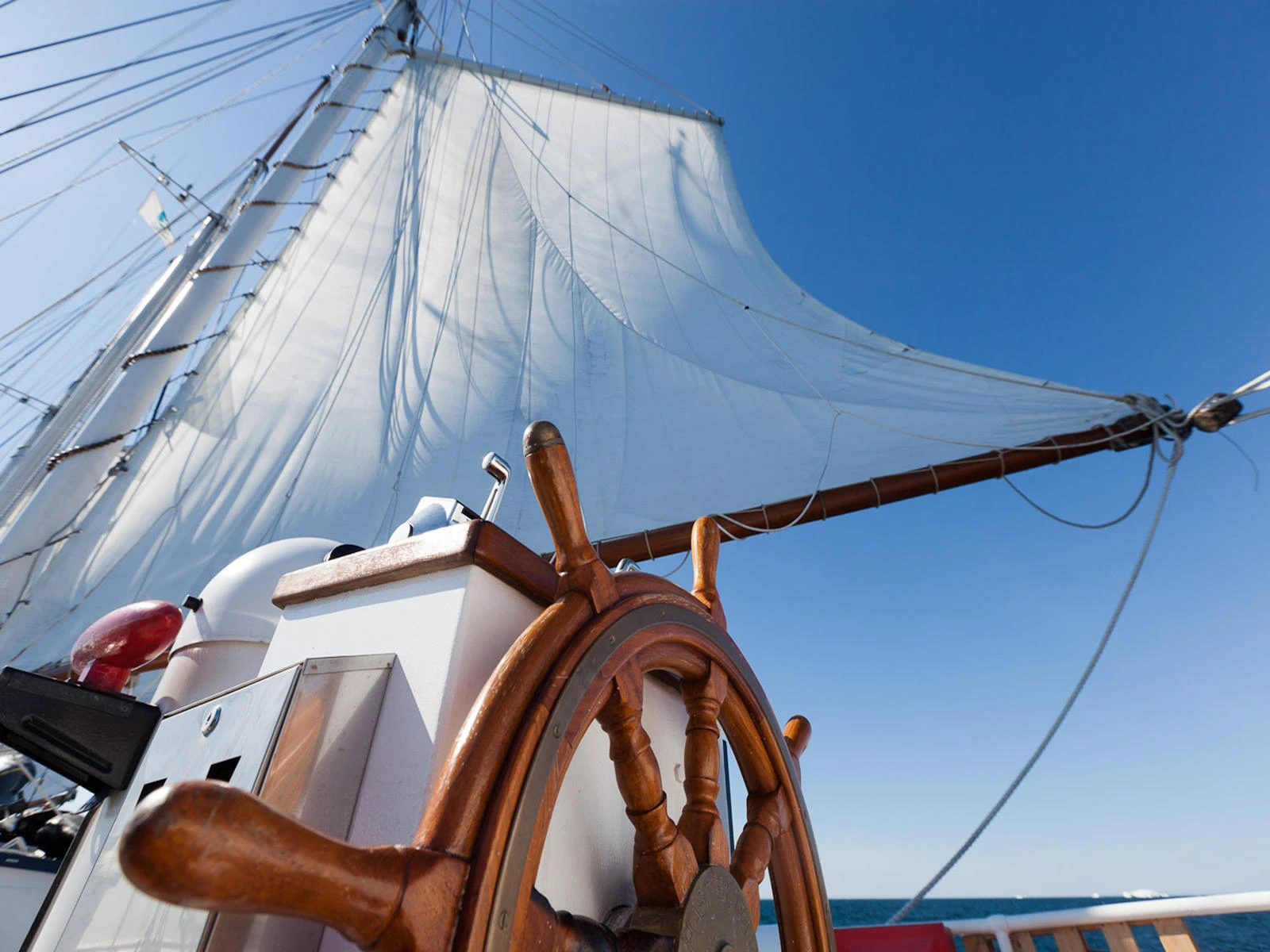
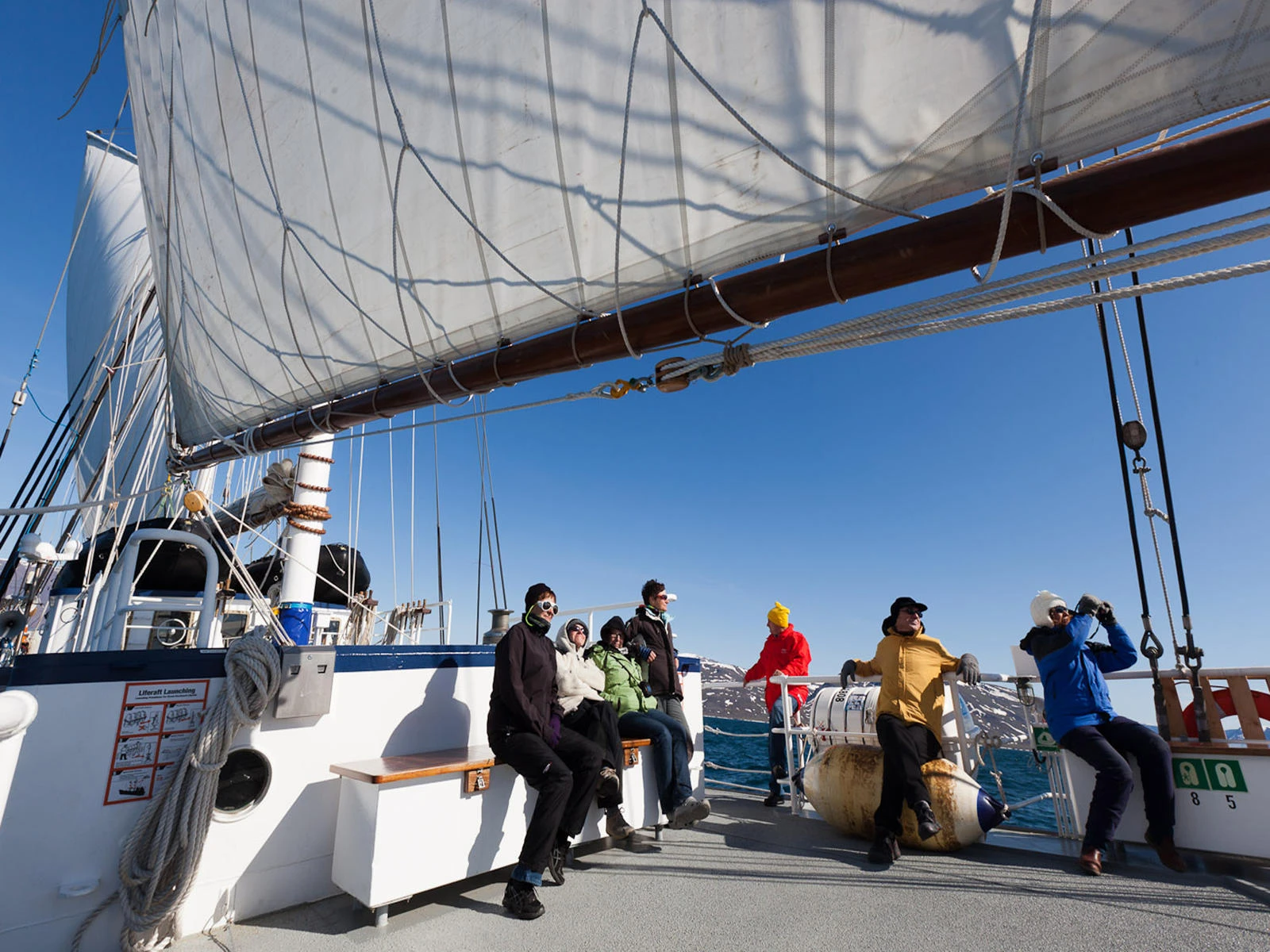
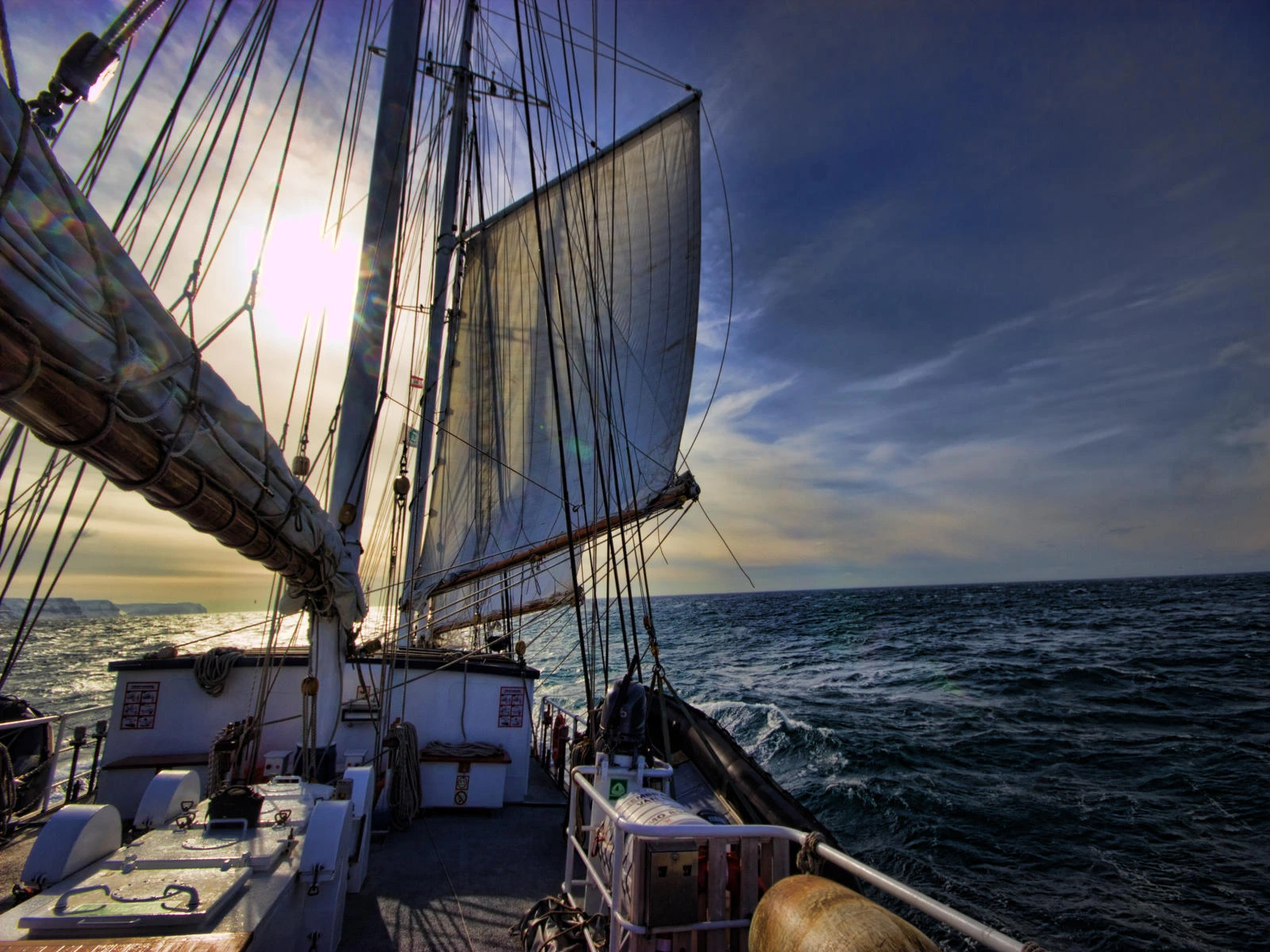
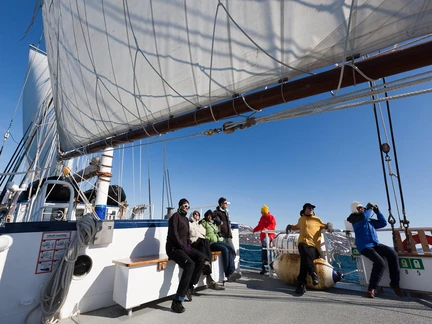
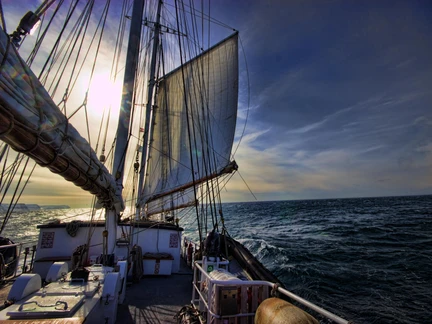
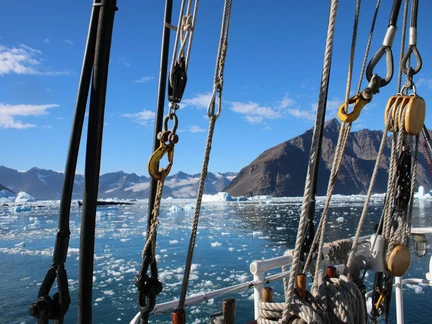
The ship is well suited for expedition cruising among small islands and offer good open deck viewing areas, also when under sail. The two inflatable rubber crafts (Zodiacs) enable landing and wildlife viewing opportunities in otherwise inaccessible areas.
Comfort and Character
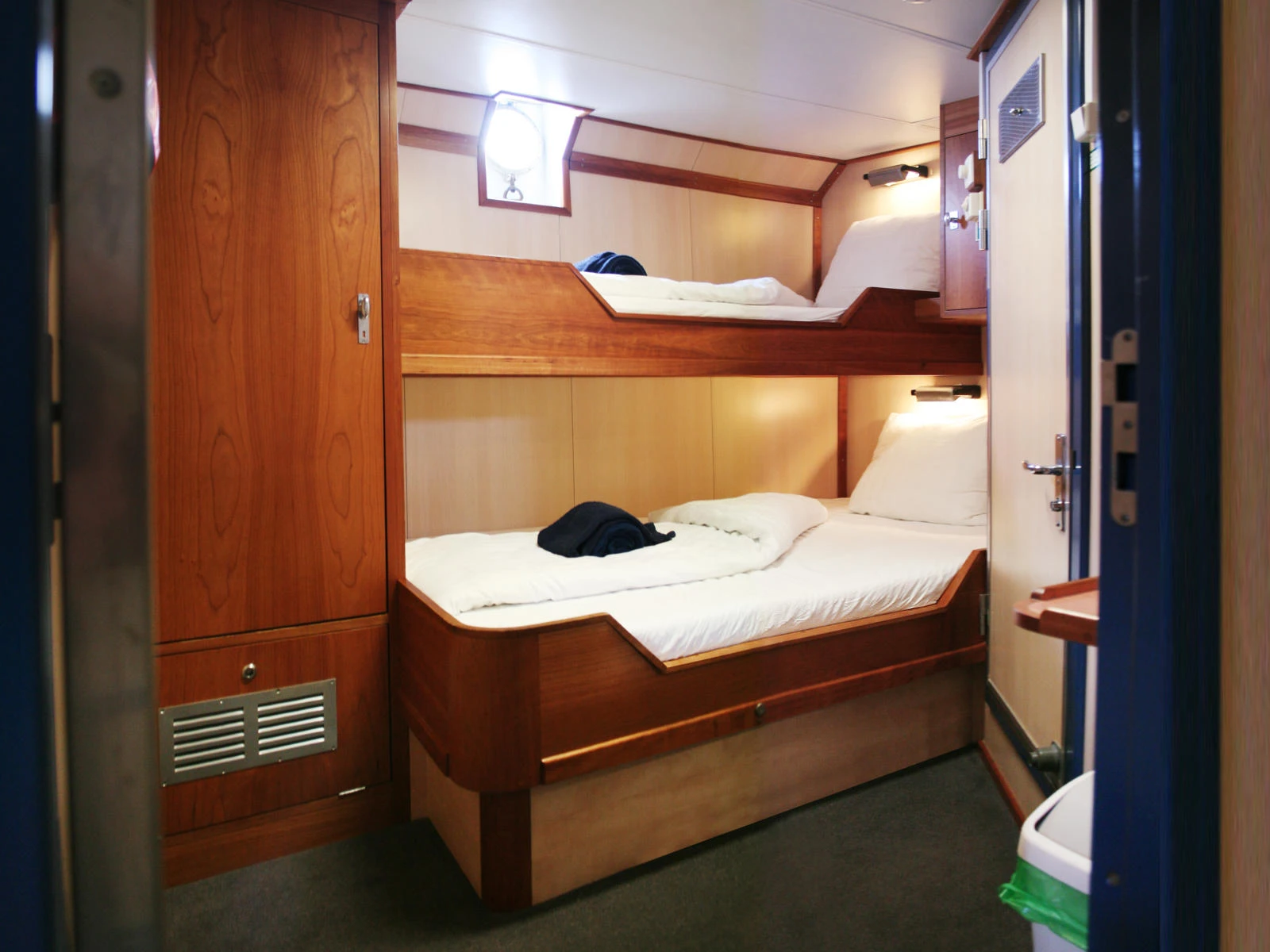
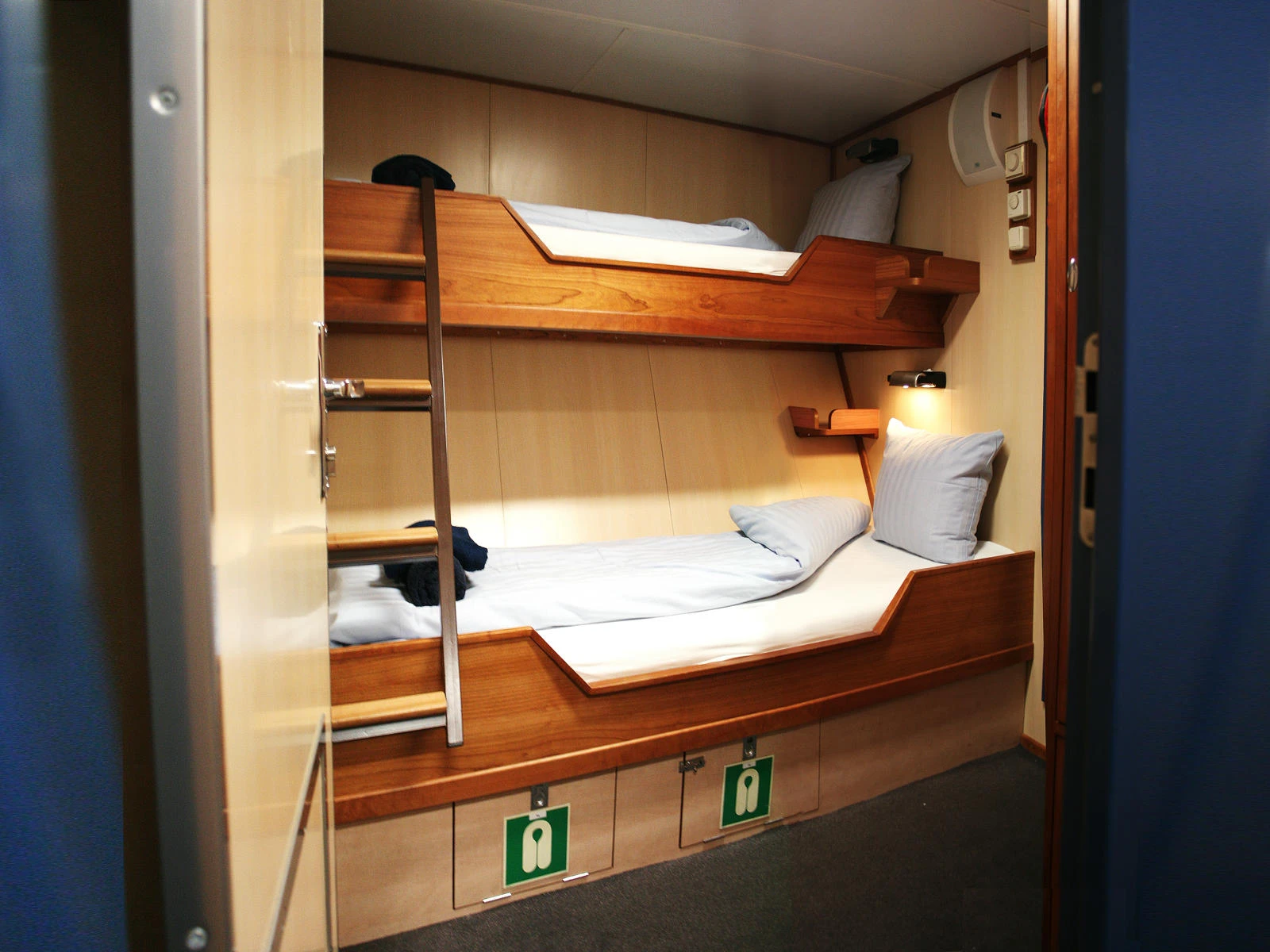
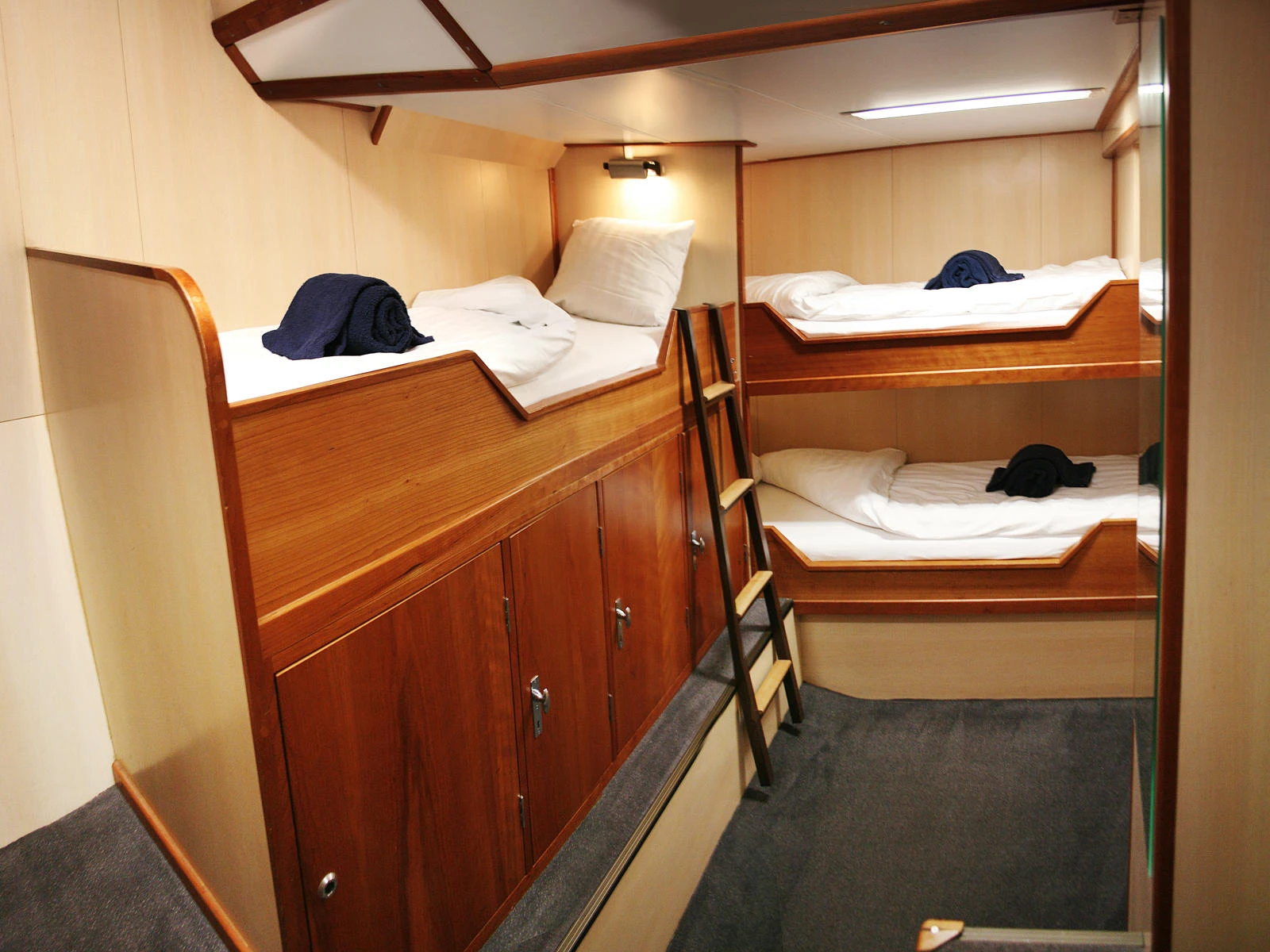
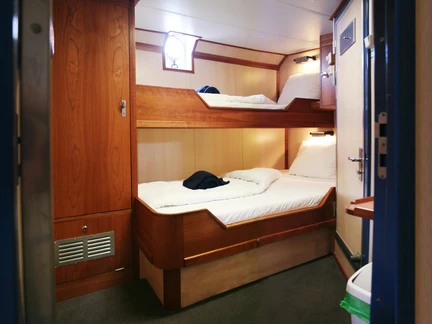
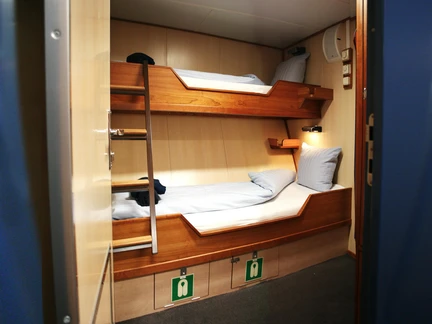
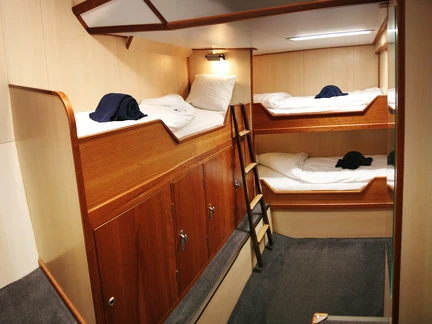
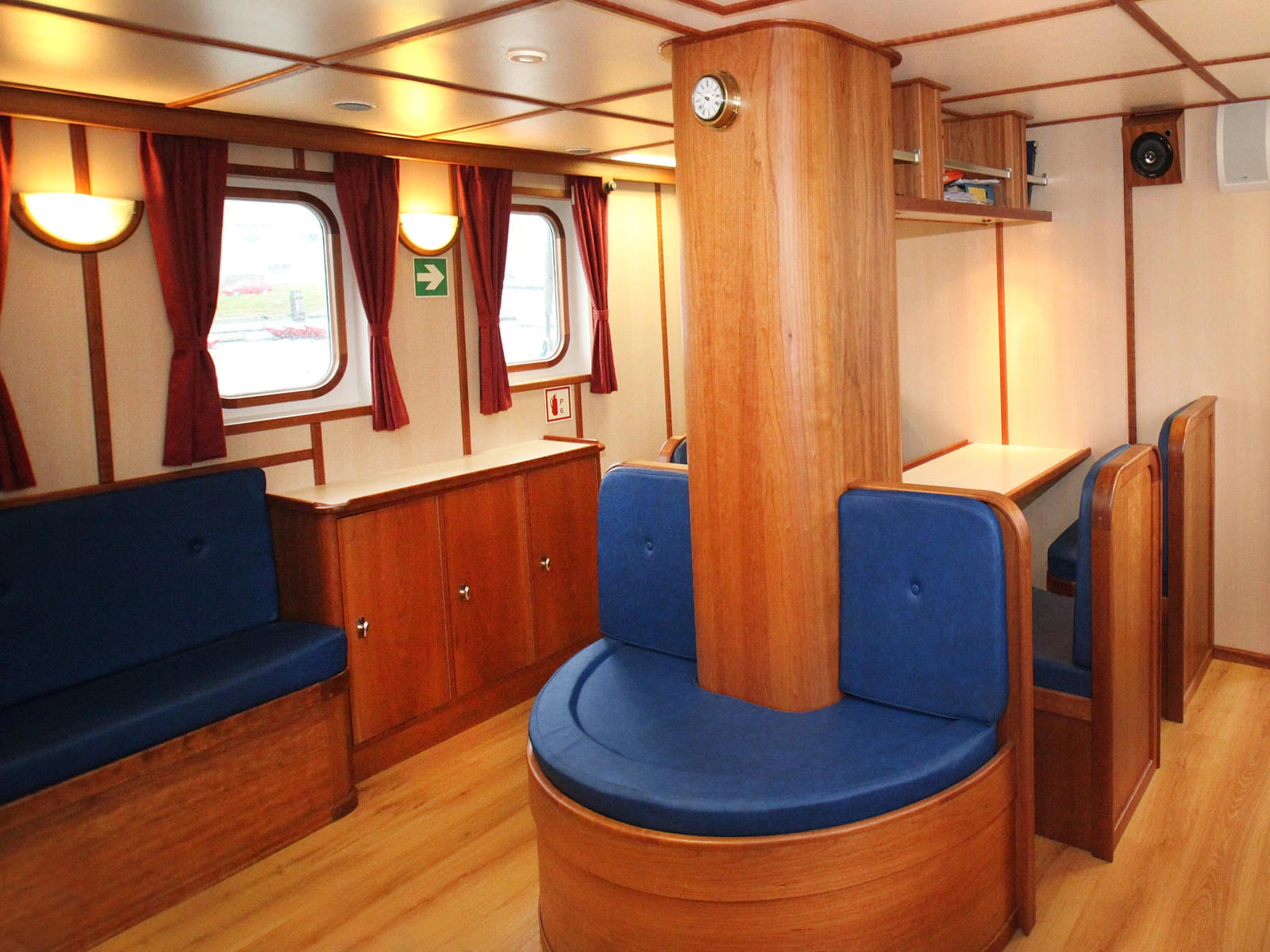
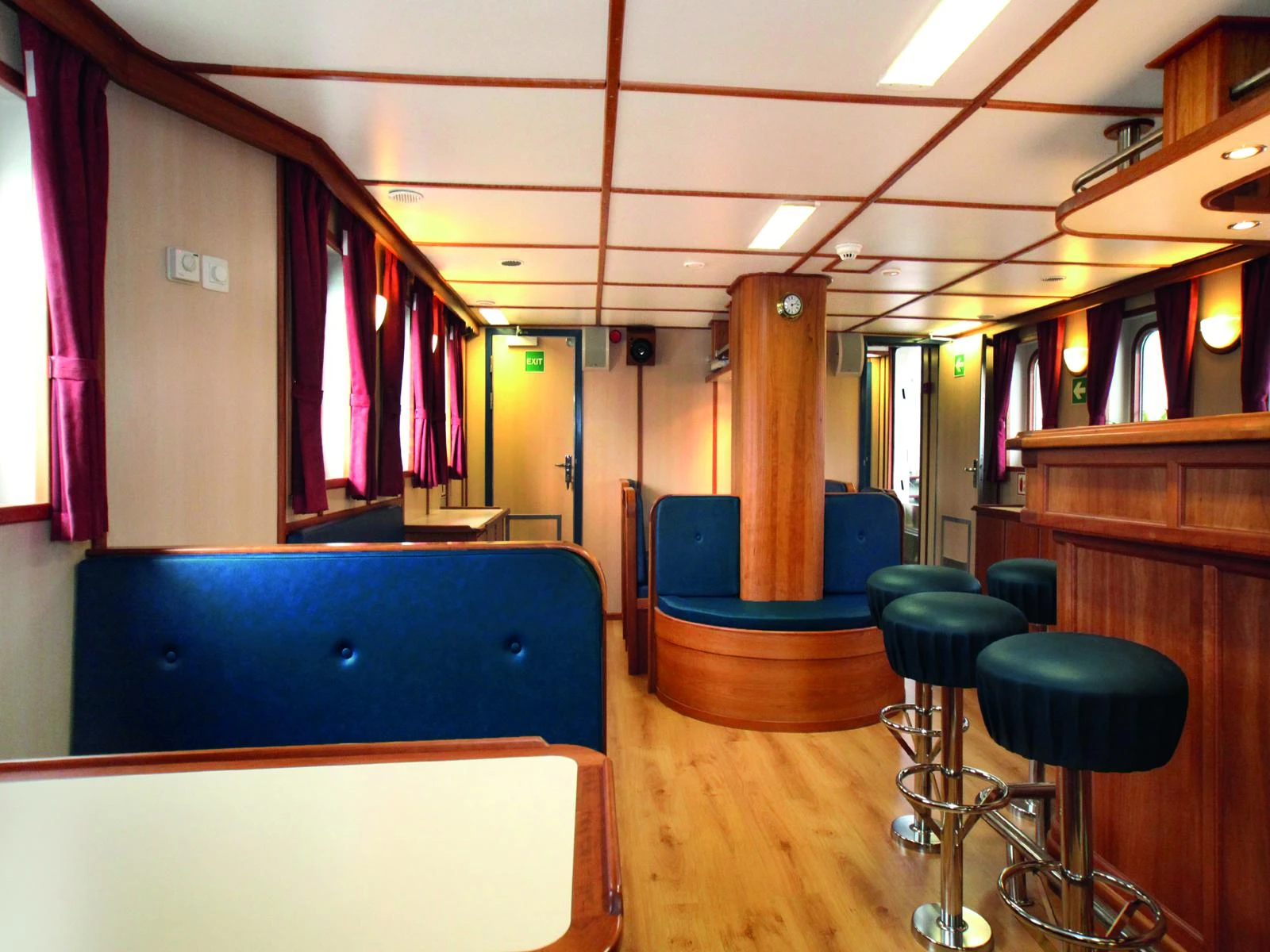
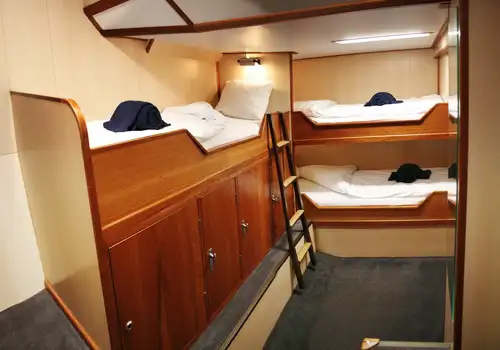
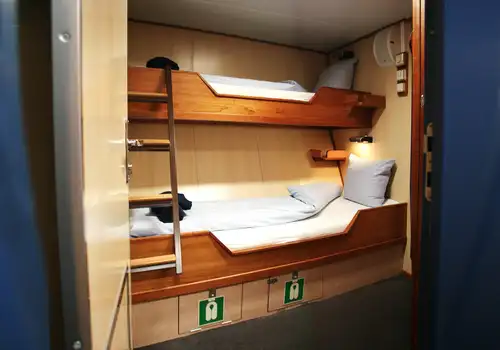
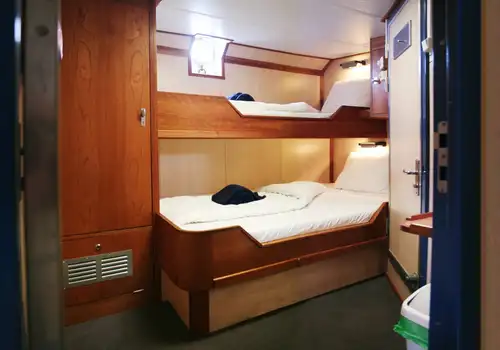
Rembrandt van Rijn measures 49,50 meters in length, 7 meters in width, and has a draft of 2,8 meters. The average cruising speed on engines is 6,5 knots. It has an experienced crew of 12 persons on board including 2 tour guides. The ship can accommodate a maximum of 33 passengers in 16 cabins. It has one Triple Private cabin (with shower and toilet and porthole), six Twin Private Inside cabins (with shower and toilet, no porthole), and nine Twin Private cabins (with shower and toilet and porthole).
Age range & Nationality onboard
Passengers on a typical voyage range from their 30s to their 80s - with a majority usually from 45 - 65, but a little younger on the Rembrandt van Rijn, between 30 - 55. Our expeditions attract independent-minded travellers from around the world. They are characterised by a strong interest in exploring remote regions. The camaraderie and spirit that develops aboard is an important part of the expedition experience. Many departures have several nationalities on board.
Catering
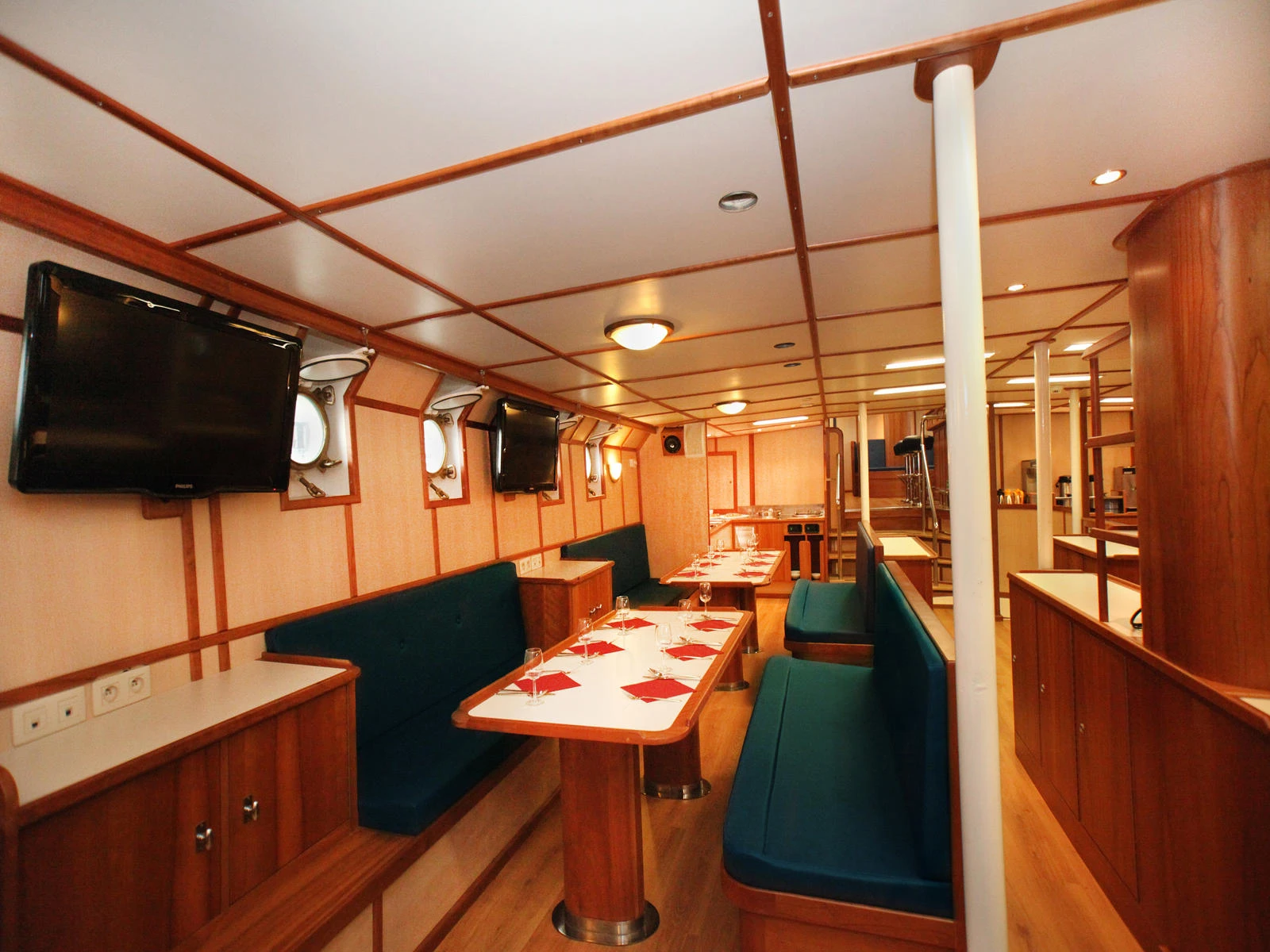
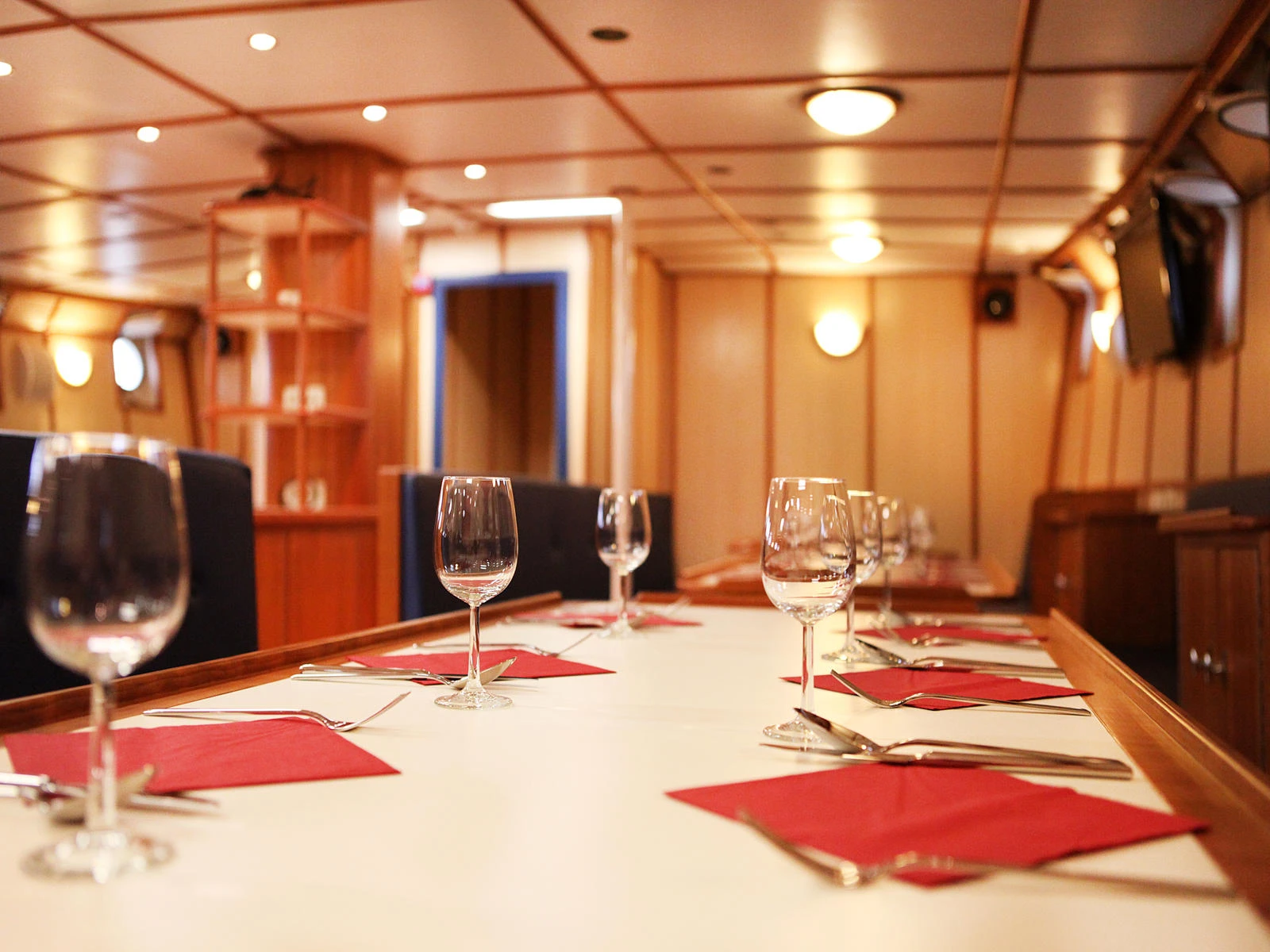
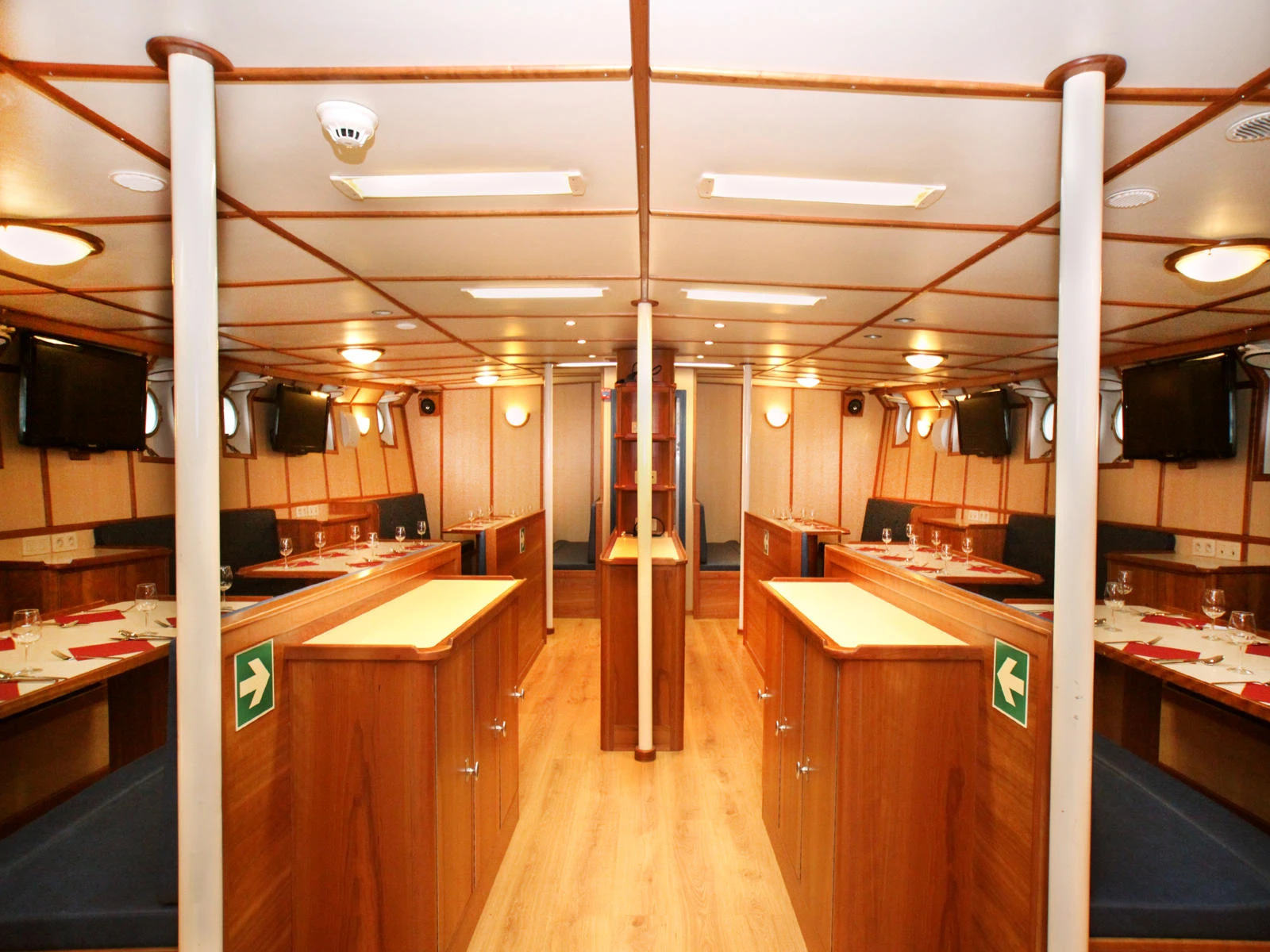
Three simple but good meals of international cuisine per day are served buffet style in the restaurant and is prepared by our cook.
Dress code
In keeping with our expeditions atmosphere, dress on board is informal. Bring casual and comfortable clothing for all activities. Keep in mind that much of the spectacular scenery can be appreciated from the deck, which can be slippery. Bring sturdy shoes with no-slip soles and make sure the parka is never far away in case of the call "Whales!" comes over the loudspeaker and you have to dash outside. Wear layers since it is comfortably warm aboard the ship - and often cold on deck.
Electric Current
The electrical supply aboard the ship is 220 volt 50hz. Electrical outlets are standard European with two thick round pins. U.S. passengers may need a 220v/110v converter.
Excursions & Landings
Every day there will be excursions on land, weather and ice permitting. The landings will take three to six hours per day over untracked areas. According to circumstances (the weather, the ice situation or the passengers´ wishes) the program can sometimes be adjusted. Ample time will be devoted to wildlife, vegetation, geography, and history.
Gratuities
The customary gratuity to the ship's crew and expedition leader is made as a blanket contribution at the end of the voyage. Tipping is a very personal matter and the amount you wish to give is at your discretion. We suggest to give cash in Euros, US Dollars or Danish kroner.
Non-smoking policy
On board our vessels we have a non-smoking policy. It is prohibited to smoke inside the ship. You can smoke in designated ares. Please respect the wishes of non-smokers.
The crew
The crew of the ´Rembrandt van Rijn´ consists of 9 experienced crew and 2 expedition guides and a cook. The sailors are in charge during sailing and will bring us ashore.
Your physical condition
You must be in good general health and you should be able to walk several hours per day. The expedition is ship-based and physically not very demanding. Although we spend as much time as possible ashore, you are welcome to remain aboard the ship if you like. To join most excursions, you must be able to get up and down the ladder from the ship to the water level to board the Zodiacs. Staff will assist you in and out of the boats. This will become progressively easier with practice. Ashore it can be slippery and rocky. You are travelling in remote areas without access to sophisticated medical facilities, so you must not join this expedition if you have a life-threatening condition, or need daily medical treatment.
The average price for flights (round trip) to Longyearbyen
From Jakarta: $860
From Singapore: $976
From Kuala Lumpur: $886

- Yes, we have an onboard entertainment system that gives you access to movies and series as well as information about our menus, daily activities, and related trip information. Just connect to the vessel's Wi-Fi, click on the link or scan the QR code, and search for media at your leisure.
- When an activity is cancelled due to weather (or any other) conditions, we will offer an alternative activity when possible. We may also reschedule the activity for another time. If neither option is possible due to local conditions, however, we can offer no refund for the missing activity. This is the unpredictable nature of expedition travel. Sometimes we are lucky, sometimes we are not. Itineraries are always subject to change due to ice, weather, or wildlife conditions.
- The currency used on all vessels is the Euro, but you can also pay with USD.
- No, you are not able to change currency on board.
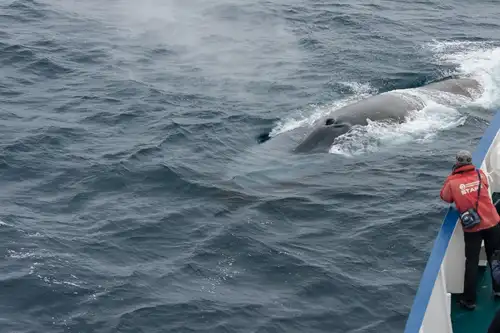
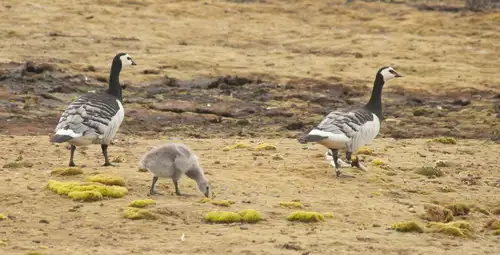
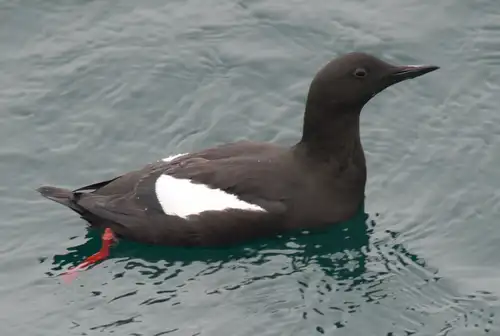
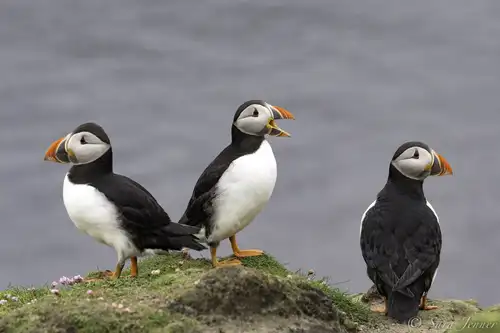
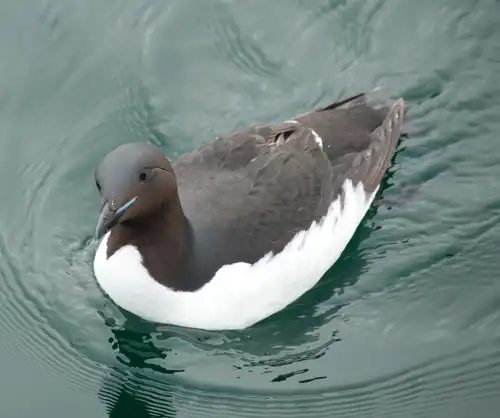
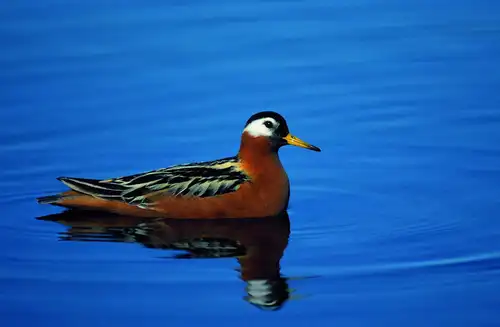
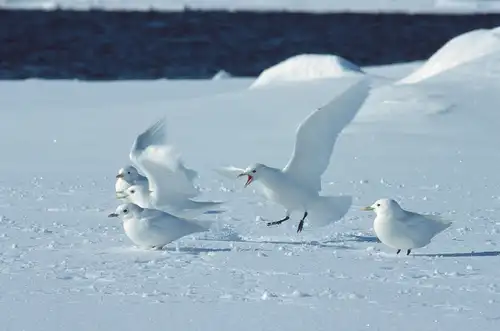
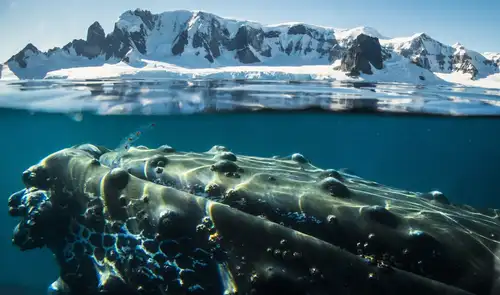
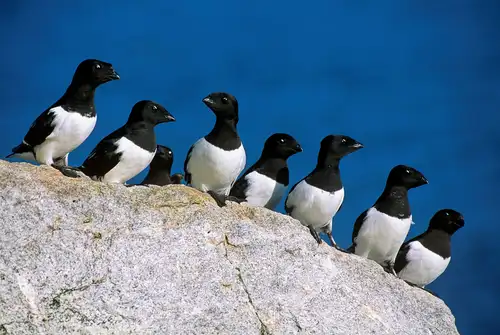
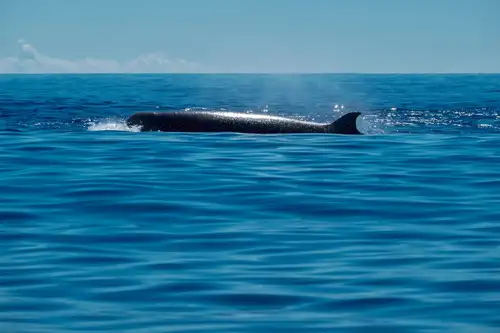
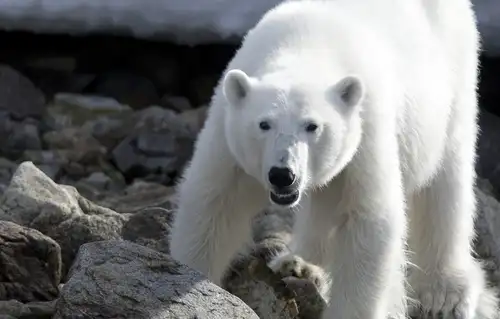
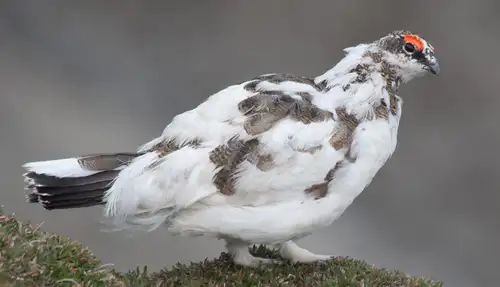
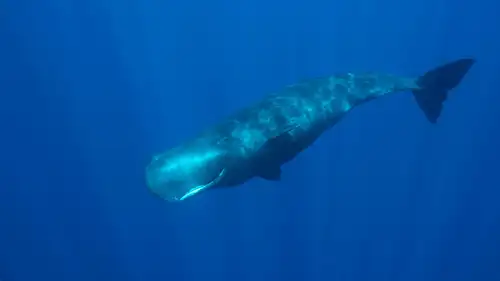
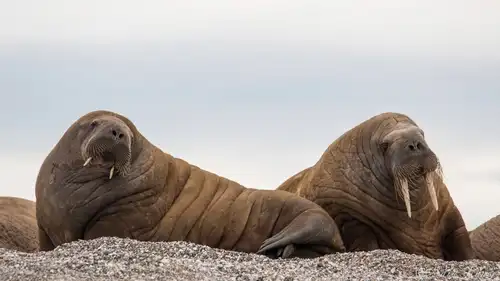
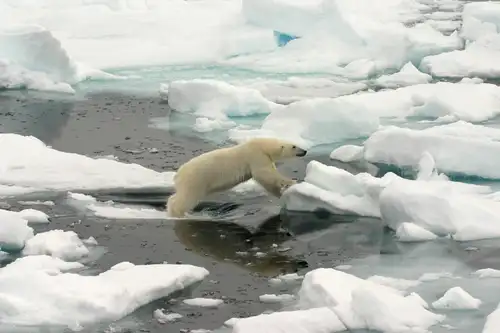
- Your cruise to Spitsbergen will come with an enormous amount of opportunity to spot wildlife. Polar bears are obviously the main attraction regarding wildlife. There are six national parks throughout Spitsbergen, and Svalbard alone is known to contain, Polar bears, reindeer, Arctic fox, numerous birds (such as guillemots and little auks) and several high Arctic seal species inhcluding the iconic Walrus. You might also encounter a variety of whales including the largest of them all: the Blue whale.
- Longyearbyen is the capital of Svalbard, and it also serves as the capital region for Jan Mayen. Longyearbyen is the largest Svalbard settlement, and it is utilized as the administrative center. There are more than 2,000 people living in Longyearbyen, which accounts for almost all of the residents within this particular region.
- Our sailing vessels are operated by experienced captains and crew. Passengers are invited to help with the sailing process under crew supervision.
- We reserve the right to apply a fuel surcharge. If a fuel surcharge is applicable, you will be informed. Please see our Terms and Conditions section 4.2 for details.

You May Also Like


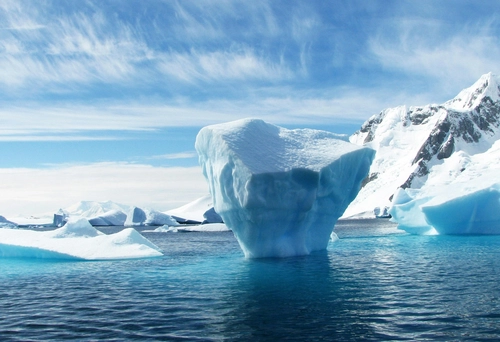
Alpine Peaks of Spitsbergen, Ski & Sail
24 Apr 2026 - 01 May 2026 8 Days / 7 Nights
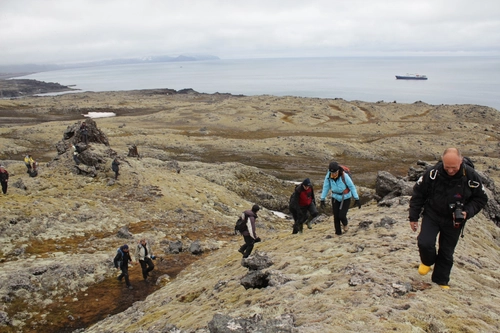
Arctic Ocean - Fair Isle, Jan Mayen, Ice Edge, Spitsbergen, Birding
27 May 2026 - 05 Jun 2026 10 Days / 9 Nights
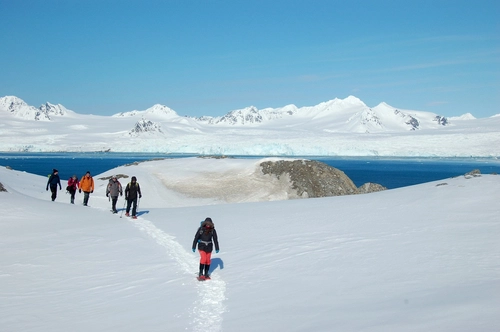
North Spitsbergen - Arctic Spring , Hike & Sail
29 May 2026 - 05 Jun 2026 8 Days / 7 Nights
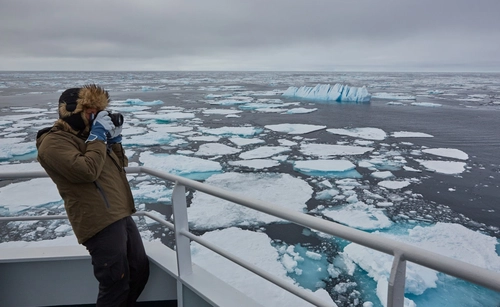
North Spitsbergen Explorer - Into the pack ice - Polar Bear Special
05 Jun 2026 - 12 Jun 2026 8 Days / 7 Nights

Arctic Ocean - Jan Mayen, Ice edge, Spitsbergen, Birding
05 Jun 2026 - 13 Jun 2026 9 Days / 8 Nights
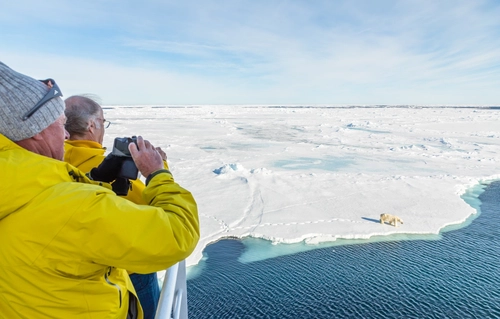
Arctic Ocean - Fair Isle, Jan Mayen, Ice edge, Spitsbergen, Birding - Summer Solstice
12 Jun 2026 - 21 Jun 2026 10 Days / 9 Nights
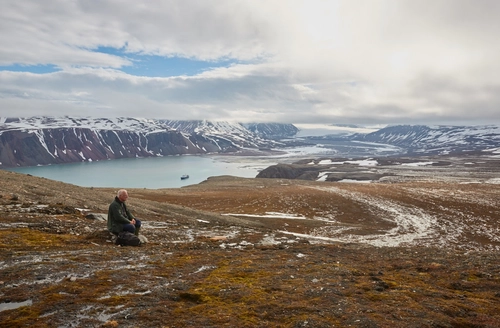
North Spitsbergen Explorer - Versatile landscapes, sea ice & wildlife
13 Jun 2026 - 20 Jun 2026 8 Days / 7 Nights
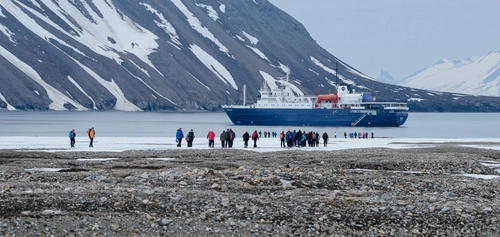
North Spitsbergen Basecamp – Summer Solstice - Free Kayaking, Hiking, Photo Workshop, Diving (supplemented)
19 Jun 2026 - 26 Jun 2026 8 Days / 7 Nights
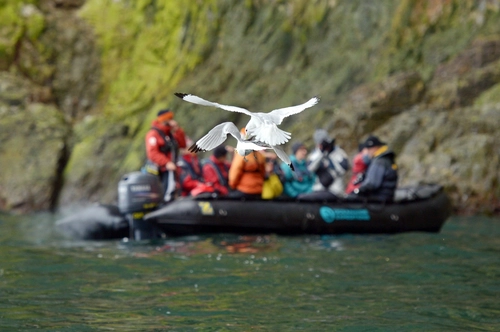
North Spitsbergen Explorer - Versatile landscapes, sea ice & wildlife - Summer Solstice
20 Jun 2026 - 27 Jun 2026 8 Days / 7 Nights
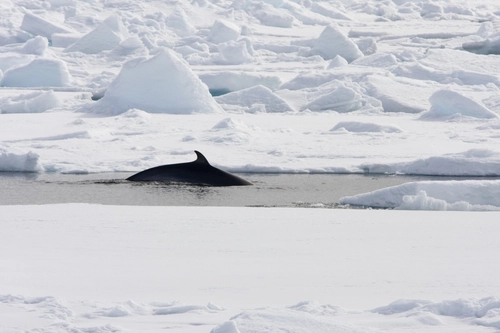
North Spitsbergen - Arctic Summer
25 Jun 2026 - 05 Jul 2026 11 Days / 10 Nights

East Spitsbergen - Home of the Polar Bear, Including Long Hikes & Cleaning the Shores
26 Jun 2026 - 03 Jul 2026 8 Days / 7 Nights
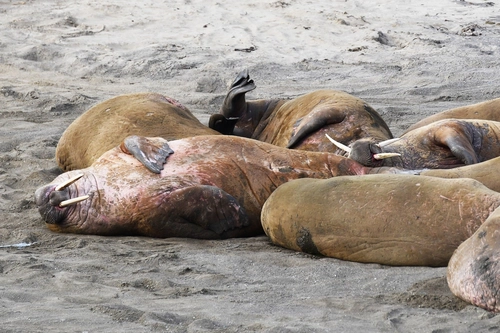
Around Spitsbergen, In the realm of Polar Bear & Ice
27 Jun 2026 - 06 Jul 2026 10 Days / 9 Nights
North Spitsbergen Explorer – Into the Pack Ice – Polar Bear & Whale Special
28 Jun 2026 - 07 Jul 2026 10 Days / 9 Nights
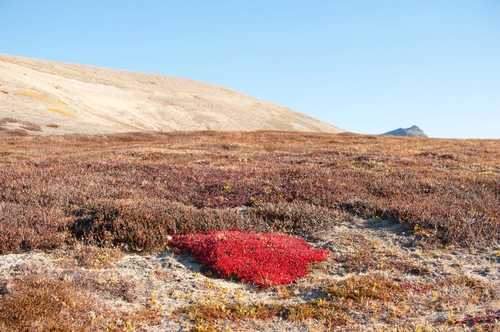
Northeast Greenland Solar Eclipse Explorer Voyage
02 Aug 2026 - 15 Aug 2026 14 Days / 13 Nights
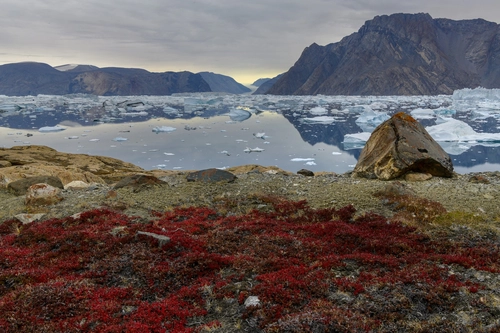
Spitsbergen - Northeast Greenland, Fly & Sail
12 Aug 2026 - 31 Aug 2026 20 Days / 19 Nights
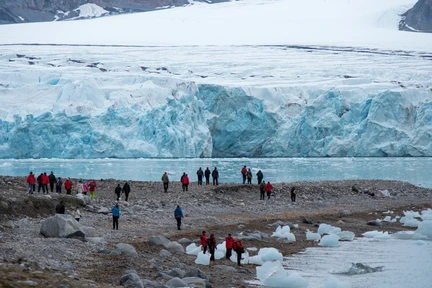
Around Spitsbergen incl. Nordaustlandet
17 Aug 2026 - 26 Aug 2026 10 Days / 9 Nights
Alpine Peaks of Spitsbergen - Ski & Sail
07 May 2027 - 14 May 2027 8 Days / 7 Nights
Arctic Ocean - Fair Isle, Jan Mayen, Ice Edge, Spitsbergen, Birding Special
23 May 2027 - 01 Jun 2027 10 Days / 9 Nights
North Spitsbergen Explorer - Versatile Landscapes, Sea Ice & Wildlife
01 Jun 2027 - 08 Jun 2027 8 Days / 7 Nights
North Spitsbergen Explorer - Into the Pack Ice - Polar Bear Special
09 Jun 2027 - 16 Jun 2027 8 Days / 7 Nights
North Spitsbergen, Arctic Summer - Summer Solstice
14 Jun 2027 - 24 Jun 2027 11 Days / 10 Nights
North Spitsbergen Explorer - Versatile Landscapes, Sea Ice & Wildlife - Summer Solstice
15 Jun 2027 - 22 Jun 2027 8 Days / 7 Nights
North Spitsbergen Explorer - Into the Pack Ice - Polar Bear Special - Summer Solstice
16 Jun 2027 - 23 Jun 2027 8 Days / 7 Nights
Arctic Ocean - Spitsbergen: Jan Mayen, Ice Edge & Birding - Summer Solstice
21 Jun 2027 - 29 Jun 2027 9 Days / 8 Nights
North Spitsbergen Basecamp - Free kayaking, Hiking, Photo Workshop
23 Jun 2027 - 30 Jun 2027 8 Days / 7 Nights
North Spitsbergen, Arctic Summer
24 Jun 2027 - 04 Jul 2027 11 Days / 10 Nights
Around Spitsbergen, in the Icy Realm of the Polar Bear
29 Jun 2027 - 08 Jul 2027 10 Days / 9 Nights
A Taste of North Spitsbergen - Compact Arctic Adventure
30 Jun 2027 - 05 Jul 2027 6 Days / 5 Nights
South Spitsbergen Explorer - Bear Island - Diving (supplemented)
10 Jul 2027 - 19 Jul 2027 10 Days / 9 Nights
Around Spitsbergen - Arctic Summer
28 Jul 2027 - 11 Aug 2027 15 Days / 14 Nights
Around Spitsbergen and Nordaustlandet, In the Icy Realm of the Polar Bear
06 Aug 2027 - 15 Aug 2027 10 Days / 9 Nights
Spitsbergen, Northeast Greenland & Scoresby Sund, Including Long Hikes
20 Aug 2027 - 02 Sep 2027 14 Days / 13 Nights
South Spitsbergen, Bear Island & Mainland Norway - Aurora Borealis
17 Sep 2027 - 22 Sep 2027 6 Days / 5 Nights
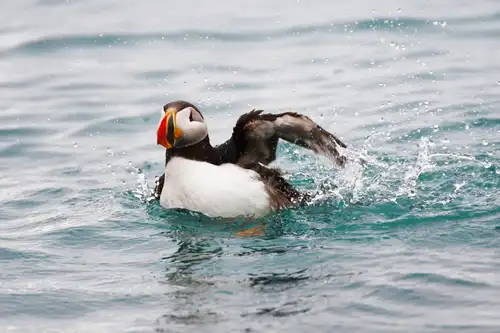
Puffins: Clown Birds of the Atlantic
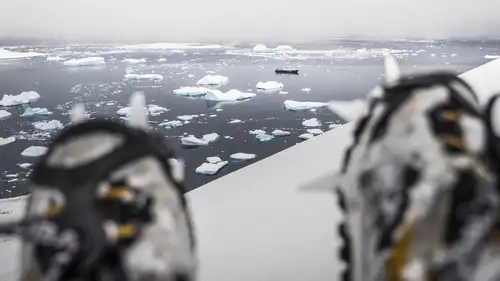
Arctic and Antarctic Basecamp Cruises – Choose Your Own Adventure
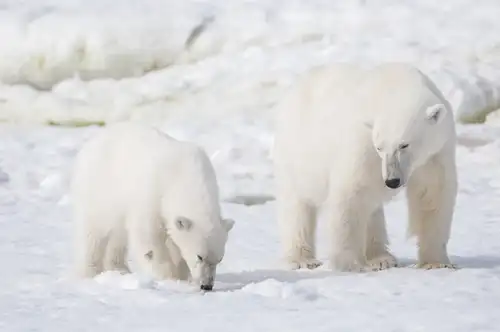
The polar bear: king of the Arctic food chain
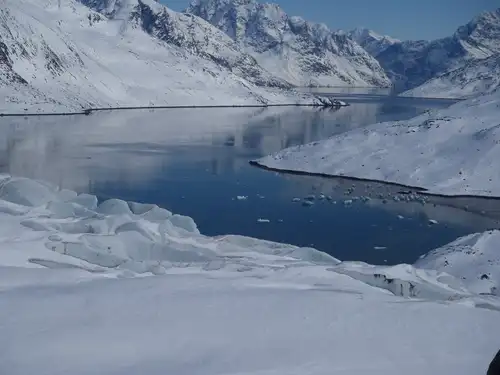
8 Scientific Wonders of the Arctic
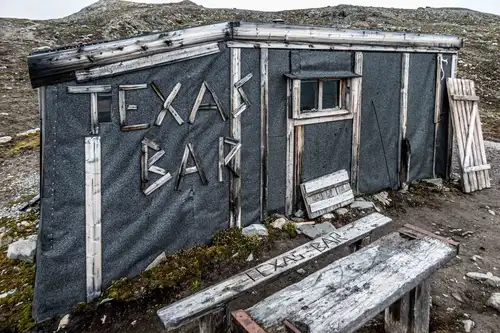
Svalbard’s Texas Bar
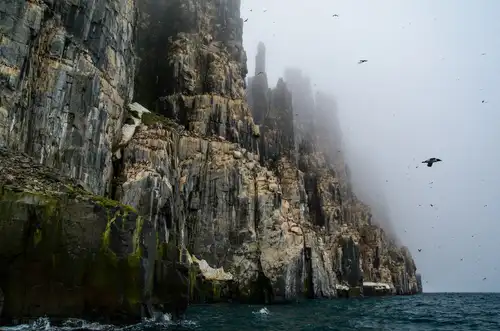
Spitsbergen: Alkefjellet magic

Six Must-See Svalbard Sites
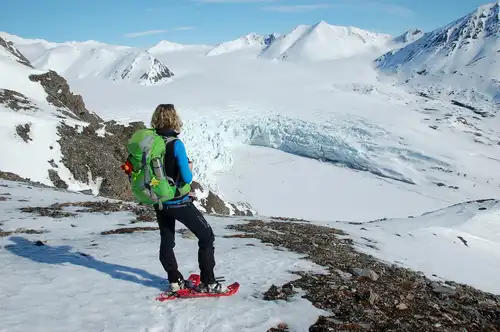
Arctic on Foot: Hiking and Snowshoeing the Far North
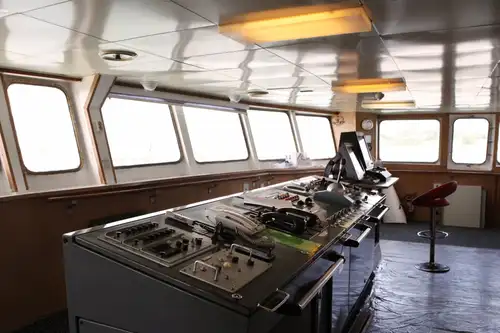
Navigating by touch through the sea ice
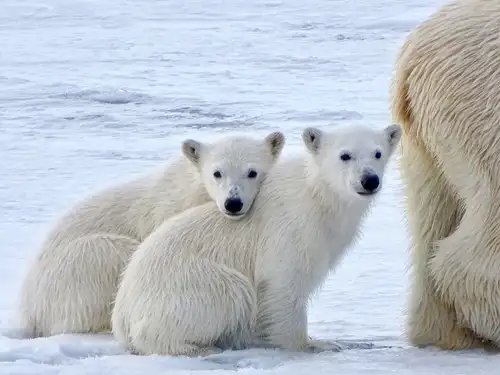
Where the Polar Bears Roam
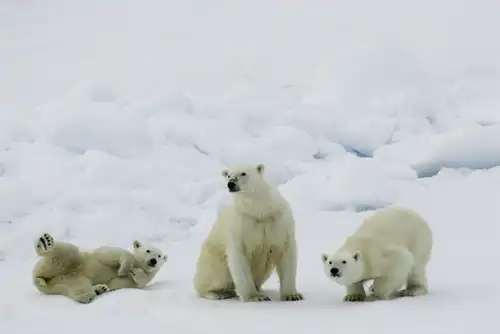
Polar bear encounter in Spitsbergen
16 Conversation-Starting Svalbard Facts

The Enchanting Islands of Svalbard
Spitsbergen: a true polar bear trip
A Bug’s Life in Svalbard
The Ins, Outs, and Ups of Polar Mountaineering & Ski Mountaineering
Polar bear feast
Svalbard vs. the Canadian Arctic
The Pack Ice and Polar Bears of North Spitsbergen