



Show More
Blog


Blog
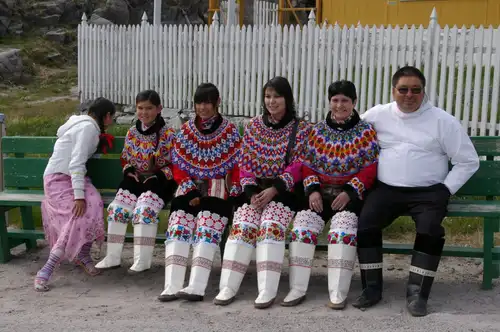
Not Eskimos: 10 Enlightening Facts About the Inuit
If you are planning to join an Arctic cruise, you might be intrigued by the Inuit culture. To help you gain a deeper understanding of these people, especially if you are considering a trip to Greenland, here are 10 fascinating facts about the Inuit that everyone should know.
Blog
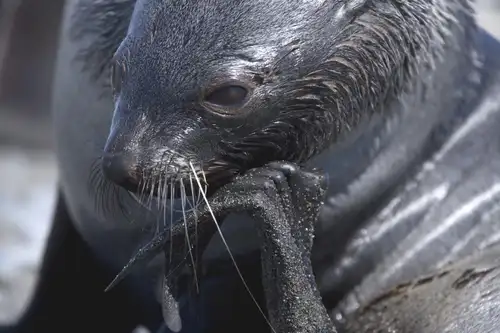
Coming Back from the Brink: The Fur Seals of Antarctica
Once hunted to the brink of extinction, the Antarctic fur seal is now one of the most populous and charismatic species of seal you’re likely to encounter during your Antarctica trips. Unlike other members of its large family, the fur seal has external ears, or pinnae, a short snout, and a thick coat of dark brown fur. Male seals tend to be larger than females, with weights ranging from 91 kg (200 lbs.) to 215 kg (474 lbs.).
Blog
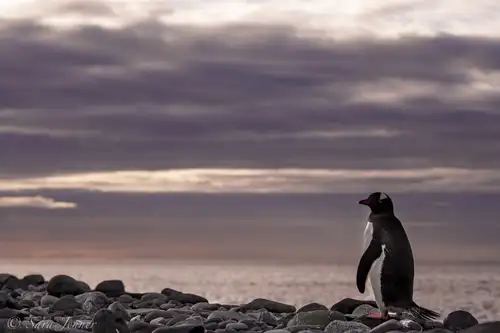
Penguin Wisdom: Life Lessons from Our Favorite Flightless Birds
As enthusiasts of wildlife travel, we believe every creature has something valuable to impart - from the grand blue whale to the tiny cephalopod, the formidable polar bear to the elusive Arctic fox.
Blog
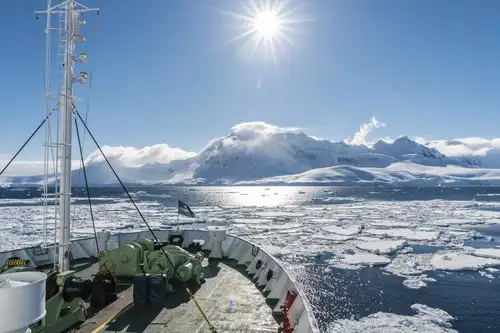
Cruising Solo: The Benefits of Single-Passenger Polar Travel
Traveling is often done with family, friends, or romantic partners. However, the benefits of solo travel, especially in polar regions, deserve more attention.
Blog
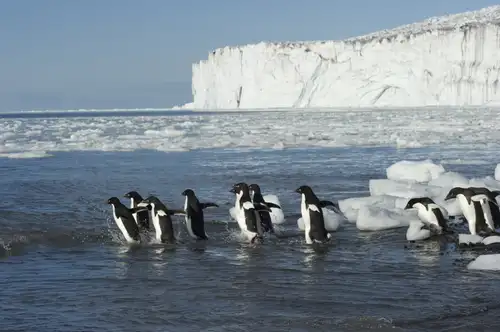
The bio-richness of the Ross Sea
The Ross Sea is one of the most stunning and untouched marine areas globally. This sea, which remains frozen for most of the year, spans 3.6 million square kilometers (1.4 million square miles) along the Antarctic coast south of New Zealand. Its waters harbor a biologically diverse ecosystem of species that have flourished, unchanged, for millennia.
Blog
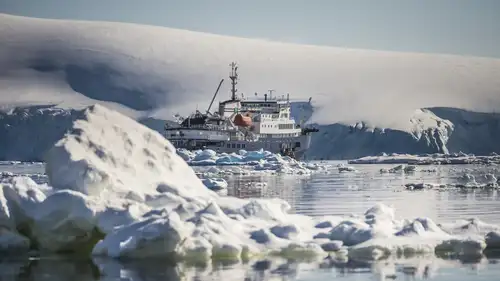
5 Life Lessons You'll Learn in Antarctica
Embarking on a journey to the Antarctic might seem daunting. However, cruise lines strive to simplify the process as much as possible. They typically assist with travel insurance, guide you to the embarkation point, and advise on the appropriate clothing to bring.
Blog
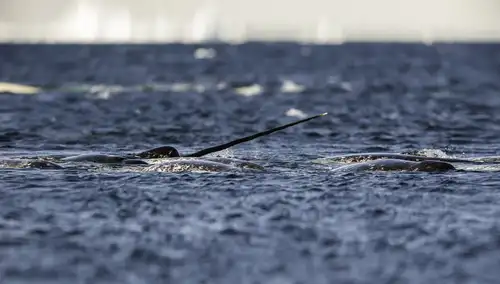
Narwhals: the Aquatic Unicorns of the Arctic
Though narwhals are among the rarest whale species encountered during our Arctic expeditions, a journey to the Arctic regions of Greenland and Svalbard always holds the potential for spotting these elusive creatures.
Blog
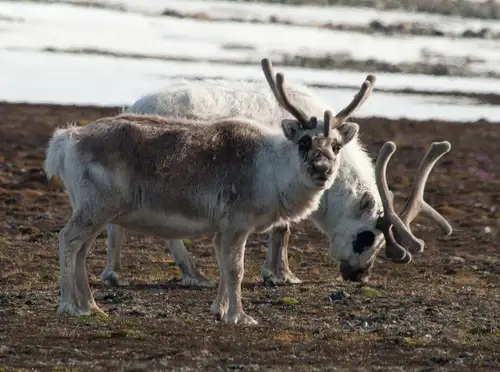
Amphibian, reptiles and herbivore mammals in the Arctic
Arctic ecosystems are relatively young in geological terms, having primarily developed over the past three million years. Generally, species richness is lower in the Arctic compared to more southerly regions, aligning with scientific observations that biodiversity decreases from the Equator to the poles.
Blog
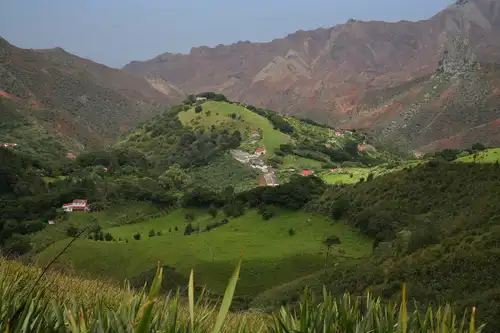
Five Reasons to Love St. Helena
Being one of the most remote islands on Earth gives St. Helena a unique allure. Named after a Roman empress and the mother of Constantine the Great, this island also holds the distinction of being Napoleon’s final place of exile, making it a fascinating topic of conversation.
Blog
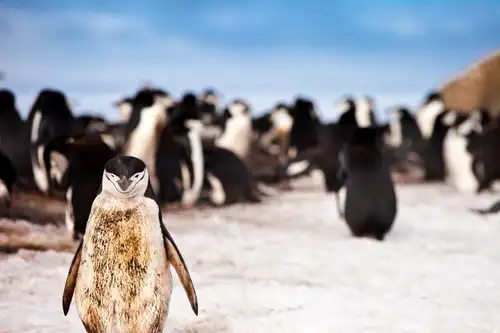
Seven Facts About Antarctic and Sub-Antarctic Penguins
Approximately 50 million years ago, Antarctica was detaching from the vast supercontinent of Gondwana, and penguins were emerging as a distinct species. Initially native to warmer regions, they gradually adapted to the cooling climate of Antarctica as they ventured further south.
Blog
Arctic vs. Antarctica: A Traveler’s Guide
Sunrises vs. sunsets, coffee vs. tea, Wonder Woman vs. Superman...
Blog
The Return to Franz Josef Land
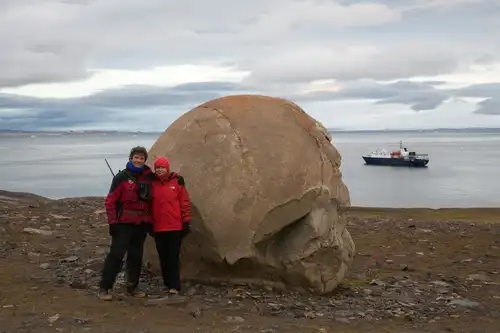
As the possibility of international travel slowly returns, we are eagerly awaiting all the great locations, activities, and wildlife we might experience in the coming season. One of the things we’re most excited about is the return of our Franz Josef Land voyages.
Blog
Greenland: Where the Kayak Was Invented
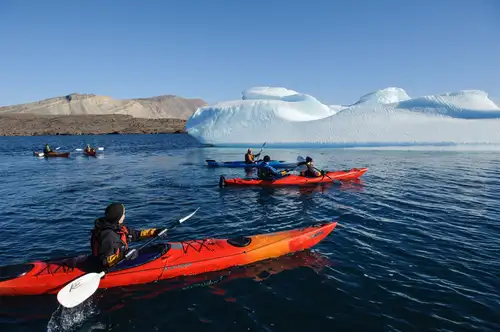
If you've ever enjoyed kayaking, you owe a debt of gratitude to the ancient Greenlandic Inuit who originally designed them for hunting. The thrilling adventures people now have navigating some of the world's most challenging rapids wouldn't be possible without the Inuit's need for a nimble form of water transportation. While travelers still use kayaks in this region, they are typically not fishing, whaling, or sealing. Consequently, recreational kayaks have been adapted to fit their new role.
Blog
Life in a Penguin Colony
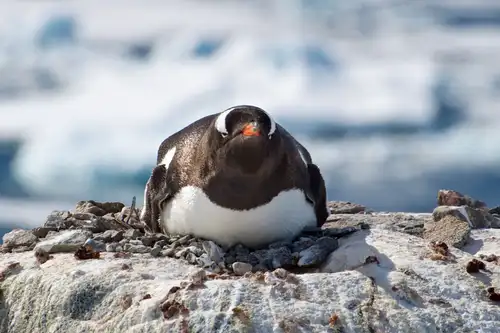
Captain Pieter J. Lenie Base, also known as Base Copacabana or simply Copa Base, is situated on King George Island off the western shores of the Antarctic Peninsula. This American research station has been home to scientists studying Adélie, gentoo, and chinstrap penguins for over three decades, aiming to understand how to best conserve these cherished species.
Blog
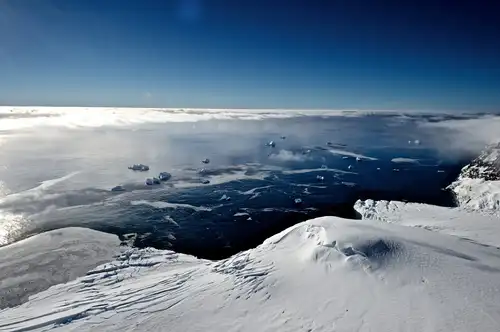
10 Weather-Fueled Facts about Antarctica
Most of us have at least a vague notion of what makes the North and South Poles so brutally, bone-chillingly cold: They receive less sunlight than the rest of the planet, what sunlight they do receive arrives at an angle, and they’re usually buried under endless mounds of ice and snow. This holds especially true for the South Pole and its centerpiece, Antarctica. Fewer people know, however, what drives Antarctic weather, or what results from it. Here are ten weather-related facts about the most southern continent that will put your polar meteorology ahead of the curve.
Blog
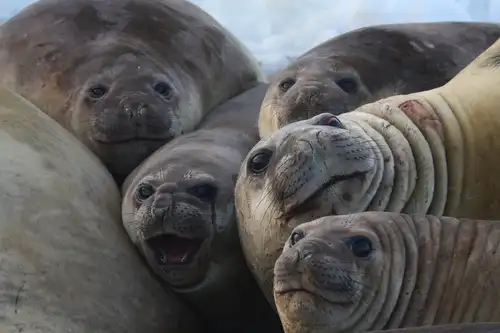
Large and in Charge: Antarctica’s Southern Elephant Seals
Southern elephant seals are the largest species of seal on the planet and a highlight among Antarctica cruise wildlife.
Blog
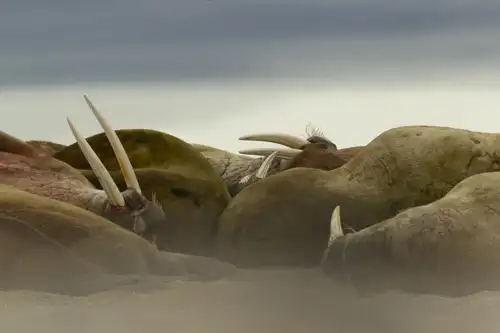
15 Toothy Facts About the Atlantic Walrus
The walrus is one of the most recognizable animals on the planet, and for good reason. Try sneaking into a cinema with those tusks!
Blog
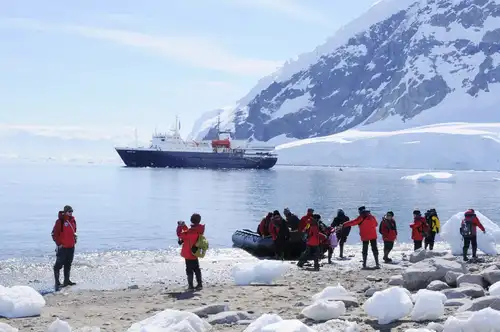
The Seven Best Things to Do in Antarctica
Unless you’re a scientist, there’s no such thing as a means-to-an-end trip to Antarctica.
Blog
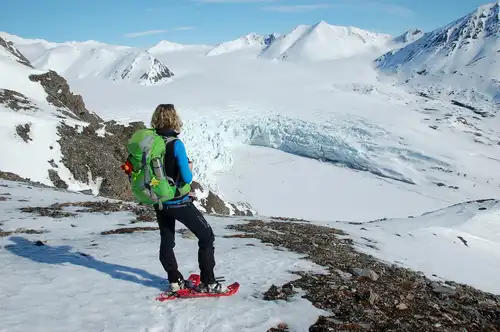
Arctic on Foot: Hiking and Snowshoeing the Far North
The focus of our voyages is always to get you off the ship and into the action as frequently as possible. While we travel from site to site on ice-strengthened vessels, our expeditions are crafted to provide you with the maximum firsthand experience of the polar regions and their unique wildlife.

Blog
The Enchanting Islands of Svalbard
Svalbard is an Arctic archipelago situated between the North Pole and the Norwegian mainland, offering visitors some of the most stunning wildlife and landscapes in the world. Here we explore seven of the most visited Svalbard islands, highlighting the many wonders that draw people back year after year.