



Show More
Blog


Blog
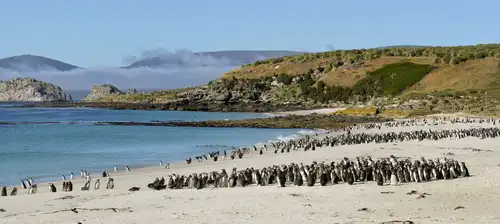
17 Reasons to Cruise the Falklands
Maybe you’ve already marveled at the colossal penguin colonies of South Georgia, sailed among the plunging seals of the Antarctic Peninsula, and watched whales in the Weddell Sea lunge among titanic tabular icebergs.
Blog
How Arctic Wildlife Differs from Antarctic
While the north and south poles share certain characteristics, they are also remarkably distinct. Both regions are cold and dry, yet each has its own unique terrain and climate. The Antarctic is particularly harsh and inhospitable, with only two native vascular plant species, whereas the Arctic tundra supports a wider range of fauna due to its relatively warmer temperatures and greater plant diversity. Here are some of the animals you can find in the Arctic compared to the Antarctic.
Blog
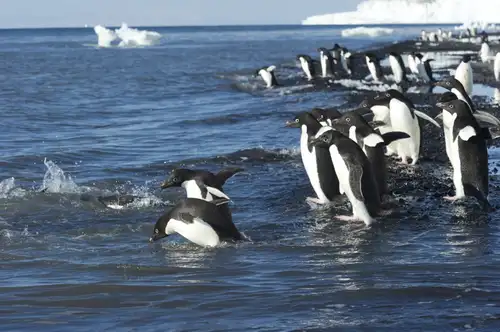
Adélie penguins in the Ross Sea - Antarctica
The Adélie penguin population in the Ross Sea has reached its highest numbers in 30 years, with up to a million breeding pairs during the summer. This accounts for about 38 percent of the entire Antarctic Adélie population.
Blog
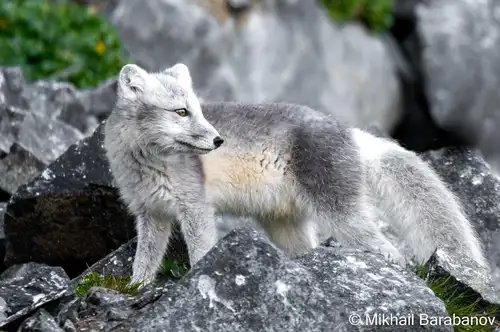
The Small Mammals of the Arctic and Antarctica
As Lillian Gish says in Night of the Hunter, “It’s a hard world for little things.”
Blog
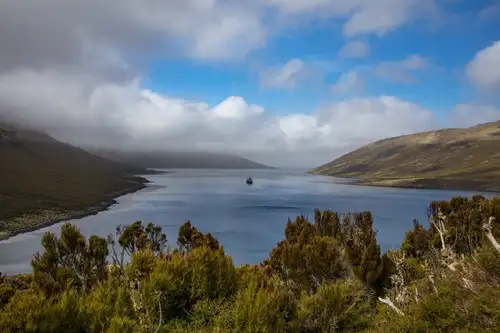
Visiting the Nearly Unknown: New Zealand’s Campbell Island
New Zealand is a renowned destination globally, and for good reason: It’s absolutely stunning. Almost every corner is filled with unparalleled beauty. But did you know that New Zealand includes several sub-Antarctic Islands that are almost completely unknown?
Blog
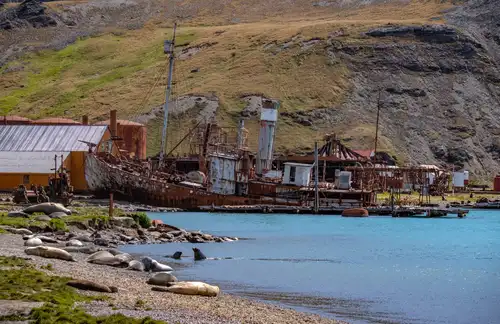
South Georgia Whaling Stations
South Georgia is a paradise for animal enthusiasts. It stands out as one of the most wildlife-abundant destinations in our polar expeditions, whether in the Northern or Southern Hemisphere.
Blog
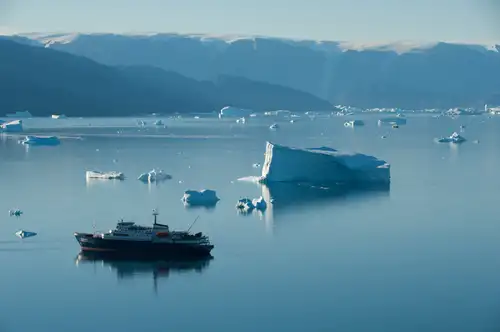
10 Common Misconceptions About the Arctic
The Arctic is a vast region. Truly immense.

Blog
Orcas of the Polar Seas
The orca, also known as the killer whale, is the apex marine predator and possibly the most widespread vertebrate on the planet. While they are most numerous in colder regions like Antarctica, Norway, and Alaska, they also inhabit tropical and subtropical seas. Here, we’ll explore some essential orca facts you might want to know before encountering them in person, concluding with a fantastic video showcasing our top ten favorite killer whale facts.
Blog
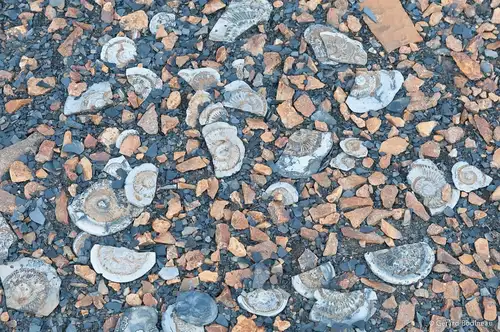
Svalbard a Disneyland for geologists
Svalbard is situated in the north-western corner of the Eurasian plate. Historically, Svalbard was part of a vast continent that included North America, Greenland, and Eurasia. At one point, both Northeast Greenland and Svalbard were submerged under the ocean before resurfacing.
Blog
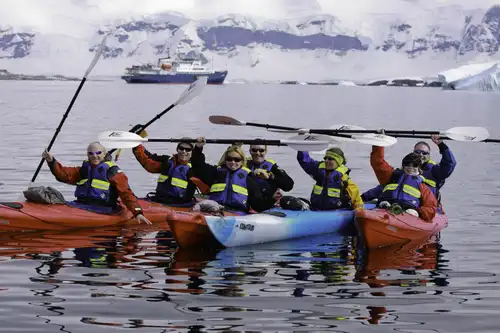
A Day of Basecamp in Antarctica – Paradise Harbour
After an early morning gathering of our camping group, we reached the entrance to Lemaire Channel. The snow and mist around the mountain peaks created a captivating atmosphere as we began our journey to Paradise Bay. The channel was dotted with impressive icebergs, and we even spotted a few sleeping humpback whales, providing ample photo opportunities.

Blog
The Arctic Hare: Easter Bunny
Although the Arctic hare’s stern expression might make it seem like the least amused member of a serious tribunal, this polar animal is actually one of the most charming creatures on the planet – especially when Easter Sunday comes around.
Blog
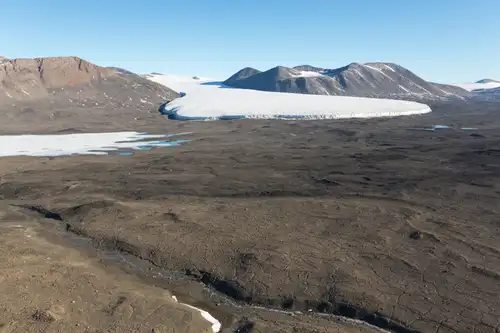
The Dirty Details of Antarctica's Dry Valleys
Situated on the western coast of McMurdo Sound, the McMurdo Dry Valleys represent the largest ice-free region in Antarctica.
Blog
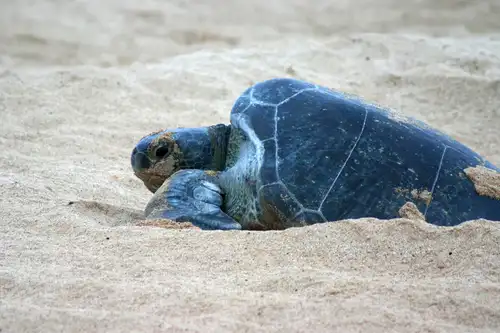
Going Green: Ascension Island Sea Turtles
Gold beaches, green mountains - and greener turtles.

Blog
Five of History’s Greatest Polar Explorers
Today's visitors to the polar regions follow in the footsteps of some of the most famous explorers in history. Here is a list of five great explorers who braved the harsh lands of the Arctic and Antarctica.
Blog
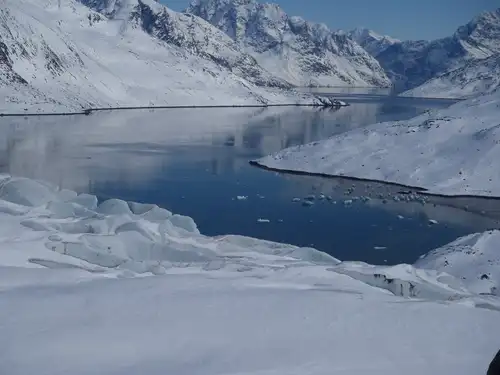
8 Scientific Wonders of the Arctic
The Arctic’s frozen landscape not only contains scenic gems, it also prompts fascinating advances in research. Here are some of the eight best.
Blog
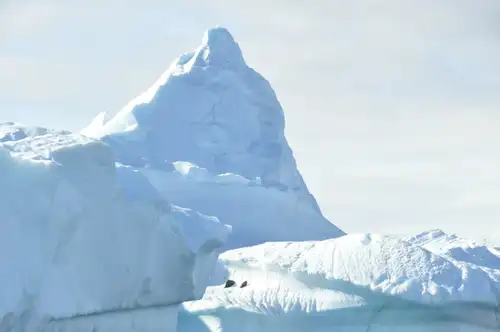
Life migrating through the Polar Front
Since James Cook’s second voyage to Antarctica from 1772-1775, which provided the first descriptions of Antarctic animals, scientists have progressively uncovered the biodiversity of the Antarctic and sub-Antarctic regions. Numerous expeditions and research projects have since been undertaken to understand the unique ecosystems of this continent.
Blog
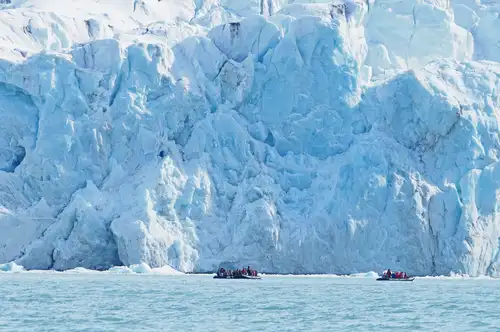
Get to Know Your Ice
Ice plays a crucial role in everything from cooling your drink to regulating the planet's temperature. Let's explore the various forms of ice you might encounter during an Arctic or Antarctic adventure.
Blog
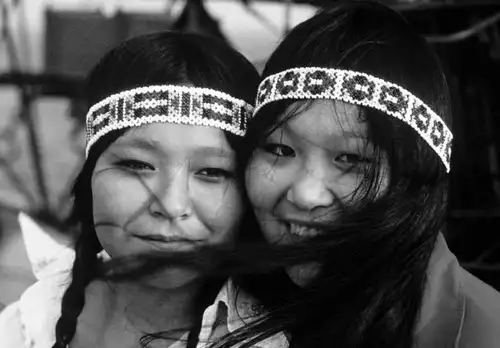
Traditional Lifestyles of the Inuit
The Inuit are an indigenous Arctic people who speak the languages of the Eskaleutian family and reside in four countries surrounding the North Pole: Greenland, Canada, the United States, and Russia.
Blog
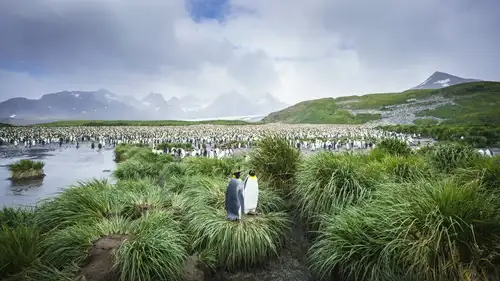
The South Georgia Seven: Hikes, Fjords, Whales, & Penguins
Few places encapsulate such a staggeringly rich assortment of sub-Antarctic scenery, wildlife, and outing opportunities as South Georgia.
Blog
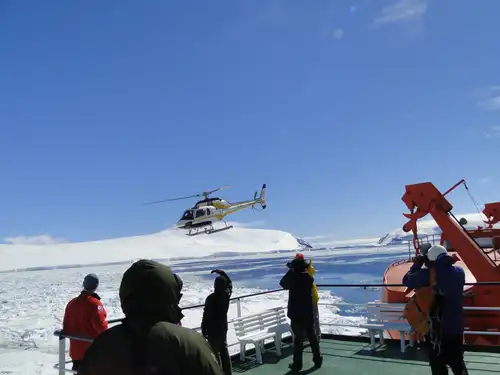
The Wonderful Weddell Sea: Places, Pics, and Impressions
When we talk about Antarctica, it’s easy to slip into familiar words: amazing, astounding, extraordinary, exceptional. And though most Antarctic locations more than deserve these descriptions, some deserve them more than others.