



Show More
Blog


Blog
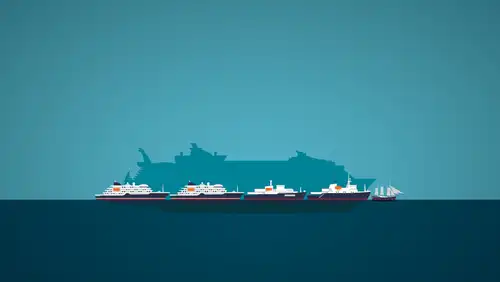
The Impact of Small vs. Large Cruise Ships
The generalization that larger ships impact the environment more than smaller ships seems like such a no-brainer that if someone said it to you, you’d be easily forgiven for thinking you were being tricked.
Blog
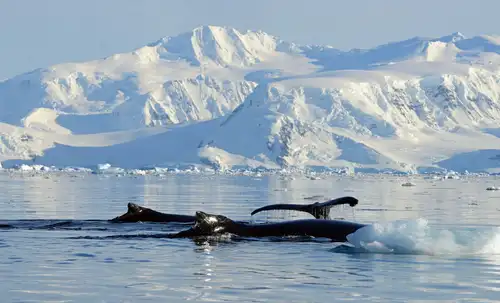
Humpback Whales: the Stars of the Western Antarctic Peninsula
The marine ecosystem of the West Antarctic Peninsula (WAP) stretches from the Bellingshausen Sea to the northern tip of the peninsula. This region includes the Antarctic Sea Ice Zone, a highly productive area that supports large populations of marine mammals, birds, and Antarctic krill. One of the highlights of this region, which you can observe on a whale-spotting Antarctica cruise, is the humpback whale.
Blog
Life migrating through the Polar Front
Since James Cook’s second voyage to Antarctica from 1772-1775, which provided the first descriptions of Antarctic animals, scientists have progressively uncovered the biodiversity of the Antarctic and sub-Antarctic regions. Numerous expeditions and research projects have since been undertaken to understand the unique ecosystems of this continent.
Blog
A Day on m/v Plancius
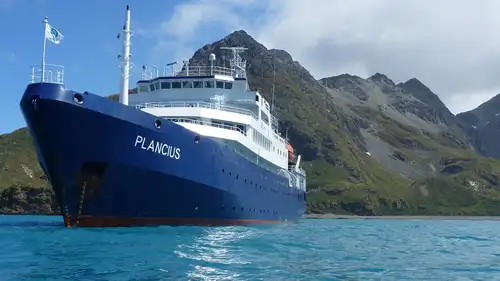
Stepping aboard this long-running expedition vessel, it’s easy to forget that she’s been making voyages to the polar regions since “Afternoon Delight” by Starland Vocal Band was on the Billboard Hot 100.
Blog
Ancient Arctic Exploration
When it comes to polar exploration, the Arctic boasts a much longer history compared to Antarctica.
Blog
Five Reasons You Should Cruise the Ross Sea Immediately
In our search for lesser-known holiday spots that still offer fully developed amenities like spas and gift shops, we often miss out on some of the planet's truly underrated treasures.
Blog
Weddell Sea, Shackleton’s Endurance, and New Swabia
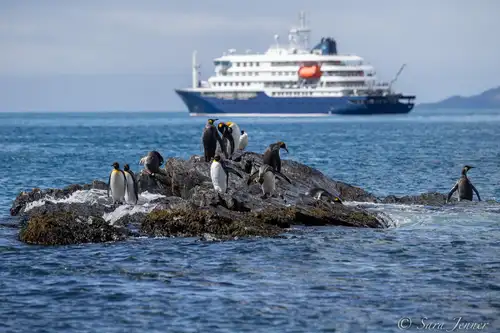
Our Antarctica 2023-24 cruise program is packed with incredible expeditions, including a new itinerary that explores key locations such as South Georgia, the Weddell Sea, and the more easterly region of New Swabia (Neuschwabenland).
Blog
Hondius Photography and Video Workshops
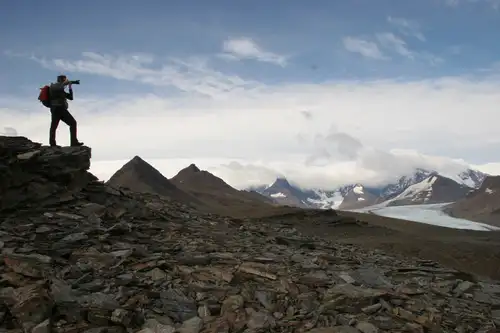
There’s no shortage of great things to say about a Hondius expedition cruise, but among the best are the free video and photography workshops offered during some of this ship’s voyages. These informative, interactive, highly useful supplements allow you to not only capture your memories in the best way possible but also make your friends back home maddeningly jealous.
Blog
Highlights from the First Arctic Voyage of Hondius
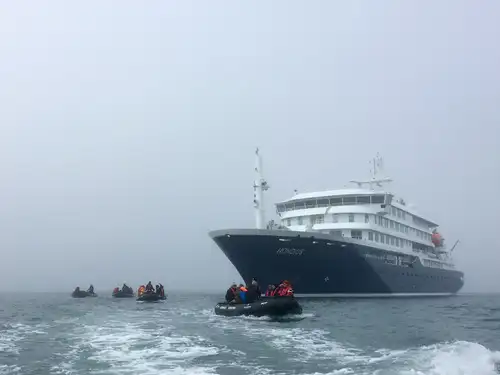
Our new ship Hondius completed its first Arctic expedition cruise on June 14, 2019. This being a new ship, the maiden voyage was not without its hiccups. But despite these, passenger response to the expedition was overwhelmingly positive.
Blog
15 Falkland Islands Bird Photos
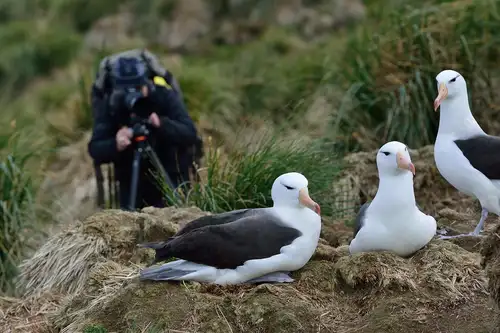
The remote sub-Antarctic archipelago of the Falkland Islands is a haven for bird enthusiasts, offering a unique and abundant selection of birds, especially seabirds.
Blog
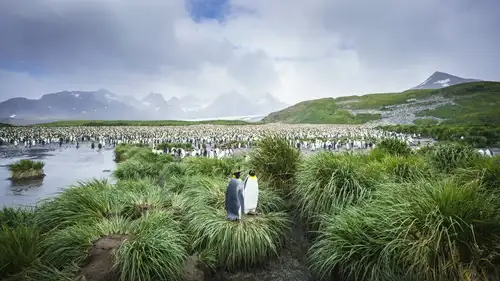
The South Georgia Seven: Hikes, Fjords, Whales, & Penguins
Few places encapsulate such a staggeringly rich assortment of sub-Antarctic scenery, wildlife, and outing opportunities as South Georgia.

Blog
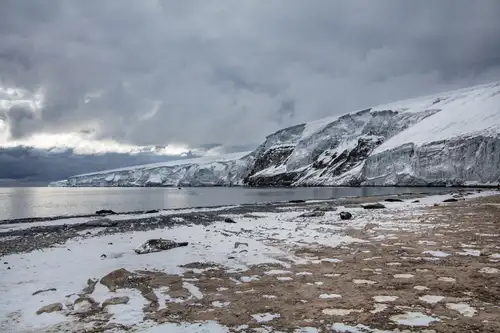
The Arctic’s Most Phenomenal Fjords
Fjords are often linked with Norway, but they are not exclusive to that region. They are a common feature of the Arctic and are major attractions in Greenland and Svalbard.
Blog
An igneous paradise: Franklin Island
In the most remote reaches of the world's oceans, those daring enough to embark on the Ortelius to the Ross Sea eagerly boarded zodiacs in the southernmost part of the Pacific Ocean.
Blog
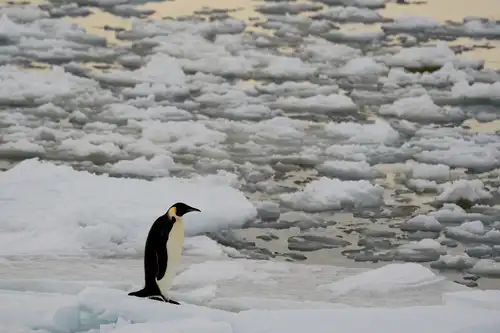
The Ways and Wildlife of the Weddell Sea
The Weddell Sea is situated off the coast of Antarctica, at the southernmost part of the Atlantic Ocean. Its coordinates are 75 degrees south and 47 degrees west, encompassing the Argentine, Chilean, and British territories of Antarctica. The severe weather and extensive pack ice have historically made the Weddell Sea challenging to access, but modern icebreaker ships are now enabling explorers to venture into this remote area.
Blog
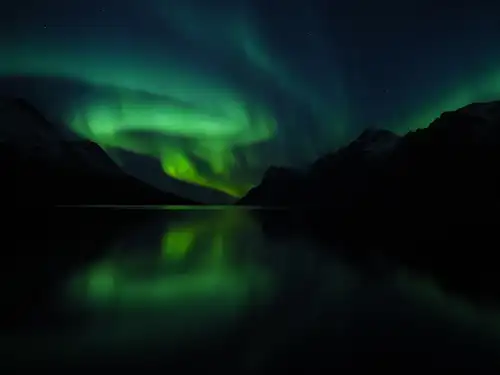
10 Illuminating Facts about the Northern Lights
In Roman mythology, Aurora was the goddess of the dawn. The term "borealis" is derived from the Greek word for "wind." Thus, "aurora borealis" translates to "dawn wind," commonly known as the Northern Lights. This natural phenomenon has captivated humanity for millennia and remains a major attraction in the Arctic, with numerous cruises dedicated to witnessing this mesmerizing light display.
Blog
Experience King Penguins, Seals and More in South Georgia
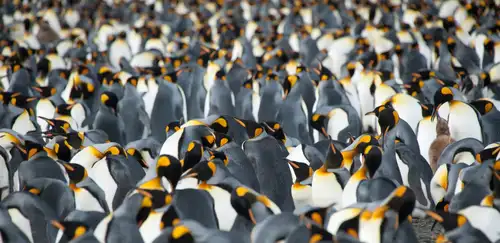
One of the most remarkable aspects of South Georgia Island is its immense population of King penguins. This island serves as a significant breeding ground, and breathtaking aerial photos have captured the sight of hundreds of thousands of King penguins gathered together. This colony is known as the largest crèche in the world, making it one of the top destinations globally for observing King penguins.
Blog
Svalbard a Disneyland for geologists
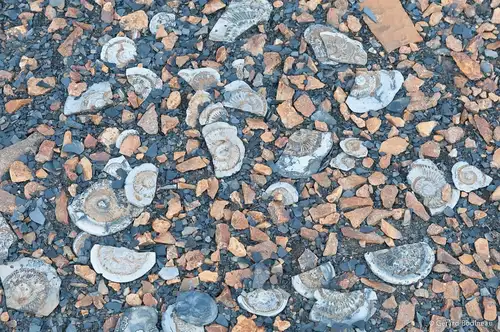
Svalbard is situated in the north-western corner of the Eurasian plate. Historically, Svalbard was part of a vast continent that included North America, Greenland, and Eurasia. At one point, both Northeast Greenland and Svalbard were submerged under the ocean before resurfacing.
Blog
Where the Polar Bears Roam
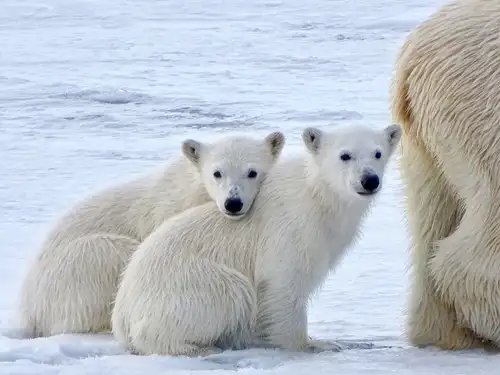
Going to the Arctic without clapping eyes on a wild polar bear can be reasonably compared to visiting Africa without seeing a giraffe or a zebra or, most analogously, a lion.

Blog
Orcas of the Polar Seas
The orca, also known as the killer whale, is the apex marine predator and possibly the most widespread vertebrate on the planet. While they are most numerous in colder regions like Antarctica, Norway, and Alaska, they also inhabit tropical and subtropical seas. Here, we’ll explore some essential orca facts you might want to know before encountering them in person, concluding with a fantastic video showcasing our top ten favorite killer whale facts.

Blog
Day and night in Antarctica
At the Concordia station, a French-Italian research facility situated 3,233 meters above sea level at Dome C on the Antarctic Plateau, European Space Agency (ESA) scientists are investigating the effects of extended space missions. The station is more isolated than the International Space Station, with the nearest humans located 600 kilometers away.