
 09 January 2026 - 19 Jan 2026
 11 Days/10 Nights
 Ushuaia - Ushuaia
Note: All itineraries are for guidance only. Programs may vary depending on ice, weather, and wildlife conditions. Landings are subject to site availabilities, permissions, and environmental concerns per AECO regulations.
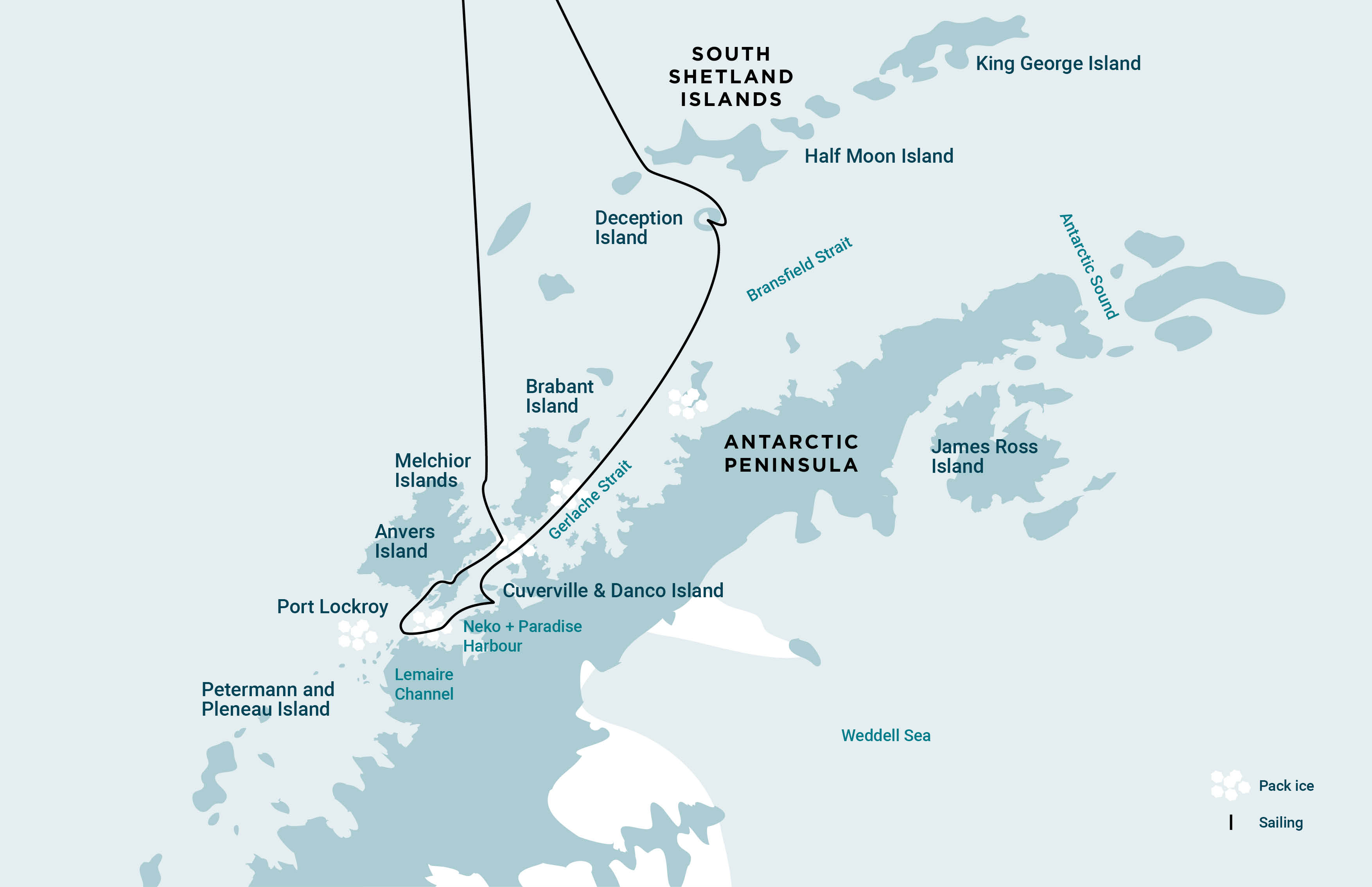
Your expedition begins where the world drops off. Ushuaia, Argentina, reputed to be the southernmost city on the planet, is located on the far southern tip of South America. Starting in the afternoon, you set off from this small resort town on Tierra del Fuego, nicknamed “The End of the World,” and sail the mountain-fringed Beagle Channel for the remainder of the evening.Path of the polar explorers
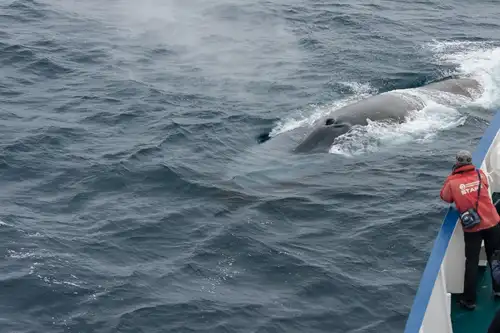
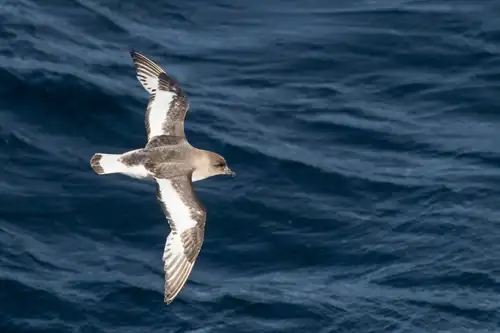
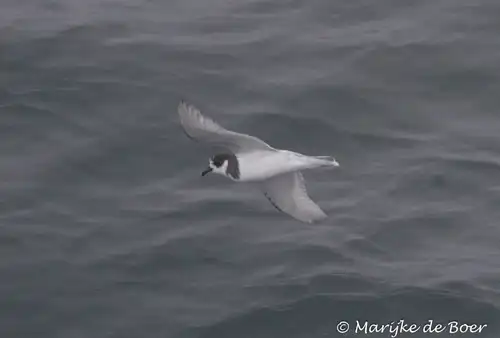
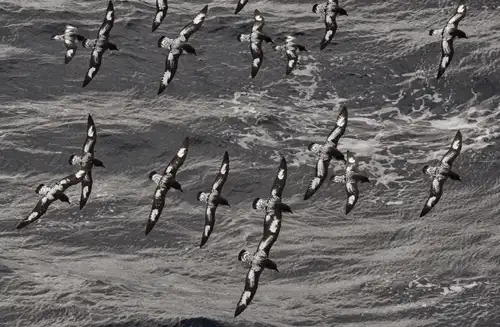
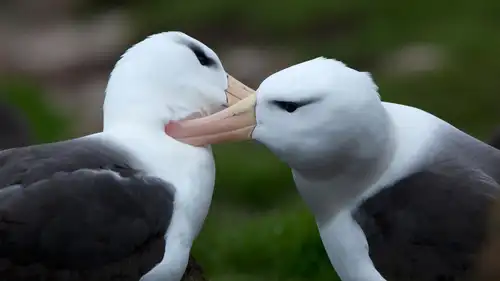
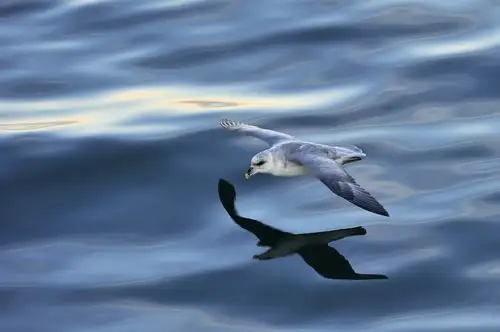
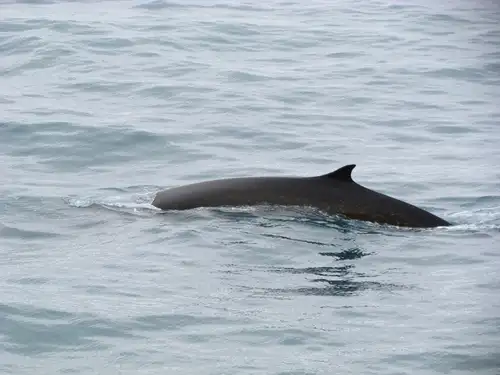
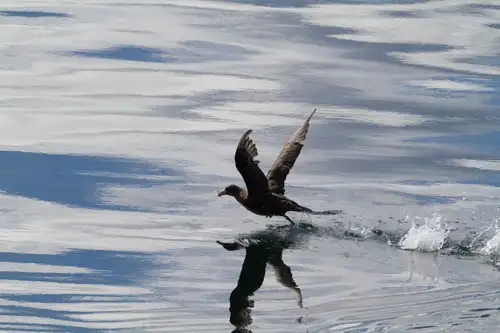
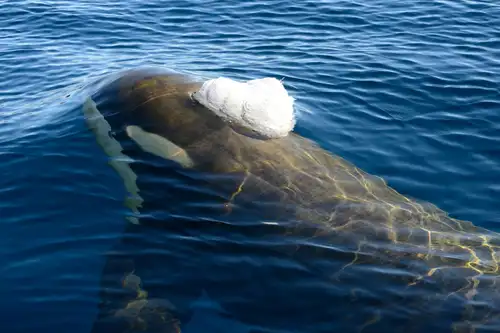
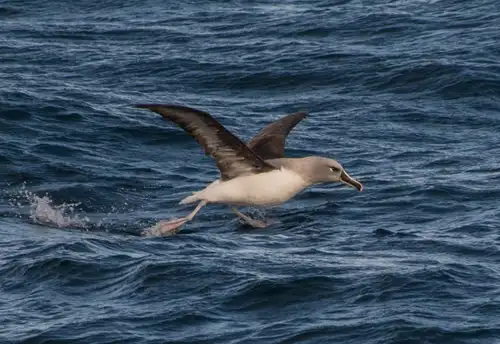
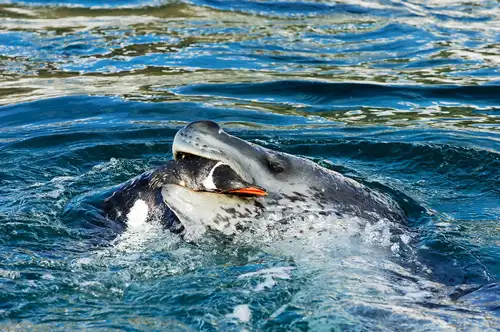
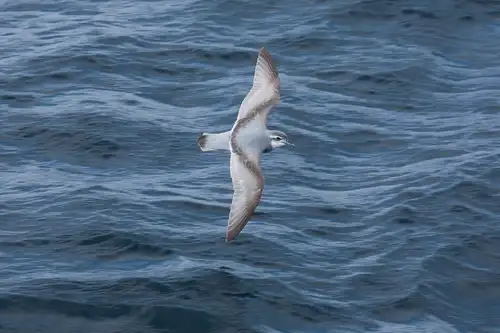
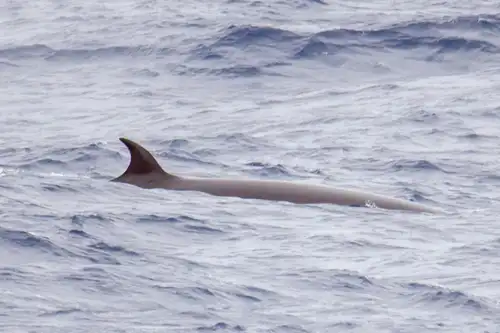
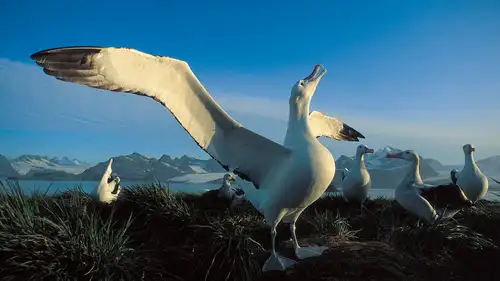
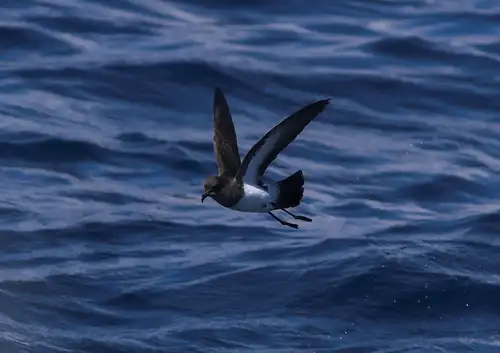
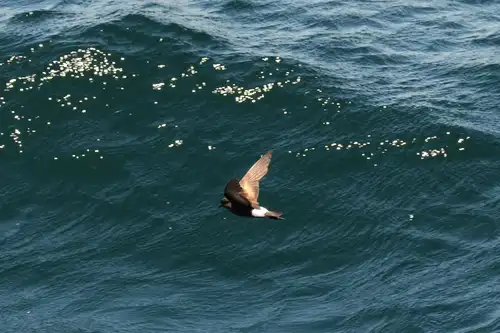
Over the next two days on the Drake Passage, you enjoy some of the same experiences encountered by the great polar explorers who first charted these regions: cool salt breezes, rolling seas, maybe even a fin whale spouting up sea spray. After passing the Antarctic Convergence – Antarctica’s natural boundary, formed when north-flowing cold waters collide with warmer sub-Antarctic seas – you are in the circum-Antarctic upwelling zone. Not only does the marine life change, the avian life changes too. Wandering albatrosses, grey-headed albatrosses, black-browed albatrosses, light-mantled sooty albatrosses, cape pigeons, southern fulmars, Wilson’s storm petrels, blue petrels, and Antarctic petrels are a few of the birds you might see.
Enter the Antarctic
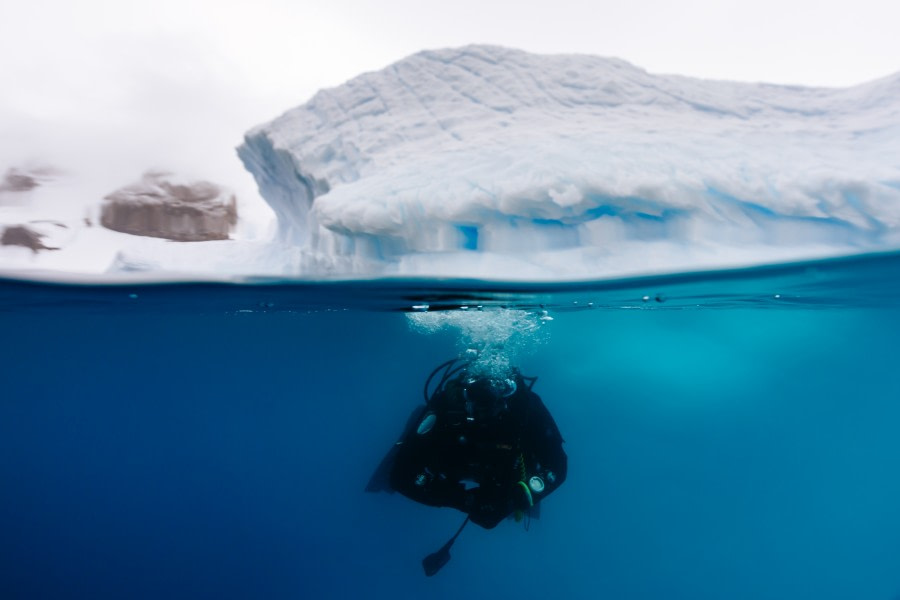
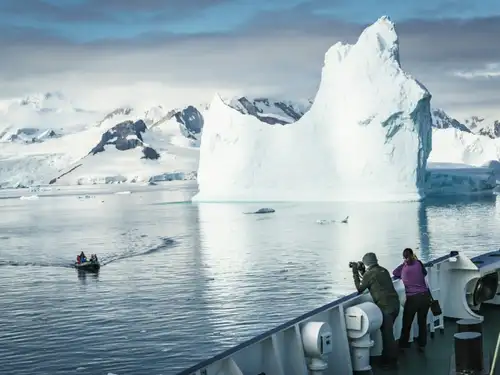
Gray stone peaks sketched with snow, towers of broken blue-white ice, and dramatically different wildlife below and above. You first pass the snow-capped Melchior Islands and Schollaert Channel, sailing between Brabant and Anvers Islands.
Sites you may visit include:
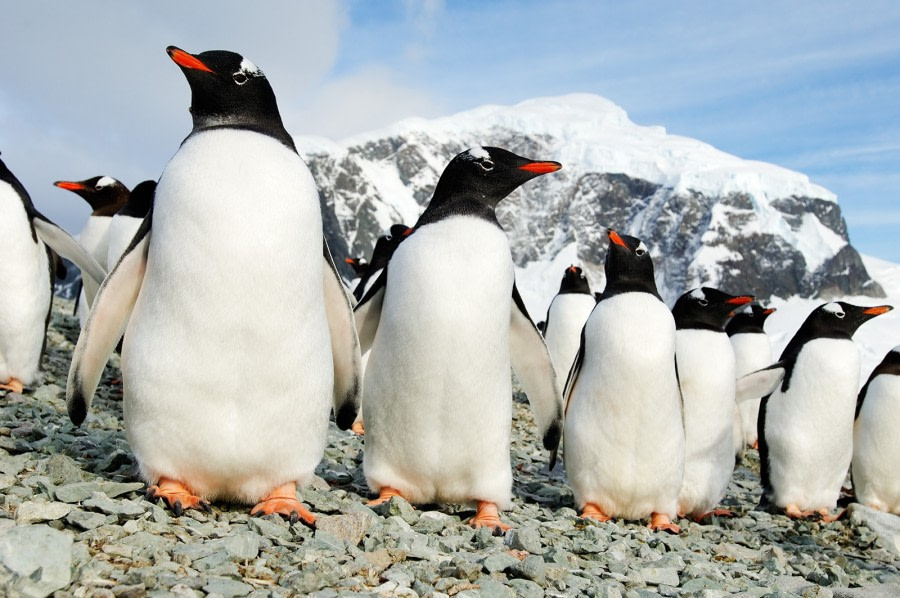
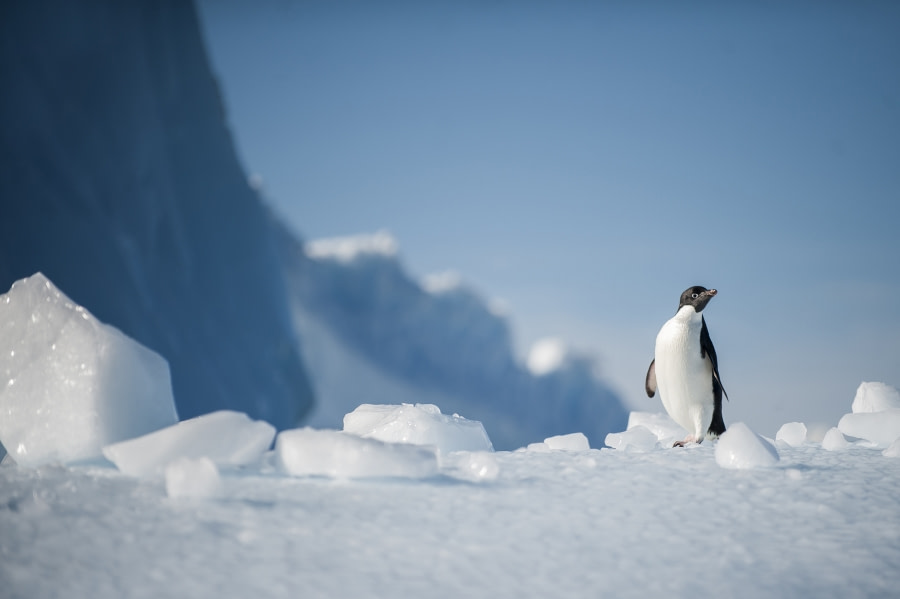
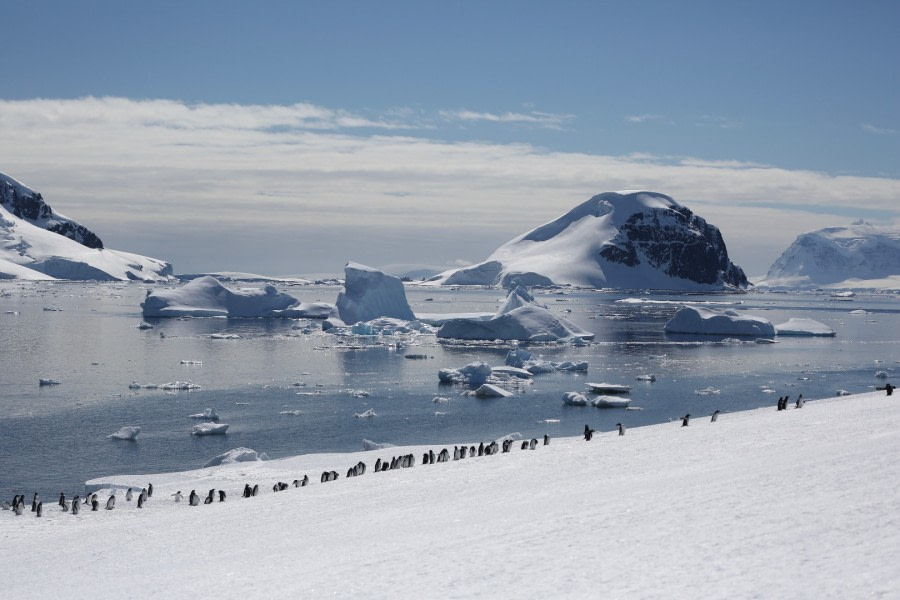
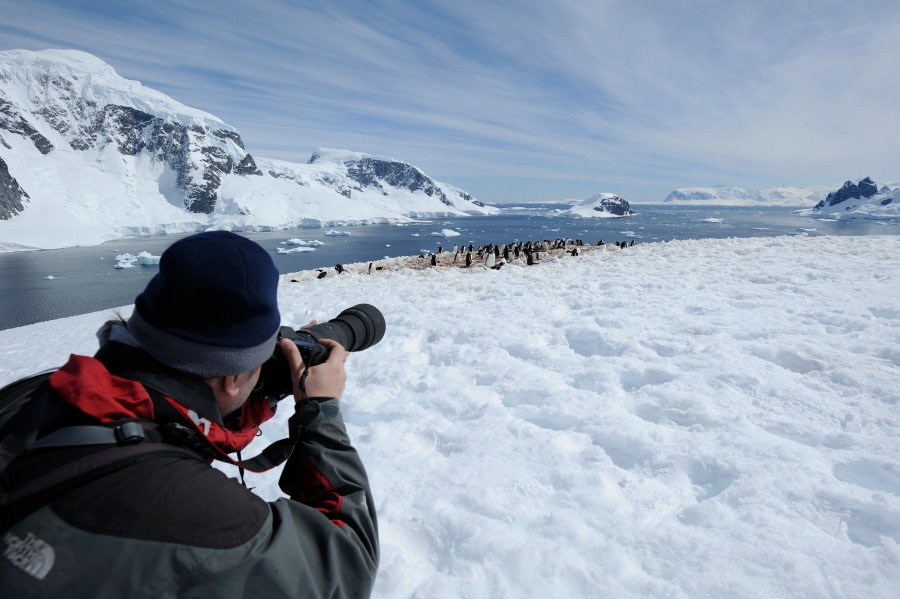
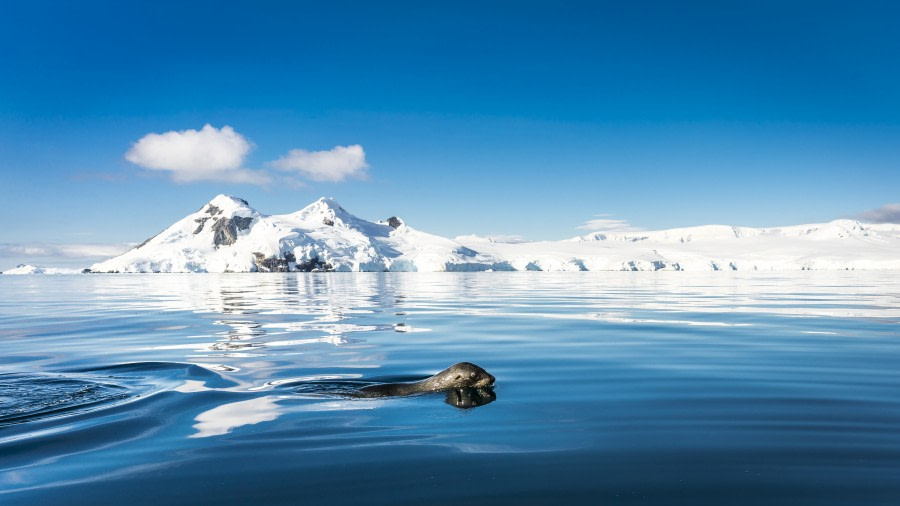
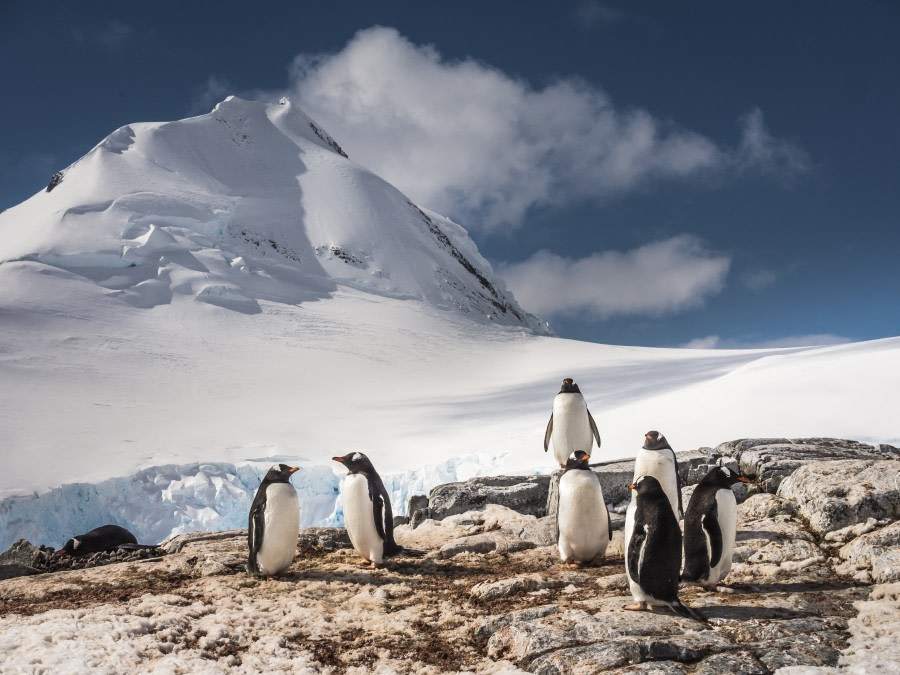
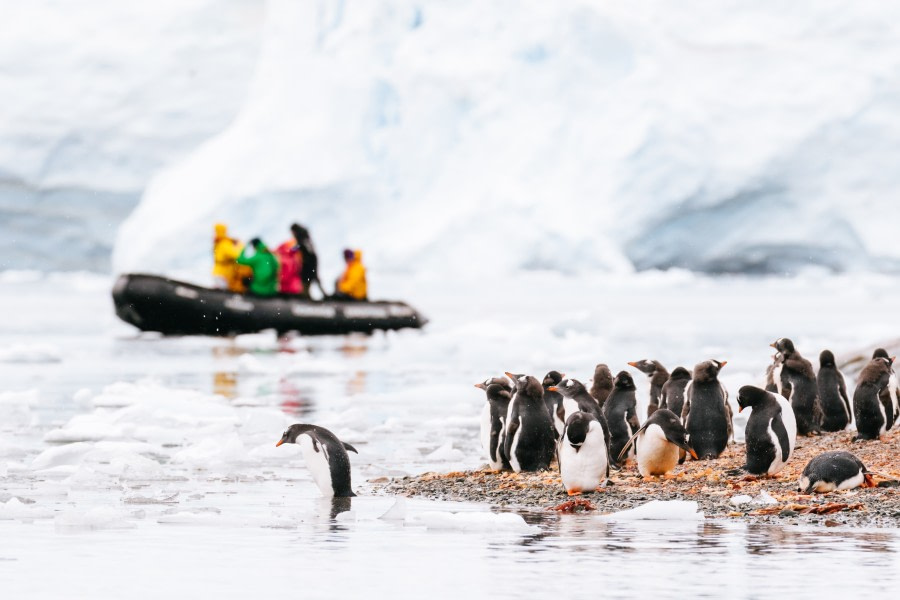
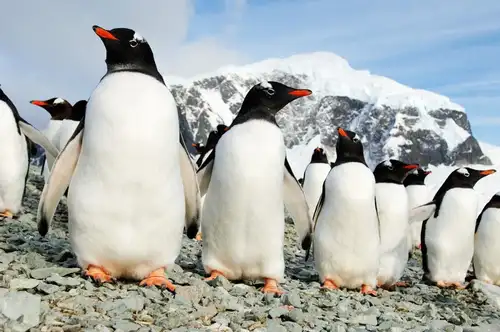
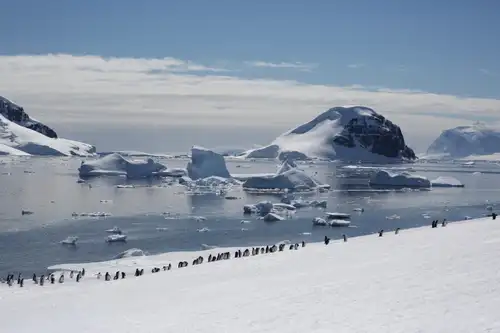
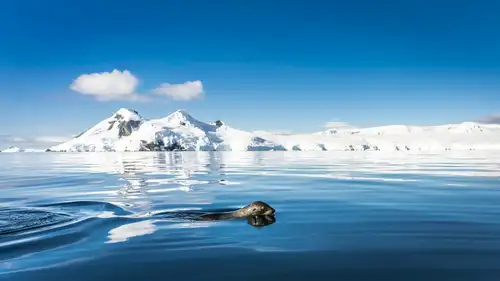
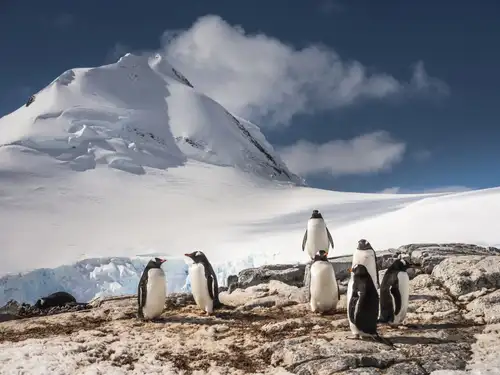
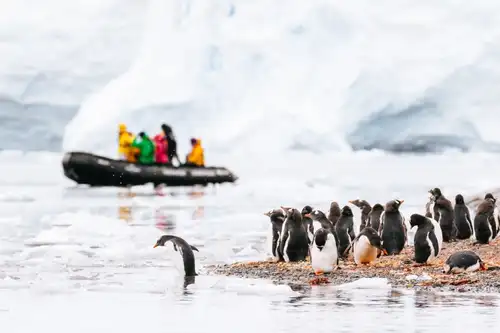
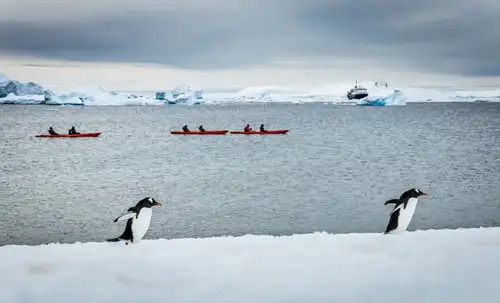
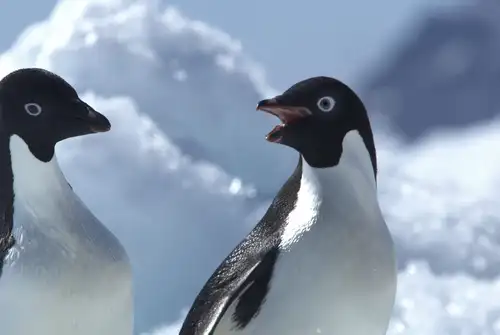
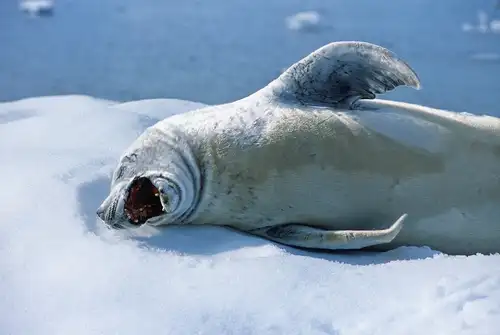
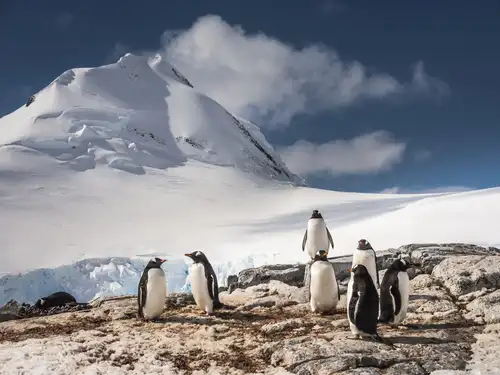
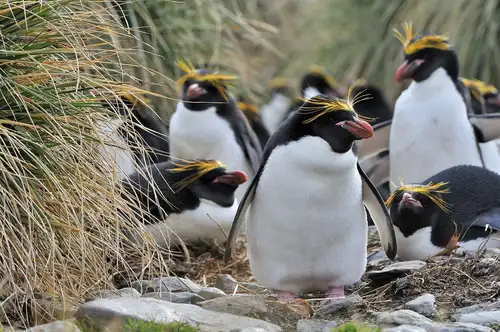
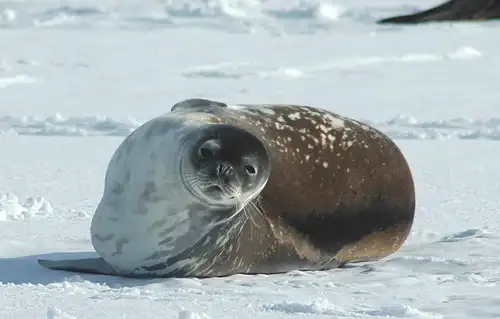
- Danco Island – Activities here may focus on the gentoo penguins nesting on the island, in addition to the Weddell and crabeater seals that can be found nearby.
- Neko Harbour – An epic landscape of mammoth glaciers and endless wind-carved snow, Neko Harbour offers opportunities for a Zodiac cruise and landing that afford the closest views of the surrounding alpine peaks.
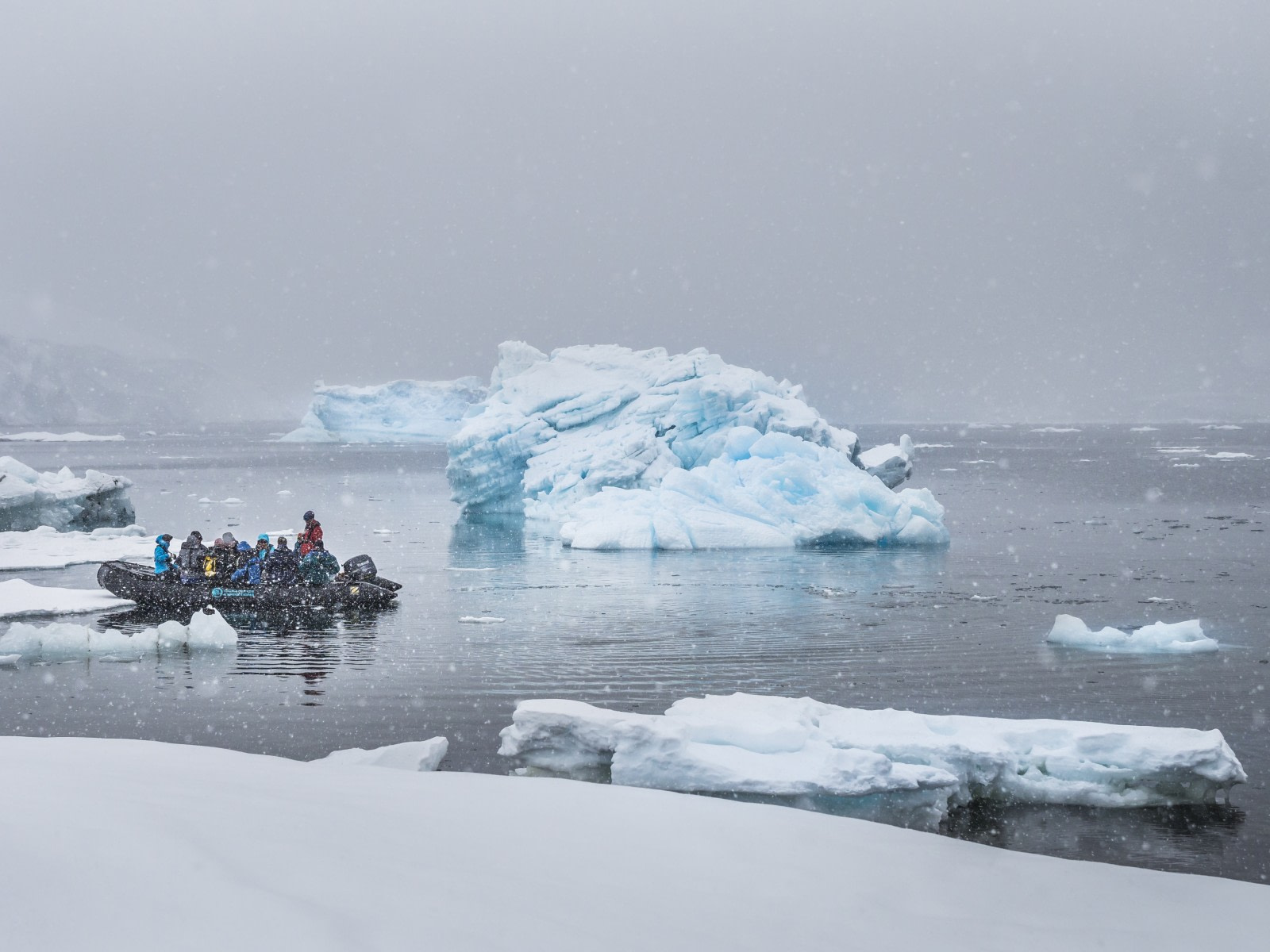
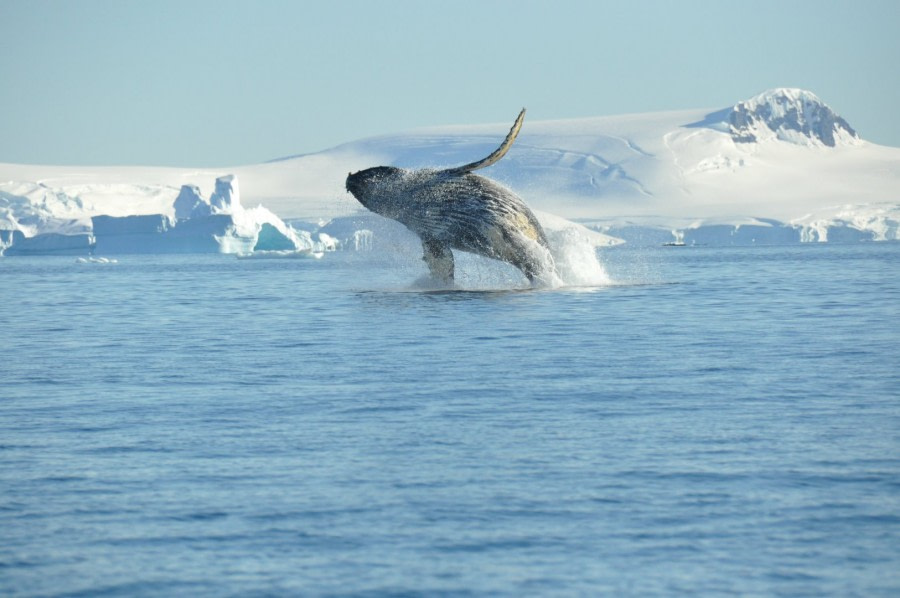
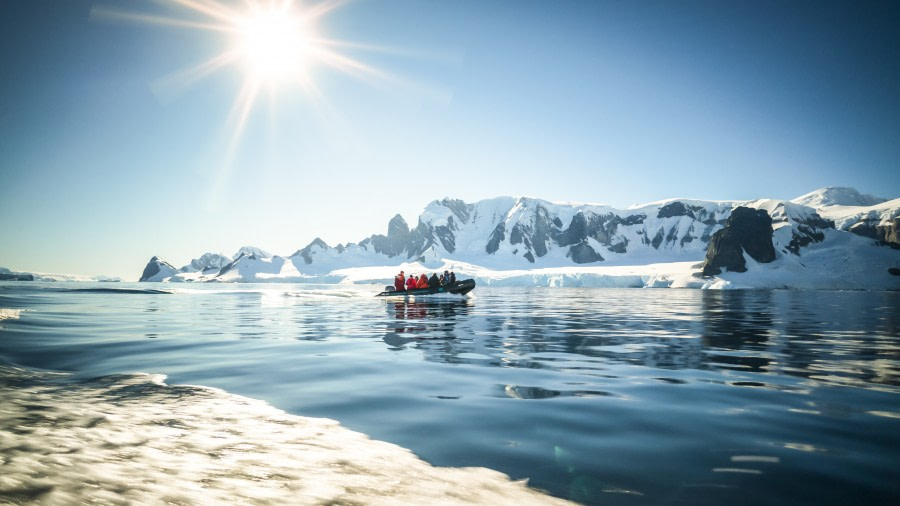
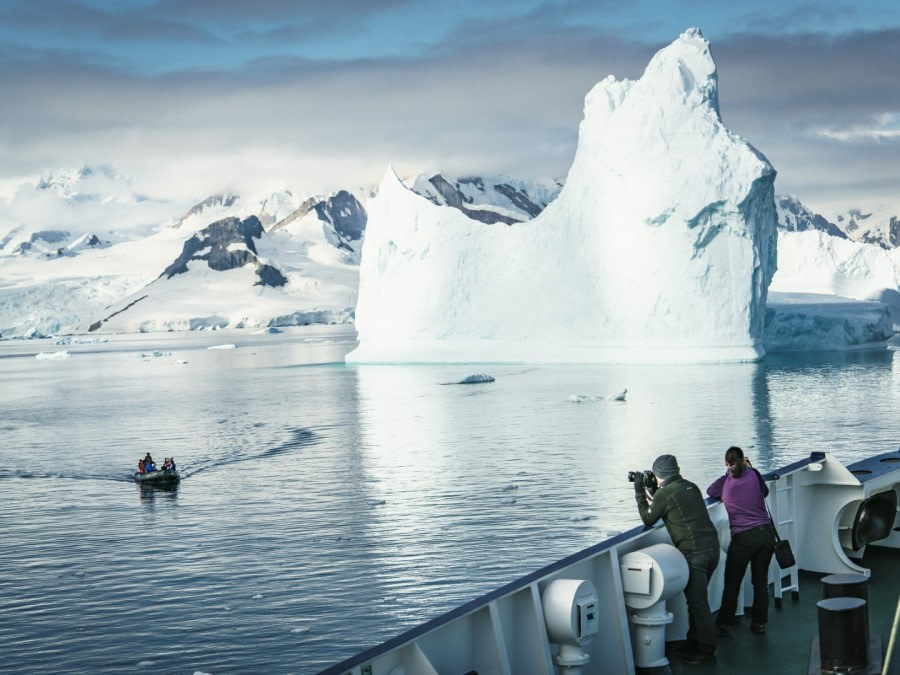
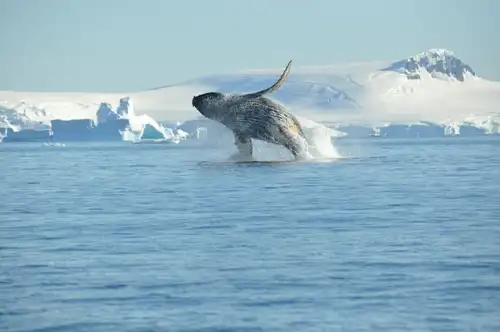
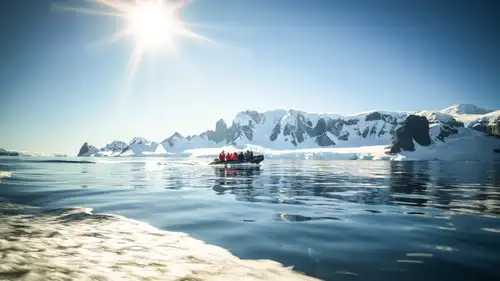
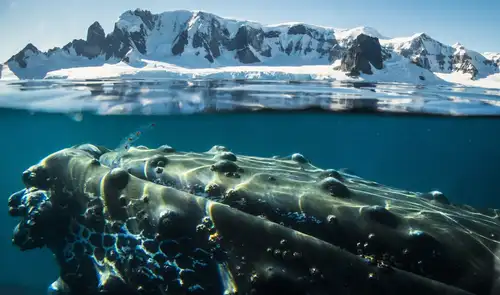
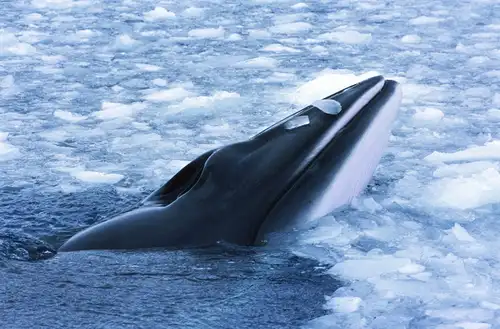
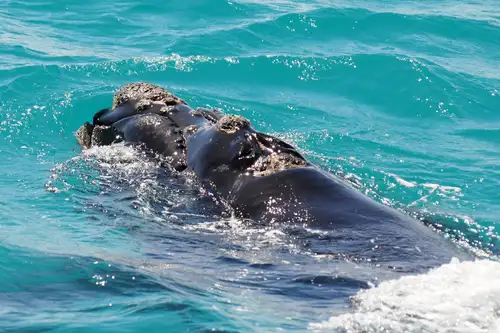
- Paradise Bay – You may be able to take a Zodiac cruise in these sprawling, ice-flecked waters, where there’s a good chance you’ll encounter humpback and minke whales.
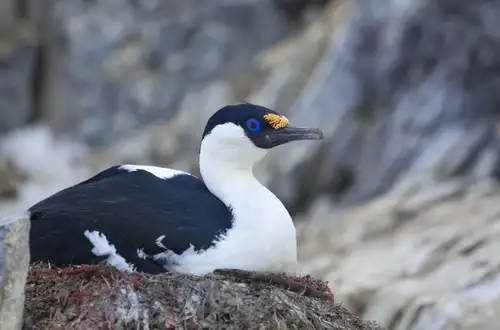
- Port Lockroy – After sailing through the Neumayer Channel, you may get a chance to visit the former British research station – now a museum and post office – of Port Lockroy on Goudier Island. You may also be able to partake in activities around Jougla Point, meeting gentoo penguins and blue-eyed shags.
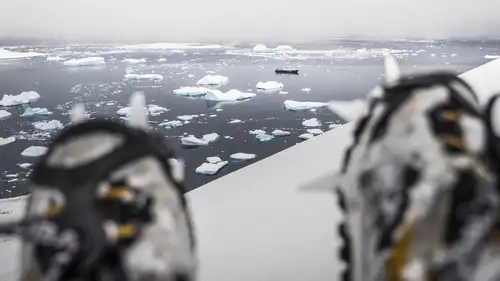
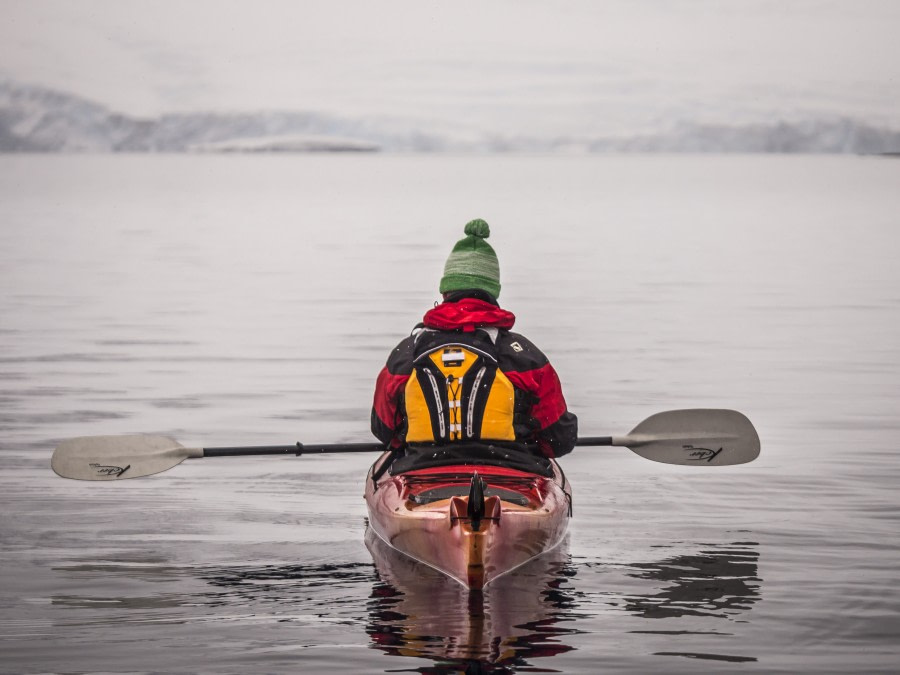
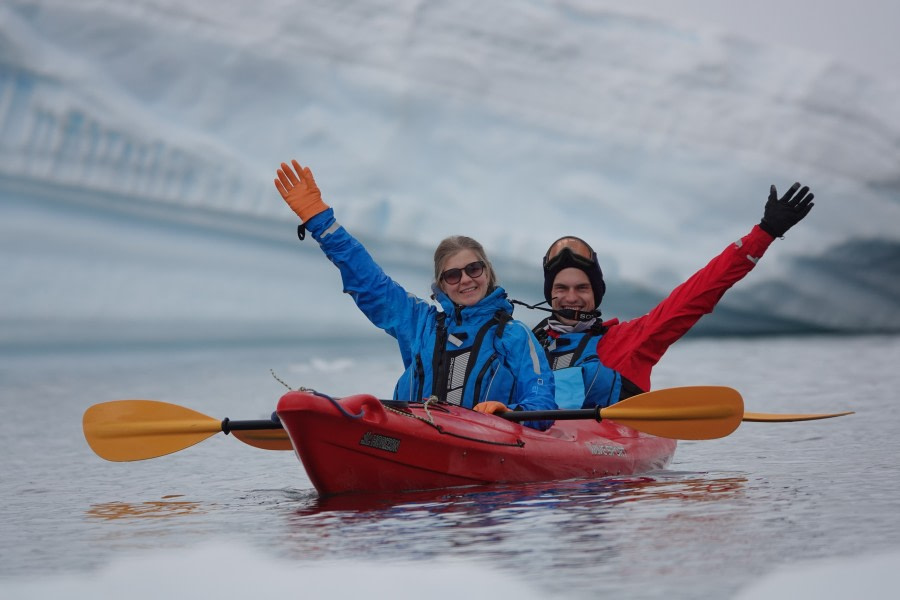
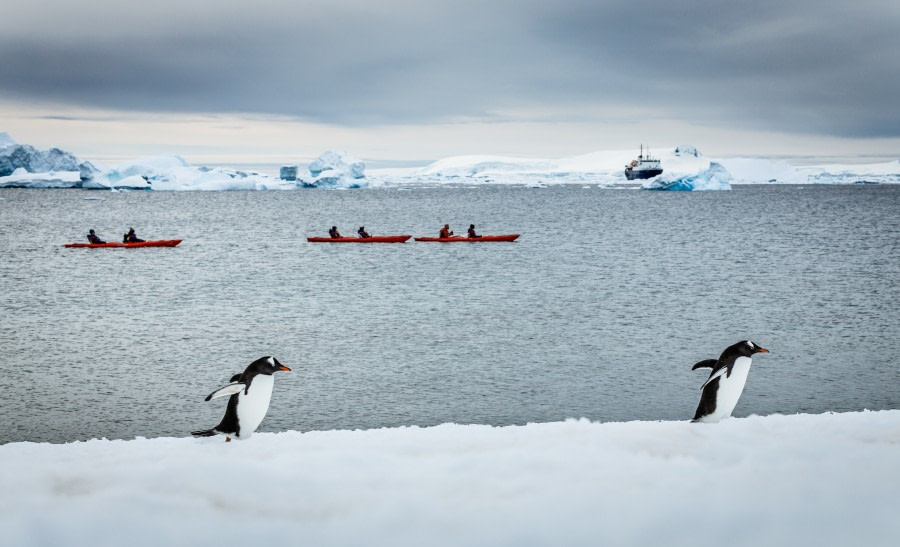
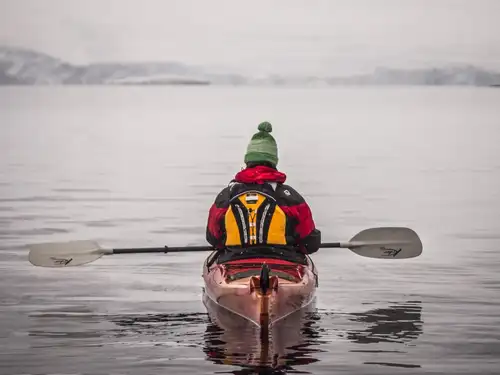
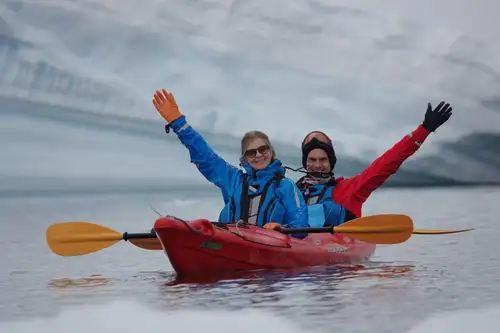
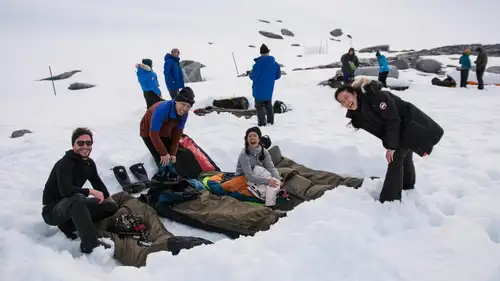
There are great opportunities also for kayaking in this area, and when conditions are right, you can even snowshoe around the shore and to the old ski-way at nearby Damoy Point.
Scenes of South Shetland
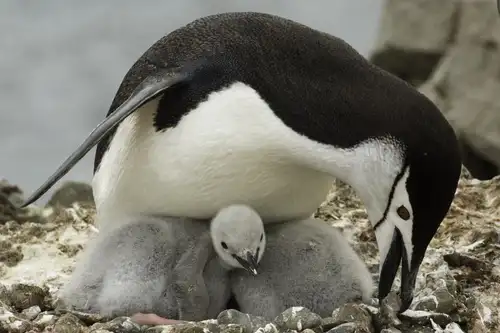
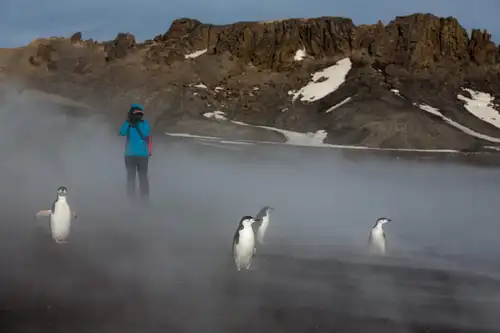
The volcanic islands of the South Shetlands are windswept and often cloaked in mist, but they do offer subtle pleasures: There’s a wide variety of flora (mosses, lichens, flowering grasses) and no small amount of fauna (gentoo penguins, chinstrap penguins, southern giant petrels).
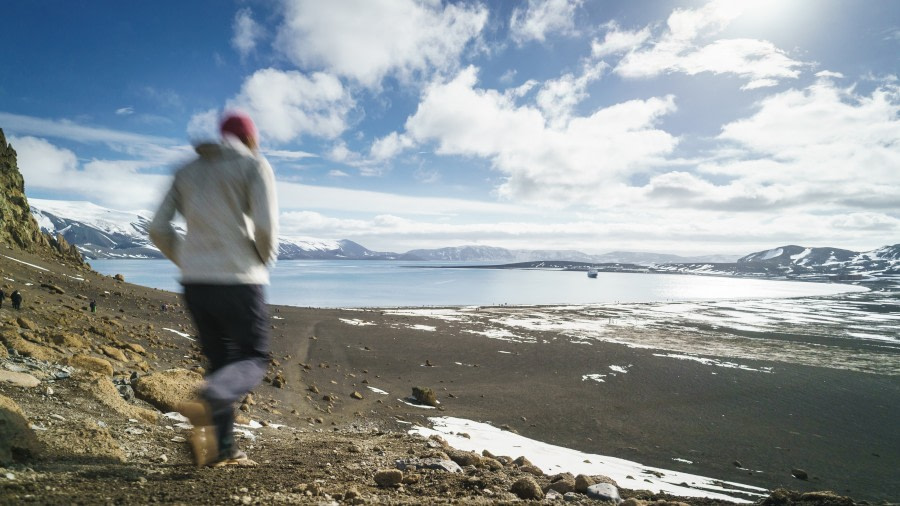
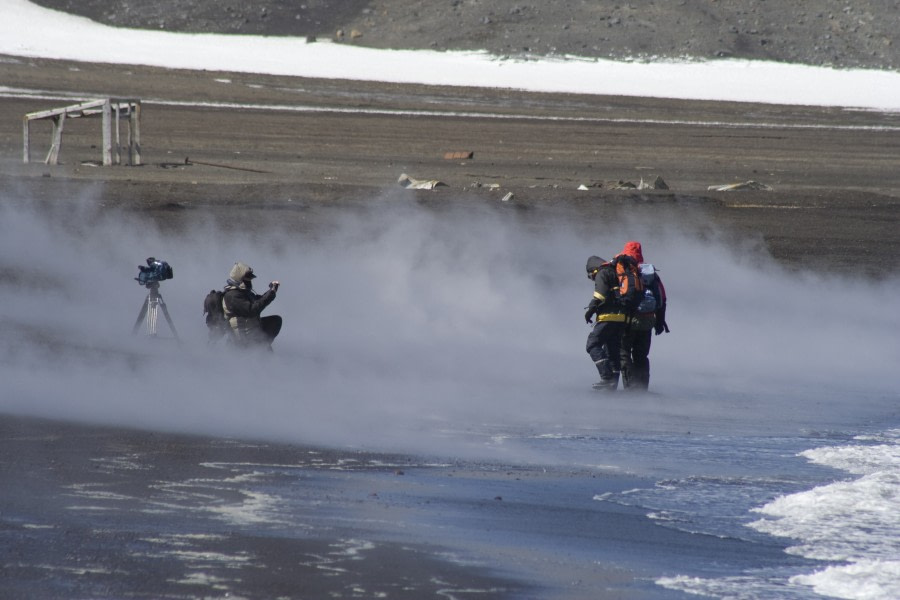
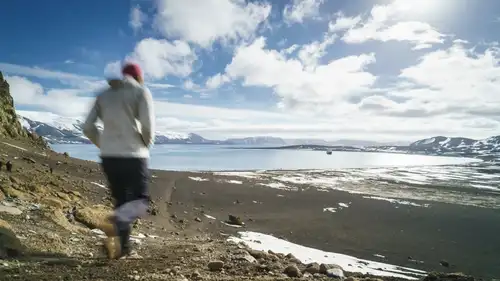
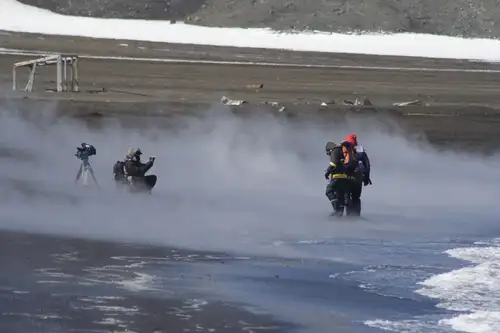
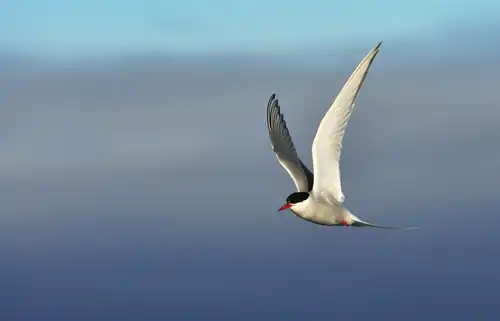
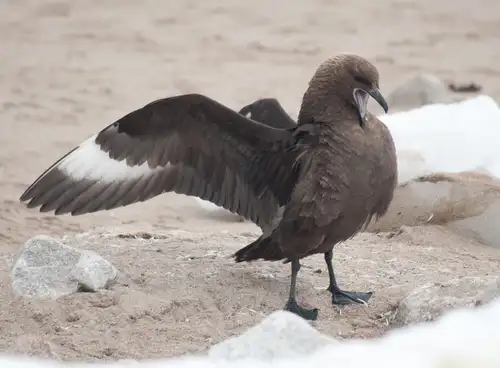
In Deception Island, the ship plunges through Neptune’s Bellows and into the flooded caldera. Here you find an abandoned whaling station, and thousands of cape petrels – along with kelp gulls, brown and south polar skuas, and Antarctic terns. A good hike is a possibility in this fascinating and desolate volcanic landscape.
As an alternative, you may be able to engage in activities near Half Moon Island. Here chinstrap penguins and Weddell seals often haul out onto the beach near Cámara Base, an Argentine scientific research station. Conditions on the Drake Passage determine the exact time of departure.
Familiar seas, familiar friends
Your return cruise is far from lonely. While crossing the Drake, you’re again greeted by the vast array of seabirds remembered from the passage south. But they seem a little more familiar to you now, and you to them.
There and back again
Every adventure, no matter how grand, must eventually come to an end. It’s now time to disembark in Ushuaia, but with memories that will accompany you wherever your next adventure lies.







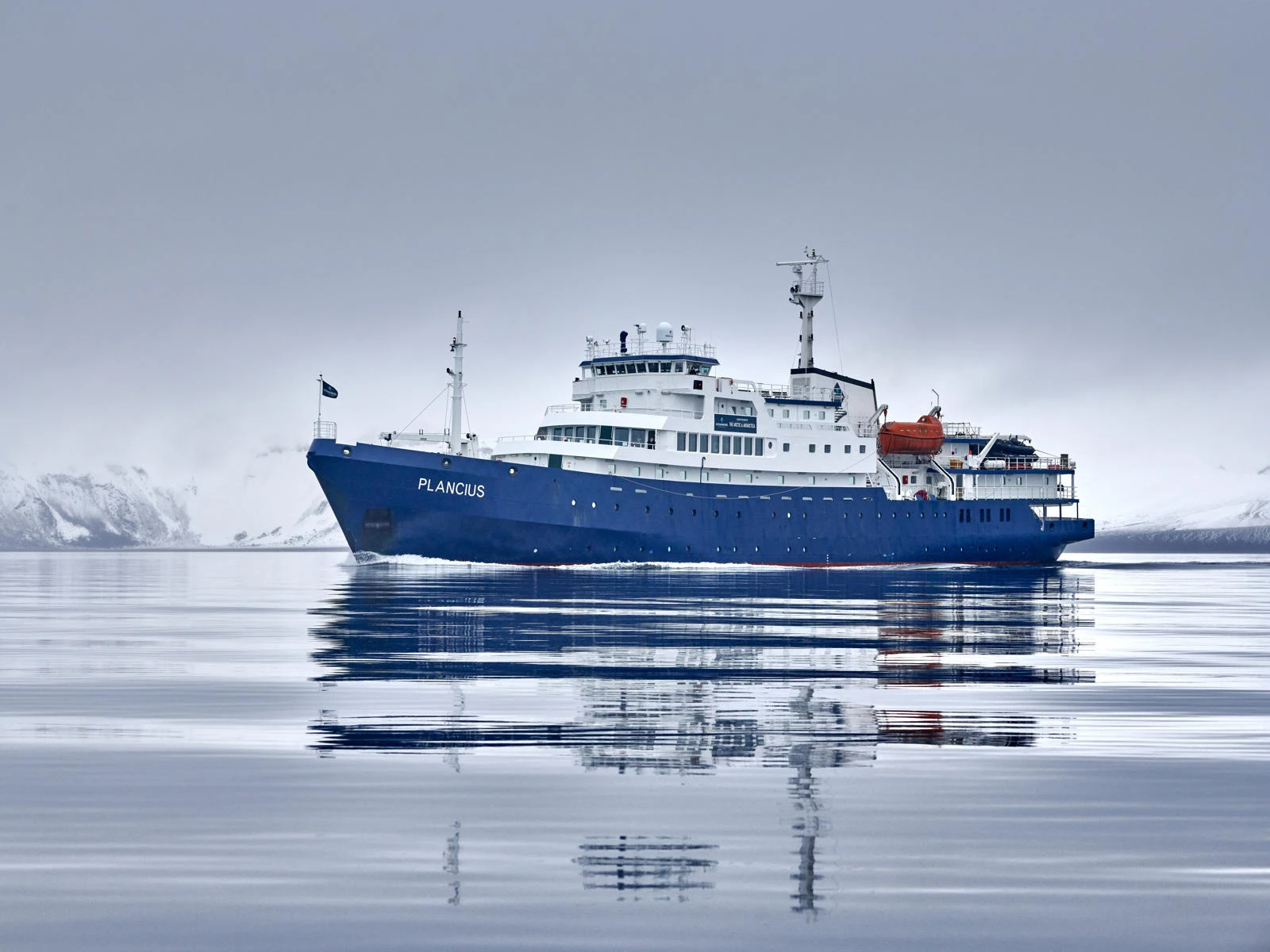
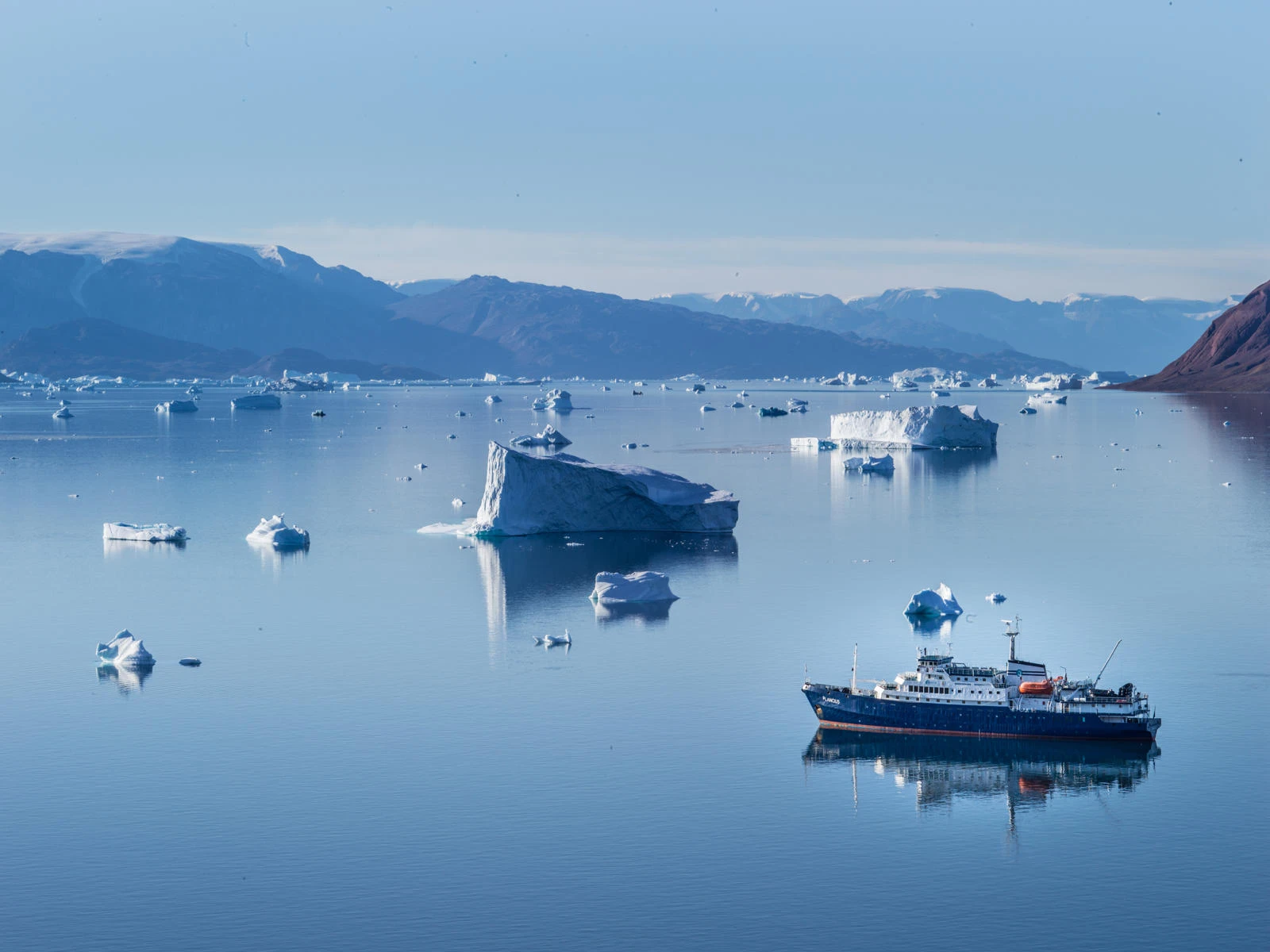
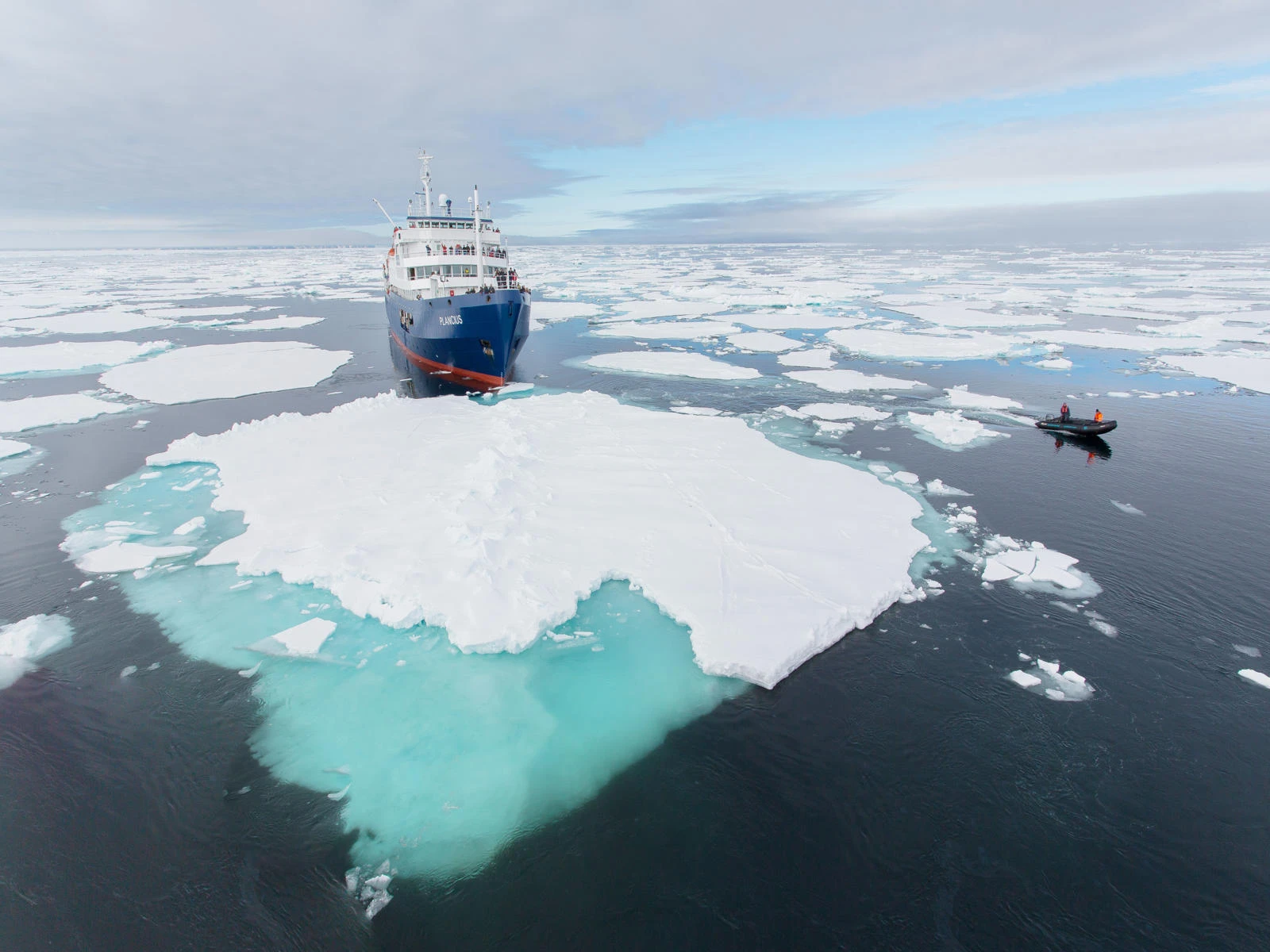
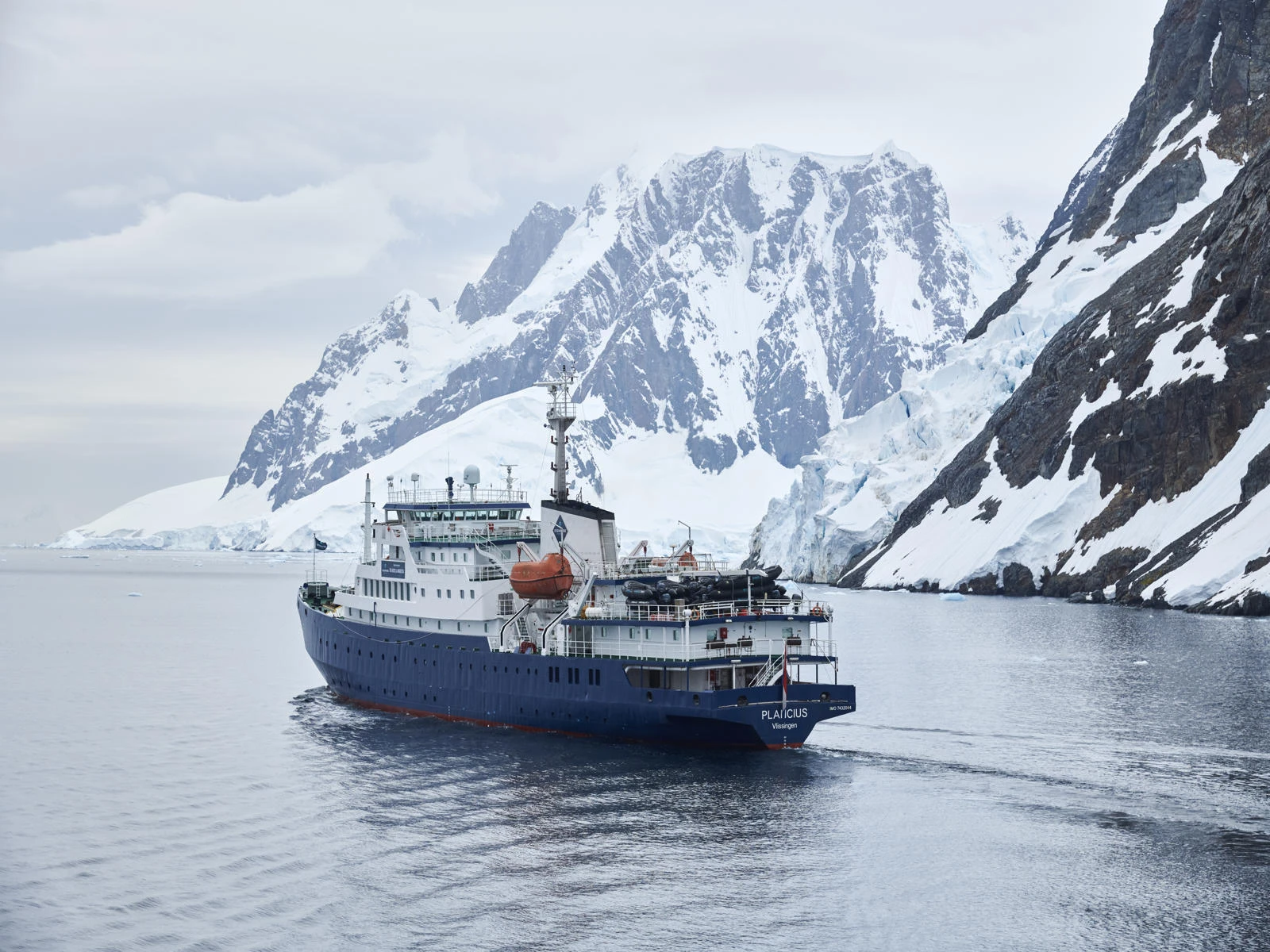
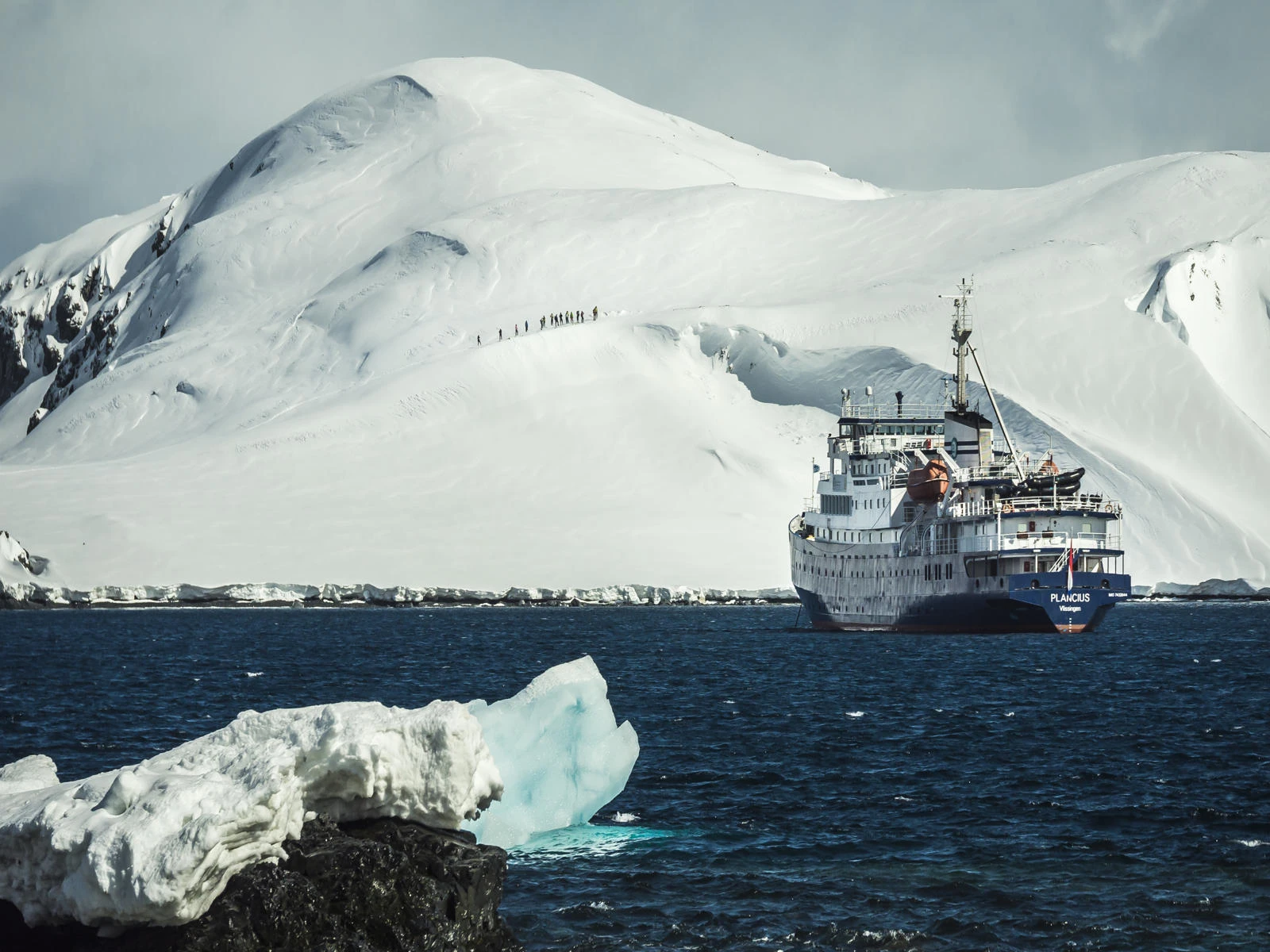
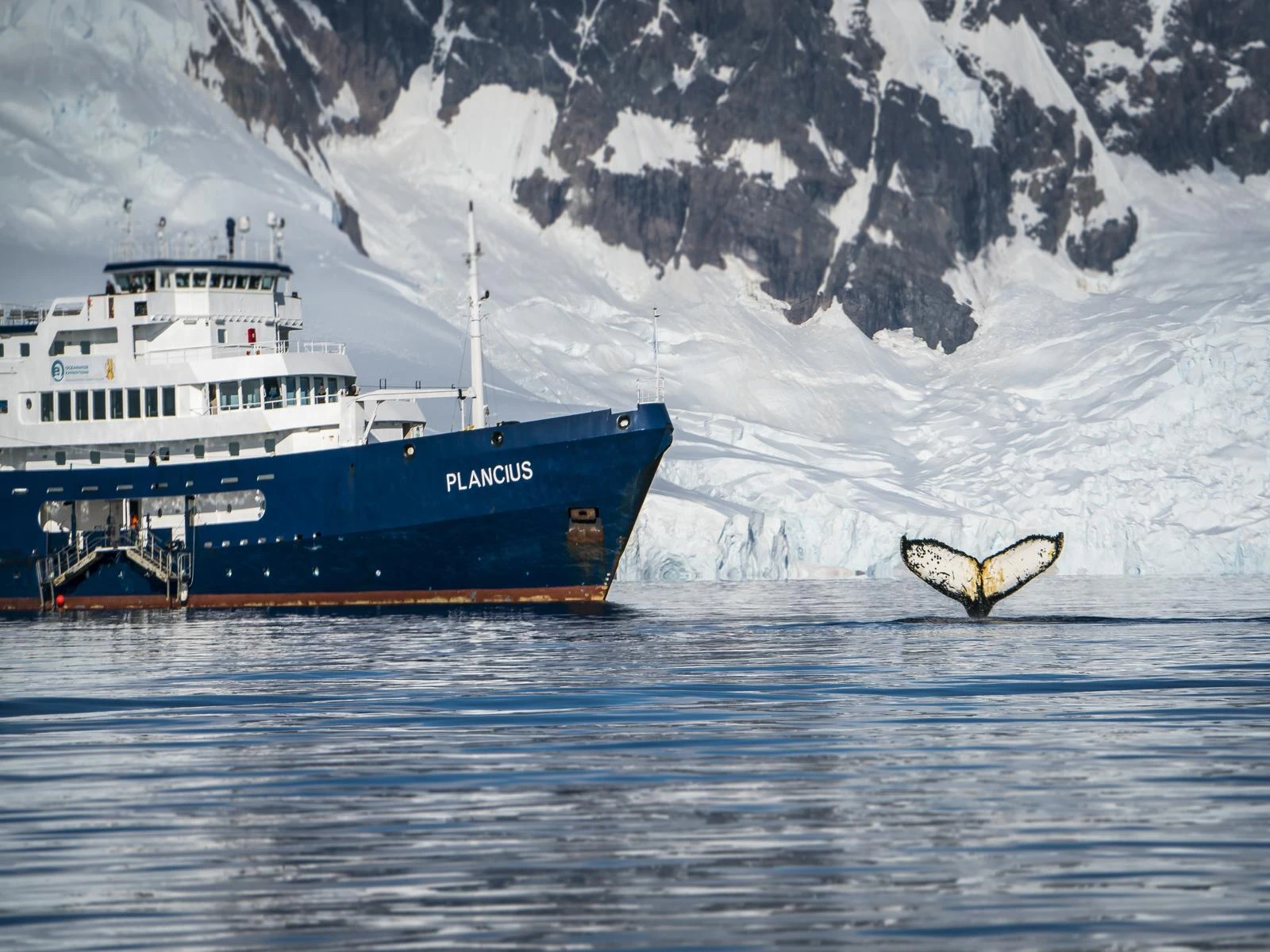
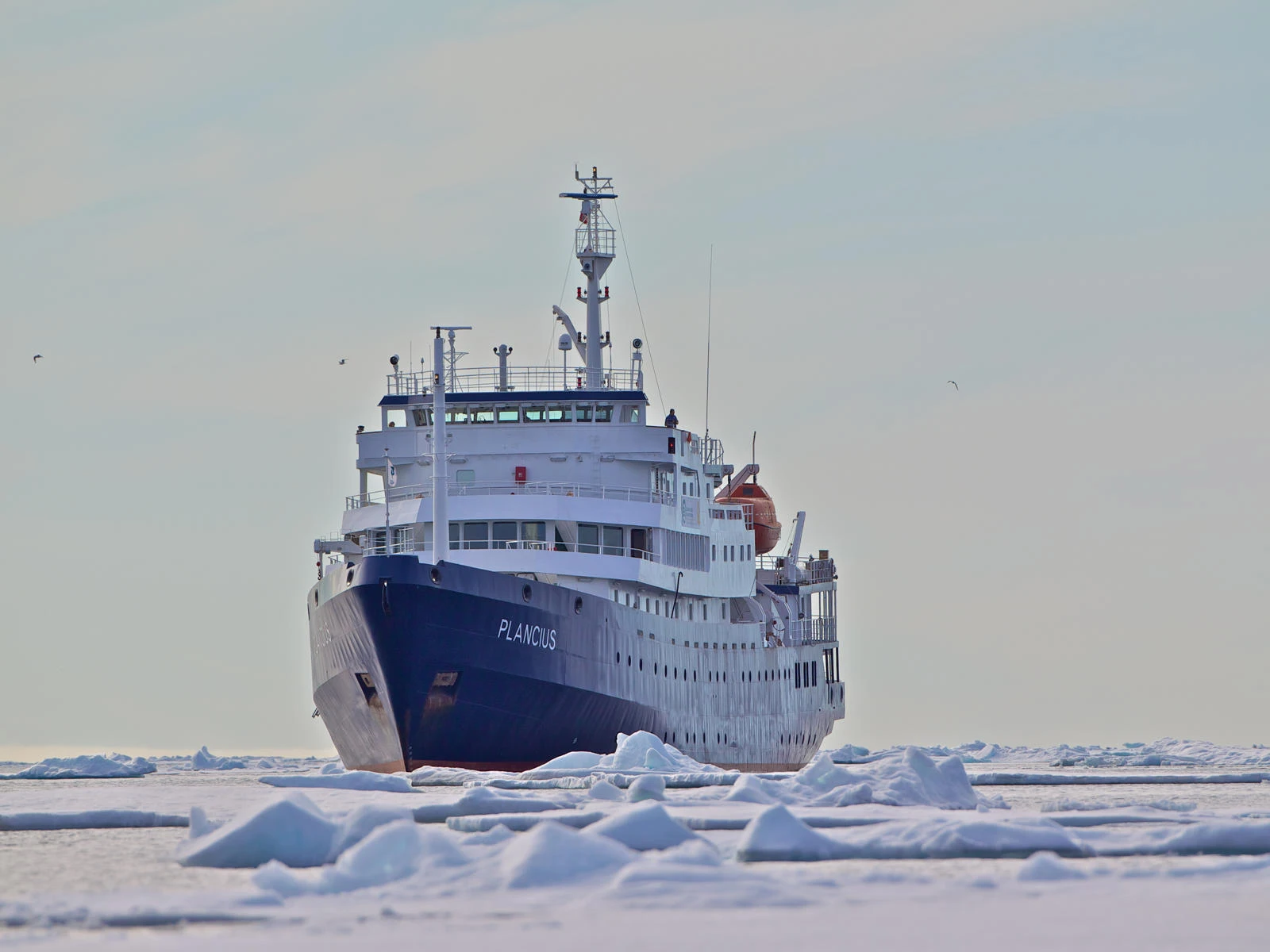
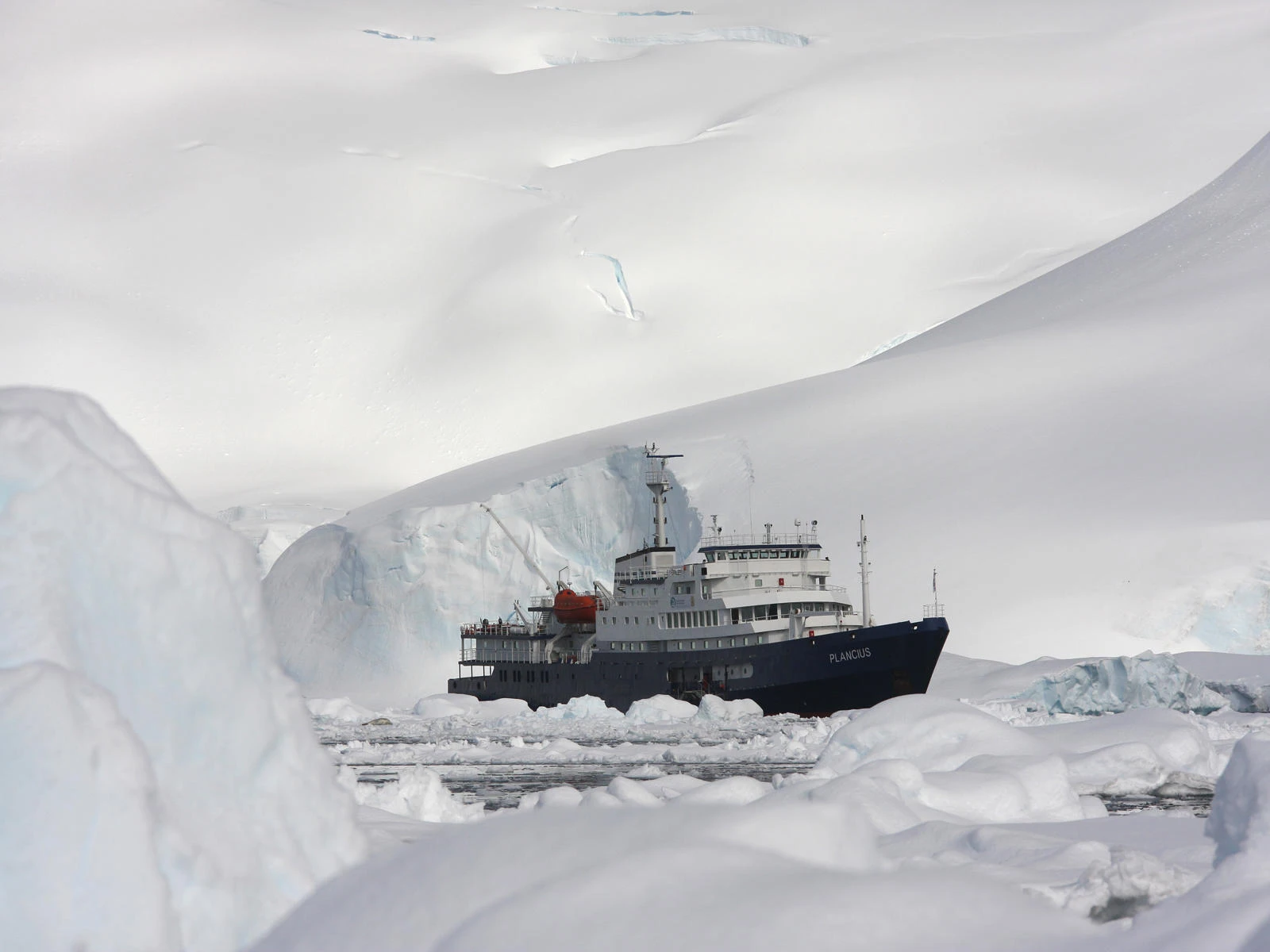
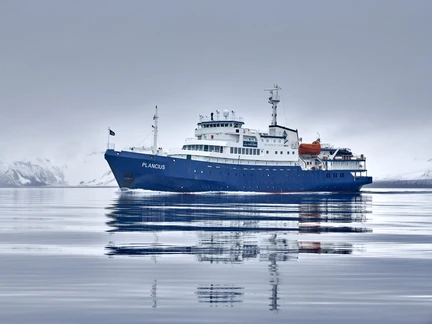
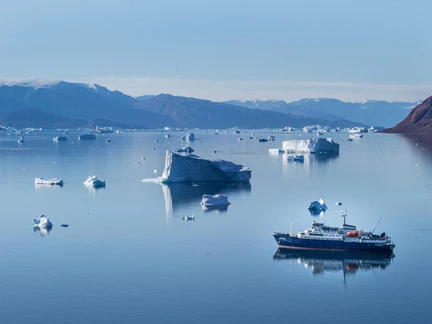
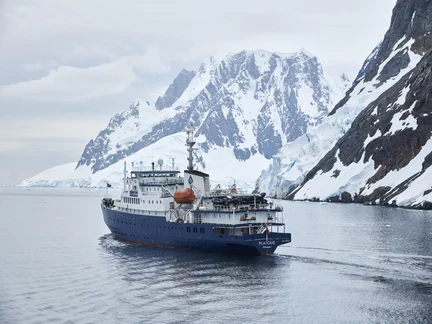
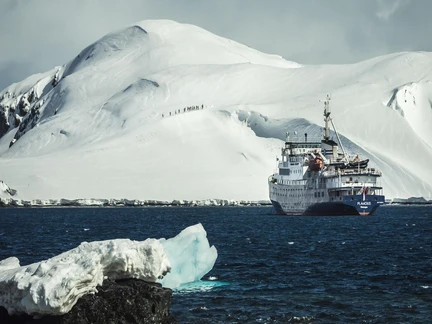
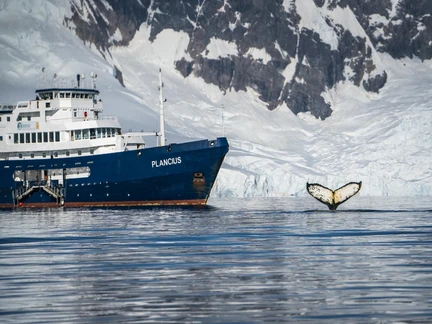
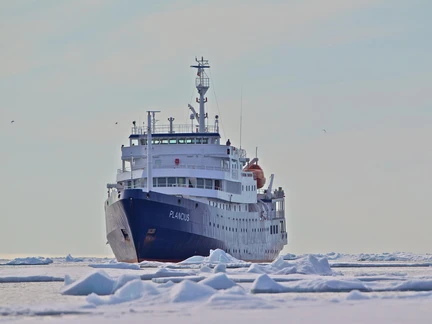
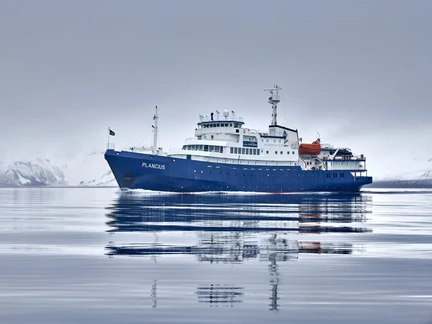
m/v Plancius
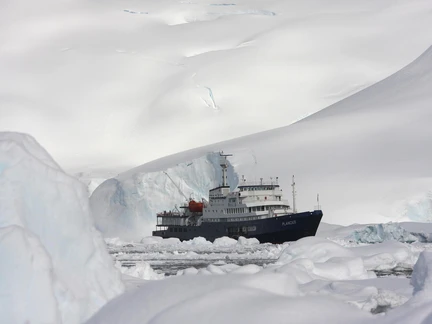
Our most longstanding vessel, Plancius, is a classic choice for many of our most popular polar voyages.
Specifications
| Passengers: | 108 passengers in 50 cabins |
| Staff & crew: | Crew 40 | Guides 8 | Doctor 1 |
| Length: | 89 meters (293 feet) |
| Breadth: | 14,5 meters (47 feet) |
| Draft: | 5 meters (16 feet) |
| Ice class: | 1D (Plancius has a Lloyds class notation 100A1 Passenger ship, Ice Class 1D at a draught of 5 meters) |
| Displacement: | 3211 tonnes |
| Propulsion: | 3x Diesel-Electric |
| Speed: | 10.5 knots average cruising speed |
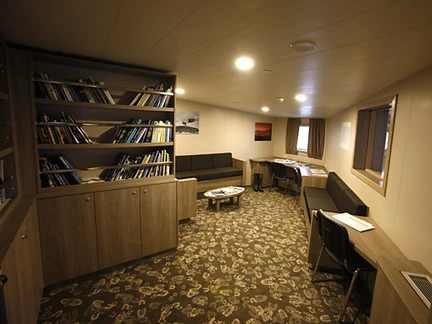
Cabins Gallery
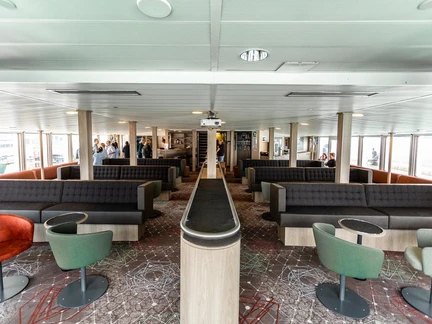
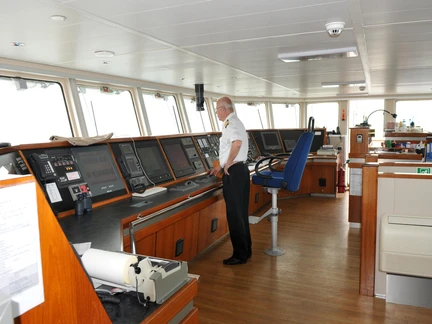
Ship Interior Gallery
Ship Exterior Gallery
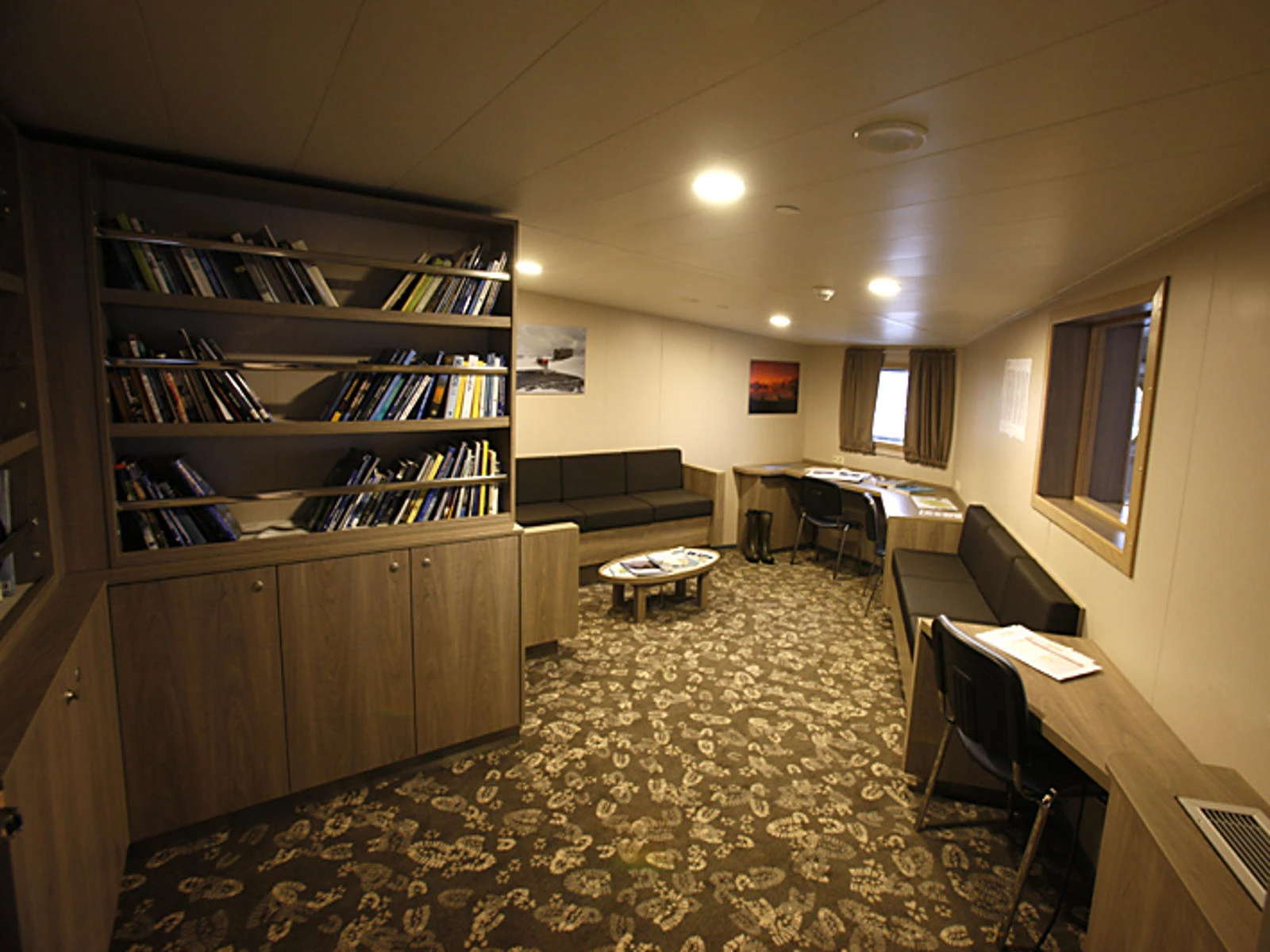
M/v “Plancius” was built in 1976 as an oceanographic research vessel for the Royal Dutch Navy and was named “Hr. Ms. Tydeman”. The ship sailed for the Dutch Navy until June 2004 and was eventually purchased by the company. The vessel was completely rebuilt as a passenger vessel in 2009 and complies with the latest SOLAS-regulations (Safety Of Life At Sea). M/v “Plancius” is classed by Lloyd’s Register and flies the Dutch flag.
Perfect for any expedition
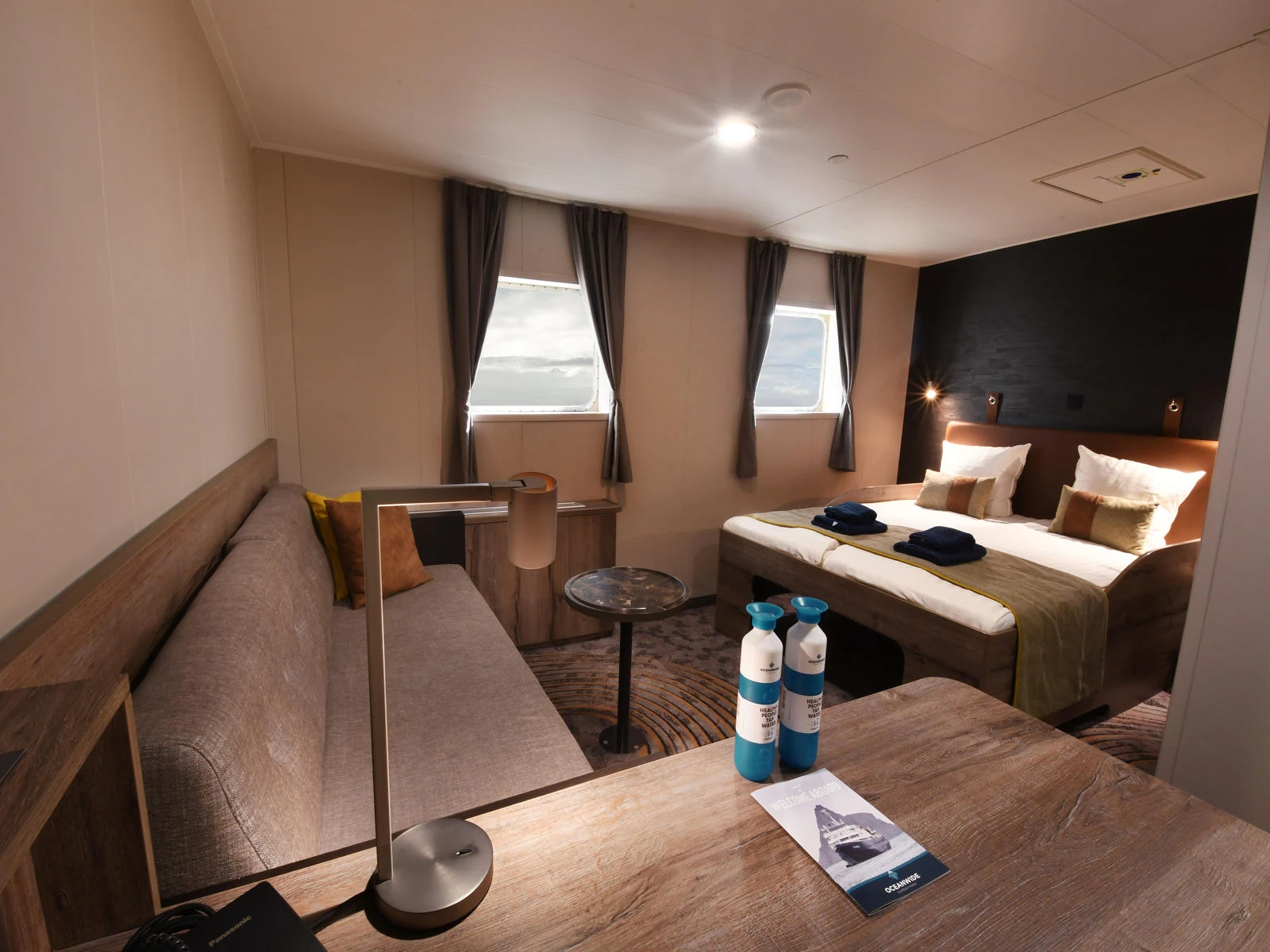
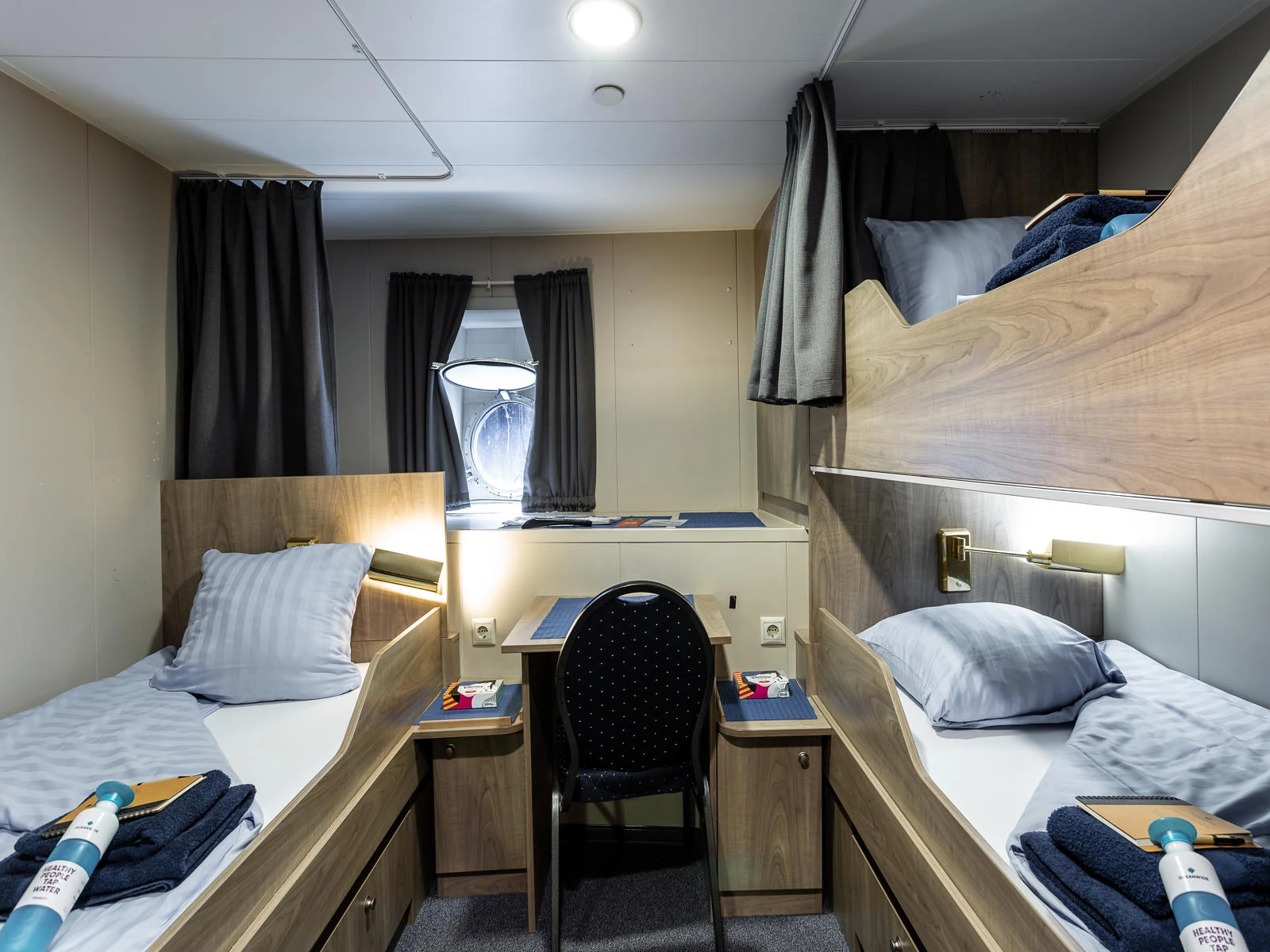
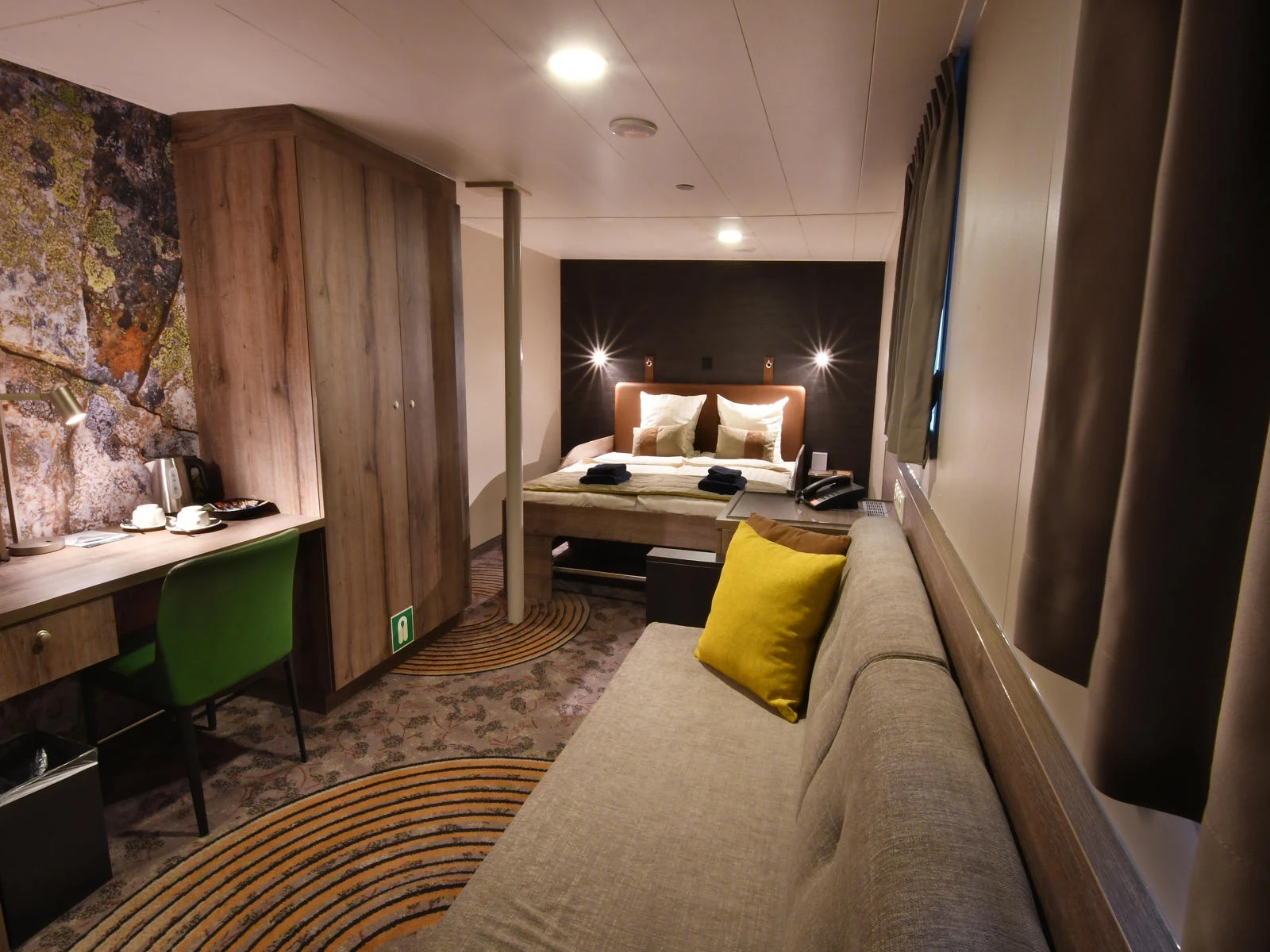
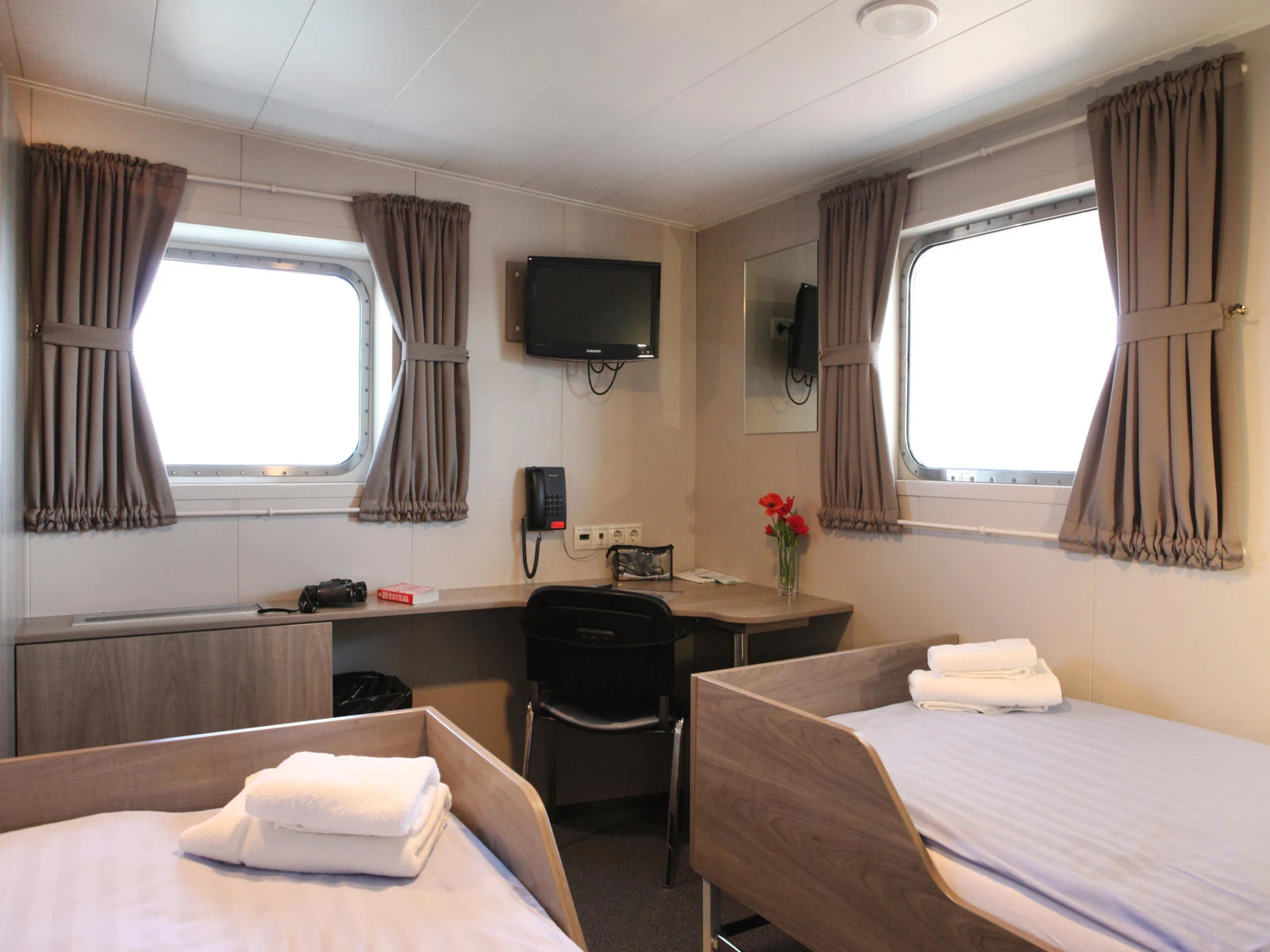
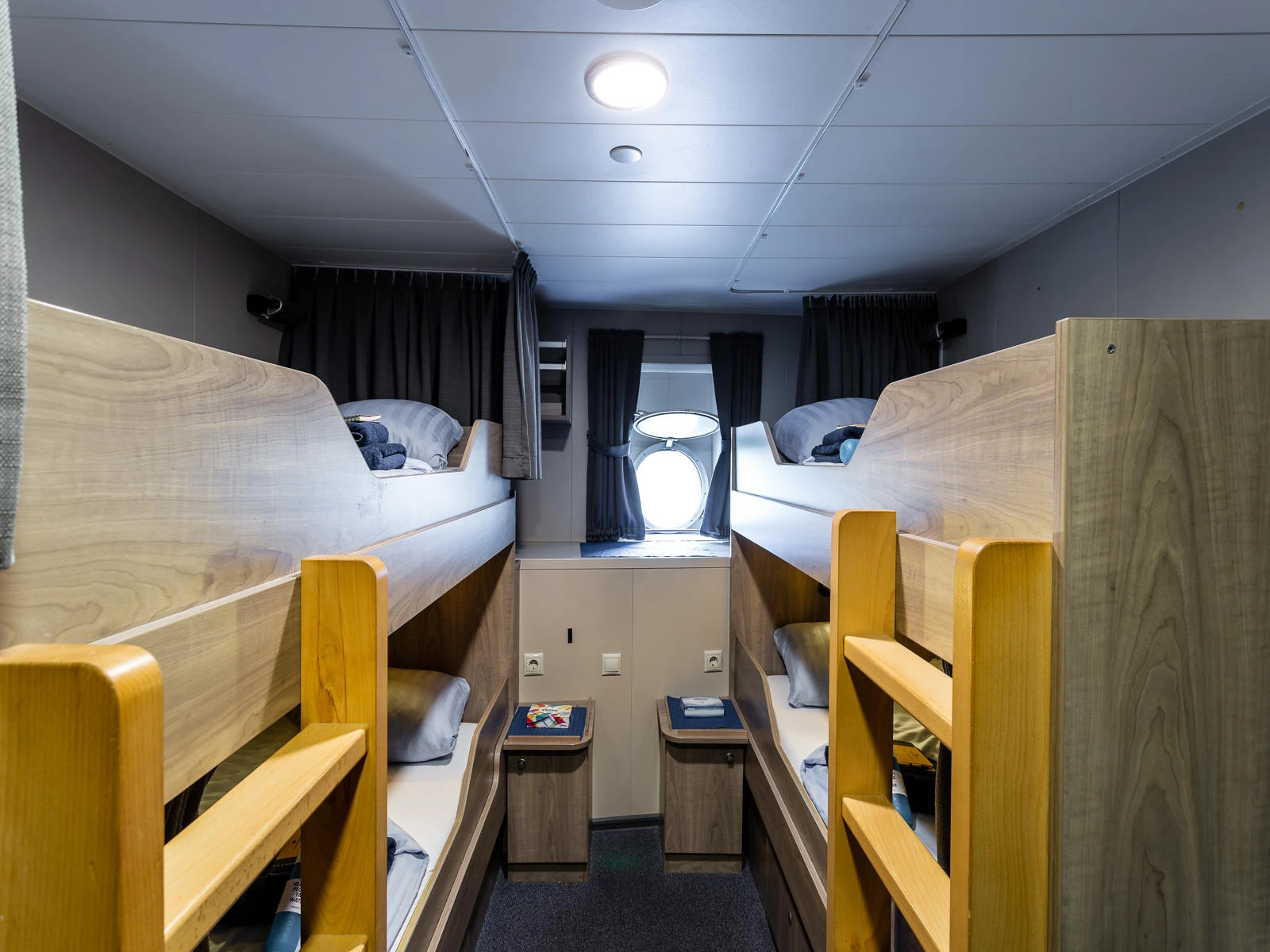
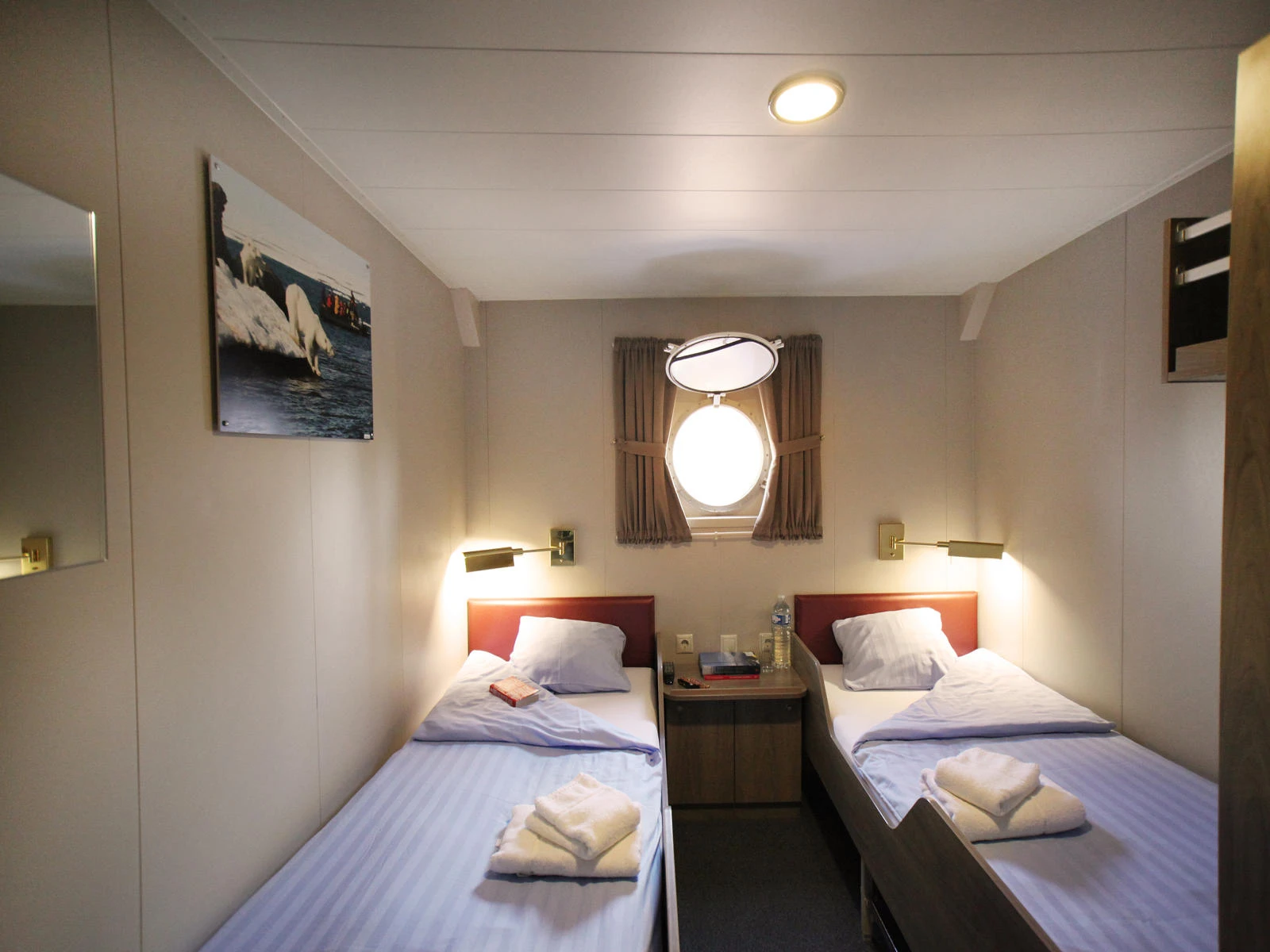
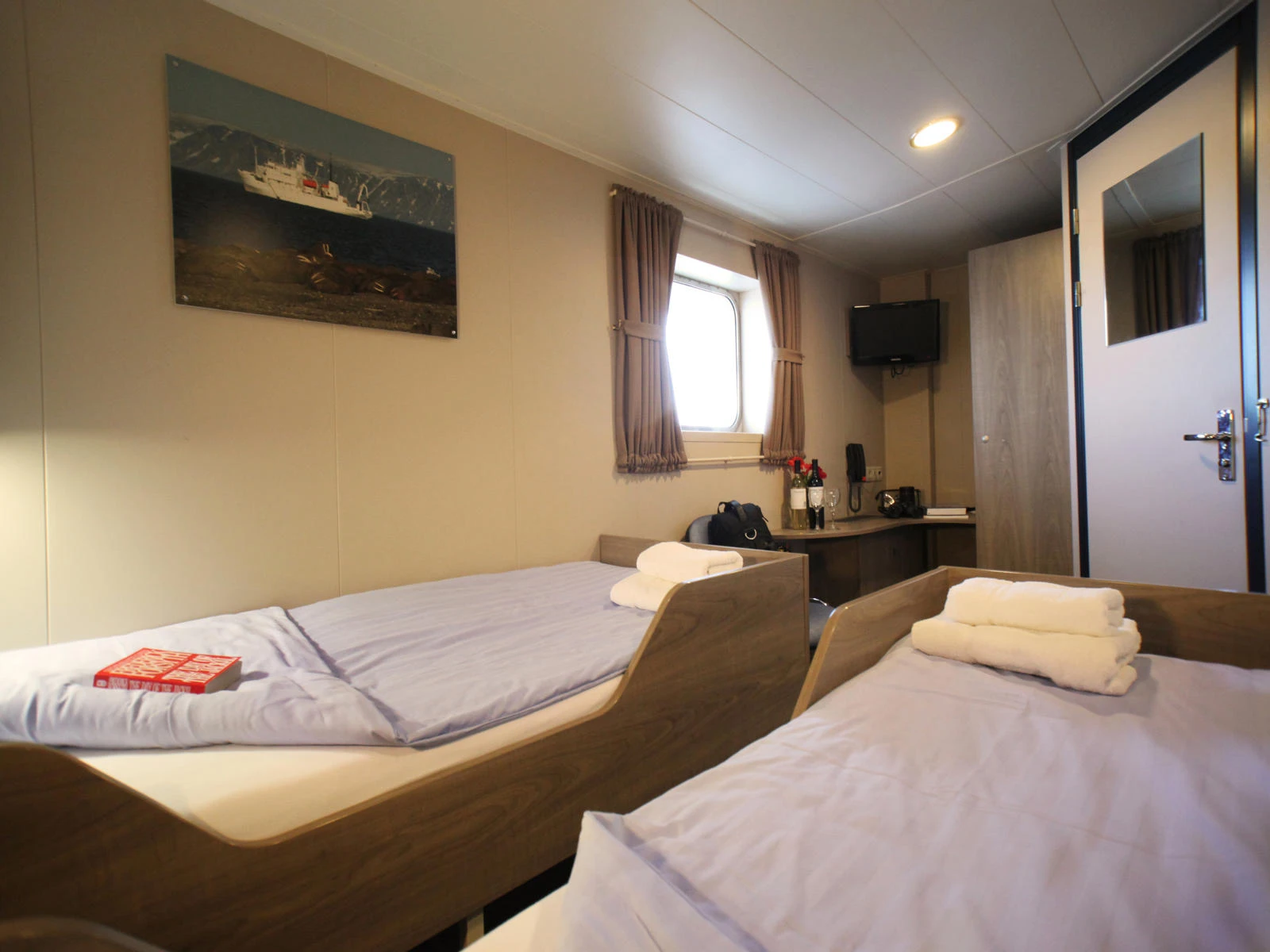
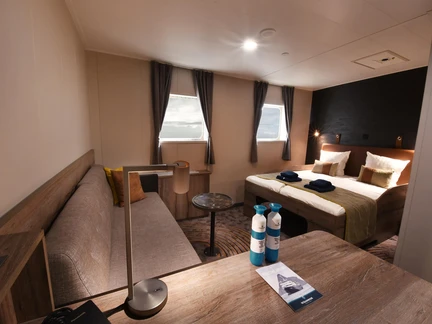
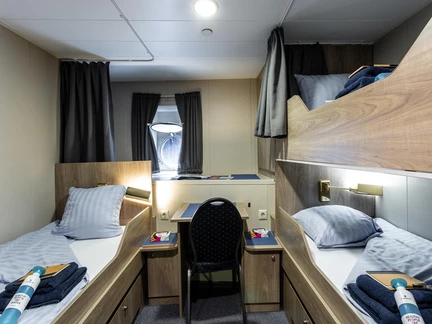
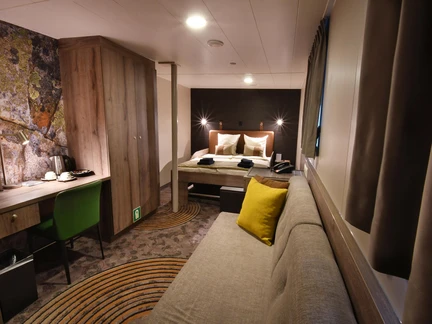
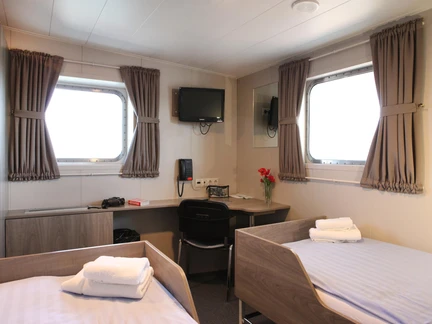
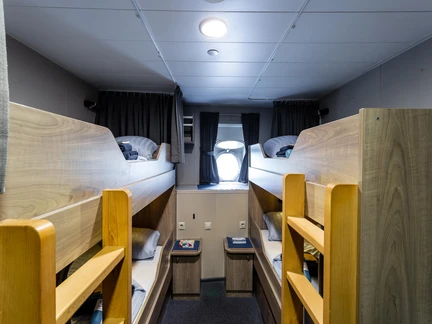
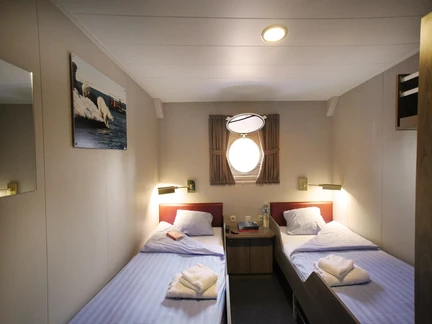
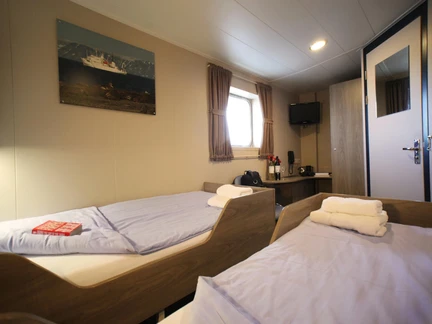
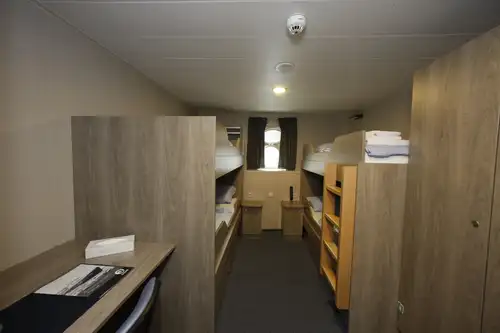
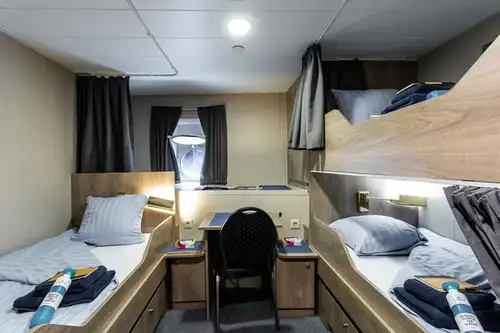
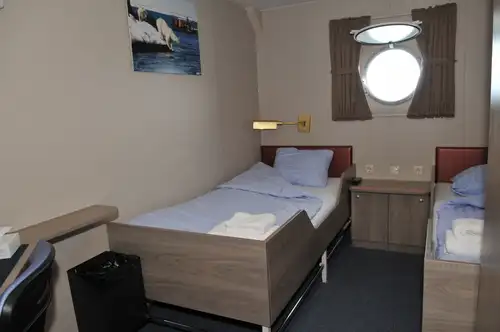
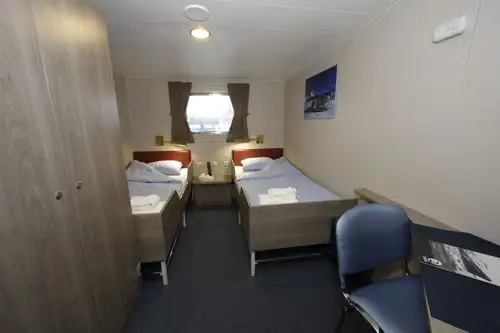
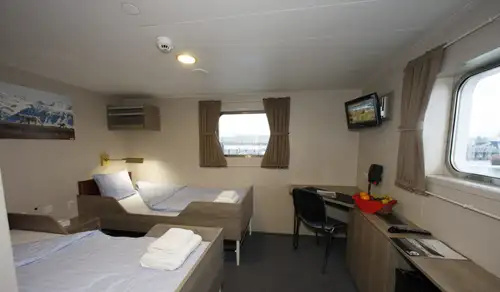
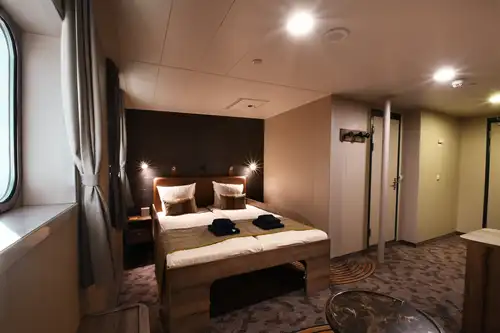
M/v “Plancius” accommodates 108 passengers with private toilets and shower in 4 quadruple porthole cabins, 9 twin porthole cabins, 25 twin cabins with windows and 2 twin deluxe cabins, all (ca. 12,5 square meters) and 10 twin superior cabins (ca. 21 square meters). All cabins offer lower berths (one queen-size bed in the superior cabins and two single beds in the twin cabins), except for the 4 quadruple cabins (for 4 persons in 2x upper and lower beds).
Plancius: a vessel with comfort and character
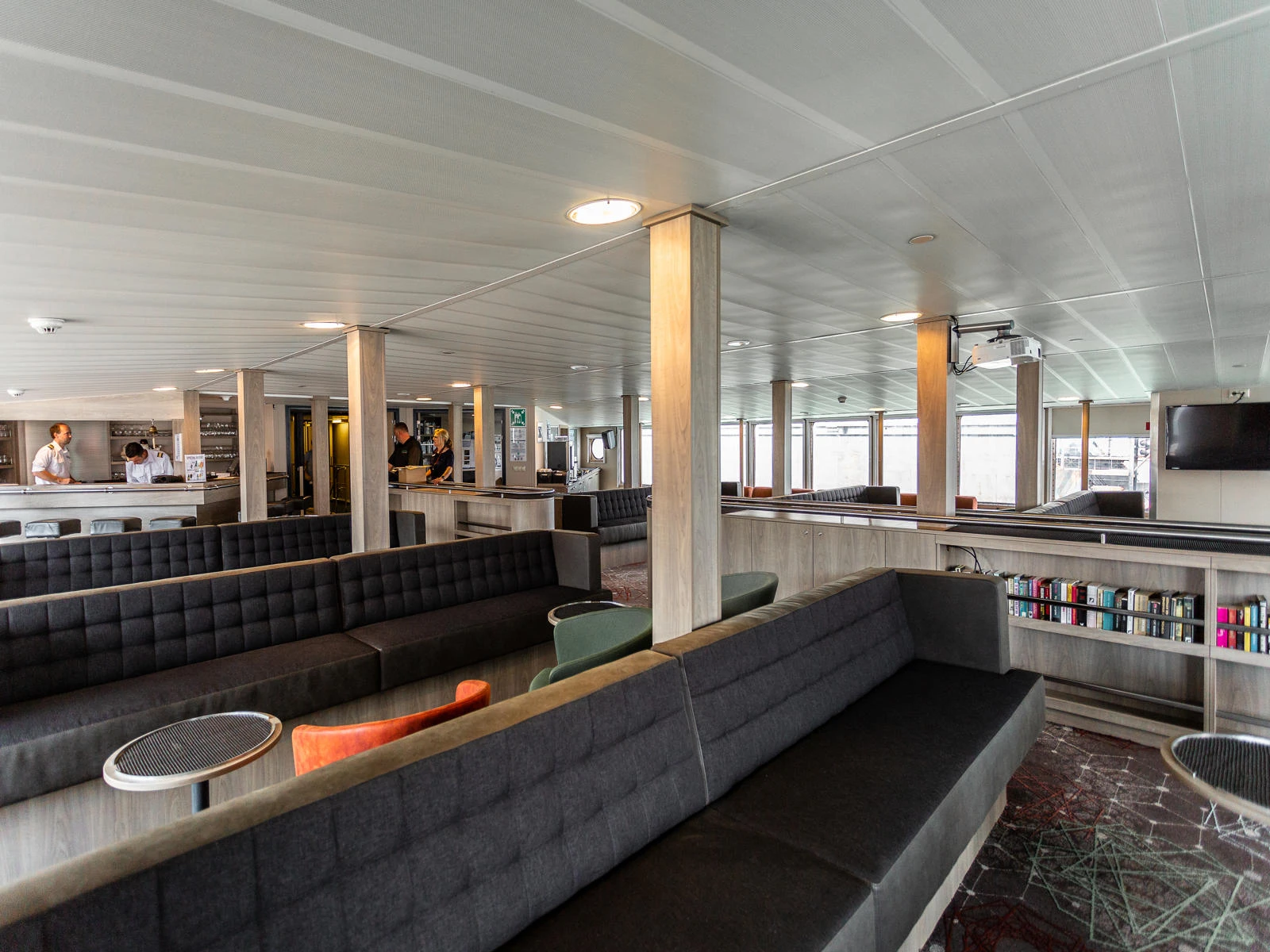
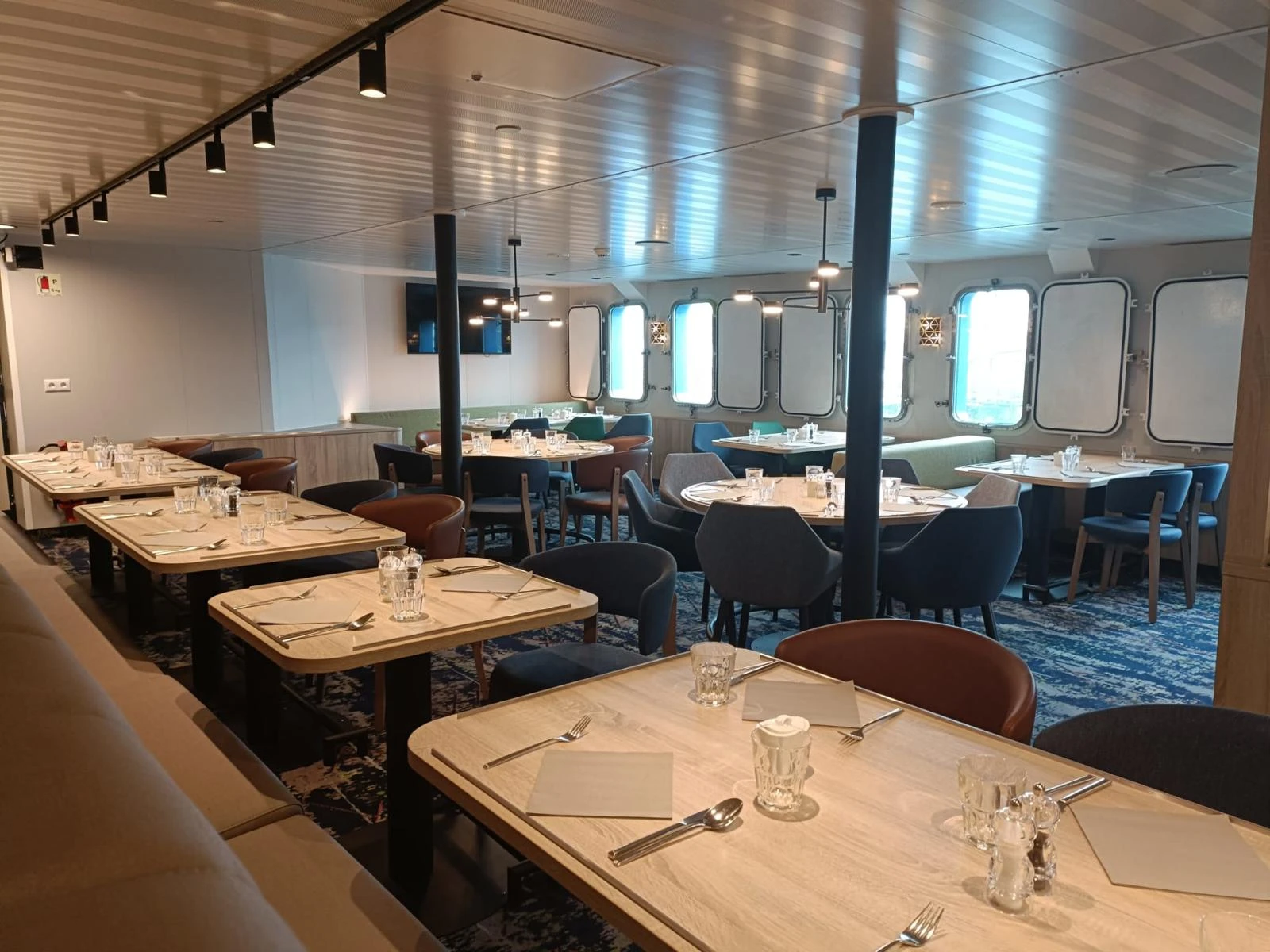
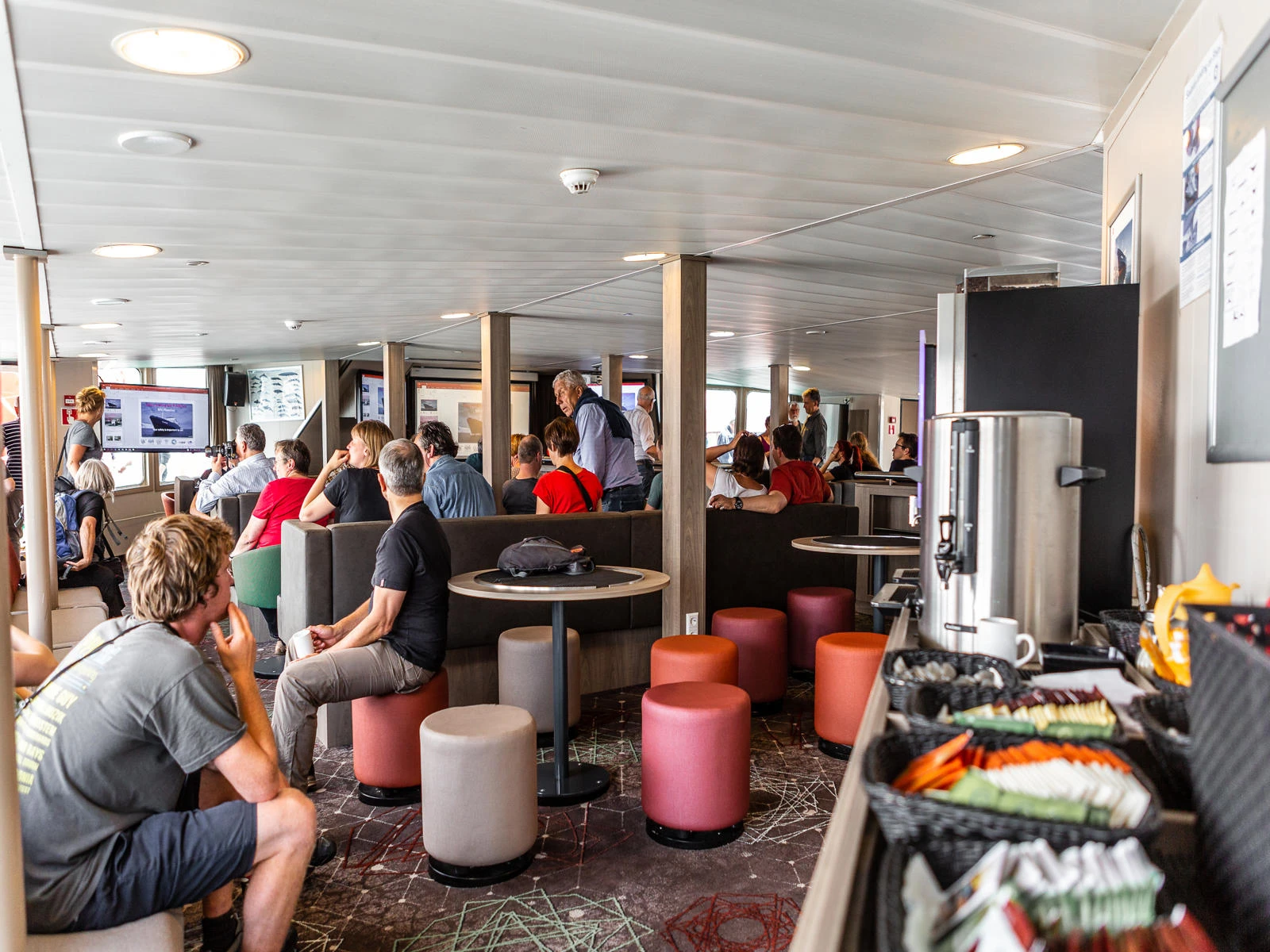
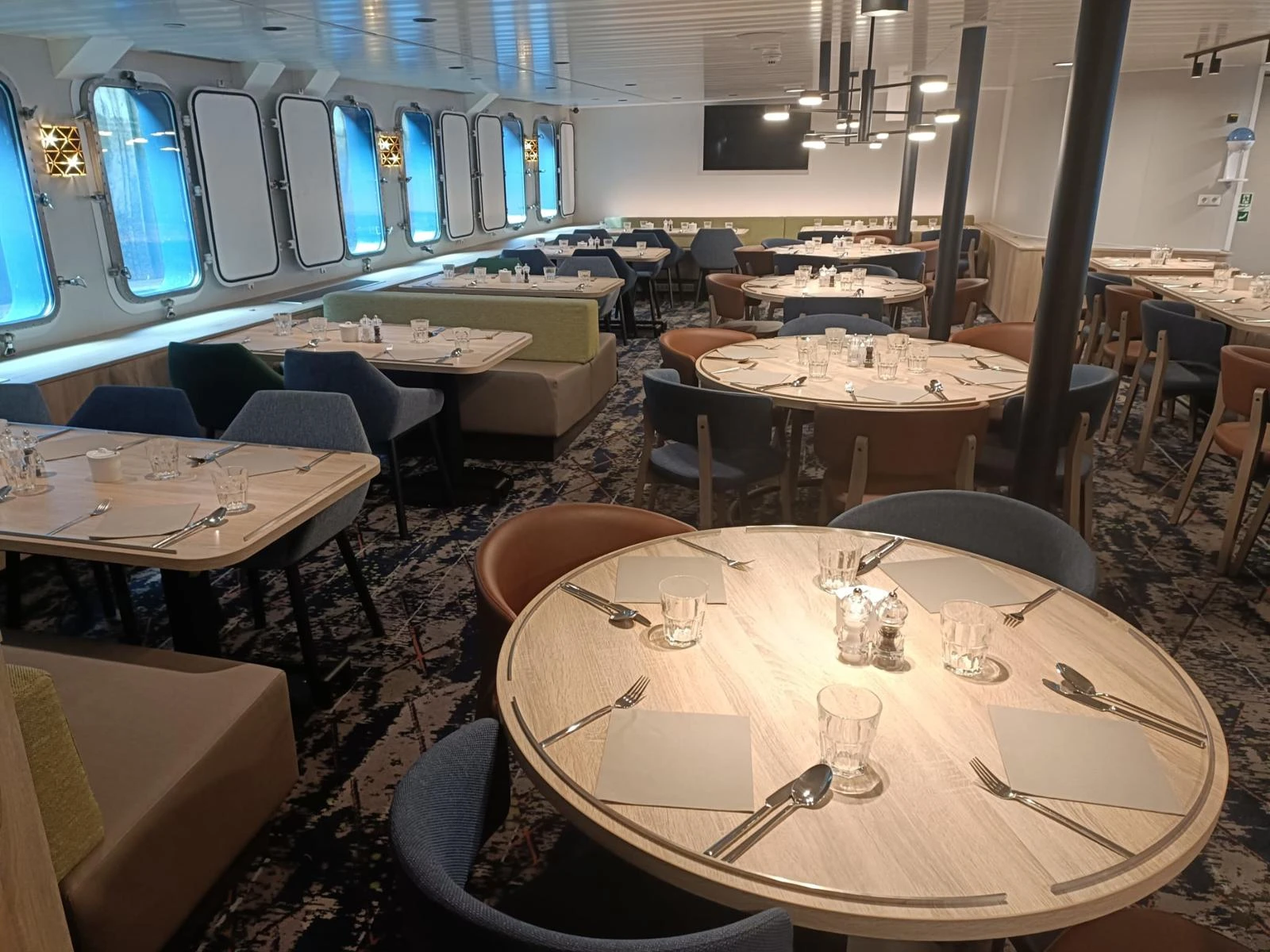
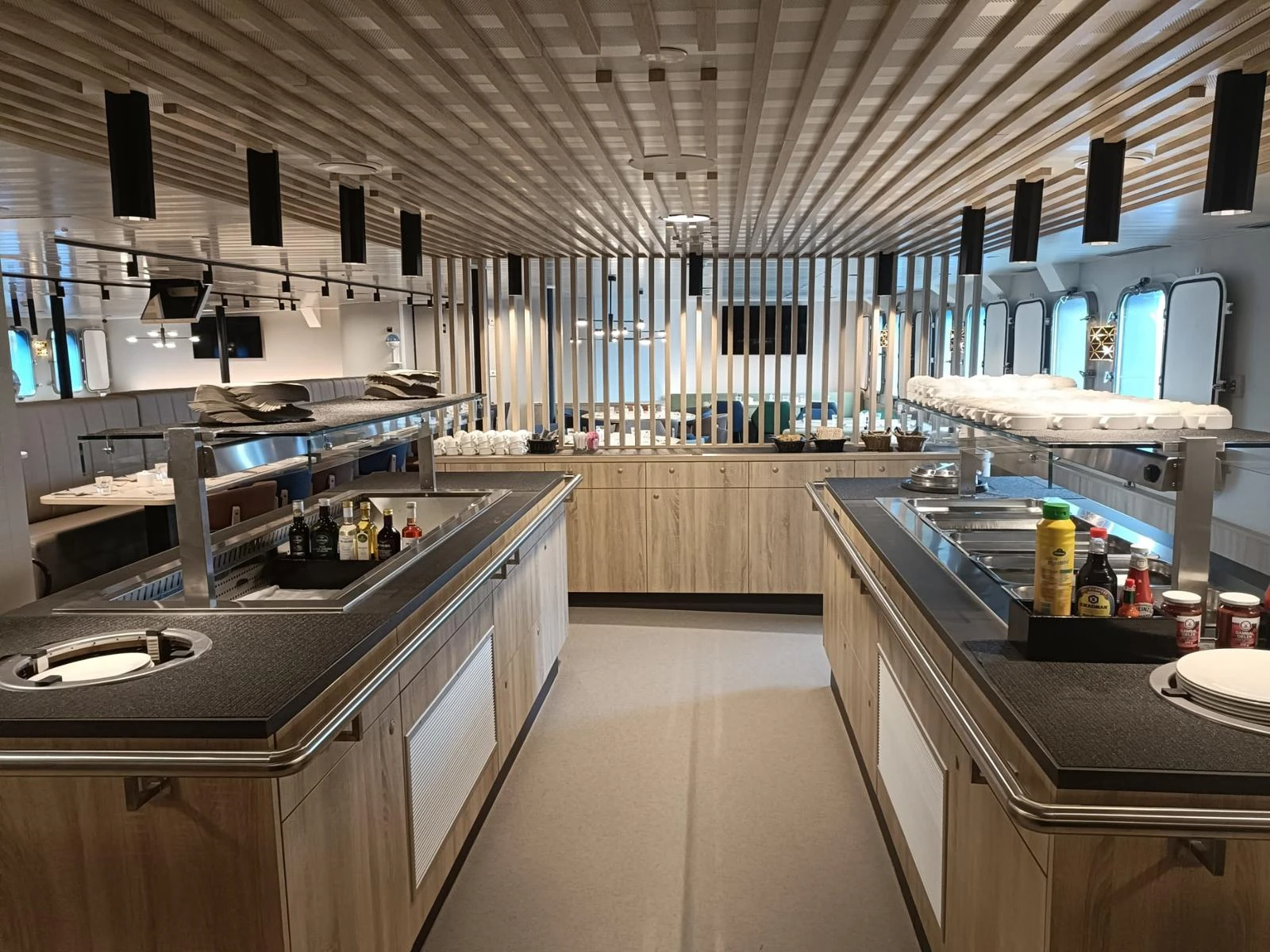
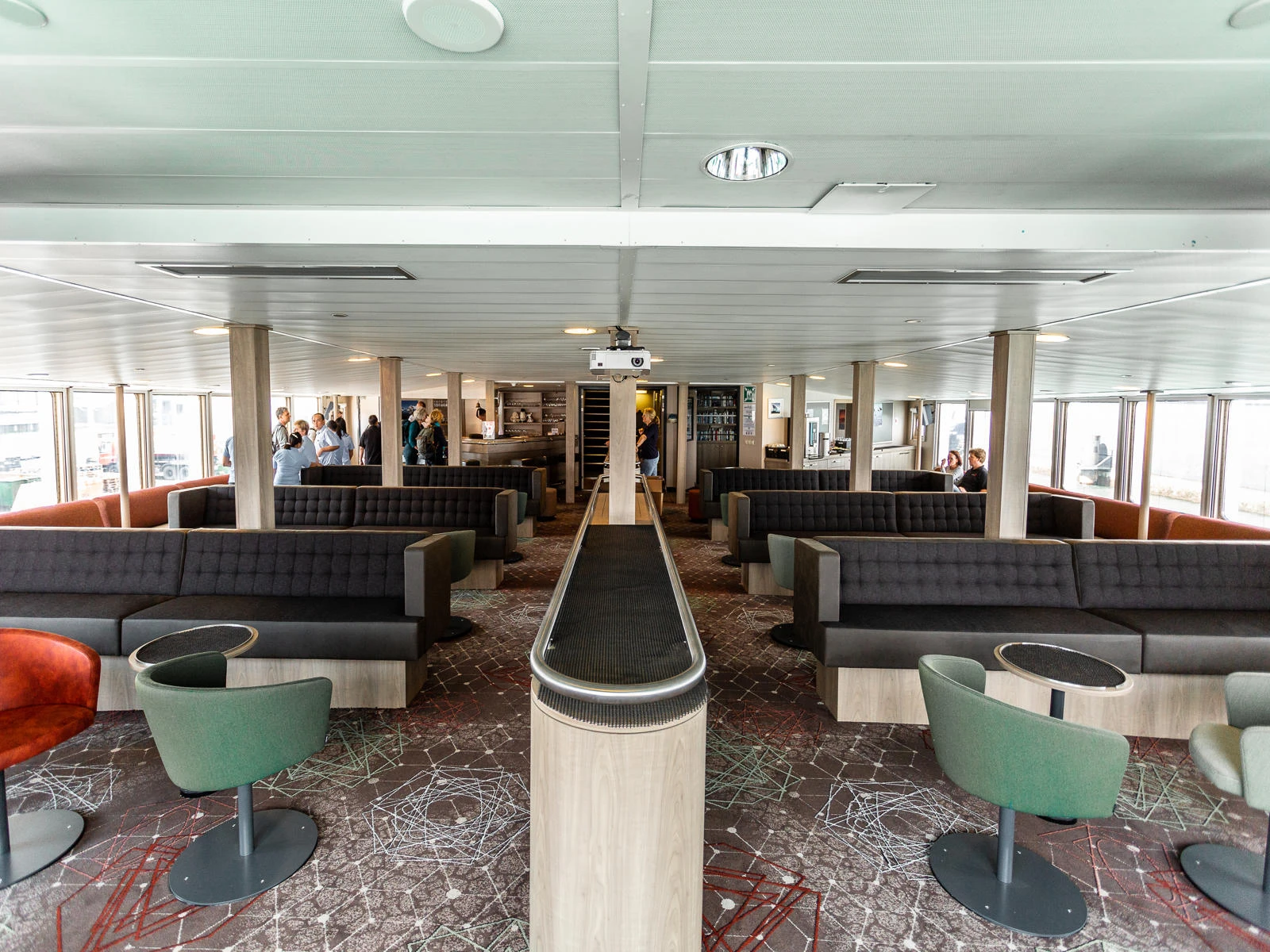
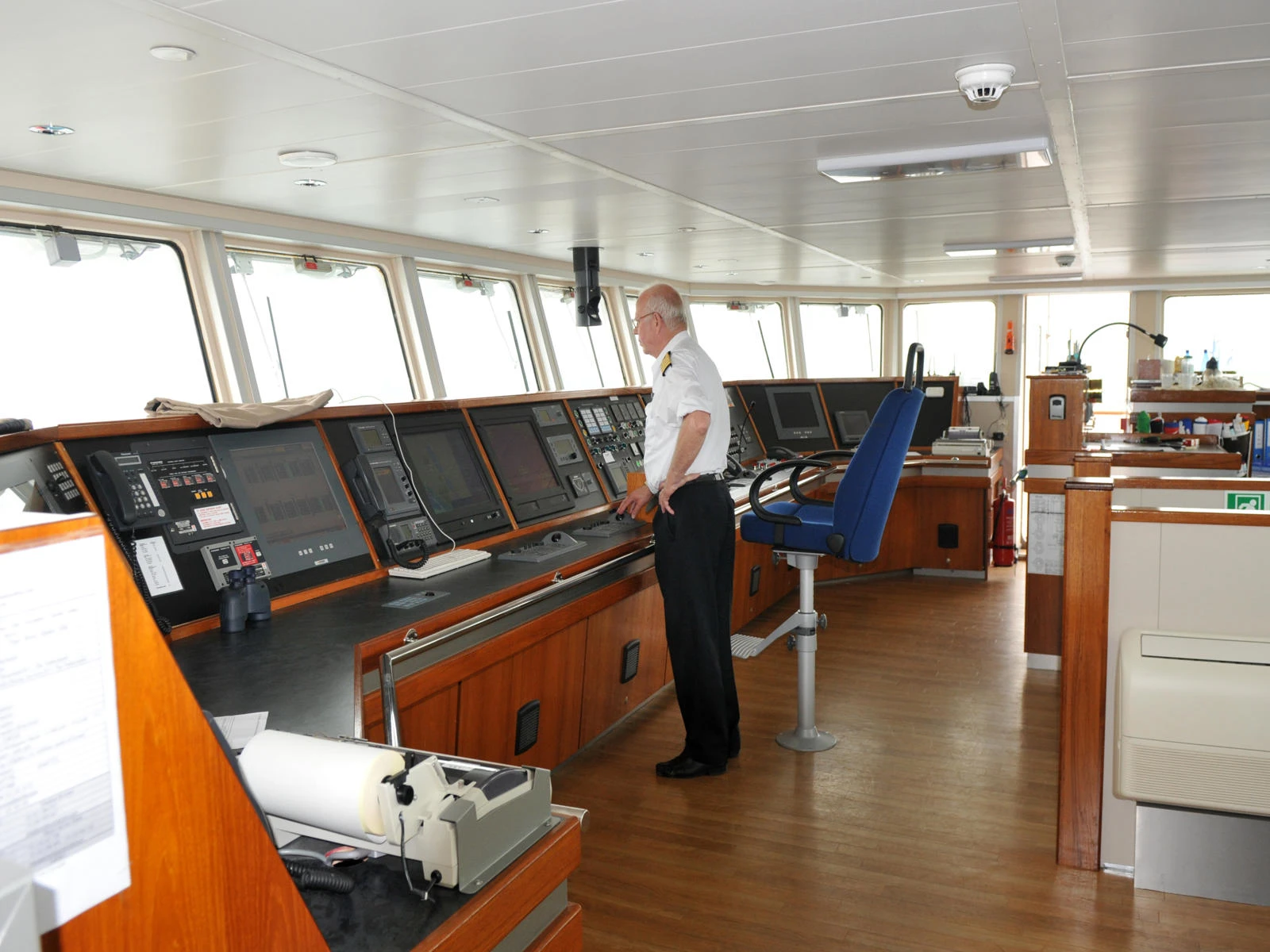
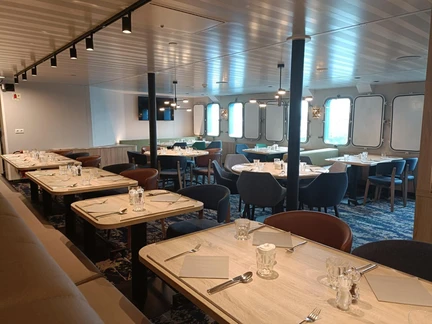
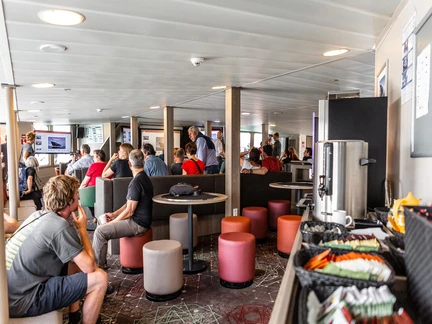
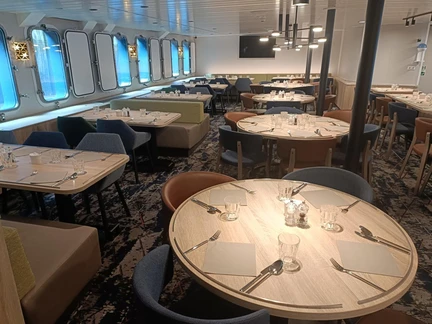
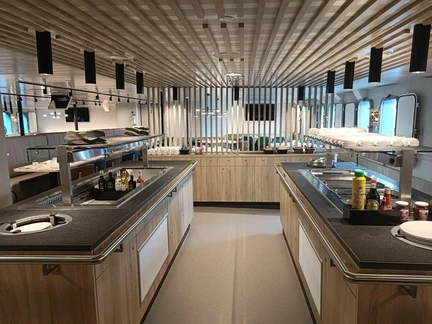
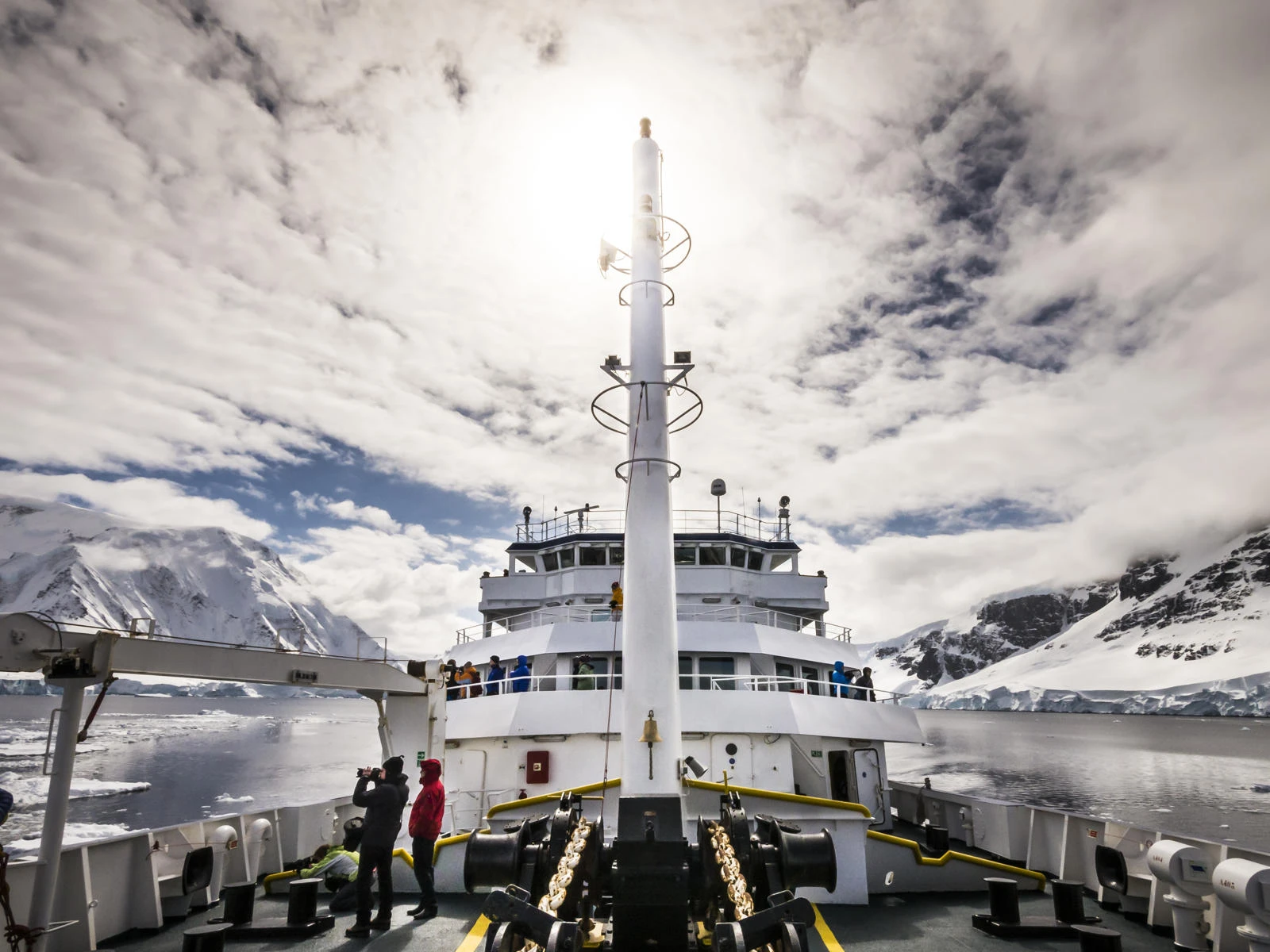
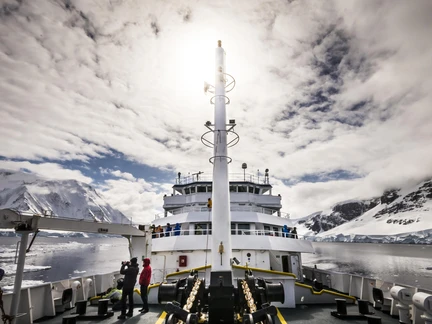
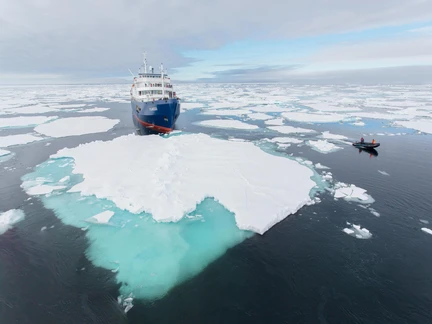
Please be aware that a small number of cabins may have a partially obstructed view due to the design requirements of the ship. The best view is always on the outer deck or the bridge. The vessel offers a restaurant/lecture room on deck 3 and a spacious observation lounge (with bar) on deck 5 with large windows, offering a full panorama view. M/v “Plancius” has large open deck spaces (with full walk-around possibilities on deck 4), giving excellent opportunities to enjoy the scenery and wildlife. She is furthermore equipped with 10 Mark V zodiacs, including 40 HP 4-stroke outboard engines and 2 gangways on the starboard side, guaranteeing a swift zodiac operation.
M/v “Plancius” is comfortable and nicely decorated, but is not a luxury vessel. Our voyages in the Arctic and Antarctic regions are primarily defined by an exploratory educational travel program, spending as much time ashore as possible. Plancius fully meets our demands to achieve this. The vessel is equipped with a diesel-electric propulsion system which reduces the noise and vibration of the vessel considerably. The 3 diesel engines generate 1.230 horsepower each, giving the vessel a speed of 10 - 12 knots. The vessel is ice-strengthened and was specially built for oceanographic voyages. M/v “Plancius” is manned by an international crew of 40 (20 nautical crew and 20 hotel crew), 8 expedition staff (1 expedition leader, 1 assistant expedition leader and 6 guides/lecturers), and 1 doctor.
Dress code
In keeping with our expedition atmosphere, dress on board is informal. Bring casual and comfortable clothing for all activities. Keep in mind that much of the spectacular scenery can be appreciated from deck, which can be slippery. Bring sturdy shoes with no-slip soles and make sure the parka is never far away in case of the call "Whales!" comes over the loudspeaker and you have to dash outside. Wear layers since it is comfortably warm aboard the ship - and often cold on deck.
Currency & payment
Refreshments from the bar and souvenirs will be charged to your cabin. The day before departure you can settle your bill with the Hotel Manager and pay by credit card (Visa or MasterCard) or cash (Euro or Dollar). We do not accept cheques of any kind. The price and standard currency on board our vessels is the Euro. Other currencies may be accepted at the discretion of the hotel manager at prevailing rates.
Electric current
The electrical supply aboard the ship is 220v, 60Hz. Electrical outlets are standard European with two thick round pins. You may need a 220v/110v converter.
Gratuities
The customary gratuity to the ship's service personnel is made as a blanket contribution at the end of the voyage which is divided among the crew. Tipping is a very personal matter and the amount you wish to give is at your discretion. As a generally accepted guideline, we suggest 8-15 Euro per person per day. It is better for the crew, if you can give them cash.
Non-smoking policy
On board our vessels we have a non-smoking policy. It is prohibited to smoke inside the ship. You can smoke in the designated smoking areas. Please respect the wishes of non-smokers.
Your physical condition
You must be in good general health and you should be able to walk several hours per day. The expedition is ship-based and physically not very demanding. Although we spend as much time as possible ashore, you are welcome to remain aboard the ship if you like. To join most excursions, you must be able to get up and down the steep gangway from the ship to the water level to board the Zodiacs. Staff will assist you in and out of the boats. This will become progressively easier with practice. Ashore it can be slippery and rocky. You are travelling in remote areas without access to sophisticated medical facilities, so you must not join this expedition if you have a life-threatening condition, or need daily medical treatment.
The average price for flights (round trip) to Ushuaia
From Jakarta: $2,300
From Singapore: $2,500
From Kuala Lumpur: $1,900
Insurance Requirements:
- Mandatory Insurance: All travelers must have insurance covering medical expenses, accidents, and repatriation/evacuation.
- Recommended Insurance: It is strongly recommended to include cancellation insurance for added protection.
Drone Usage Policy:
- Prohibited: The use of drones is strictly prohibited during the expedition.
Clothing and Gear Recommendations:
- Water-Resistant Coat and Pants: Essential for protection against the wet and windy conditions.
- Layered Underwear: To ensure warmth and comfort in extreme weather.
- Sunglasses: Necessary to protect against the strong UV rays and glare from the snow.
- Gloves: Insulated and water-resistant gloves to keep your hands warm and dry.
- Additional Items: Consider packing a warm hat, thermal socks, and sturdy waterproof boots.
- Voyage aboard the indicated vessel
- All meals throughout the voyage aboard the ship including snacks, coffee and tea.
- All shore excursions and activities throughout the voyage by Zodiac.
- Program of lectures by noted naturalists and leadership by experienced expedition staff.
- Free use of rubber boots and snowshoes.
- Pre-scheduled group transfer from the vessel to the airport in Ushuaia (directly after disembarkation).
- All miscellaneous service taxes and port charges throughout the programme.
- Comprehensive pre-departure material.
- Flights to the embarkation point and from the disembarkation point.
- Pre- and post- land arrangements.
- Passport and visa expenses.
- Meals ashore.
- Personal health Insurance for Medical, Accident and Repatriation/Evacuating.
- All personal expenses, including but not limited to laundry services, bar beverages, and excess internet usage charges.
- The customary gratuity at the end of the voyages for stewards and other service personnel aboard (guidelines will be provided).

- This is one of our most common questions, and the answer depends very much on the individual and whether or not you're going to the Arctic or Antarctica. If you are going to Antarctica, you will have to cross the Drake Passage, which can be stormy and turbulent. In this case, we advise bringing motion sickness medication or purchasing it on our vessels, if supplies last. In the Arctic, however, our voyages stay closer to shore, so you may not need seasickness medication as much, if at all. Nevertheless, we encourage you to bring it if you are prone to motion sickness, regardless of whether you're going to the Arctic or Antarctica. Most people recover from motion sickness within a day or two, and we always have a doctor on board our larger vessels (Plancius, Ortelius, and Hondius) should you need additional help with seasickness.
- Our sailing vessel is much smaller compared to our motor-vessels. The maximum number of passengers is 33 on s/v Rembrandt van Rijn. The atmosphere on board is very intimate and there is more direct contact with the sailing crew. The number of guides on board is also lower, on Rembrandt van Rijn there are two staff members who will lead shore and Zodiac activities. Rembrandt's sailing speed is slower compared to our motor vessels so the distances covered will also be different. With Rembrandt being smaller though this opens more possibilities for activity sites as she can access more areas, because of this there is a greater amount of flexibility with the sailing itineraries.
- No, you are not able to get cash advances on the vessel.
- When you make a confirmed reservation, we require a 40% deposit. But if the reservation is made within two months prior to departure, the full price of the voyage is due at the time of booking.
- The climate in the Antarctic Peninsula is much milder than most people would imagine because it is located near the most northerly part of Antarctica. If you travel to the Antarctic Peninsula during January, which is summertime, you can expect an average temperature of 1 to 2 degrees Celsius (33.8 to 35.6 degrees Fahrenheit). June is the coldest part of the year, and the temperature range is typically -20 to -15 degrees Celsius (-4 to 5 degrees Fahrenheit) during this part of the winter. Precipitation amounts vary throughout the region. On your voyage to the Antarctic Peninsula you can expect at least some rain on occasion. On the other hand, the interior of Antarctica is similar to a desert in that it only receives an annual precipitation amount of 10 cm (3.93 inches).
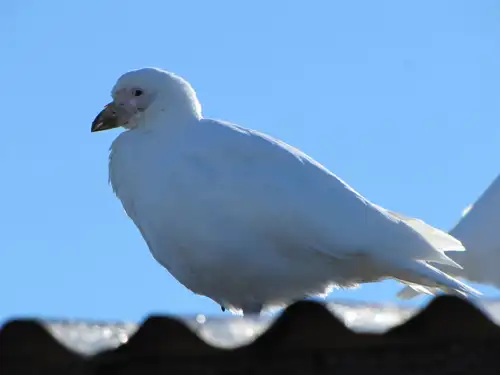
- Animal lovers who take their holiday in the Antarctic Peninsula will be treated to a diverse list of wildlife that is especially suited to the area's cold climate. It is common to encounter several penguin species such as the Gentoo penguins. Other types of wildlife that can be spotted from an Antarctic cruise or an Antarctic Peninsula land expedition include the Weddell seal, the Antarctic shag and Snow petrels.
- The ship Plancius was built in 1976 as an oceanographic research vessel for the Royal Dutch Navy.
- There are in total 50 cabins at the Plancius: 4 quadruple cabins with private toilet and shower 9 twin porthole cabins 25 twin cabins with window 2 twin deluxe cabins (ca 15 square meters) 10 superior cabins (ca 21 square meters)
You May Also Like

Antarctica - Discovery and learning voyage
08 Jan 2026 - 18 Jan 2026 11 Days / 10 Nights

Falkland Islands - South Georgia - Antarctica
19 Jan 2026 - 06 Feb 2026 19 Days / 18 Nights

Falkland Islands - South Georgia - Elephant Island - Antarctica - Polar Circle
16 Feb 2026 - 10 Mar 2026 23 Days / 22 Nights
Antarctica – Uncharted islands of the Deep South
18 Feb 2026 - 04 Mar 2026 15 Days / 14 Nights
Deep South Basecamp experience
04 Mar 2026 - 17 Mar 2026 14 Days / 13 Nights

Antarctica - Elephant Island - Weddell Sea - Polar Circle - Aurora Australis / Southern Lights
09 Mar 2026 - 23 Mar 2026 15 Days / 14 Nights

Antarctica - Whale watching discovery and learning voyage - Aurora Australis / Southern Lights
10 Mar 2026 - 20 Mar 2026 11 Days / 10 Nights

Antarctica - Weddell Sea Explorer Basecamp - free polar activities (kayaking, hiking, photo workshop, snorkeling)
17 Mar 2026 - 29 Mar 2026 13 Days / 12 Nights

Antarctica - Beyond the Polar Circle - whale watching - Aurora Australis / Southern Lights
20 Mar 2026 - 31 Mar 2026 12 Days / 11 Nights
Antarctica - Whale watching
23 Mar 2026 - 01 Apr 2026 10 Days / 9 Nights

Falkland Islands - South Georgia - Antarctic Peninsula - Photography special
24 Oct 2026 - 13 Nov 2026 21 Days / 20 Nights
Falkland Islands - South Georgia - Antarctic Peninsula
03 Nov 2026 - 23 Nov 2026 21 Days / 20 Nights
Antarctica - Basecamp - free camping, kayaking, snowshoe/hiking, mountaineering, photo workshop
03 Nov 2026 - 15 Nov 2026 13 Days / 12 Nights

Falkland Islands - South Georgia - Antarctic Peninsula - Birding
11 Dec 2026 - 29 Dec 2026 19 Days / 18 Nights

Antarctica - Discovery and learning + Long hikes
29 Dec 2026 - 08 Jan 2027 11 Days / 10 Nights

Bellingshausen Sea / Peter I Island + Ellsworth Land - incl. helicopters
14 Jan 2027 - 07 Feb 2027 25 Days / 24 Nights

Antarctica - Weddell Sea Explorer
02 Mar 2027 - 12 Mar 2027 11 Days / 10 Nights

Antarctica - Polar Circle - Deep South Discovery voyage - Aurora Australis / Southern Lights
06 Mar 2027 - 18 Mar 2027 13 Days / 12 Nights

Antarctica - Whale watching discovery and learning voyage
07 Mar 2027 - 17 Mar 2027 11 Days / 10 Nights
Antarctica - Elephant Island - Weddell Sea - Polar Circle
12 Mar 2027 - 26 Mar 2027 15 Days / 14 Nights
Falkland Islands, South Georgia & Antarctic Peninsula
20 Oct 2027 - 09 Nov 2027 21 Days / 20 Nights
Falkland Islands, South Georgia & Antarctic Peninsula - Photography Special
02 Nov 2027 - 22 Nov 2027 21 Days / 20 Nights
Falkland Islands, South Georgia & Antarctica - Birding Special
22 Nov 2027 - 10 Dec 2027 19 Days / 18 Nights
Basecamp
25 Nov 2027 - 07 Dec 2027 13 Days / 12 Nights
Antarctica - Discovery and Learning
09 Dec 2027 - 19 Dec 2027 11 Days / 10 Nights
Falkland Islands, South Georgia, Elephant Island, Antarctica - Polar Circle
15 Feb 2028 - 08 Mar 2028 23 Days / 22 Nights
Antarctica - Elephant Island, Weddell Sea, Polar Circle
23 Feb 2028 - 08 Mar 2028 15 Days / 14 Nights
Deep South Basecamp Experience - Long Hikes
27 Feb 2028 - 11 Mar 2028 14 Days / 13 Nights
Antarctica & the Polar Circle - Deep South Discovery Voyage
08 Mar 2028 - 20 Mar 2028 13 Days / 12 Nights
Antarctica - Whale Watching
08 Mar 2028 - 18 Mar 2028 11 Days / 10 Nights
Antarctica - Beyond the Polar Circle - Whale Watching
11 Mar 2028 - 23 Mar 2028 13 Days / 12 Nights
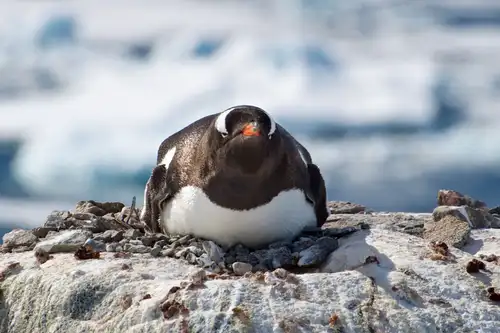
Life in a Penguin Colony
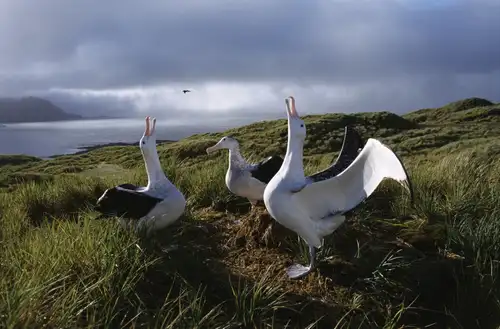
Albatross, penguin and krill research in Antarctica
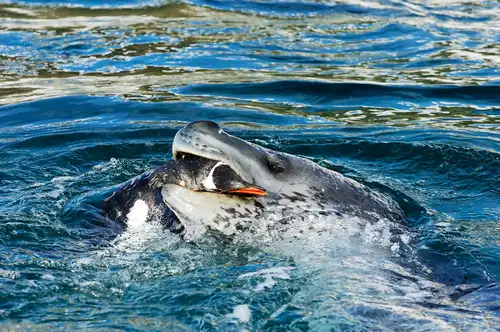
Danger Beneath the Water: 10 Facts About Leopard Seals

Cheapest Antarctica Cruises: How to Save on Your Journey
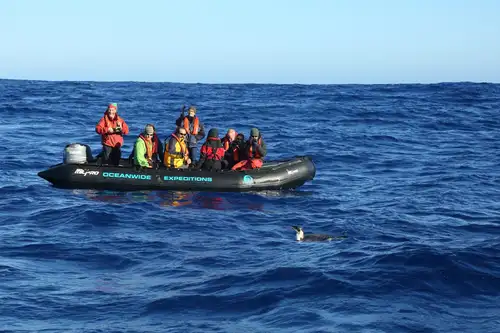
The Emperor Penguin of the Drake Passage

Wreck Diving in Antarctica
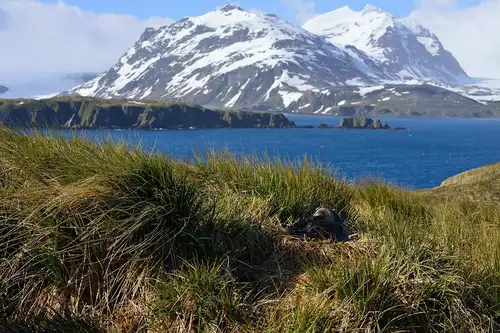
Flowers in Antarctica
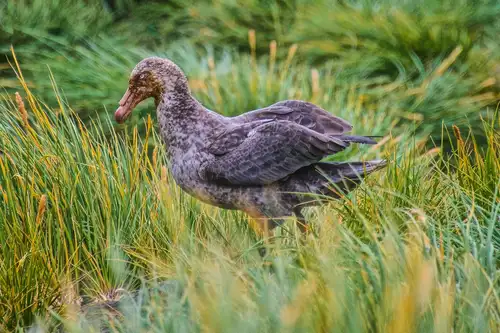
The Giant Petrels of King George Island
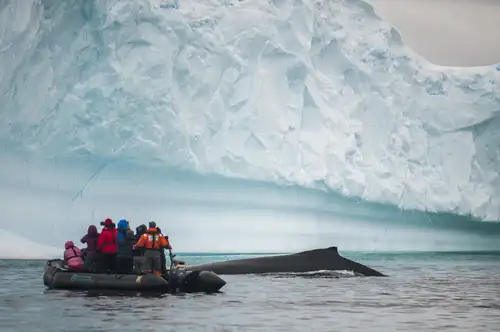
A Day of Whale Watching in Antarctica
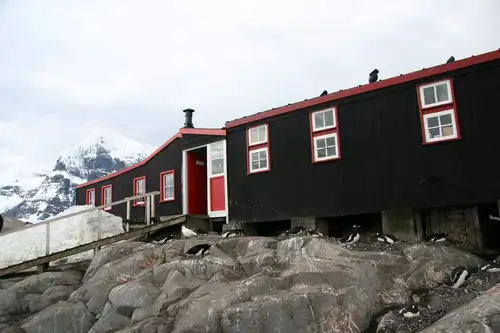
Port Lockroy: History, Post Office, and Resident Penguins

15 Fantastic Photos of Antarctica
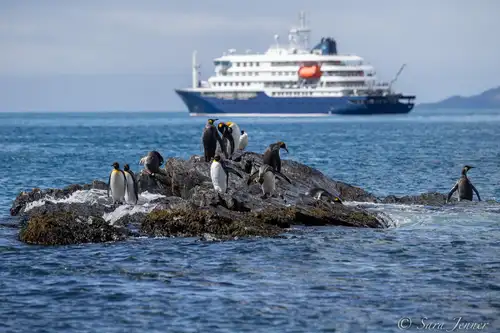
Weddell Sea, Shackleton’s Endurance, and New Swabia

The Eight Great Penguin Species of Antarctica
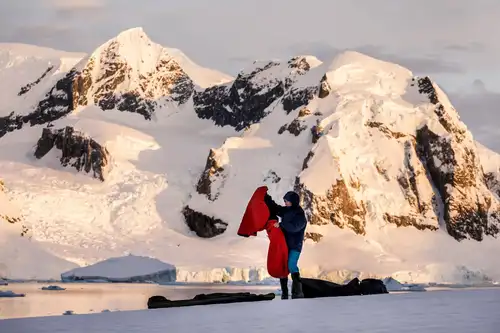
Camping in Antarctica: a True Expedition Experience

Top Antarctica Cruise Experiences for 2025

The Research Stations of Antarctica and the sub-Antarctic
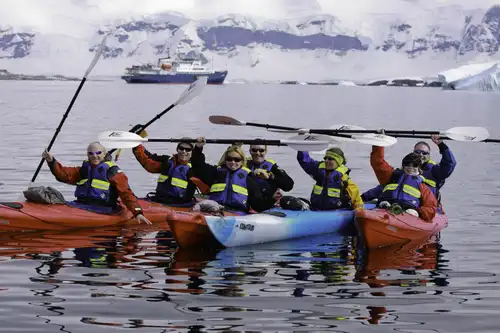
A Day of Basecamp in Antarctica – Paradise Harbour
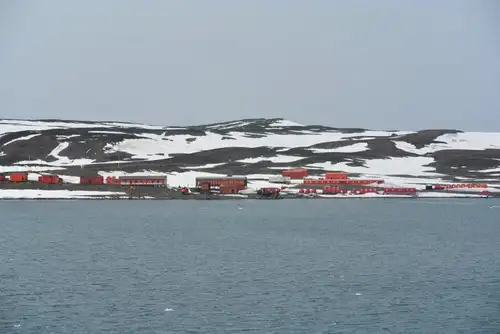
Living the Antarctic Dream
Graham Land: A landscape dominated by volcanoes