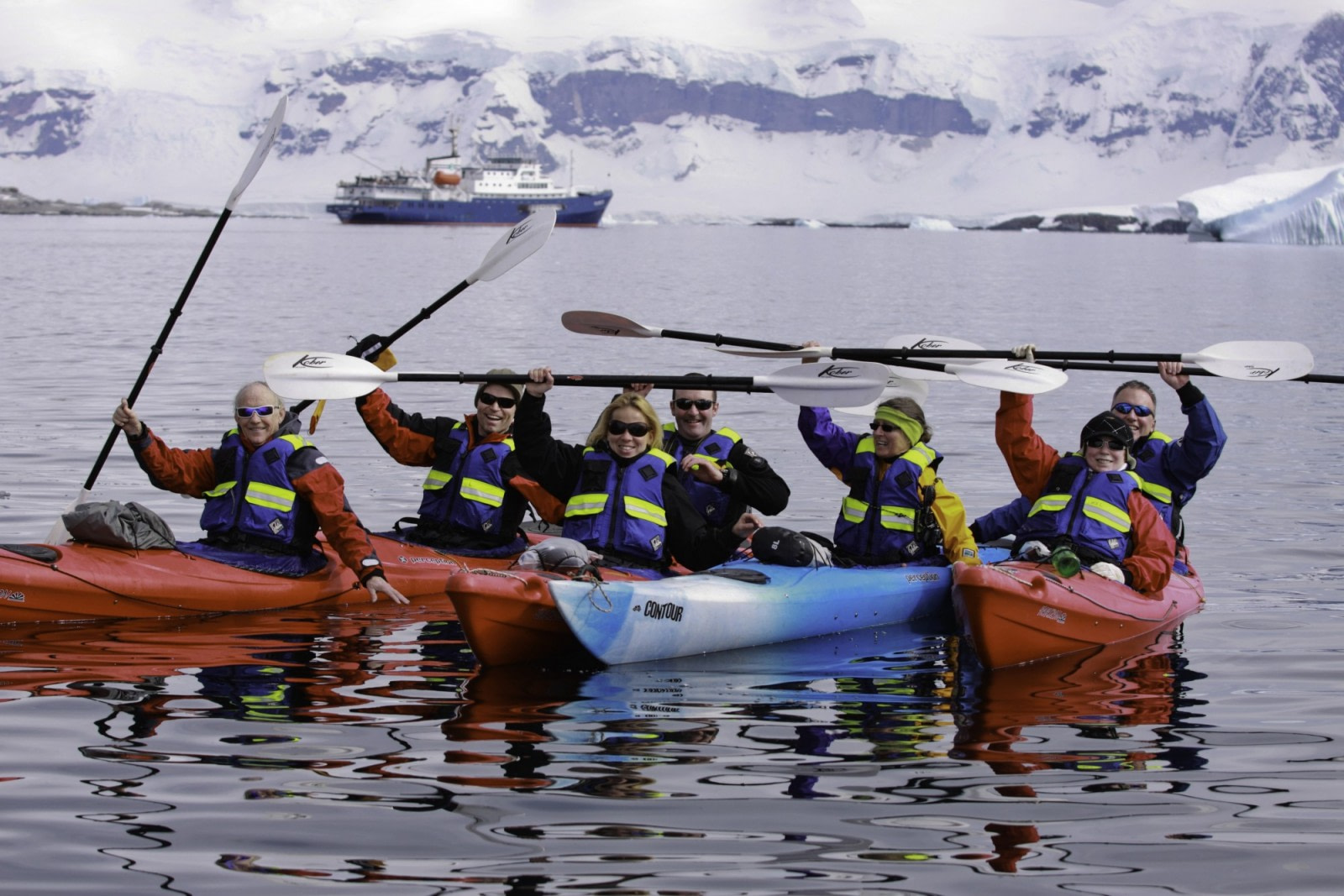
A Day Of Basecamp In Antarctica Paradise Harbour - Nexta Expeditions
A Day of Basecamp in Antarctica – Paradise Harbour

A Day of Basecamp in Antarctica – Paradise Harbour

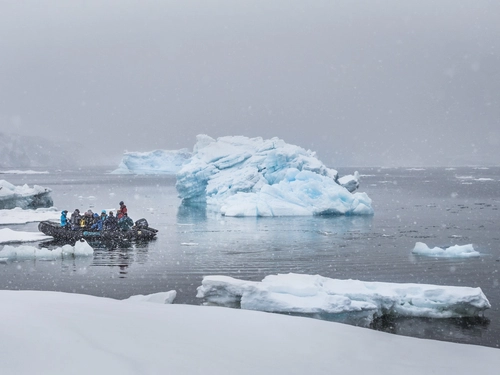
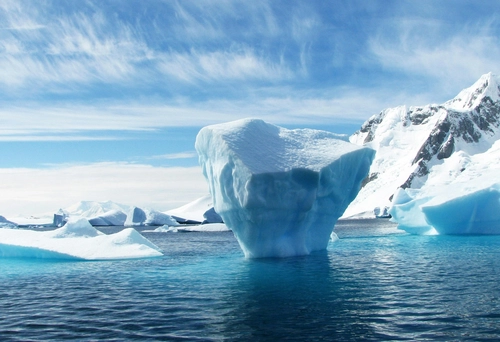
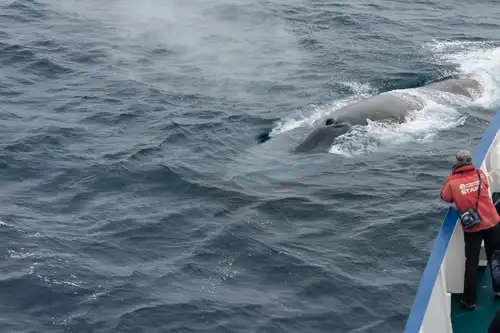
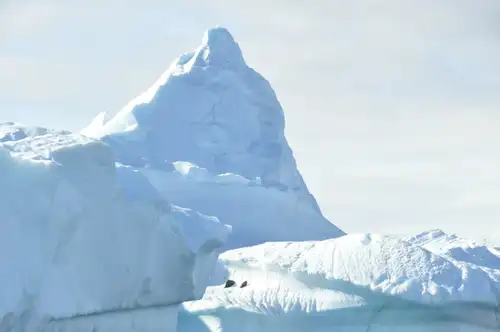
After an early morning gathering of our camping group, we reached the entrance to Lemaire Channel. The snow and mist around the mountain peaks created a captivating atmosphere as we began our journey to Paradise Bay. The channel was dotted with impressive icebergs, and we even spotted a few sleeping humpback whales, providing ample photo opportunities.

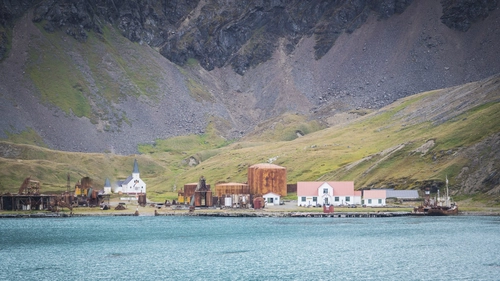
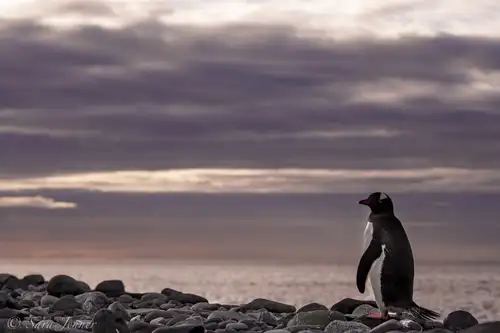
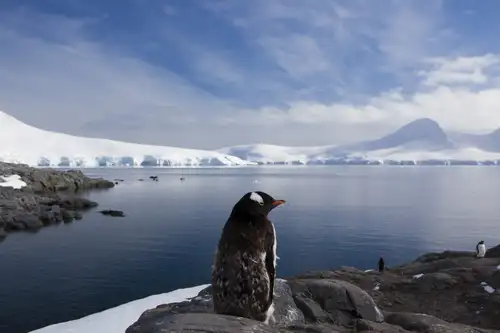
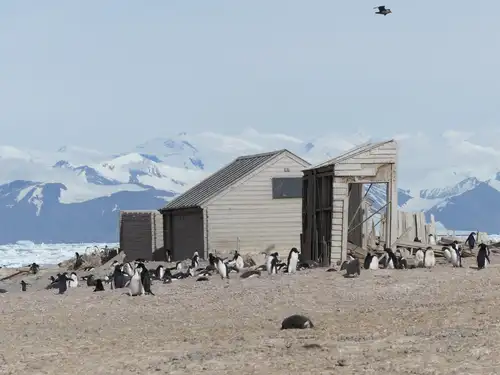
From Lemaire Channel, we navigated to Ferguson Channel, which led us into Paradise Harbour, a spacious bay formed by islands near the Antarctic Peninsula. We made an easy landing at Base Brown, an Argentinean summer station perched on a rocky outcrop overlooking the bay. This landing marked our arrival on the mainland! The station was unoccupied at this time of year, except for the resident Gentoo penguins. A short, steep climb to the peak offered breathtaking panoramic views of Paradise Harbour.

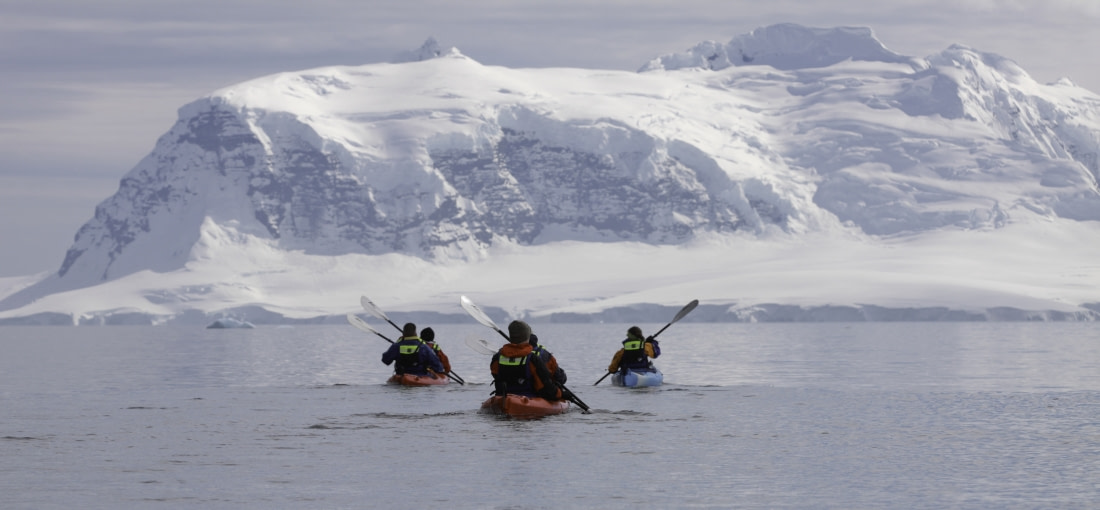
After lunch, the kayakers set out from Base Brown and paddled into Skontorp Cove, where they encountered both Minke and Humpback whales. They navigated through the ice towards Stony Point. The conditions were ideal—calm waters, no wind, and occasional bursts of sunshine. They were treated to sightings of Crabeater, Leopard, Weddell, and a grumpy Fur Seal. The dive team explored a steep wall adorned with colorful marine life, including corals, sponges, and tunicates. Large seastars and nudibranchs grazed over the rock wall in near-freezing waters.
blog-image

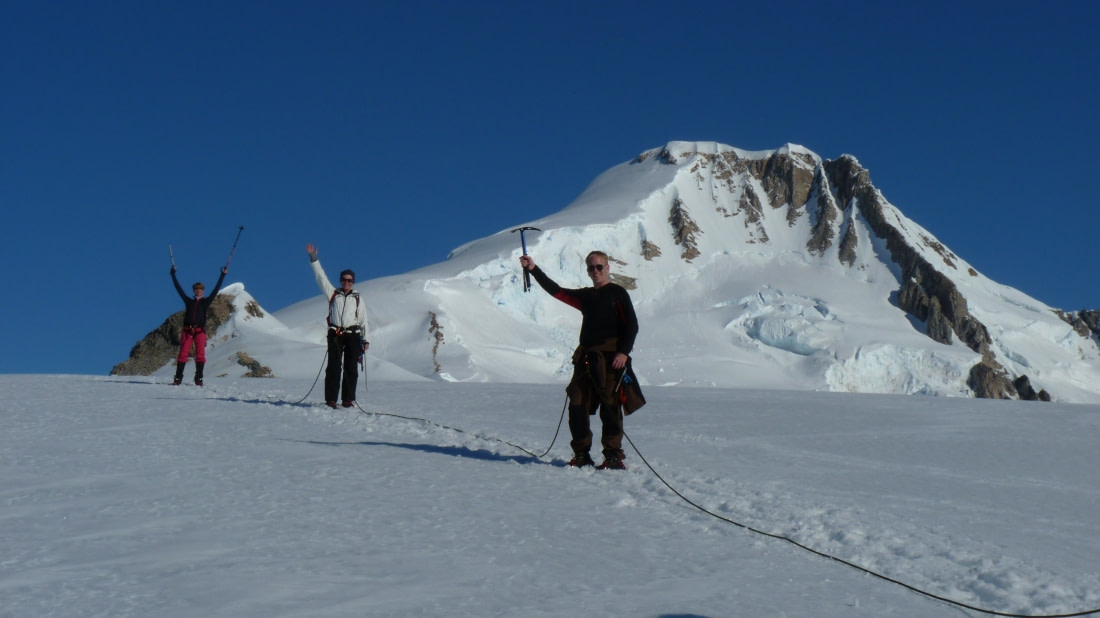
The mountaineers embarked on a climb up the 730-meter-high Mount Banck, overlooking Ferguson Channel. They roped up and began their ascent. Conditions were challenging with flat light and fog, making navigation through the first two crevassed areas difficult for the mountain leader.

After traversing an intriguing ice step, they reached the eastern shoulder of Mount Banck and continued their climb. They paused briefly to examine a deep crevasse, which they followed until it narrowed enough for a safe crossing.

After negotiating more crevassed areas, the team finally reached the summit! The clouds parted, allowing the sun to illuminate the ice-strewn waters below. The panoramic view was a rewarding sight after two and a half hours of effort. They took some victory photos before roping up and beginning their descent.
blog-image

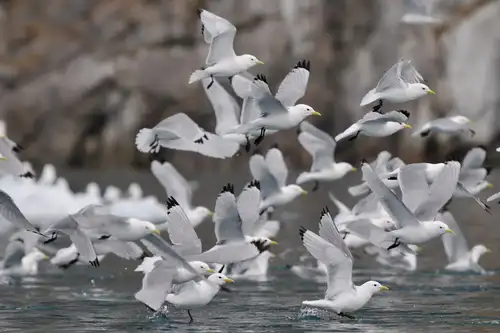
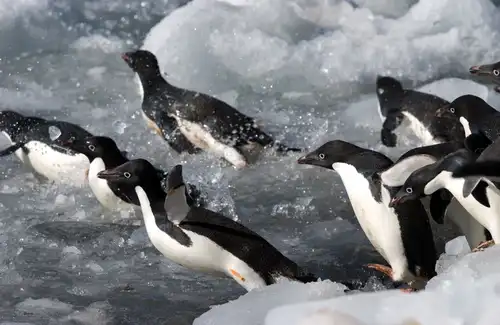
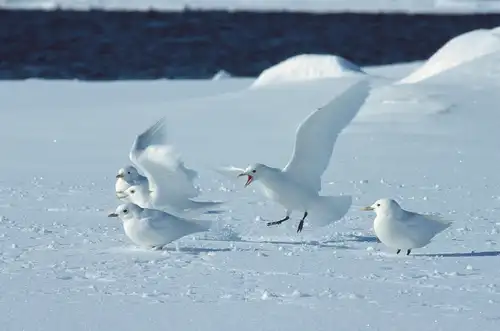
The rest of the group spent their afternoon between zodiac cruising and landing on Stony Point. We donned snowshoes for a short walk to the top of the snowfield. The climb was easy, and the views from the top were spectacular, with a glacier directly ahead and the bay behind us. We enjoyed moments of 'Antarctic Silence,' listening to the terns, gulls, and the cracking glacier. It was a delightful visit, and we had time to explore the shoreline with Gentoo penguins and Weddell seals.
blog-image

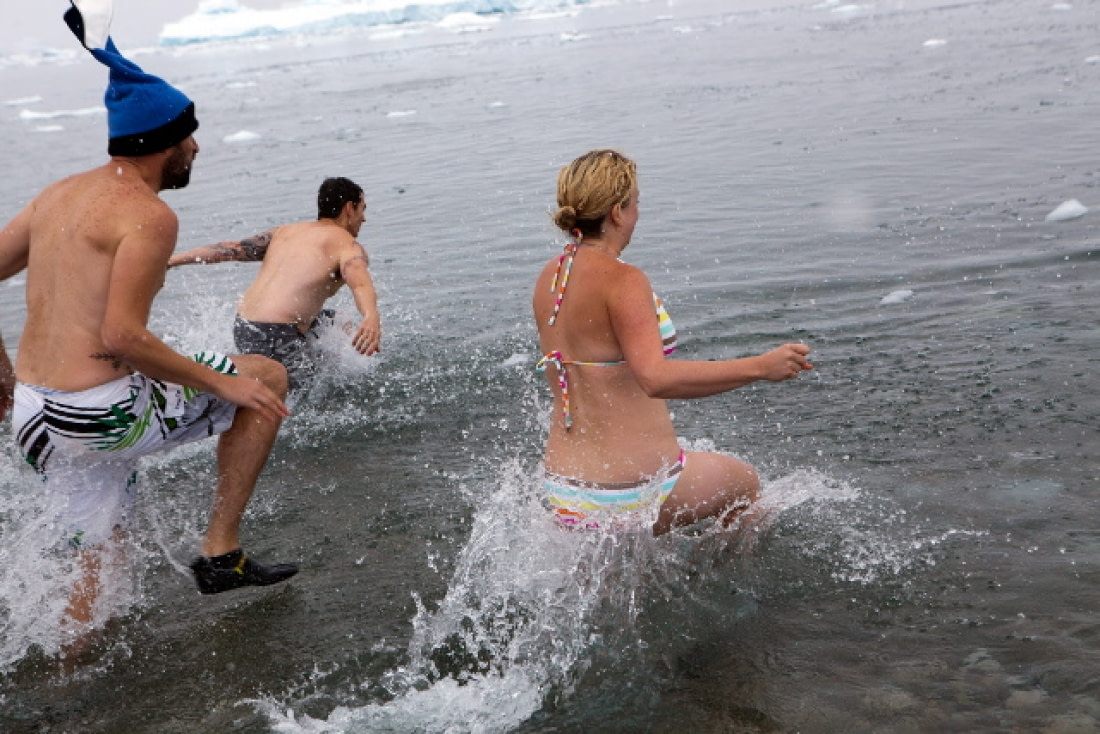
Back at the landing site at Stony Point, preparations were underway for the polar plunge, a chilly swim from the shores of the Antarctic continent. About 25 participants braved the icy waters, while many others watched from the sidelines. It was a fantastic and entertaining experience for everyone, though a few ended up with very cold fingers and toes. We were quickly shuttled back to the ship for a hot shower and a warm drink.

Best Deals

Related Trips

Antarctica - Discovery and learning voyage - Nexta Expeditions
Antarctica
Ushuaia

Antarctica - Discovery and learning voyage

calendar08 Jan 2026 - 18 Jan 2026
clock11 Days / 10 Nights
From $ 9.250 per person
Antarctica - Discovery and learning voyage - Nexta Expeditions
Antarctica
Ushuaia

Antarctica - Discovery and learning voyage

calendar09 Jan 2026 - 19 Jan 2026
clock11 Days / 10 Nights
From $ 9.250 per person
Antarctica - Discovery and learning voyage - Nexta Expeditions
Antarctica
Ushuaia

Antarctica - Discovery and learning voyage

calendar18 Jan 2026 - 28 Jan 2026
clock11 Days / 10 Nights
From $ 9.250 per person
Falkland Islands - South Georgia - Antarctica - Nexta Expeditions
Antarctica
Ushuaia

Falkland Islands - South Georgia - Antarctica

calendar19 Jan 2026 - 06 Feb 2026
clock19 Days / 18 Nights
From $ 16.600 per person
% Save up to $ 7.350
Falkland Islands - South Georgia - Antarctica - Nexta Expeditions
Antarctica
Ushuaia

Falkland Islands - South Georgia - Antarctica

calendar28 Jan 2026 - 16 Feb 2026
clock20 Days / 19 Nights
From $ 12.650 per person
Antarctica - Discovery and learning voyage - Nexta Expeditions
Antarctica
Ushuaia

Antarctica - Discovery and learning voyage

calendar06 Feb 2026 - 16 Feb 2026
clock11 Days / 10 Nights
From $ 9.250 per person
Falkland Islands - South Georgia - Elephant Island - Antarctica - Polar Circle - Nexta Expeditions
Antarctica
Ushuaia

Falkland Islands - South Georgia - Elephant Island - Antarctica - Polar Circle

calendar16 Feb 2026 - 10 Mar 2026
clock23 Days / 22 Nights
From $ 17.800 per person
Antarctica – Uncharted islands of the Deep South - Nexta Expeditions
Antarctica
Ushuaia

Antarctica – Uncharted islands of the Deep South

calendar18 Feb 2026 - 04 Mar 2026
clock15 Days / 14 Nights
From $ 12.100 per person
Deep South Basecamp experience - Nexta Expeditions
Antarctica
Ushuaia

Deep South Basecamp experience

calendar04 Mar 2026 - 17 Mar 2026
clock14 Days / 13 Nights
From $ 11.200 per person
Antarctica - Elephant Island - Weddell Sea - Polar Circle - Aurora Australis / Southern Lights - Nexta Expeditions
Antarctica
Ushuaia

Antarctica - Elephant Island - Weddell Sea - Polar Circle - Aurora Australis / Southern Lights

calendar09 Mar 2026 - 23 Mar 2026
clock15 Days / 14 Nights
From $ 11.200 per person
Antarctica - Whale watching discovery and learning voyage - Aurora Australis / Southern Lights - Nexta Expeditions
Antarctica
Ushuaia

Antarctica - Whale watching discovery and learning voyage - Aurora Australis / Southern Lights

calendar10 Mar 2026 - 20 Mar 2026
clock11 Days / 10 Nights
From $ 7.400 per person
Antarctica - Weddell Sea Explorer Basecamp - free polar activities (kayaking, hiking, photo workshop, snorkeling) - Nexta Expeditions
Antarctica
Ushuaia

Antarctica - Weddell Sea Explorer Basecamp - free polar activities (kayaking, hiking, photo workshop, snorkeling)

calendar17 Mar 2026 - 29 Mar 2026
clock13 Days / 12 Nights
From $ 9.700 per person

Blog
go-leftgo-right

Of Treacherous Rocks & Audacious Fin Whales - Nexta Expeditions
Blog

Of Treacherous Rocks & Audacious Fin Whales

Soon large blows filled our view; small groups of fin whales sped by heading north all the while feeding on concentrations of krill & small fish. Group after group was seen, with many simply feeding in the general area and not heading anywhere in particular. Soon it became evident that we were not simply seeing a few random groups of fins, but a very large concentration spread out over a large area of sea just north and around the islands north of the South Shetlands. Dozens upon dozens of fin whales were feeding, diving around the ship and on the horizon in massive numbers; we must have seen well over fifty fin whales in the general area of Elephant Island, something many of the guides had never seen before.
Secrets of the Snowy Owl: Habitat, Adaptations, and Other Facts - Nexta Expeditions
Blog

Secrets of the Snowy Owl: Habitat, Adaptations, and Other Facts

The snowy owl (Bubo scandiacus), also known as the great white owl or Arctic owl, is one of the most distinctive bird species on the planet. While you won’t find them in all areas of the Arctic – they don’t exist in Svalbard due to the lack of lemmings – snowy owls are seen in the polar regions of Eurasia and North America and are a potential visitor during Greenland cruises. The binomial species name, “scandiacus,” is derived from Scandinavia, as this is where the bird was first discovered. The snowy owl is the official bird of Quebec, and they are a must-see for countless bird watchers and naturalists.
Birds of the North: 29 Arctic Birds and Seabirds - Nexta Expeditions
Blog

Birds of the North: 29 Arctic Birds and Seabirds

The Arctic is home to some of the world’s most majestic mammals, both on land and sea. However, the bird life in this region is equally remarkable, showcasing numerous exotic species that are highly prized by bird enthusiasts worldwide.
Guidelines for visitors to Antarctica - Nexta Expeditions
Blog

Guidelines for visitors to Antarctica

Activities in the Antarctic are governed by the Antarctic Treaty of 1959 and associated agreements, collectively known as the Antarctic Treaty System. The Treaty established Antarctica as a zone dedicated to peace and science. In 1991, the Antarctic Treaty Consultative Parties adopted the Protocol on Environmental Protection to the Antarctic Treaty, designating the Antarctic as a natural reserve.
The History of Antarctica in Maps - Nexta Expeditions
Blog

The History of Antarctica in Maps

Long before human eyes ever beheld Antarctica, the ancients were convinced that it existed – or at least something like it.
Eight Ultimate Antarctica Adventures - Nexta Expeditions
Blog

Eight Ultimate Antarctica Adventures

Antarctica has adventure in its bones. Long before most travelers even reach the continent, they have to cross the Drake Passage, an oft-tumultuous waterway considered by many a hallmark of high adventure in itself. Once you do reach the Antarctic shores, the variations of landscape and wildlife are as multiform as the activities you can pursue there. While not all of these activities can or should be shoehorned into a single article, this piece will give you a survey of the top eight. Like everything in the polar regions, these activities are subject to weather conditions – and your own threshold for adventure.
The Norse Settlement of Greenland - Nexta Expeditions
Blog

The Norse Settlement of Greenland

Erik the Red is a significant and vibrant figure in the history of the Norse Vikings. His story is primarily documented in the Icelandic Sagas Huaksbók (14th Century) and Skalhóltsbók (15th Century). These accounts offer slightly different versions of events that occurred 3-400 years earlier. The original saga of Erik the Red is believed to have been written around 1200 A.D., with the Skalhóltsbók version considered closest to the original. Additionally, Flateyjarbók (13th Century), which includes the Saga of the Greenlanders, is a crucial source for understanding the settlement of Greenland and the discovery of Vinland – North America.
Hondius Photography and Video Workshops - Nexta Expeditions
Blog

Hondius Photography and Video Workshops

There’s no shortage of great things to say about a Hondius expedition cruise, but among the best are the free video and photography workshops offered during some of this ship’s voyages. These informative, interactive, highly useful supplements allow you to not only capture your memories in the best way possible but also make your friends back home maddeningly jealous.
The ozone layer in Antarctica - Nexta Expeditions
Blog

The ozone layer in Antarctica

An ozone molecule is composed of three oxygen atoms rather than the usual two. It exists in the atmosphere in trace amounts. Ozone molecules are created through the interaction of ultraviolet (UV) radiation from the sun with oxygen molecules: When an O2 molecule is split, the two free oxygen atoms bond with other O2 molecules to form O3 molecules.
The Eight Great Penguin Species of Antarctica - Nexta Expeditions
Blog

The Eight Great Penguin Species of Antarctica

There are 17 species of penguin on the planet, but the eight you’ll most likely recognize live in Antarctica, its nearby islands, and the sub-Antarctic archipelagos of South Georgia and the Falklands. These are the core species we tend to see on our expedition cruises.
The Ultimate Traveler’s Guide to the Arctic and Antarctica - Nexta Expeditions
Blog

The Ultimate Traveler’s Guide to the Arctic and Antarctica

Sunrises or sunsets? Coffee or tea? Polar bears or penguins?
Freshwater ecosystems in the Arctic - Nexta Expeditions
Blog

Freshwater ecosystems in the Arctic

The Arctic, surprisingly, hosts a rich and varied array of freshwater ecosystems, including lakes, ponds, rivers, streams, deltas, and wetlands. Some of the world's largest rivers and deltas, such as the Lena, Ob, and Yenisei, are found in this region.
Scenes from St. Andrews Bay:  12 Pics of Penguins, Seals, and More - Nexta Expeditions
Blog

Scenes from St. Andrews Bay: 12 Pics of Penguins, Seals, and More

If you ever find yourself exploring the breathtaking sub-Antarctic island chain of South Georgia, one of the most captivating spots you'll encounter is the picturesque shoreline of St. Andrews Bay.
Antarctic Explorer’s Voyage - Nexta Expeditions
Blog

Antarctic Explorer’s Voyage

There’s off the beaten track, and then there’s really off the beaten track.
The Return to Franz Josef Land - Nexta Expeditions
Blog

The Return to Franz Josef Land

As the possibility of international travel slowly returns, we are eagerly awaiting all the great locations, activities, and wildlife we might experience in the coming season. One of the things we’re most excited about is the return of our Franz Josef Land voyages.
Islands of the Blessed: Things to Do Around Cape Verde - Nexta Expeditions
Blog

Islands of the Blessed: Things to Do Around Cape Verde

We visit Cape Verde and its capital city of Praia during our occasional St. Helena to Cape Verde voyages. Characterized by peaceful days at sea, these trips allow you to see some of the lesser-known gems of the Atlantic.
Traditional Lifestyles of the Inuit - Nexta Expeditions
Blog

Traditional Lifestyles of the Inuit

The Inuit are an indigenous Arctic people who speak the languages of the Eskaleutian family and reside in four countries surrounding the North Pole: Greenland, Canada, the United States, and Russia.
Gough Island: Seabird Capital of the South Atlantic - Nexta Expeditions
Blog

Gough Island: Seabird Capital of the South Atlantic

Gough Island is a remote volcanic island in the South Atlantic, uninhabited except for a small party of meteorologists and (sometimes) biologists.
10 Traits of Post-Ice-Age Greenland - Nexta Expeditions
Blog

10 Traits of Post-Ice-Age Greenland

Grasses, sedges, and other species of heath were the first arrivals, and are still commonly found in Greenland. Scientists have been able to work out how plants colonised Greenland by examining ancient pollen samples found in deposits at the bottom of lakes: Dwarf birch came to western Greenland around 9,000 years ago, and around 4,500 years ago – roughly the same time humans were first boating onto Greenland shores – green alders were taking up residence there.
Weddell seals: The data collectors scientists of Antarctica - Nexta Expeditions
Blog

Weddell seals: The data collectors scientists of Antarctica

Weddell seals inhabit some of the coldest and darkest waters deep within the Ross Sea ice, making them the southernmost naturally occurring mammals on Earth. During the winter and summer months, their movements are largely governed by the presence of sea ice and the availability of suitable breathing and exit holes.