The Best Arctic And Antarctic Trips For Families - Nexta Expeditions
The Best Arctic and Antarctic Trips for Families

The Best Arctic and Antarctic Trips for Families

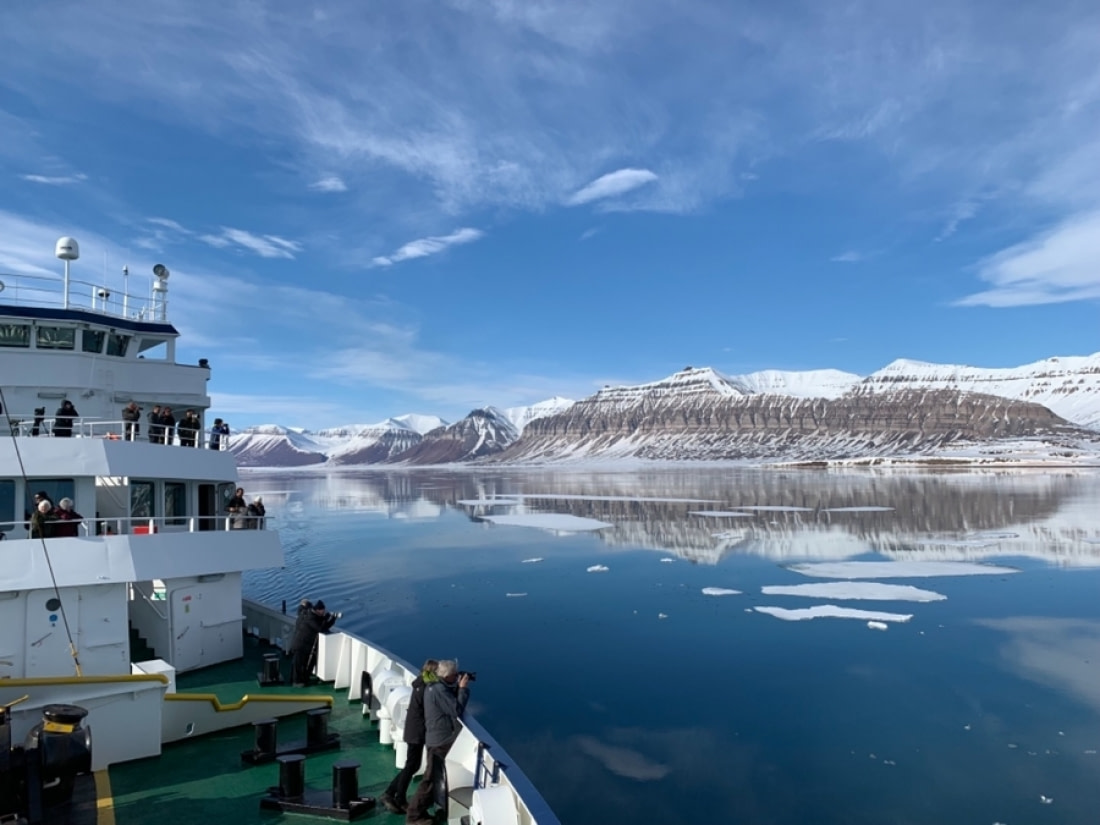
Polar expedition cruises are often enjoyed by couples and an increasing number of solo travelers, but they can also be a fantastic adventure for families. If you have the budget to bring the whole family along, there are various polar trips that will make everyone equally excited about the ice.
blog-image

That said, polar expedition cruises are generally not suitable for children younger than 10, and it is not recommended to book for anyone below their teens. However, if you have older children, teenagers, or young adults who are mature and love nature, read on.

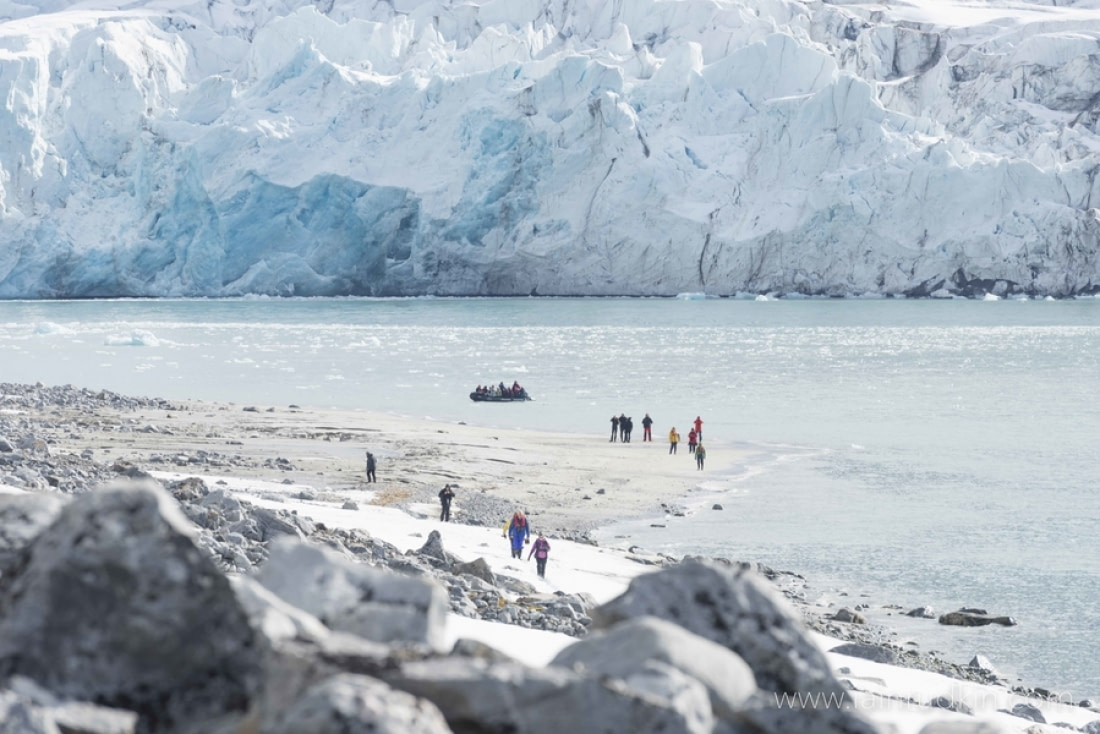
Below are some family-friendly voyages divided by Arctic and Antarctic regions. All are relatively short, considering the shorter attention spans of younger travelers. When issues like seasickness or polar bears are relevant, we provide information to ease your mind. As with all our expeditions, these trips are safe, comfortable, and most importantly, fun.
blog-image

Arctic cruises for families

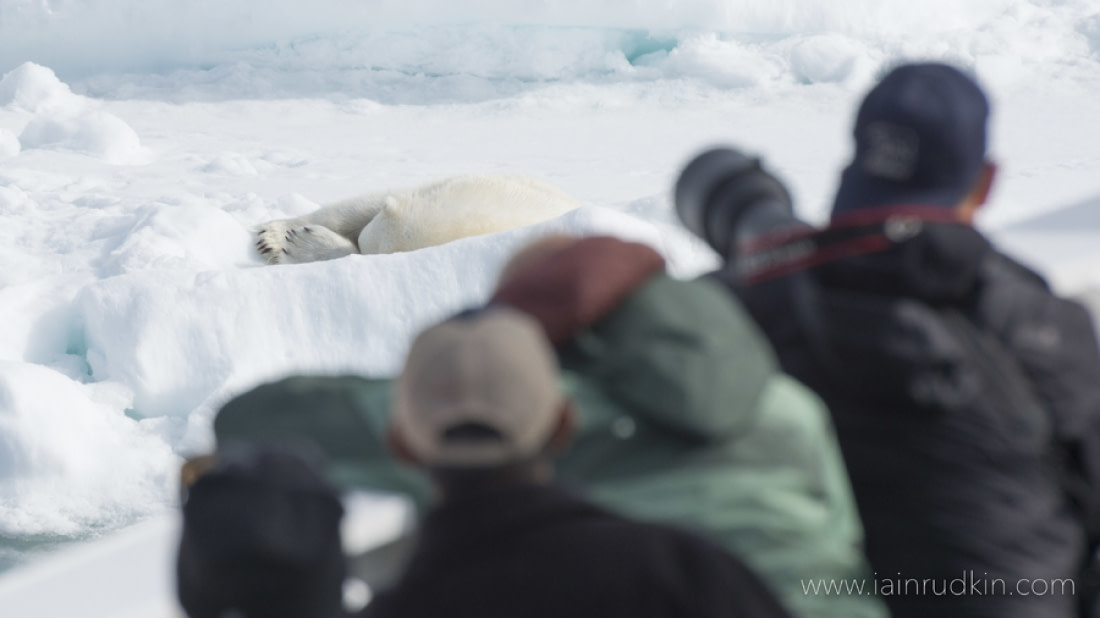
Polar bears, walruses, seals, and skies filled with seabirds – who can resist? Certainly not the outdoor enthusiasts among you, especially if you’re fortunate enough to spot a polar bear.
blog-image

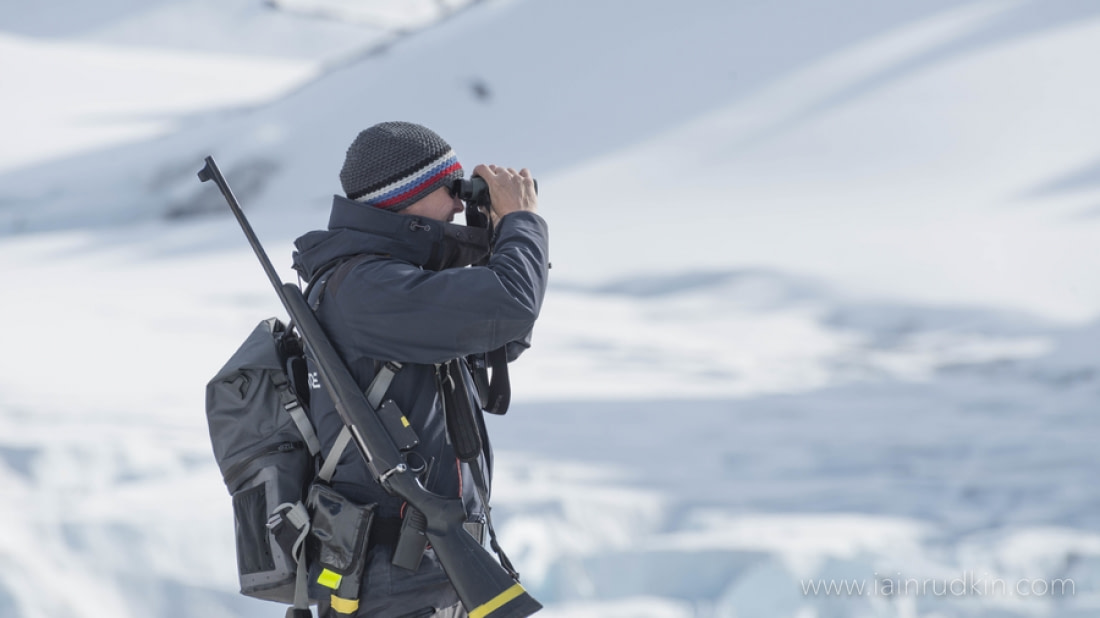
Don’t worry about your family’s safety around these apex predators. Landing sites are pre-scanned by our crew well in advance of each shore excursion, and all guides are trained and equipped with bear rifles.
blog-image

Two popular Arctic expeditions are as follows:

North Spitsbergen, in search of the polar bear and pack ice

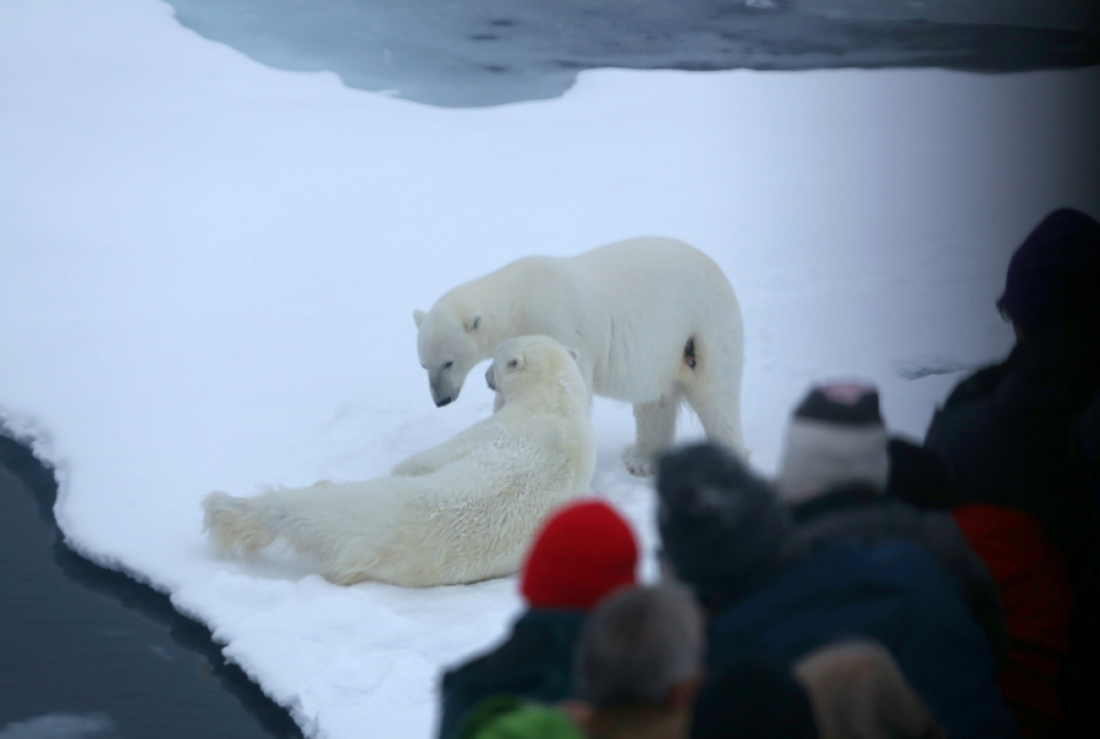
This cruise explores the Arctic archipelago of Svalbard, focusing on the largest island, Spitsbergen, with a few stops at Nordaustlandet. The main goal is to spot polar bears.
blog-image

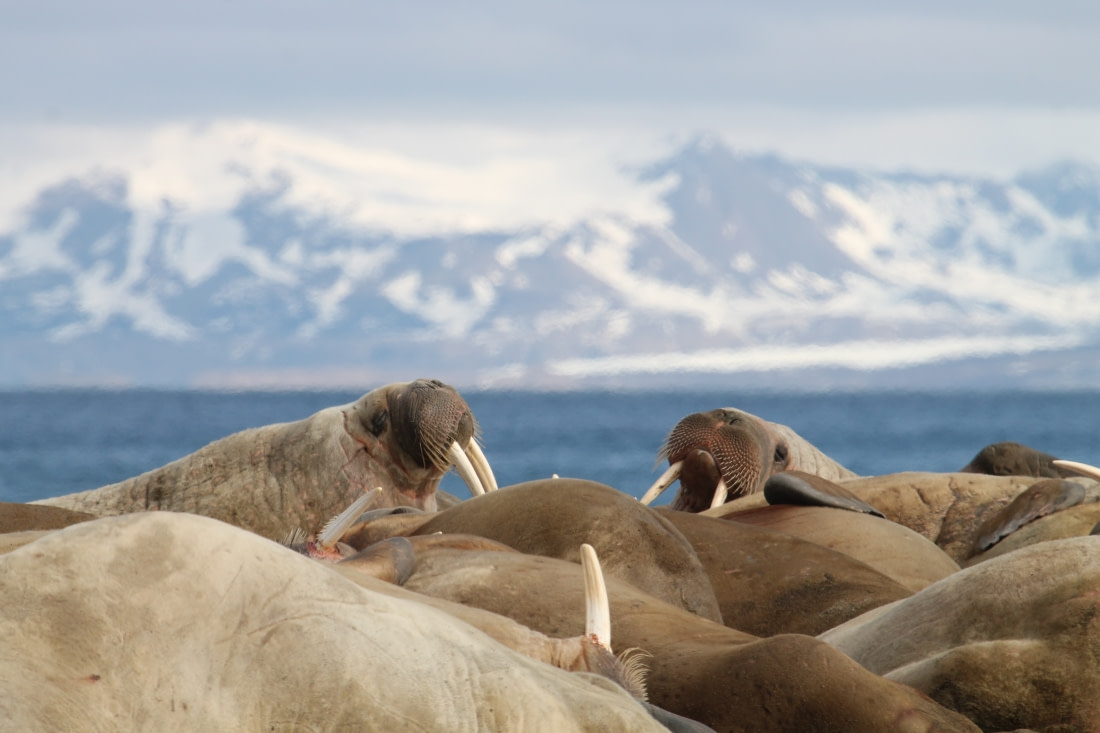
The voyage lasts seven nights and visits key locations around these islands, including scenic fjords and bays that offer excellent walking opportunities. You might see polar bears, reindeer, Arctic foxes, walruses, seals (ringed and bearded), whales (minke, fin, blue, bowhead), and seabirds (kittiwake, little auk, guillemot, and many more).
blog-image

Around Spitsbergen, in the realm of the polar bear and ice

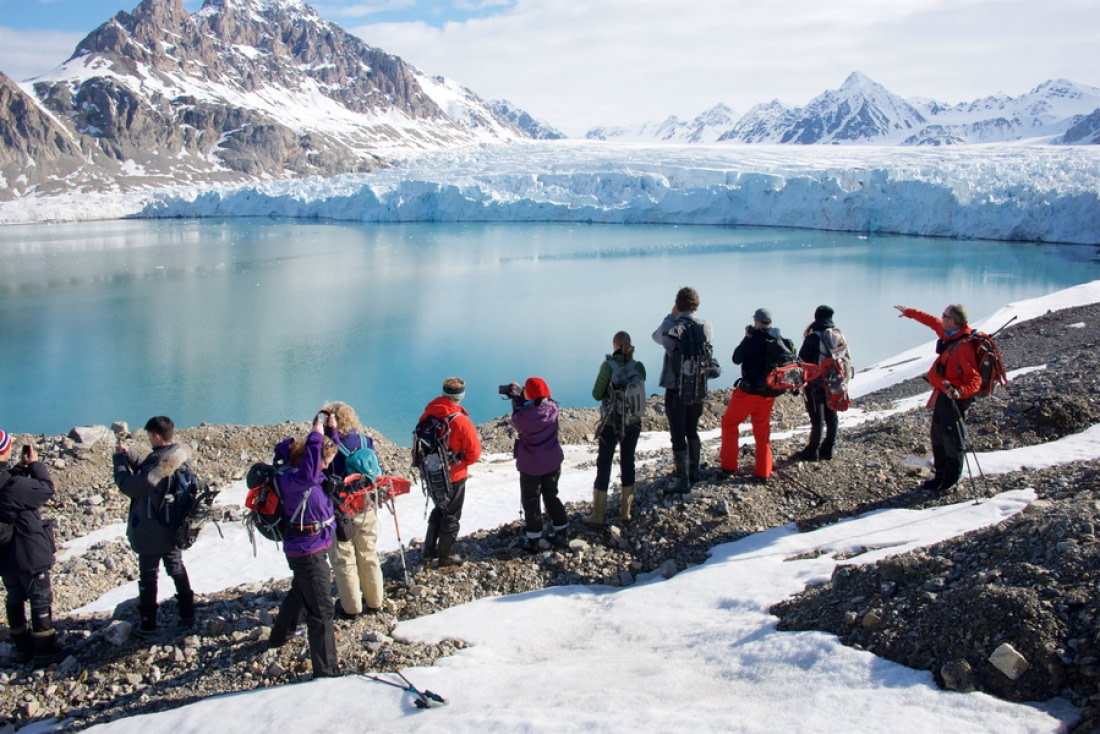
While the previously mentioned trip focuses on finding bears, the nine-night Around Spitsbergen voyage also explores more of the stunning landscapes this island chain offers.
blog-image

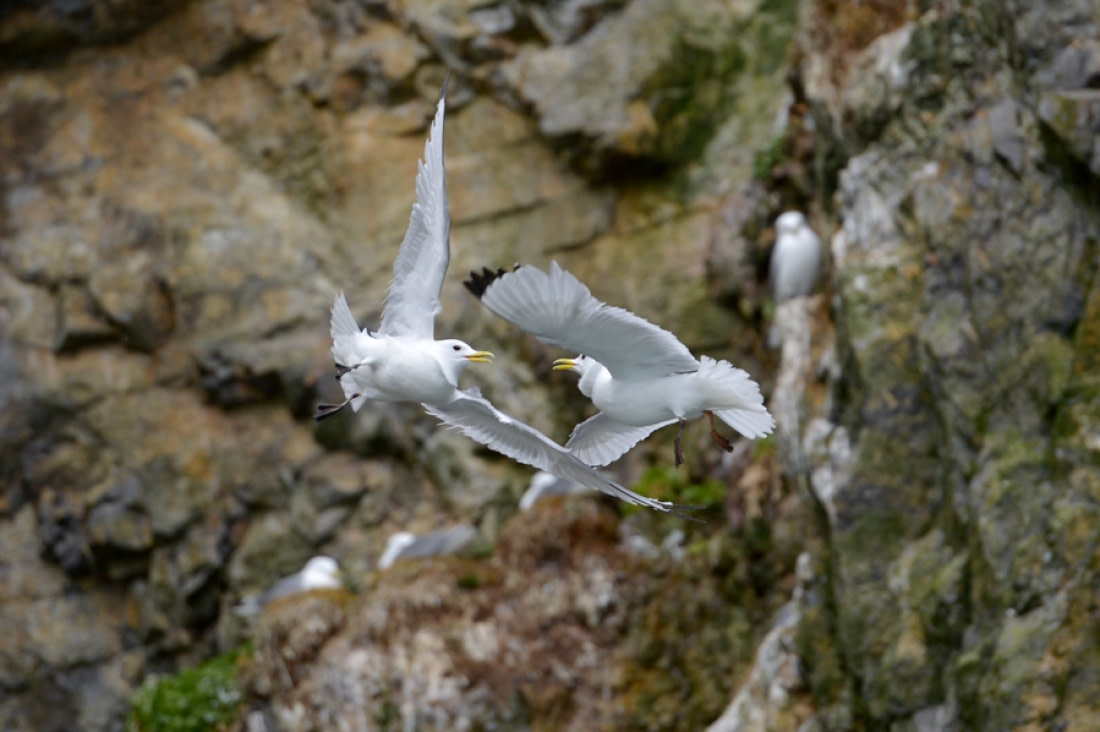
Additional landings are made around southern Spitsbergen and the southeastern islands of Barentsøya and Edgeøya, both of which offer great wildlife and hiking opportunities: a kittiwake colony, walrus haul-out, trapper’s hut, and tundra walk are all possible. You might also sail along the 5-km long (3 miles) Monaco Glacier and Bell Sund, where you might see beluga whales.
blog-image

Antarctica cruises for families

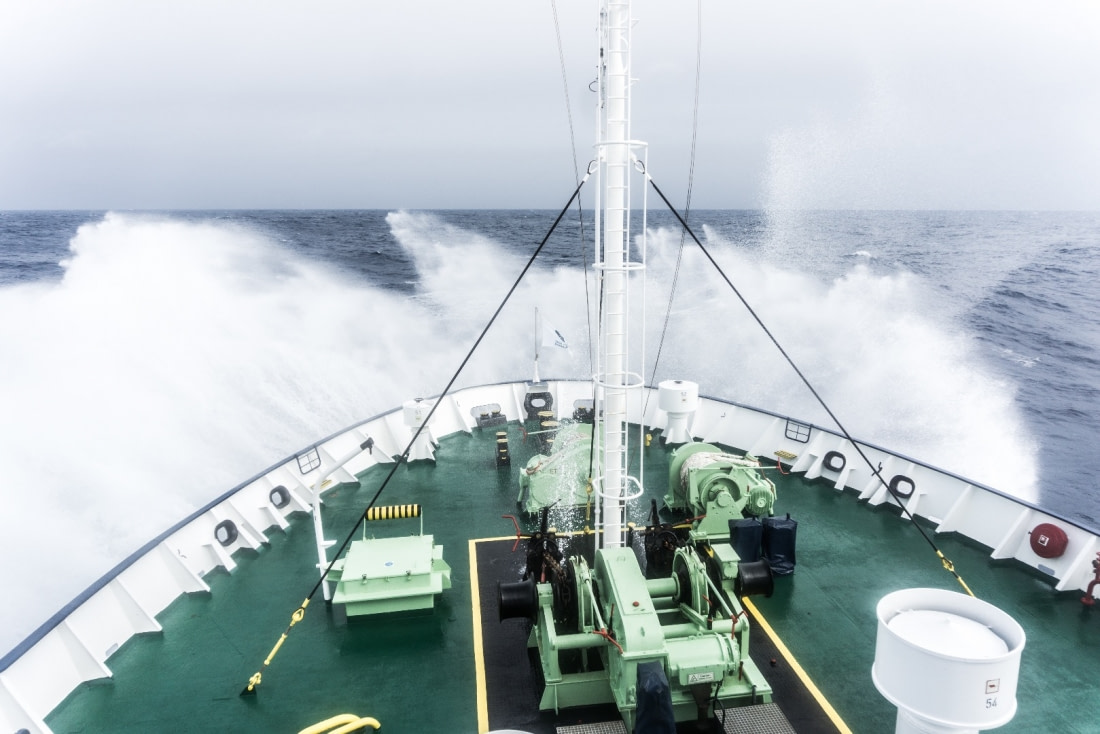
One thing to keep in mind for Antarctica is that it requires crossing the Drake Passage, which can sometimes be a bumpy ride. If anyone in your family is prone to motion sickness, this is something to consider before booking.
blog-image

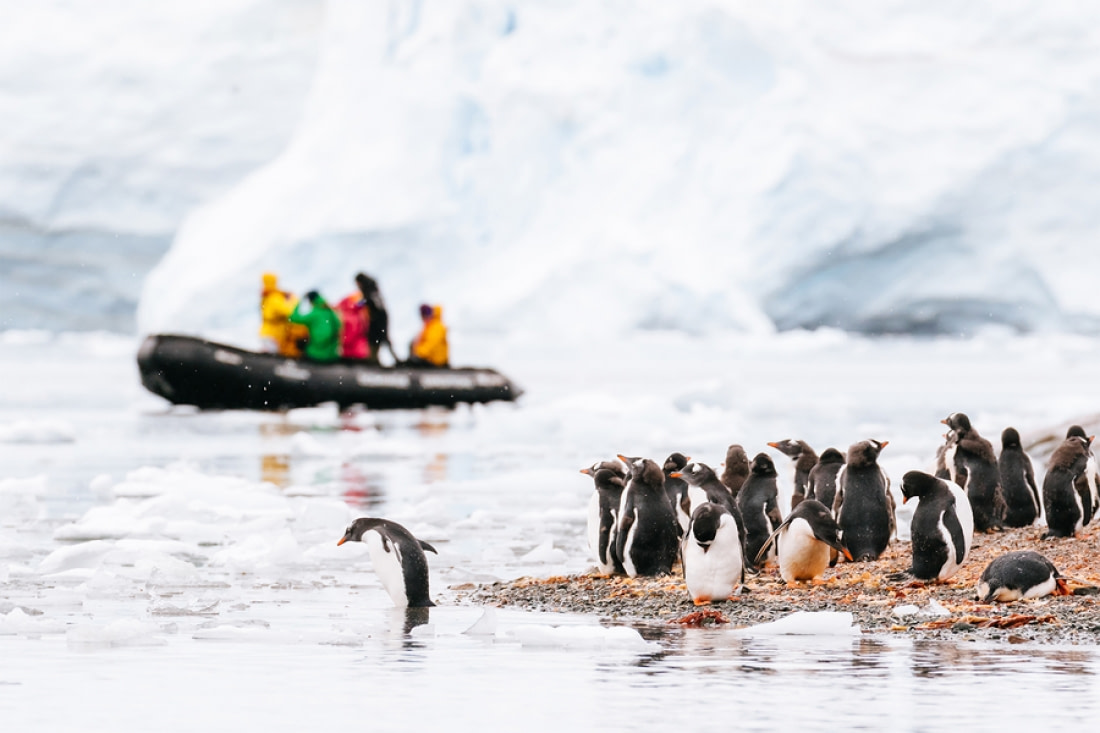
However, seasickness medication is usually quite effective. And even if you forget to pack some, we offer onboard medication at a reasonable price. Antarctica is more than worth it, we promise.
blog-image

Here are two exceptional voyages your family will love:

Weddell Sea, in search of the emperor penguin (with helicopters)

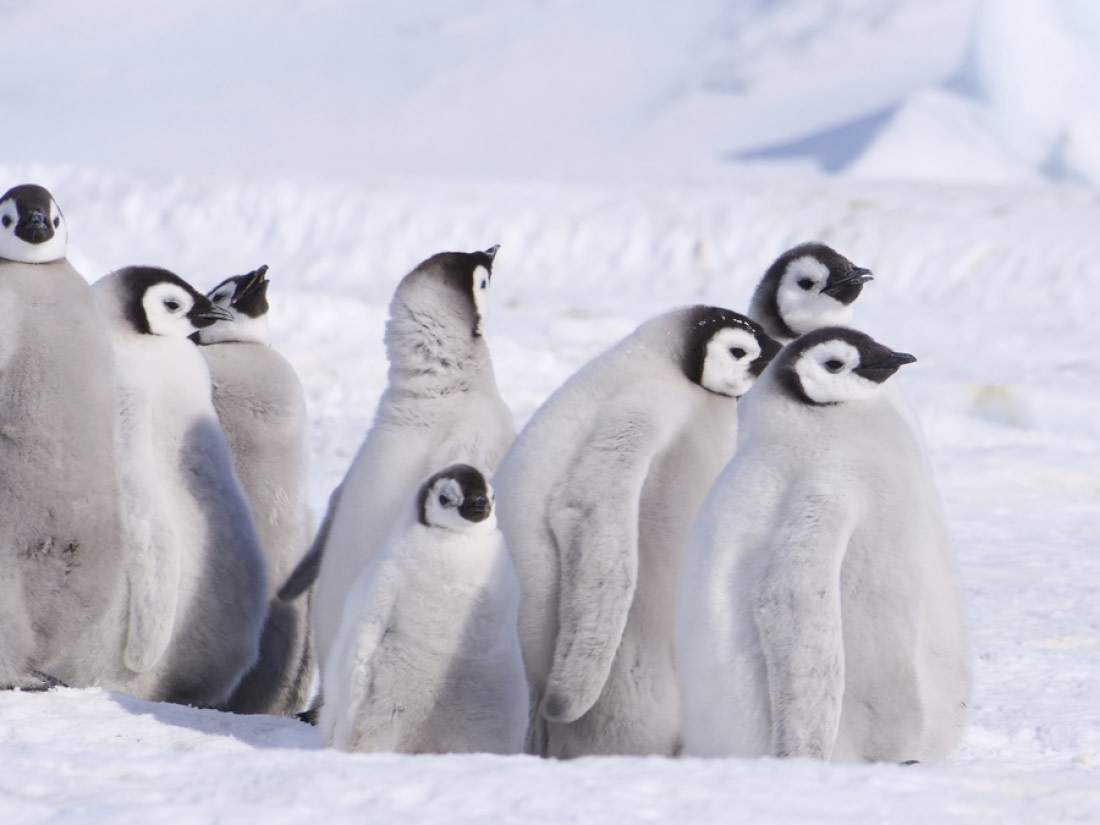
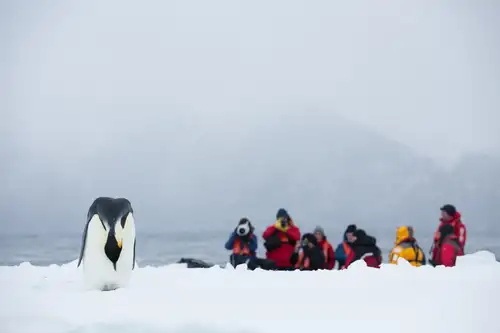
This voyage focuses on one of the most beloved seabirds in all of Antarctica: the emperor penguin. Only seen in a few key locations, the emperor penguin is probably the most recognizable penguin species in the world.
blog-image

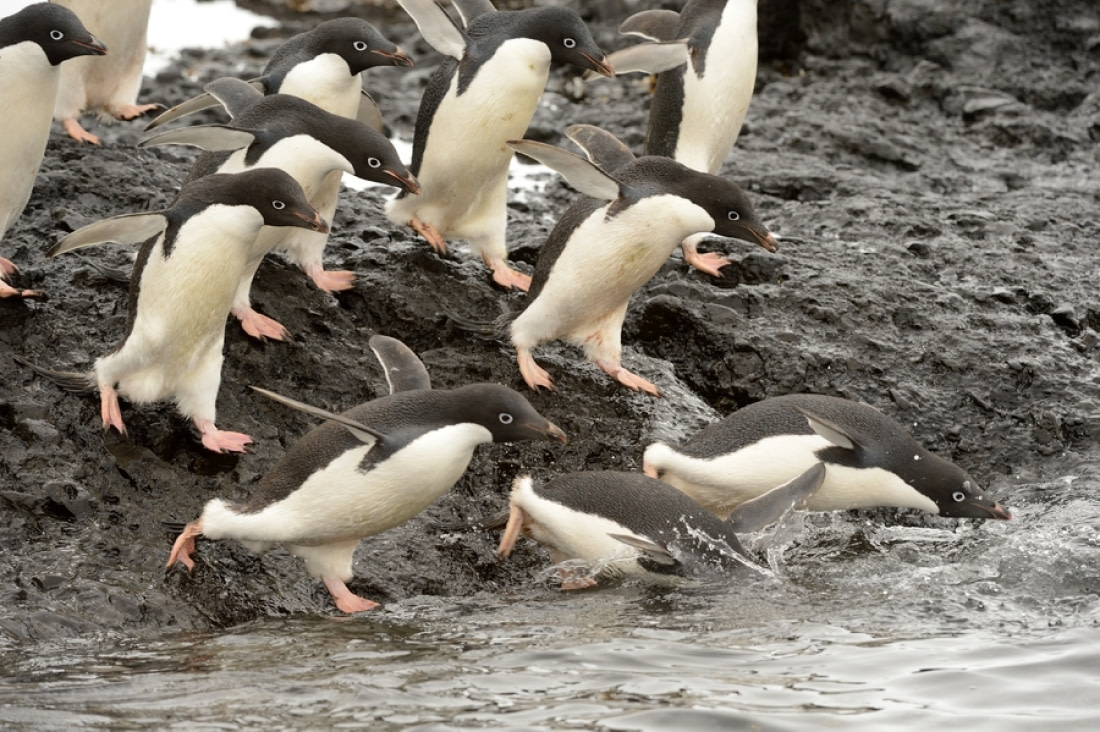
The Weddell Sea itself is particularly abundant with Antarctic species, which you stand a good chance to see on this 10-night voyage. Visits are planned (though not guaranteed, if conditions are unsafe) for the western Antarctic Sound, Devil Island, Brown Bluff, and Deception Island. Mountain hiking, a research base, and penguin rookeries are all possibilities on this trip.
blog-image

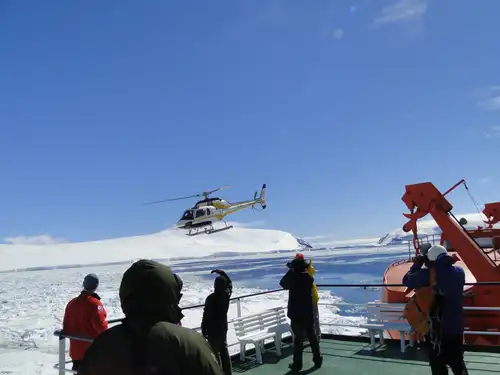
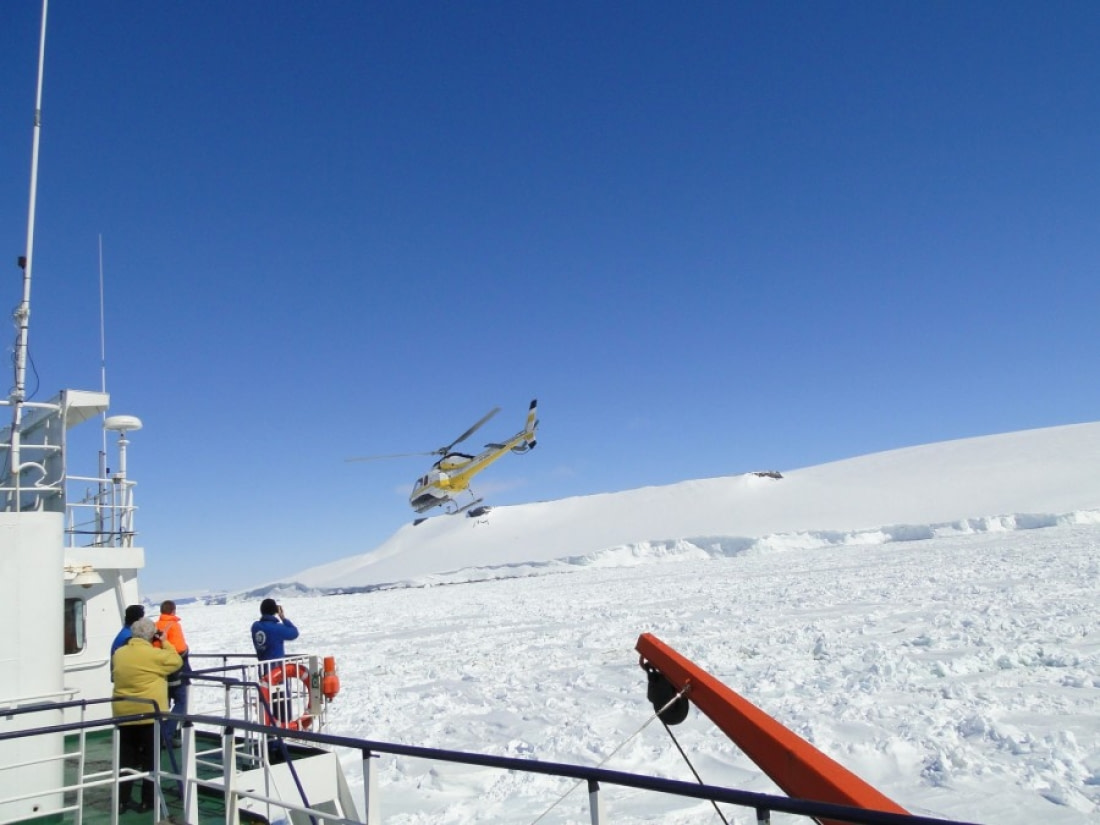
But most thrilling will perhaps be the helicopter flights that can take you to locations inaccessible by any other means. One such landing you might make is Snow Hill Island, which for the past two years we’ve successfully done, bringing guests to the rarely seen emperor penguin rookery there.
blog-image

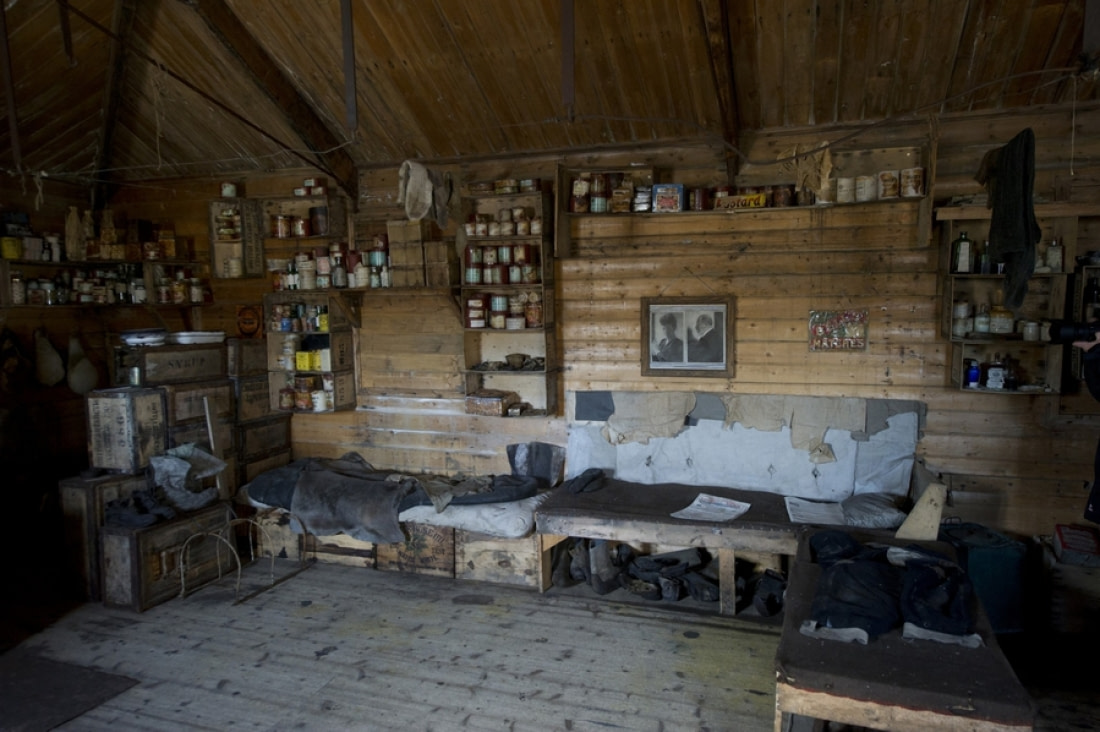
We also offer a voyage that includes helicopters in the Ross Sea, though this is a 31-night extravaganza exploring this seldom-visited region’s most wildlife-rich, history-steeped sites. (This cruise in particular is better suited for older family members.)
blog-image

HDS32-20 - Antarctica - Whale watching discovery and learning voyage

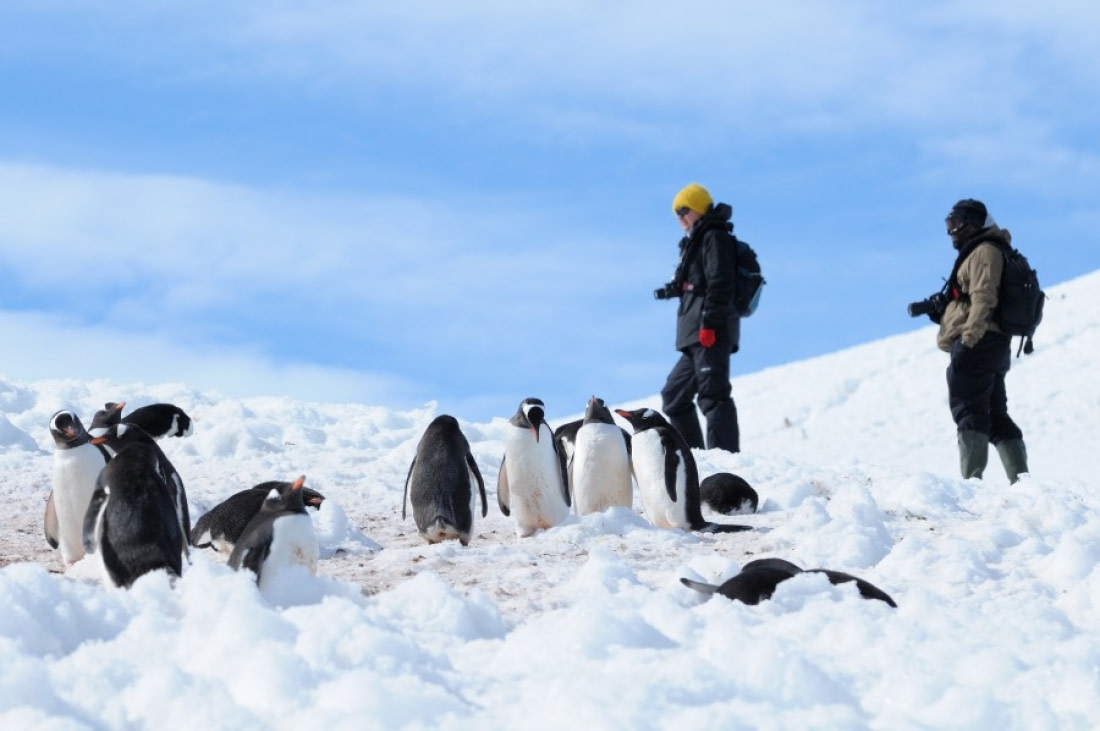
The Antarctic Peninsula is among Antarctica’s most biodiverse areas, representing a highly comprehensive survey of the continent’s prime landscapes and wildlife.
blog-image

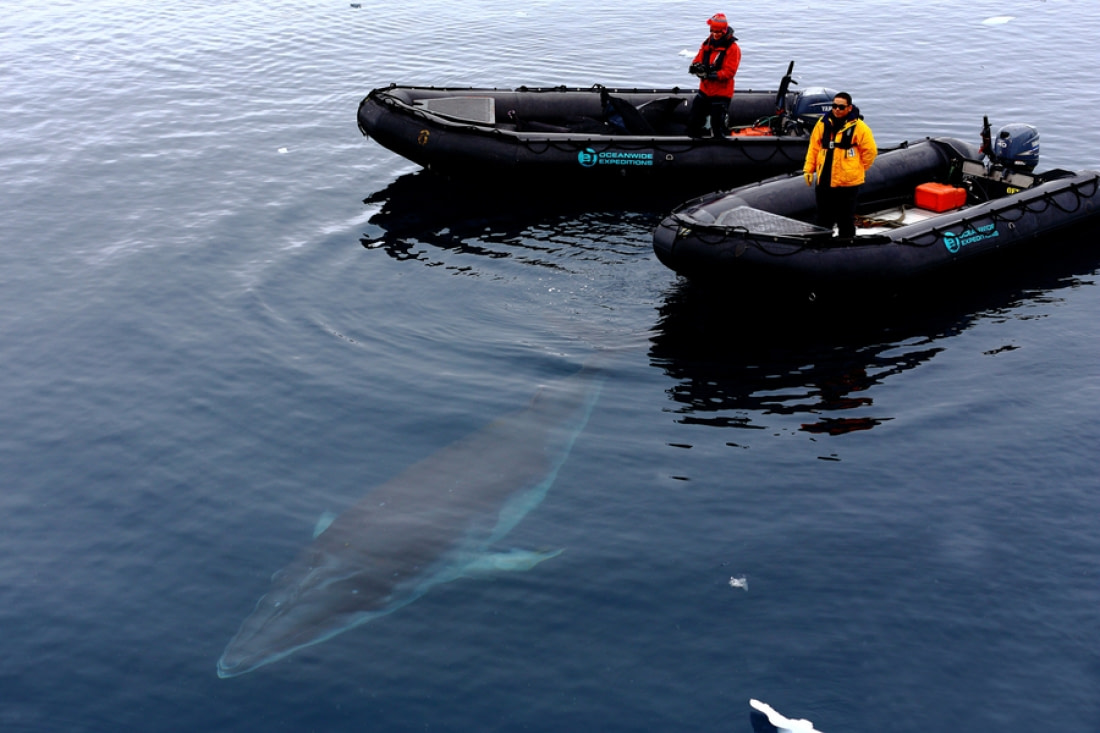
Spanning 13 nights, this expedition cruise takes in as much of these features as possible. In this trip, we try to visit many iconic spots along the western Antarctic Peninsula, including Neko Harbour, Paradise Bay, Crystal Sound, and the islands of Petermann and Pléneau, all great locations to see seabirds (gentoo and Adélie penguins) and whales (minkes, fins, and humpbacks).
blog-image

Blog
go-leftgo-right

5 Misconceptions You Might Have About Greenland - Nexta Expeditions
Blog

5 Misconceptions You Might Have About Greenland

Three Antarctica Cruise Deals - Nexta Expeditions
Blog

Three Antarctica Cruise Deals

For many travelers, Antarctica represents the ultimate polar destination. Its vast white landscapes offer an endless array of surreal vistas, much of its unique wildlife is found nowhere else on Earth, and its complete lack of an indigenous human population provides a sense of untouched seclusion that few other places can match.
Deep Sea Dwellers: 10 Facts about The Antarctic Giant Isopod - Nexta Expeditions
Blog

Deep Sea Dwellers: 10 Facts about The Antarctic Giant Isopod

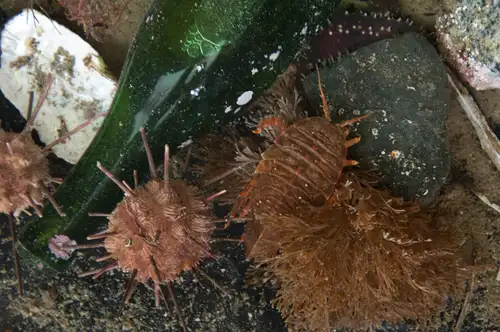
On average, the Giant Antarctic Isopod grows to 9cm (3.5in.) in length. This may not seem very large, but factors including low light levels, freezing cold water, and a lack of oxygen prevent these isopods from growing very large. Other species of isopods, including the Giant Isopod, have been known to grow up to 40 cm (16 inches) in length!
The Seasons of Antarctica: When to Visit and Why - Nexta Expeditions
Blog

The Seasons of Antarctica: When to Visit and Why

You’ve decided to book your dream trip – an adventurous Antarctica cruise that will give you a winning chance to see otherworldly environments, encounter exotic wildlife, and take part in activities that will spoil your inner explorer like nothing else.
Five Reasons You Should Cruise the Ross Sea Immediately - Nexta Expeditions
Blog

Five Reasons You Should Cruise the Ross Sea Immediately

In our search for lesser-known holiday spots that still offer fully developed amenities like spas and gift shops, we often miss out on some of the planet's truly underrated treasures.
The South Georgia Seven: Hikes, Fjords, Whales, & Penguins - Nexta Expeditions
Blog

The South Georgia Seven: Hikes, Fjords, Whales, & Penguins

Few places encapsulate such a staggeringly rich assortment of sub-Antarctic scenery, wildlife, and outing opportunities as South Georgia.
Port Lockroy: History, Post Office, and Resident Penguins - Nexta Expeditions
Blog

Port Lockroy: History, Post Office, and Resident Penguins

Sometimes it’s easy to get caught up in the stunning coastlines, fjords, and other natural wonders of Antarctica, overlooking the man-made attractions nestled in between.
Taking the Polar Plunge - Nexta Expeditions
Blog

Taking the Polar Plunge

There are some human activities that for many people simply defy understanding: We juggle chainsaws, we breathe fire, we fling ourselves out of perfectly good airplanes.
The Return to Franz Josef Land - Nexta Expeditions
Blog

The Return to Franz Josef Land

As the possibility of international travel slowly returns, we are eagerly awaiting all the great locations, activities, and wildlife we might experience in the coming season. One of the things we’re most excited about is the return of our Franz Josef Land voyages.
Kayaking In Greenland - Nexta Expeditions
Blog

Kayaking In Greenland

Think of Greenland and two images come to mind:
Five Reasons Why Snowshoeing is a Perfect Polar Activity - Nexta Expeditions
Blog

Five Reasons Why Snowshoeing is a Perfect Polar Activity

One of the most beloved polar sports is also one of the oldest. Snowshoeing has been the preferred means of foot travel in the Arctic since antiquity, and in the years since Antarctica was discovered, it has been highly popular among researchers and polar tourists alike.
The ozone layer in Antarctica - Nexta Expeditions
Blog

The ozone layer in Antarctica

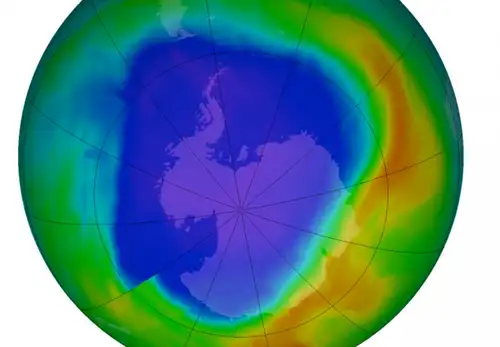
An ozone molecule is composed of three oxygen atoms rather than the usual two. It exists in the atmosphere in trace amounts. Ozone molecules are created through the interaction of ultraviolet (UV) radiation from the sun with oxygen molecules: When an O2 molecule is split, the two free oxygen atoms bond with other O2 molecules to form O3 molecules.
Living the Antarctic Dream - Nexta Expeditions
Blog

Living the Antarctic Dream

From October to March, during the Austral summer, thousands of breeding gentoo, Adèlie, and chinstrap penguins flock to the Western Antarctic Peninsula to rear their chicks and feast on krill before the harsh winter arrives. Alongside the penguins, field biologists from around the world gather to study these habits for conservation research. Observing these animals is one thing, but residing in an Antarctic field station for an entire breeding season is another. One particular field camp on King George Island, managed by American scientists, has perfected this Antarctic lifestyle and has thrived for over 30 years.
The Wonderful Weddell Sea: Places, Pics, and Impressions - Nexta Expeditions
Blog

The Wonderful Weddell Sea: Places, Pics, and Impressions

When we talk about Antarctica, it’s easy to slip into familiar words: amazing, astounding, extraordinary, exceptional. And though most Antarctic locations more than deserve these descriptions, some deserve them more than others.
The Research Stations of Antarctica and the sub-Antarctic - Nexta Expeditions
Blog

The Research Stations of Antarctica and the sub-Antarctic

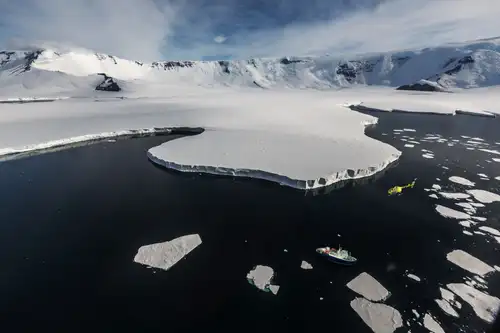
Numerous research stations operate throughout the Antarctic and sub-Antarctic, engaged in all manner of scientific inquiry. This article will cover the stations under the management of the British Antarctic Survey (BAS), which conducts year-round terrestrial and atmospheric research in some of the most compelling polar locations on Earth.
Taking a polar expedition cruise delivers no shortage of show-stopping highlights, but one of the most exhilarating is lifting off from the ship in a helicopter and taking flight over the incomparable Antarctic wilderness. - Nexta Expeditions
Blog

Taking a polar expedition cruise delivers no shortage of show-stopping highlights, but one of the most exhilarating is lifting off from the ship in a helicopter and taking flight over the incomparable Antarctic wilderness.

Embarking on a polar expedition cruise offers a plethora of breathtaking experiences, but one of the most thrilling is taking off from the ship in a helicopter and soaring over the stunning Antarctic wilderness.
A Diving Dream Fulfilled - Nexta Expeditions
Blog

A Diving Dream Fulfilled

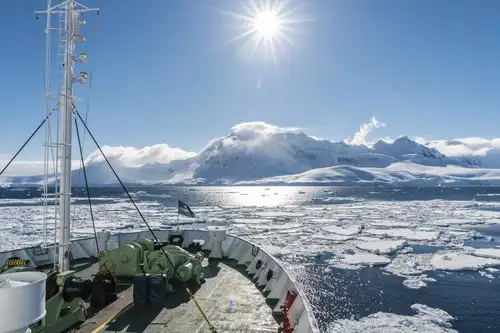
Last January, Mark Hatter achieved a dream he’d been training for over two years. Booking his berth aboard the m/v Ortelius and making the long flight to Ushuaia, Argentina, he and two of his friends sailed down the famous Drake Passage, bound for Earth’s southernmost continent. But their Antarctica trip was not just about shoreline walks and photographing penguins.
Cruising Solo: The Benefits of Single-Passenger Polar Travel - Nexta Expeditions
Blog

Cruising Solo: The Benefits of Single-Passenger Polar Travel

Traveling is often done with family, friends, or romantic partners. However, the benefits of solo travel, especially in polar regions, deserve more attention.
10 Illuminating Facts about the Northern Lights - Nexta Expeditions
Blog

10 Illuminating Facts about the Northern Lights

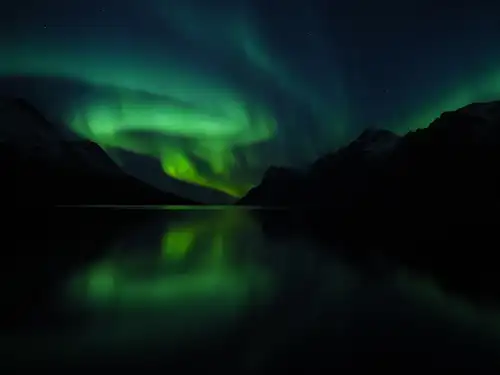
In Roman mythology, Aurora was the goddess of the dawn. The term "borealis" is derived from the Greek word for "wind." Thus, "aurora borealis" translates to "dawn wind," commonly known as the Northern Lights. This natural phenomenon has captivated humanity for millennia and remains a major attraction in the Arctic, with numerous cruises dedicated to witnessing this mesmerizing light display.
Everything you need to know about Antarctic icebergs - Nexta Expeditions
Blog

Everything you need to know about Antarctic icebergs

The ice in Antarctica might seem static, but it is constantly moving. Pieces of ice are continuously breaking off from ice shelves, glaciers, or other icebergs. They float freely along with the Antarctic currents, with about 90 percent of their mass below the surface of the water. This fact is actually what gave rise to the nowadays popular phrase “the tip of the iceberg”. Regardless, the sighting of the first iceberg is always a moment to celebrate in any and all Antarctic expeditions. So that you may appropriately ready yourself for that joyous moment, in this article you will find everything you need to know about Antarctic icebergs.