








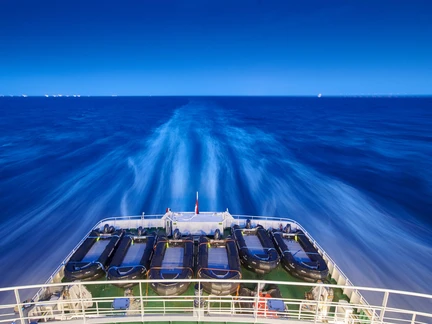
 10 March 2026 - 20 Mar 2026
 11 Days/10 Nights
 Ushuaia - Ushuaia
Explore Antarctica on long walks with small groups of up to 24 people, led by experienced staff. These walks offer a deep dive into the polar landscape, requiring readiness for up to six hours of hiking on rocky and snowy terrain with elevation changes. Conditions can be tough and change quickly, so good fitness and a willingness to walk for long periods are needed. The total time varies based on site conditions. For those not joining the hikes, other activities or shore landings will be available.
Start of the Journey
Your expedition begins in Ushuaia, Argentina, the southernmost city in the world. In the afternoon, you leave this small town on Tierra del Fuego, known as ""The End of the World,"" and cruise the Beagle Channel for the evening.
Path of the Polar Explorers
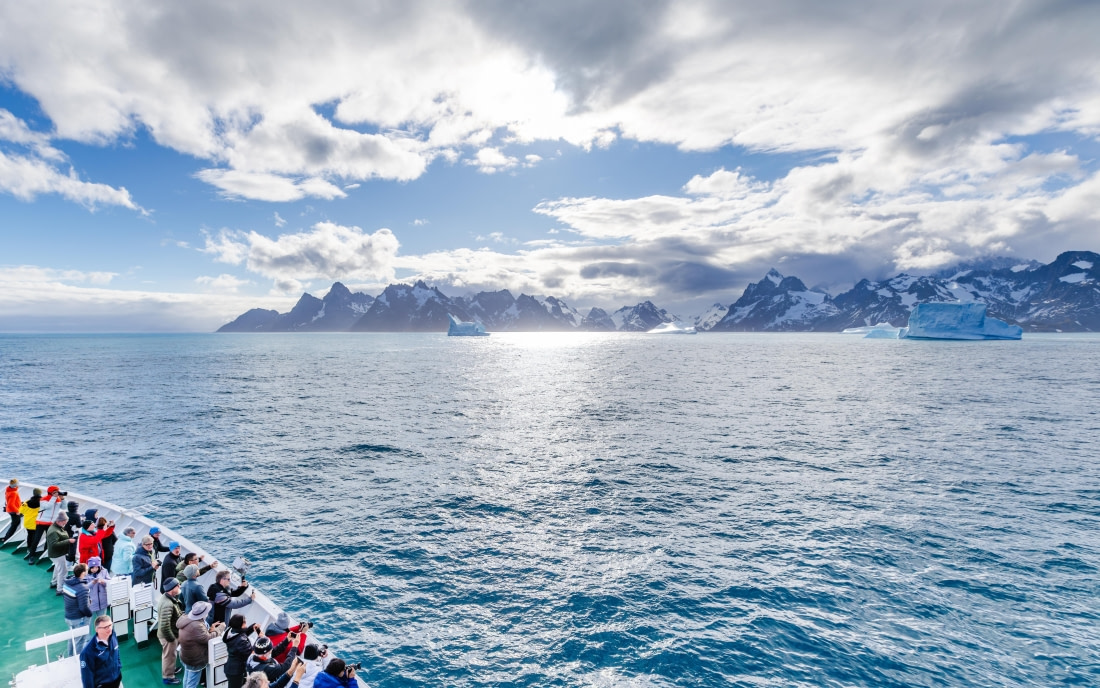
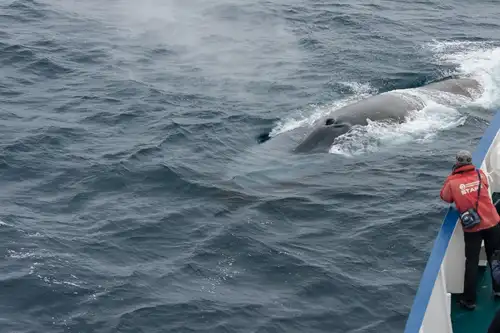
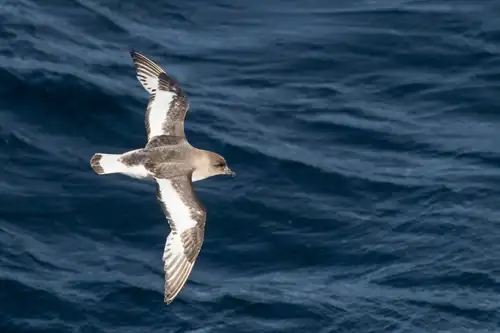
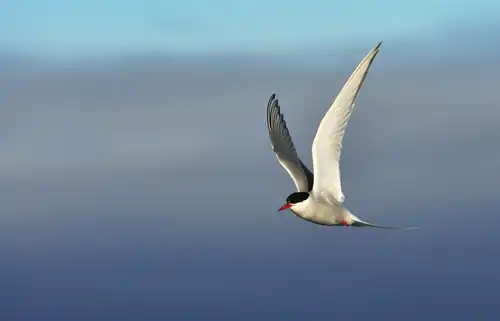
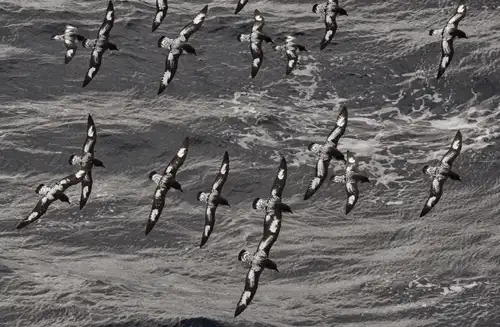
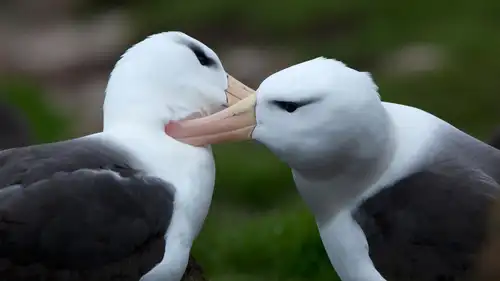
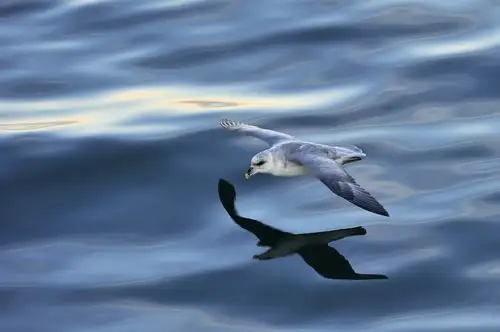
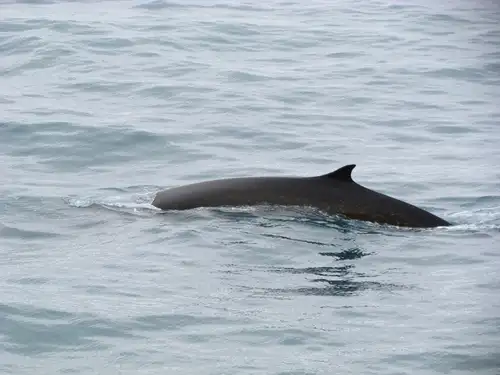
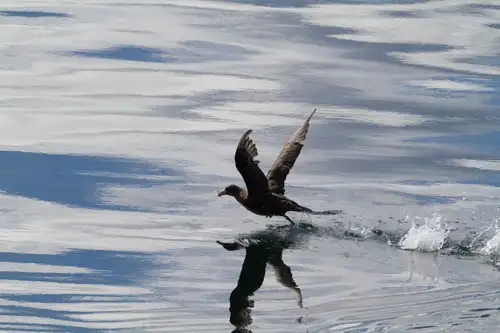
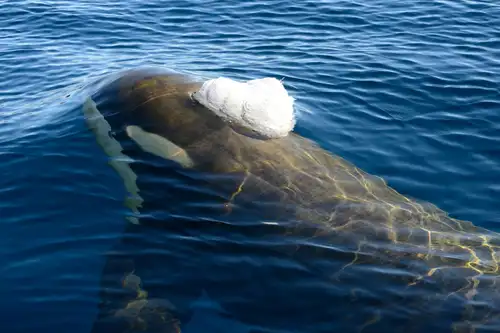
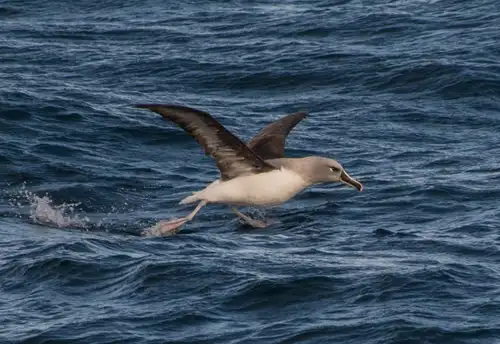
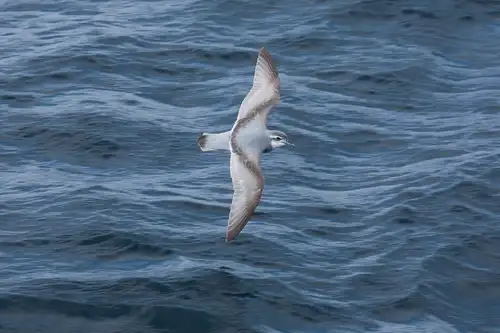
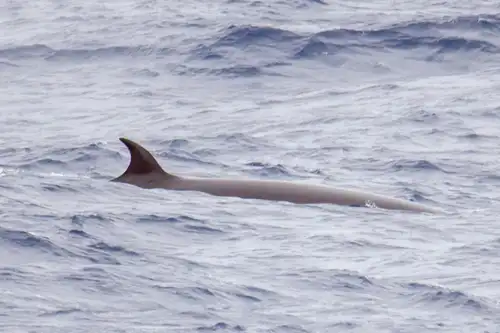
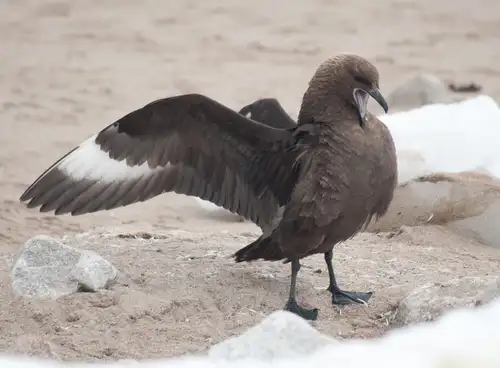
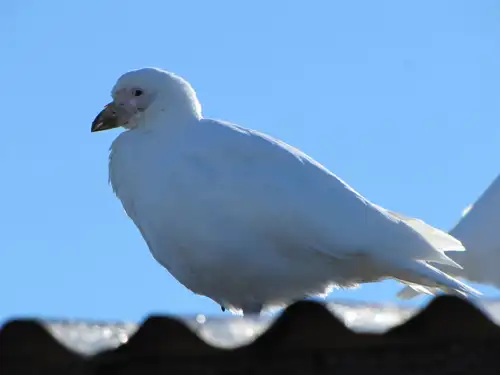
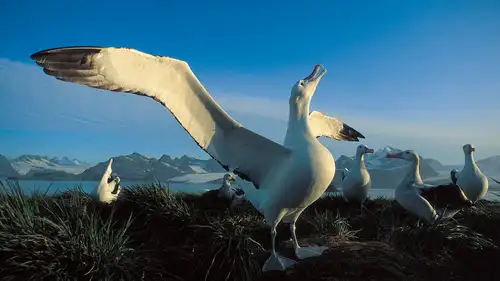
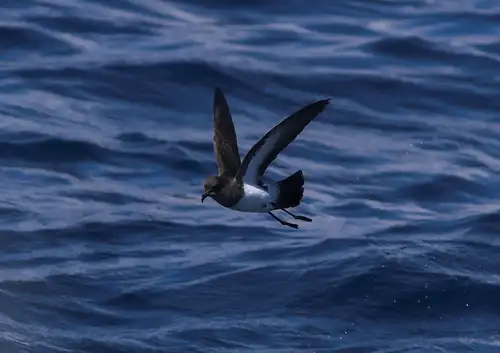
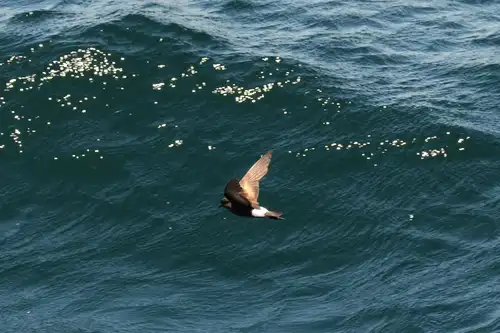
For two days on the Drake Passage, you experience what early explorers did: cool breezes, rolling seas, and maybe a fin whale. After crossing the Antarctic Convergence, you enter the circum-Antarctic zone. Marine and bird life changes, with sightings of albatrosses, petrels, and more.
Entering Antarctica
See gray peaks, blue-white ice, and diverse wildlife. Pass Melchior Islands and Schollaert Channel, sailing between Brabant and Anvers Islands. Possible visits include:
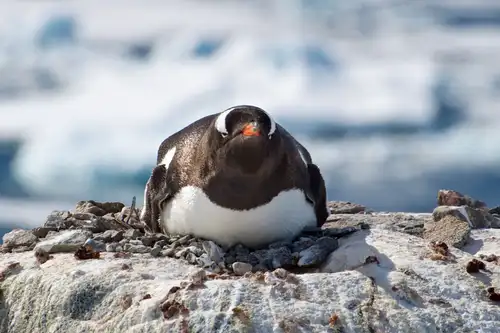
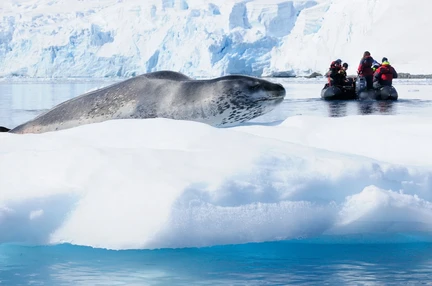
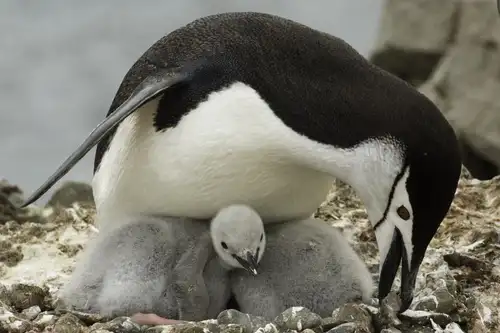
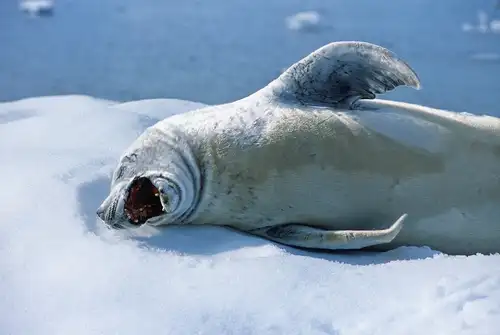
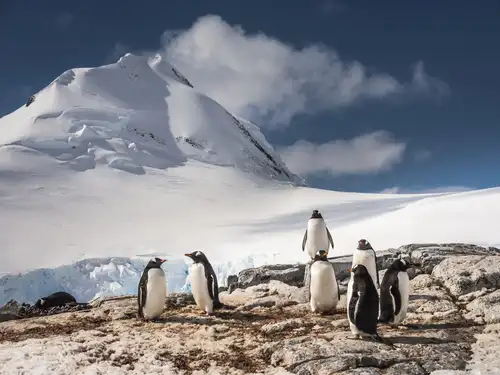
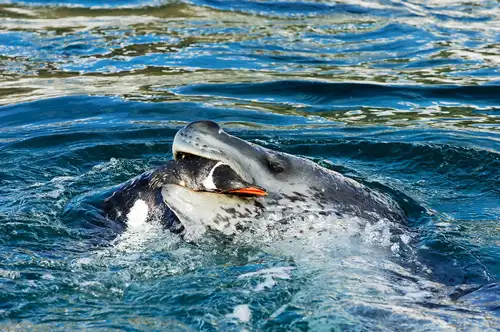
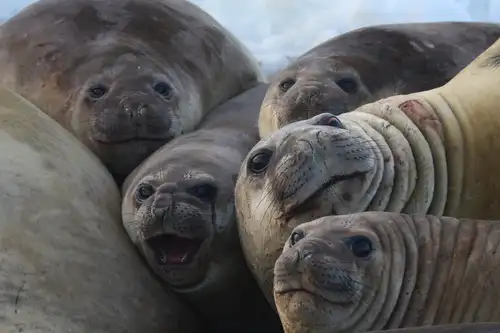
- Danco Island: Focus on gentoo penguins and nearby seals.
- Neko Harbour: Glaciers and snow offer Zodiac cruises and landings.
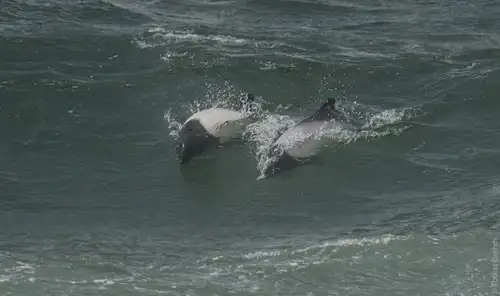
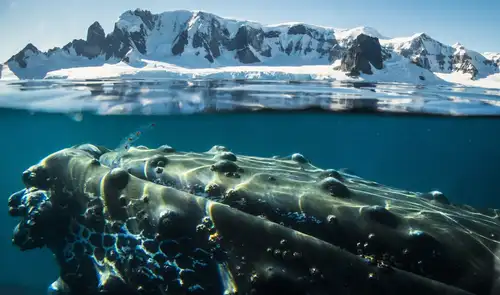
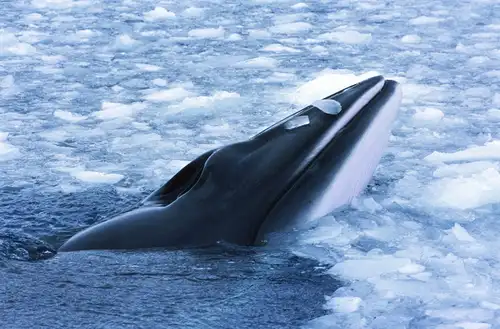
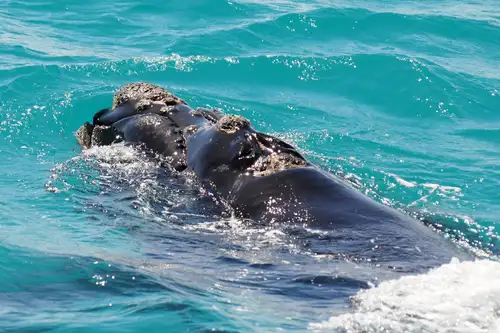
- Paradise Bay: Zodiac cruises with chances to see whales.
- Pléneau & Petermann Islands: Sail through Lemaire Channel for whales and seals.
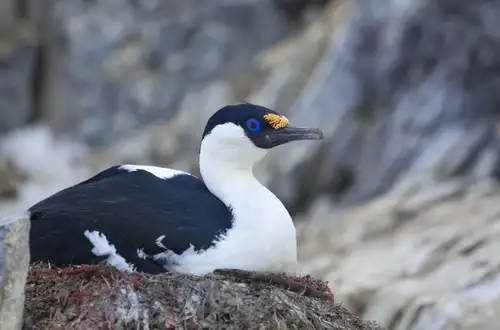
- Port Lockroy: Visit the museum and post office, meet penguins and shags.
- Wilhelmina Bay & Guvernøren: Spot whales and explore the Guvernøren wreck.
- Charlotte Bay: Encounter penguins, seals, and possibly whales.
Departure time depends on Drake Passage conditions.
Familiar Seas, Familiar Friends
On the return, cross the Drake Passage again, greeted by seabirds that now seem familiar.
There and Back Again
Every adventure ends. Disembark in Ushuaia with memories for your next journey.


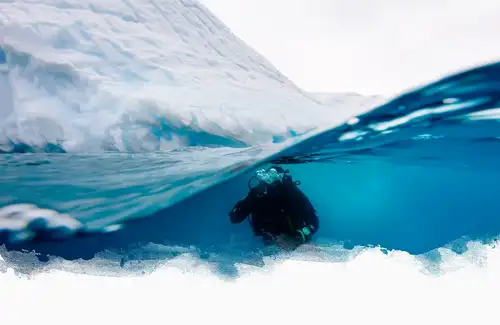
Scuba Diving Trips in Antarctica and the Arctic
Our polar voyages provide maximum firsthand contact with local wildlife and terrain, as well as unparalleled adventures below the waves.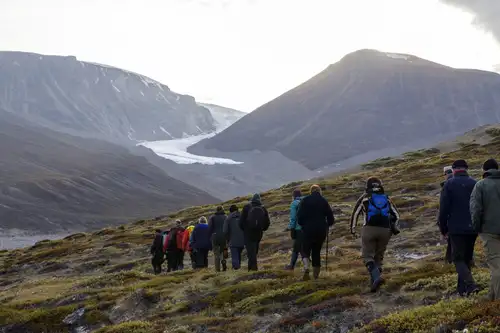
Leave the Vessel Behind on Our Long Hikes Activity
Immerse yourself in the vibrant surroundings of Greenland and Svalbard with our long hikes activity. Enjoy the Arctic summer far from the vessel as you embark on a full-day hike, crossing tundra, rivers, and rugged backcountry.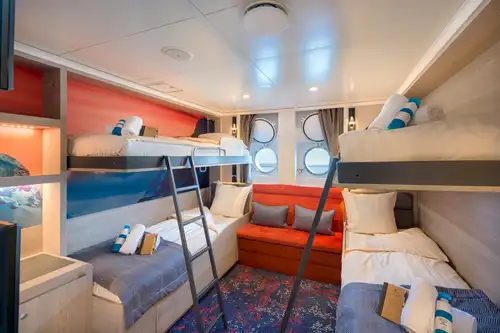




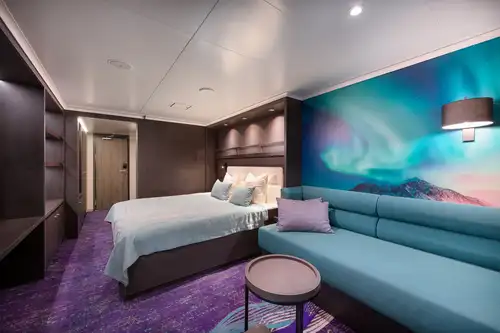
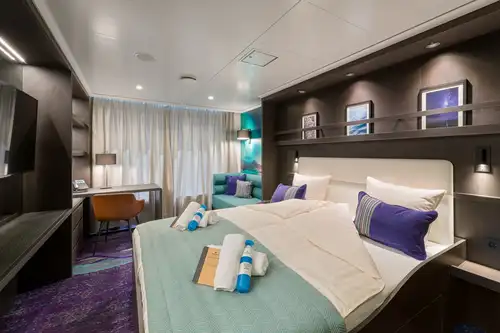
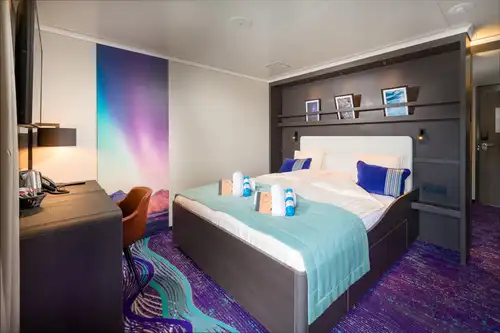
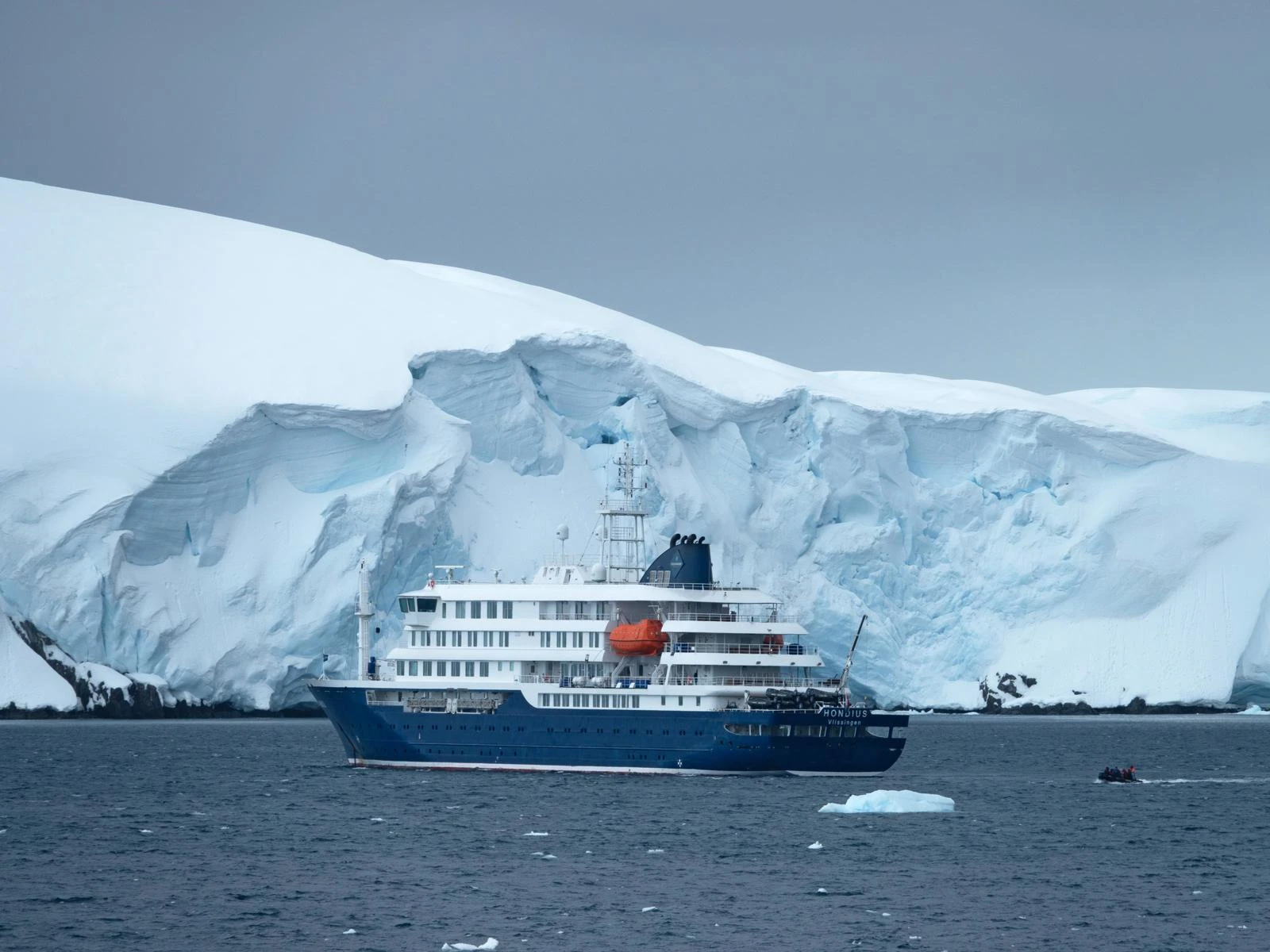
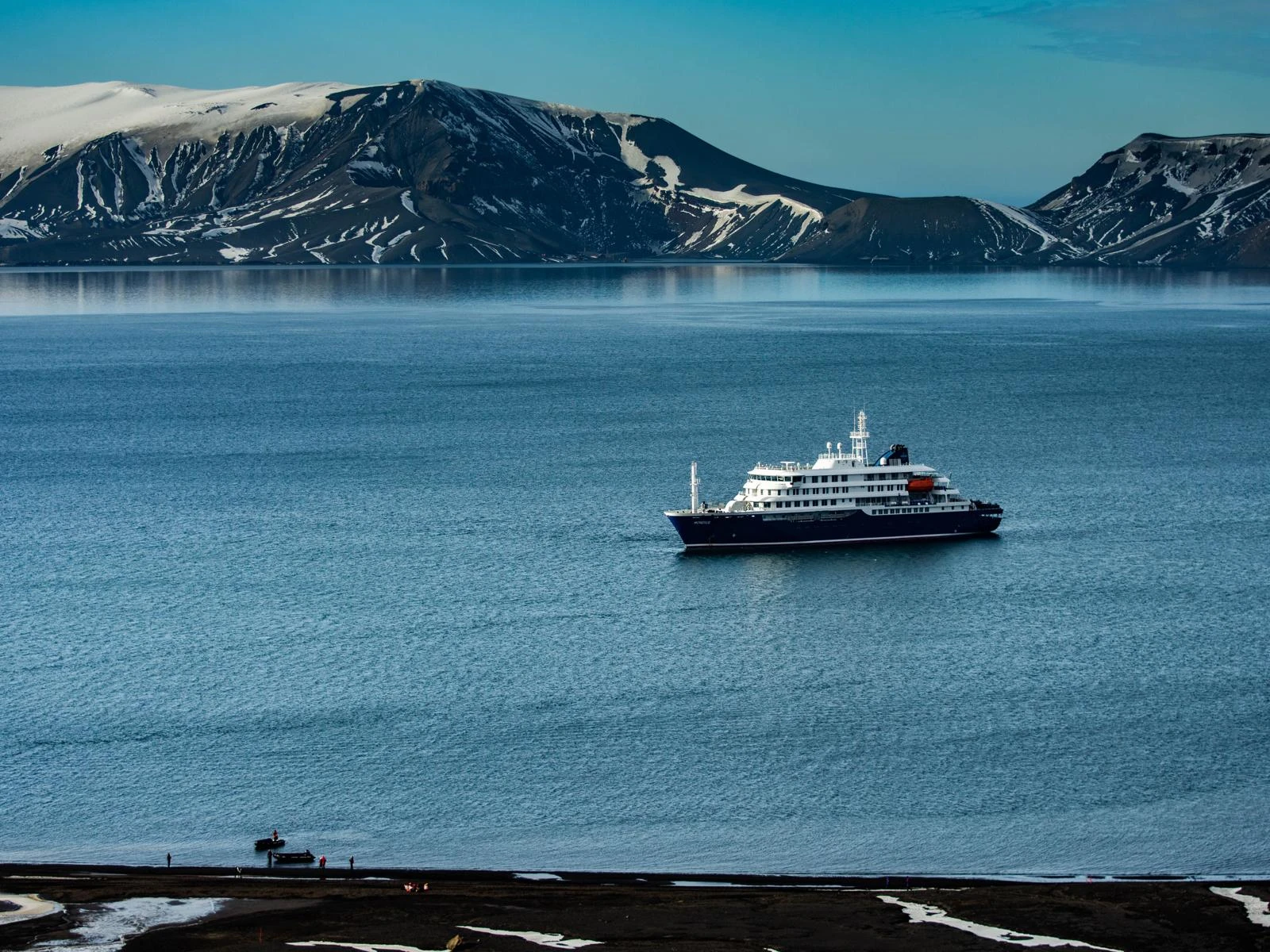
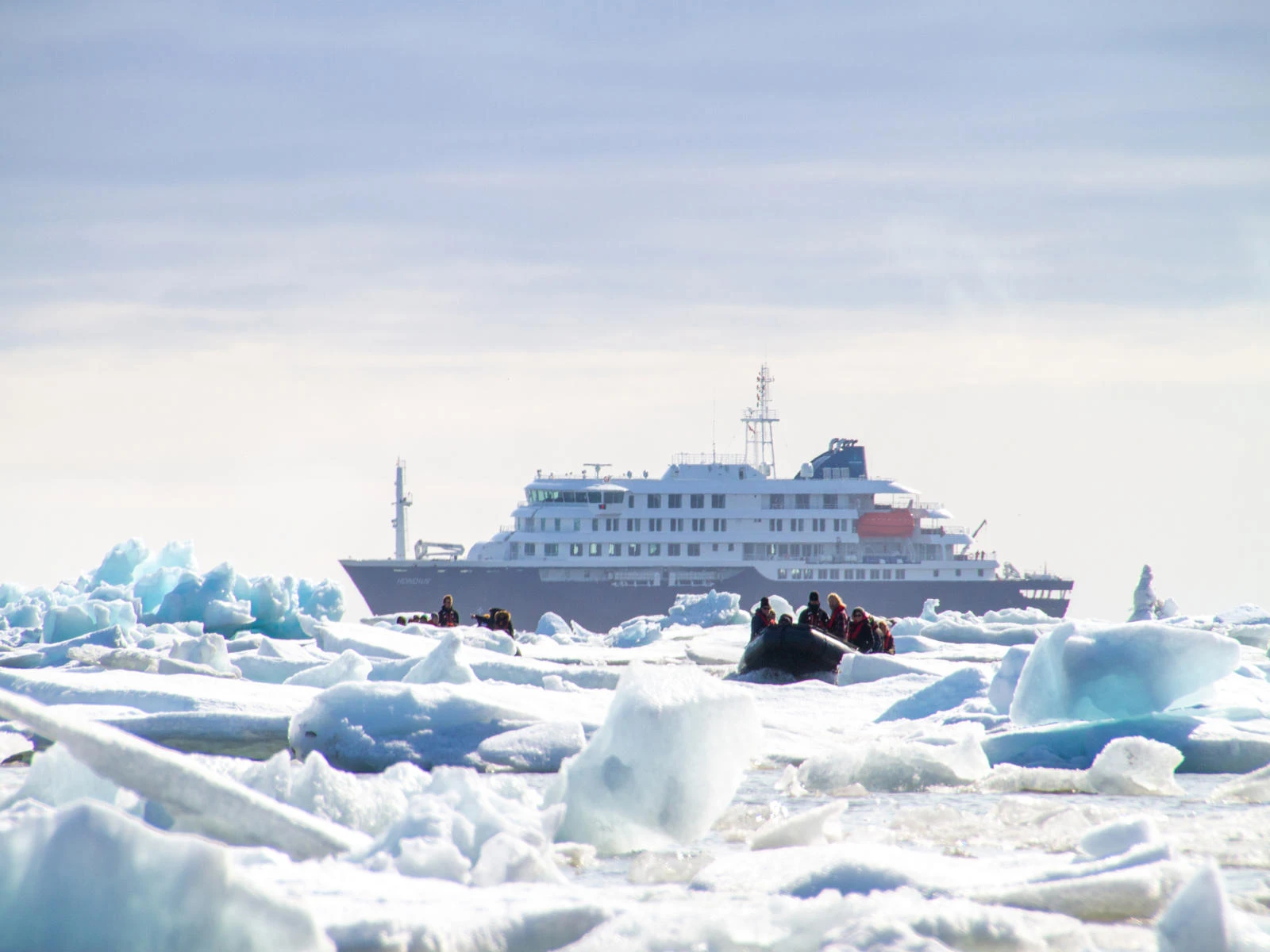
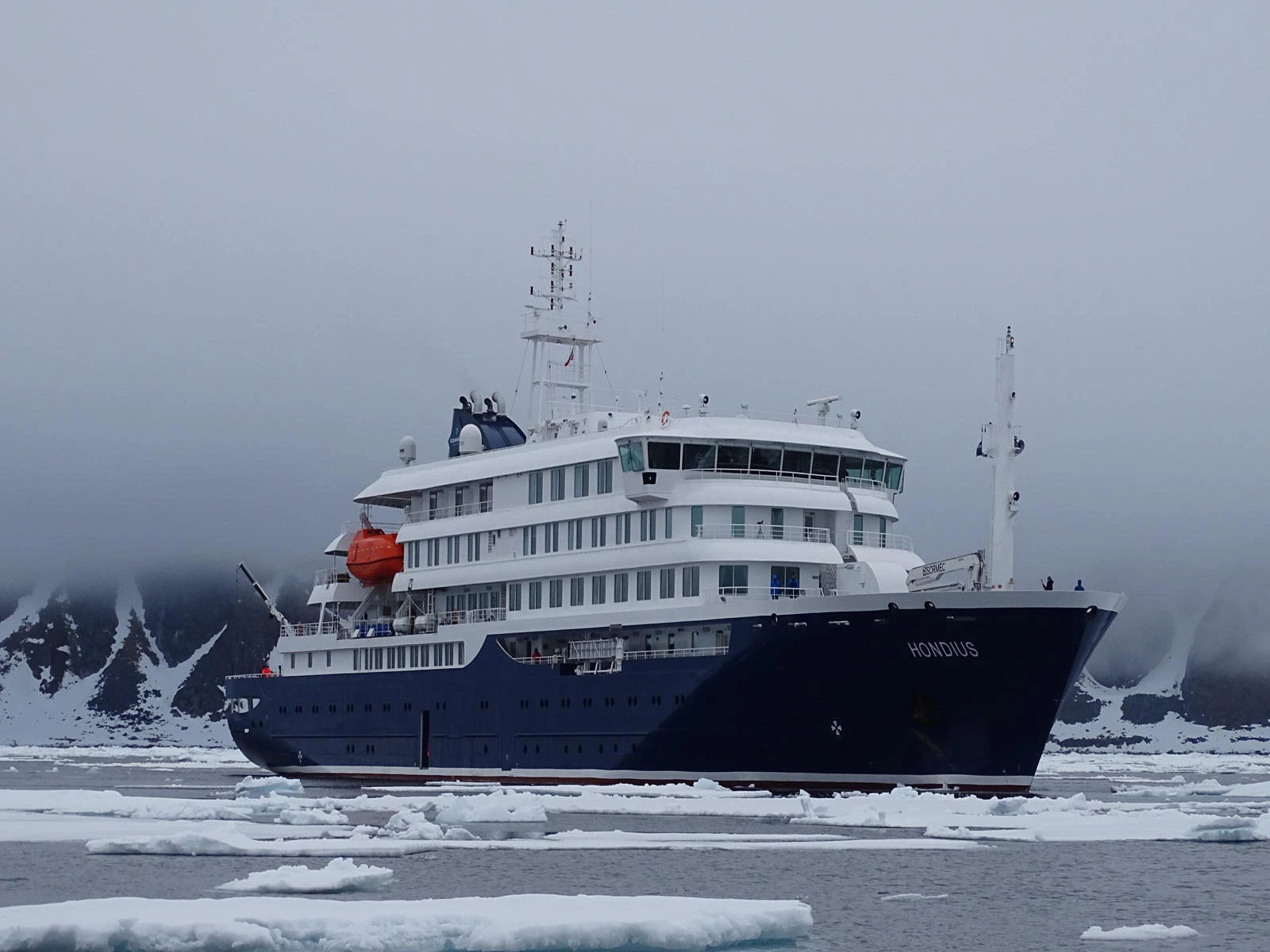
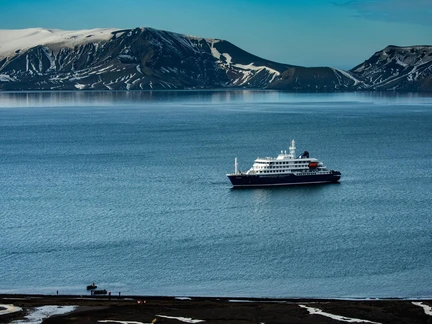
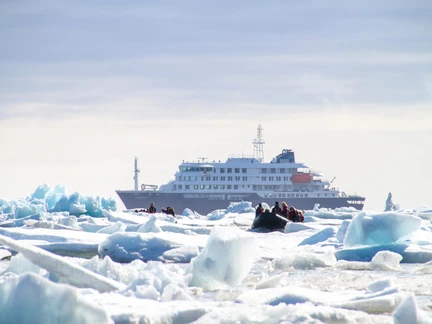
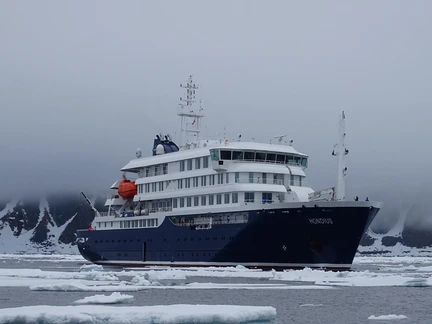
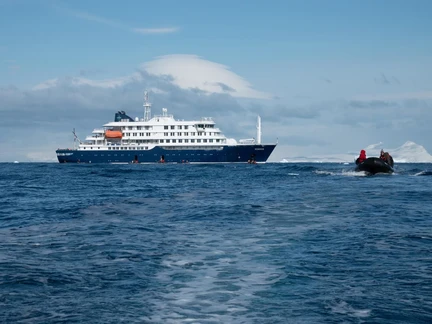
m/v Hondius
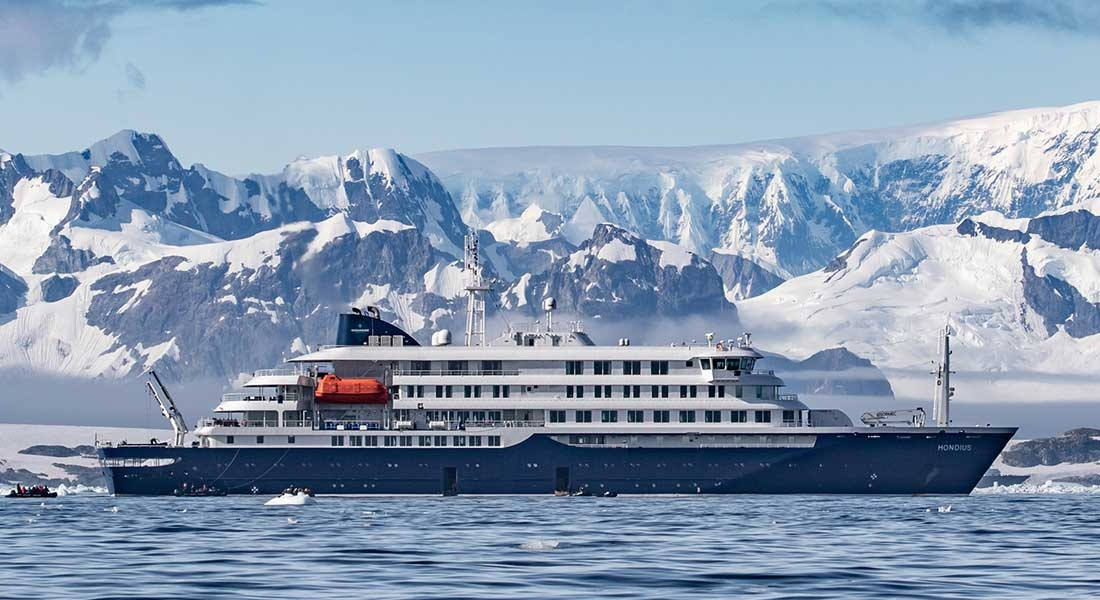
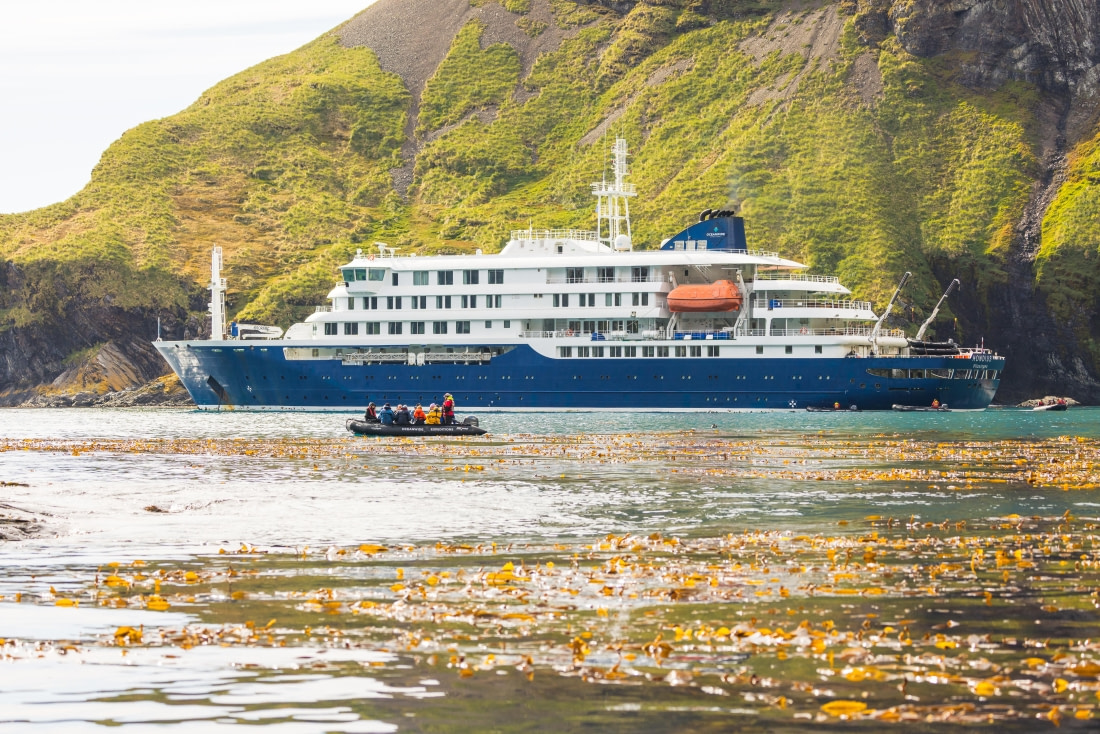
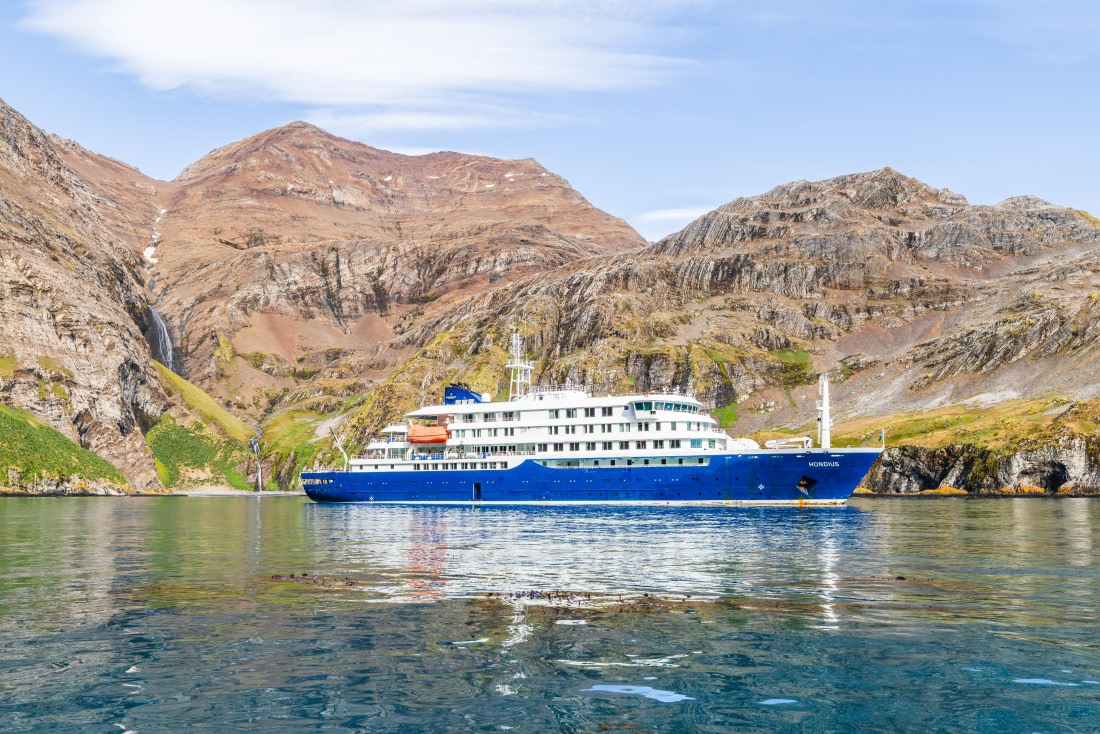
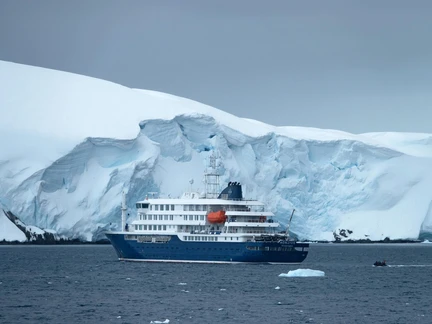
Hondius is the world’s first-registered Polar Class 6 vessel and was built from the ground up for expedition cruising.
Specifications
| Passengers: | 170 in 80 cabins |
| Staff & crew: | Crew 57 | Guides 13 | Doctor 1 |
| Length: | 107.6 meters |
| Breadth: | 17.6 meters |
| Draft: | 5.30 meters |
| Ice class: | Polar Class 6 (equivalent 1A-Super) |
| Displacement: | 5,590 tonnes |
| Propulsion: | 2 x ABC main engines; total 4,200 kW |
| Speed: | 15 knots |
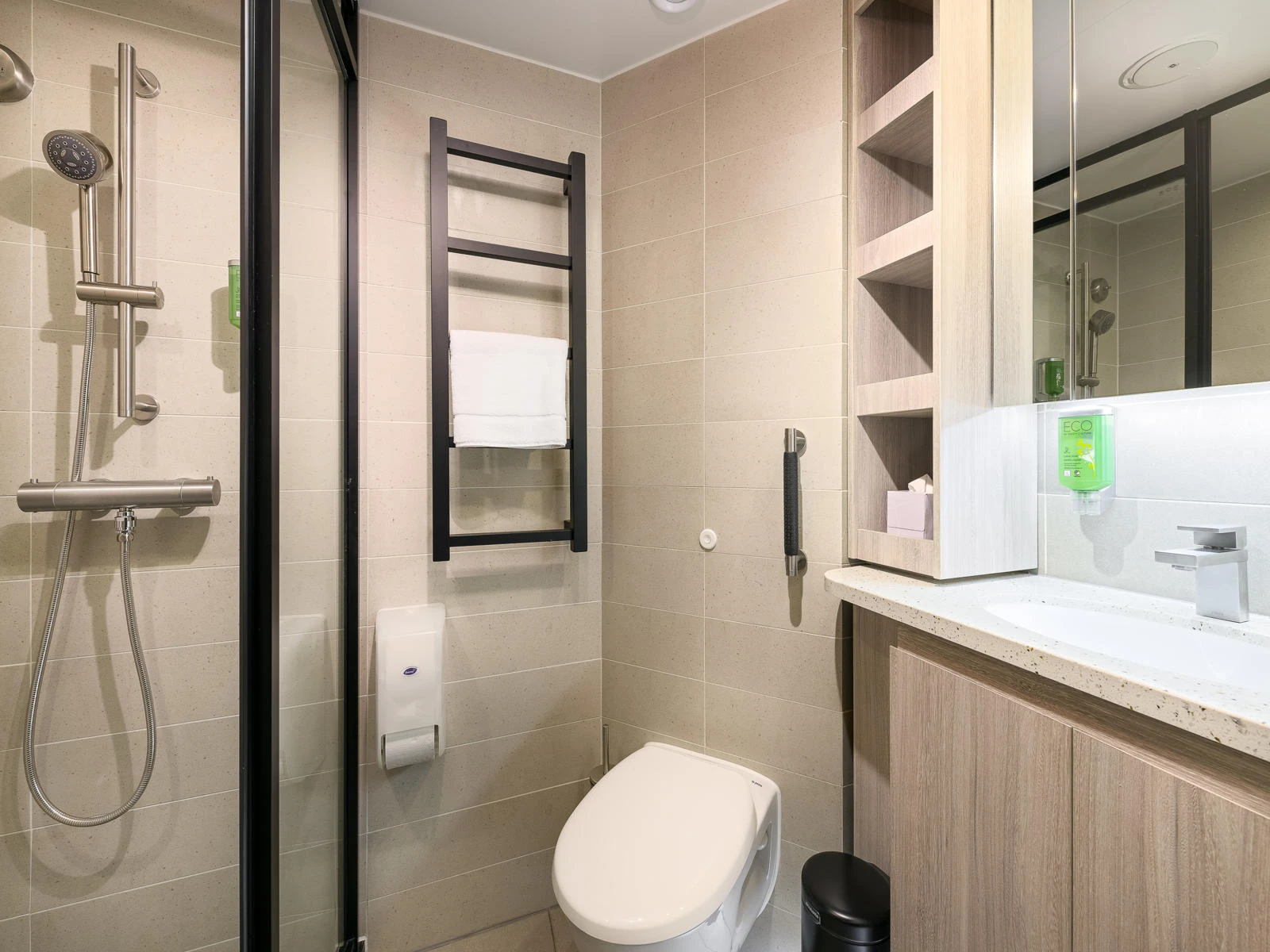
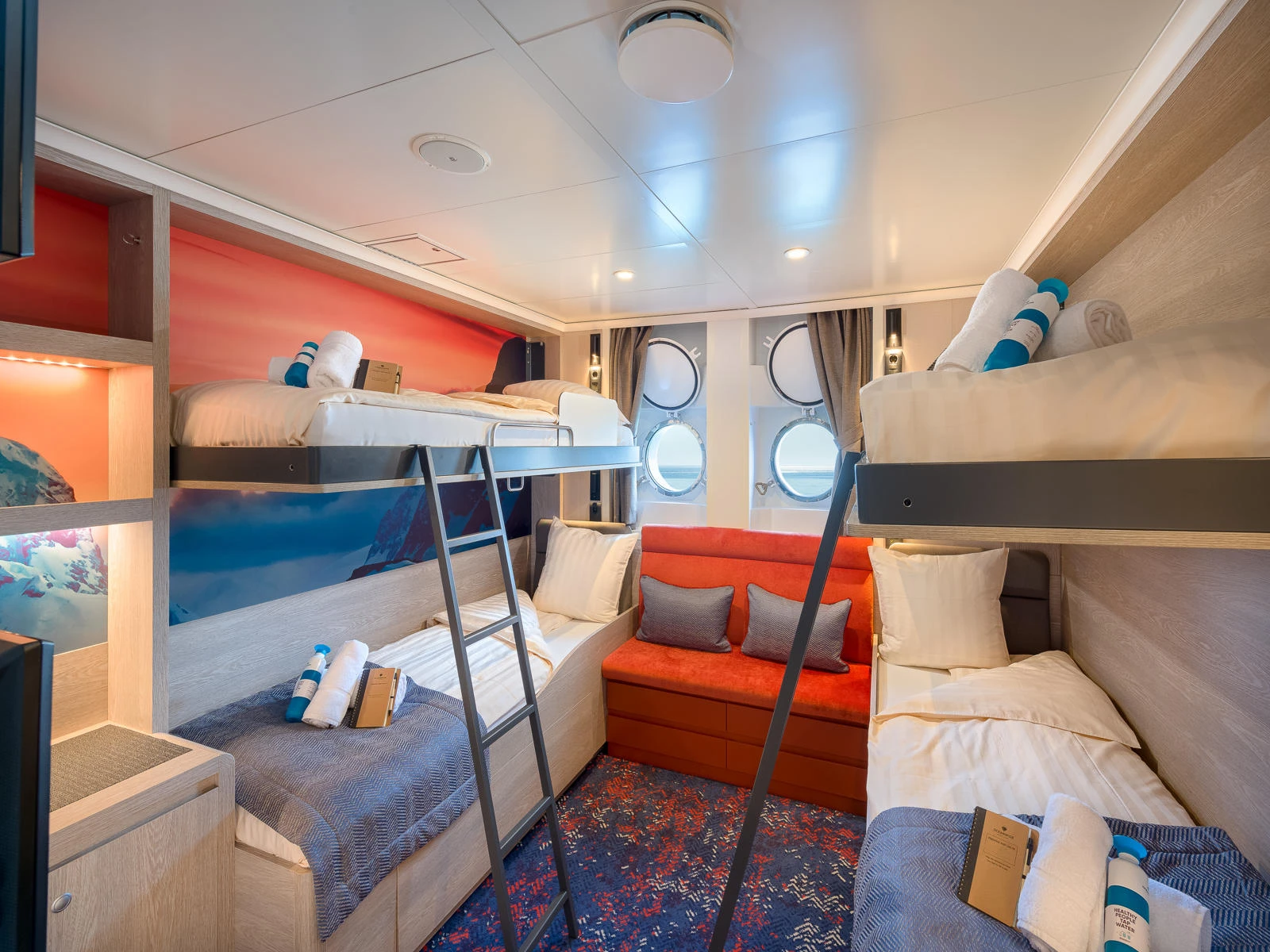
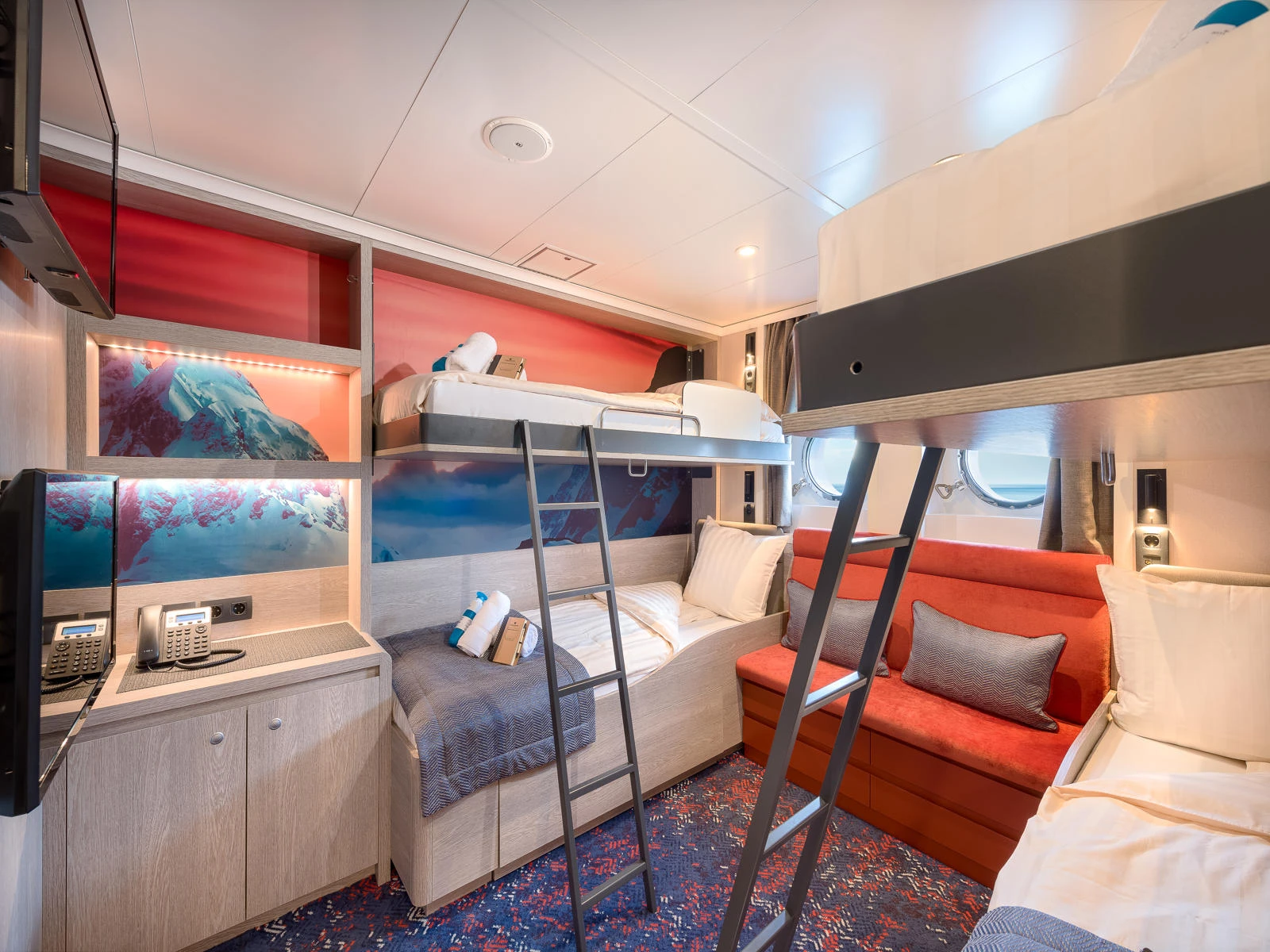
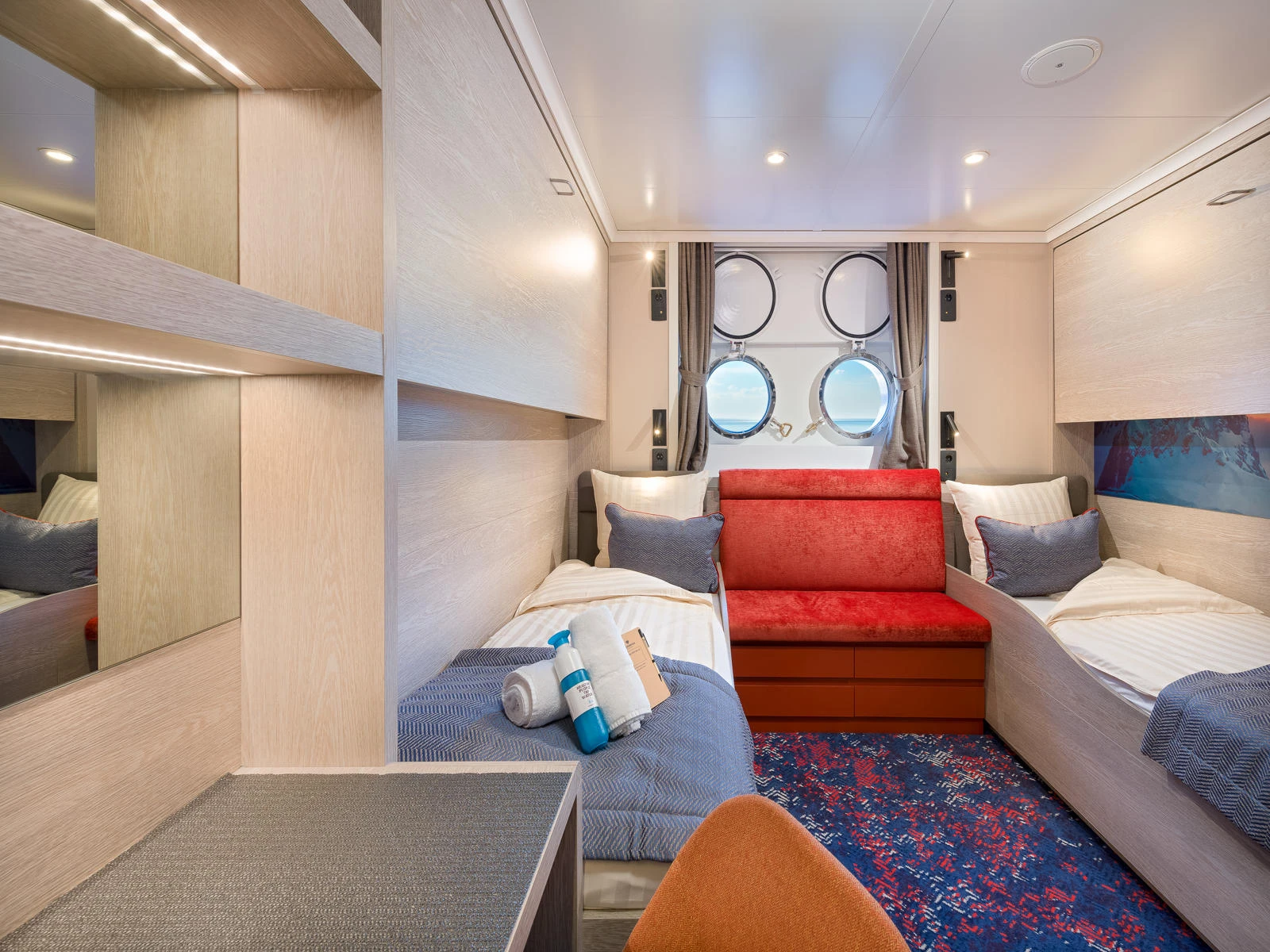
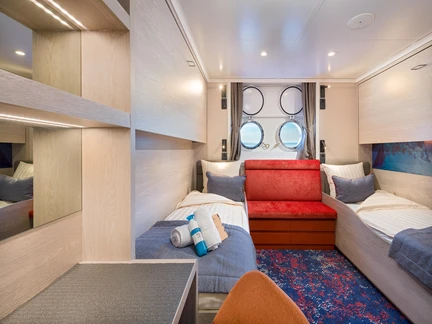
Cabins Gallery
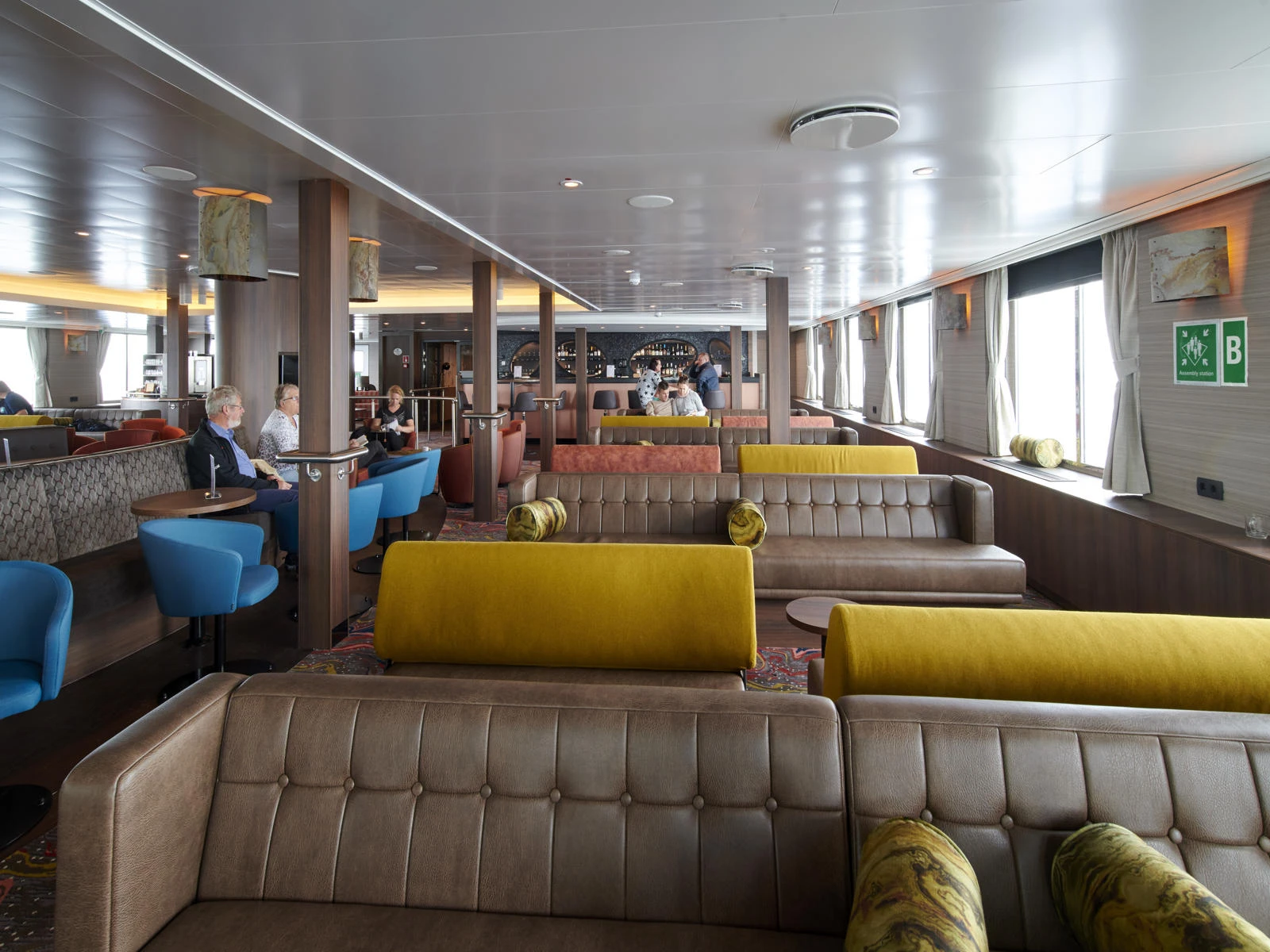
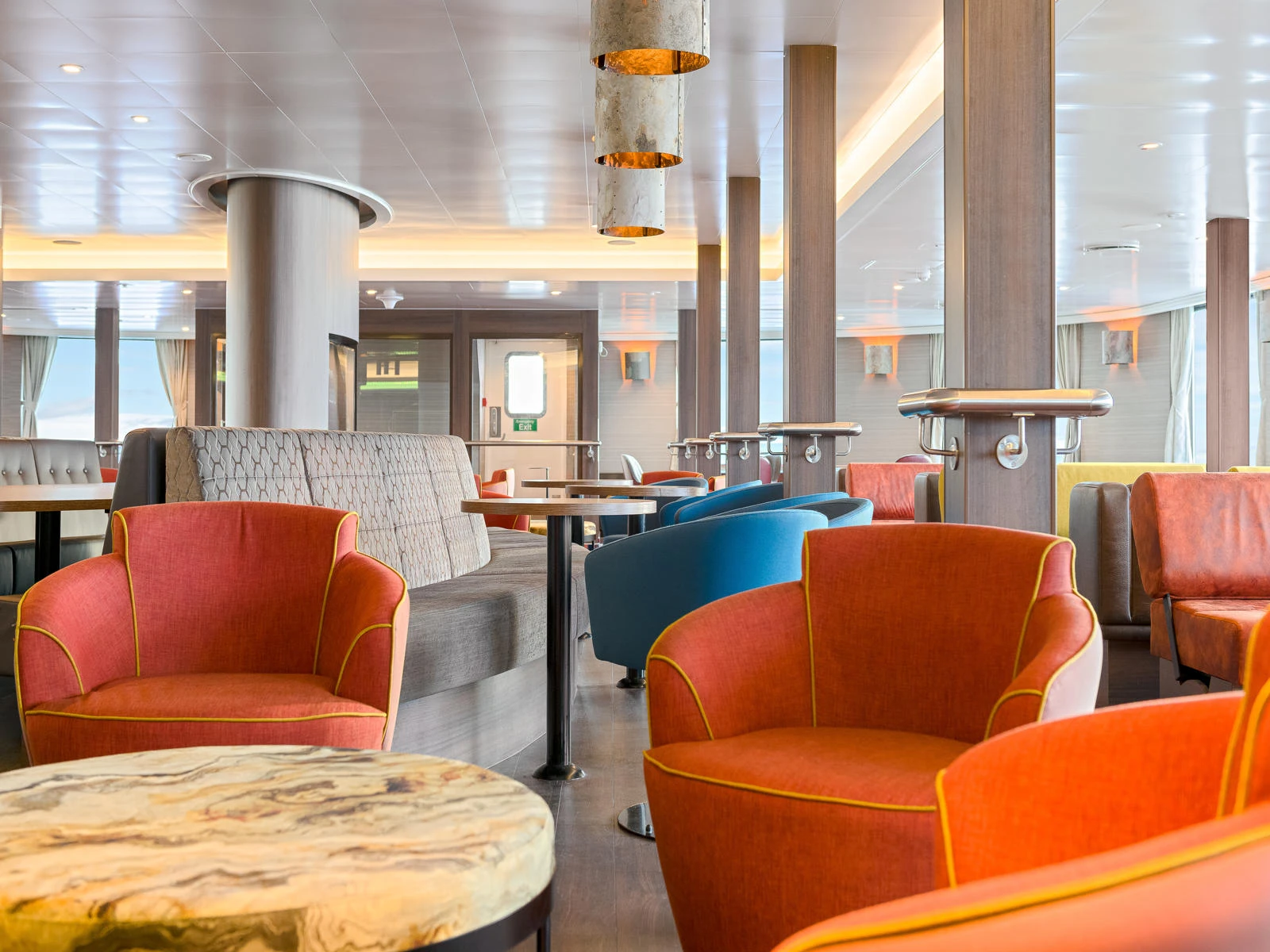
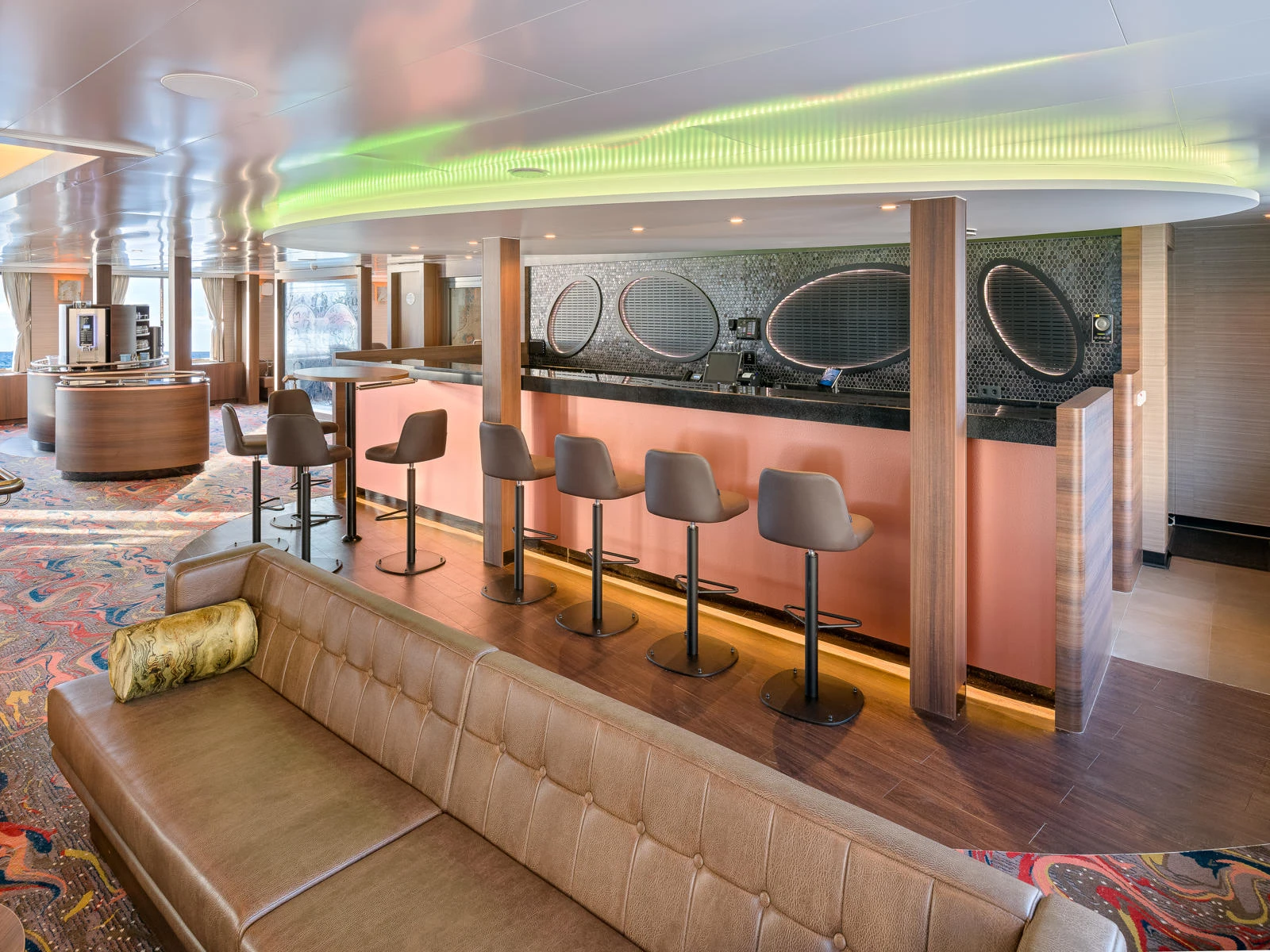
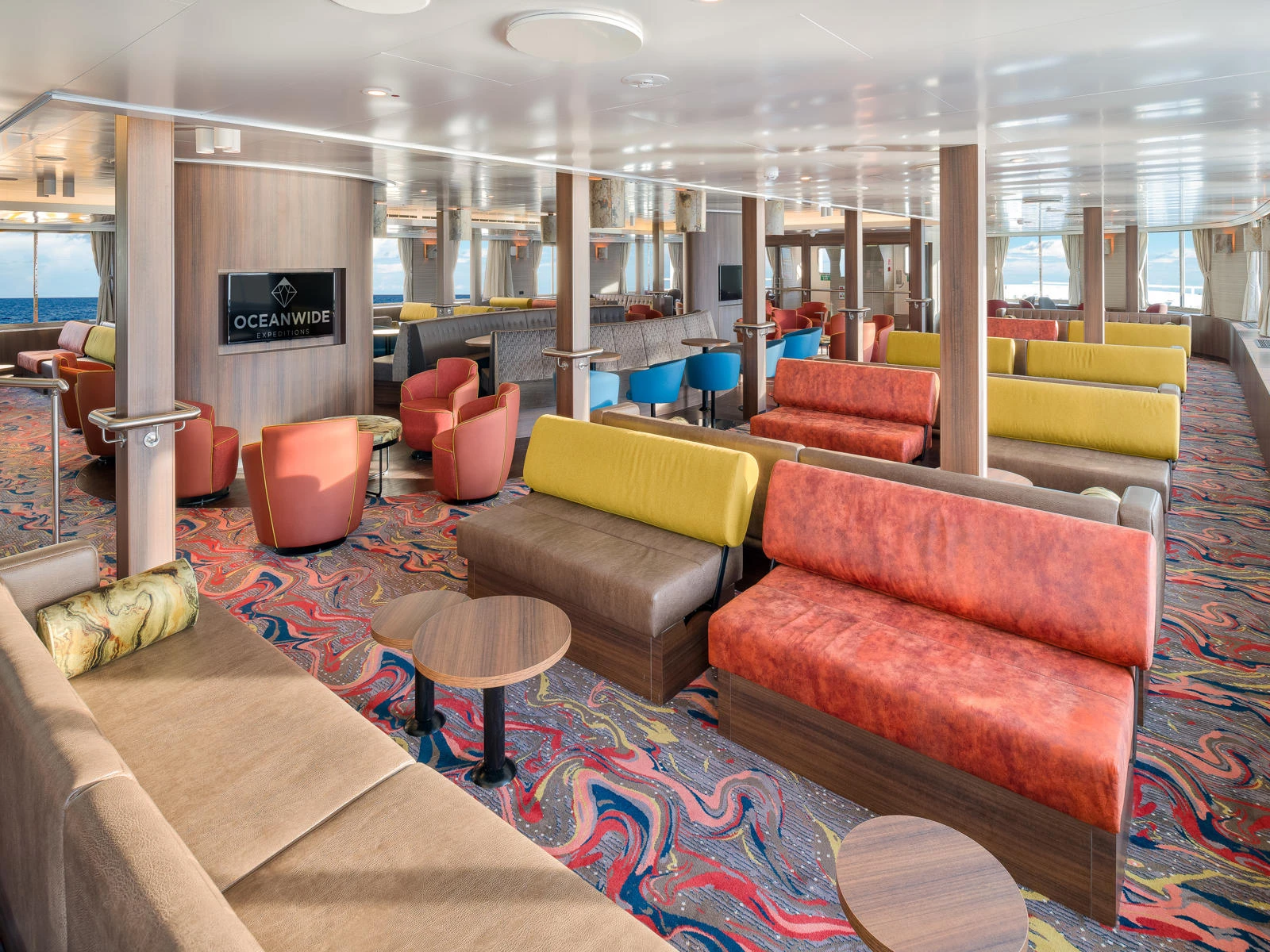
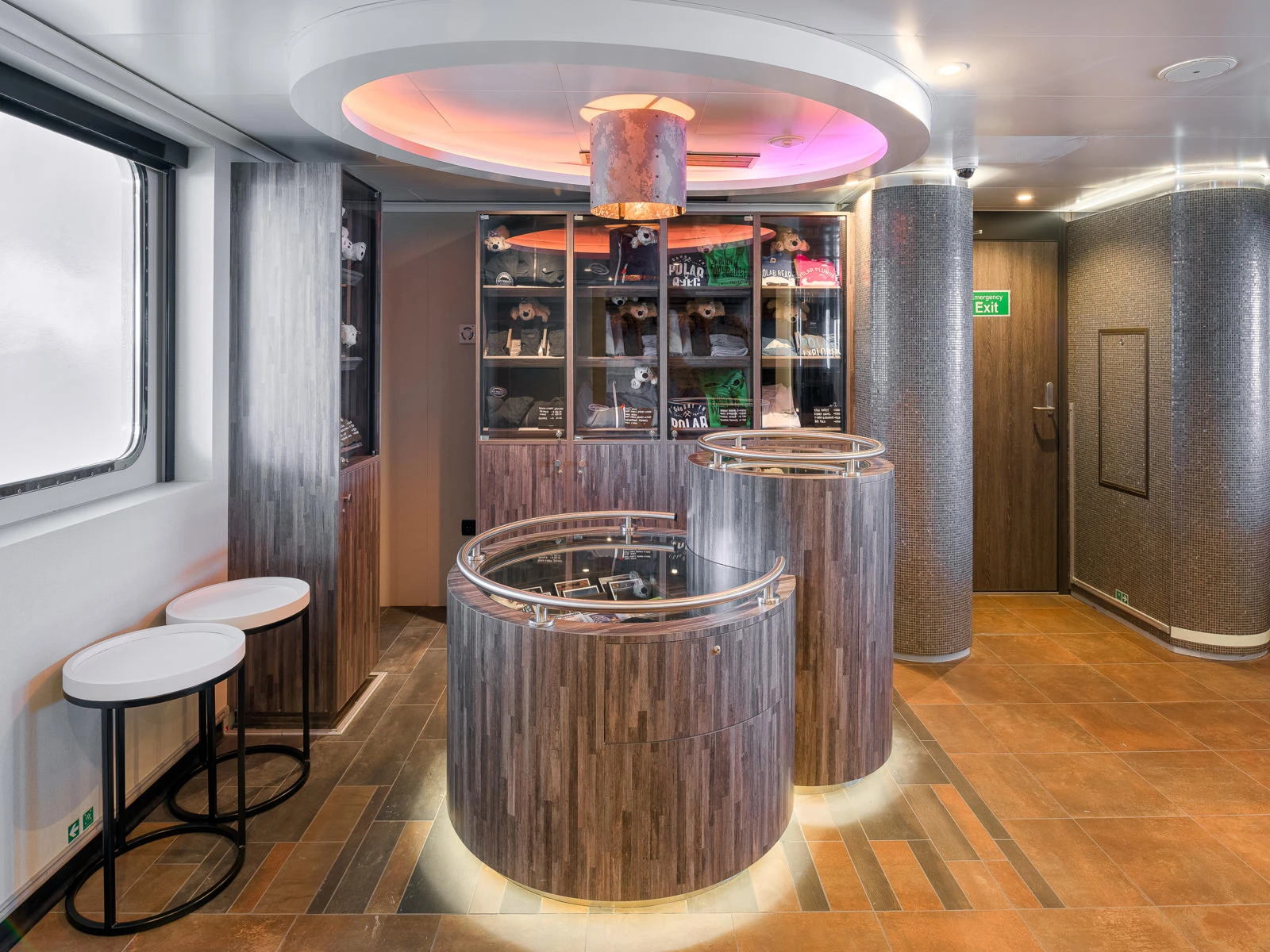
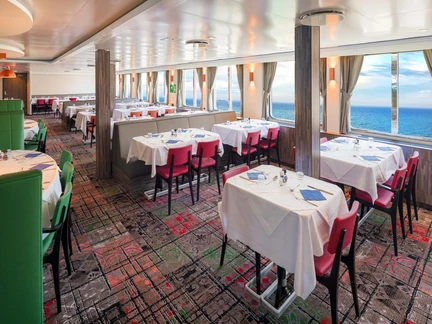
Ship Interior Gallery
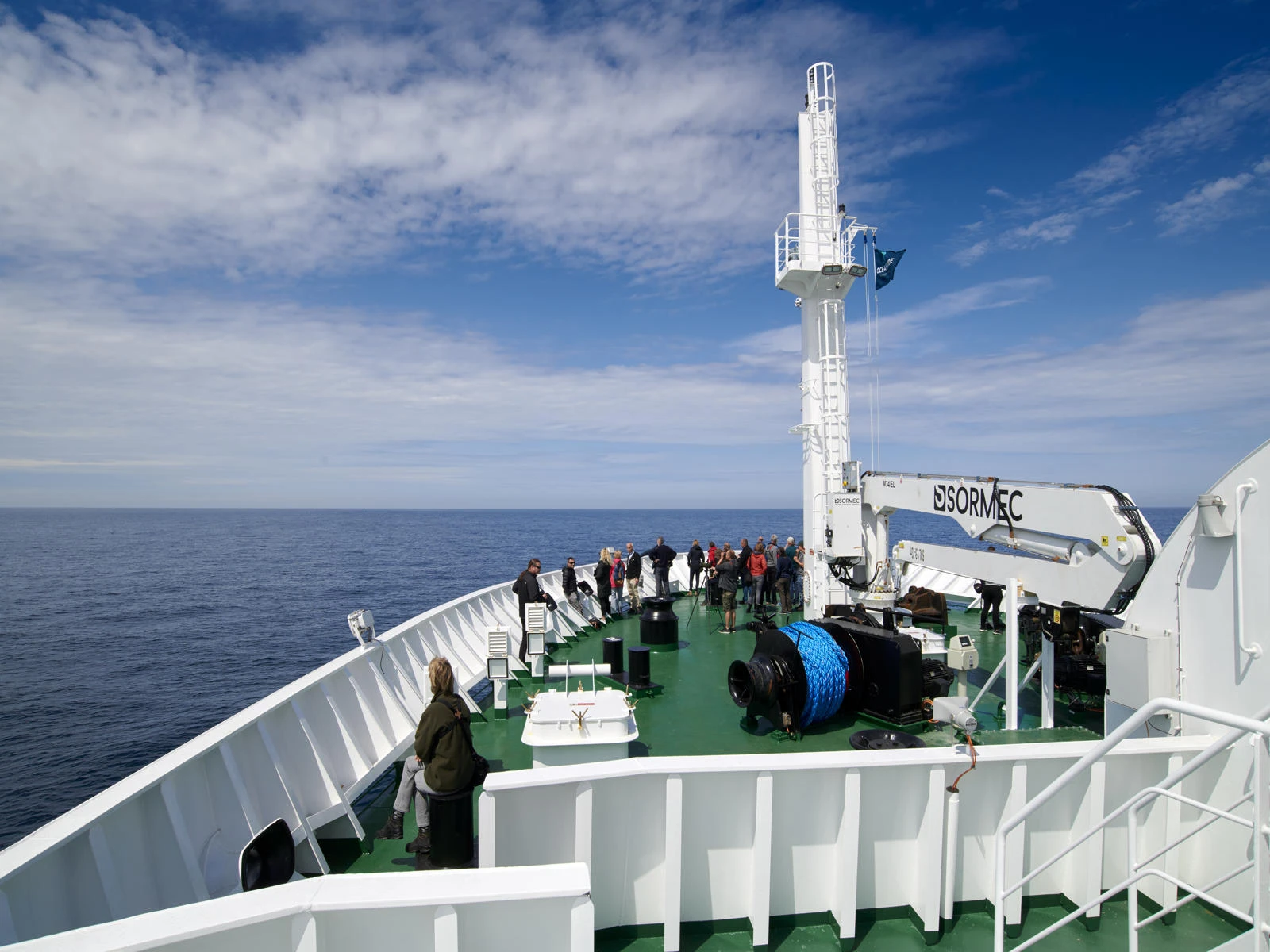
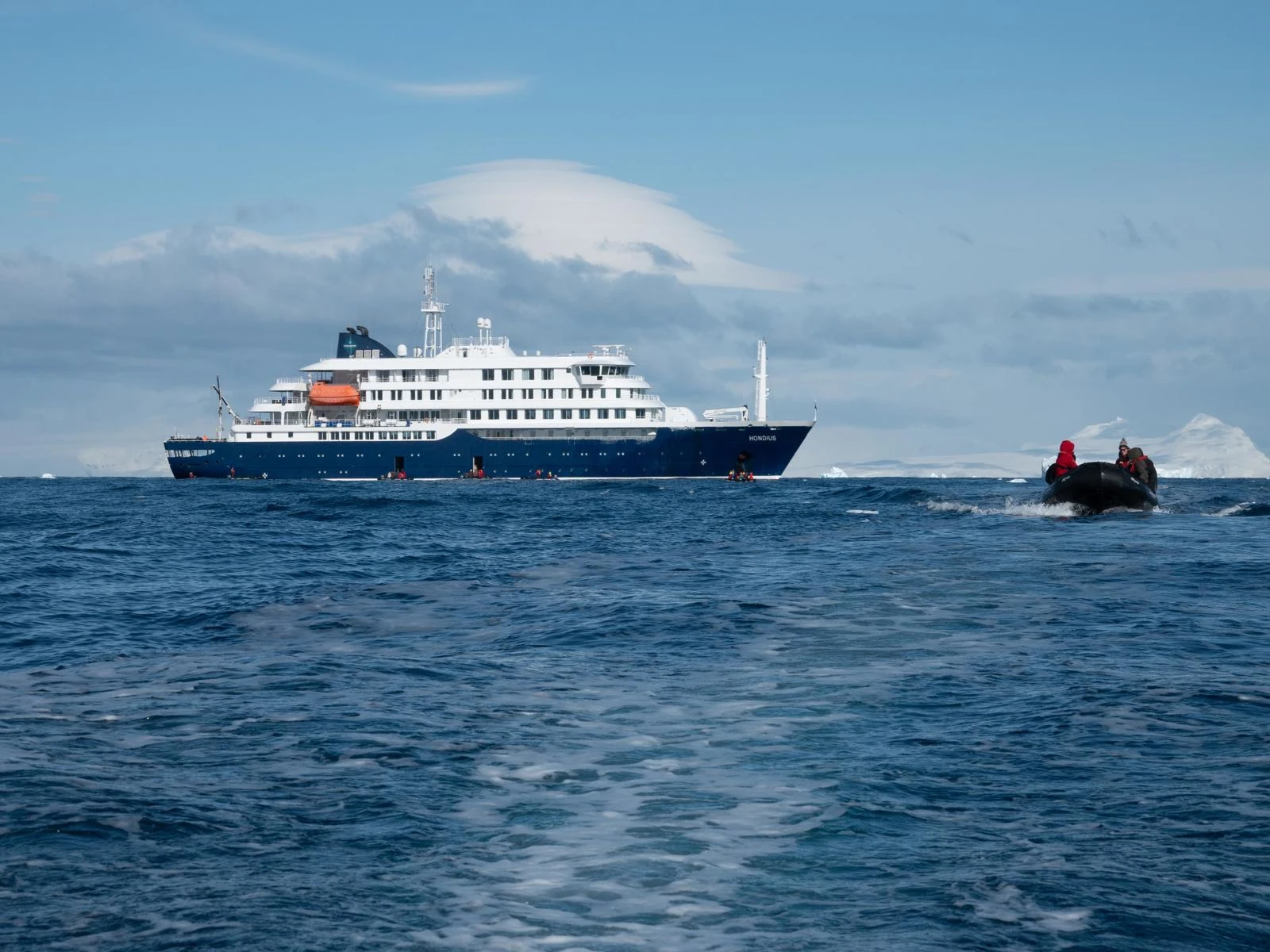
Ship Exterior Gallery
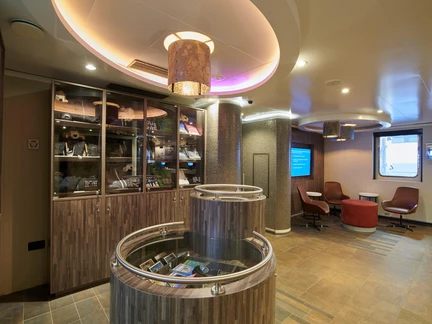
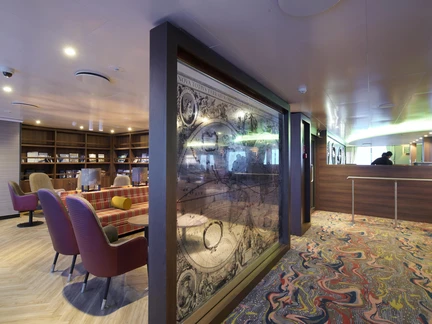
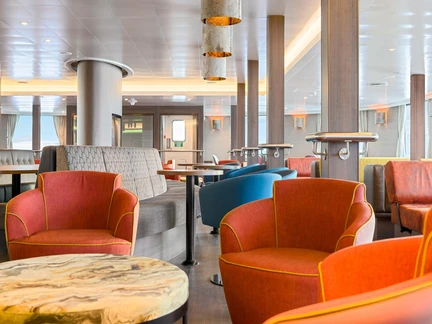
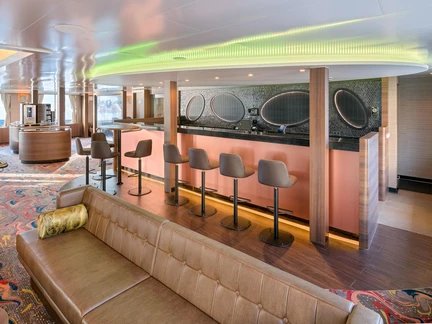
Hondius is the first-registered Polar Class 6 vessel in the world, meeting the latest and highest Lloyd’s Register standards for ice-strengthened cruise ships. Surpassing the requirements of the Polar Code adopted by the International Maritime Organization (IMO), Hondius represents the most flexible, advanced, innovative touring vessel in the polar regions, thoroughly optimized for exploratory voyages that provide you the utmost first-hand contact with the Arctic and Antarctica.
Happier polar passengers, healthier polar environment
Not only will the numerous amenities and on-board entertainments help make your Hondius voyage truly memorable, this ship also gives you the peace of mind that comes with choosing one of the most environmentally friendly vessel on the polar seas.
Hondius uses LED lighting, steam heating, bio-degradable paints and lubricants, and state-of-the-art power management systems that keep fuel consumption and CO2 levels minimal. This means that when you sail aboard Hondius, you get to enjoy the exotic landscapes and wildlife as much as possible while impacting them as little as possible.
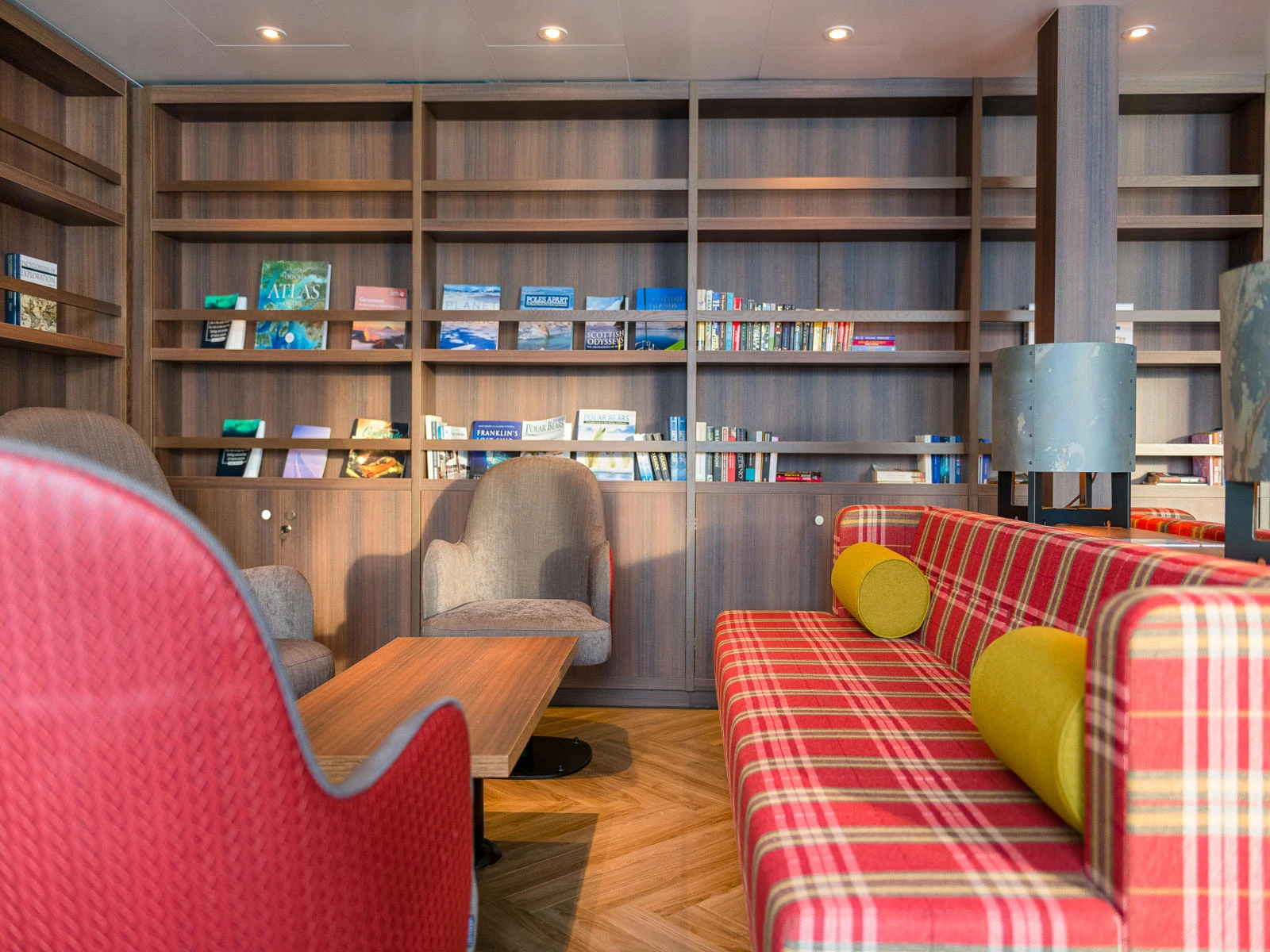
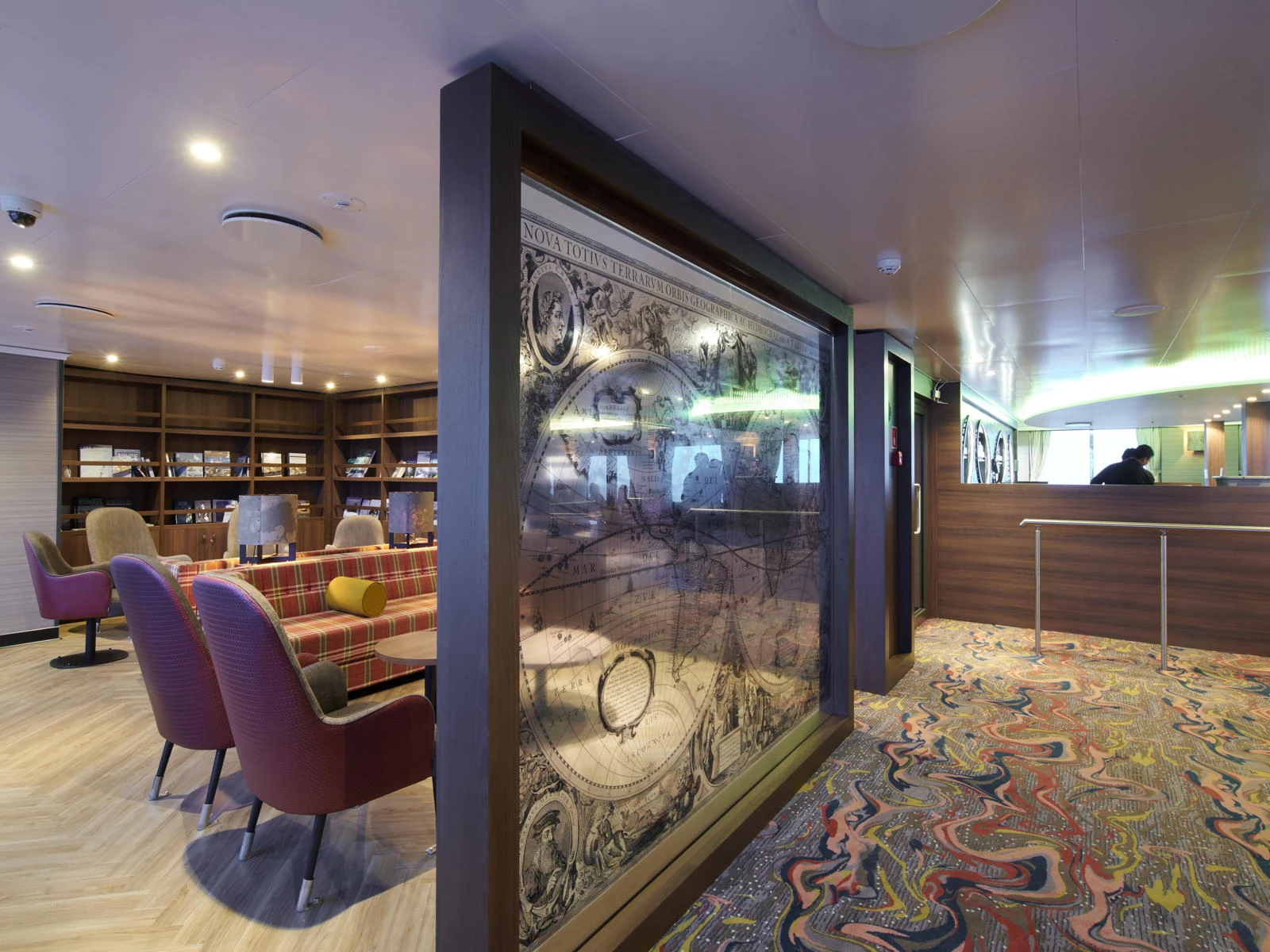
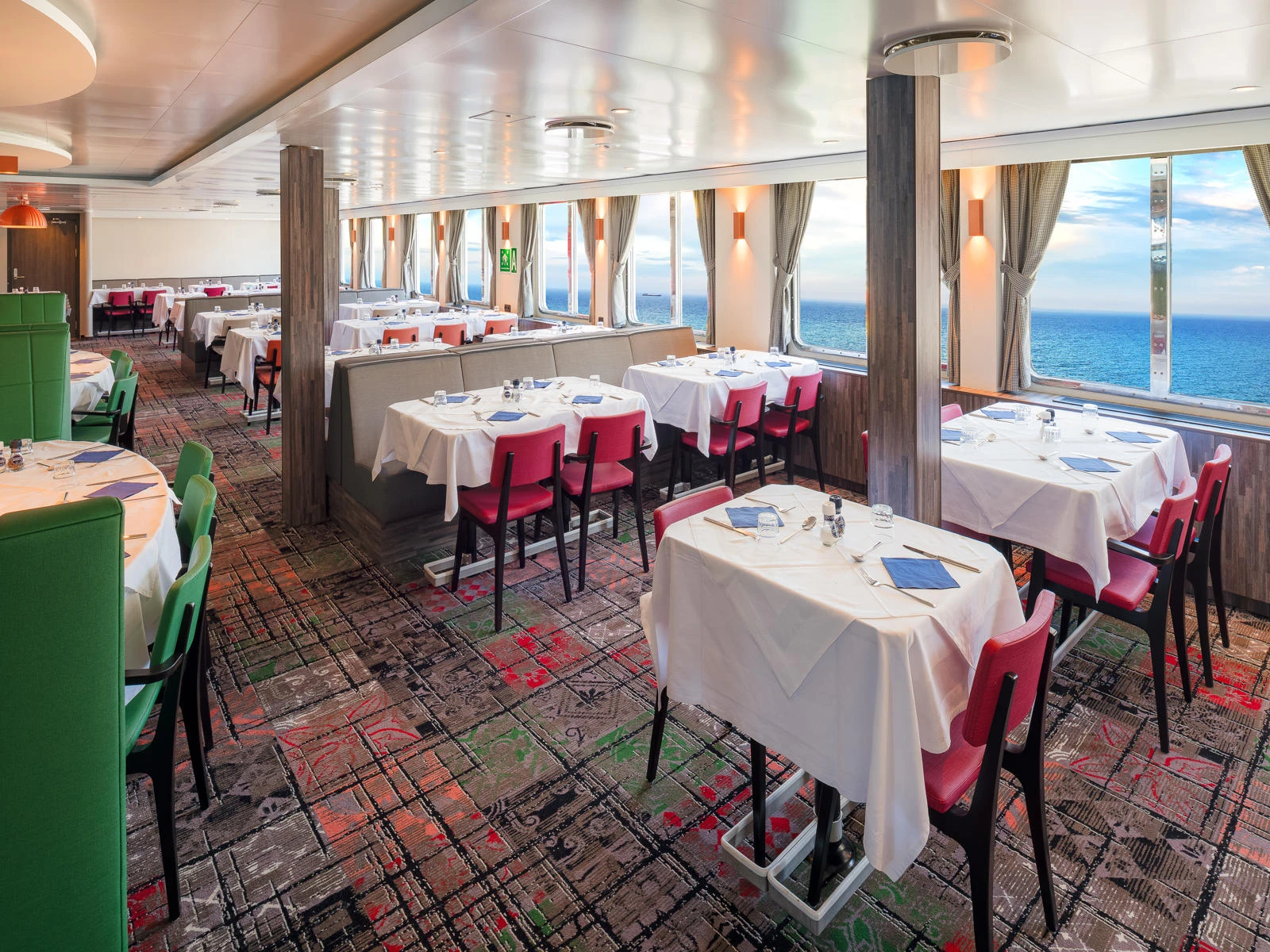
Hotel comfort, expedition class
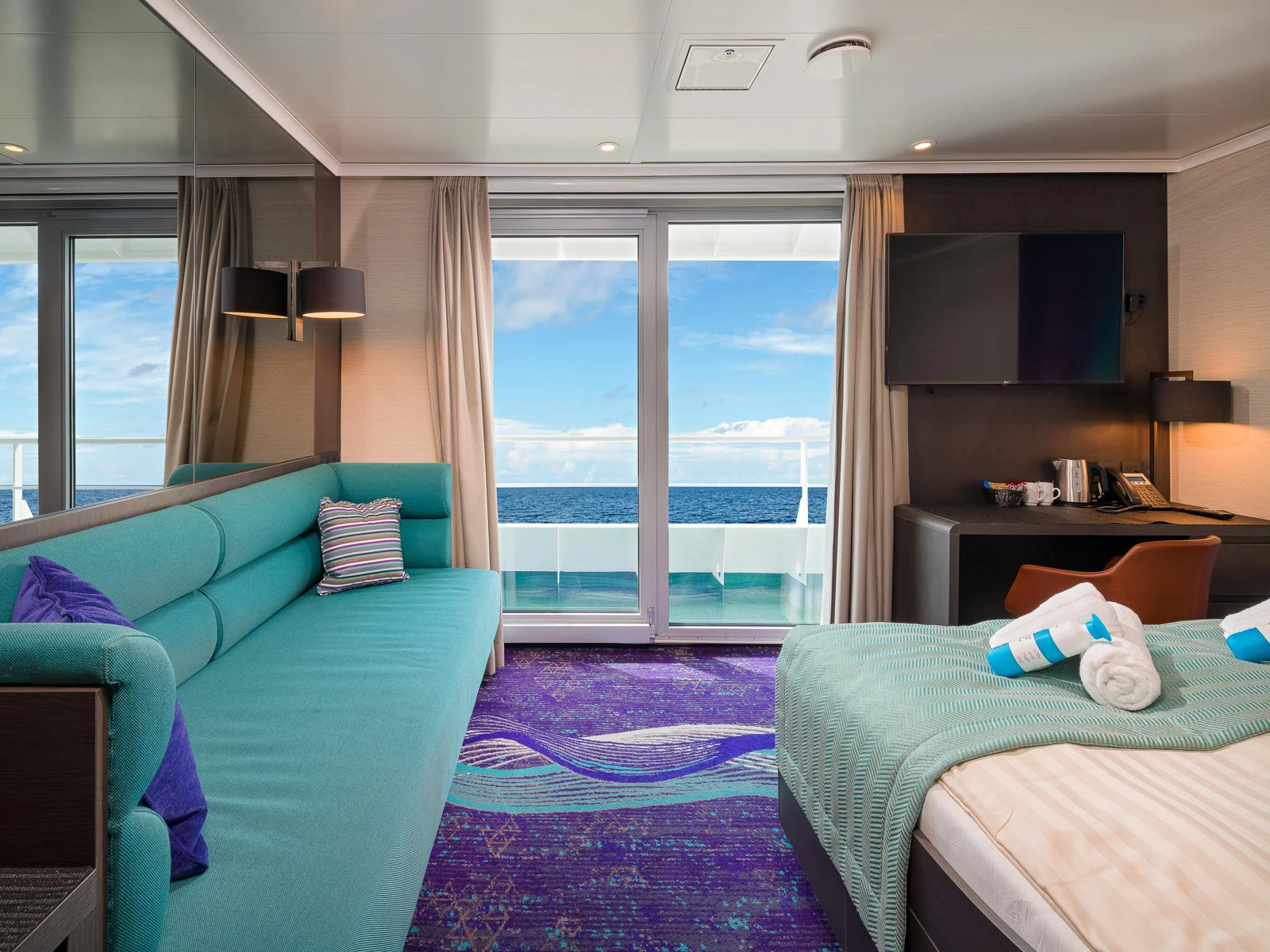
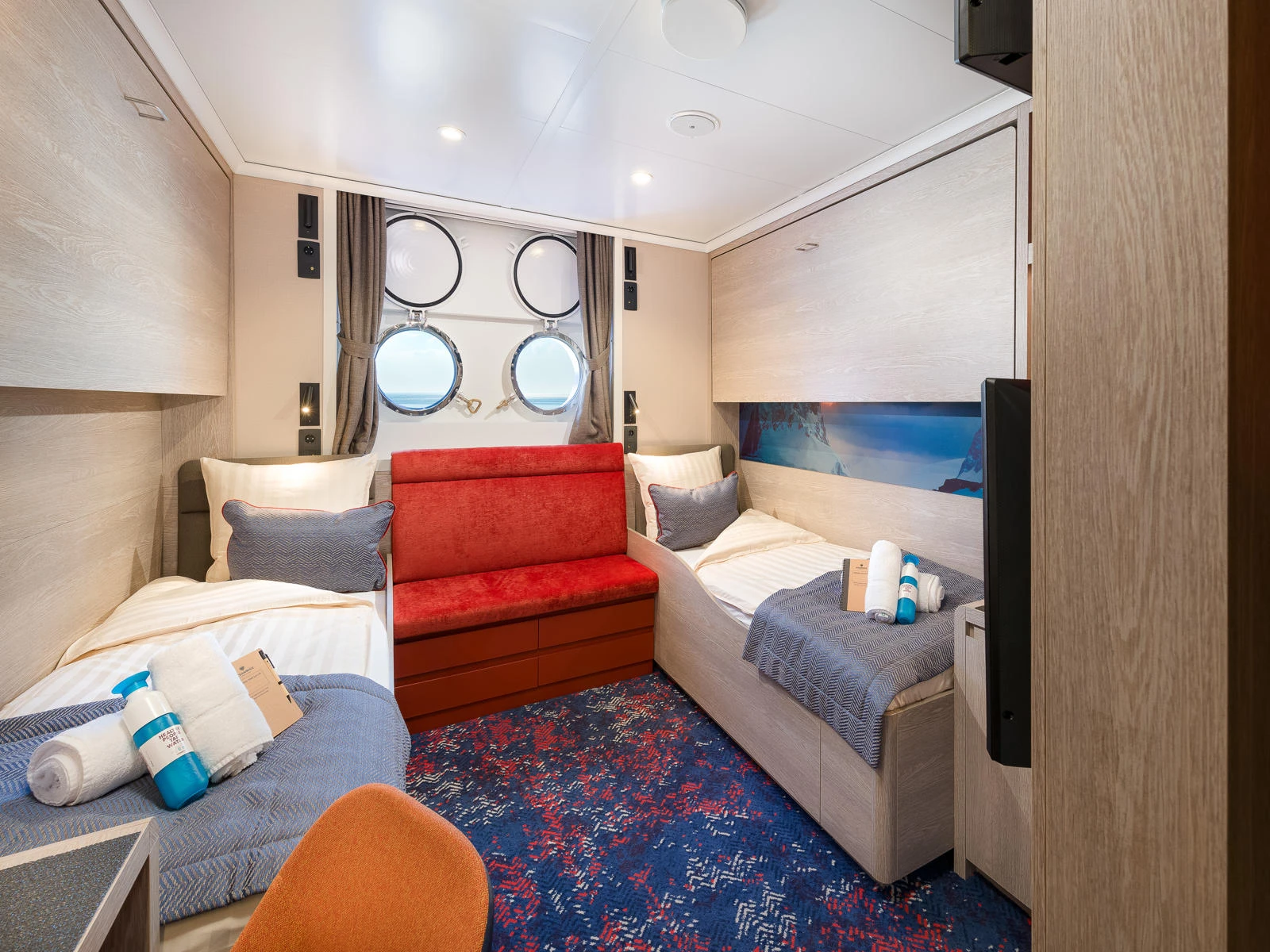
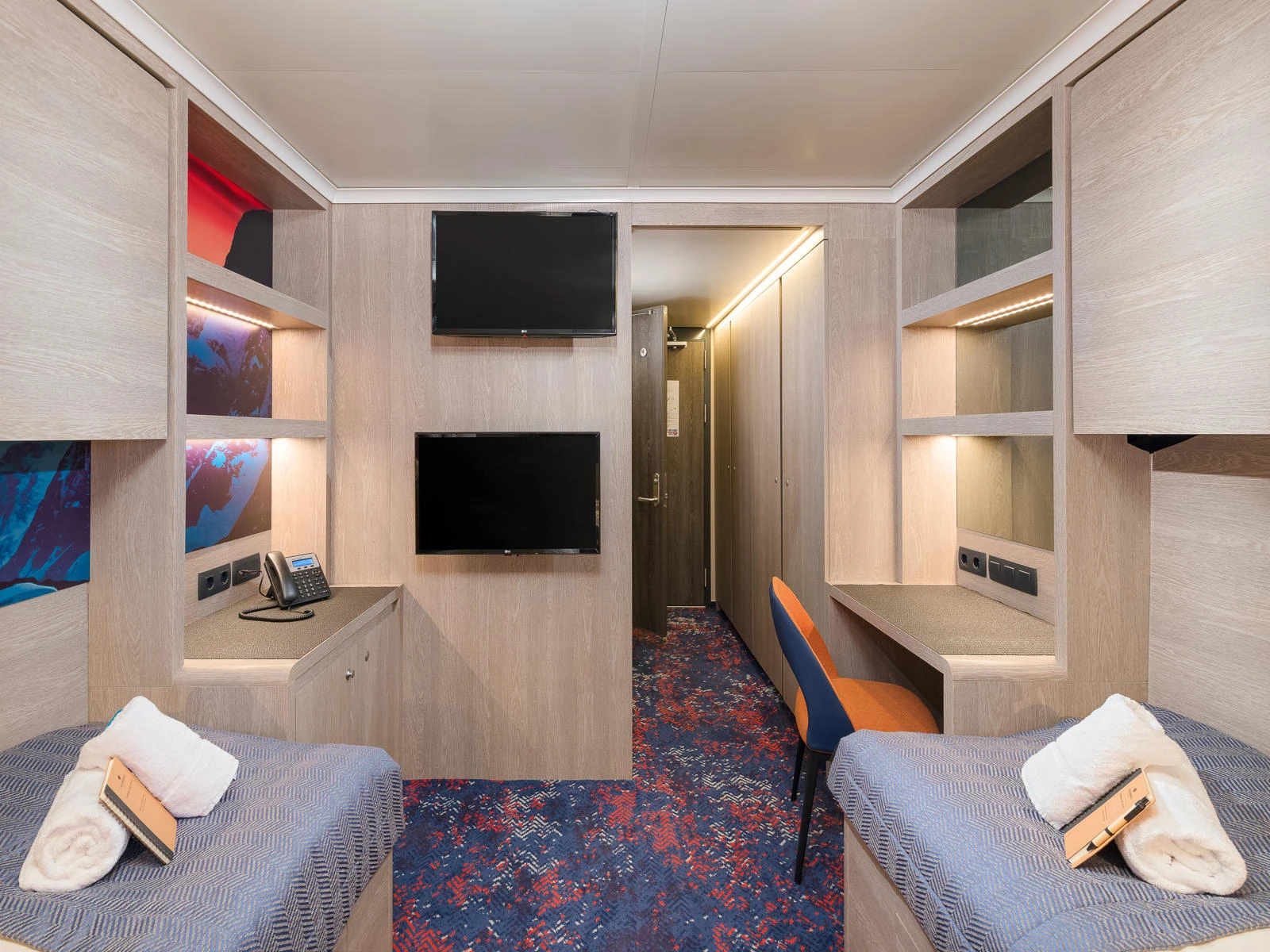
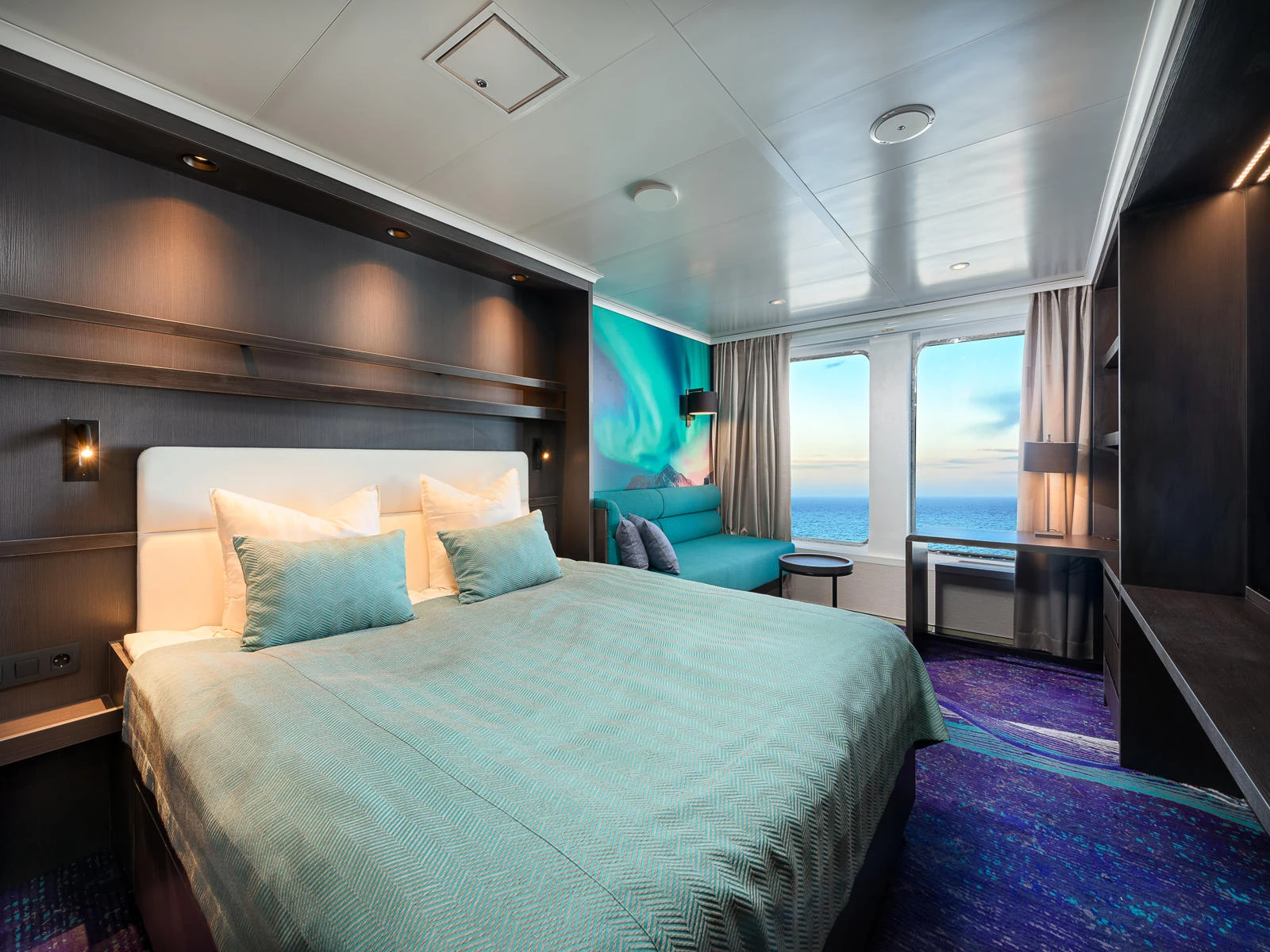
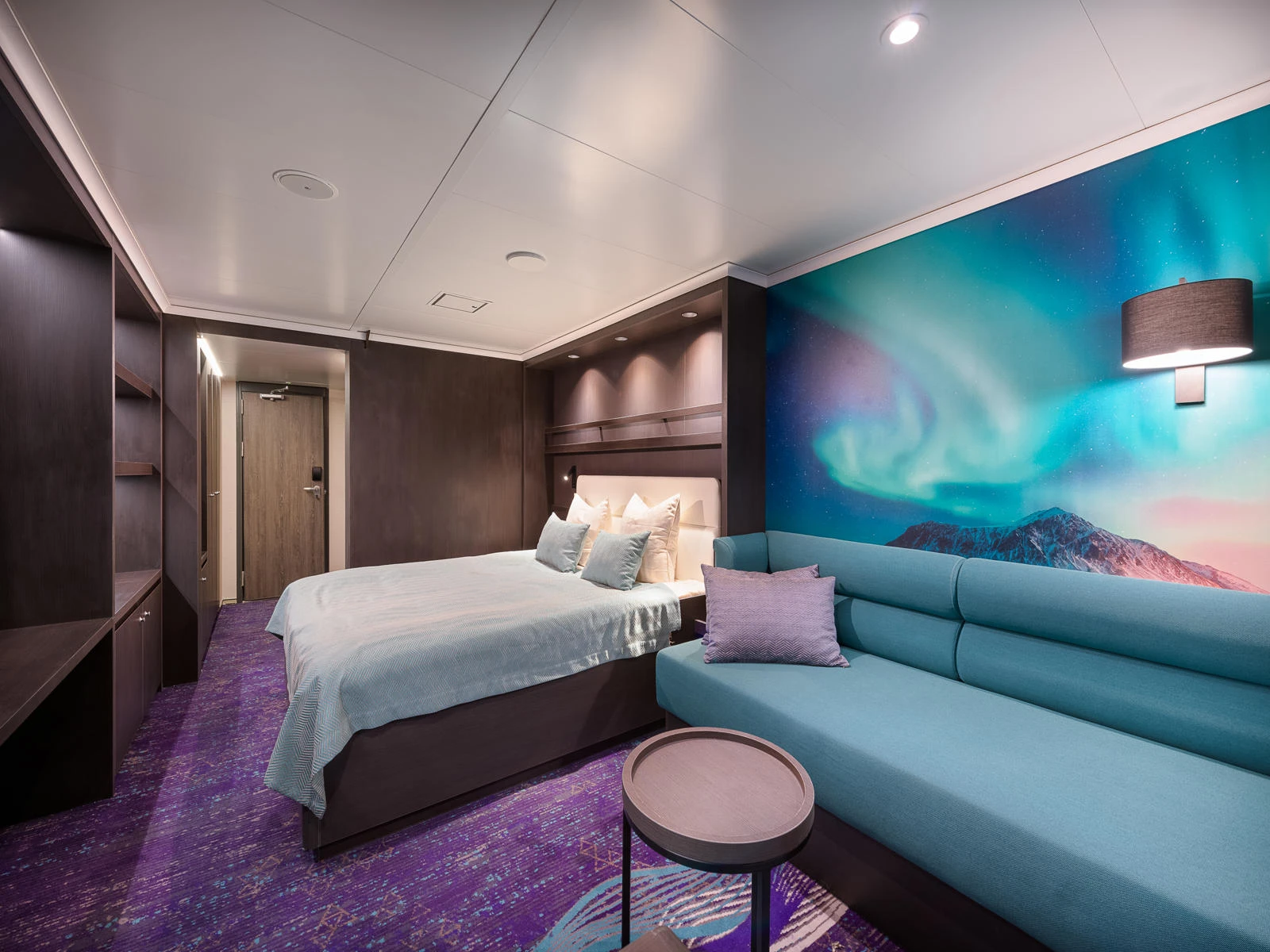
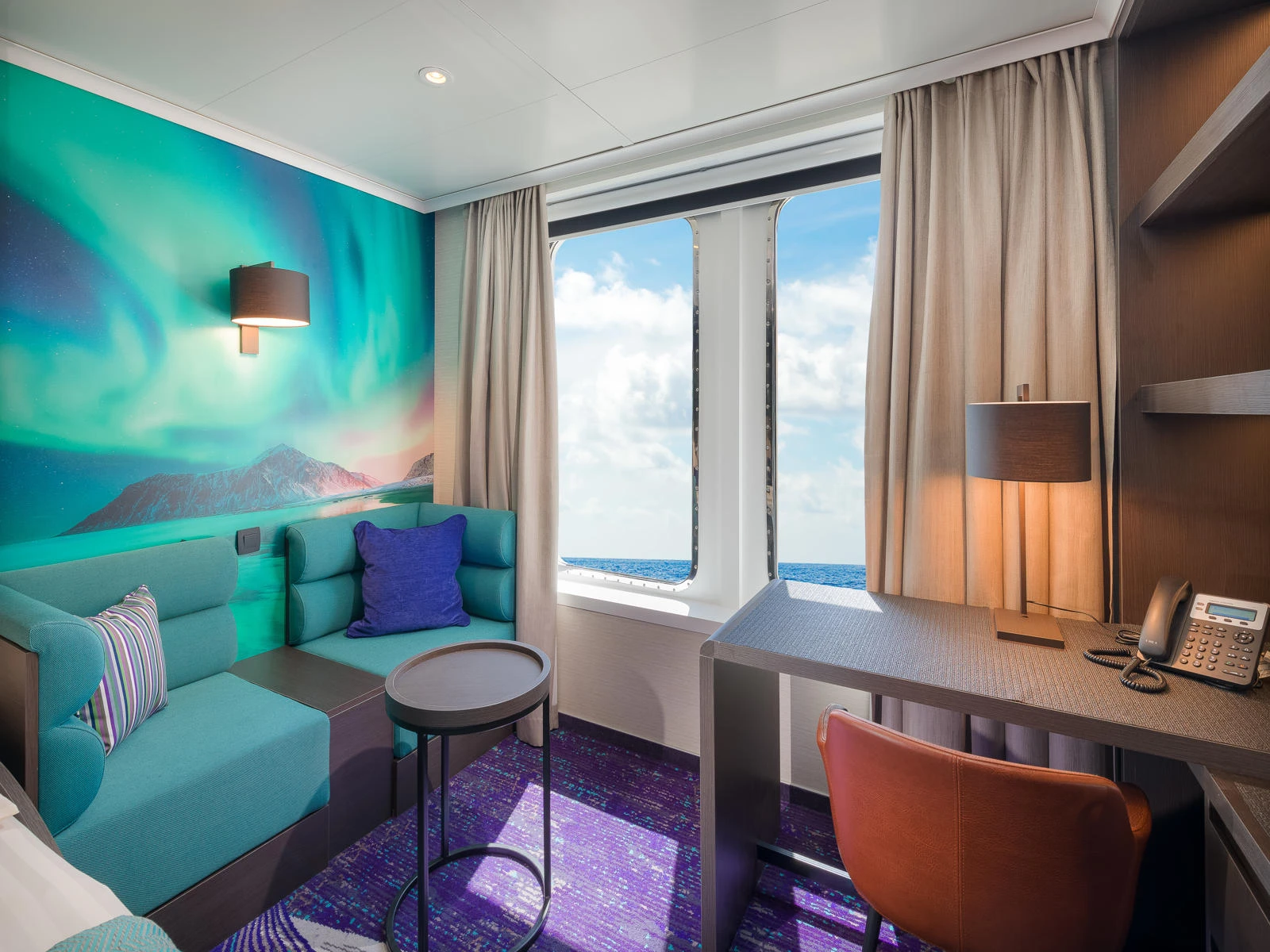
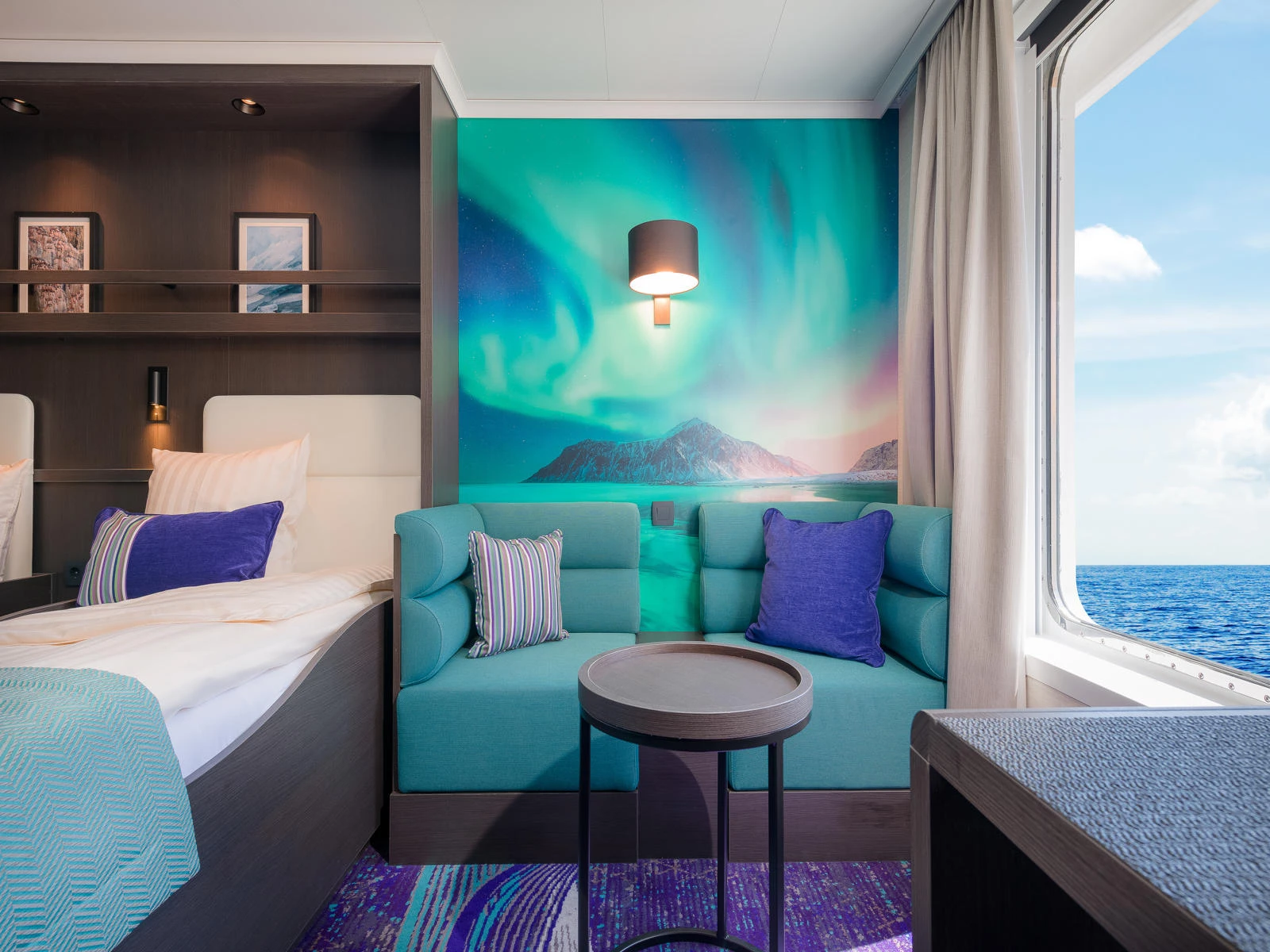
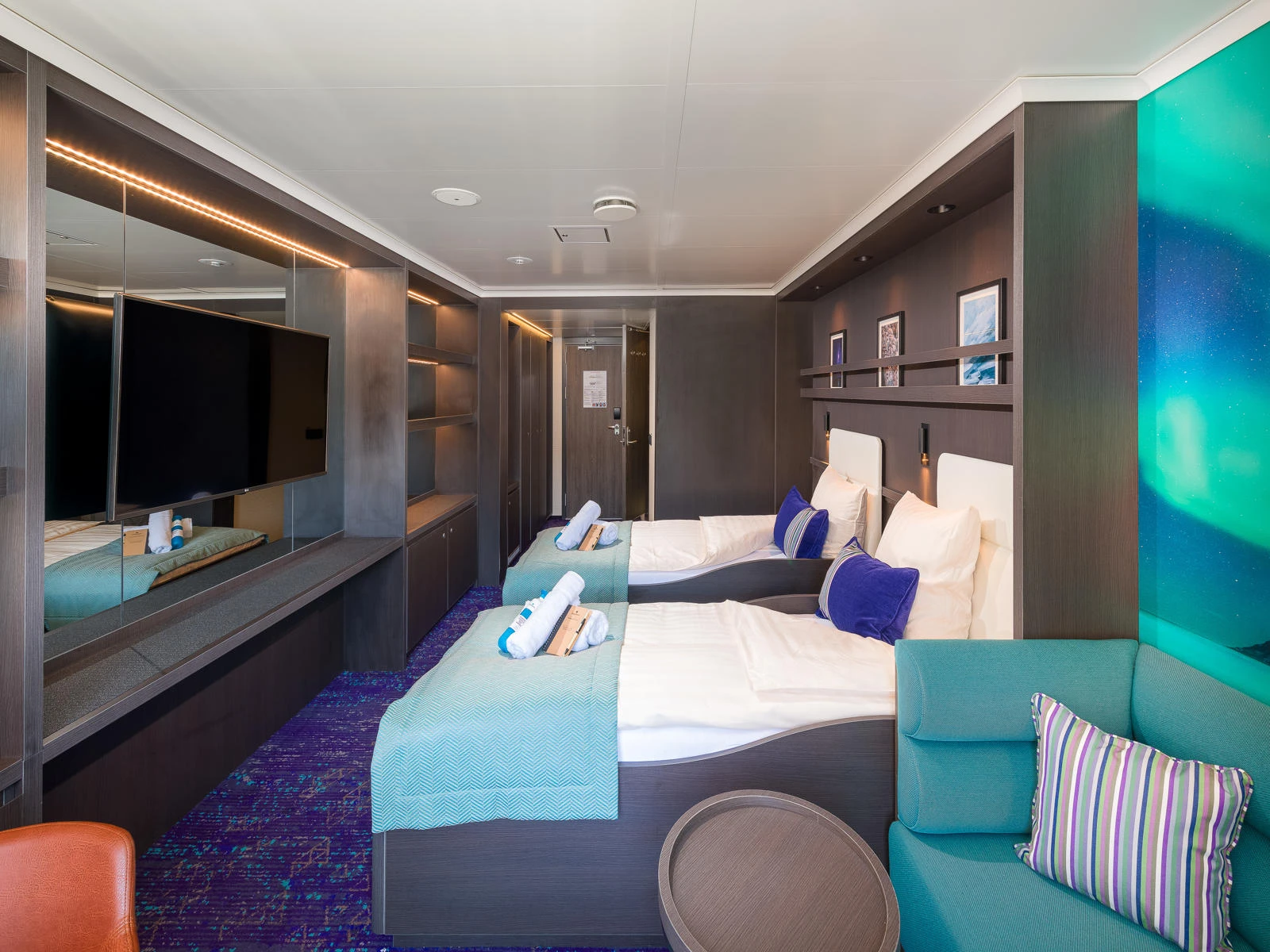
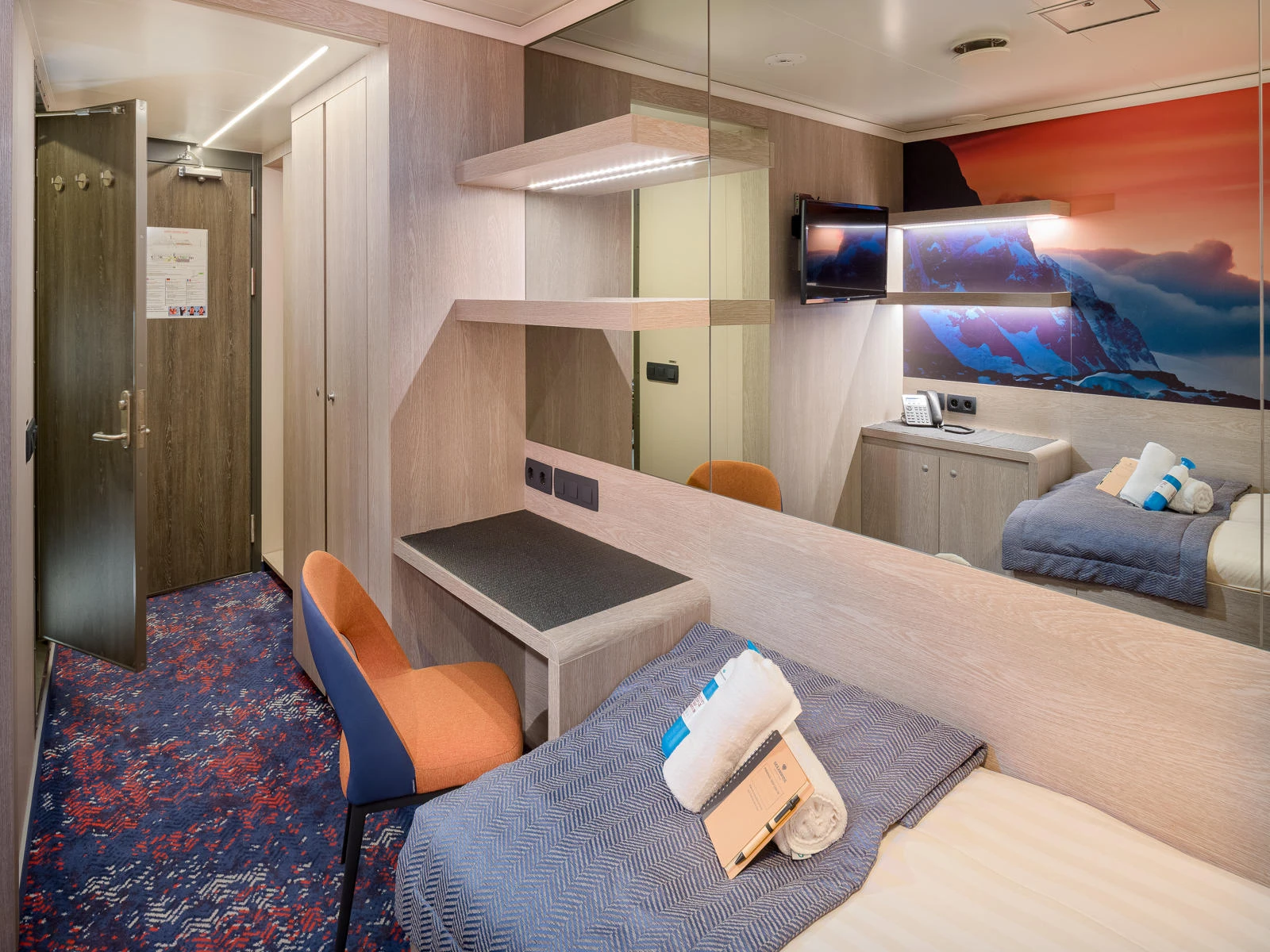
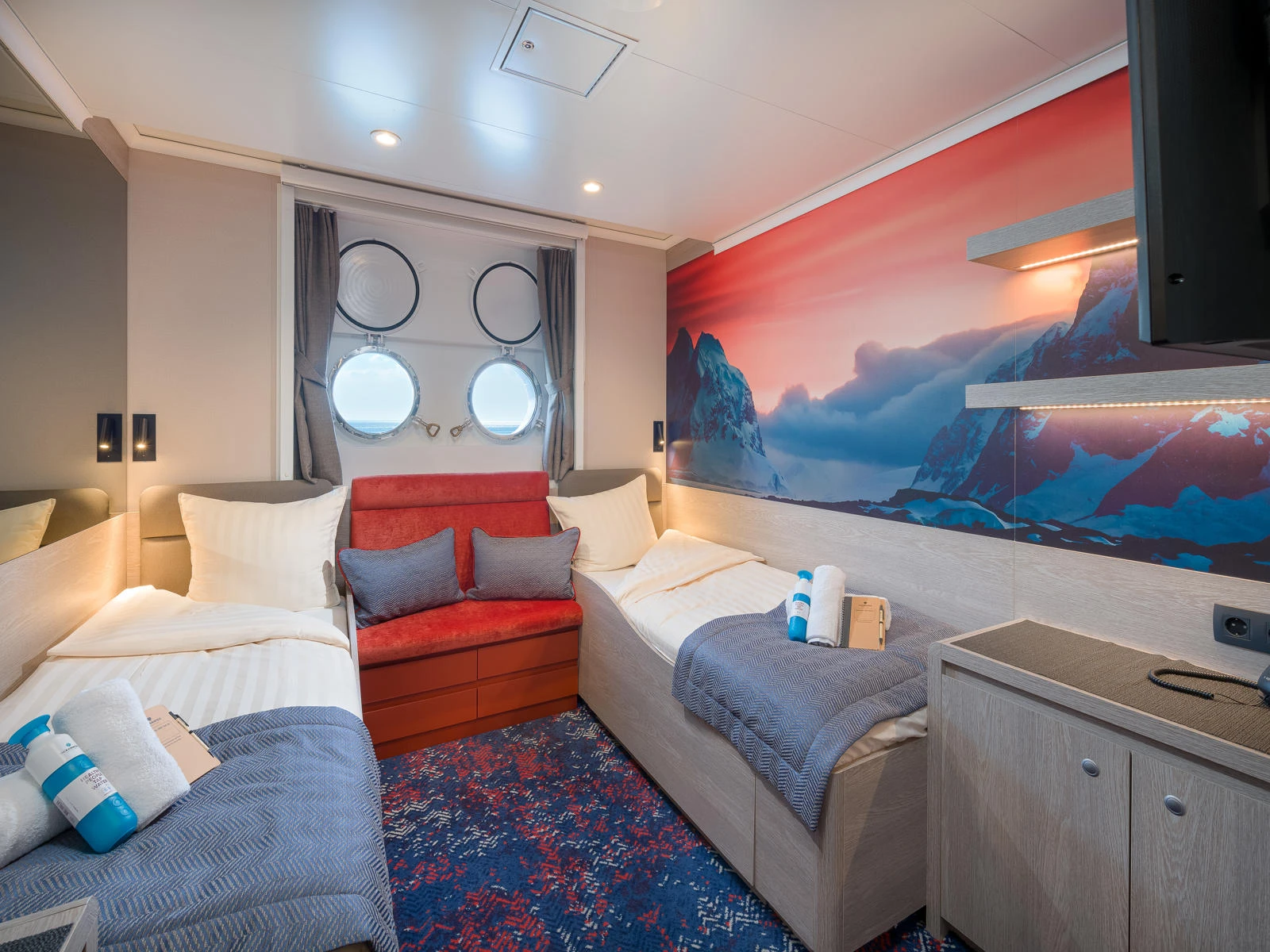
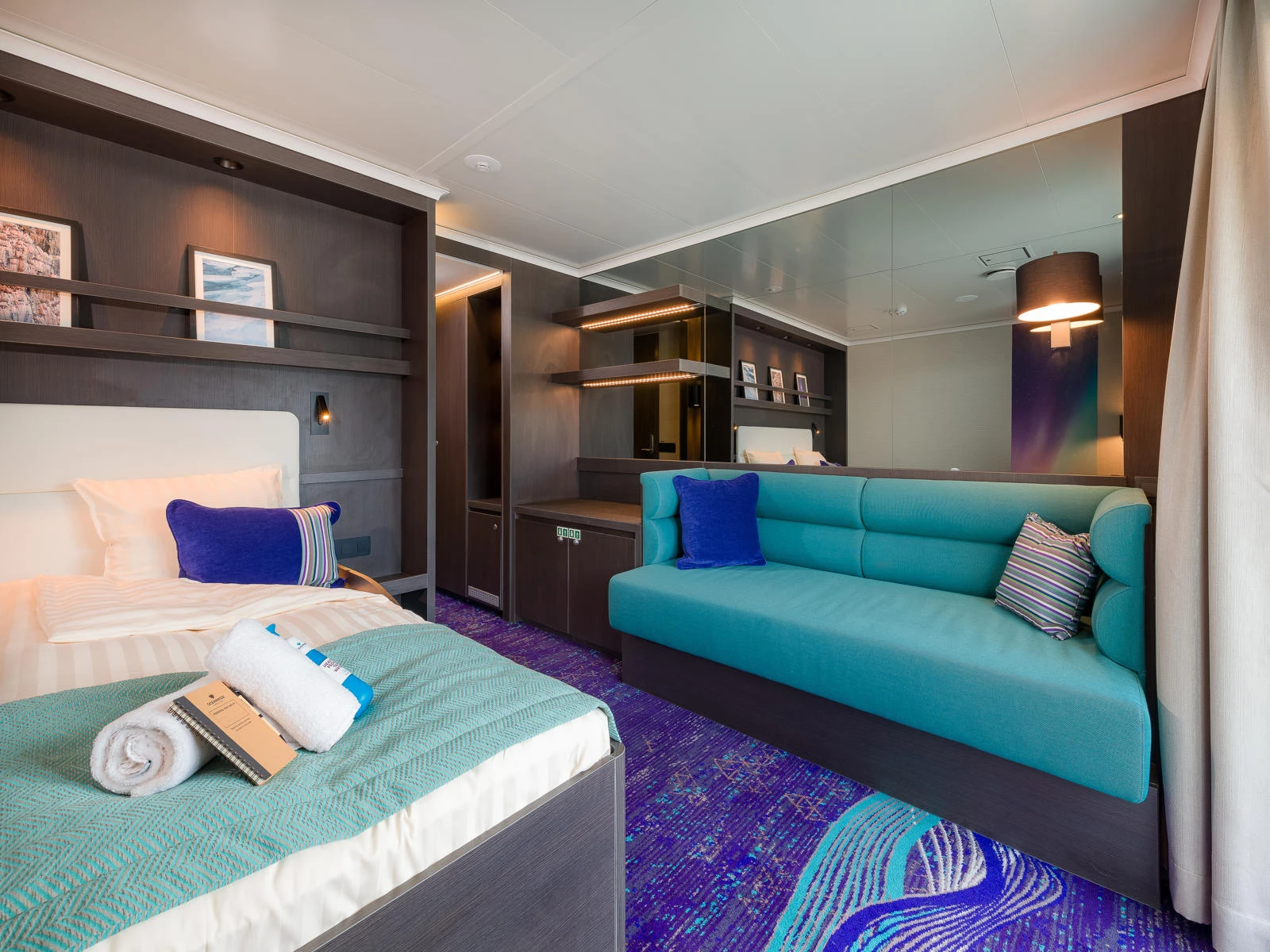
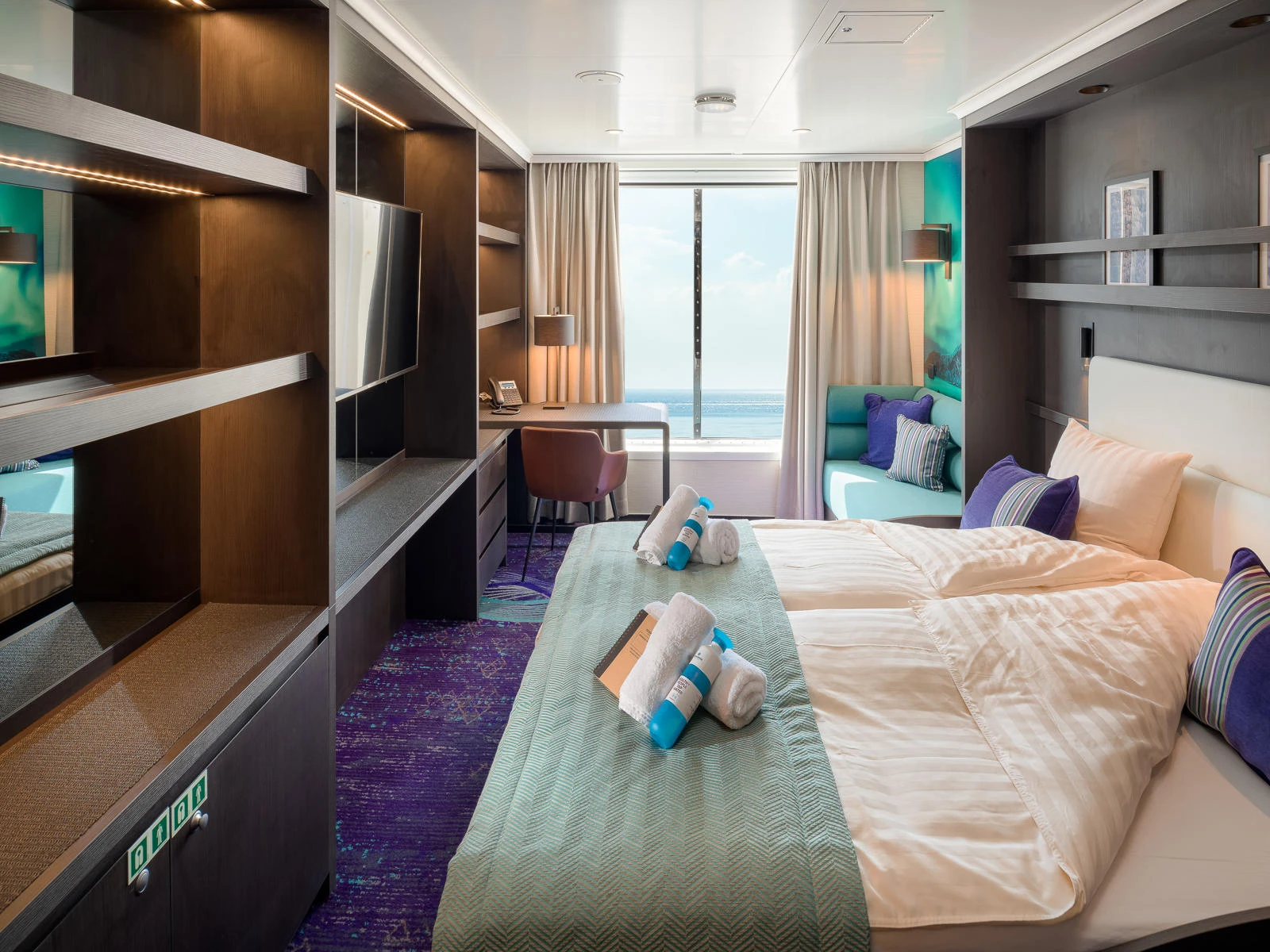
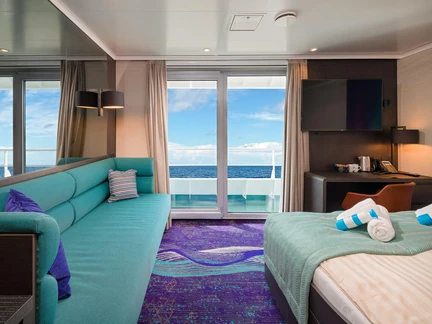
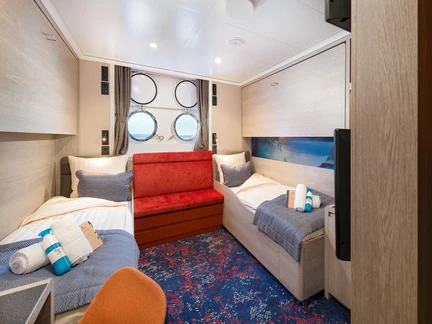
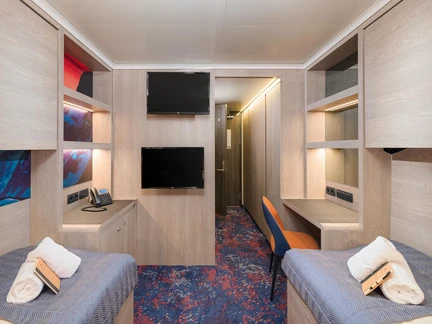
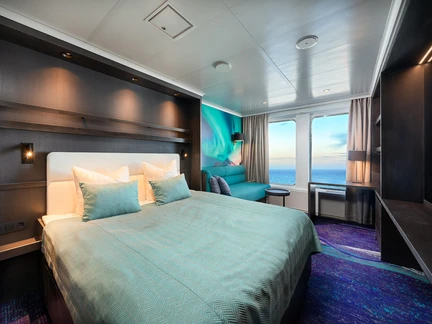
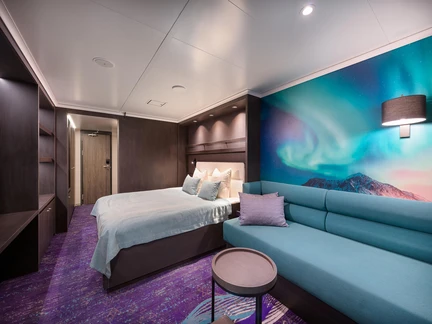
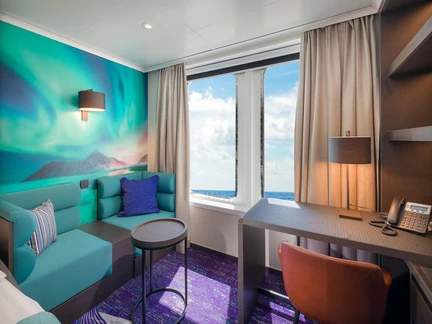
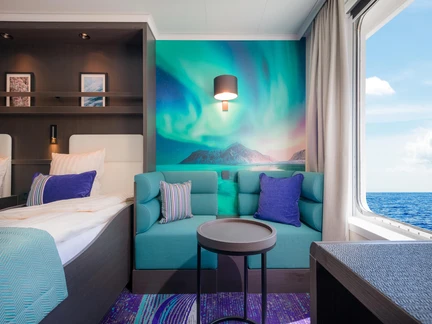
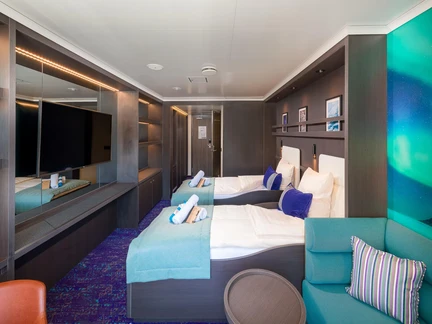
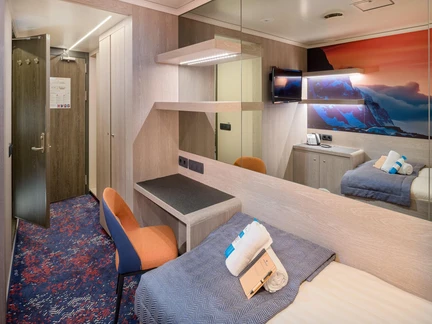
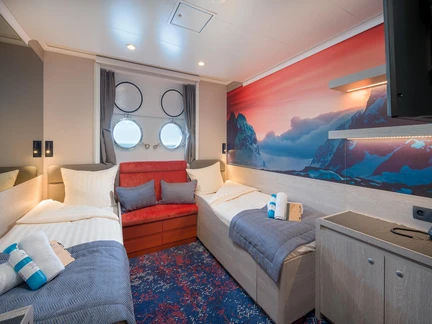
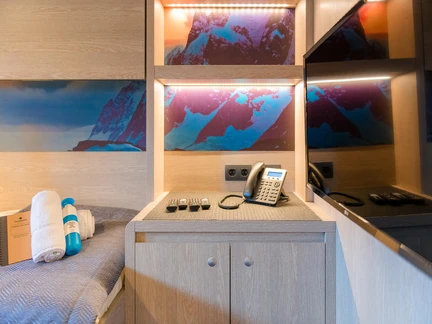
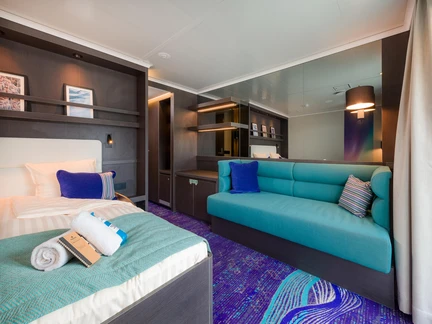
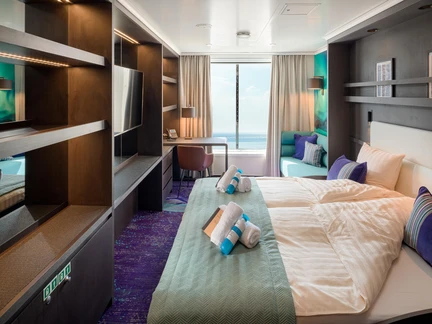
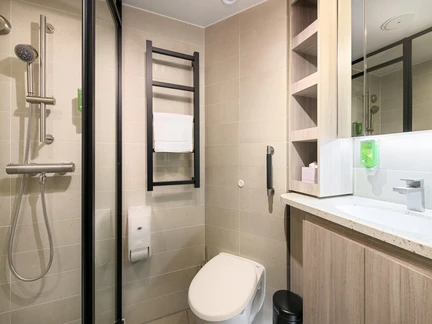
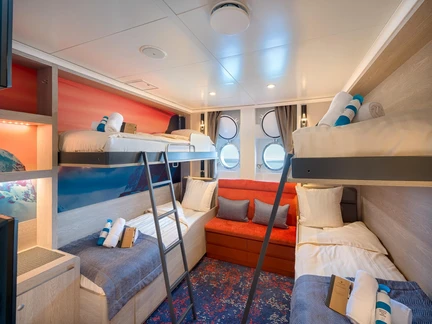
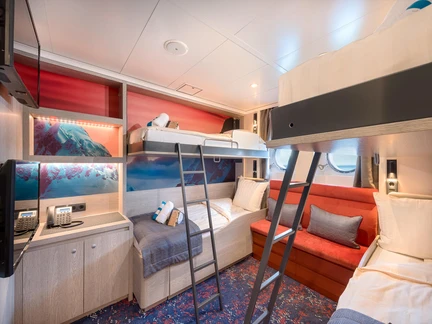
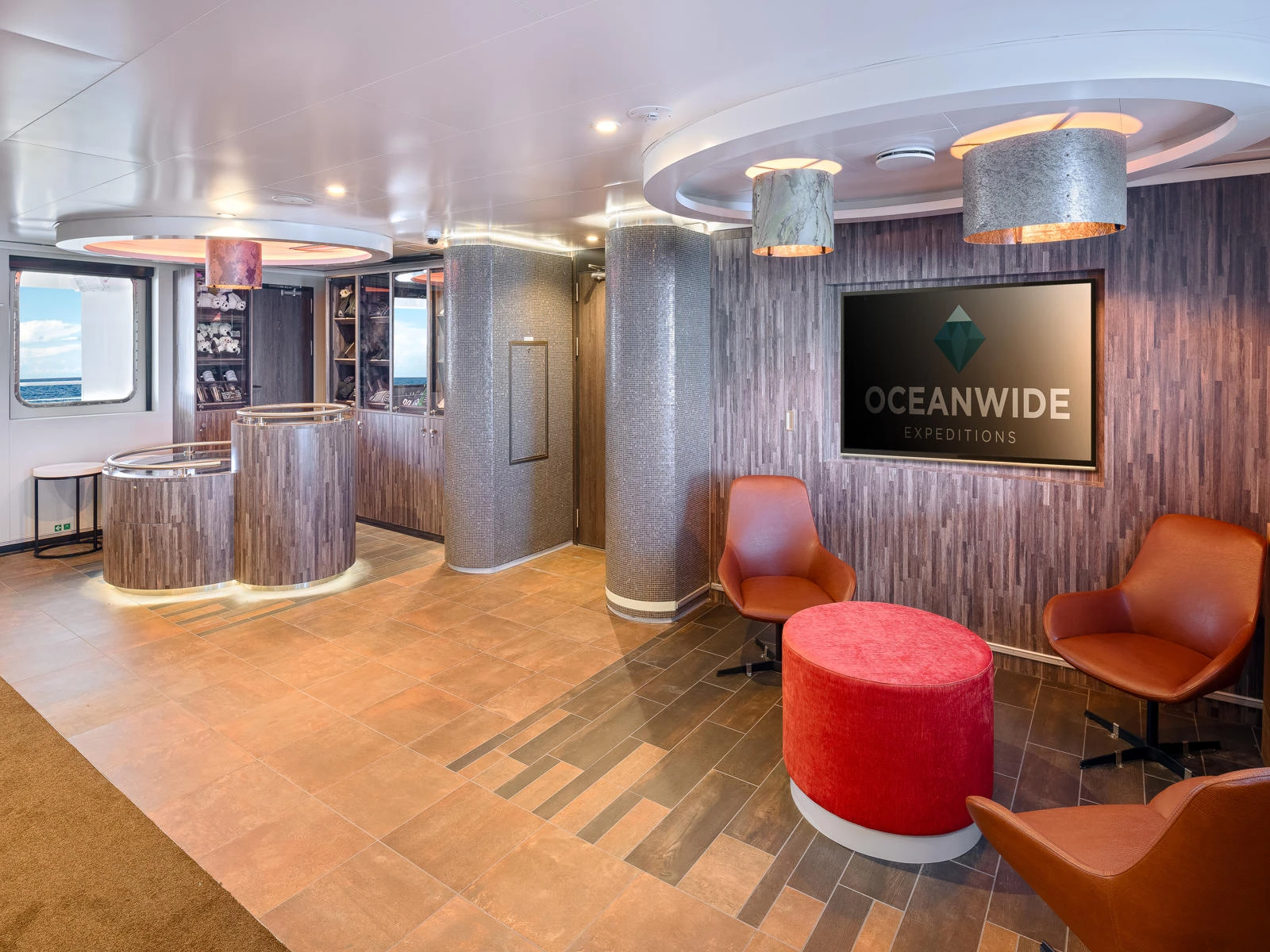
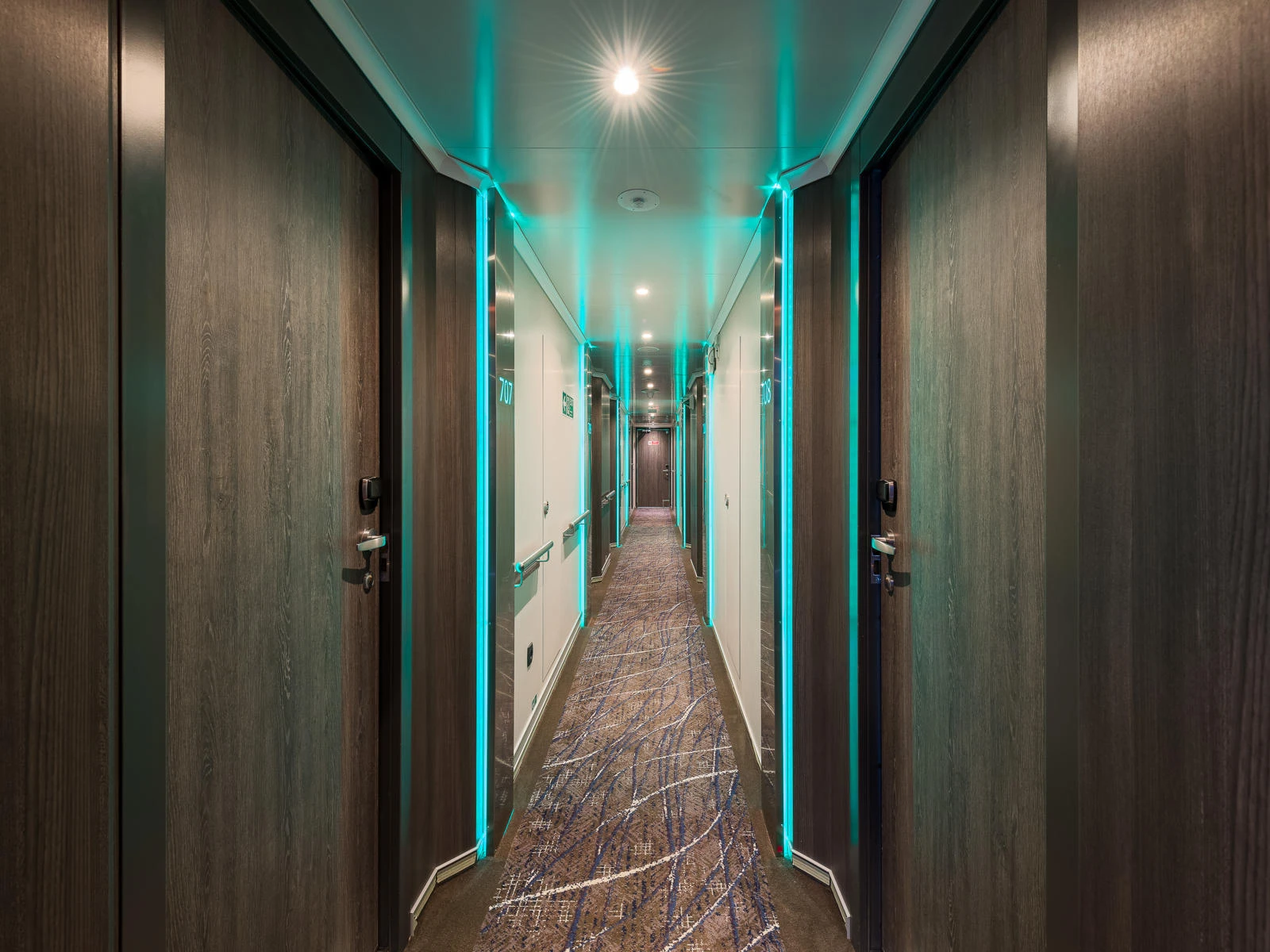
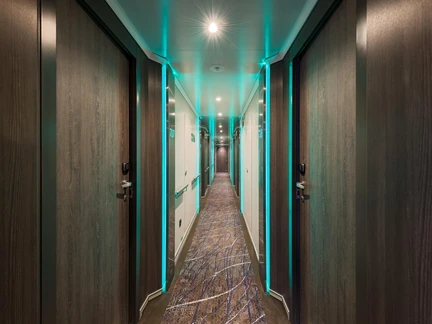
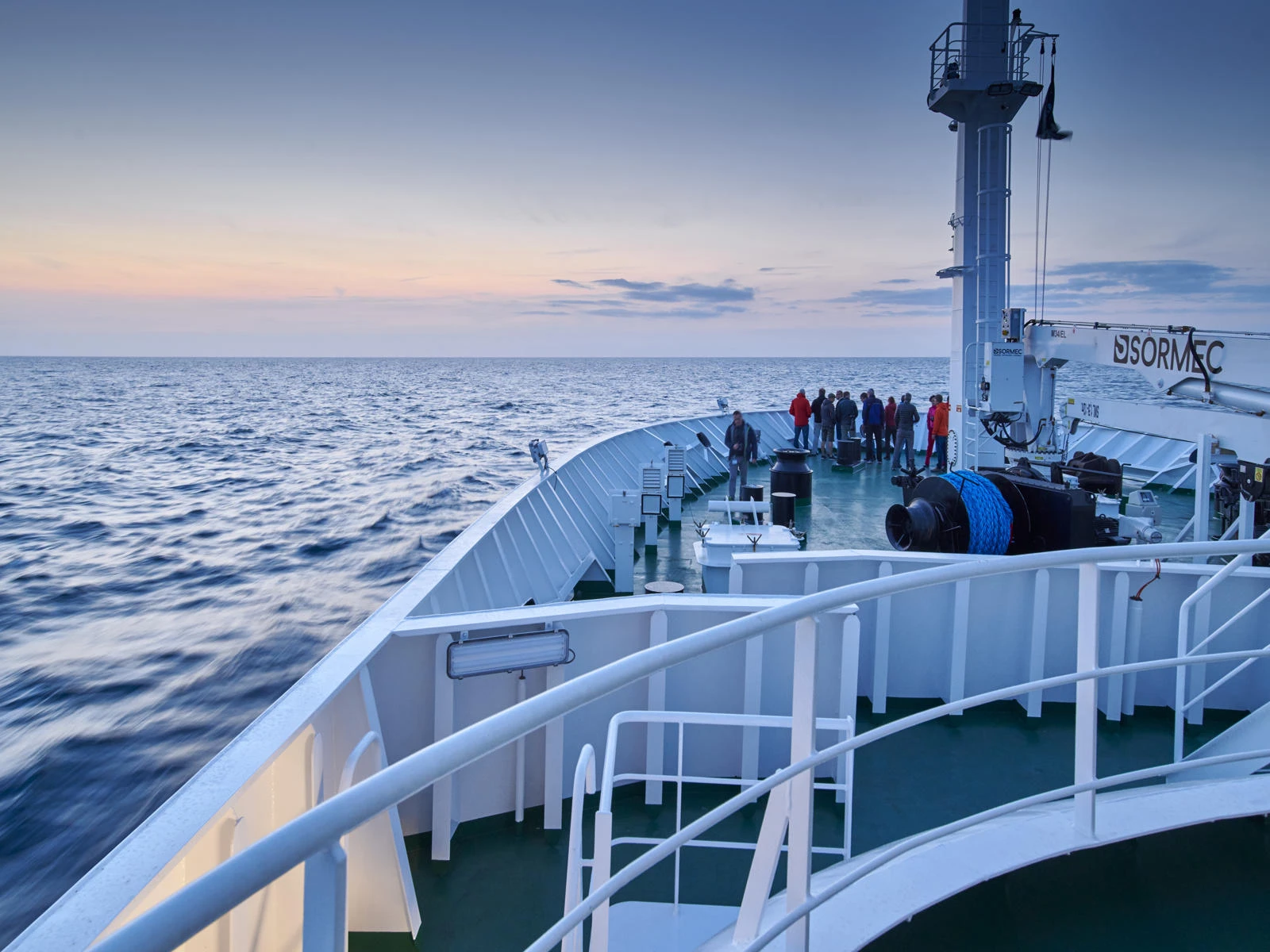
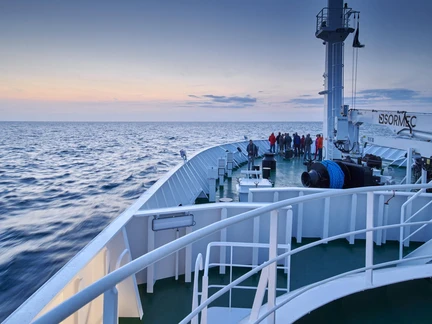
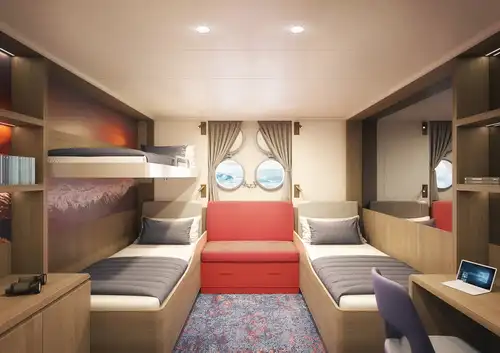
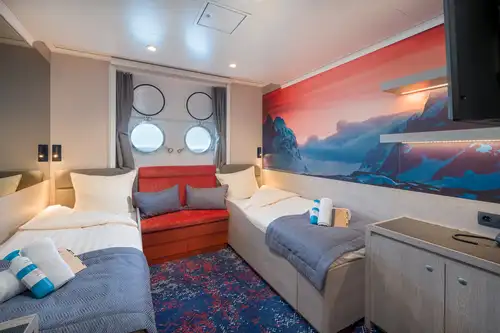
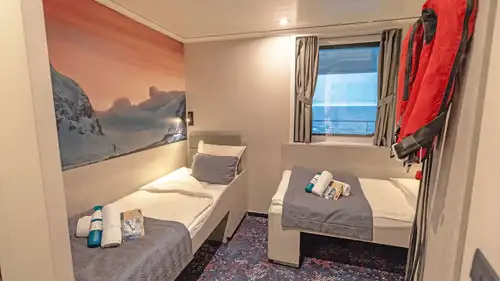
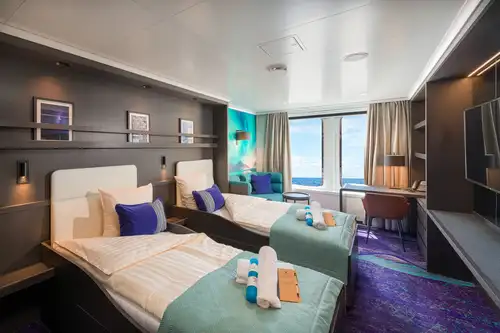
The best view is always on the outer deck or the bridge. Hondius offers high-quality accommodation for 170 passengers in six grand suites with balconies (27 square meters, 291 square feet), eight junior suites (19 to 20 square meters, 205 to 215 square feet), eight superior cabins (20 to 21 square meters, 215 to 226 square feet), 11 twin deluxe cabins, (19 to 21 square meters, 205 to 226 square feet), 14 twin window cabins (12 to 14 square meters, 129 to 151 square feet) as well as 27 twin porthole cabins, two triple porthole cabins, and four quadruple porthole cabins that vary in size from 12 to 18 square meters, or 129 to 194 square feet.
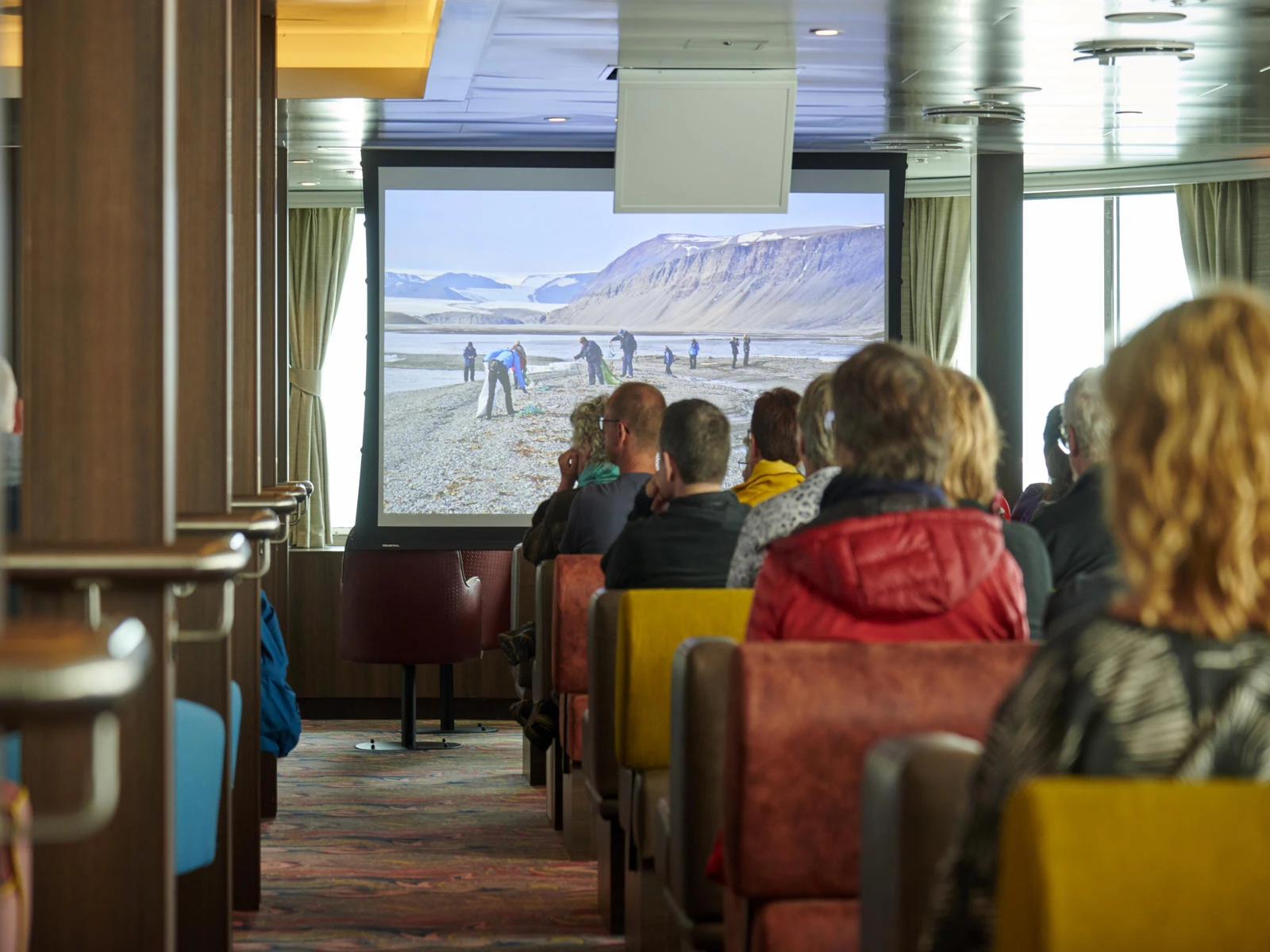
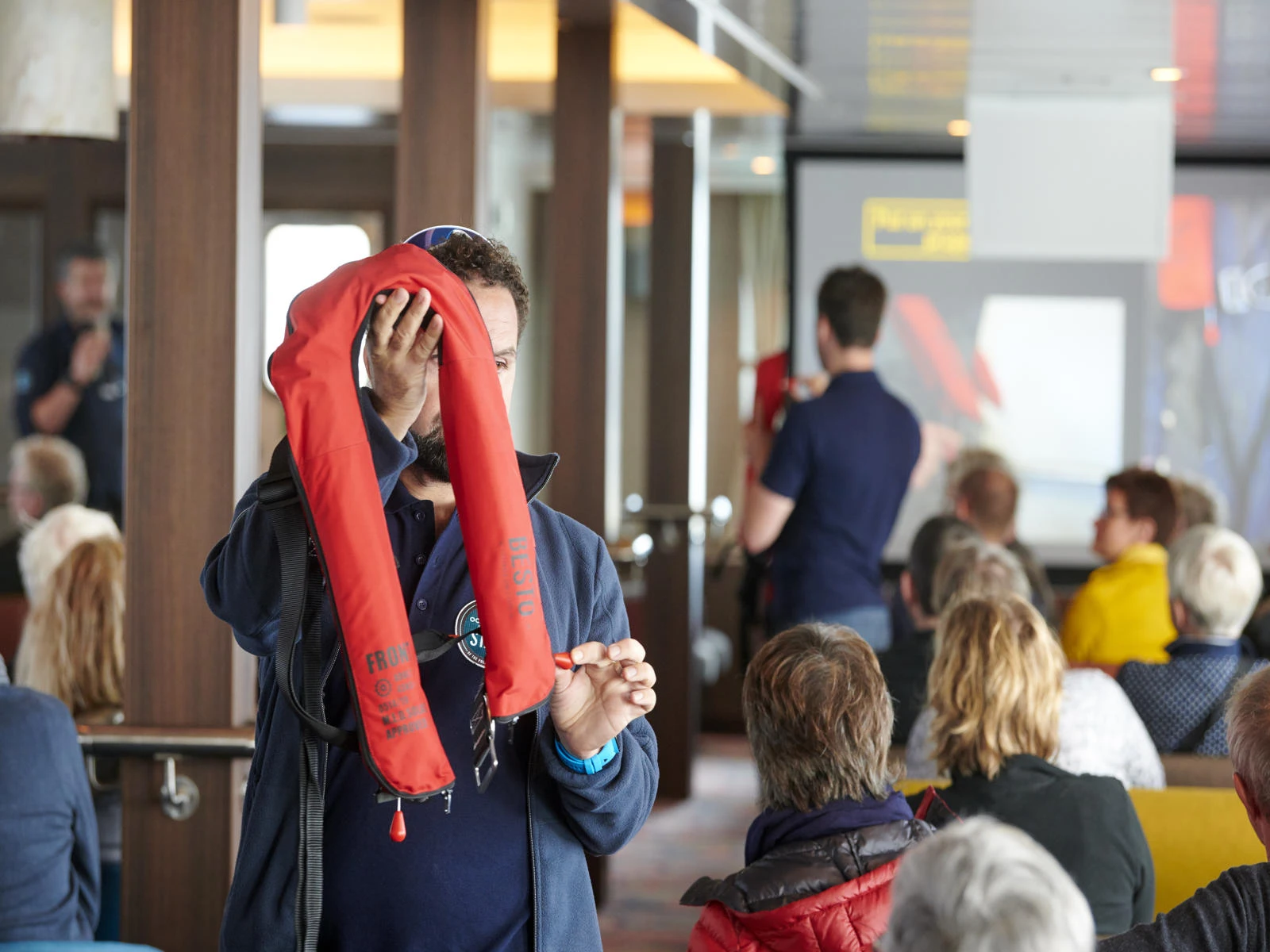
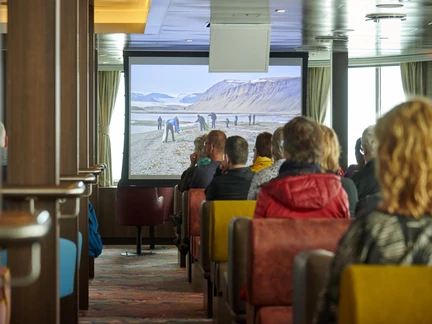
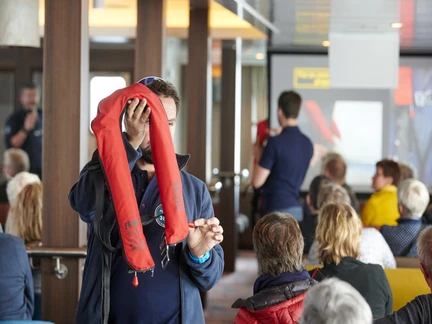
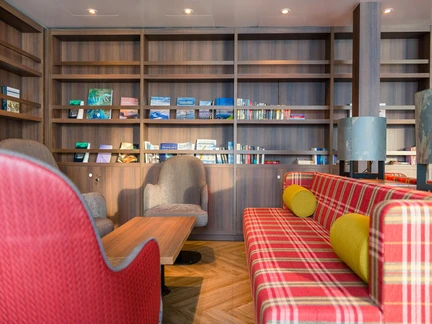
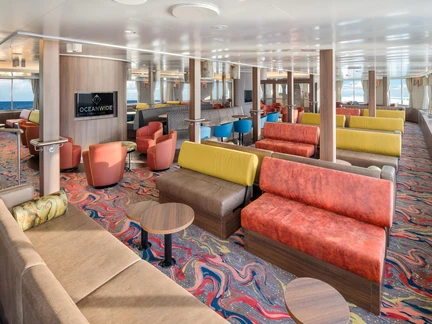
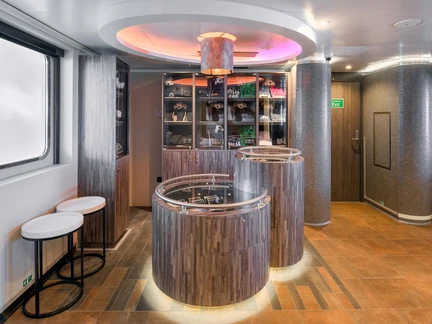
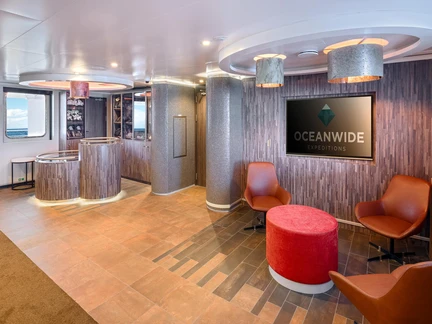
One deck consists of a large observation lounge and a separate lecture room, which are reserved for a wide variety of interactive workshops, exhibitions, and performances particular to Hondius.
Swift & safe ship-to-shore operations
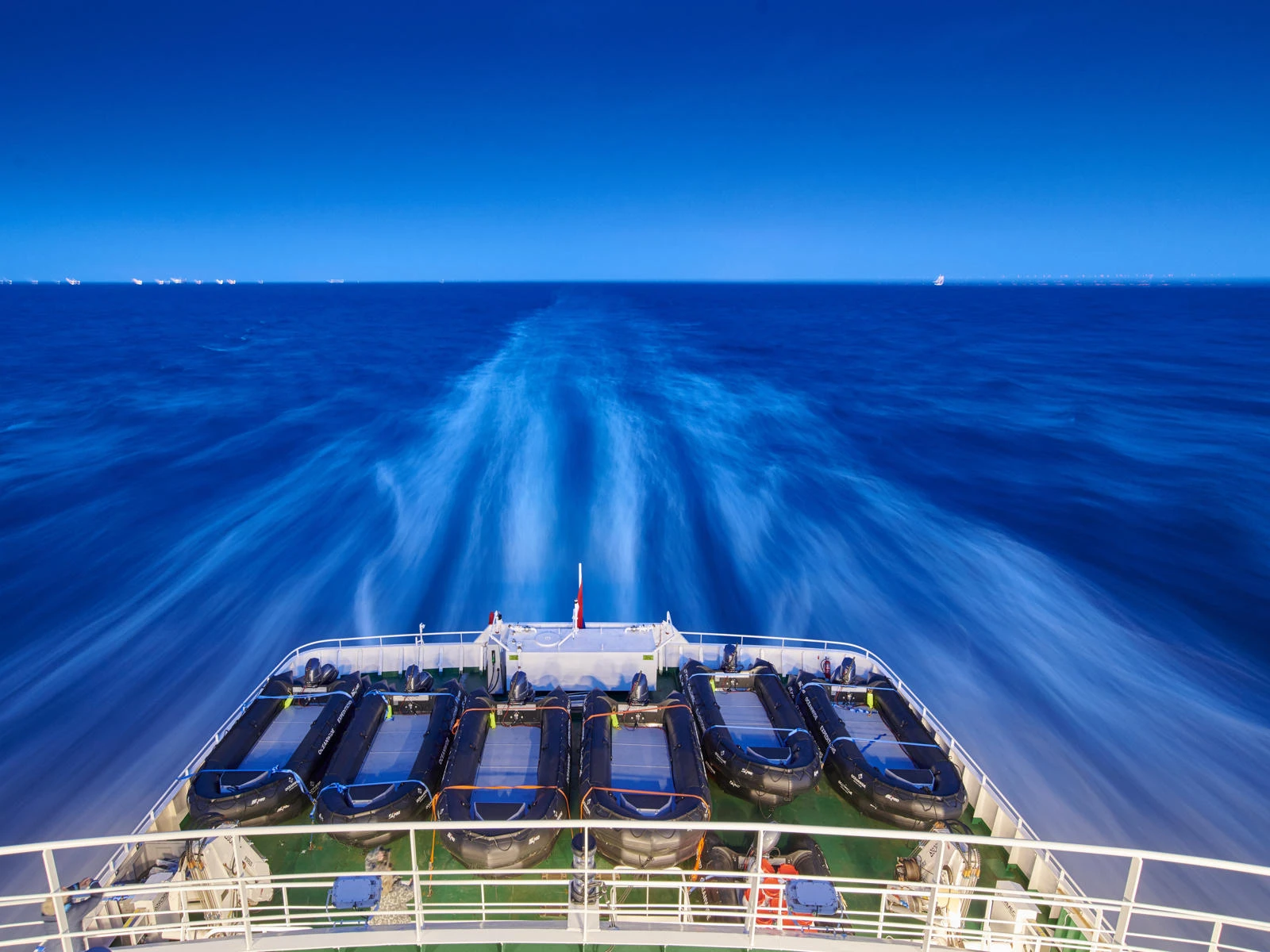
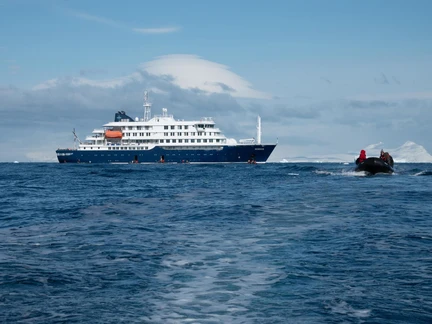
It is our philosophy to keep sea time short so that we can focus instead on fast, effective access to shore and near-shore activities. To give you the maximum contact with the nature and wildlife you traveled so far to see, we employ a tough fleet of rigid-hull inflatable Zodiac boats that guarantee swift and safe landing operations for the passengers. Hondius has two separate gangways and a sheltered indoor Zodiac boarding area that can also be used for special outdoor activities, such as kayaking.
What to wear
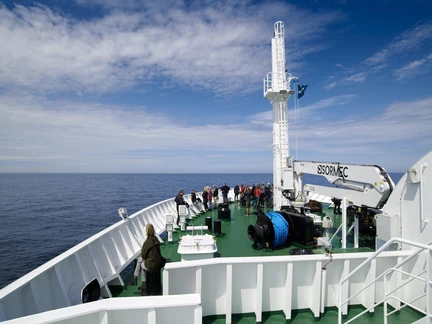
In keeping with the spirit of the expedition, dress on board is informal. Bring casual and comfortable clothing for all activities, and keep in mind that much of the scenery can be appreciated from the deck ― which can be slippery. Bring sturdy shoes with no-slip soles, and make sure your parka is never far away in case one of our crew shouts “Whales!” over the loudspeaker and you have to dash outside at a moment’s notice. Opt for layers, as it is comfortably warm aboard the ship though often cold on deck.
How to pay
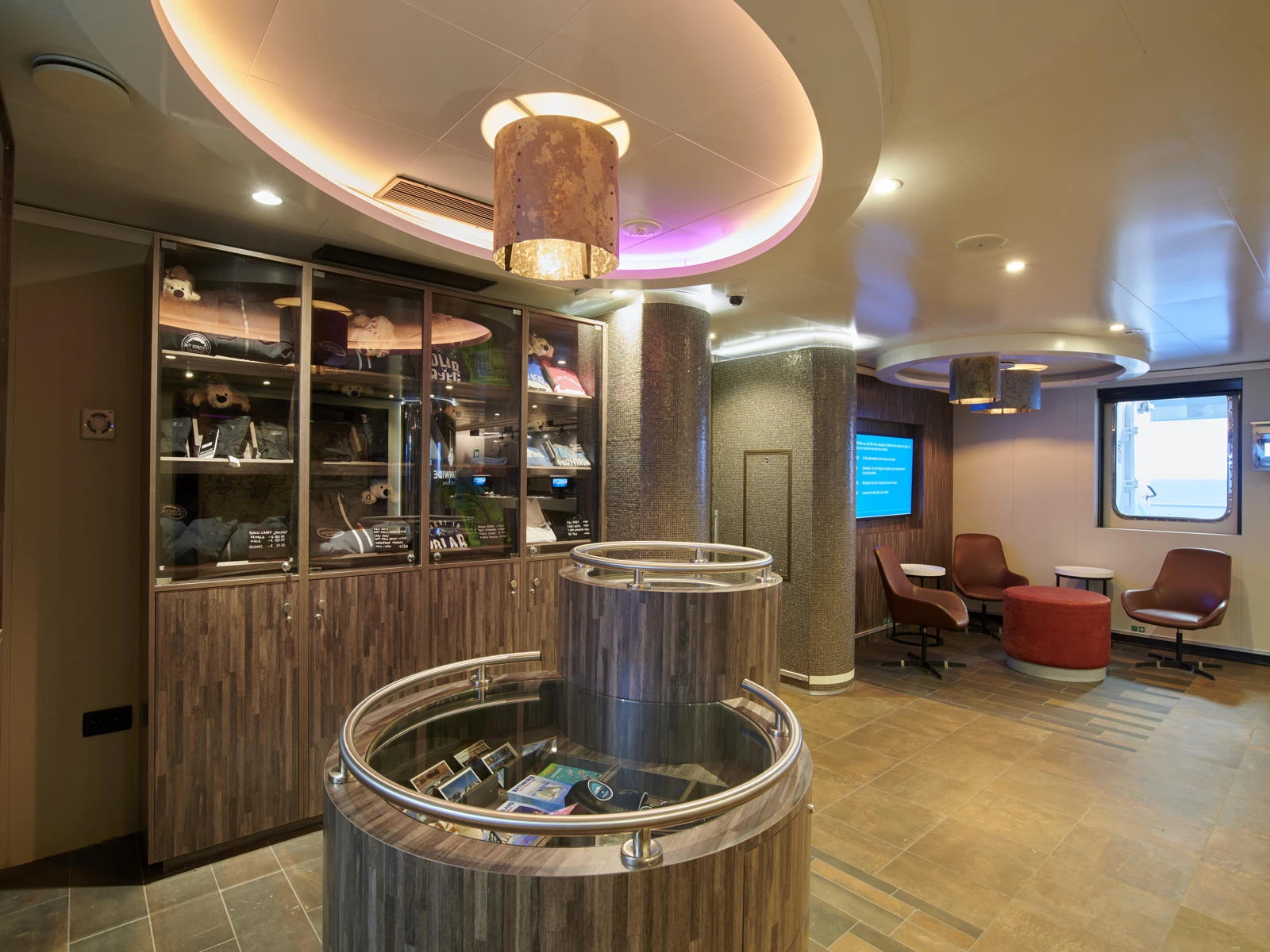
Refreshments and souvenirs will be charged to your cabin. The day before departure you can settle your bill with the hotel manager, paying by credit card (Visa or MasterCard) or cash (euro, or in some cases dollar). We cannot, however, accept checks. Though the prices and standard currency on board is in the euro, other currencies may be accepted at the discretion of the hotel manager, at prevailing rates.
Electric current
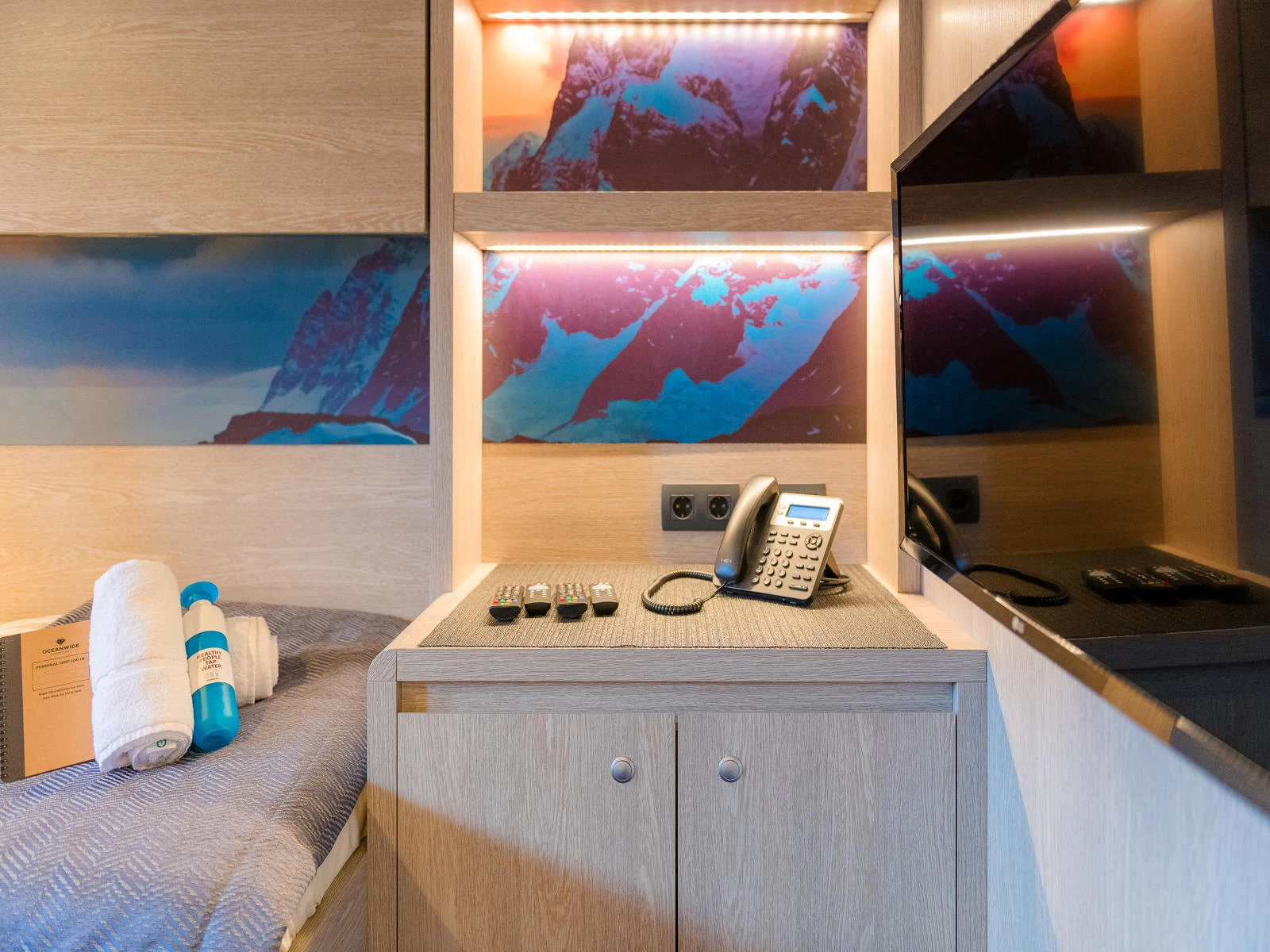
The electrical supply aboard ship is 220v, 60Hz. Electrical outlets are standard European with two thick round pins, so some passengers may need a 220v/110v converter.
Gratuities
The customary gratuity to the ship’s service personnel is made as a blanket contribution at the end of the voyage and is divided among the crew. Tipping is a personal matter, and the amount you wish to give is at your sole discretion. As a generally accepted guideline, we suggest 15 euros per passenger per day. It is better for the crew if you give cash.
Non-smoking policy
We have a non-smoking policy inside all our vessels, though you can smoke in certain designated areas. We ask that you please respect the wishes of non-smokers.
Your physical condition
You must be in good overall health and be able to walk several hours per day. The expedition is ship-based and physically not very demanding, but we spend as much time as possible on shore. You are, however, welcome to remain aboard the ship if you prefer. To join most excursions you must be able to get up and down the steep gangway ― from the ship to the water level ― to board the Zodiacs. Staff will assist you in and out of the boats, and boarding will become progressively easier with practice, but conditions on shore can be slippery and rocky. Remember, you will be traveling in remote areas without access to sophisticated medical facilities, so you must not join this expedition if you have a life-threatening condition or need daily medical treatment.
The average price for flights (round trip) to Ushuaia
From Jakarta: $2,300
From Singapore: $2,500
From Kuala Lumpur: $1,900
Insurance Requirements:
- Mandatory Insurance: All travelers must have insurance covering medical expenses, accidents, and repatriation/evacuation.
- Recommended Insurance: It is strongly recommended to include cancellation insurance for added protection.
Drone Usage Policy:
- Prohibited: The use of drones is strictly prohibited during the expedition.
Clothing and Gear Recommendations:
- Water-Resistant Coat and Pants: Essential for protection against the wet and windy conditions.
- Layered Underwear: To ensure warmth and comfort in extreme weather.
- Sunglasses: Necessary to protect against the strong UV rays and glare from the snow.
- Gloves: Insulated and water-resistant gloves to keep your hands warm and dry.
- Additional Items: Consider packing a warm hat, thermal socks, and sturdy waterproof boots.
- Voyage aboard the indicated vessel
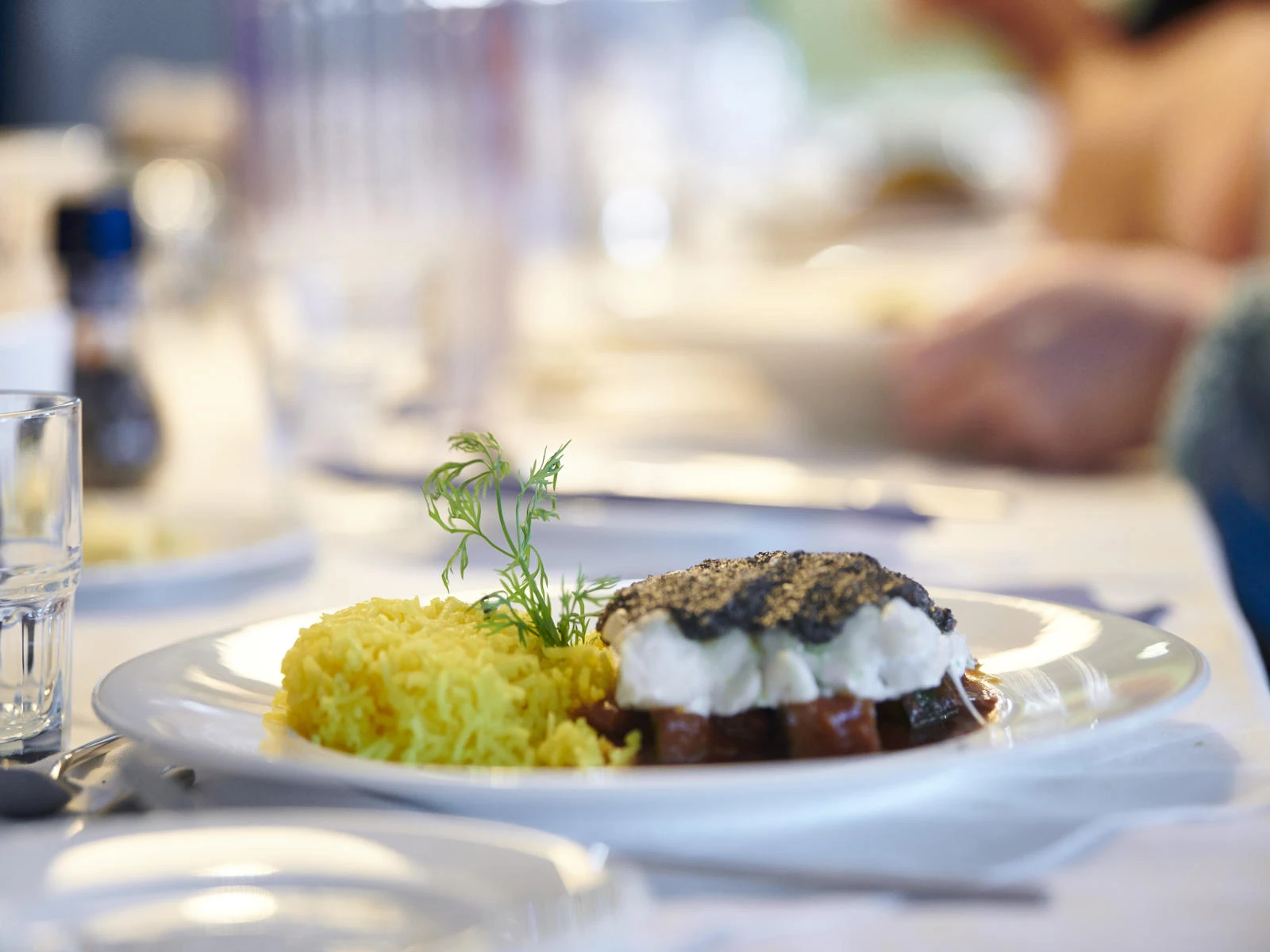
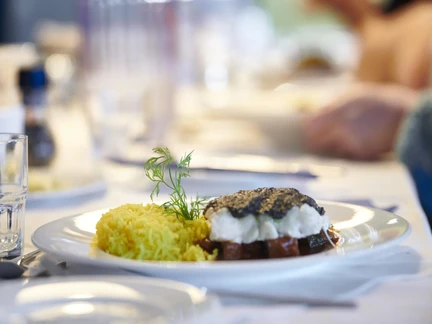
- All meals throughout the voyage aboard the ship including snacks, coffee and tea.
- All shore excursions and activities throughout the voyage by Zodiac.
- Program of lectures by noted naturalists and leadership by experienced expedition staff.
- Free use of rubber boots and snowshoes.
- Pre-scheduled group transfer from the vessel to the airport in Ushuaia (directly after disembarkation).
- All miscellaneous service taxes and port charges throughout the programme.
- Comprehensive pre-departure material.
- Flights to the embarkation point and from the disembarkation point.
- Pre- and post- land arrangements.
- Passport and visa expenses.
- Meals ashore.
- Personal health Insurance for Medical, Accident and Repatriation/Evacuating.
- All personal expenses, including but not limited to laundry services, bar beverages, and excess internet usage charges.
- The customary gratuity at the end of the voyages for stewards and other service personnel aboard (guidelines will be provided).
- That is hard to say. It depends on the weather and constraints of time and distance. Depending on the voyage, you may spend several days aboard the ship, followed by a series of landings, each several hours long. On some cruises, you land two or three times every day. During our time at the high latitudes, we will have almost continuous daylight, which means we may schedule excursions before breakfast, after dinner, or in the middle of the night. Often the light for photography is best at these times. We would like to show you as much as possible, but we also want to leave it up to you to skip an excursion.
- An ice-strengthened ship is a ship made of steel. These ships are made to get through the ice at Antarctica and the Arctic. Nowadays, most of the ships that cruise to Antarctica and the Arctic are ice-strengthened ships. Ortelius and Plancius are both are ice-strengthened ships. Ortelius has the highest ice-class notation (UL1 equivalent to 1A) and is therefore very suitable to navigate in solid one-year sea ice and loose multi-year pack ice. Plancius has an ice-class notation of 1D. Icebreakers are needed if there is a trade route to keep ice free, if there are military reasons for patrolling in areas with heavy sea ice or if you need to work in heavy ice conditions, particularly in winter. Icebreakers are expensive to build and very expensive in fuel to run (sometimes powered by gas turbines or a nuclear generator). They are uncomfortable to travel in on the open sea.
- No, you are not able to change currency on board.
- We accept payment via bank transfer, Wise or credit card (Mastercard and Visa). When paying with a credit card, we have to pass on a credit card fee.
- The Antarctic Peninsula is one of the most beautiful regions of the entire continent. Your cruise to the Antarctic Peninsula will reveal the most diverse mixture of wildlife throughout Antarctica. The scenery in this region is dramatic, filled with icebergs and of course, very photo-worthy. The prevalence of penguins is a highlight during most expeditions, and a visit during the summer can even reveal plant life such as the area's only two flowering plants: the Antarctic pearlwart and Antarctic hair grass.
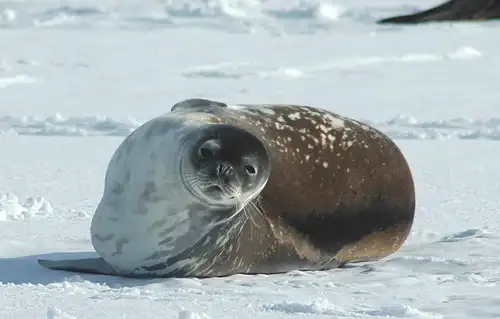
- Animal lovers who take their holiday in the Antarctic Peninsula will be treated to a diverse list of wildlife that is especially suited to the area's cold climate. It is common to encounter several penguin species such as the Gentoo penguins. Other types of wildlife that can be spotted from an Antarctic cruise or an Antarctic Peninsula land expedition include the Weddell seal, the Antarctic shag and Snow petrels.
- The Hondius was built in Croatia in 2018 and delivered in 2019.
- The number of passengers is limited to 174 on the Hondius. Furthermore the vessel is manned by 24 highly experienced international nautical crew, 32-34 international hotel crew, 13 expedition staff (1 expedition leader, 2 assistant expedition leaders and 10 guides/lecturers) and 1 doctor.
You May Also Like
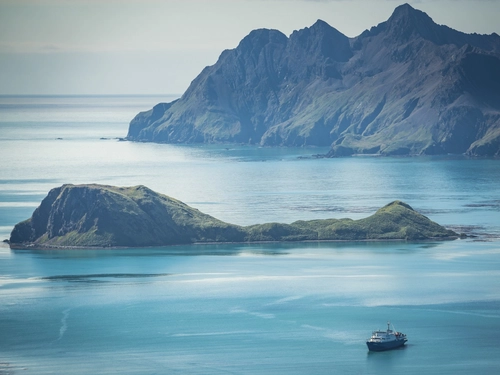
Falkland Islands - South Georgia - Antarctica
21 Dec 2025 - 08 Jan 2026 19 Days / 18 Nights
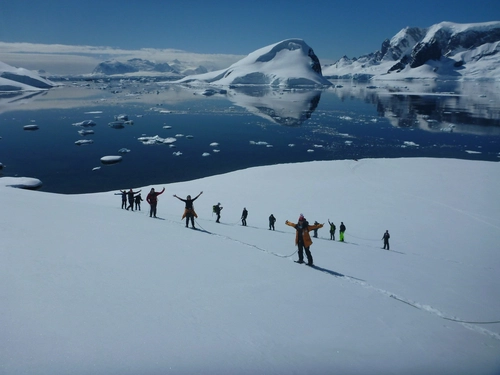
Antarctica - Basecamp - free camping, kayaking, snowshoe/hiking, mountaineering, photo workshop
28 Dec 2025 - 09 Jan 2026 13 Days / 12 Nights

Antarctica - Discovery and learning voyage
08 Jan 2026 - 18 Jan 2026 11 Days / 10 Nights

Falkland Islands - South Georgia - Elephant Island - Antarctica - Polar Circle
16 Feb 2026 - 10 Mar 2026 23 Days / 22 Nights
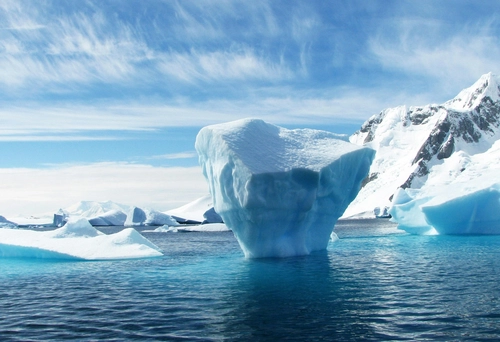
Antarctica – Uncharted islands of the Deep South
18 Feb 2026 - 04 Mar 2026 15 Days / 14 Nights
Deep South Basecamp experience
04 Mar 2026 - 17 Mar 2026 14 Days / 13 Nights

Antarctica - Elephant Island - Weddell Sea - Polar Circle - Aurora Australis / Southern Lights
09 Mar 2026 - 23 Mar 2026 15 Days / 14 Nights

Antarctica - Whale watching discovery and learning voyage - Aurora Australis / Southern Lights
10 Mar 2026 - 20 Mar 2026 11 Days / 10 Nights

Antarctica - Weddell Sea Explorer Basecamp - free polar activities (kayaking, hiking, photo workshop, snorkeling)
17 Mar 2026 - 29 Mar 2026 13 Days / 12 Nights

Antarctica - Beyond the Polar Circle - whale watching - Aurora Australis / Southern Lights
20 Mar 2026 - 31 Mar 2026 12 Days / 11 Nights
Antarctica - Whale watching
23 Mar 2026 - 01 Apr 2026 10 Days / 9 Nights

Falkland Islands - South Georgia - Antarctic Peninsula - Photography special
24 Oct 2026 - 13 Nov 2026 21 Days / 20 Nights

Falkland Islands - South Georgia - Antarctic Peninsula
03 Nov 2026 - 23 Nov 2026 21 Days / 20 Nights

Falkland Islands - South Georgia - Antarctic Peninsula - Birding
11 Dec 2026 - 29 Dec 2026 19 Days / 18 Nights

Antarctica - Discovery and learning + Long hikes
29 Dec 2026 - 08 Jan 2027 11 Days / 10 Nights

Bellingshausen Sea / Peter I Island + Ellsworth Land - incl. helicopters
14 Jan 2027 - 07 Feb 2027 25 Days / 24 Nights

Antarctica - Weddell Sea Explorer
02 Mar 2027 - 12 Mar 2027 11 Days / 10 Nights

Antarctica - Polar Circle - Deep South Discovery voyage - Aurora Australis / Southern Lights
06 Mar 2027 - 18 Mar 2027 13 Days / 12 Nights

Antarctica - Whale watching discovery and learning voyage
07 Mar 2027 - 17 Mar 2027 11 Days / 10 Nights
Antarctica - Elephant Island - Weddell Sea - Polar Circle
12 Mar 2027 - 26 Mar 2027 15 Days / 14 Nights
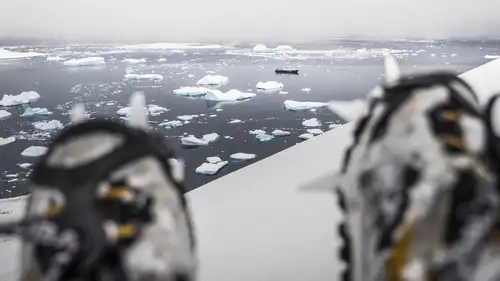
Arctic and Antarctic Basecamp Cruises – Choose Your Own Adventure

Of Treacherous Rocks & Audacious Fin Whales
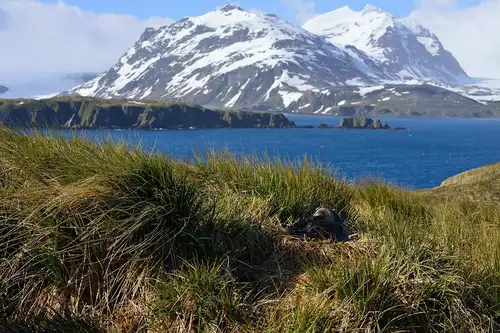
Flowers in Antarctica

The Research Stations of Antarctica and the sub-Antarctic
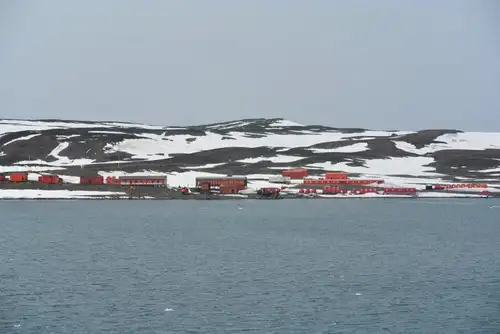
Living the Antarctic Dream

8 Whales You Might See During Your Antarctica Cruise

The Eight Albatrosses of Antarctica and the Sub-Antarctic
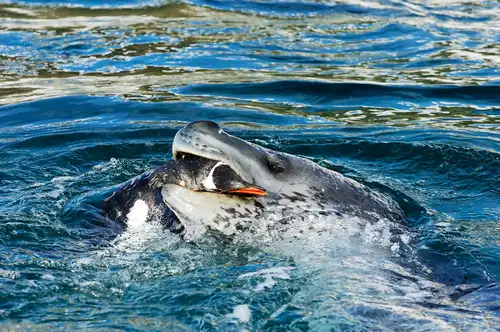
Danger Beneath the Water: 10 Facts About Leopard Seals
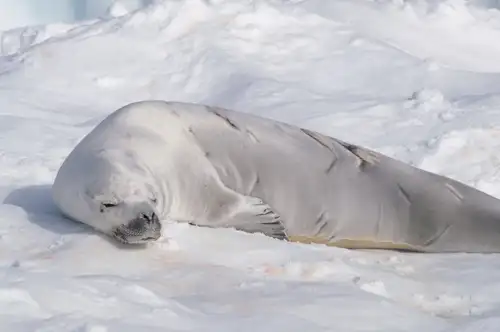
Six Facts About the Crabeater Seals of Antarctica
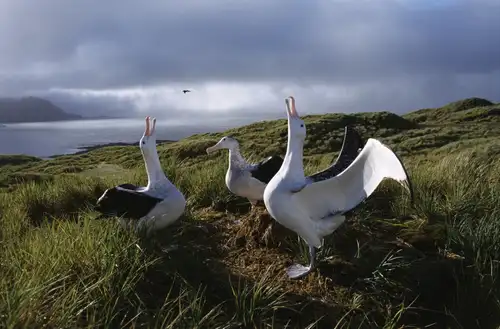
Albatross, penguin and krill research in Antarctica
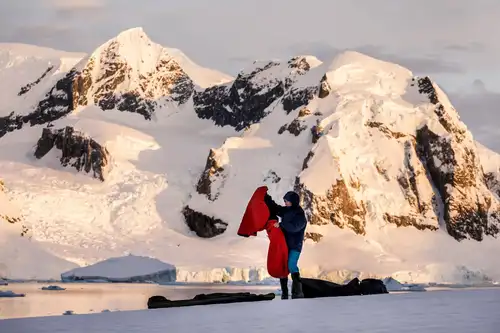
Camping in Antarctica: a True Expedition Experience
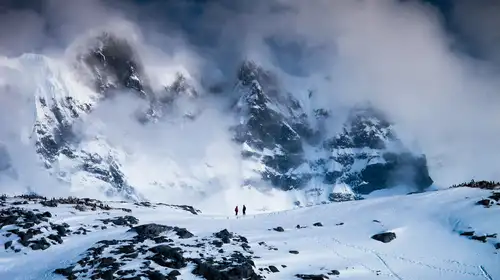
Eight Antarctic Misconceptions
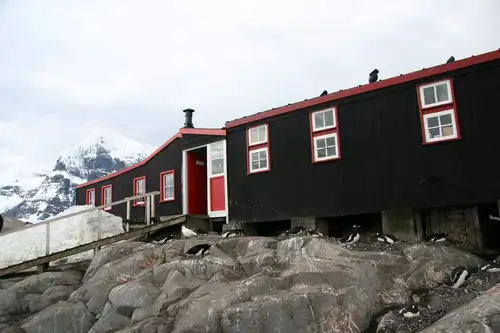
Port Lockroy: History, Post Office, and Resident Penguins
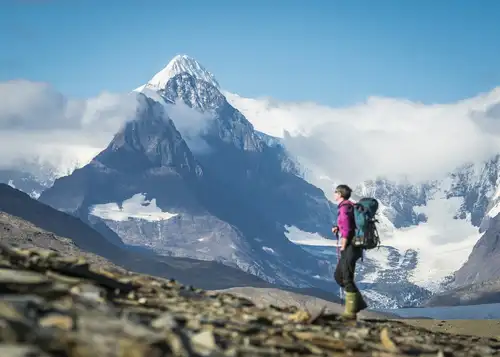
15 Fantastic Photos of Antarctica
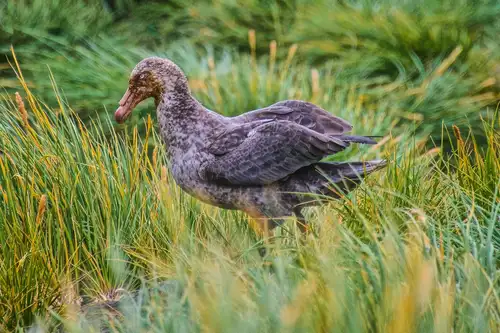
The Giant Petrels of King George Island
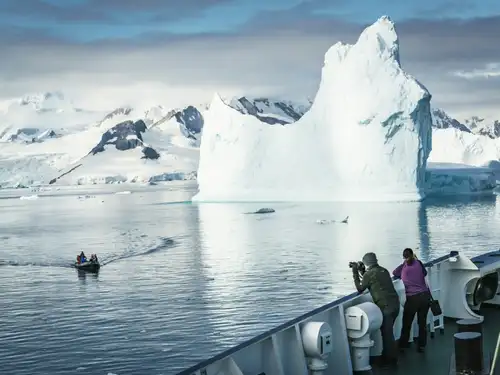
The Classic Polar Cruise: Antarctic Peninsula Facts, Pics, and More
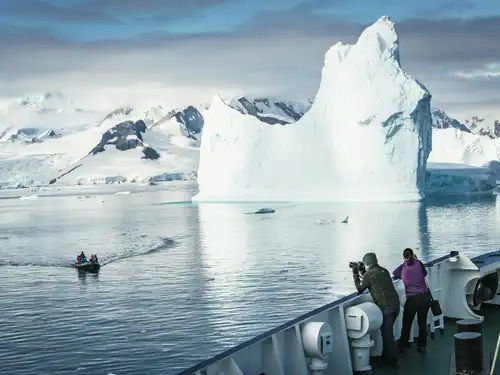
Antarctic Explorer’s Voyage
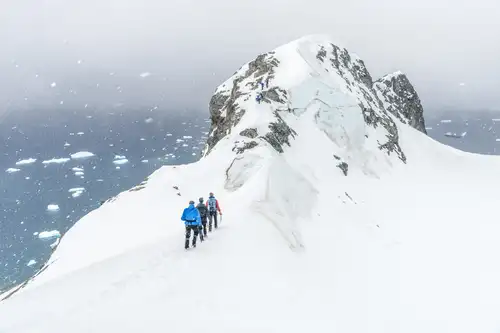
The Ins, Outs, and Ups of Polar Mountaineering & Ski Mountaineering
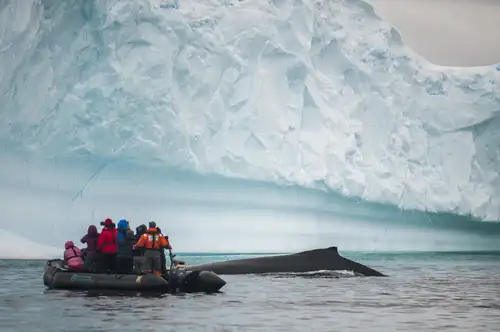
A Day of Whale Watching in Antarctica