Adding Antarctica To Your Seven Continents Bucket List - Nexta Expeditions
Adding Antarctica to Your Seven-Continents Bucket List

Adding Antarctica to Your Seven-Continents Bucket List

Many travelers aspire to visit all seven continents, a goal that fits naturally with the concept of a "bucket list," a term popularized by the 2007 movie.

While for some, visiting all seven continents is more about ticking off a checklist than truly experiencing each one, the journey becomes far more enriching when Antarctica is included.

If you've already ventured to Antarctica, you understand the allure: exotic wildlife, thrilling activities, and breathtaking landscapes that seem otherworldly. For those who haven't, let's delve into the unique features that set the White Continent apart from the other six.
blog-image

Bucket-list feature #1: Antarctic wildlife

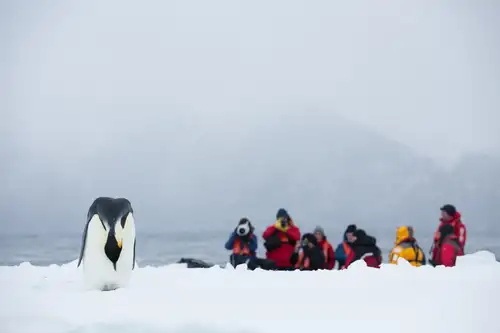
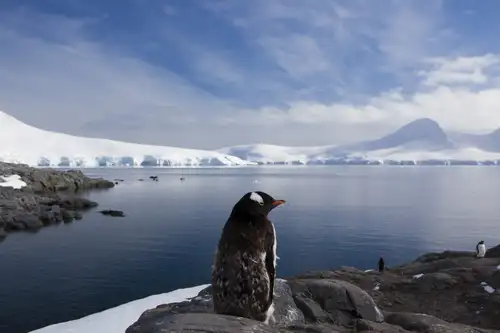
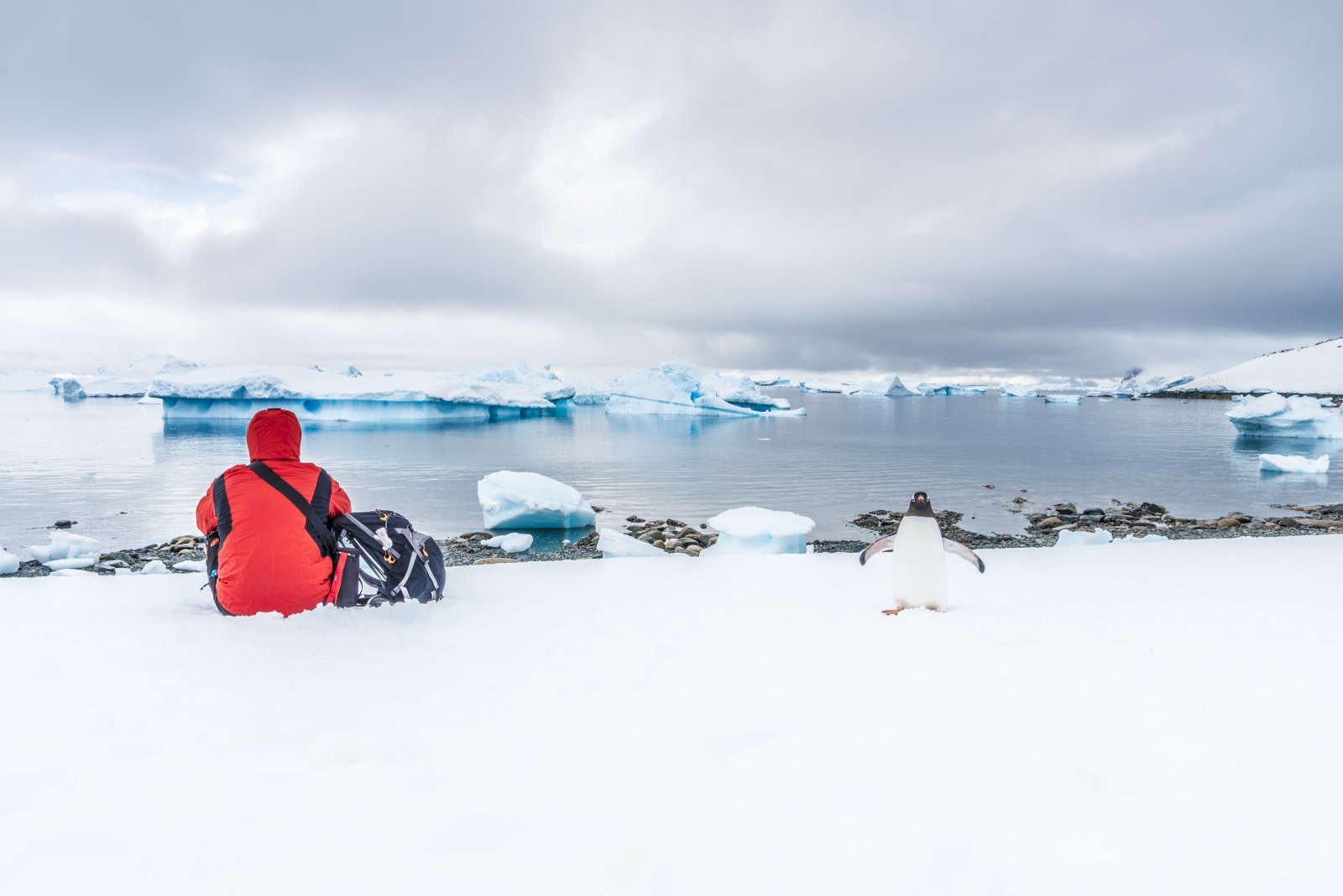
We could simply say "penguins" and leave it at that. However, the wildlife that distinguishes Antarctica extends far beyond these charming birds.

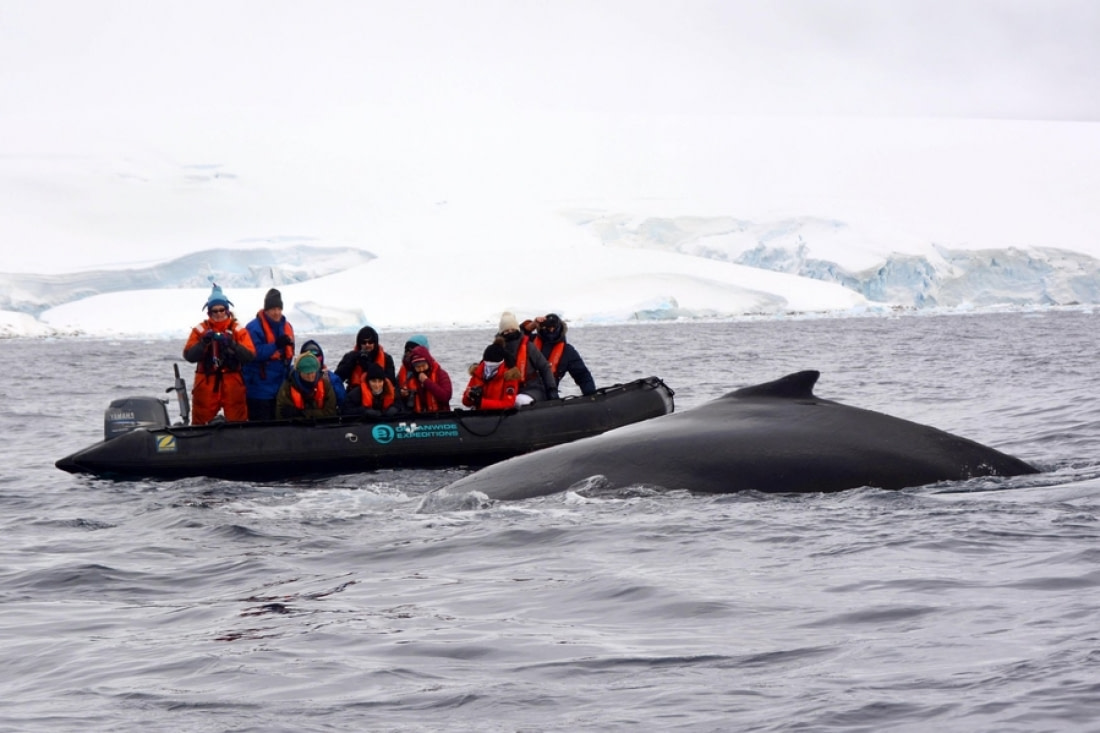
Take whales, for example: Antarctic cruises offer sightings of various cetaceans, including humpback whales, fins, minkes, orcas (killer whales), and seis. Each species is a bucket-list item in its own right. If you're aiming to visit all seven continents, don't miss these Antarctic inhabitants.
blog-image

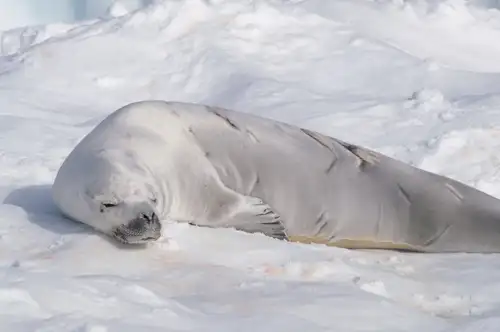
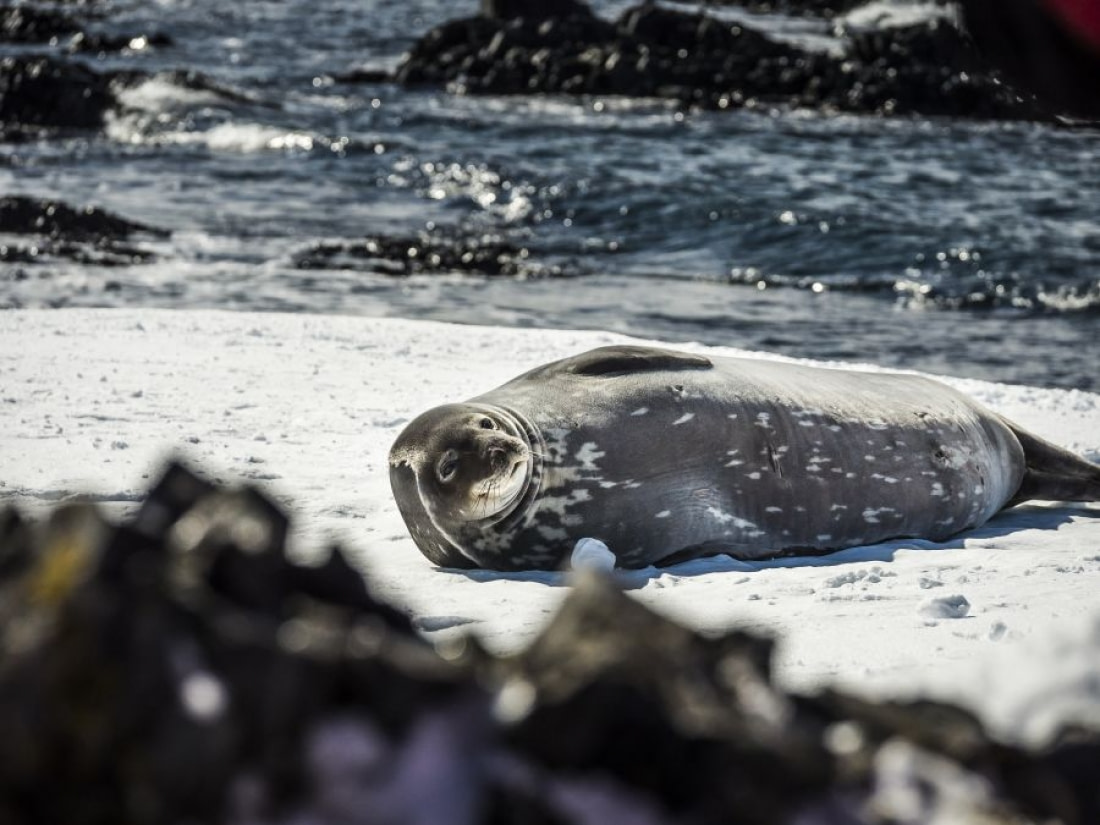
Then there are the six seal species that call Antarctica home. Commonly seen are fur seals, southern elephant seals, and crabeater seals, but you might also encounter Ross seals, Weddell seals, and the elusive leopard seals, depending on your cruise. No seven-continent journey is complete without witnessing at least one of these remarkable animals.
blog-image

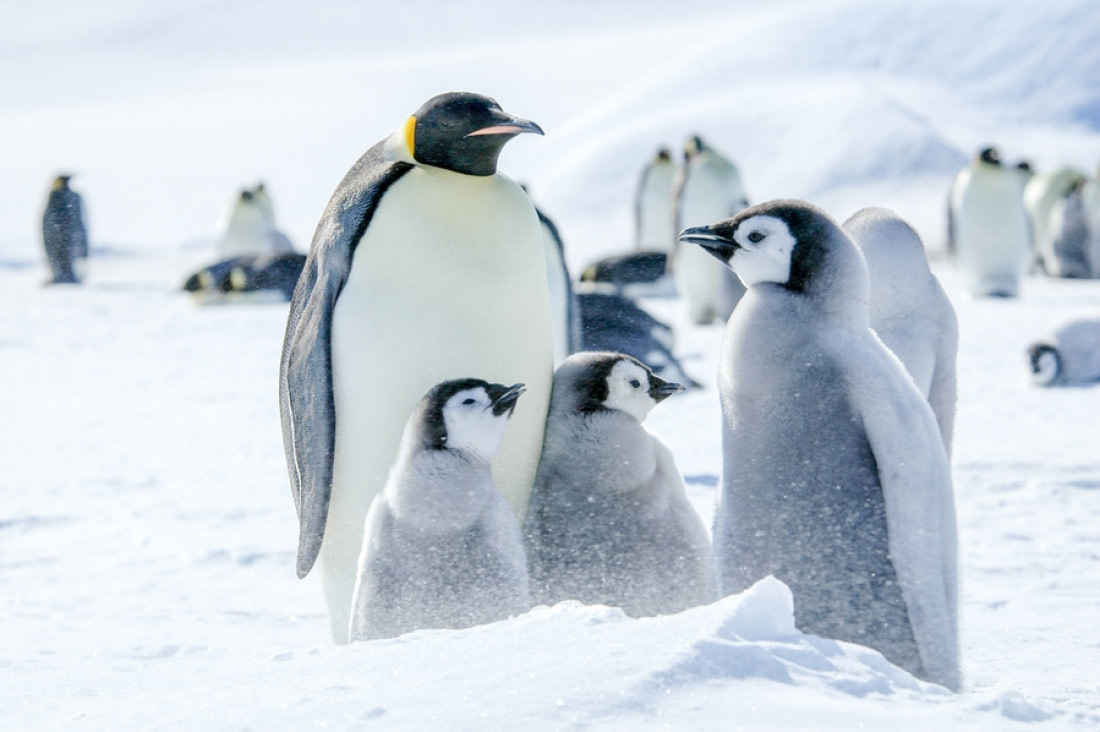
Returning to seabirds, four main penguin species inhabit the Antarctic Continent: emperor penguins, Adélies, gentoos, and chinstrap penguins. The other seabirds are too numerous to list but include various species of petrel, skua, and albatross.

For a more detailed list of these birds, check out our Birds of the South article, essential reading for any bird enthusiast planning to visit all seven continents.
blog-image

Bucket-list feature #2: Antarctic activities

While many bucket-list activities are available elsewhere, doing them in Antarctica adds a unique thrill.

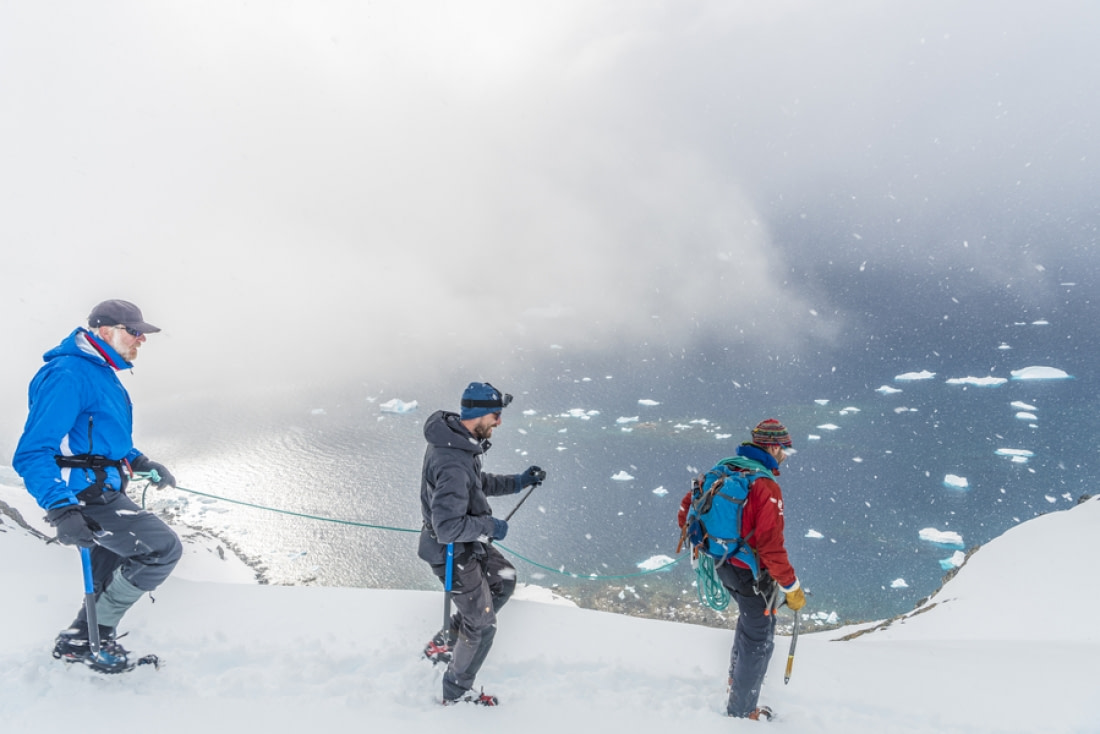
Activities like kayaking, snowshoeing, mountaineering, and camping are fantastic in places like the Alps, Andes, and the Pacific Northwest. However, experiencing these in Antarctica elevates the adventure. If you're planning to visit all seven continents, we assume adventure is part of your goal.
blog-image

Take camping, for instance. Pitching a tent in the woods outside Jasper, Alberta, is incredible, but how much more adventurous is digging a snow dugout in Antarctica and bivouac camping near a penguin colony?

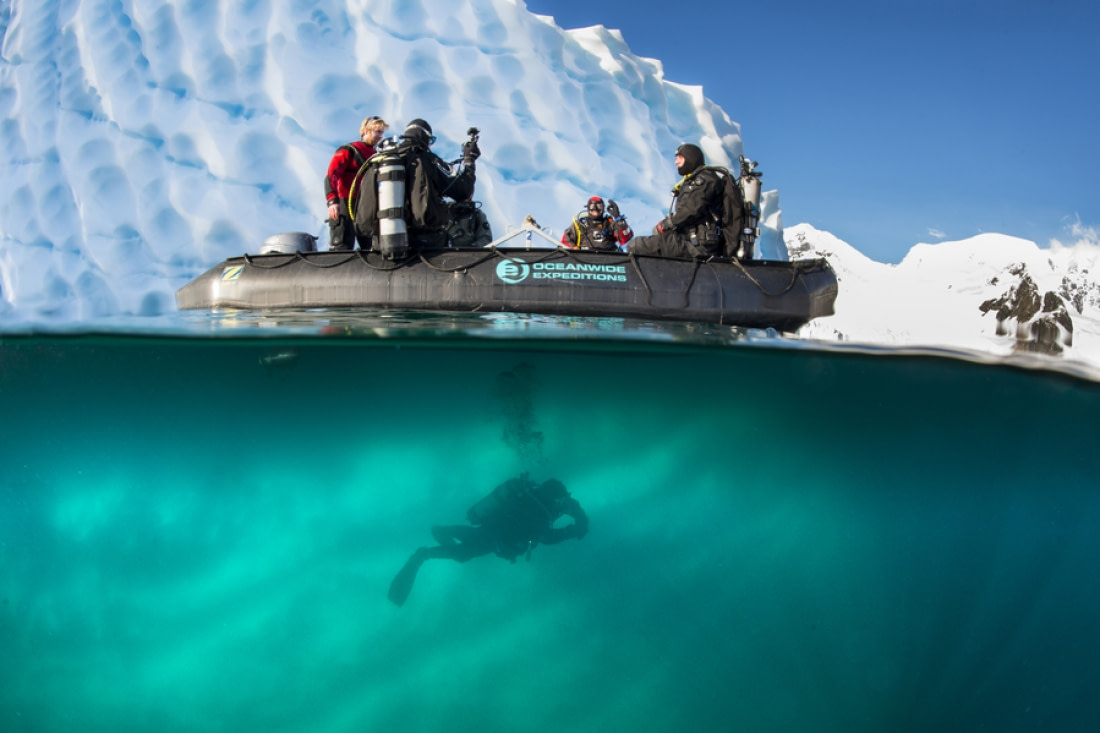
And what about scuba diving under the icebergs near Deception Island?
blog-image

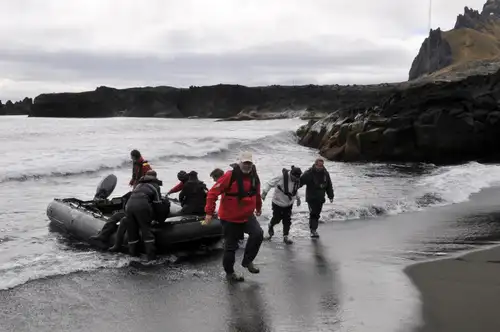
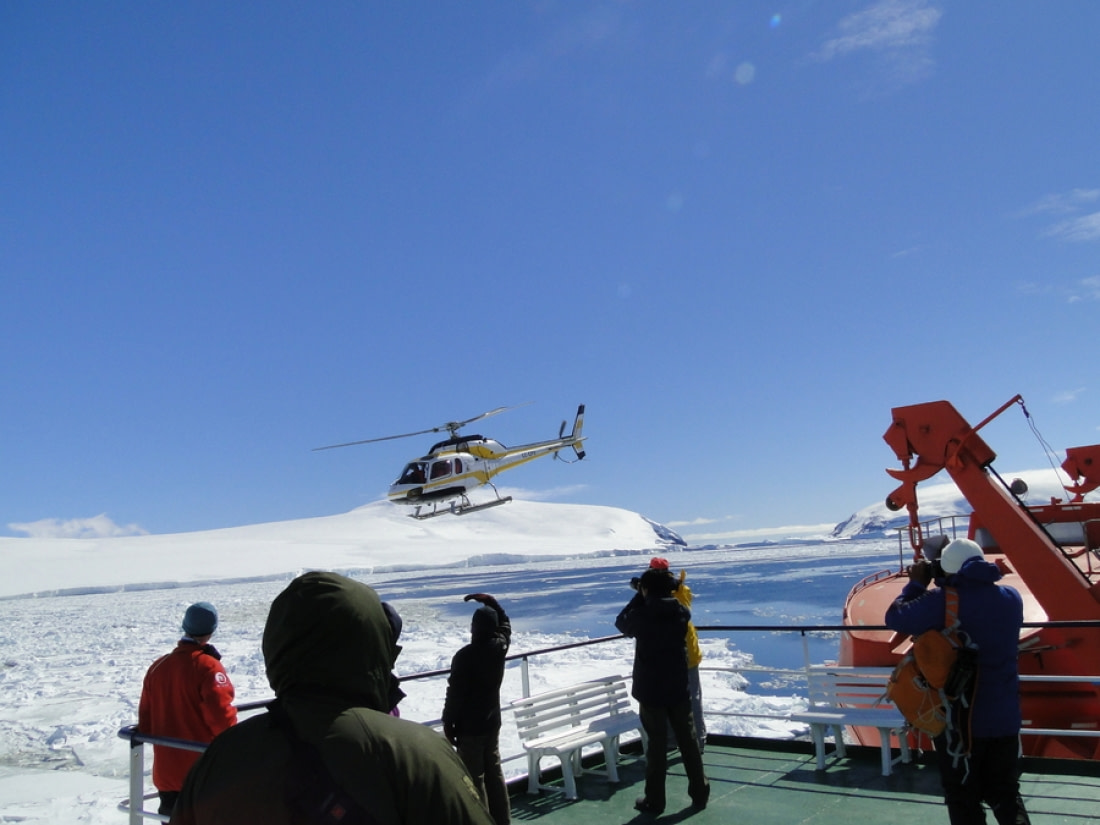
Or snowshoeing along the shores of the Antarctic Peninsula, taking a helicopter flight above the Weddell Sea, or kayaking around ice-studded bays? These activities are made even more extraordinary by Antarctica's surreal environment, leading us to our final bucket-list topic...
blog-image

Bucket-list feature #3: Antarctica itself

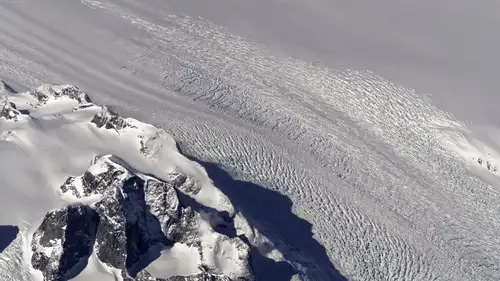
The best reason to visit Antarctica is simply Antarctica.

Even if visiting Antarctica is part of your plan to see all seven continents, the White Continent defies such numerical goals.

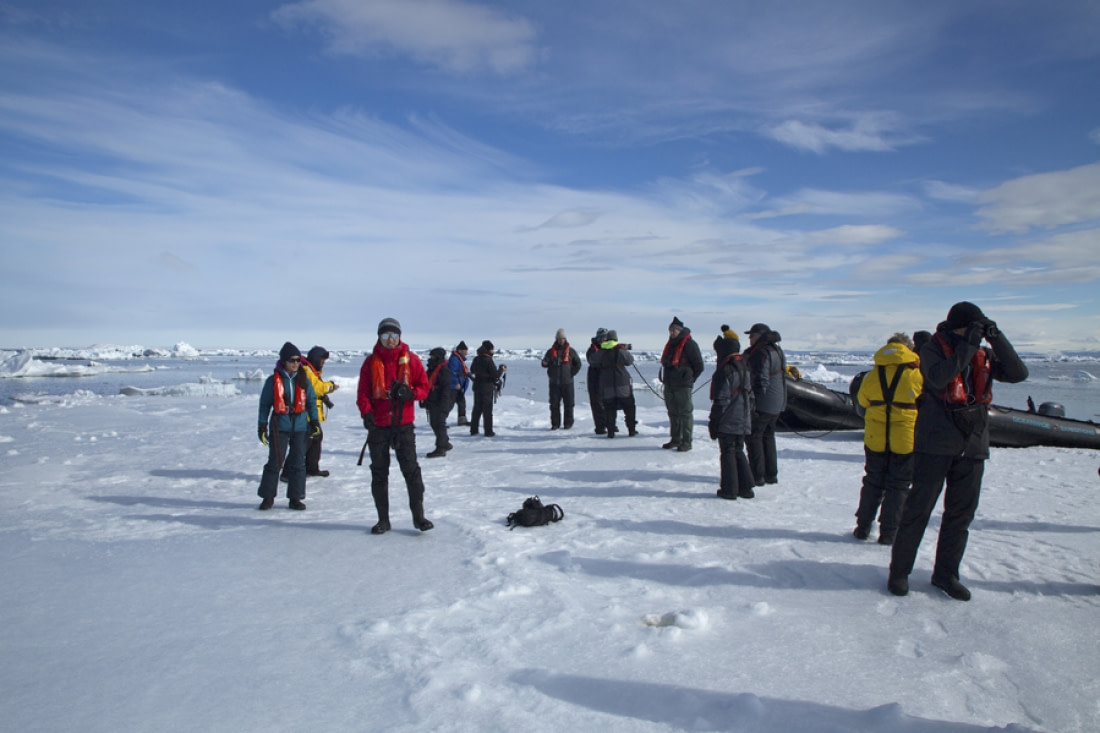
Numbers don't really matter. Being too focused on a bucket list, bragging rights, or social media photos can detract from the true reason to visit Antarctica: the feeling you get when you're there.
blog-image

What you feel will likely be awe, regardless of where Antarctica falls in your seven-continent journey. However, everyone is different. Not all travelers are equally moved by Antarctica, and weather and wildlife conditions can vary.

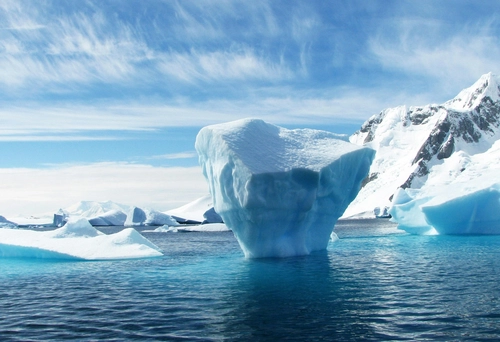
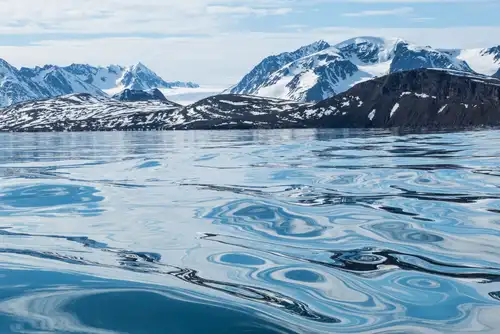
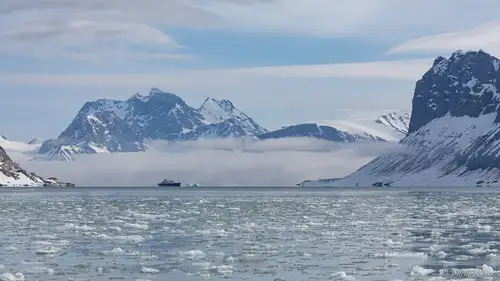
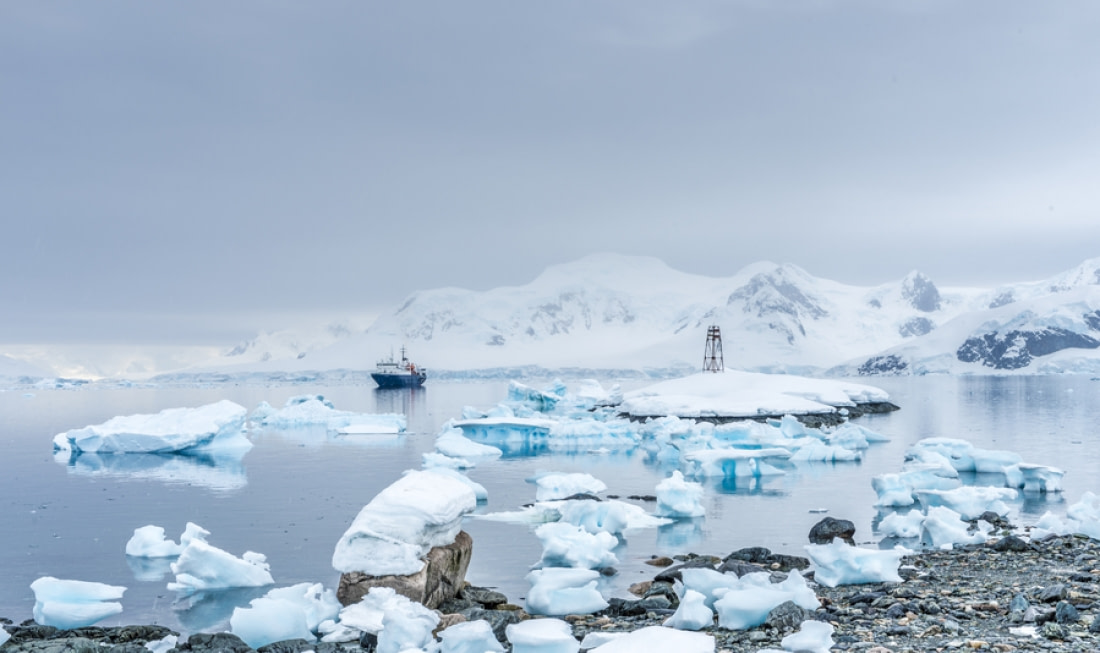
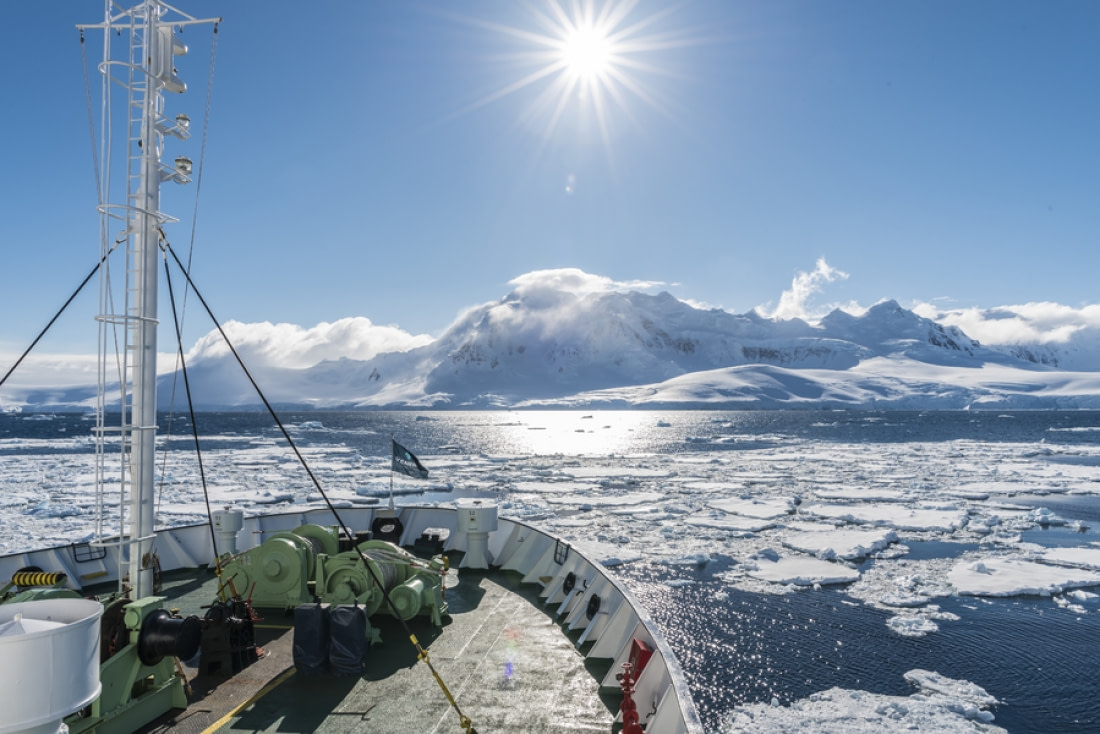
Even in the worst-case scenario, it's hard to diminish the experience of cruising through a berg-filled Antarctic bay or walking along snowy, mountainous coastlines that seem like another planet or an earlier version of this one.

Don't just take our word for it. Embark on an Antarctic voyage yourself, whether as part of your seven-continent plan or simply to see it. We believe you'll return as amazed as we are every time we go.
blog-image

Best Deals

Related Trips

Falkland Islands - South Georgia - Elephant Island - Antarctica - Polar Circle - Nexta Expeditions
Antarctica
Ushuaia

Falkland Islands - South Georgia - Elephant Island - Antarctica - Polar Circle

calendar16 Feb 2026 - 10 Mar 2026
clock23 Days / 22 Nights
From $ 17.800 per person
Antarctica – Uncharted islands of the Deep South - Nexta Expeditions
Antarctica
Ushuaia

Antarctica – Uncharted islands of the Deep South

calendar18 Feb 2026 - 04 Mar 2026
clock15 Days / 14 Nights
From $ 12.100 per person
Deep South Basecamp experience - Nexta Expeditions
Antarctica
Ushuaia

Deep South Basecamp experience

calendar04 Mar 2026 - 17 Mar 2026
clock14 Days / 13 Nights
From $ 11.200 per person
Antarctica - Elephant Island - Weddell Sea - Polar Circle - Aurora Australis / Southern Lights - Nexta Expeditions
Antarctica
Ushuaia

Antarctica - Elephant Island - Weddell Sea - Polar Circle - Aurora Australis / Southern Lights

calendar09 Mar 2026 - 23 Mar 2026
clock15 Days / 14 Nights
From $ 11.200 per person
Antarctica - Beyond the Polar Circle - whale watching - Aurora Australis / Southern Lights - Nexta Expeditions
Antarctica
Ushuaia

Antarctica - Beyond the Polar Circle - whale watching - Aurora Australis / Southern Lights

calendar20 Mar 2026 - 31 Mar 2026
clock12 Days / 11 Nights
From $ 8.200 per person
Bellingshausen Sea / Peter I Island + Ellsworth Land - incl. helicopters - Nexta Expeditions
Antarctica
Ushuaia

Bellingshausen Sea / Peter I Island + Ellsworth Land - incl. helicopters

calendar14 Jan 2027 - 07 Feb 2027
clock25 Days / 24 Nights
From $ 24.600 per person
Falkland Islands - South Georgia - Elephant Island - Antarctica - Polar Circle - Nexta Expeditions
Antarctica
Ushuaia

Falkland Islands - South Georgia - Elephant Island - Antarctica - Polar Circle

calendar13 Feb 2027 - 07 Mar 2027
clock23 Days / 22 Nights
From $ 17.050 per person
Antarctica - Polar Circle - Deep South Discovery voyage - Aurora Australis / Southern Lights - Nexta Expeditions
Antarctica
Ushuaia

Antarctica - Polar Circle - Deep South Discovery voyage - Aurora Australis / Southern Lights

calendar06 Mar 2027 - 18 Mar 2027
clock13 Days / 12 Nights
From $ 11.000 per person
Antarctica - Elephant Island - Weddell Sea - Polar Circle - Nexta Expeditions
Antarctica
Ushuaia

Antarctica - Elephant Island - Weddell Sea - Polar Circle

calendar12 Mar 2027 - 26 Mar 2027
clock15 Days / 14 Nights
From $ 11.700 per person

Blog
go-leftgo-right

The Arctic Hare: Easter Bunny - Nexta Expeditions
Blog

The Arctic Hare: Easter Bunny

Although the Arctic hare’s stern expression might make it seem like the least amused member of a serious tribunal, this polar animal is actually one of the most charming creatures on the planet – especially when Easter Sunday comes around.
Seven Sublime Antarctic Bays - Nexta Expeditions
Blog

Seven Sublime Antarctic Bays

Antarctica is renowned for its glaciers, icebergs, and panoramic colonies of penguins. However, less known are the stunning crystal-clear bays that dot the Great White Continent, many of which are explored on our Antarctica cruise routes.
Get to Know Your Ice - Nexta Expeditions
Blog

Get to Know Your Ice

Ice plays a crucial role in everything from cooling your drink to regulating the planet's temperature. Let's explore the various forms of ice you might encounter during an Arctic or Antarctic adventure.
Not Eskimos: 10 Enlightening Facts About the Inuit - Nexta Expeditions
Blog

Not Eskimos: 10 Enlightening Facts About the Inuit

If you are planning to join an Arctic cruise, you might be intrigued by the Inuit culture. To help you gain a deeper understanding of these people, especially if you are considering a trip to Greenland, here are 10 fascinating facts about the Inuit that everyone should know.
Secrets of the Snowy Owl: Habitat, Adaptations, and Other Facts - Nexta Expeditions
Blog

Secrets of the Snowy Owl: Habitat, Adaptations, and Other Facts

The snowy owl (Bubo scandiacus), also known as the great white owl or Arctic owl, is one of the most distinctive bird species on the planet. While you won’t find them in all areas of the Arctic – they don’t exist in Svalbard due to the lack of lemmings – snowy owls are seen in the polar regions of Eurasia and North America and are a potential visitor during Greenland cruises. The binomial species name, “scandiacus,” is derived from Scandinavia, as this is where the bird was first discovered. The snowy owl is the official bird of Quebec, and they are a must-see for countless bird watchers and naturalists.
The Ancient Fossil Forests of Antarctica - Nexta Expeditions
Blog

The Ancient Fossil Forests of Antarctica

Over a hundred years ago, Robert Falcon Scott’s expedition to Antarctica discovered fossils of plants on the Beardmore Glacier, less than 500 km (310 miles) from the South Pole. Edward Wilson, who was the expedition’s chief scientist, recorded the findings in his diary, stating that “most of the bigger leaves were like beech leaves in shape and venation.”
Five Birds You Might See on Your Greenland Cruise - Nexta Expeditions
Blog

Five Birds You Might See on Your Greenland Cruise

A Greenland expedition cruise offers birdwatchers a unique opportunity to capture stunning avian photographs. With over 230 bird species, Greenland boasts both spectacular landscapes and diverse winged wildlife.
Five of History’s Greatest Polar Explorers - Nexta Expeditions
Blog

Five of History’s Greatest Polar Explorers

Today's visitors to the polar regions follow in the footsteps of some of the most famous explorers in history. Here is a list of five great explorers who braved the harsh lands of the Arctic and Antarctica.
Arctic Foxes: Constant Gardeners of the Arctic - Nexta Expeditions
Blog

Arctic Foxes: Constant Gardeners of the Arctic

Given how widespread their habitat is, it is little wonder that Arctic foxes are one of the animals we most often see during our Greenland and Svalbard expeditions. The Arctic fox is a circumpolar species whose feeding grounds include North America, Eurasia, even Iceland, ranging from nearly the North Pole all the way down to the sub-Arctic islands.
The First Buildings in Antarctica: Borchgrevink’s Historic Huts - Nexta Expeditions
Blog

The First Buildings in Antarctica: Borchgrevink’s Historic Huts

Borchgrevink’s huts at Cape Adare hold a significant place in Antarctic history, being the first structures ever built on the continent.
Six Must-See Svalbard Sites - Nexta Expeditions
Blog

Six Must-See Svalbard Sites

It's home to humanity's last-ditch supply of crop seeds, the world's northernmost settlement of over 1,000 people, and it is one of the best places on Earth to spot a polar bear.
Polar Marine Visitors: the Whales of Antarctica and the Arctic - Nexta Expeditions
Blog

Polar Marine Visitors: the Whales of Antarctica and the Arctic

Whales are the world’s largest mammals, found in the Arctic and Antarctica. This article covers some of the major species you may see on voyages to these remarkable areas.
Franz Josef Land Sites, Species, and Experiences - Nexta Expeditions
Blog

Franz Josef Land Sites, Species, and Experiences

The archipelago of Franz Josef Land is to Russia what Svalbard is to Norway: Both island groups offer excellent Arctic scenery, adventurous outdoor activities, and a good chance of seeing iconic species like polar bears and walruses - alongside a wide range of marine mammals and seabirds.
Experience King Penguins, Seals and More in South Georgia - Nexta Expeditions
Blog

Experience King Penguins, Seals and More in South Georgia

One of the most remarkable aspects of South Georgia Island is its immense population of King penguins. This island serves as a significant breeding ground, and breathtaking aerial photos have captured the sight of hundreds of thousands of King penguins gathered together. This colony is known as the largest crèche in the world, making it one of the top destinations globally for observing King penguins.
Seizing the Season: Spitsbergen’s Late Spring, Early Summer - Nexta Expeditions
Blog

Seizing the Season: Spitsbergen’s Late Spring, Early Summer

Most Arctic expedition cruises can be categorized into two main types: those that operate during the autumn and winter, focusing on the northern lights, and those that sail during the high season (mid to late summer), concentrating on a broader range of experiences.
Around Spitsbergen vs. North Spitsbergen - Nexta Expeditions
Blog

Around Spitsbergen vs. North Spitsbergen

Svalbard, particularly Spitsbergen, was the first polar expedition cruise destination. It's no surprise that there are numerous trip programs available in this region. Among the most unique are the Around Spitsbergen and North Spitsbergen cruises.
Polar Bear Sets Impressive New Diving Record - Nexta Expeditions
Blog

Polar Bear Sets Impressive New Diving Record

According to polar bear experts Rinie van Meurs and Dr. Ian Stirling, the new record for polar bear diving is an astounding three minutes and 10 seconds. Unless this particular polar bear has an unusually large lung capacity, we can now safely assume that these creatures have the ability to remain underwater for an extended period of time.
Inside the Svalbard Global Seed Vault - Nexta Expeditions
Blog

Inside the Svalbard Global Seed Vault

Literature, cinema, and even video games often present us with various global disaster scenarios. These typically involve devastating wars, catastrophic natural events, or widespread pandemics that leave survivors scavenging for food and supplies amidst hordes of zombies.
10 Traits of Post-Ice-Age Greenland - Nexta Expeditions
Blog

10 Traits of Post-Ice-Age Greenland

Grasses, sedges, and other species of heath were the first arrivals, and are still commonly found in Greenland. Scientists have been able to work out how plants colonised Greenland by examining ancient pollen samples found in deposits at the bottom of lakes: Dwarf birch came to western Greenland around 9,000 years ago, and around 4,500 years ago – roughly the same time humans were first boating onto Greenland shores – green alders were taking up residence there.
A Look Into the International Research Stations of Antarctica - Nexta Expeditions
Blog

A Look Into the International Research Stations of Antarctica

In 1902, William S. Bruce, along with a team of naturalists, explorers, and sailors, embarked on the first Scottish expedition to Antarctica’s South Pole aboard the Scotia. The Scottish National Antarctic Expedition (SNAE) aimed to establish the continent's first meteorological station and explore its largely undocumented biological, topographic, and meteorological features.