Of Treacherous Rocks Audacious Fin Whales - Nexta Expeditions
Of Treacherous Rocks & Audacious Fin Whales

Of Treacherous Rocks & Audacious Fin Whales

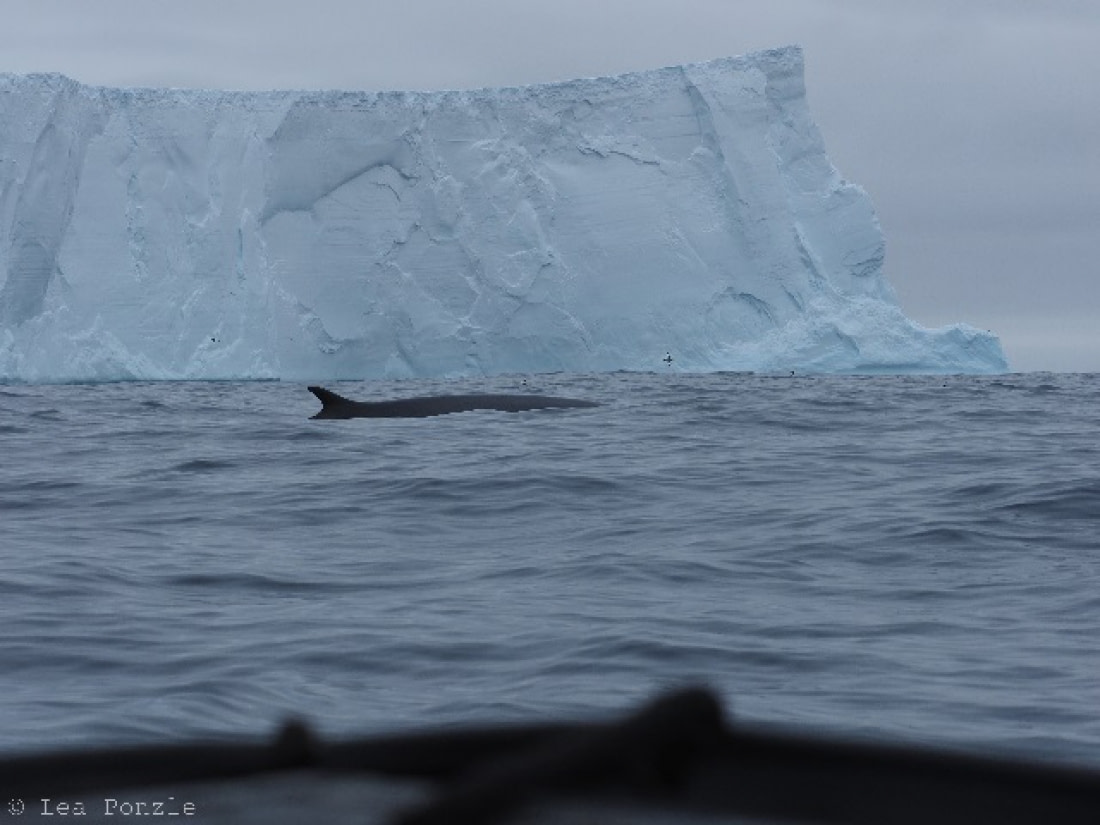
Soon large blows filled our view; small groups of fin whales sped by heading north all the while feeding on concentrations of krill & small fish. Group after group was seen, with many simply feeding in the general area and not heading anywhere in particular. Soon it became evident that we were not simply seeing a few random groups of fins, but a very large concentration spread out over a large area of sea just north and around the islands north of the South Shetlands. Dozens upon dozens of fin whales were feeding, diving around the ship and on the horizon in massive numbers; we must have seen well over fifty fin whales in the general area of Elephant Island, something many of the guides had never seen before.
blog-image

Landing at Point Wild on Elephant Island

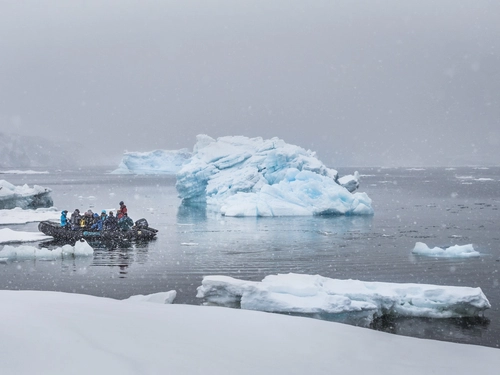
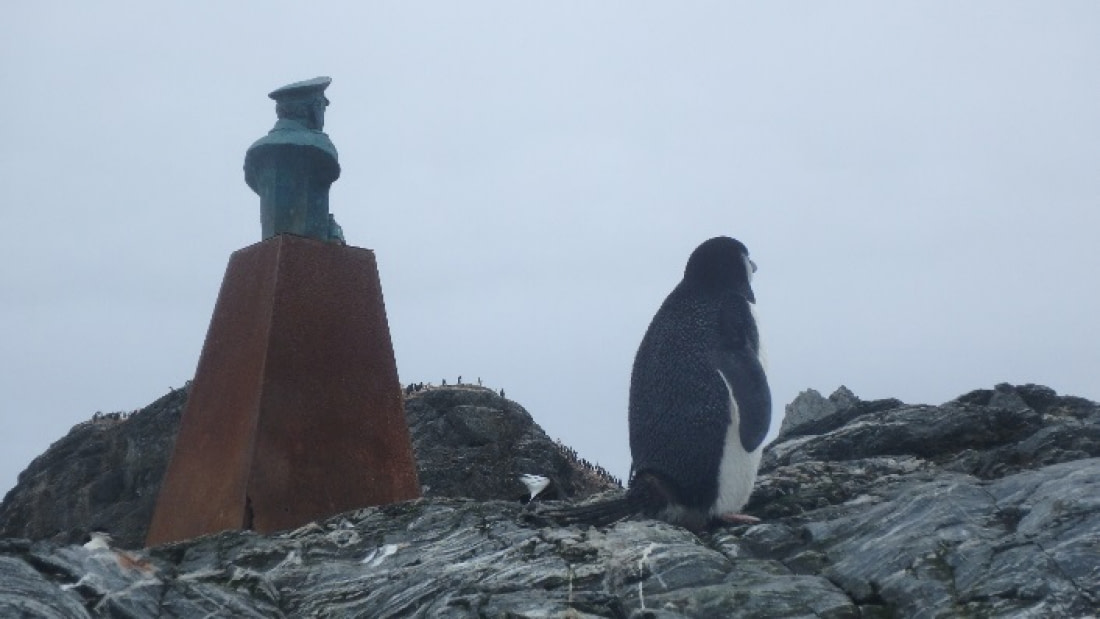
As we neared Elephant Island it soon became quite clear: the possibility of landing at Point Wild on Elephant Island, the very spot where Shackleton had landed with his men and left the majority of them stranded while he sailed towards South Georgia in search of rescue, was a very real possibility. With seas generally rather rough and the swell both at the ship and at land being usually quite strong, the chances of landing there was always slim and several years could pass before a ship could have a chance at making a landing there. With the seas as calm as they were, our chances would never be better: the decision was made in the early afternoon to send out a scout zodiac to appraise the landing site and see if it would be at all possible to land with passengers. At 3:30pm the zodiac headed out, and within several minutes the call came through: the landing site Point Wild was a green light! With guides possibly more excited than guests, as we knew the rarity of being able to land there, two groups were organized: one would head out and land on Point Wild directly, while the second group would zodiac cruise and hope for the chance of close encounters with some fin whales. As the first group scrambled around on the slippery rocks and pondered the entirety of Shackleton’s men being stranded on that small strip of land for months on end, ever wondering if rescue would even find them with only a couple small upturned boats for shelter, the second group headed out towards large tabular icebergs in search of whales to play with.
blog-image

In search of fin whales

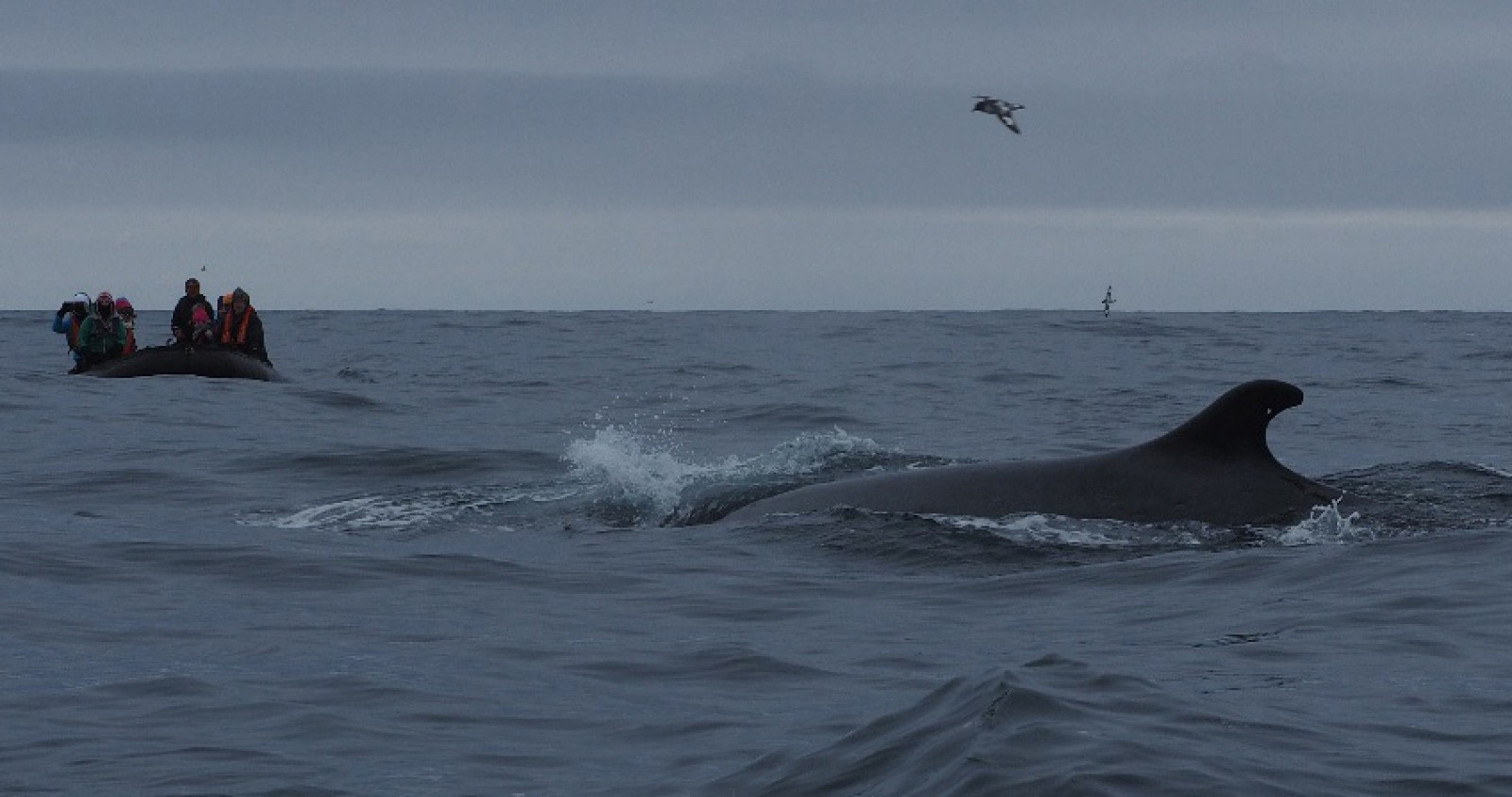
Success! Blow upon blow was seen on the horizon, sometimes up to 14 blows nearly at once as many more fed and frolicked within close proximity to the Zodiacs. Several even had the audacity to dive under a Zodiac, a wonderful if terse moment as these leviathans of the deep displayed their enormity. Ear to ear smiles were shared by guests and guides alike, as this was something many of the guides themselves had never experienced: such close encounters and gentle behaviour from fin whales in such close proximity to zodiacs, in such large numbers was something special indeed. And doubly so! To be able to land on Point Wild, such a rare occasion, was a double guilty pleasure that would most likely not be duplicated in a rather while. As the last zodiac left shore and headed back to the Plancius, the dining room full of laughter and smiles and various stories from the day, the sun making its way down towards the horizon, we could only marvel at the luck of taking part in a day such as this, a very special day indeed. A day of fin whales, ice, rocks, but not least of all, memories.

Best Deals

Related Trips

Antarctica - Discovery and learning voyage - Nexta Expeditions
Antarctica
Ushuaia

Antarctica - Discovery and learning voyage

calendar08 Jan 2026 - 18 Jan 2026
clock11 Days / 10 Nights
From $ 9.250 per person
Antarctica - Discovery and learning voyage - Nexta Expeditions
Antarctica
Ushuaia

Antarctica - Discovery and learning voyage

calendar09 Jan 2026 - 19 Jan 2026
clock11 Days / 10 Nights
From $ 9.250 per person
Antarctica - Discovery and learning voyage - Nexta Expeditions
Antarctica
Ushuaia

Antarctica - Discovery and learning voyage

calendar18 Jan 2026 - 28 Jan 2026
clock11 Days / 10 Nights
From $ 9.250 per person
Falkland Islands - South Georgia - Antarctica - Nexta Expeditions
Antarctica
Ushuaia

Falkland Islands - South Georgia - Antarctica

calendar19 Jan 2026 - 06 Feb 2026
clock19 Days / 18 Nights
From $ 16.600 per person
% Save up to $ 7.350
Falkland Islands - South Georgia - Antarctica - Nexta Expeditions
Antarctica
Ushuaia

Falkland Islands - South Georgia - Antarctica

calendar28 Jan 2026 - 16 Feb 2026
clock20 Days / 19 Nights
From $ 12.650 per person
Antarctica - Discovery and learning voyage - Nexta Expeditions
Antarctica
Ushuaia

Antarctica - Discovery and learning voyage

calendar06 Feb 2026 - 16 Feb 2026
clock11 Days / 10 Nights
From $ 9.250 per person
Falkland Islands - South Georgia - Elephant Island - Antarctica - Polar Circle - Nexta Expeditions
Antarctica
Ushuaia

Falkland Islands - South Georgia - Elephant Island - Antarctica - Polar Circle

calendar16 Feb 2026 - 10 Mar 2026
clock23 Days / 22 Nights
From $ 17.800 per person
Antarctica – Uncharted islands of the Deep South - Nexta Expeditions
Antarctica
Ushuaia

Antarctica – Uncharted islands of the Deep South

calendar18 Feb 2026 - 04 Mar 2026
clock15 Days / 14 Nights
From $ 12.100 per person
Deep South Basecamp experience - Nexta Expeditions
Antarctica
Ushuaia

Deep South Basecamp experience

calendar04 Mar 2026 - 17 Mar 2026
clock14 Days / 13 Nights
From $ 11.200 per person
Antarctica - Elephant Island - Weddell Sea - Polar Circle - Aurora Australis / Southern Lights - Nexta Expeditions
Antarctica
Ushuaia

Antarctica - Elephant Island - Weddell Sea - Polar Circle - Aurora Australis / Southern Lights

calendar09 Mar 2026 - 23 Mar 2026
clock15 Days / 14 Nights
From $ 11.200 per person
Antarctica - Whale watching discovery and learning voyage - Aurora Australis / Southern Lights - Nexta Expeditions
Antarctica
Ushuaia

Antarctica - Whale watching discovery and learning voyage - Aurora Australis / Southern Lights

calendar10 Mar 2026 - 20 Mar 2026
clock11 Days / 10 Nights
From $ 7.400 per person
Antarctica - Weddell Sea Explorer Basecamp - free polar activities (kayaking, hiking, photo workshop, snorkeling) - Nexta Expeditions
Antarctica
Ushuaia

Antarctica - Weddell Sea Explorer Basecamp - free polar activities (kayaking, hiking, photo workshop, snorkeling)

calendar17 Mar 2026 - 29 Mar 2026
clock13 Days / 12 Nights
From $ 9.700 per person

Blog
go-leftgo-right

Polar Bears and Pack Ice: 22 Pics from North Spitsbergen - Nexta Expeditions
Blog

Polar Bears and Pack Ice: 22 Pics from North Spitsbergen

Last month, we explored one of the premier Arctic cruise destinations in our North Spitsbergen blog. That post not only detailed our itinerary in this breathtaking region but also highlighted some of the stunning locations where you might encounter polar bears, whales, walruses, seals, seabirds, and the mesmerizing ice formations of the far north.
The Ins, Outs, and Ups of Polar Mountaineering & Ski Mountaineering - Nexta Expeditions
Blog

The Ins, Outs, and Ups of Polar Mountaineering & Ski Mountaineering

Traveling to the polar regions, whether to the Arctic or Antarctica, is an adventure almost no matter what you do.
The Arctic Borderland of Kongsfjorden, Svalbard - Nexta Expeditions
Blog

The Arctic Borderland of Kongsfjorden, Svalbard

Kongsfjorden is a glacial fjord in Svalbard that hosts a diverse array of flora and fauna.
Keep It Green: Our Commitment to Sustainable Polar Travel - Nexta Expeditions
Blog

Keep It Green: Our Commitment to Sustainable Polar Travel

It doesn’t make much sense for expedition travel if every time we visit the polar regions we leave them worse than we found them. And that’s just considering things from a purely human perspective, which we don’t.
Arctic Foxes: Constant Gardeners of the Arctic - Nexta Expeditions
Blog

Arctic Foxes: Constant Gardeners of the Arctic

Given how widespread their habitat is, it is little wonder that Arctic foxes are one of the animals we most often see during our Greenland and Svalbard expeditions. The Arctic fox is a circumpolar species whose feeding grounds include North America, Eurasia, even Iceland, ranging from nearly the North Pole all the way down to the sub-Arctic islands.
Birding Opportunities Abound in Spitsbergen - Nexta Expeditions
Blog

Birding Opportunities Abound in Spitsbergen

Seabirds are the most prevalent type of bird in Spitsbergen. Experts have estimated that there are 164 bird species that have been found throughout Spitsbergen at various points during recent history, but only 30 of them are known to turn to the Svalbard Islands as their primary breeding spot.
The Pack Ice and Polar Bears of North Spitsbergen - Nexta Expeditions
Blog

The Pack Ice and Polar Bears of North Spitsbergen

The Arctic archipelago of Svalbard is renowned for being one of the prime locations to observe polar bears. The largest island in this region, Spitsbergen, not only offers sightings of these majestic Arctic creatures but also provides a unique opportunity to experience the phenomenon of pack ice.
10 Tips for Photographing the Northern Lights - Nexta Expeditions

Blog

10 Tips for Photographing the Northern Lights

The northern lights, also known as the aurora borealis, offer some of the most breathtaking photographic opportunities in the Arctic. However, capturing this stunning phenomenon requires more than just luck. To take your best northern lights photos, it's helpful to understand some key aspects of aurora-specific photography.
Visa to Argentina for Antarctic Expedition Travelers (2025 Guide) - Nexta Expeditions
Blog

Visa to Argentina for Antarctic Expedition Travelers (2025 Guide)

Argentina is the main gateway for travelers heading to Antarctica, with most expedition cruises departing from the southern city of Ushuaia. Whether you’re flying in through Buenos Aires or connecting domestically, knowing Argentina’s visa requirements is critical for a smooth journey before and after your polar adventure.
What to Expect When Crossing the Drake Passage - Nexta Expeditions
Blog

What to Expect When Crossing the Drake Passage

Positioned between the southern tail of South America and the Antarctic Peninsula's north-sweeping arm is a lively little waterway known as the Drake Passage.
Living the Antarctic Dream - Nexta Expeditions
Blog

Living the Antarctic Dream

From October to March, during the Austral summer, thousands of breeding gentoo, Adèlie, and chinstrap penguins flock to the Western Antarctic Peninsula to rear their chicks and feast on krill before the harsh winter arrives. Alongside the penguins, field biologists from around the world gather to study these habits for conservation research. Observing these animals is one thing, but residing in an Antarctic field station for an entire breeding season is another. One particular field camp on King George Island, managed by American scientists, has perfected this Antarctic lifestyle and has thrived for over 30 years.
Polar Bear Primer: Eight Facts About the Arctic Wanderer - Nexta Expeditions
Blog

Polar Bear Primer: Eight Facts About the Arctic Wanderer

Polar bears inhabit the Arctic region across 19 subpopulations, including areas in Alaska, Canada, Greenland, Norway, and Russia. These majestic creatures prefer the edges of pack ice where currents and wind interact, creating a dynamic environment of melting and refreezing that forms ice patches and leads, which are open spaces in the sea between sea ice.
Amphibian, reptiles and herbivore mammals in the Arctic - Nexta Expeditions
Blog

Amphibian, reptiles and herbivore mammals in the Arctic

Arctic ecosystems are relatively young in geological terms, having primarily developed over the past three million years. Generally, species richness is lower in the Arctic compared to more southerly regions, aligning with scientific observations that biodiversity decreases from the Equator to the poles.
The History of Antarctica in Maps - Nexta Expeditions
Blog

The History of Antarctica in Maps

Long before human eyes ever beheld Antarctica, the ancients were convinced that it existed – or at least something like it.
Birds of the South: 33 Antarctic Birds and Seabirds - Nexta Expeditions
Blog

Birds of the South: 33 Antarctic Birds and Seabirds

Of the many compelling reasons people travel to Antarctica and the sub-Antarctic, bird life is among the most beloved.
Graham Land: A landscape dominated by volcanoes - Nexta Expeditions
Blog

Graham Land: A landscape dominated by volcanoes

An Antarctic cruise may explore the upper tip of the Antarctic Peninsula where one finds Graham Land, a jagged, glaciated part of Antarctica with a landscape dominated by volcanoes. Despite the volcanoes being over 200 million years old they are far from extinct with volcanic activity occurring today. Graham Land is connected to Palmer Land at the point where the Antarctic Peninsula widens from around 75 km to around 200 km south of Marguerite Bay.
Explore Antarctica Without Leaving Your Couch - Nexta Expeditions
Blog

Explore Antarctica Without Leaving Your Couch

There are numerous ways to embark on an Antarctica expedition from the comfort of your home. Explore these fantastic resources to experience the White Continent without leaving your couch.
Northeast Greenland National Park - Nexta Expeditions
Blog

Northeast Greenland National Park

Northeast Greenland National Park is the world’s largest national park and the ninth largest protected area on Earth. It should come as little surprise, then, that it’s also bigger than most countries, covering an impressive 972,000 square km (375,300 square miles).
Navigating by touch through the sea ice - Nexta Expeditions
Blog

Navigating by touch through the sea ice

Ships are meant to glide effortlessly through calm waters, but our Greenland expedition vessel Ortelius is shuddering and wiggling as it navigates through the calm yet frozen waters between Svalbard and the islands. We’re on the North Atlantic Odyssey, a journey that starts in continental Europe and concludes near the North Pole in Svalbard. Onboard are 115 enthusiastic passengers. Most of them are currently on the outer decks, cameras in hand, captivated by the sea ice.
All things ice in the Antarctic - Nexta Expeditions
Blog

All things ice in the Antarctic

The first documented sighting of an iceberg in Antarctica occurred on February 1, 1700, when Edmond Halley was on an expedition to measure the Earth's magnetic field. He noted in his diary that he encountered "great Islands of Ice, of Soe Incredible a hight and Magnitude that I scare dare to write my thoughts on it."