



Show More
Blog


Blog
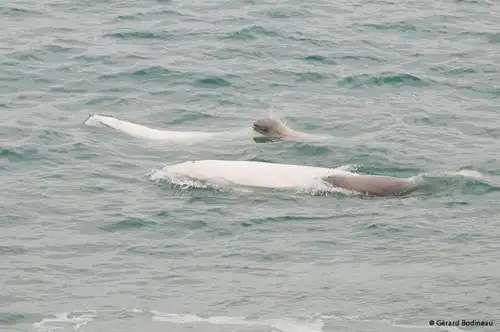
The Mysteries of the Beluga Whale
Beluga whales, also known as white whales, sea canaries, and sometimes melonheads, are a rare but cherished sight during Arctic cruises, thanks to their striking appearance. Despite the rarity of beluga sightings, a good amount is known about these friendly-faced cetaceans.
Blog
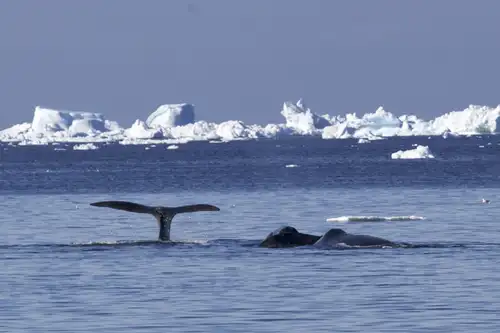
The bowhead whale, whaling about the Arctic
The bowhead whale typically resides near pack ice, often in shallow waters. These whales are commonly found north of Europe, between Canada and Greenland, in the Hudson Bay area, the Okhotsk Sea, and the Bering, Chukchi, and Beaufort seas. In these regions, they filter food through their large baleen plates. Bowheads are known to open their large mouths and graze along the surface, in the water column, or on the sea floor.

Blog
Shackleton’s Push to the South Pole
On the evening of February 11, 1907, Irish-born polar explorer Ernest Shackleton, already among the more famous polar explorers in the world, announced his intention to embark on a momentous Antarctic expedition.
Blog
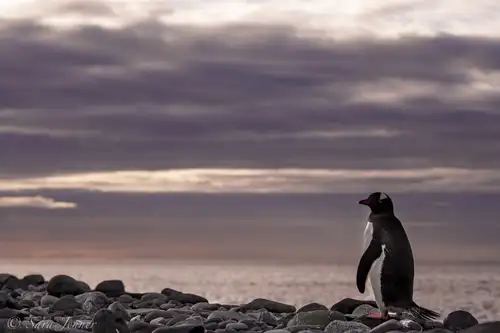
Penguin Wisdom: Life Lessons from Our Favorite Flightless Birds
As enthusiasts of wildlife travel, we believe every creature has something valuable to impart - from the grand blue whale to the tiny cephalopod, the formidable polar bear to the elusive Arctic fox.
Blog
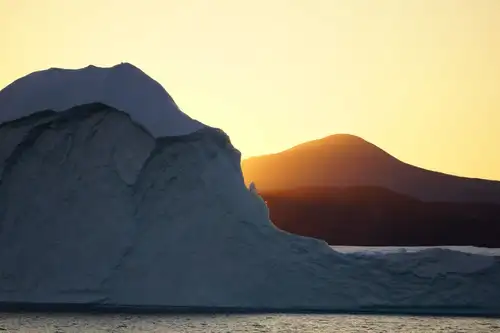
Light in the Land of the Midnight Sun
The midnight sun, also referred to as the polar day, is a fascinating natural event observed within the Arctic and Antarctic circles. During the polar summer, the sun remains above the horizon for 24 hours a day, resulting in continuous daylight without any sunrise or sunset. This phenomenon occurs due to the Earth's seasonal tilt towards the sun during the summer months in these regions.

Blog
The Ice-Jewelled Geology of Spitsbergen
The Svalbard archipelago is located in the Arctic Ocean, roughly 660 km (410 miles) north of Norway's northernmost point. This region is a haven for geologists, boasting a rich geological history that spans from the Mesozoic era (65-245 million years ago) through the Cambrian era (570 million years ago) and back to the Archean era, over 3.5 billion years ago.
Blog
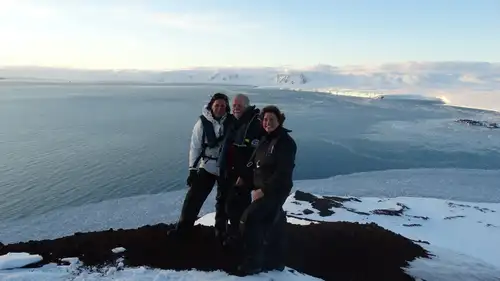
Polar Cruises: The Ultimate Icebreaker
Travel is one of life’s great eye openers. It brings you into contact with new people and perspectives, challenges old assumptions you haven’t held to the light in years, and invites you to make unexpected discoveries about the world around you – and most of all, yourself. Added to which, you get to visit places you never knew you loved until you saw them.
Blog
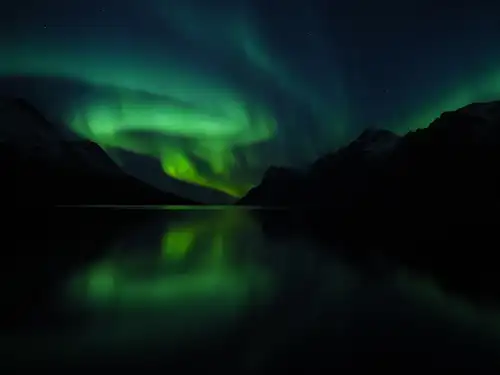
10 Illuminating Facts about the Northern Lights
In Roman mythology, Aurora was the goddess of the dawn. The term "borealis" is derived from the Greek word for "wind." Thus, "aurora borealis" translates to "dawn wind," commonly known as the Northern Lights. This natural phenomenon has captivated humanity for millennia and remains a major attraction in the Arctic, with numerous cruises dedicated to witnessing this mesmerizing light display.
Blog
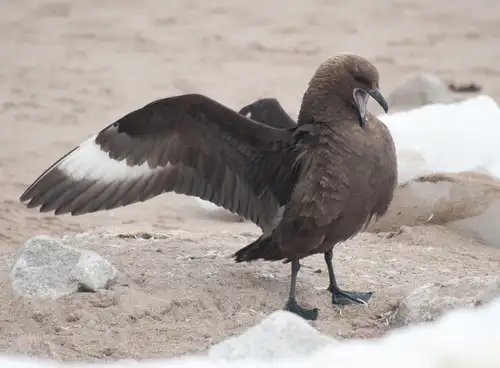
Fierce and Feathered: the Skuas of Antarctica
At first glance, the skuas you encounter in Antarctica may appear to be merely darker-feathered seagulls. But looks can be deceiving.
Blog
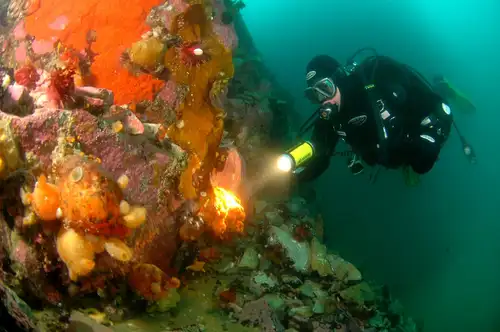
Diving in Antarctica: The Ultimate Underwater Experience
Ice diving offers an extraordinary experience on an Antarctica diving trip. The dive sites are teeming with a unique array of colorful marine life, including penguins and leopard seals, which are exclusive to this region.
Blog
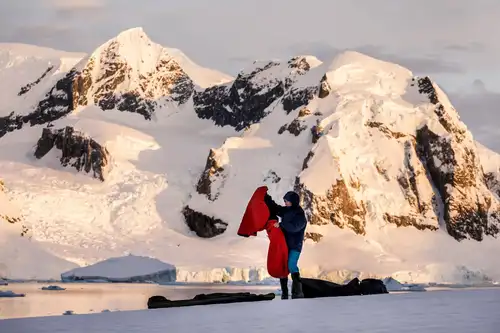
Camping in Antarctica: a True Expedition Experience
We often think of camping as a summer activity, filled with warm nights, campfire dinners, and serene mountain lakes. However, there's a whole other world of camping to explore.
Blog
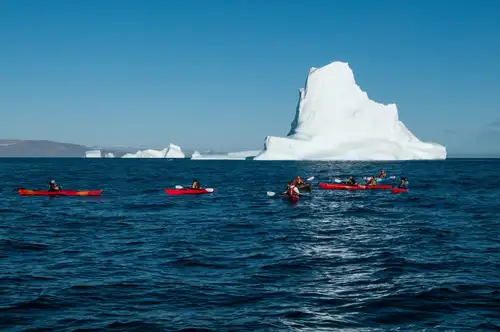
Kayaking In Greenland
Think of Greenland and two images come to mind:
Blog
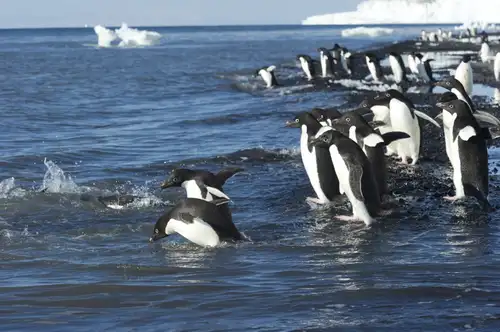
Adélie penguins in the Ross Sea - Antarctica
The Adélie penguin population in the Ross Sea has reached its highest numbers in 30 years, with up to a million breeding pairs during the summer. This accounts for about 38 percent of the entire Antarctic Adélie population.
Blog
5 Misconceptions You Might Have About Greenland

Blog
What to pack for your Atlantic Odyssey voyage?
When packing, avoid burdening yourself with excessive clothing or gear. Opt for casual, practical attire that can be layered. Consider including the following:
Blog
The Ancient Fossil Forests of Antarctica
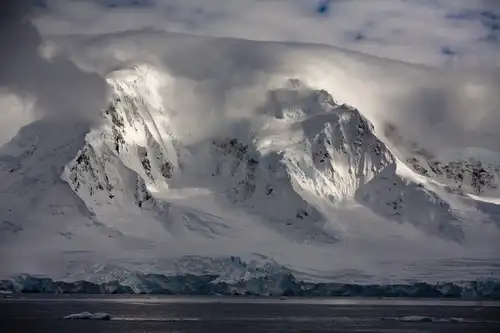
Over a hundred years ago, Robert Falcon Scott’s expedition to Antarctica discovered fossils of plants on the Beardmore Glacier, less than 500 km (310 miles) from the South Pole. Edward Wilson, who was the expedition’s chief scientist, recorded the findings in his diary, stating that “most of the bigger leaves were like beech leaves in shape and venation.”
Blog
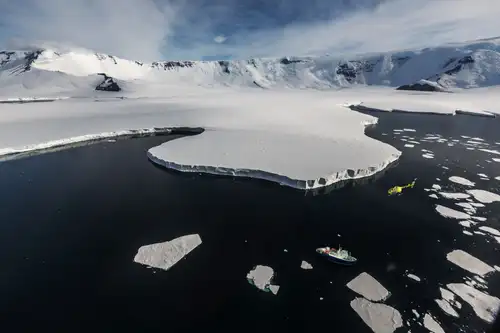
Taking a polar expedition cruise delivers no shortage of show-stopping highlights, but one of the most exhilarating is lifting off from the ship in a helicopter and taking flight over the incomparable Antarctic wilderness.
Embarking on a polar expedition cruise offers a plethora of breathtaking experiences, but one of the most thrilling is taking off from the ship in a helicopter and soaring over the stunning Antarctic wilderness.
Blog
Why You Should Visit Greenland: 11 Things to See, Do, and Explore
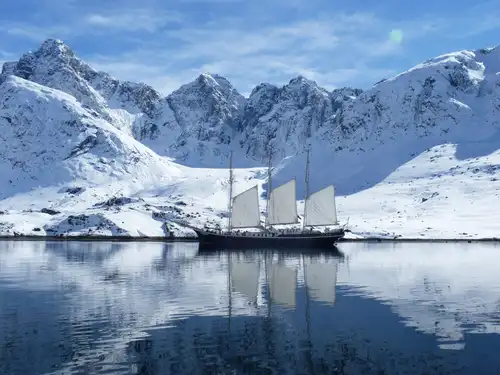
There's nothing quite like witnessing your first Greenland glacier, navigating into the island's largest fjord system (which also happens to be Earth's largest), or observing a humpback whale breach over the dark Greenland Sea.
Blog
Coming Back from the Brink: The Fur Seals of Antarctica
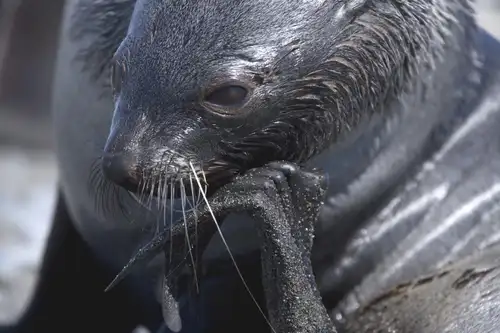
Once hunted to the brink of extinction, the Antarctic fur seal is now one of the most populous and charismatic species of seal you’re likely to encounter during your Antarctica trips. Unlike other members of its large family, the fur seal has external ears, or pinnae, a short snout, and a thick coat of dark brown fur. Male seals tend to be larger than females, with weights ranging from 91 kg (200 lbs.) to 215 kg (474 lbs.).
Blog
Antarctica’s Hourglass Dolphin
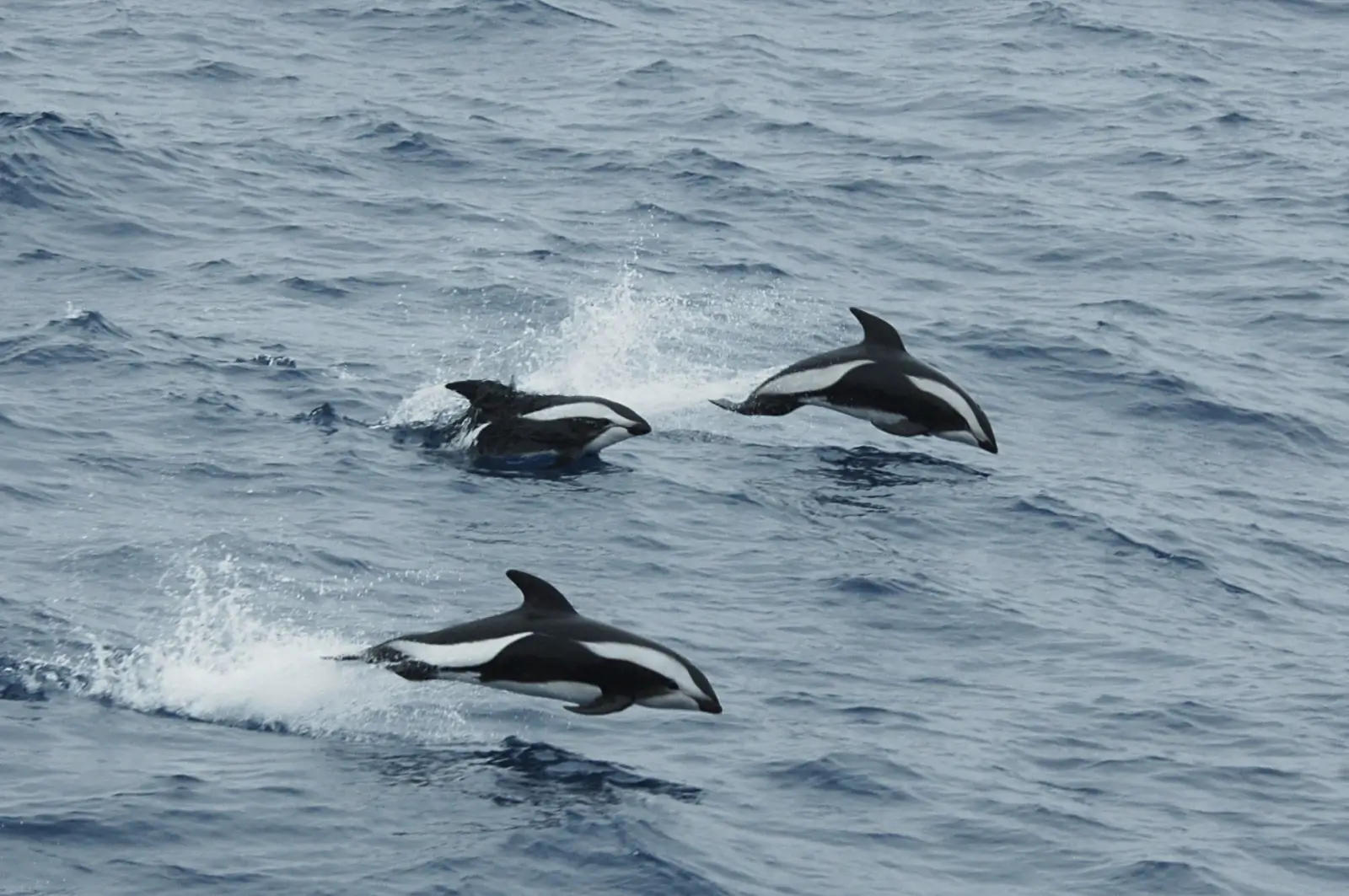
Though hourglass dolphins are especially rare, they’re actually not a threatened or endangered species.