



Show More
Blog


Blog
The Eight Great Penguin Species of Antarctica
There are 17 species of penguin on the planet, but the eight you’ll most likely recognize live in Antarctica, its nearby islands, and the sub-Antarctic archipelagos of South Georgia and the Falklands. These are the core species we tend to see on our expedition cruises.

Blog
Seven Tips to Get the Most out of Your Expedition Cruise
Polar cruises are easy to enjoy, but there’s an art to getting the most out of them.

Blog
Of Treacherous Rocks & Audacious Fin Whales
Soon large blows filled our view; small groups of fin whales sped by heading north all the while feeding on concentrations of krill & small fish. Group after group was seen, with many simply feeding in the general area and not heading anywhere in particular. Soon it became evident that we were not simply seeing a few random groups of fins, but a very large concentration spread out over a large area of sea just north and around the islands north of the South Shetlands. Dozens upon dozens of fin whales were feeding, diving around the ship and on the horizon in massive numbers; we must have seen well over fifty fin whales in the general area of Elephant Island, something many of the guides had never seen before.
Blog
Arctic vs. Antarctica: A Traveler’s Guide
Sunrises vs. sunsets, coffee vs. tea, Wonder Woman vs. Superman...
Blog
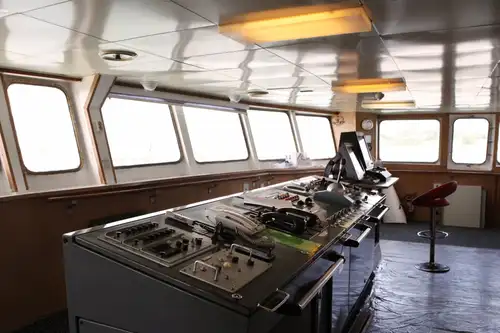
Navigating by touch through the sea ice
Ships are meant to glide effortlessly through calm waters, but our Greenland expedition vessel Ortelius is shuddering and wiggling as it navigates through the calm yet frozen waters between Svalbard and the islands. We’re on the North Atlantic Odyssey, a journey that starts in continental Europe and concludes near the North Pole in Svalbard. Onboard are 115 enthusiastic passengers. Most of them are currently on the outer decks, cameras in hand, captivated by the sea ice.
Blog
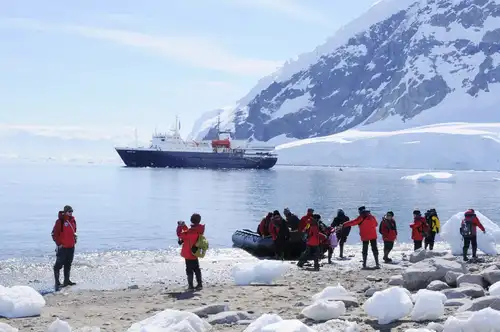
The Seven Best Things to Do in Antarctica
Unless you’re a scientist, there’s no such thing as a means-to-an-end trip to Antarctica.
Blog
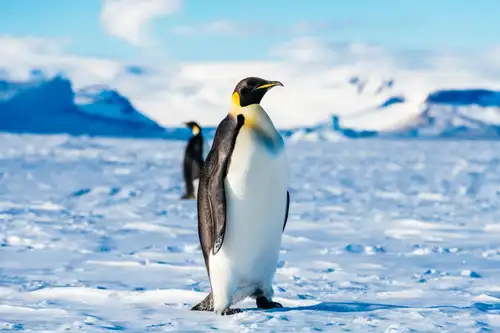
Penguins, Petrels, and Prions: Top Antarctica Bird Tour Spots
If anyone tells you Antarctica is for the birds, they’re right.
Blog
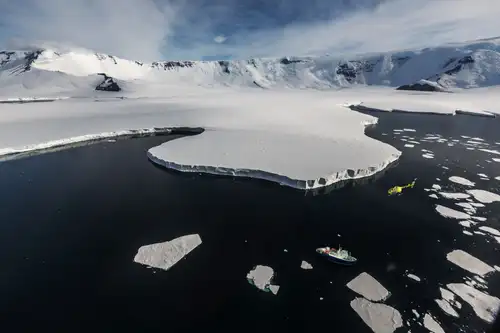
Taking a polar expedition cruise delivers no shortage of show-stopping highlights, but one of the most exhilarating is lifting off from the ship in a helicopter and taking flight over the incomparable Antarctic wilderness.
Embarking on a polar expedition cruise offers a plethora of breathtaking experiences, but one of the most thrilling is taking off from the ship in a helicopter and soaring over the stunning Antarctic wilderness.
Blog
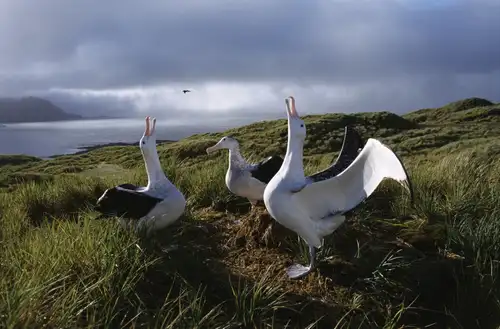
Albatross, penguin and krill research in Antarctica
In the Antarctic region, extensive research is being conducted by national Antarctic programmes from countries like the UK, Australia, and Japan. These studies aim to understand species in the air, on the ground, and in the sea, and how these species are interconnected without variables such as human impacts and climate change.
Blog
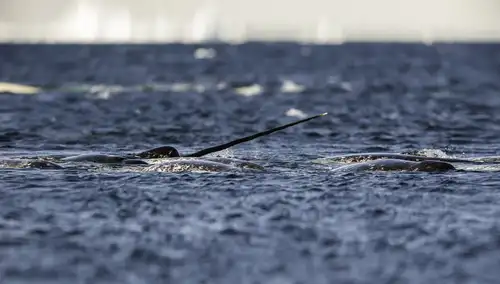
Narwhals: the Aquatic Unicorns of the Arctic
Though narwhals are among the rarest whale species encountered during our Arctic expeditions, a journey to the Arctic regions of Greenland and Svalbard always holds the potential for spotting these elusive creatures.
Blog
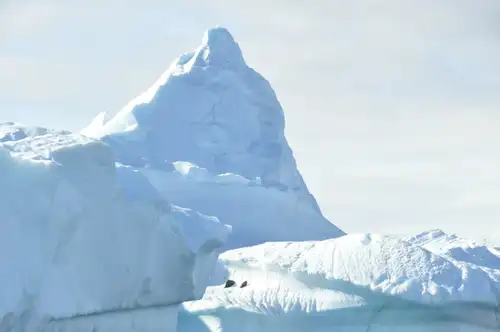
Life migrating through the Polar Front
Since James Cook’s second voyage to Antarctica from 1772-1775, which provided the first descriptions of Antarctic animals, scientists have progressively uncovered the biodiversity of the Antarctic and sub-Antarctic regions. Numerous expeditions and research projects have since been undertaken to understand the unique ecosystems of this continent.
Blog
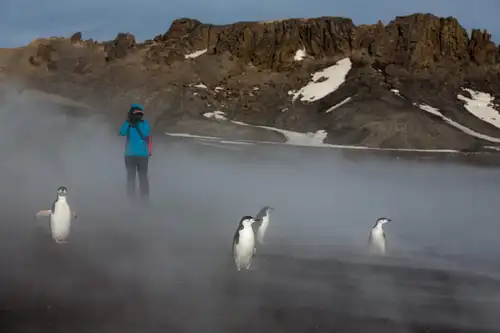
Graham Land: A landscape dominated by volcanoes
An Antarctic cruise may explore the upper tip of the Antarctic Peninsula where one finds Graham Land, a jagged, glaciated part of Antarctica with a landscape dominated by volcanoes. Despite the volcanoes being over 200 million years old they are far from extinct with volcanic activity occurring today. Graham Land is connected to Palmer Land at the point where the Antarctic Peninsula widens from around 75 km to around 200 km south of Marguerite Bay.
Blog
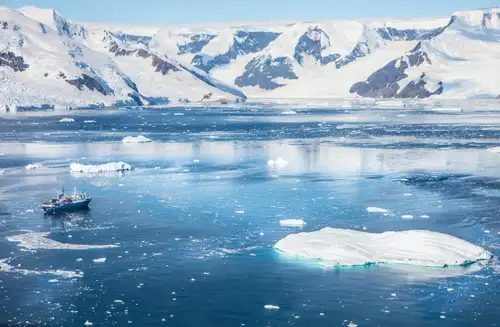
The first race to the South Pole in 50 years
Before the South Pole could be reached, the question was what exactly lay at the southern ends of Earth. The concept of Terra Australis Incognita, an unknown continent, was first introduced by Aristotle, who reasoned that a southern landmass must exist to ‘balance’ the known lands in the northern hemisphere.
Blog
The Impact of Small vs. Large Cruise Ships
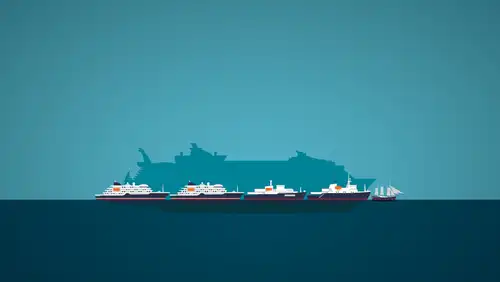
The generalization that larger ships impact the environment more than smaller ships seems like such a no-brainer that if someone said it to you, you’d be easily forgiven for thinking you were being tricked.
Blog
The Evolving Shipboard Eco-traveler
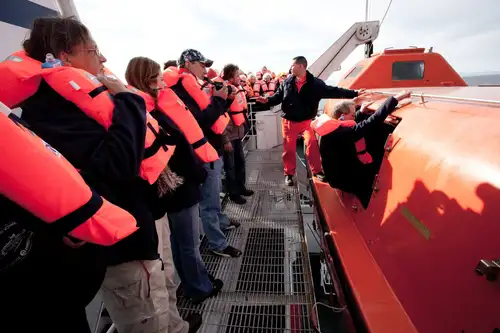
Feeling stuck in the monotony of everyday life? Looking for a change of scenery? Look no further! Most of us spend our lives on solid ground, despite our bodies being composed of 71.5% water. You'd think we'd have a natural inclination to be in or on the water! So why not try something different? Consider an Arctic holiday adventure on the same waters that famous explorers once navigated!
Blog
Three Antarctica Cruise Deals
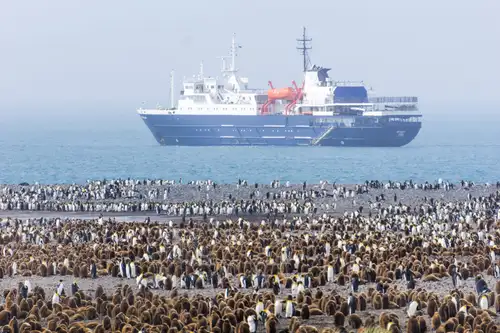
For many travelers, Antarctica represents the ultimate polar destination. Its vast white landscapes offer an endless array of surreal vistas, much of its unique wildlife is found nowhere else on Earth, and its complete lack of an indigenous human population provides a sense of untouched seclusion that few other places can match.

Blog
8 Whales You Might See During Your Antarctica Cruise
They're powerful, beautiful, and really, really big. Whales are a wonder of the natural world, and one of the best places to see them is Antarctica. In fact, whale watching is one of the most popular and rewarding activities you can enjoy on an Antarctic trip.
Blog
Tracking Greenland’s Wildlife from Space
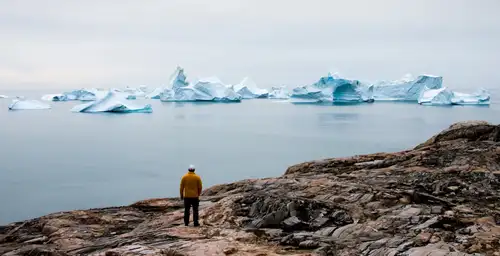
Despite Greenland’s harsh environment, life has found a way to thrive there. If you’re lucky enough to embark on a Greenland cruise, you stand the chance of encountering many species of cold-adapted mammals, birds, and fish.
Blog
The Wildlife of Antarctica’s Seas and Skies
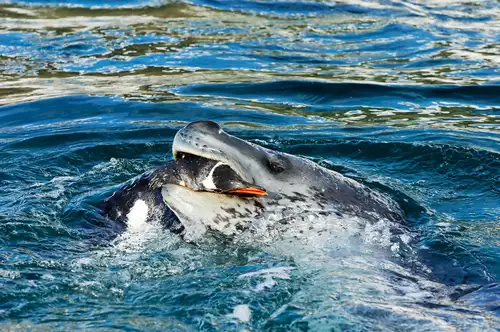
Antarctica is one of the most pristine environments on Earth, home to whales, penguins, seals, and birds, providing nature lovers with a treasure trove of wildlife memories to take back home.
Blog
10 Weather-Fueled Facts about Antarctica
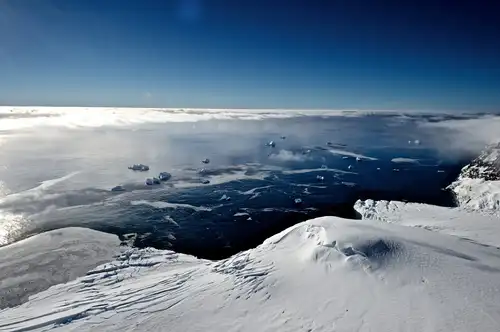
Most of us have at least a vague notion of what makes the North and South Poles so brutally, bone-chillingly cold: They receive less sunlight than the rest of the planet, what sunlight they do receive arrives at an angle, and they’re usually buried under endless mounds of ice and snow. This holds especially true for the South Pole and its centerpiece, Antarctica. Fewer people know, however, what drives Antarctic weather, or what results from it. Here are ten weather-related facts about the most southern continent that will put your polar meteorology ahead of the curve.