



Show More
Blog


Blog
10 Bountiful Blue Whale Facts
The umbrella term “whale” refers to a wide variety of large marine mammals. To zero in on blue whales, however, we’ll need to unpack this term a bit. The Latin word for whale, cetus, is the root of the whale infraorder, Cetacea, the largest parvorder of which is Mysticeti.
Blog
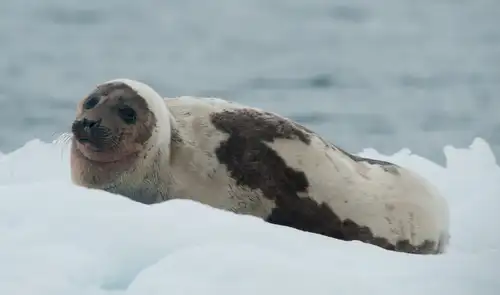
Harp seals harping on in Greenland
Harp seals are a moderately sized species, typically reaching about 1.6 meters in length and weighing around 130 kilograms. Both males and females are similar in size and weight, with males being only slightly larger. They possess a thick, robust body, a small broad and flat head, short narrow flippers, and a narrow muzzle.

Blog
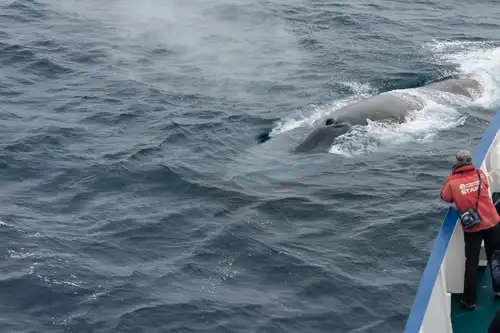
Polar Marine Visitors: the Whales of Antarctica and the Arctic
Whales are the world’s largest mammals, found in the Arctic and Antarctica. This article covers some of the major species you may see on voyages to these remarkable areas.
Blog
“The polar bear will still be there”
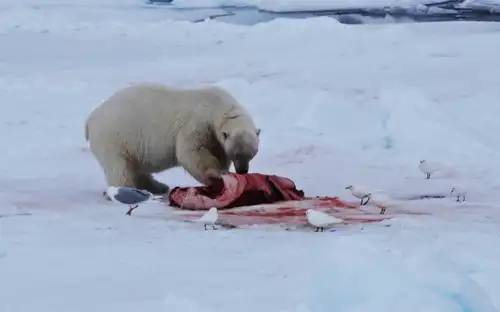
For several hours, we had been navigating the pack ice in search of polar bears. Despite numerous binoculars scanning the ice, no bears were visible, and only a few tracks were found. This suggested we might be in an area with fewer bears. Later that morning, we decided to head a few miles east, suspecting a higher bear population there.
Blog
12 Tips to Help Keep Birds Safe During an Antarctic Cruise
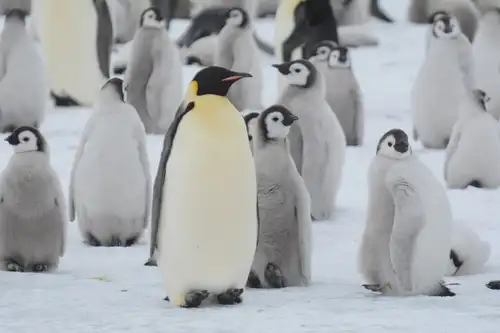
One of the most incredible experiences on an Antarctic cruise is observing the numerous penguins in their natural environment. Naturally, passengers often worry about the potential of disturbing the penguins and other Antarctic birds, which could disrupt their breeding and nesting patterns.
Blog
The Giant Petrels of King George Island
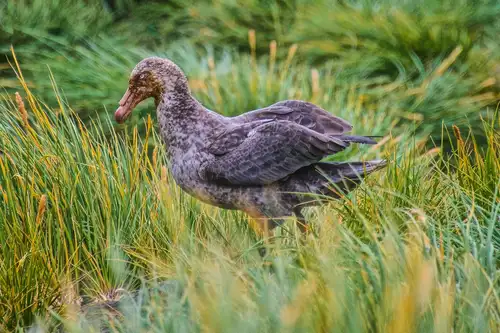
Antarctica is undeniably one of the world’s premier birding destinations.
Blog
The Wildlife of Antarctica’s Seas and Skies
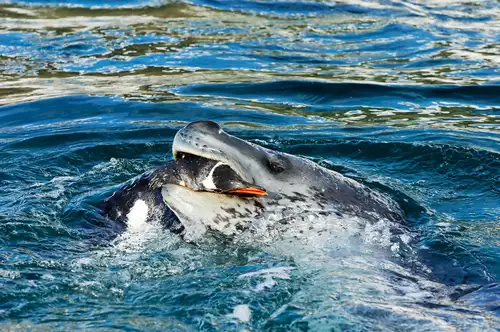
Antarctica is one of the most pristine environments on Earth, home to whales, penguins, seals, and birds, providing nature lovers with a treasure trove of wildlife memories to take back home.
Blog
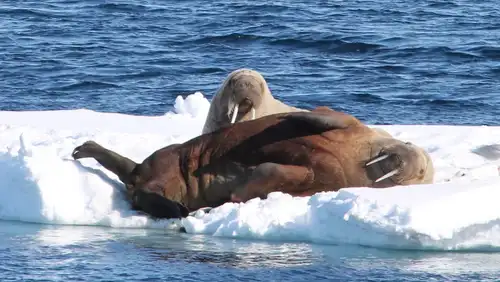
Svalbard’s 12 Most Iconic Animals
Each of our Arctic regions offers its own distinct and unforgettable features: Greenland boasts mountainous shorelines and record-setting fjords, Northern Norway is renowned for the aurora borealis and historic masted schooners, and Svalbard (especially Spitsbergen) is where you're most likely to encounter a variety of Arctic wildlife.
Blog
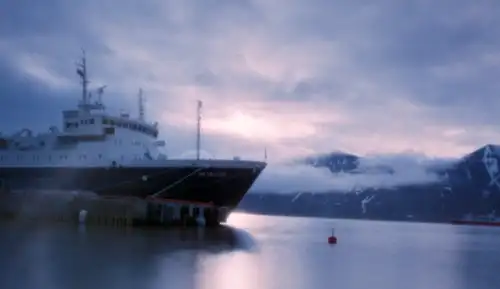
Solargraphy & Pin Hole photography in the Arctic
Blog
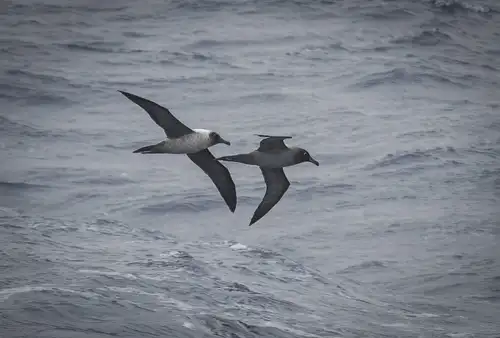
Birds of the South: 33 Antarctic Birds and Seabirds
Of the many compelling reasons people travel to Antarctica and the sub-Antarctic, bird life is among the most beloved.

Blog
Polar Diving: A Supreme Underwater Adventure
Most scuba divers are drawn to warm waters and tropical reefs, and it's easy to see why. However, even the most thrilling experiences can become repetitive if done too often.
Blog
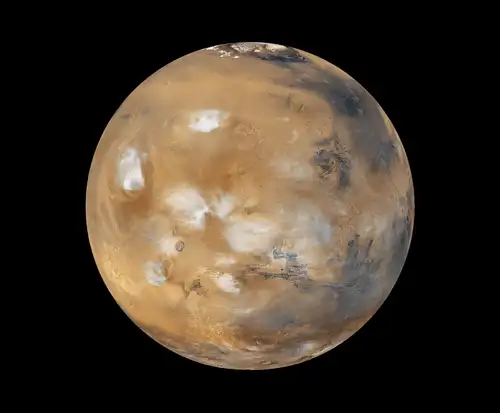
Earth vs. Mars: Polar Regions Compared
It’s well-known that Mars, like Earth, has its own polar regions, often referred to as the Martian ice caps. These regions, similar to Earth's, are situated at the north and south poles and experience much lower temperatures compared to the areas in-between.
Blog
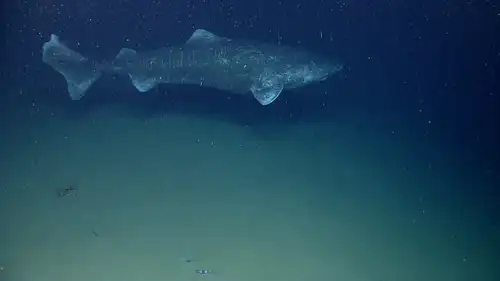
9 Facts about the Greenland Shark
The Greenland shark, or Somniosus microcephalus, is one of many fish that inhabit the waters around Greenland, though this is not the only area in which the shark resides. These sharks, sometimes referred to as “gray sharks” or “gurry sharks,” can also be found in the north Atlantic Ocean near Iceland, Norway, and Canada.
Blog
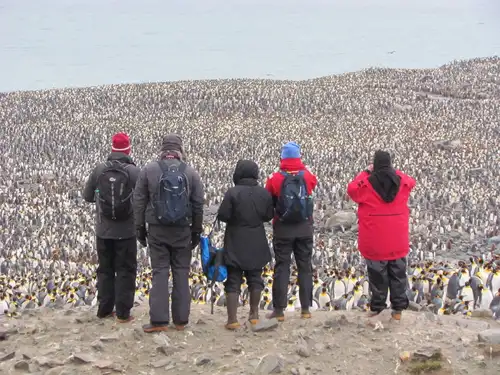
Scenes from St. Andrews Bay: 12 Pics of Penguins, Seals, and More
If you ever find yourself exploring the breathtaking sub-Antarctic island chain of South Georgia, one of the most captivating spots you'll encounter is the picturesque shoreline of St. Andrews Bay.
Blog
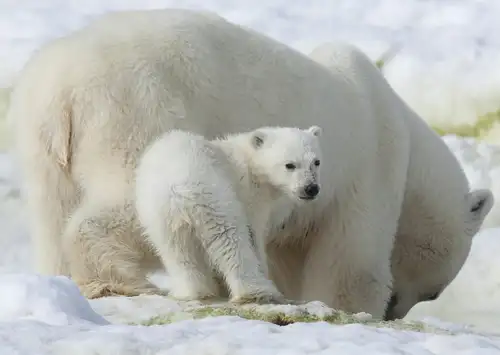
Arctic Icon: 10 Facts about the Polar Bear
Polar bears are to the Arctic what penguins are to Antarctica.
Blog
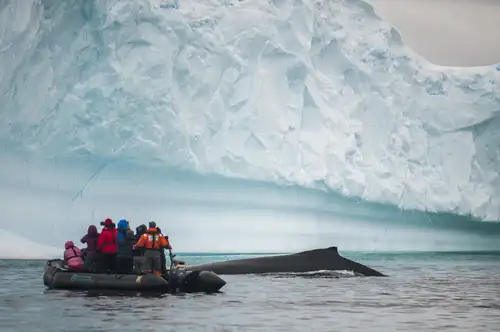
A Day of Whale Watching in Antarctica
This morning we awoke early to enjoy the first light in Wilhelmina Bay, with the snow and cloud blanketing the surrounding mountains. As dawn broke, we could see the blows of humpback whales scattered throughout the bay. Some of the whales were closer to the ship and we spotted their small dorsal fins and occasionally their white patterned tails. It was a terrific start to our first full day in Antarctica.
Blog
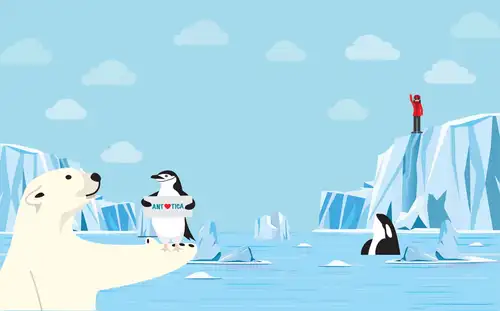
Arctic vs. Antarctica: A Traveler’s Guide
Sunrises vs. sunsets, coffee vs. tea, Wonder Woman vs. Superman...
Blog
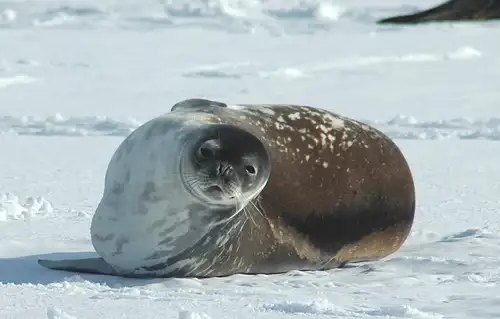
Weddell seals: The data collectors scientists of Antarctica
Weddell seals inhabit some of the coldest and darkest waters deep within the Ross Sea ice, making them the southernmost naturally occurring mammals on Earth. During the winter and summer months, their movements are largely governed by the presence of sea ice and the availability of suitable breathing and exit holes.
Blog
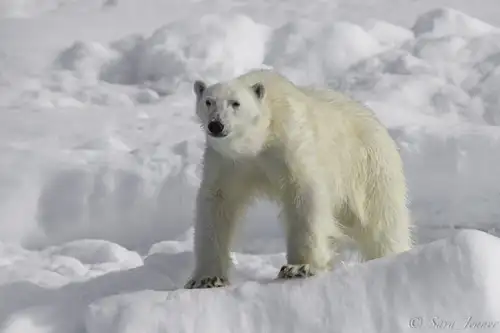
International Polar Bear Day
It will come as no surprise to you that we're crazy about polar bears. We have multiple blogs about where to find polar bears, we offer dozens of polar bear trips, and we've even written a short story from a polar bear's point of view. (Yes, we actually did that.) So if you were to say that our love of polar bears borders on obsession, you wouldn't be far off.
Blog
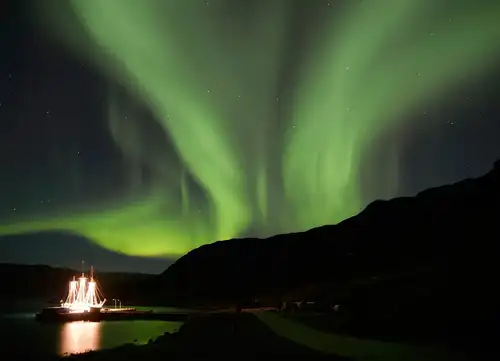
North Norway, Northern Lights, and All the Pretty Whales
At first glance, visiting Northern Norway outside of a blazing-hot summer might seem daunting for the average traveler.