



Show More

Blog


Blog
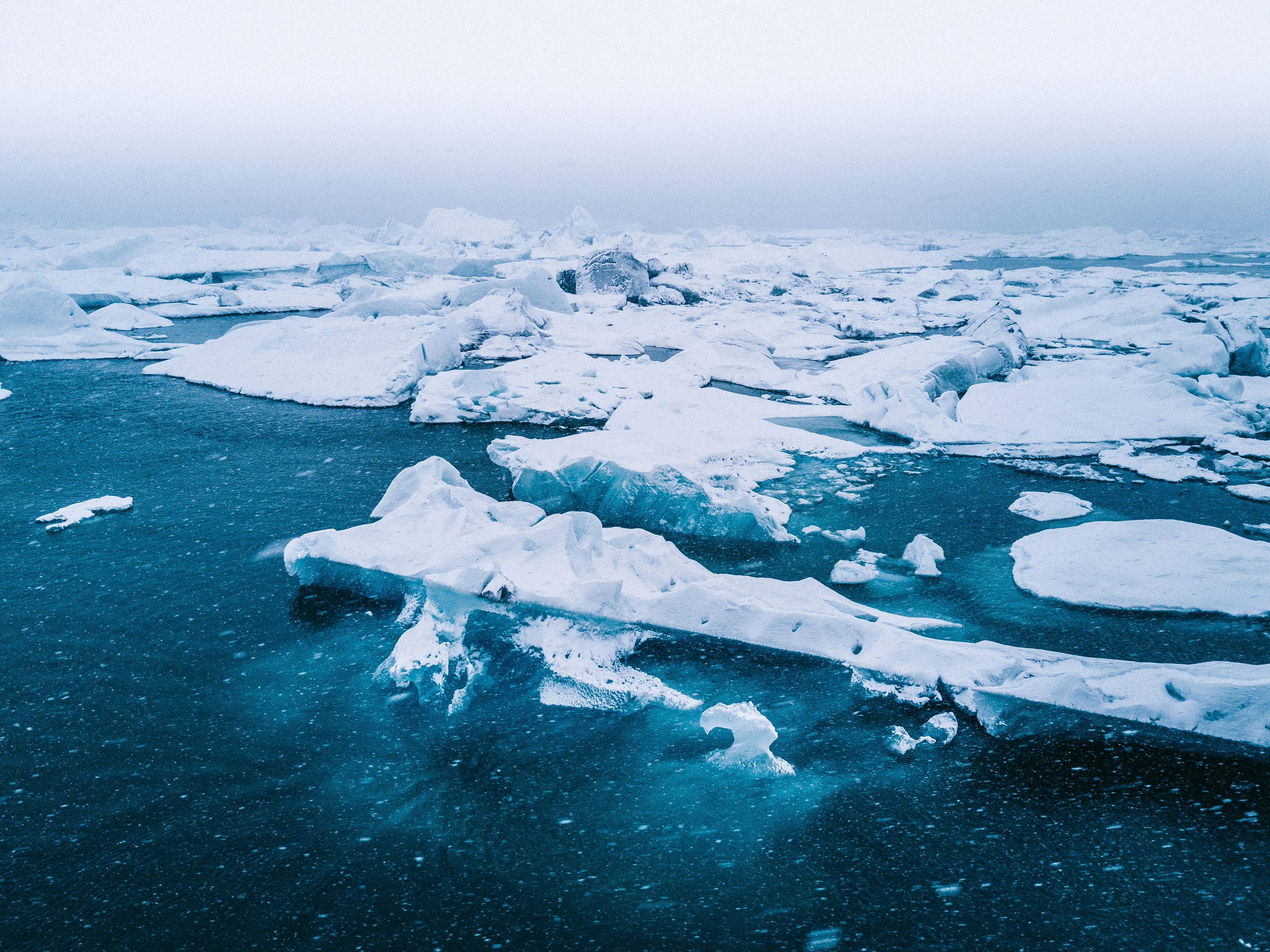
Wreck Diving in Antarctica
Scuba diving in Antarctica is an unparalleled adventure. Few places on Earth allow you to swim beneath icebergs and potentially encounter penguins or leopard seals. But the wonders of Antarctic diving don't end there.
Blog
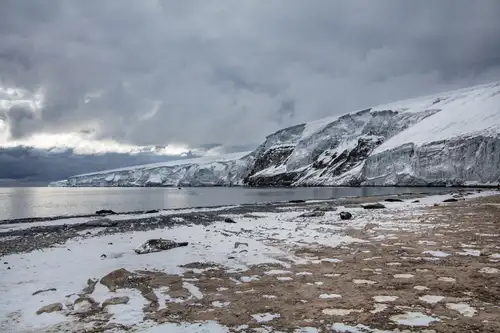
An igneous paradise: Franklin Island
In the most remote reaches of the world's oceans, those daring enough to embark on the Ortelius to the Ross Sea eagerly boarded zodiacs in the southernmost part of the Pacific Ocean.
Blog
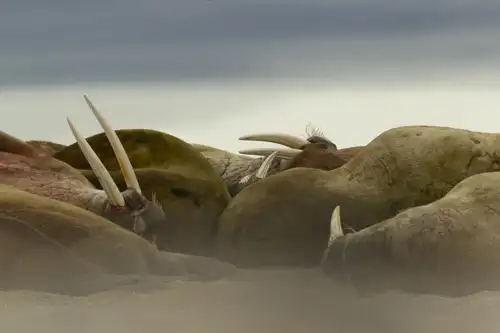
15 Toothy Facts About the Atlantic Walrus
The walrus is one of the most recognizable animals on the planet, and for good reason. Try sneaking into a cinema with those tusks!
Blog
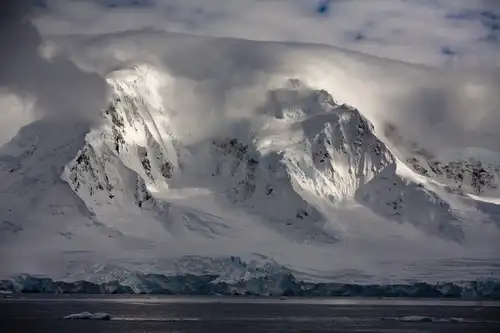
The Ancient Fossil Forests of Antarctica
Over a hundred years ago, Robert Falcon Scott’s expedition to Antarctica discovered fossils of plants on the Beardmore Glacier, less than 500 km (310 miles) from the South Pole. Edward Wilson, who was the expedition’s chief scientist, recorded the findings in his diary, stating that “most of the bigger leaves were like beech leaves in shape and venation.”
Blog
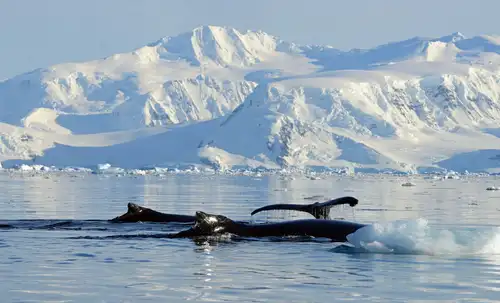
Humpback Whales: the Stars of the Western Antarctic Peninsula
The marine ecosystem of the West Antarctic Peninsula (WAP) stretches from the Bellingshausen Sea to the northern tip of the peninsula. This region includes the Antarctic Sea Ice Zone, a highly productive area that supports large populations of marine mammals, birds, and Antarctic krill. One of the highlights of this region, which you can observe on a whale-spotting Antarctica cruise, is the humpback whale.
Blog
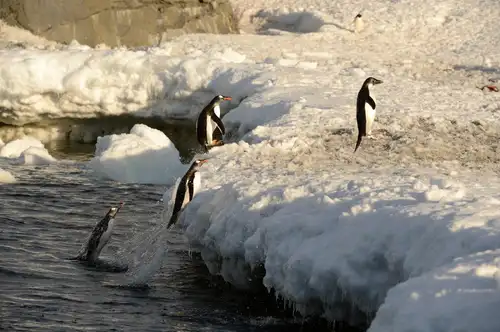
10 Terrific Antarctic Bird Facts
Antarctica is a premier destination for birdwatching, boasting around 45 unique species. Describing them all would require an extensive article, so here we will focus on 10 fascinating facts about the birds you can encounter in Antarctica.
Blog
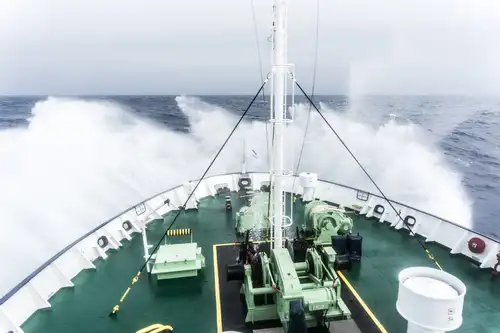
What to Expect When Crossing the Drake Passage
Positioned between the southern tail of South America and the Antarctic Peninsula's north-sweeping arm is a lively little waterway known as the Drake Passage.
Blog
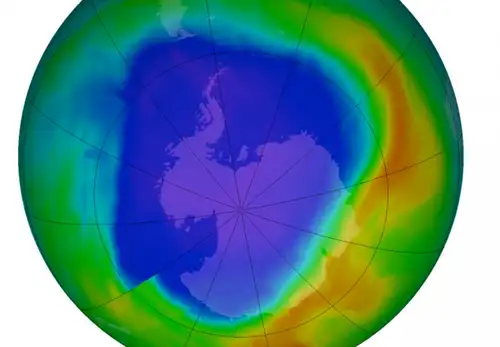
The ozone layer in Antarctica
An ozone molecule is composed of three oxygen atoms rather than the usual two. It exists in the atmosphere in trace amounts. Ozone molecules are created through the interaction of ultraviolet (UV) radiation from the sun with oxygen molecules: When an O2 molecule is split, the two free oxygen atoms bond with other O2 molecules to form O3 molecules.

Blog
Two for the Snow: Polar Cruises for Couples
Do you know the old saying, “Cold hands, warm heart”? In our opinion, that bodes well for couples who visit the polar regions.
Blog
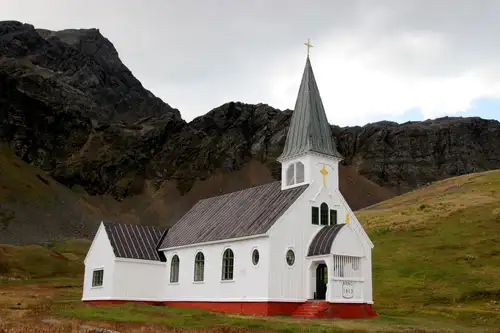
Churches in Antarctica
'Below 40 degrees South there is no law; below 50 degrees South, there is no God', goes the old adage. When faced with a storm in the turbulent and freezing waters of the Drake Passage, one might think so.
Blog
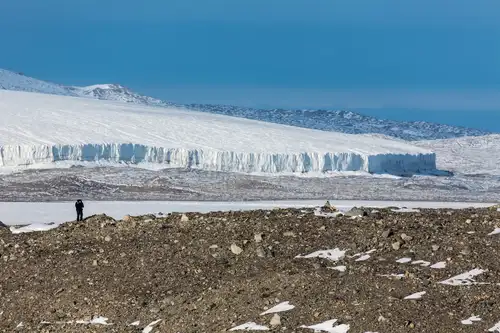
The Secret Life of Glaciers: How They Form, Move, and Melt
One of the most awe-inspiring natural wonders you can witness on an Arctic or Antarctic expedition is glaciers. These immense ice formations have been gradually moving from the mountains to the oceans for countless years, acting as both time capsules and indicators of our rapidly changing environment.
Blog
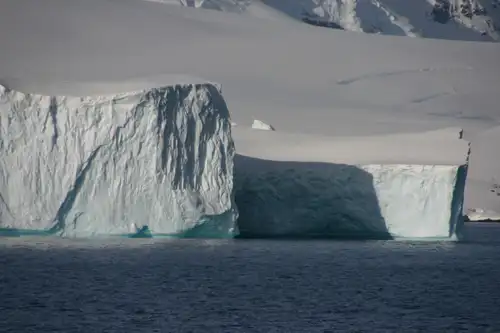
Antarctica: When to Visit, How to Plan, What to Expect
Antarctica is an astonishing location loved in equal measure by ice enthusiasts and continent hoppers, but it also asks a lot in return for its prestigious polar status.
Blog
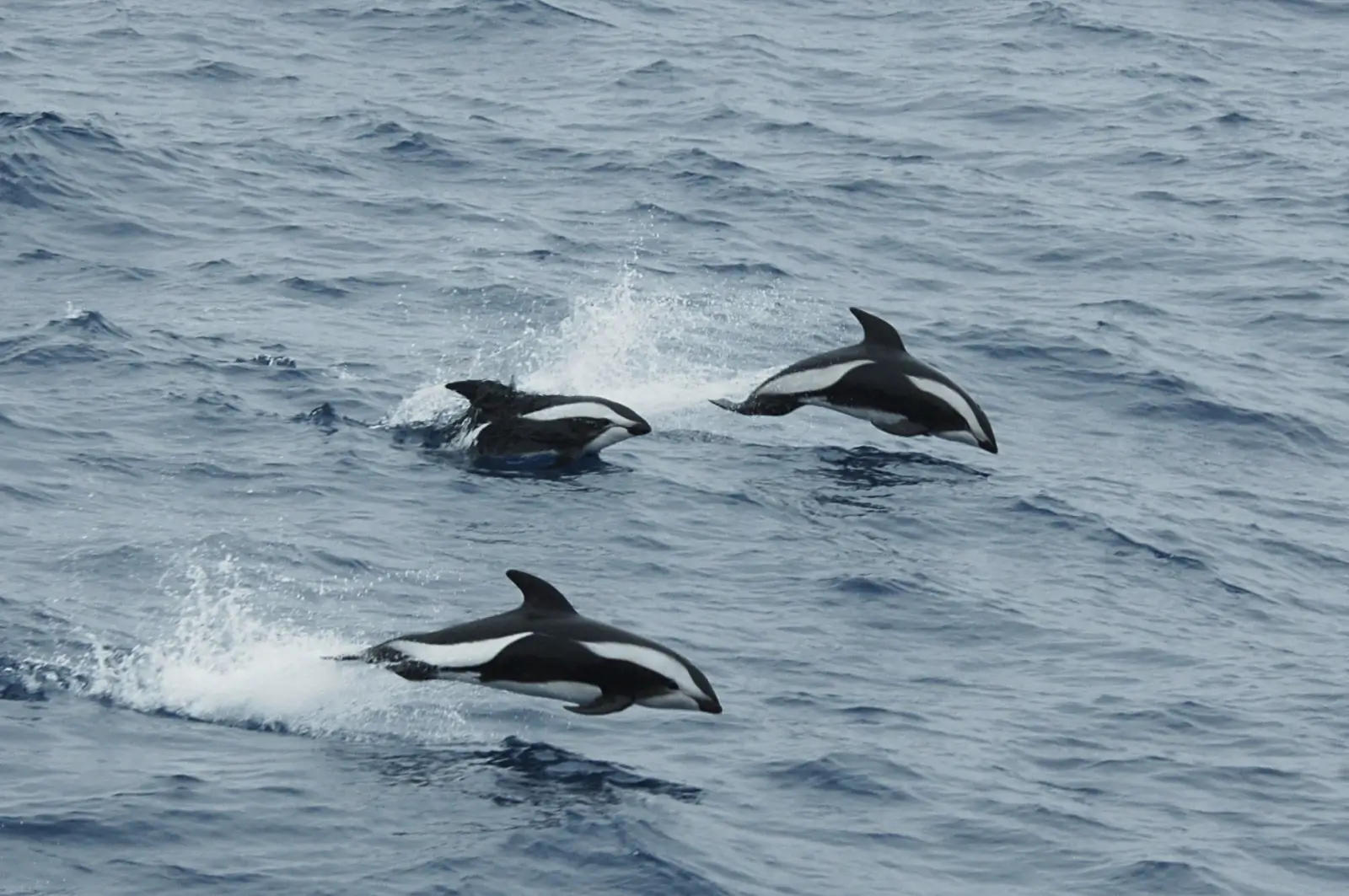
Antarctica’s Hourglass Dolphin
Though hourglass dolphins are especially rare, they’re actually not a threatened or endangered species.
Blog
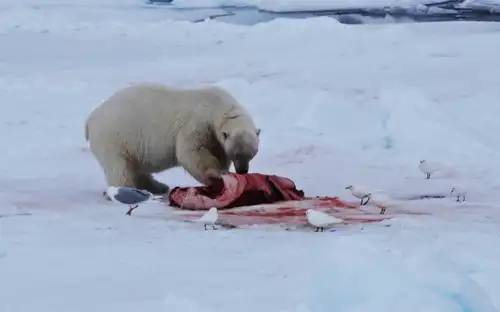
“The polar bear will still be there”
For several hours, we had been navigating the pack ice in search of polar bears. Despite numerous binoculars scanning the ice, no bears were visible, and only a few tracks were found. This suggested we might be in an area with fewer bears. Later that morning, we decided to head a few miles east, suspecting a higher bear population there.
Blog
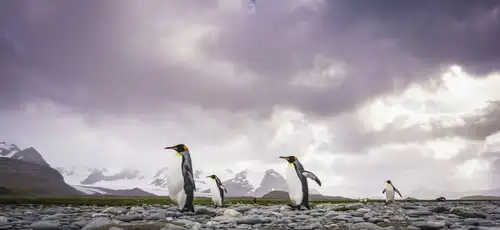
Penguins, Albatrosses, Petrels: The Winged Wildlife of South Georgia
South Georgia’s location south of the Antarctic Convergence gives the island a more Antarctic-like climate compared to other regions at the same latitude. The climate here is marked by cold, cloudy, wet, and windy conditions with highly variable weather.
Blog
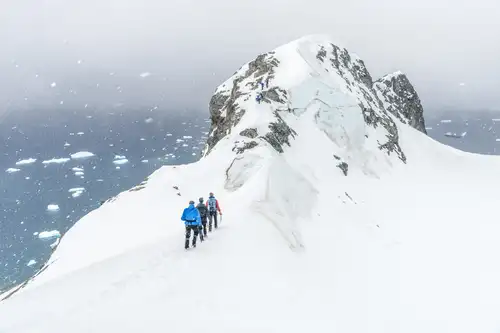
The Ins, Outs, and Ups of Polar Mountaineering & Ski Mountaineering
Traveling to the polar regions, whether to the Arctic or Antarctica, is an adventure almost no matter what you do.
Blog
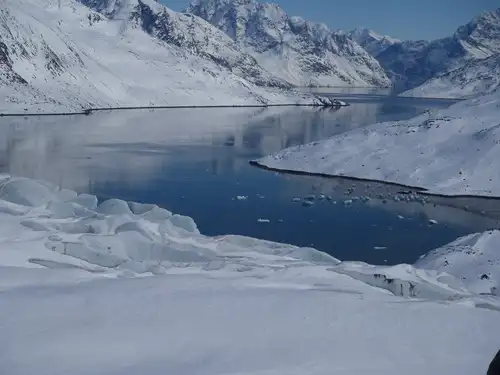
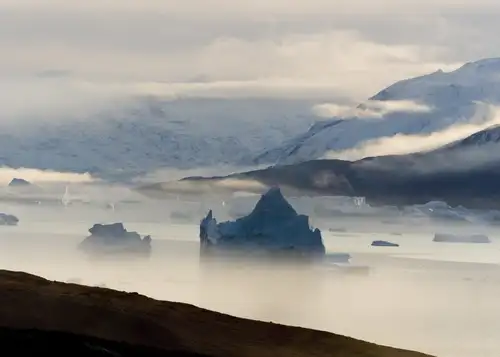
How and When Did Greenland Become Covered in Ice?
Although it may be hard to believe, there was a time when Greenland was more green than icy. Today, those who embark on a Greenland expedition are greeted with views of the Greenland ice sheet and the marine life that thrives in this region, including seals and whales. Polar bears are also prominent in the northern and eastern parts of Greenland. These animals have adapted to their environment, but a few million years ago, the massive island would not have been as welcoming to them.
Blog
Peaks, Fjords, and Auroras: 14 East Greenland Attractions
There really aren’t enough superlatives for East Greenland.
Blog
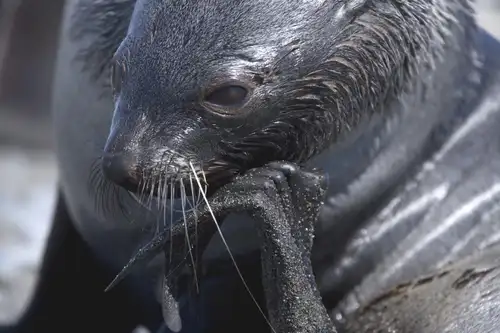
Coming Back from the Brink: The Fur Seals of Antarctica
Once hunted to the brink of extinction, the Antarctic fur seal is now one of the most populous and charismatic species of seal you’re likely to encounter during your Antarctica trips. Unlike other members of its large family, the fur seal has external ears, or pinnae, a short snout, and a thick coat of dark brown fur. Male seals tend to be larger than females, with weights ranging from 91 kg (200 lbs.) to 215 kg (474 lbs.).
Blog
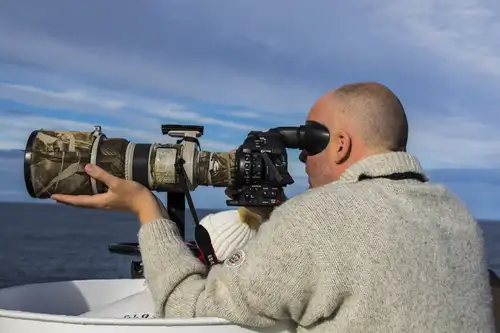
10 Tried-and-True Bird Photography Tips
It’s easy to understand our fascination with birds: they’re beautiful, graceful (usually), and most of them have the power of flight.