



Show More
Blog


Blog
Visa to Argentina for Antarctic Expedition Travelers (2025 Guide)
Introduction
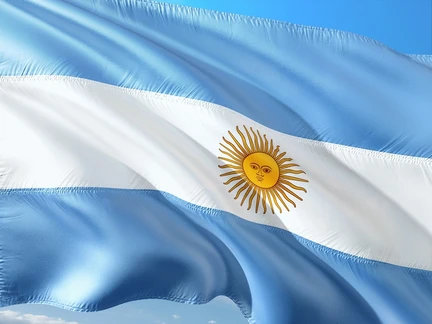
Argentina is the main gateway for travelers heading to Antarctica, with most expedition cruises departing from the southern city of Ushuaia. Whether you’re flying in through Buenos Aires or connecting domestically, knowing Argentina’s visa requirements is critical for a smooth journey before and after your polar adventure.
Blog
Guidelines for visitors to Antarctica
Activities in the Antarctic are governed by the Antarctic Treaty of 1959 and associated agreements, collectively known as the Antarctic Treaty System. The Treaty established Antarctica as a zone dedicated to peace and science. In 1991, the Antarctic Treaty Consultative Parties adopted the Protocol on Environmental Protection to the Antarctic Treaty, designating the Antarctic as a natural reserve.
Blog
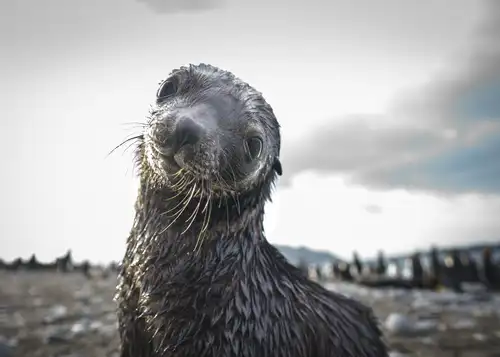
The secrets of Antarctic seals revealed
There are only six species of seals that inhabit the Antarctic: Southern elephant seals, Antarctic fur seals, crabeater seals, leopard seals, Ross seals, and Weddell seals. While we are familiar with these species, much about their lives remains a mystery.
Blog
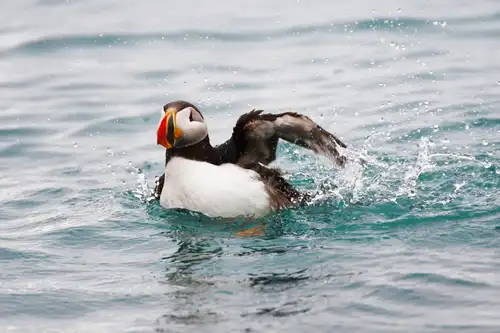
Puffins: Clown Birds of the Atlantic
Puffins are part of a family of 22 seabird species known as auks, which are pigeon-sized birds that thrive on a diet of small fish and crustaceans.
Blog
What to pack for your Atlantic Odyssey voyage?
When packing, avoid burdening yourself with excessive clothing or gear. Opt for casual, practical attire that can be layered. Consider including the following:
Blog
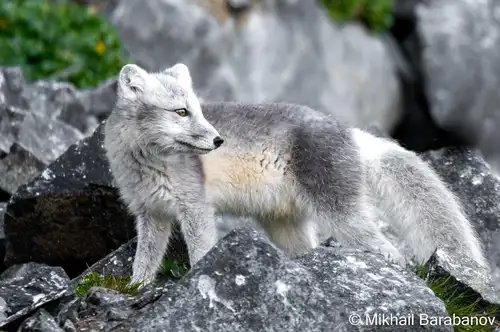
The Small Mammals of the Arctic and Antarctica
As Lillian Gish says in Night of the Hunter, “It’s a hard world for little things.”
Blog
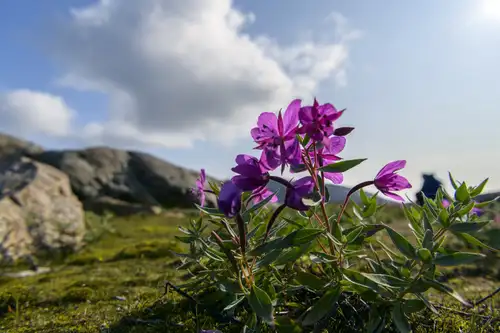
Arctic Flowers, Trees, and Other Plant Life
When many people think of the Arctic, they probably imagine a stark white wasteland devoid of anything except snow, glaciers, and the occasional far-wandering polar bear.

Blog
The Plants of Antarctica
Surviving in Antarctica is a monumental challenge for any plant. The extreme cold, limited sunlight, scarce moisture, poor soil, and short growing season make it nearly impossible for most flora to thrive. Yet, some plants have adapted to these harsh conditions and have managed to flourish where others cannot.
Blog
The disastrous expedition in the Arctic west
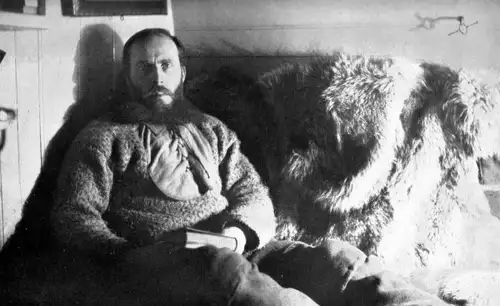
In 1902, Otto Sverdrup, captain of the Fram on Nansen’s expedition, led his own Arctic expedition to the north of Canada. Over the period of the expedition, which started in 1898, Sverdrup and his 15-man crew charted over 250,000 square kilometres of the Arctic using the Fram and sledges. During the expedition Ellesmere Island’s west coast was explored and new islands discovered.
Blog
Ancient Arctic Exploration
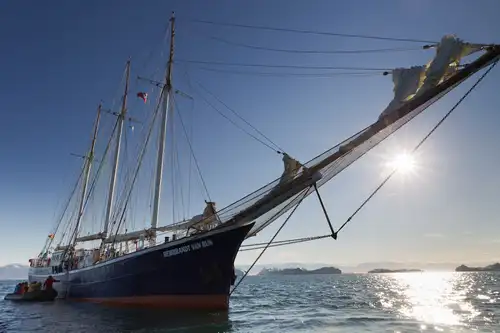
When it comes to polar exploration, the Arctic boasts a much longer history compared to Antarctica.
Blog
The Mysteries of the Beluga Whale
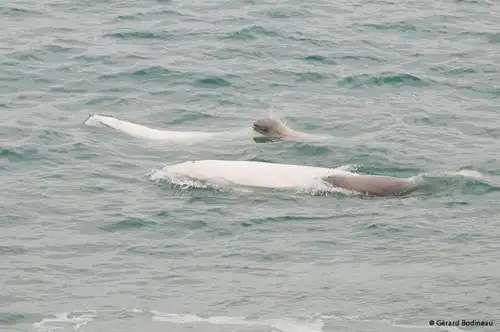
Beluga whales, also known as white whales, sea canaries, and sometimes melonheads, are a rare but cherished sight during Arctic cruises, thanks to their striking appearance. Despite the rarity of beluga sightings, a good amount is known about these friendly-faced cetaceans.
Blog
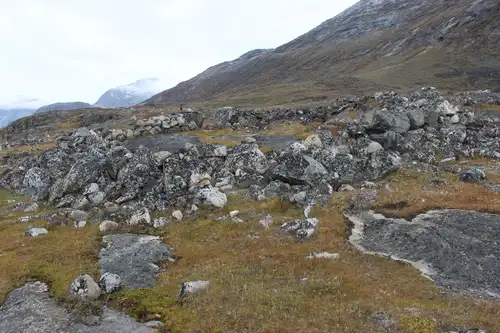
The Norse Settlement of Greenland
Erik the Red is a significant and vibrant figure in the history of the Norse Vikings. His story is primarily documented in the Icelandic Sagas Huaksbók (14th Century) and Skalhóltsbók (15th Century). These accounts offer slightly different versions of events that occurred 3-400 years earlier. The original saga of Erik the Red is believed to have been written around 1200 A.D., with the Skalhóltsbók version considered closest to the original. Additionally, Flateyjarbók (13th Century), which includes the Saga of the Greenlanders, is a crucial source for understanding the settlement of Greenland and the discovery of Vinland – North America.

Blog
The Research Stations of Antarctica and the sub-Antarctic
Numerous research stations operate throughout the Antarctic and sub-Antarctic, engaged in all manner of scientific inquiry. This article will cover the stations under the management of the British Antarctic Survey (BAS), which conducts year-round terrestrial and atmospheric research in some of the most compelling polar locations on Earth.

Blog
Six Must-See Svalbard Sites
It's home to humanity's last-ditch supply of crop seeds, the world's northernmost settlement of over 1,000 people, and it is one of the best places on Earth to spot a polar bear.
Blog
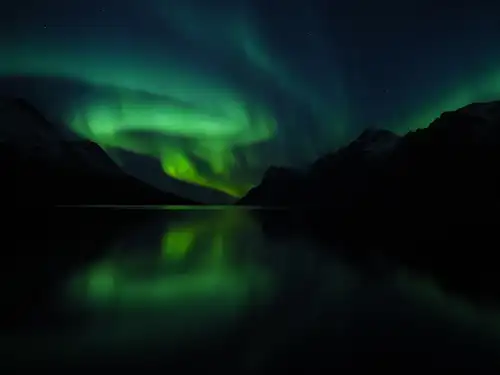
10 Illuminating Facts about the Northern Lights
In Roman mythology, Aurora was the goddess of the dawn. The term "borealis" is derived from the Greek word for "wind." Thus, "aurora borealis" translates to "dawn wind," commonly known as the Northern Lights. This natural phenomenon has captivated humanity for millennia and remains a major attraction in the Arctic, with numerous cruises dedicated to witnessing this mesmerizing light display.
Blog
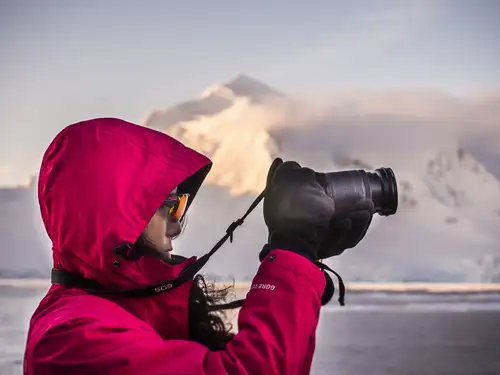
12 photo tips to make better pictures on your Antarctica cruise
During your trip in the Arctic or Antarctic cruise you and your camera equipment will be exposed to a variety of challenging conditions. Be careful with your equipment and protect it from the salty spray when in Zodiacs, on a beach, or on deck. Salt water and electronics is not a good mix!
Blog
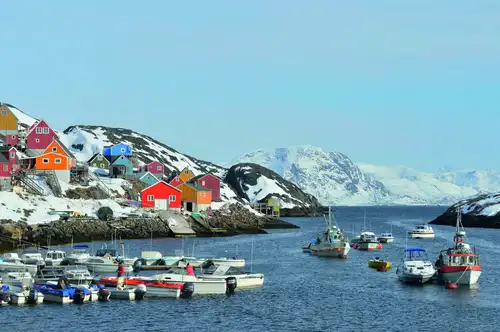
Amazing Greenland
If you ever get the chance to take a trip to Greenland, you will be amazed by its coastlines, fjords, ice-covered peaks, and great expanse of snow-covered land. You will also notice that Greenland is a rugged area with a rich diversity of life, making it a dream location for scientists as well.
Blog
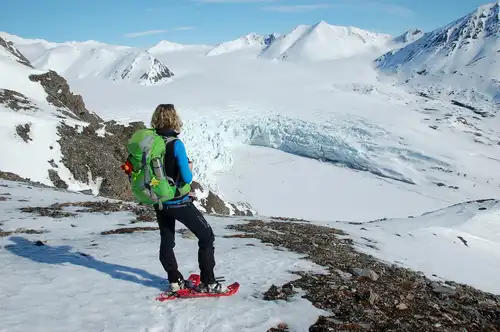
Arctic on Foot: Hiking and Snowshoeing the Far North
The focus of our voyages is always to get you off the ship and into the action as frequently as possible. While we travel from site to site on ice-strengthened vessels, our expeditions are crafted to provide you with the maximum firsthand experience of the polar regions and their unique wildlife.
Blog
Life migrating through the Polar Front
Since James Cook’s second voyage to Antarctica from 1772-1775, which provided the first descriptions of Antarctic animals, scientists have progressively uncovered the biodiversity of the Antarctic and sub-Antarctic regions. Numerous expeditions and research projects have since been undertaken to understand the unique ecosystems of this continent.
Blog
Antarctic Explorer’s Voyage
There’s off the beaten track, and then there’s really off the beaten track.