



Show More
Blog


Blog
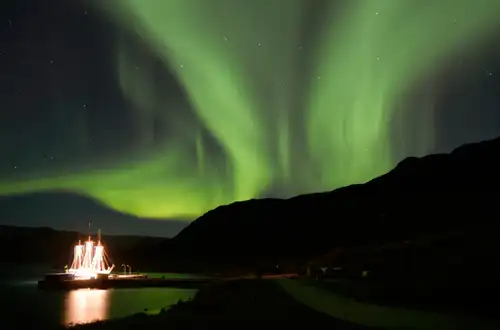
The Northern Lights dancing across the skies
The Northern Lights typically manifest in a belt with a radius of 2,500 kilometers centered on the magnetic North Pole. This auroral zone spans northern Scandinavia, Iceland, the southern tip of Greenland, and continues over northern Canada, Alaska, and along the northern coast of Siberia.
Blog
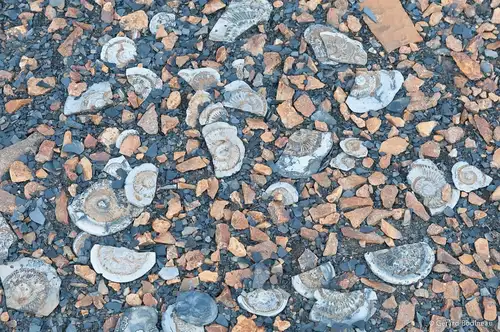
Svalbard a Disneyland for geologists
Svalbard is situated in the north-western corner of the Eurasian plate. Historically, Svalbard was part of a vast continent that included North America, Greenland, and Eurasia. At one point, both Northeast Greenland and Svalbard were submerged under the ocean before resurfacing.
Blog
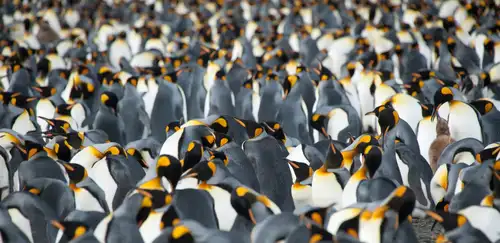
Experience King Penguins, Seals and More in South Georgia
One of the most remarkable aspects of South Georgia Island is its immense population of King penguins. This island serves as a significant breeding ground, and breathtaking aerial photos have captured the sight of hundreds of thousands of King penguins gathered together. This colony is known as the largest crèche in the world, making it one of the top destinations globally for observing King penguins.
Blog
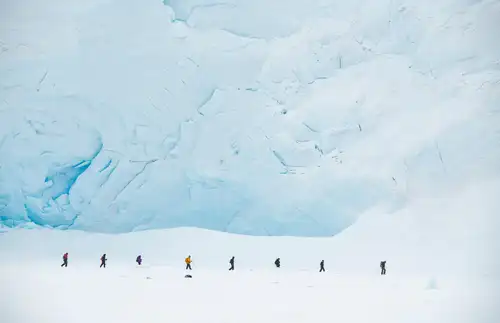
Antarctica in Pictures: Photos from 2018
Pictures can never truly capture the essence of an experience, and this is especially true for the breathtaking adventures in Antarctica.
Blog
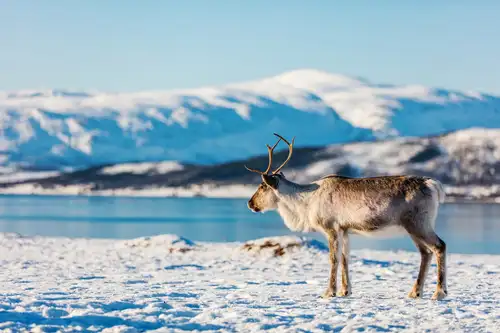
Eight Engaging Reindeer Facts
When we think about reindeer, we might also think of Saami herders or the holidays or teams of these beloved Arctic animals pulling a bell-covered sleigh across the nighttime sky. Only the first of these options, however, is something you're likely to encounter on an Arctic expedition cruise - and that's only in Northern Norway.
Blog
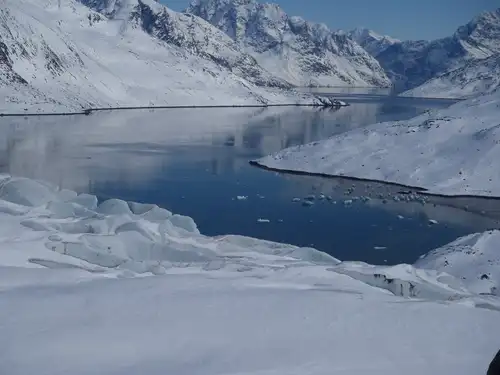
8 Scientific Wonders of the Arctic
The Arctic’s frozen landscape not only contains scenic gems, it also prompts fascinating advances in research. Here are some of the eight best.

Blog
Top 10 Tips for Packing Your Polar Photography Equipment
One of the most common questions I get asked before a cruise is, “What photography equipment should I bring?” It’s a broad question, and answers vary based on the individual. There are, however, a few key pointers that apply to almost everyone.
Blog
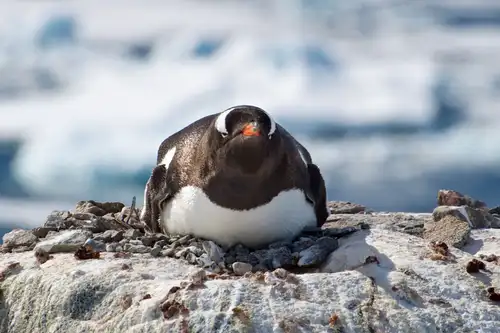
Life in a Penguin Colony
Captain Pieter J. Lenie Base, also known as Base Copacabana or simply Copa Base, is situated on King George Island off the western shores of the Antarctic Peninsula. This American research station has been home to scientists studying Adélie, gentoo, and chinstrap penguins for over three decades, aiming to understand how to best conserve these cherished species.
Blog
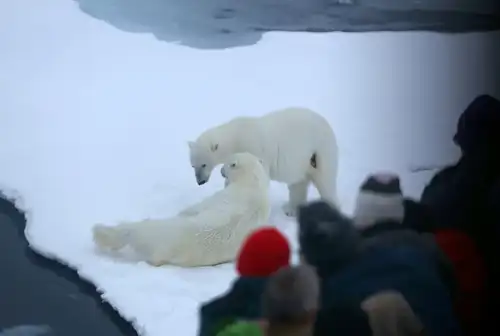
The Pack Ice and Polar Bears of North Spitsbergen
The Arctic archipelago of Svalbard is renowned for being one of the prime locations to observe polar bears. The largest island in this region, Spitsbergen, not only offers sightings of these majestic Arctic creatures but also provides a unique opportunity to experience the phenomenon of pack ice.
Blog
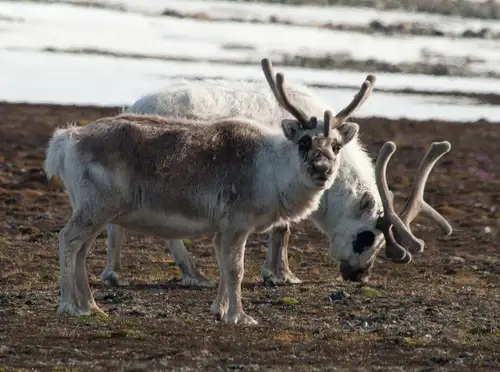
Amphibian, reptiles and herbivore mammals in the Arctic
Arctic ecosystems are relatively young in geological terms, having primarily developed over the past three million years. Generally, species richness is lower in the Arctic compared to more southerly regions, aligning with scientific observations that biodiversity decreases from the Equator to the poles.
Blog
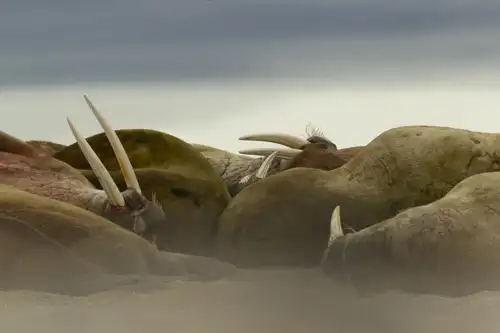
15 Toothy Facts About the Atlantic Walrus
The walrus is one of the most recognizable animals on the planet, and for good reason. Try sneaking into a cinema with those tusks!
Blog
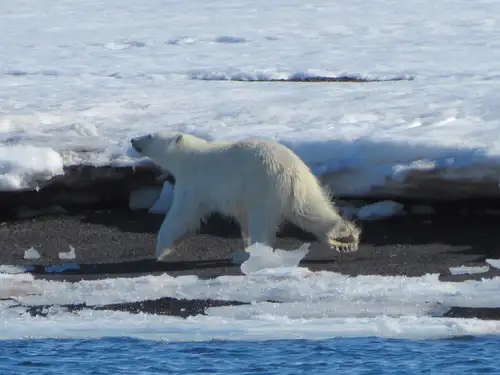
Polar bear feast
The polar bear was relishing his meal; the snow and his face were turning red from the blood. As we observed him eating, our own stomachs began to grumble. It was time for lunch.
Blog
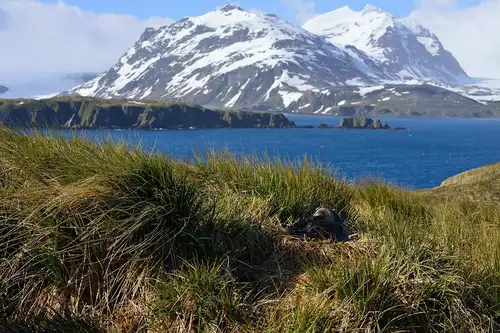
Flowers in Antarctica
The polar regions are among the most inhospitable environments for plants and animals. Life here faces numerous challenges, including low temperatures, high winds, solar radiation, and cell freezing. The Antarctic continent experiences extreme conditions, with darkness during winter and continuous light during summer. Winter temperatures can drop to -60°C or lower.
Blog
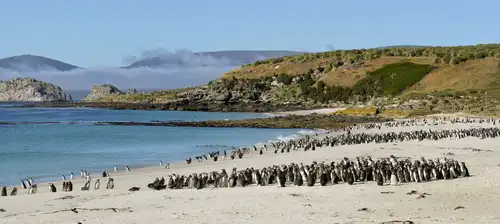
17 Reasons to Cruise the Falklands
Maybe you’ve already marveled at the colossal penguin colonies of South Georgia, sailed among the plunging seals of the Antarctic Peninsula, and watched whales in the Weddell Sea lunge among titanic tabular icebergs.
Blog
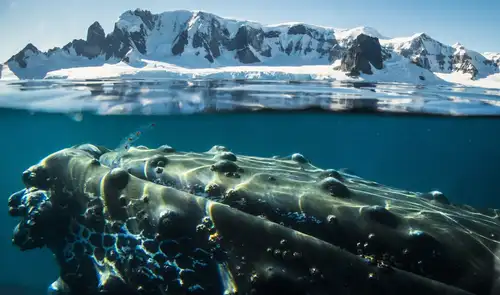
Baleen Whales – The Gentle Giants of the Ocean
They are the largest animals on Earth, yet they thrive on some of the tiniest creatures. These giants can reach lengths of 30 meters (90 feet), but it is the microscopic zooplankton, krill, and small fish that sustain them. These are the baleen whales. Unlike toothed whales, baleen whales lack teeth. Instead, they use plates of baleen in their mouths to trap and consume their tiny prey.
Blog
The bio-richness of the Ross Sea
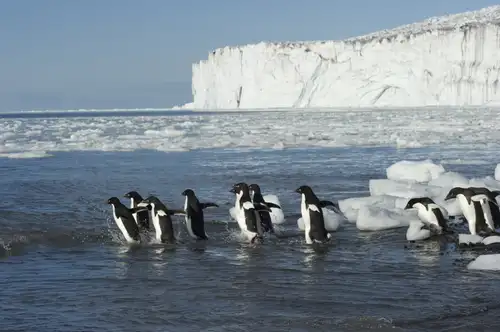
The Ross Sea is one of the most stunning and untouched marine areas globally. This sea, which remains frozen for most of the year, spans 3.6 million square kilometers (1.4 million square miles) along the Antarctic coast south of New Zealand. Its waters harbor a biologically diverse ecosystem of species that have flourished, unchanged, for millennia.
Blog
Svalbard vs. the Canadian Arctic
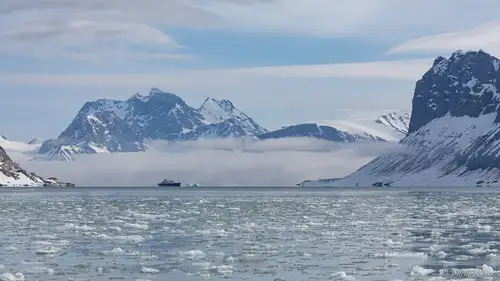
It’s easy to assume the Arctic is uniform, a vast expanse of northern freeze shaped by snow, ice, and endless darkness.
Blog
Port Lockroy: History, Post Office, and Resident Penguins
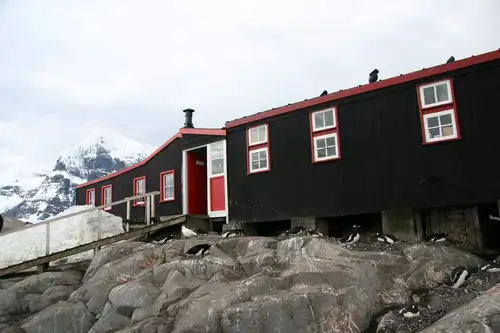
Sometimes it’s easy to get caught up in the stunning coastlines, fjords, and other natural wonders of Antarctica, overlooking the man-made attractions nestled in between.

Blog
Seven Tips to Get the Most out of Your Expedition Cruise
Polar cruises are easy to enjoy, but there’s an art to getting the most out of them.

Blog
Book Recommendations for Your Polar Cruise
Though books can't replace the experience of visiting the polar regions, they make excellent companions for your journey. We reached out to our social media followers, many of whom are past or future travelers, to gather their recommendations for polar-related books. The results were impressive, and we've compiled them below in no particular order.