



Show More
Blog


Blog
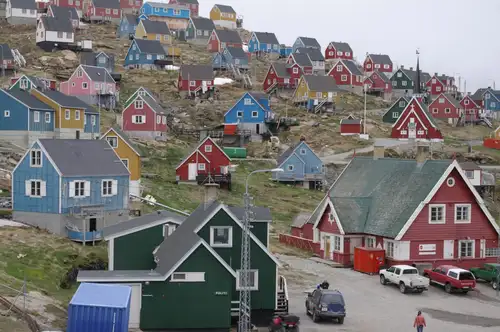
10 Traits of Post-Ice-Age Greenland
Grasses, sedges, and other species of heath were the first arrivals, and are still commonly found in Greenland. Scientists have been able to work out how plants colonised Greenland by examining ancient pollen samples found in deposits at the bottom of lakes: Dwarf birch came to western Greenland around 9,000 years ago, and around 4,500 years ago – roughly the same time humans were first boating onto Greenland shores – green alders were taking up residence there.
Blog
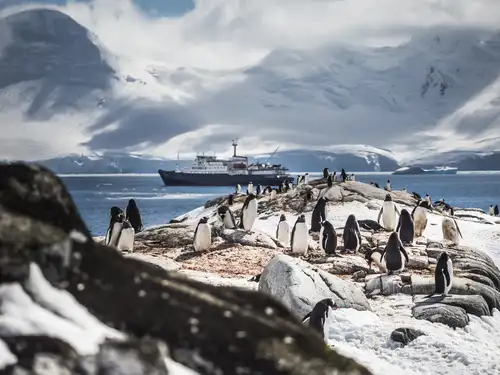
Top 10 Antarctic Attractions
There’s a reason people go to such lengths to visit Antarctica, and its abundance of whales, seals, penguins, and seabirds are only part of the polar story.
Blog
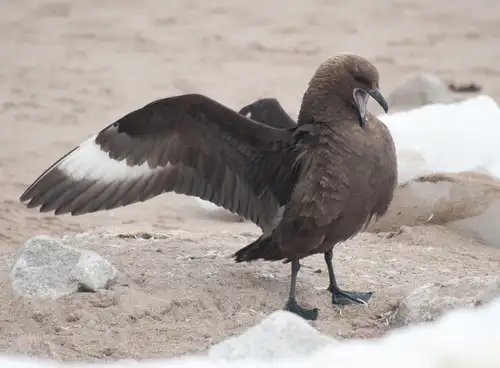
Fierce and Feathered: the Skuas of Antarctica
At first glance, the skuas you encounter in Antarctica may appear to be merely darker-feathered seagulls. But looks can be deceiving.
Blog
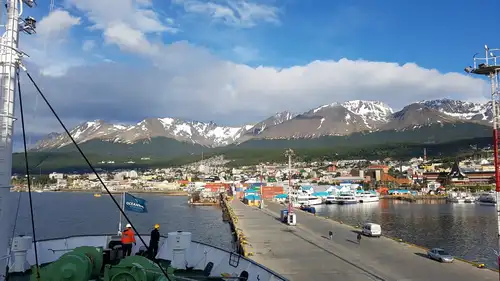
Seven Things to Do around Ushuaia
We often recommend arriving early to Ushuaia before embarking on an Antarctica cruise, and for good reason: Ushuaia, on top of being the southernmost city in the world, has in recent years developed into a decidedly charming tourist destination.

Blog
Top Antarctica Cruise Experiences for 2025
Antarctica, the world’s southernmost continent, captivates adventurous travelers with its breathtaking landscapes and rich biodiversity. Cruises to this icy destination offer unparalleled access to pristine wilderness, unique wildlife, and transformative experiences. In 2025, the allure of Antarctica promises to be even greater, with cutting-edge expeditions and eco-conscious travel options reshaping the journey south.
Blog
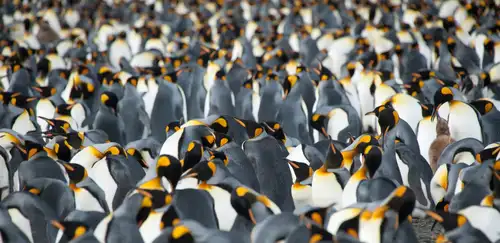
Experience King Penguins, Seals and More in South Georgia
One of the most remarkable aspects of South Georgia Island is its immense population of King penguins. This island serves as a significant breeding ground, and breathtaking aerial photos have captured the sight of hundreds of thousands of King penguins gathered together. This colony is known as the largest crèche in the world, making it one of the top destinations globally for observing King penguins.
Blog
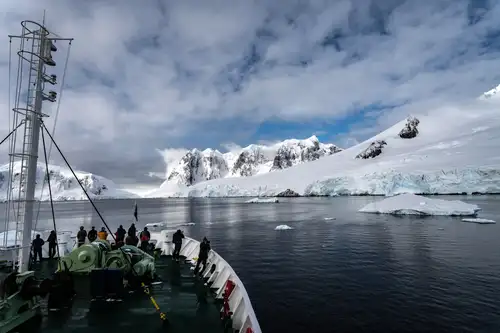
12 Things to Do in Antarctica
Traveling to Antarctica is unlike traveling to any other place on Earth.
Blog
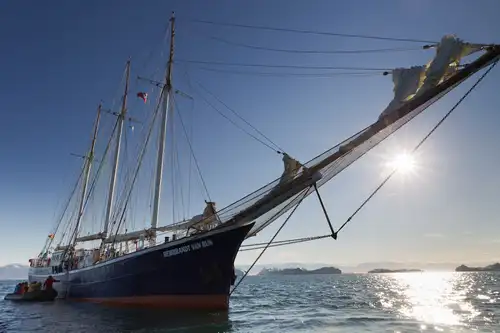
Ancient Arctic Exploration
When it comes to polar exploration, the Arctic boasts a much longer history compared to Antarctica.
Blog
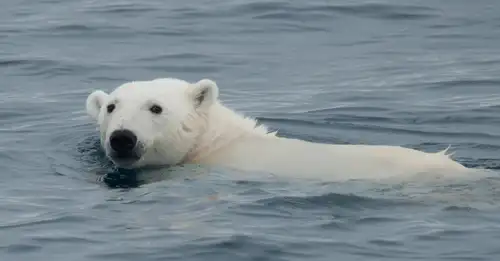
Polar Bear Sets Impressive New Diving Record
According to polar bear experts Rinie van Meurs and Dr. Ian Stirling, the new record for polar bear diving is an astounding three minutes and 10 seconds. Unless this particular polar bear has an unusually large lung capacity, we can now safely assume that these creatures have the ability to remain underwater for an extended period of time.
Blog
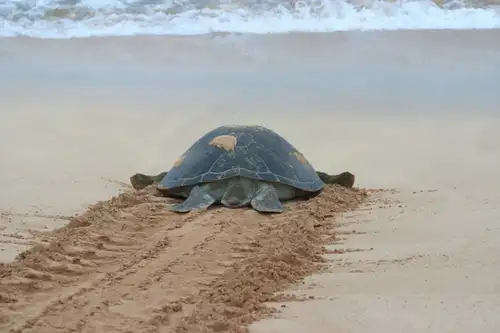
The Overlooked Treasures of Ascension Island
If you know anything about Ascension Island, which is unlikely, it probably has to do with the green turtle breeding population that exists there.
Blog
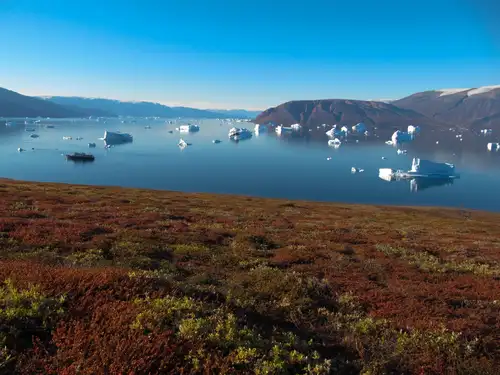
Northeast Greenland National Park
Northeast Greenland National Park is the world’s largest national park and the ninth largest protected area on Earth. It should come as little surprise, then, that it’s also bigger than most countries, covering an impressive 972,000 square km (375,300 square miles).
Blog
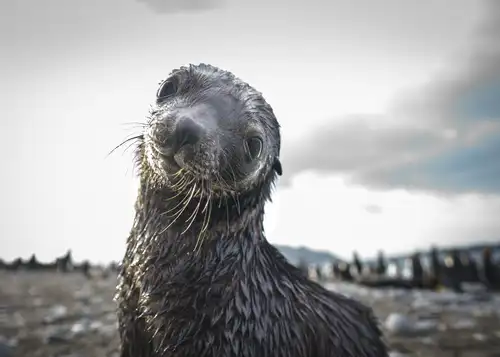
The secrets of Antarctic seals revealed
There are only six species of seals that inhabit the Antarctic: Southern elephant seals, Antarctic fur seals, crabeater seals, leopard seals, Ross seals, and Weddell seals. While we are familiar with these species, much about their lives remains a mystery.
Blog
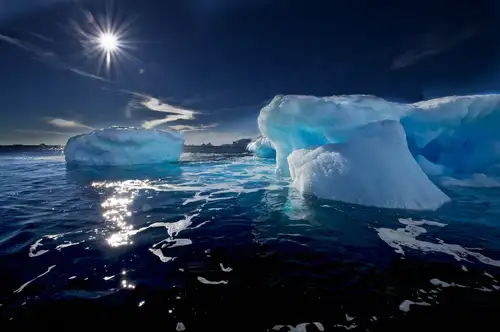
Everything you need to know about Antarctic icebergs
The ice in Antarctica might seem static, but it is constantly moving. Pieces of ice are continuously breaking off from ice shelves, glaciers, or other icebergs. They float freely along with the Antarctic currents, with about 90 percent of their mass below the surface of the water. This fact is actually what gave rise to the nowadays popular phrase “the tip of the iceberg”. Regardless, the sighting of the first iceberg is always a moment to celebrate in any and all Antarctic expeditions. So that you may appropriately ready yourself for that joyous moment, in this article you will find everything you need to know about Antarctic icebergs.
Blog
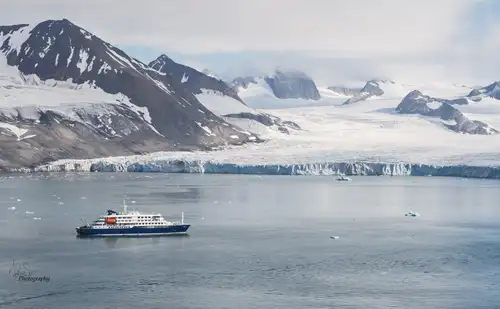
What’s so Special about East Spitsbergen?
We’ve previously discussed our north Spitsbergen journeys and Spitsbergen circumnavigations, but the eastern parts of this incredible island have not received the attention they deserve. Despite the name, our east Spitsbergen voyages explore much more than just the eastern side of Spitsbergen.
Blog
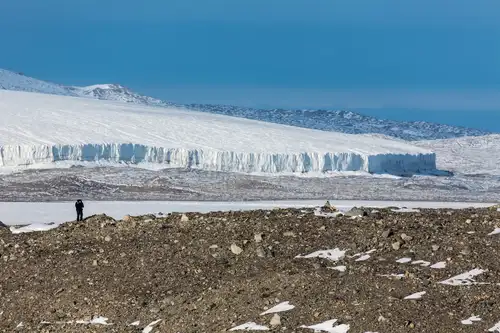
The Secret Life of Glaciers: How They Form, Move, and Melt
One of the most awe-inspiring natural wonders you can witness on an Arctic or Antarctic expedition is glaciers. These immense ice formations have been gradually moving from the mountains to the oceans for countless years, acting as both time capsules and indicators of our rapidly changing environment.
Blog
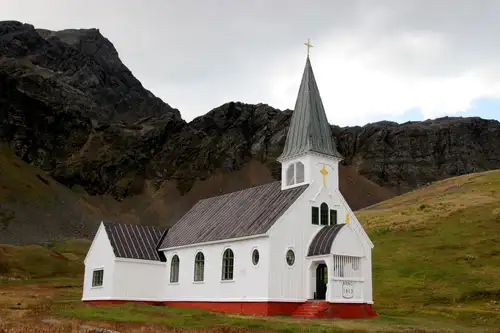
Churches in Antarctica
'Below 40 degrees South there is no law; below 50 degrees South, there is no God', goes the old adage. When faced with a storm in the turbulent and freezing waters of the Drake Passage, one might think so.
Blog
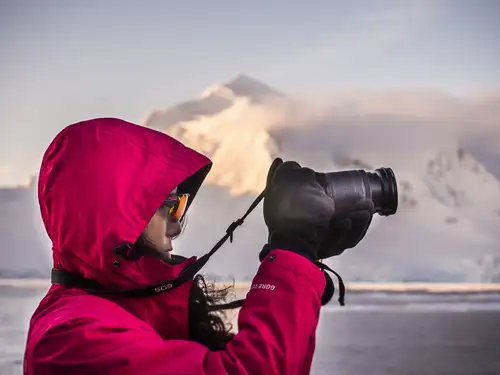
12 photo tips to make better pictures on your Antarctica cruise
During your trip in the Arctic or Antarctic cruise you and your camera equipment will be exposed to a variety of challenging conditions. Be careful with your equipment and protect it from the salty spray when in Zodiacs, on a beach, or on deck. Salt water and electronics is not a good mix!
Blog
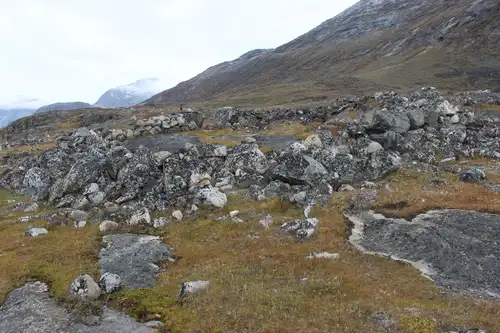
The Norse Settlement of Greenland
Erik the Red is a significant and vibrant figure in the history of the Norse Vikings. His story is primarily documented in the Icelandic Sagas Huaksbók (14th Century) and Skalhóltsbók (15th Century). These accounts offer slightly different versions of events that occurred 3-400 years earlier. The original saga of Erik the Red is believed to have been written around 1200 A.D., with the Skalhóltsbók version considered closest to the original. Additionally, Flateyjarbók (13th Century), which includes the Saga of the Greenlanders, is a crucial source for understanding the settlement of Greenland and the discovery of Vinland – North America.
Blog
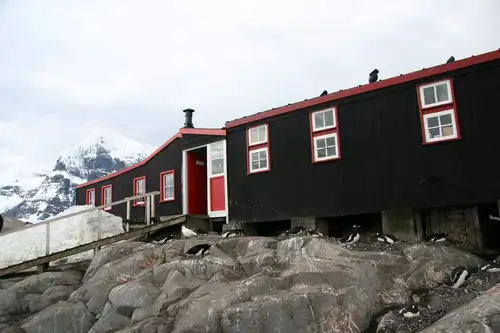
Port Lockroy: History, Post Office, and Resident Penguins
Sometimes it’s easy to get caught up in the stunning coastlines, fjords, and other natural wonders of Antarctica, overlooking the man-made attractions nestled in between.

Blog
The Ice-Jewelled Geology of Spitsbergen
The Svalbard archipelago is located in the Arctic Ocean, roughly 660 km (410 miles) north of Norway's northernmost point. This region is a haven for geologists, boasting a rich geological history that spans from the Mesozoic era (65-245 million years ago) through the Cambrian era (570 million years ago) and back to the Archean era, over 3.5 billion years ago.