



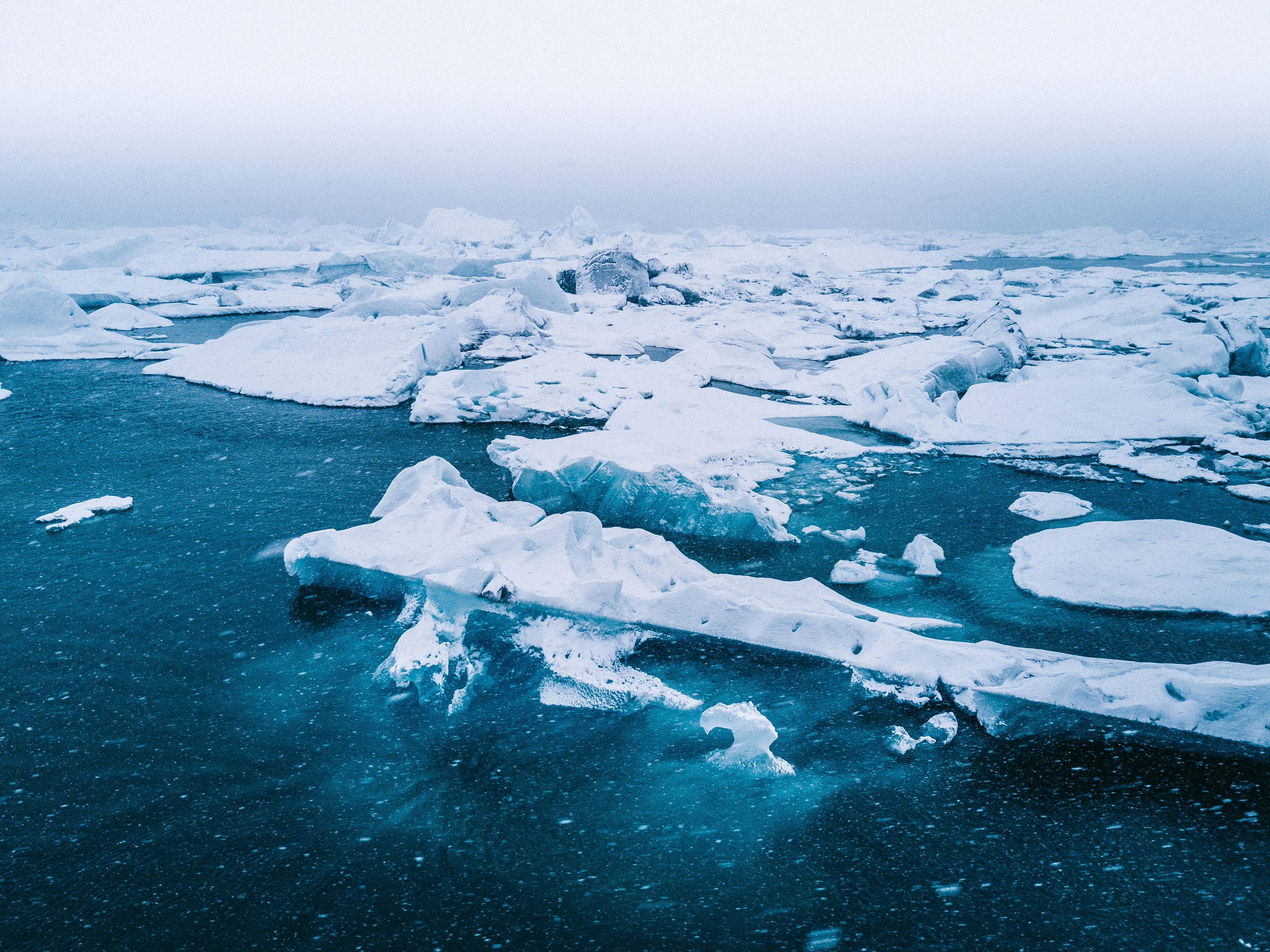
Show More
Blog


Blog
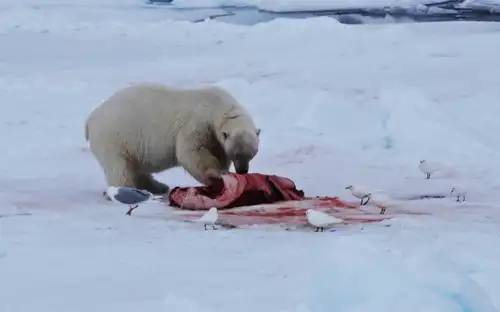
“The polar bear will still be there”
For several hours, we had been navigating the pack ice in search of polar bears. Despite numerous binoculars scanning the ice, no bears were visible, and only a few tracks were found. This suggested we might be in an area with fewer bears. Later that morning, we decided to head a few miles east, suspecting a higher bear population there.
Blog
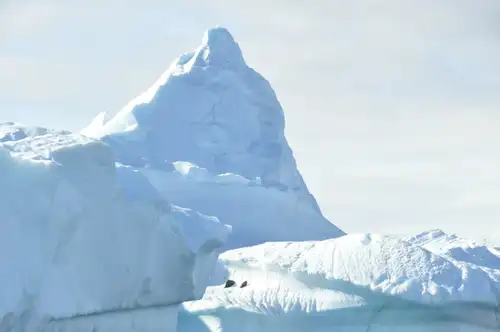
5 Misconceptions You Might Have About Greenland
Blog
Life migrating through the Polar Front
Since James Cook’s second voyage to Antarctica from 1772-1775, which provided the first descriptions of Antarctic animals, scientists have progressively uncovered the biodiversity of the Antarctic and sub-Antarctic regions. Numerous expeditions and research projects have since been undertaken to understand the unique ecosystems of this continent.
Blog
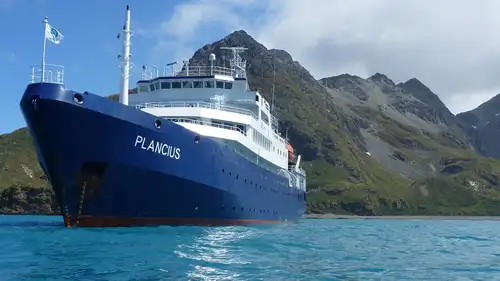
A Day on m/v Plancius
Stepping aboard this long-running expedition vessel, it’s easy to forget that she’s been making voyages to the polar regions since “Afternoon Delight” by Starland Vocal Band was on the Billboard Hot 100.
Blog
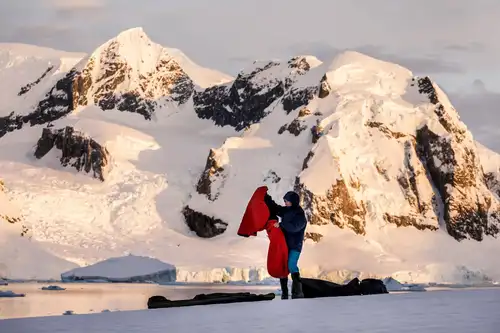
Camping in Antarctica: a True Expedition Experience
We often think of camping as a summer activity, filled with warm nights, campfire dinners, and serene mountain lakes. However, there's a whole other world of camping to explore.
Blog
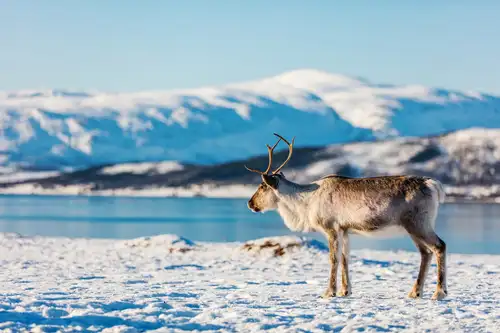
Eight Engaging Reindeer Facts
When we think about reindeer, we might also think of Saami herders or the holidays or teams of these beloved Arctic animals pulling a bell-covered sleigh across the nighttime sky. Only the first of these options, however, is something you're likely to encounter on an Arctic expedition cruise - and that's only in Northern Norway.
Blog
Experience King Penguins, Seals and More in South Georgia
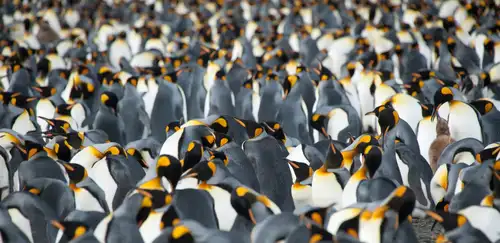
One of the most remarkable aspects of South Georgia Island is its immense population of King penguins. This island serves as a significant breeding ground, and breathtaking aerial photos have captured the sight of hundreds of thousands of King penguins gathered together. This colony is known as the largest crèche in the world, making it one of the top destinations globally for observing King penguins.

Blog
The Plants of Antarctica
Surviving in Antarctica is a monumental challenge for any plant. The extreme cold, limited sunlight, scarce moisture, poor soil, and short growing season make it nearly impossible for most flora to thrive. Yet, some plants have adapted to these harsh conditions and have managed to flourish where others cannot.

Blog
Top Antarctica Cruise Experiences for 2025
Antarctica, the world’s southernmost continent, captivates adventurous travelers with its breathtaking landscapes and rich biodiversity. Cruises to this icy destination offer unparalleled access to pristine wilderness, unique wildlife, and transformative experiences. In 2025, the allure of Antarctica promises to be even greater, with cutting-edge expeditions and eco-conscious travel options reshaping the journey south.
Blog
11 South Orkney Animals: Whales, Seabirds, and Penguins Aplenty
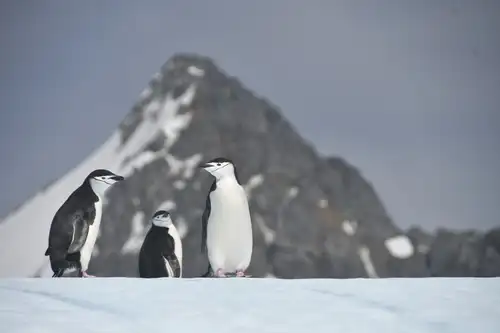
The South Orkney Islands are often overlooked as a destination for Antarctic travel.

Blog
Traditional Lifestyles of the Inuit
The Inuit are an indigenous Arctic people who speak the languages of the Eskaleutian family and reside in four countries surrounding the North Pole: Greenland, Canada, the United States, and Russia.
Blog
All things ice in the Antarctic
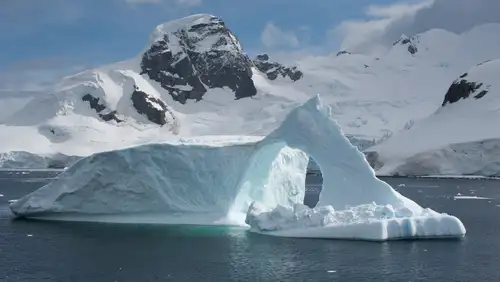
The first documented sighting of an iceberg in Antarctica occurred on February 1, 1700, when Edmond Halley was on an expedition to measure the Earth's magnetic field. He noted in his diary that he encountered "great Islands of Ice, of Soe Incredible a hight and Magnitude that I scare dare to write my thoughts on it."
Blog
Ice streams and lakes under the Greenland Ice Sheet
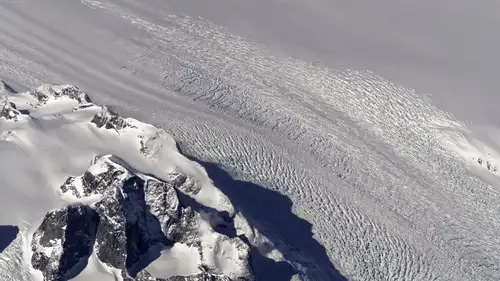
The Greenland ice sheet is a dynamic mass of dense, flowing, and deforming ice. Snow deposited on the central parts of the ice sheet is gradually compressed into ice that slowly moves towards the ice margin. At the ice margin, the ice is removed by melting or by breaking off into icebergs.
Blog
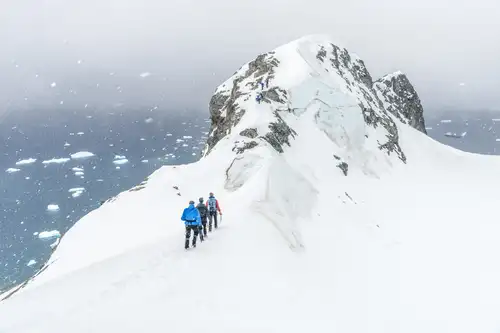
The Ins, Outs, and Ups of Polar Mountaineering & Ski Mountaineering
Traveling to the polar regions, whether to the Arctic or Antarctica, is an adventure almost no matter what you do.

Blog
Of Treacherous Rocks & Audacious Fin Whales
Soon large blows filled our view; small groups of fin whales sped by heading north all the while feeding on concentrations of krill & small fish. Group after group was seen, with many simply feeding in the general area and not heading anywhere in particular. Soon it became evident that we were not simply seeing a few random groups of fins, but a very large concentration spread out over a large area of sea just north and around the islands north of the South Shetlands. Dozens upon dozens of fin whales were feeding, diving around the ship and on the horizon in massive numbers; we must have seen well over fifty fin whales in the general area of Elephant Island, something many of the guides had never seen before.
Blog
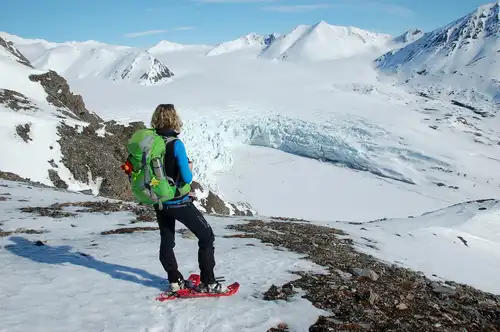
Arctic on Foot: Hiking and Snowshoeing the Far North
The focus of our voyages is always to get you off the ship and into the action as frequently as possible. While we travel from site to site on ice-strengthened vessels, our expeditions are crafted to provide you with the maximum firsthand experience of the polar regions and their unique wildlife.
Blog
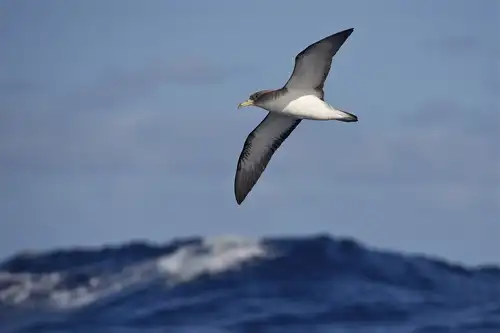
Islands of the Blessed: Things to Do Around Cape Verde
We visit Cape Verde and its capital city of Praia during our occasional St. Helena to Cape Verde voyages. Characterized by peaceful days at sea, these trips allow you to see some of the lesser-known gems of the Atlantic.
Blog
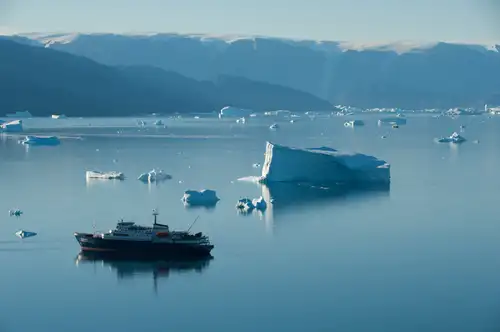
10 Common Misconceptions About the Arctic
The Arctic is a vast region. Truly immense.
Blog
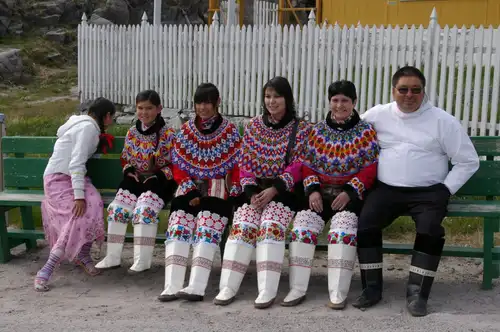
Not Eskimos: 10 Enlightening Facts About the Inuit
If you are planning to join an Arctic cruise, you might be intrigued by the Inuit culture. To help you gain a deeper understanding of these people, especially if you are considering a trip to Greenland, here are 10 fascinating facts about the Inuit that everyone should know.
Blog
How Arctic Wildlife Differs from Antarctic
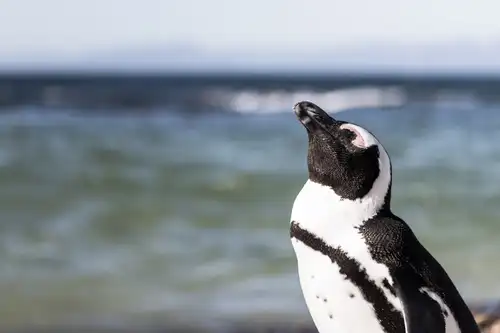
While the north and south poles share certain characteristics, they are also remarkably distinct. Both regions are cold and dry, yet each has its own unique terrain and climate. The Antarctic is particularly harsh and inhospitable, with only two native vascular plant species, whereas the Arctic tundra supports a wider range of fauna due to its relatively warmer temperatures and greater plant diversity. Here are some of the animals you can find in the Arctic compared to the Antarctic.