



Show More
Blog


Blog
Spitsbergen: a true polar bear trip
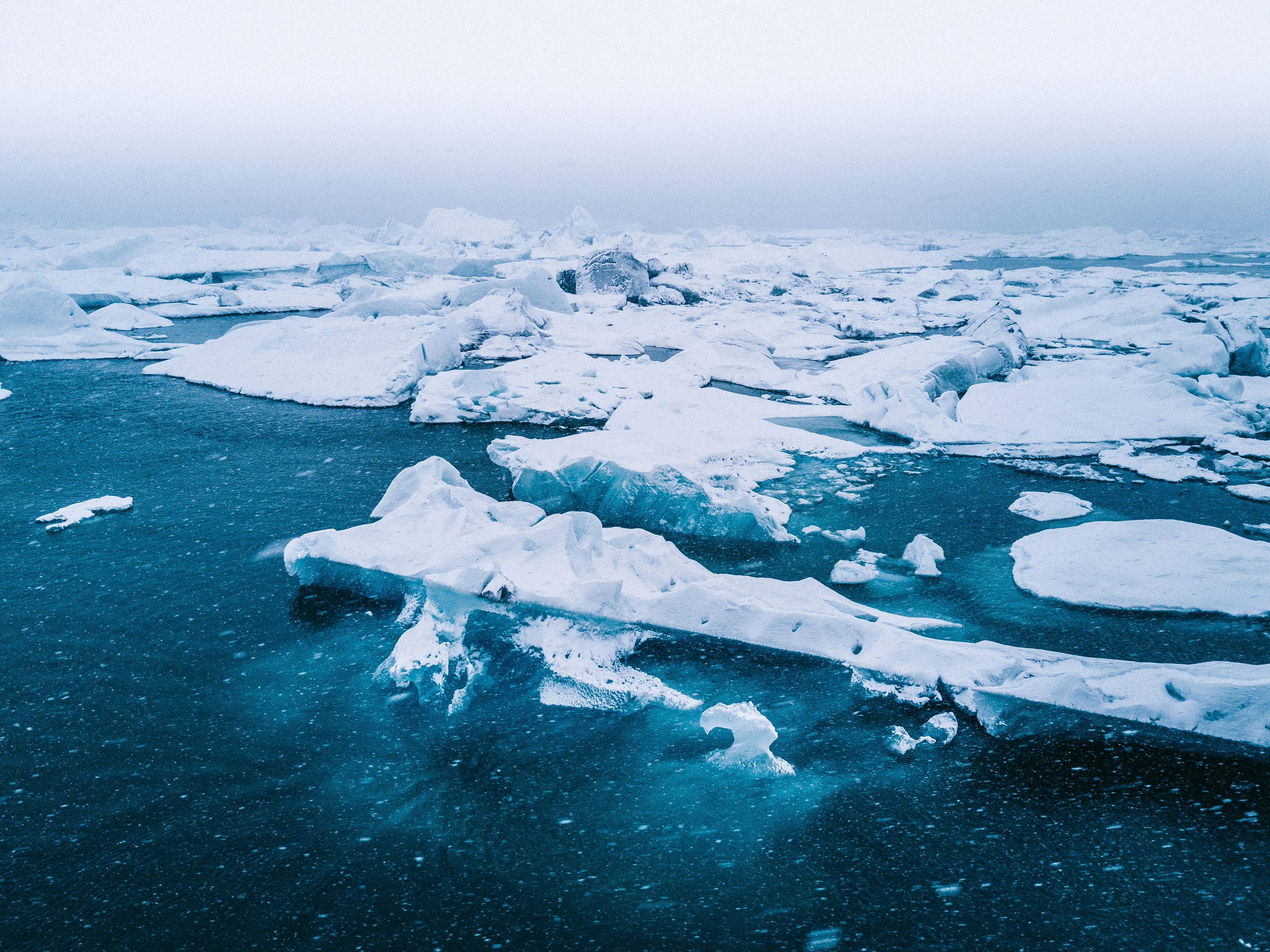
On the third day of our Svalbard cruise, we navigated through the sea ice north of Spitsbergen. The morning greeted us with fog and fragmented ice, but conditions gradually improved. A swarm of black-legged kittiwakes trailed behind us, as our ship stirred the waters, pushing aside ice floes to reveal the tiny dark polar cod beneath.
Blog
Ancient Arctic Exploration
When it comes to polar exploration, the Arctic boasts a much longer history compared to Antarctica.
Blog
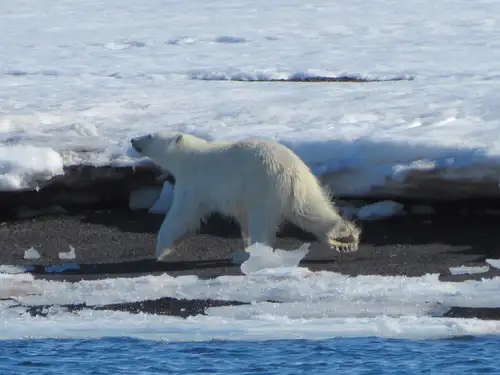
Polar bear feast
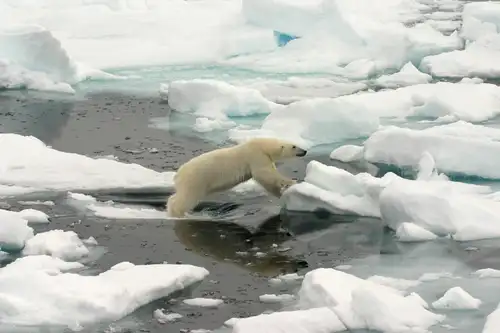
The polar bear was relishing his meal; the snow and his face were turning red from the blood. As we observed him eating, our own stomachs began to grumble. It was time for lunch.
Blog
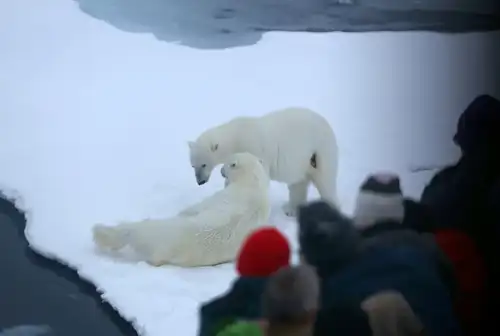
The Pack Ice and Polar Bears of North Spitsbergen
The Arctic archipelago of Svalbard is renowned for being one of the prime locations to observe polar bears. The largest island in this region, Spitsbergen, not only offers sightings of these majestic Arctic creatures but also provides a unique opportunity to experience the phenomenon of pack ice.
Blog
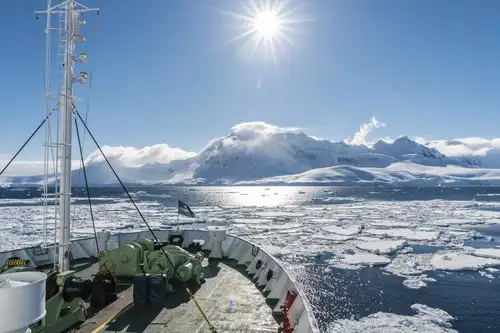
Cruising Solo: The Benefits of Single-Passenger Polar Travel
Traveling is often done with family, friends, or romantic partners. However, the benefits of solo travel, especially in polar regions, deserve more attention.
Blog
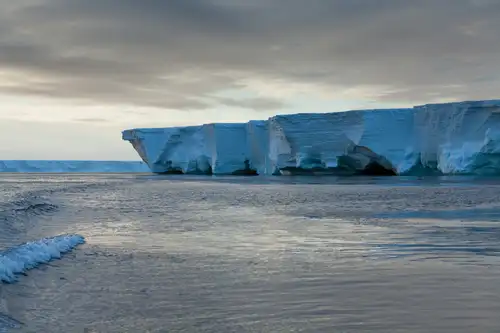
Science of the Ross Ice Shelf
Antarctica’s Ross Ice Shelf is vast, spanning 487,000 sq. km – comparable to the size of France – with a thickness that varies from a few hundred meters near the sea to over 1,200 meters away from the floating edge. The edge along the Ross Sea forms a towering ice wall, rising up to 50 meters above the water, with most of the ice submerged below the waterline.

Blog
Day and night in Antarctica
At the Concordia station, a French-Italian research facility situated 3,233 meters above sea level at Dome C on the Antarctic Plateau, European Space Agency (ESA) scientists are investigating the effects of extended space missions. The station is more isolated than the International Space Station, with the nearest humans located 600 kilometers away.

Blog
Polar Diving: A Supreme Underwater Adventure
Most scuba divers are drawn to warm waters and tropical reefs, and it's easy to see why. However, even the most thrilling experiences can become repetitive if done too often.

Blog
Top 10 Tips for Packing Your Polar Photography Equipment
One of the most common questions I get asked before a cruise is, “What photography equipment should I bring?” It’s a broad question, and answers vary based on the individual. There are, however, a few key pointers that apply to almost everyone.
Blog
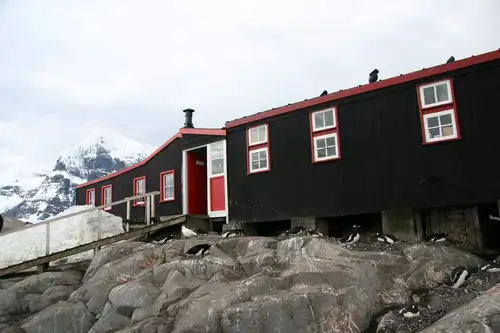
Port Lockroy: History, Post Office, and Resident Penguins
Sometimes it’s easy to get caught up in the stunning coastlines, fjords, and other natural wonders of Antarctica, overlooking the man-made attractions nestled in between.
Blog
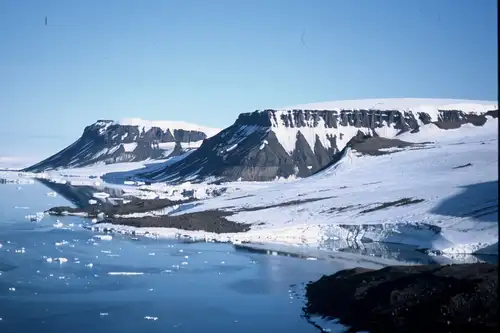
Franz Josef Land Sites, Species, and Experiences
The archipelago of Franz Josef Land is to Russia what Svalbard is to Norway: Both island groups offer excellent Arctic scenery, adventurous outdoor activities, and a good chance of seeing iconic species like polar bears and walruses - alongside a wide range of marine mammals and seabirds.

Blog
Two for the Snow: Polar Cruises for Couples
Do you know the old saying, “Cold hands, warm heart”? In our opinion, that bodes well for couples who visit the polar regions.
Blog
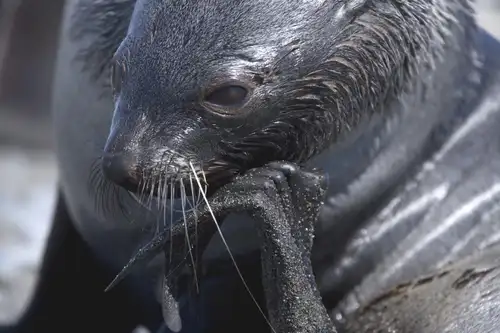
Coming Back from the Brink: The Fur Seals of Antarctica
Once hunted to the brink of extinction, the Antarctic fur seal is now one of the most populous and charismatic species of seal you’re likely to encounter during your Antarctica trips. Unlike other members of its large family, the fur seal has external ears, or pinnae, a short snout, and a thick coat of dark brown fur. Male seals tend to be larger than females, with weights ranging from 91 kg (200 lbs.) to 215 kg (474 lbs.).
Blog
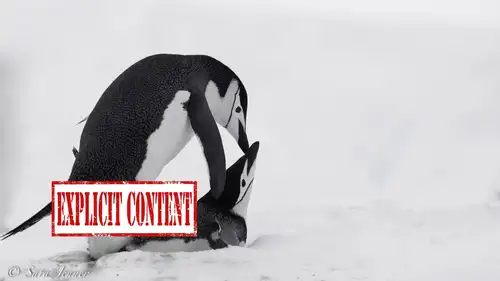
Hot Ice: Breeding Practices of Five Polar Animals
Last Valentine's Day we gave you 14 wildlife pictures highlighting the ins, outs, ups, and downs of polar romance. This year we're moving on to something a little more advanced: the nitty-gritty details of polar wildlife breeding rituals.
Blog
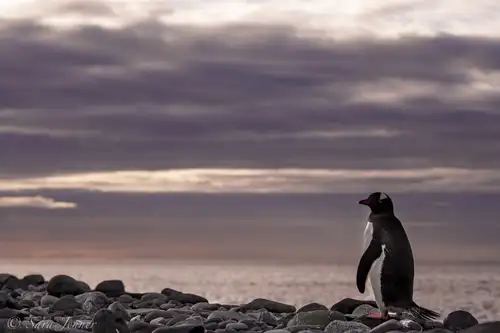
Penguin Wisdom: Life Lessons from Our Favorite Flightless Birds
As enthusiasts of wildlife travel, we believe every creature has something valuable to impart - from the grand blue whale to the tiny cephalopod, the formidable polar bear to the elusive Arctic fox.

Blog
8 Whales You Might See During Your Antarctica Cruise
They're powerful, beautiful, and really, really big. Whales are a wonder of the natural world, and one of the best places to see them is Antarctica. In fact, whale watching is one of the most popular and rewarding activities you can enjoy on an Antarctic trip.
Blog
8 Scientific Wonders of the Arctic
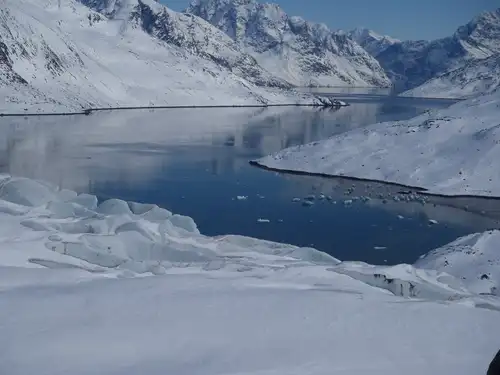
The Arctic’s frozen landscape not only contains scenic gems, it also prompts fascinating advances in research. Here are some of the eight best.
Blog
Bouvet Island: The Most Remote Island in the World
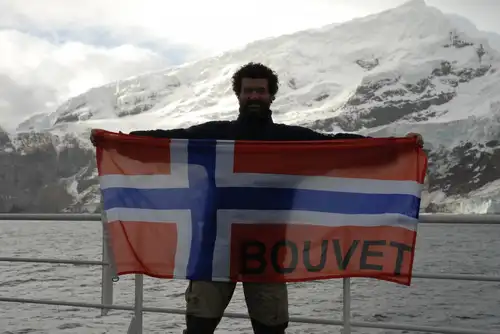
On January 1, 1739, French Commander Jean-Baptiste Charles Bouvet de Lozier made an extraordinary discovery: a volcanic island so remote that it lies 2,600 km (1,600 miles) from the nearest inhabited land.
Blog
Freshwater ecosystems in the Arctic
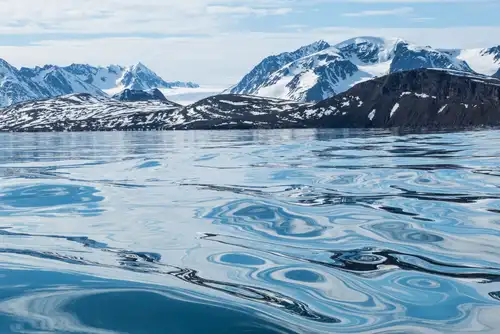
The Arctic, surprisingly, hosts a rich and varied array of freshwater ecosystems, including lakes, ponds, rivers, streams, deltas, and wetlands. Some of the world's largest rivers and deltas, such as the Lena, Ob, and Yenisei, are found in this region.
Blog
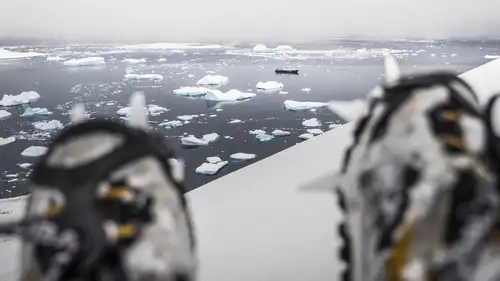
Arctic and Antarctic Basecamp Cruises – Choose Your Own Adventure
There’s an astonishing variety of activities to choose from when planning an Arctic trip or Antarctic cruise, which can be a bit overwhelming. How do you choose just one voyage over another when you want to experience everything? Happily, you don’t have to give up one activity for another. Basecamp cruises have you covered.