



Show More
Blog


Blog
5 Life Lessons You'll Learn in Antarctica
Embarking on a journey to the Antarctic might seem daunting. However, cruise lines strive to simplify the process as much as possible. They typically assist with travel insurance, guide you to the embarkation point, and advise on the appropriate clothing to bring.

Blog
The disastrous expedition in the Arctic west
In 1902, Otto Sverdrup, captain of the Fram on Nansen’s expedition, led his own Arctic expedition to the north of Canada. Over the period of the expedition, which started in 1898, Sverdrup and his 15-man crew charted over 250,000 square kilometres of the Arctic using the Fram and sledges. During the expedition Ellesmere Island’s west coast was explored and new islands discovered.
Blog
International Polar Bear Day
It will come as no surprise to you that we're crazy about polar bears. We have multiple blogs about where to find polar bears, we offer dozens of polar bear trips, and we've even written a short story from a polar bear's point of view. (Yes, we actually did that.) So if you were to say that our love of polar bears borders on obsession, you wouldn't be far off.
Blog
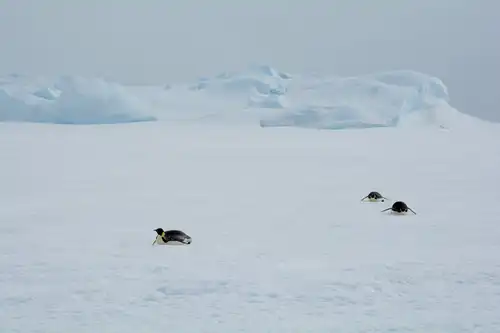
Encounter with the emperor penguin in Antarctica
Dutch journalist Gemma Venhuizen embarked on the MV Ortelius during the Weddell Sea cruise 'In search of the emperor penguins'. She had several encounters with this majestic penguin species - both from the sea and from the air.

Blog
Top Antarctica Cruise Experiences for 2025
Antarctica, the world’s southernmost continent, captivates adventurous travelers with its breathtaking landscapes and rich biodiversity. Cruises to this icy destination offer unparalleled access to pristine wilderness, unique wildlife, and transformative experiences. In 2025, the allure of Antarctica promises to be even greater, with cutting-edge expeditions and eco-conscious travel options reshaping the journey south.

Blog
The History of Antarctica in Maps
Long before human eyes ever beheld Antarctica, the ancients were convinced that it existed – or at least something like it.

Blog
Day and night in Antarctica
At the Concordia station, a French-Italian research facility situated 3,233 meters above sea level at Dome C on the Antarctic Plateau, European Space Agency (ESA) scientists are investigating the effects of extended space missions. The station is more isolated than the International Space Station, with the nearest humans located 600 kilometers away.
Blog
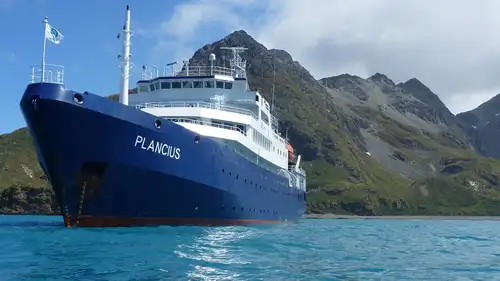
A Day on m/v Plancius
Stepping aboard this long-running expedition vessel, it’s easy to forget that she’s been making voyages to the polar regions since “Afternoon Delight” by Starland Vocal Band was on the Billboard Hot 100.

Blog
Arctic Mythology: Inuit, Saami, and the Ancient Greeks
The Arctic locations we visit aren’t merely made up of phenomenal landscapes, exotic wildlife, and more adventure than a Hardy Boys novel.
Blog
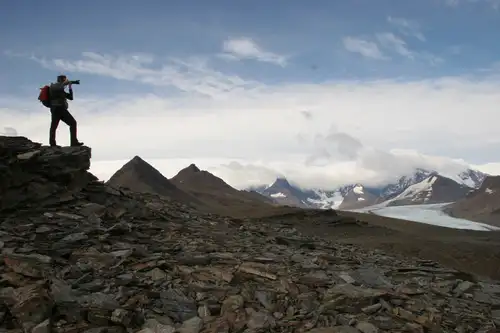
Hondius Photography and Video Workshops
There’s no shortage of great things to say about a Hondius expedition cruise, but among the best are the free video and photography workshops offered during some of this ship’s voyages. These informative, interactive, highly useful supplements allow you to not only capture your memories in the best way possible but also make your friends back home maddeningly jealous.
Blog
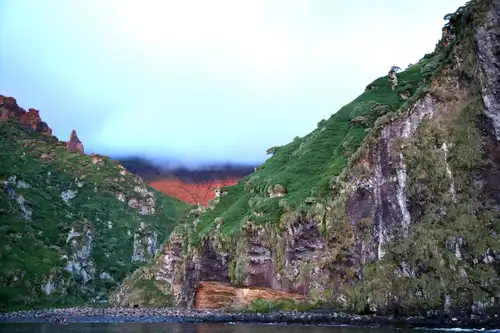
Gough Island: Seabird Capital of the South Atlantic
Gough Island is a remote volcanic island in the South Atlantic, uninhabited except for a small party of meteorologists and (sometimes) biologists.
Blog
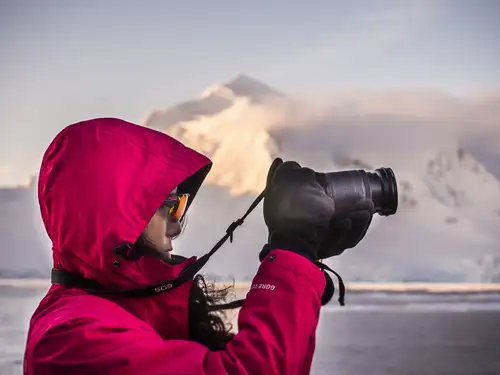
12 photo tips to make better pictures on your Antarctica cruise
During your trip in the Arctic or Antarctic cruise you and your camera equipment will be exposed to a variety of challenging conditions. Be careful with your equipment and protect it from the salty spray when in Zodiacs, on a beach, or on deck. Salt water and electronics is not a good mix!

Blog
The Research Stations of Antarctica and the sub-Antarctic
Numerous research stations operate throughout the Antarctic and sub-Antarctic, engaged in all manner of scientific inquiry. This article will cover the stations under the management of the British Antarctic Survey (BAS), which conducts year-round terrestrial and atmospheric research in some of the most compelling polar locations on Earth.
Blog
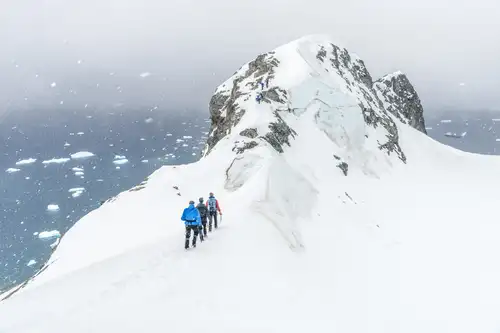
The Ins, Outs, and Ups of Polar Mountaineering & Ski Mountaineering
Traveling to the polar regions, whether to the Arctic or Antarctica, is an adventure almost no matter what you do.
Blog
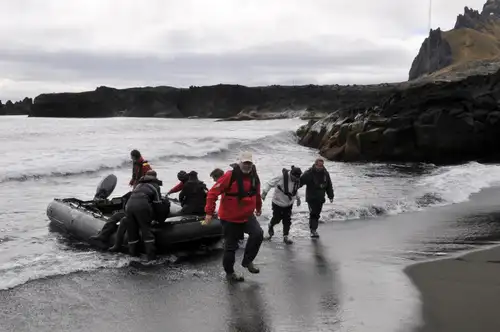
A visit to the fascinating island of Jan Mayen
After exploring the remote island of Fair Isle, our Atlantic Odyssey voyage once more turned its attentions northwards and left the outer extremities of the UK behind. Our destination was Jan Mayen, a volcanic island situated on the mid-Atlantic ridge just north of 71° (about 550 kilometers north of Iceland and 450 kilometers east of Greenland).
Blog
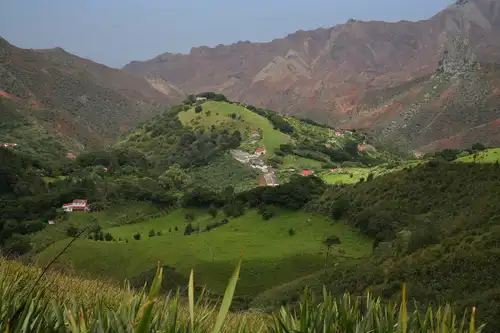
Five Reasons to Love St. Helena
Being one of the most remote islands on Earth gives St. Helena a unique allure. Named after a Roman empress and the mother of Constantine the Great, this island also holds the distinction of being Napoleon’s final place of exile, making it a fascinating topic of conversation.
Blog
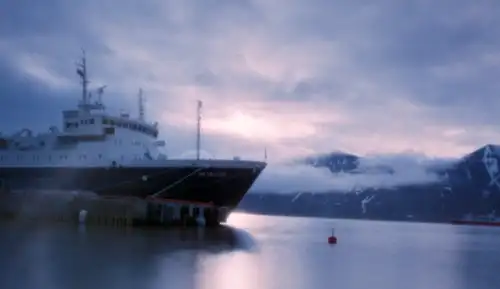
Solargraphy & Pin Hole photography in the Arctic
Blog
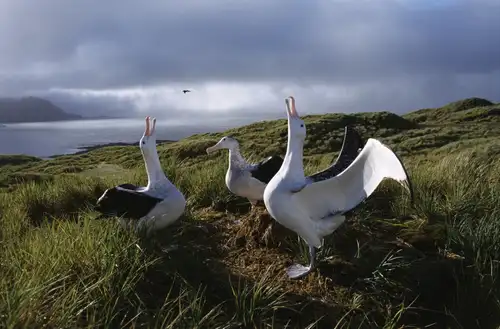
Albatross, penguin and krill research in Antarctica
In the Antarctic region, extensive research is being conducted by national Antarctic programmes from countries like the UK, Australia, and Japan. These studies aim to understand species in the air, on the ground, and in the sea, and how these species are interconnected without variables such as human impacts and climate change.

Blog
Why a Polar Diving Cruise Should be Your Next Great Decision
Not so very long ago, all you had to do to qualify as a thrill-seeker was hop a ship to the polar regions and make it back with all your fingers – or your life, if you weren’t picky.
Blog
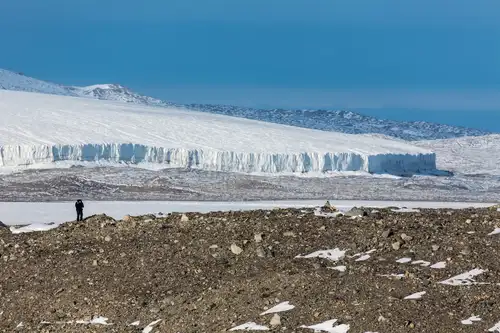
The Secret Life of Glaciers: How They Form, Move, and Melt
One of the most awe-inspiring natural wonders you can witness on an Arctic or Antarctic expedition is glaciers. These immense ice formations have been gradually moving from the mountains to the oceans for countless years, acting as both time capsules and indicators of our rapidly changing environment.