

 01 October 2027 - 12 Oct 2027
 12 Days/11 Nights
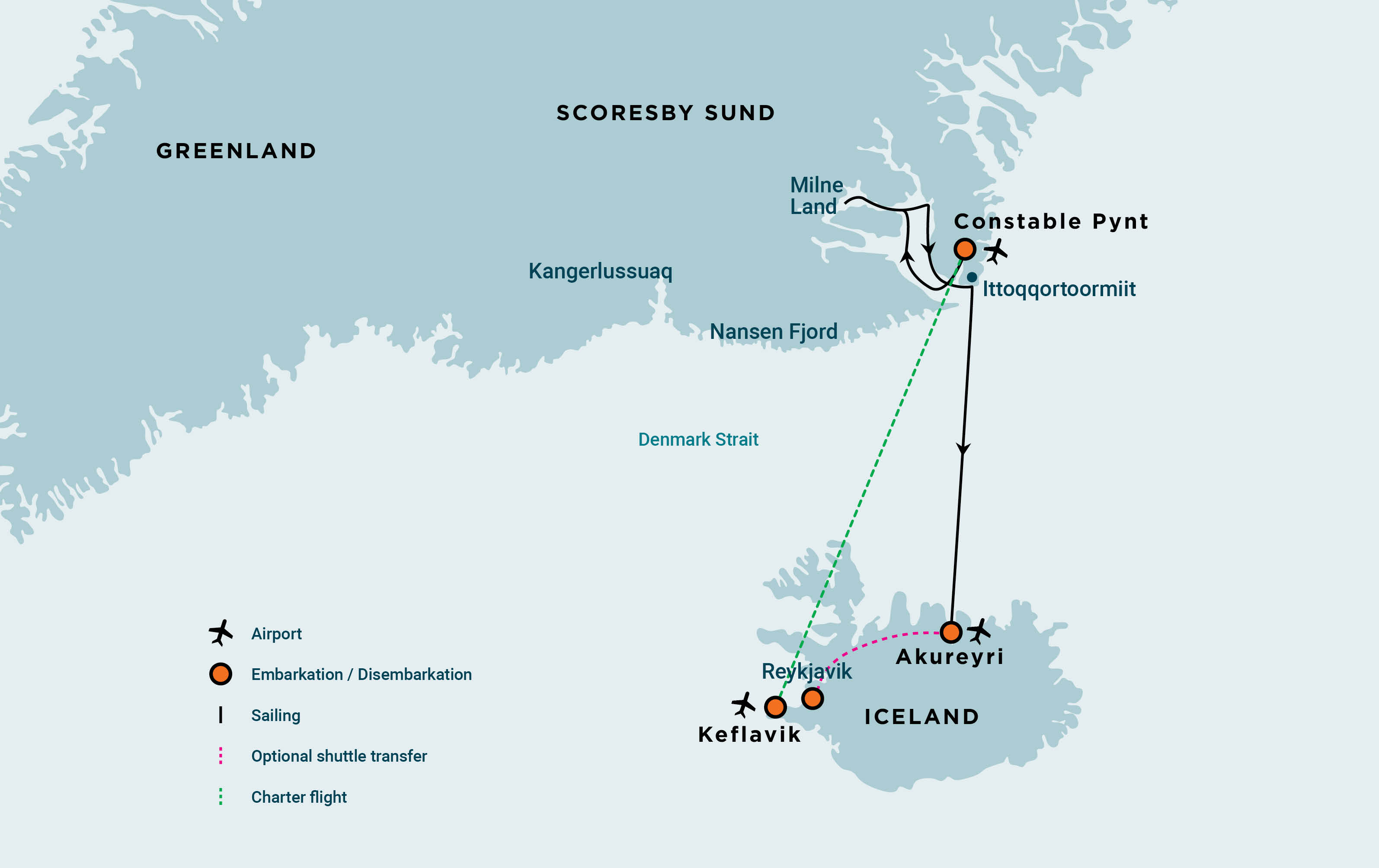
 Constable Pynt - Akureyri
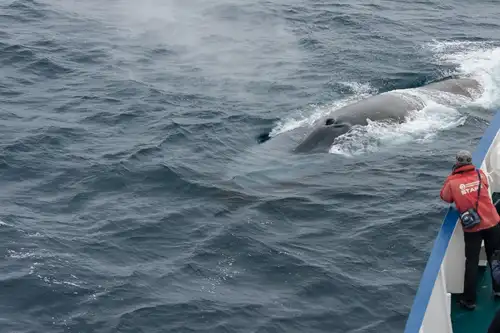
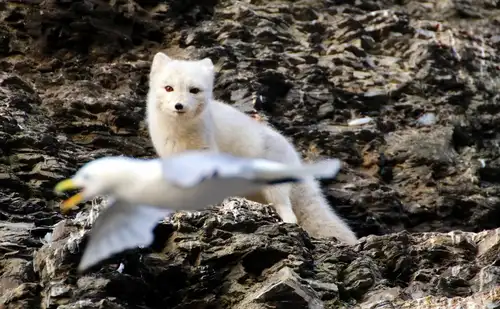
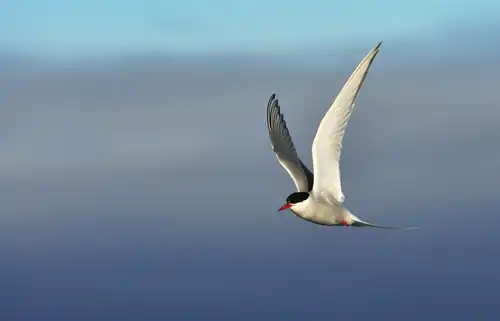
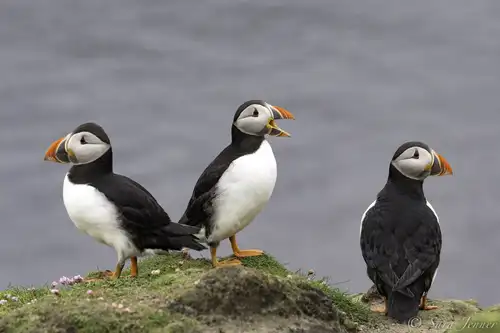



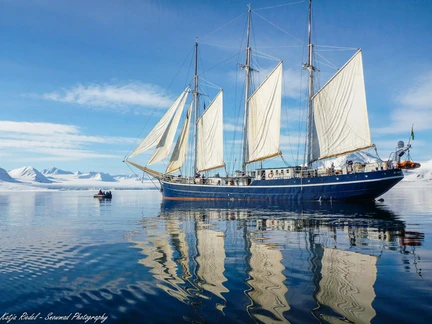
s/v Remvrandt van Rijin
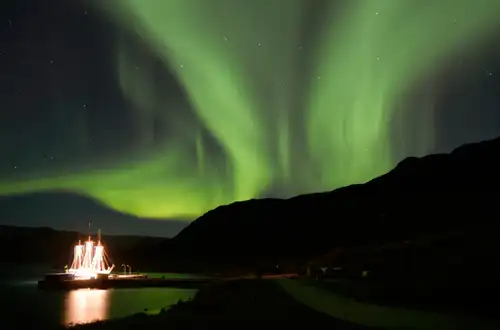
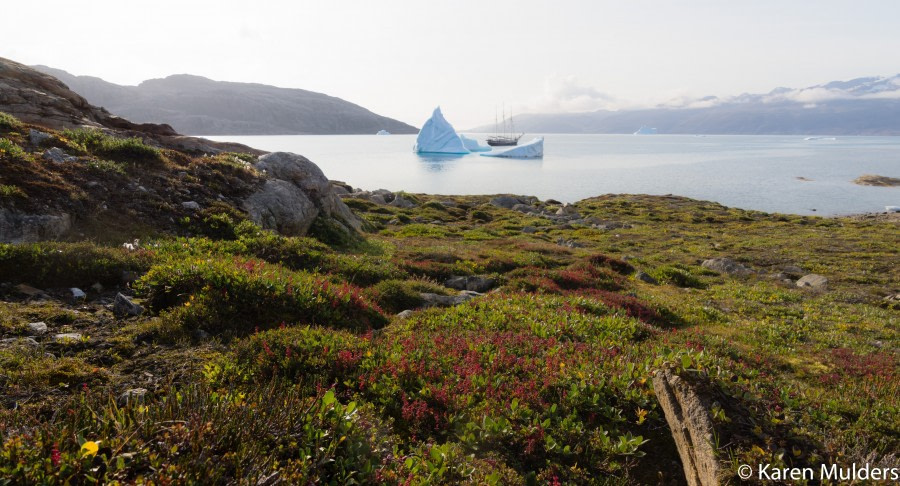
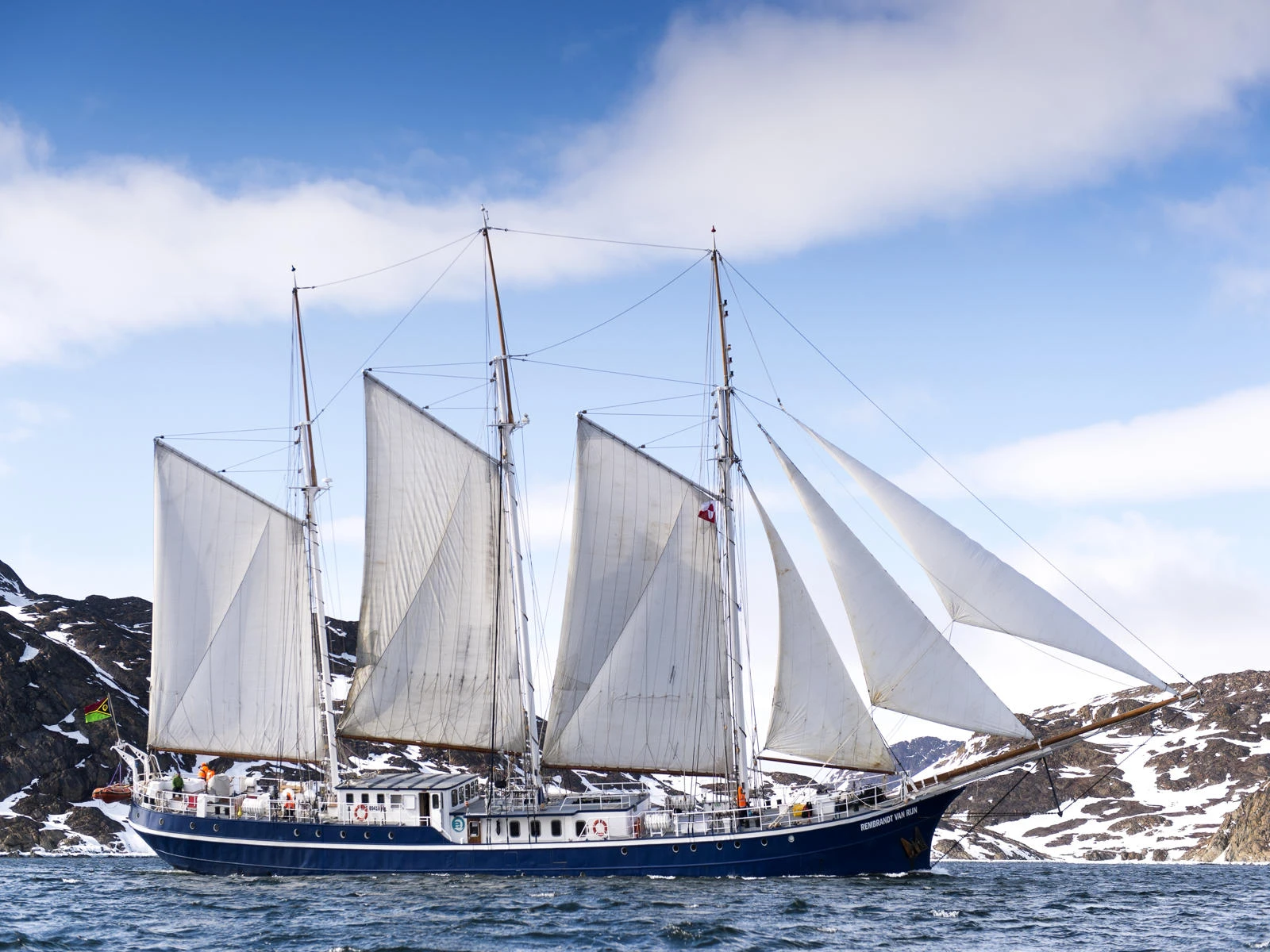
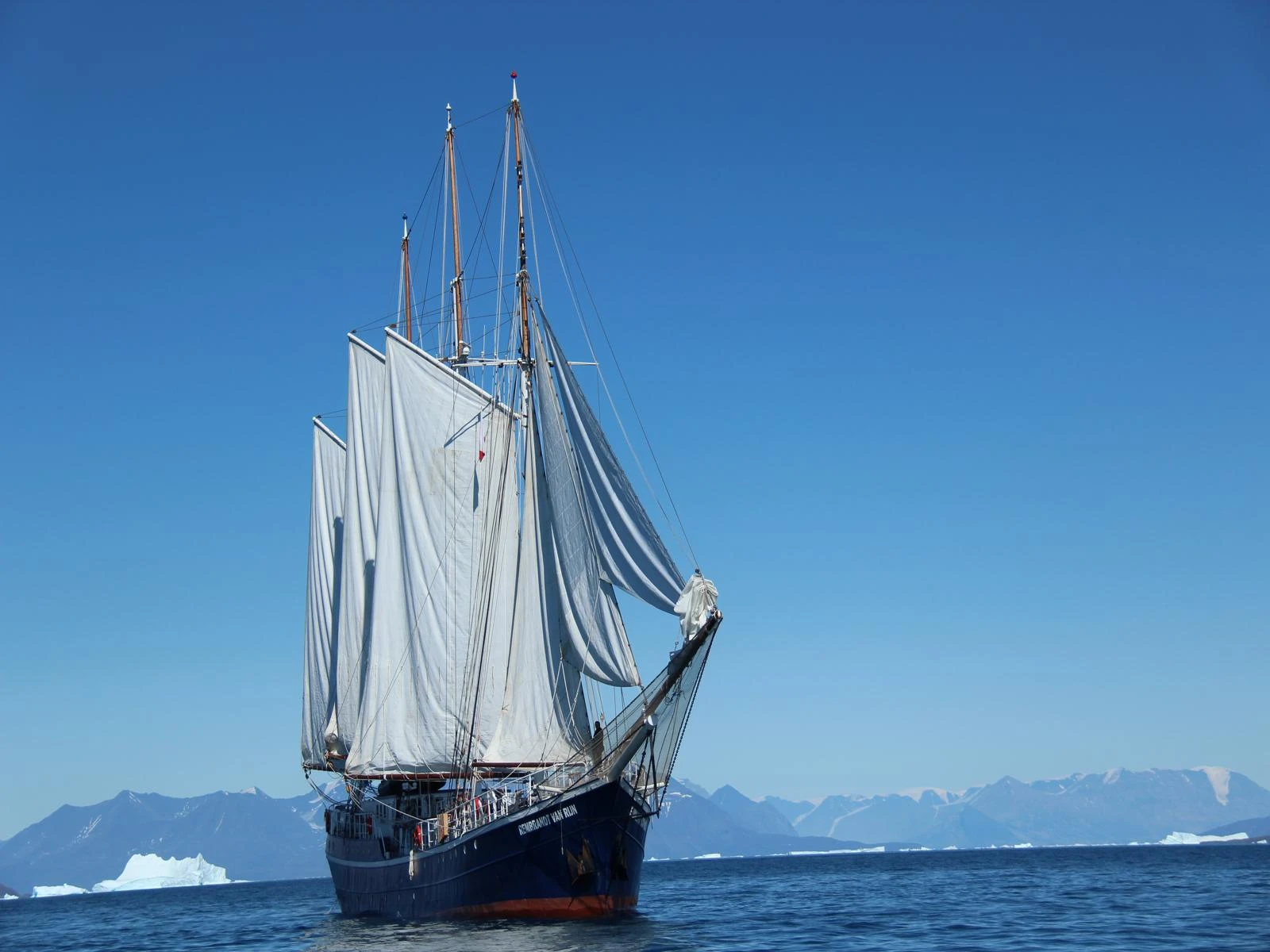
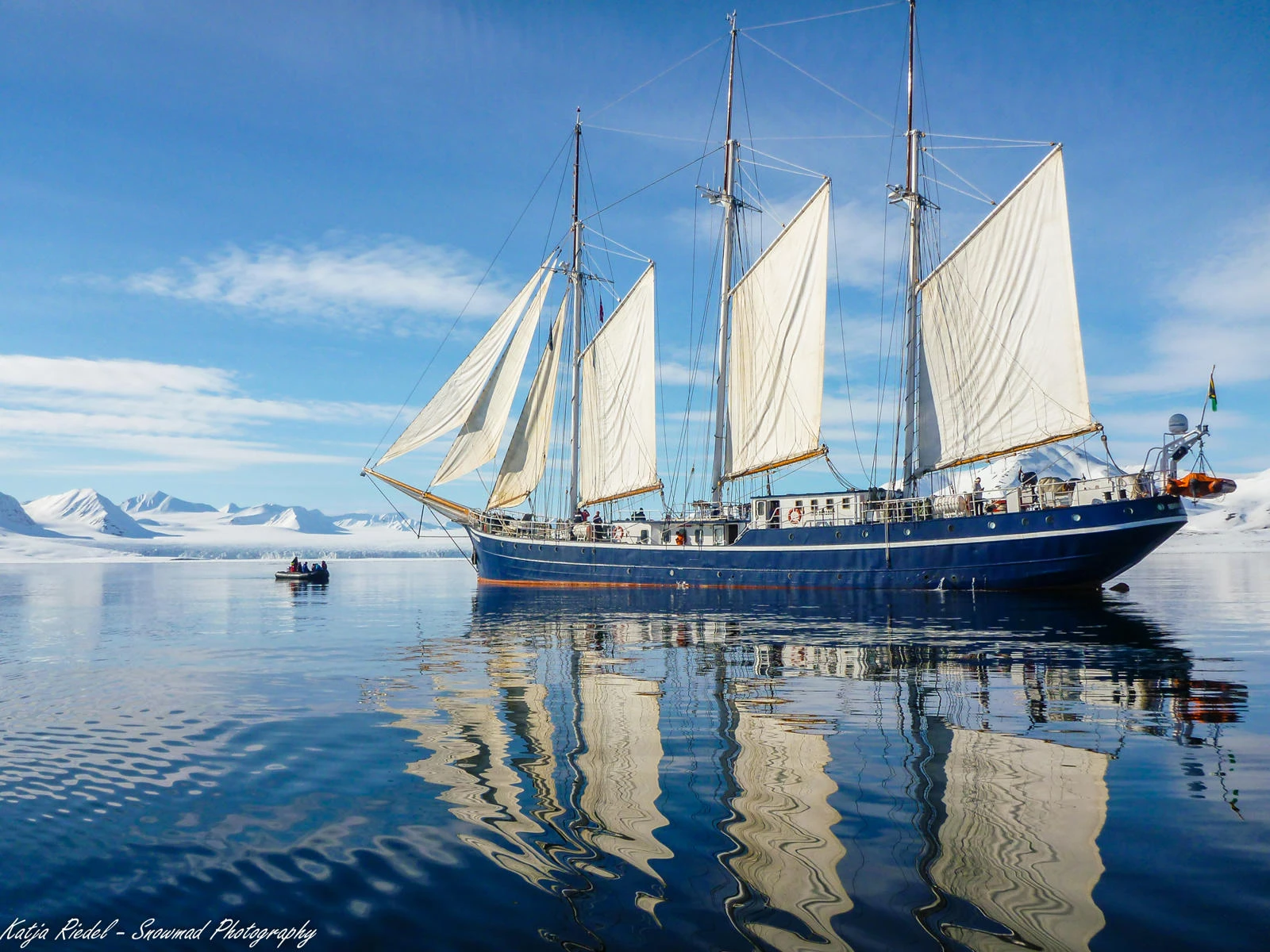
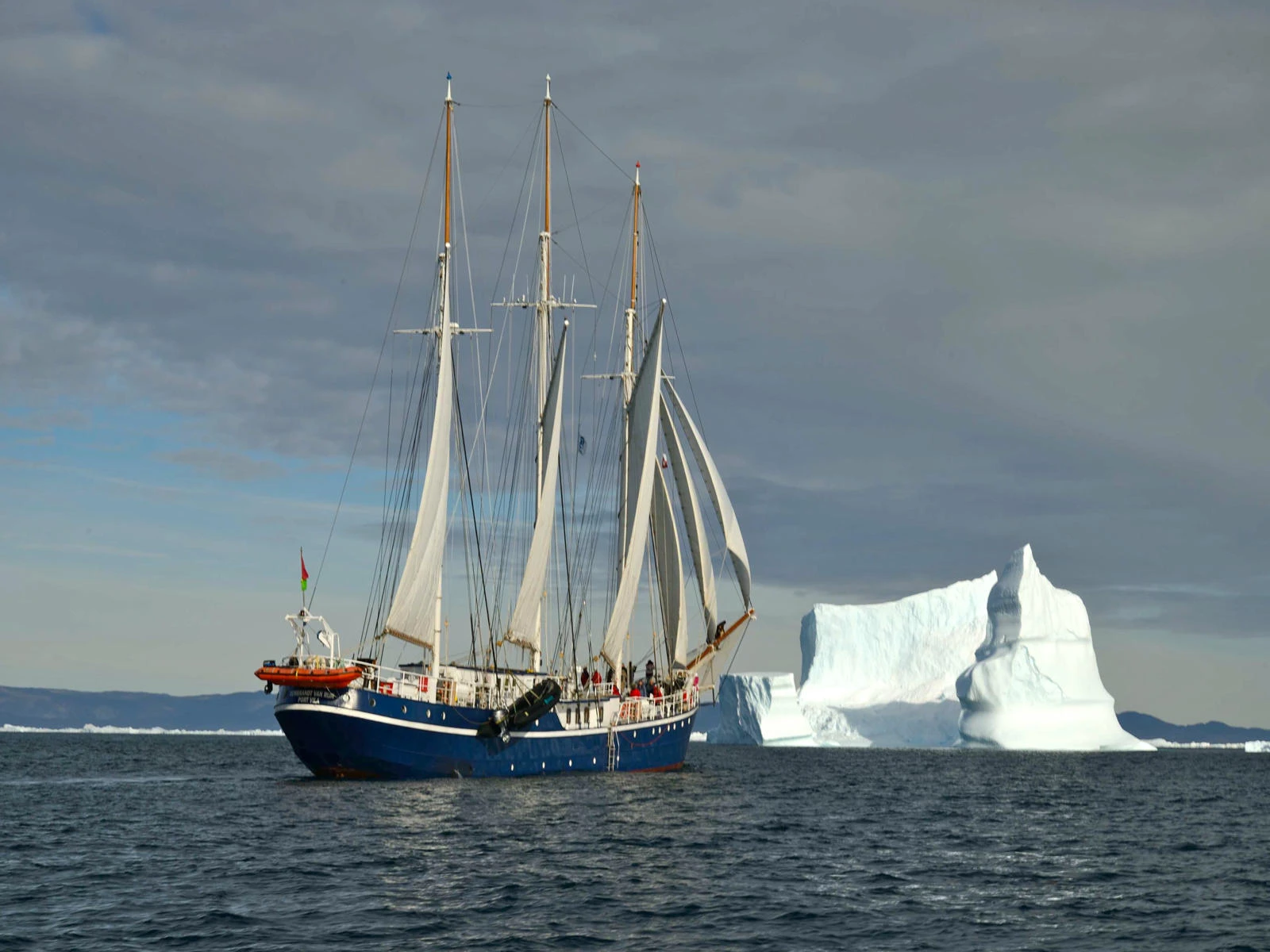
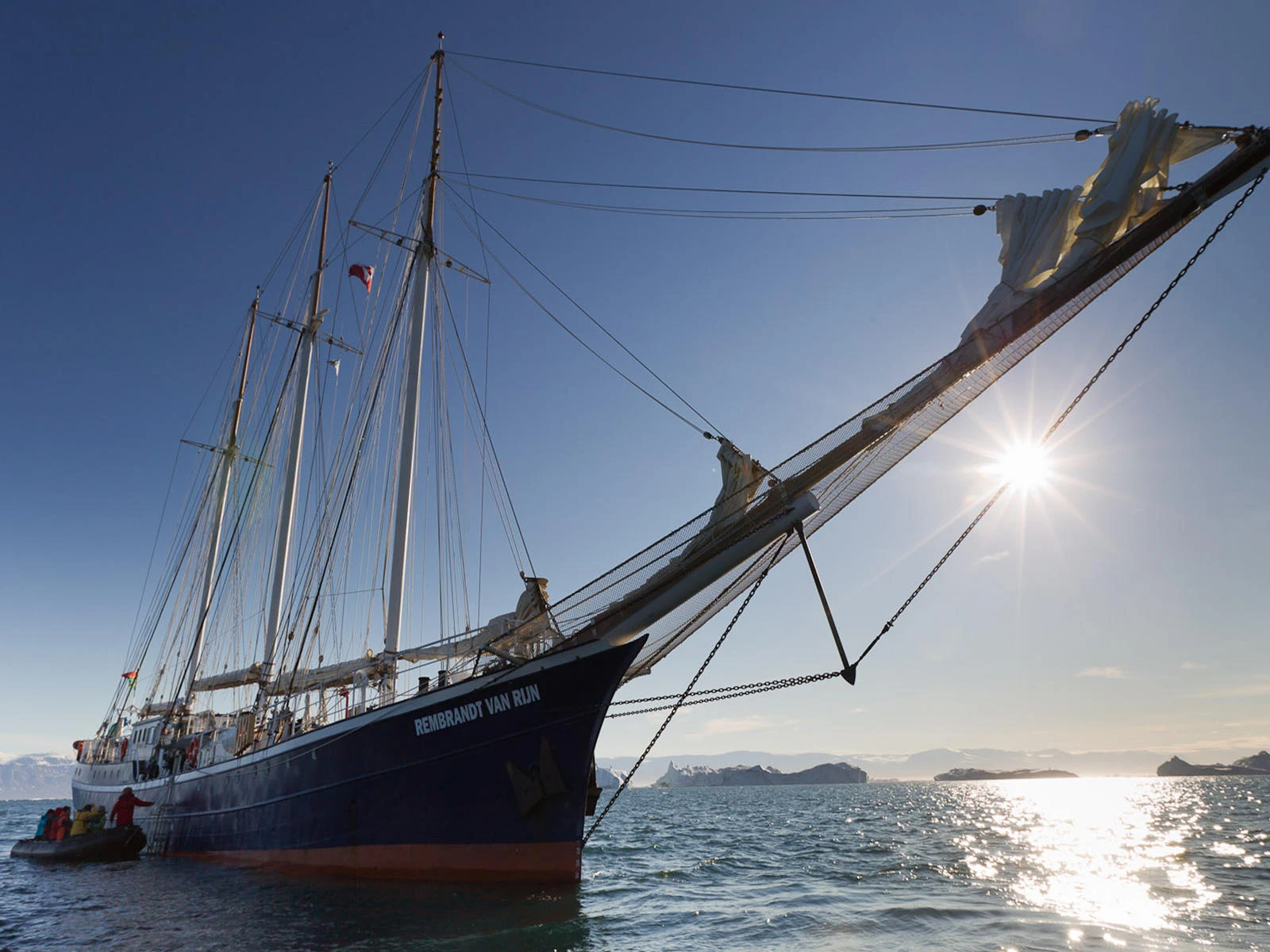
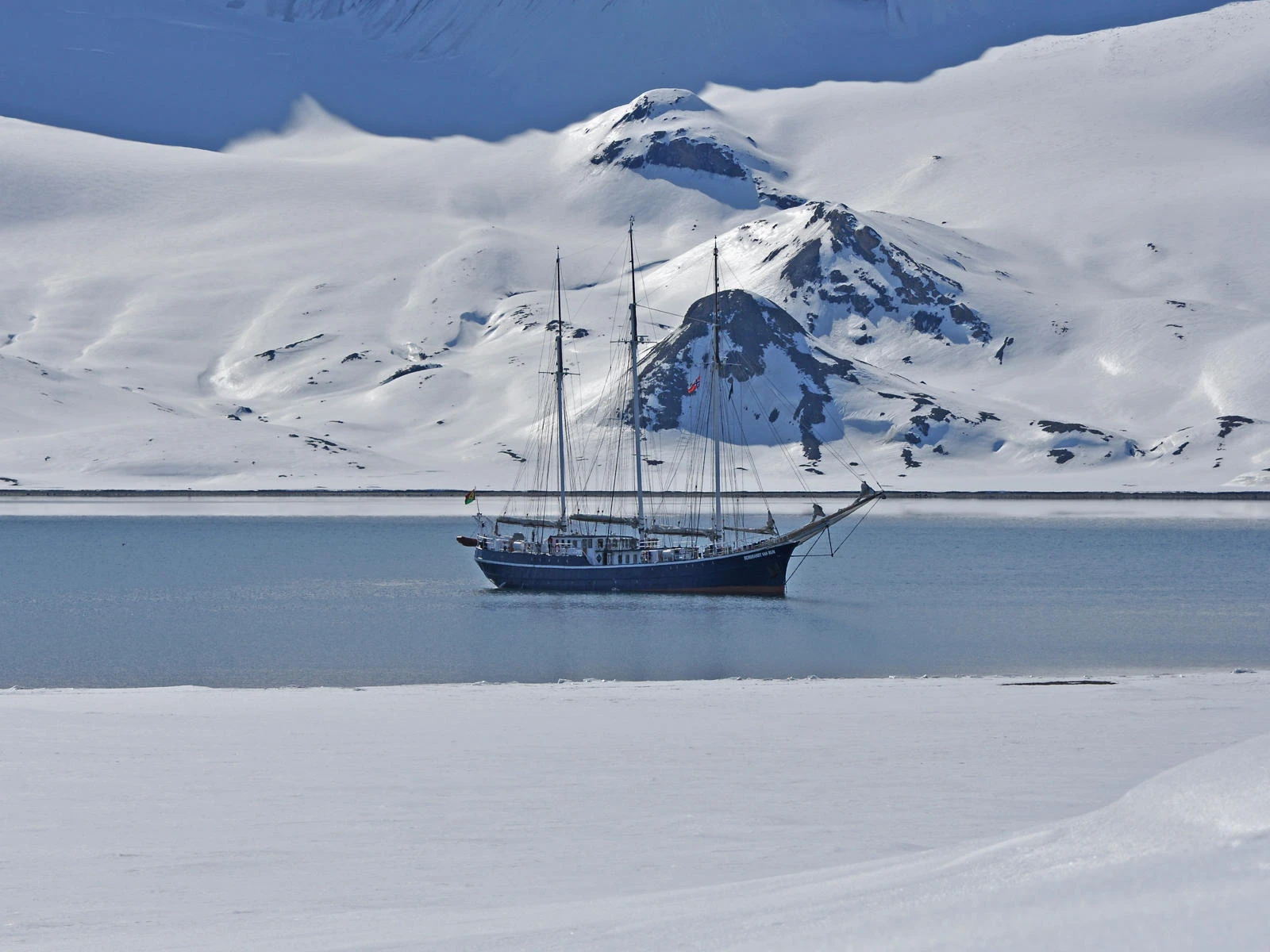
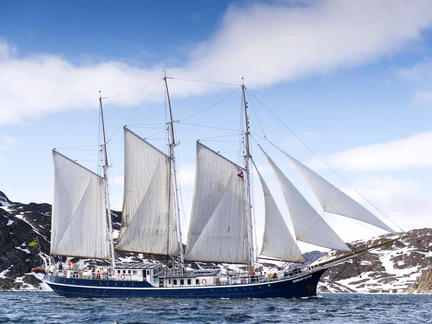
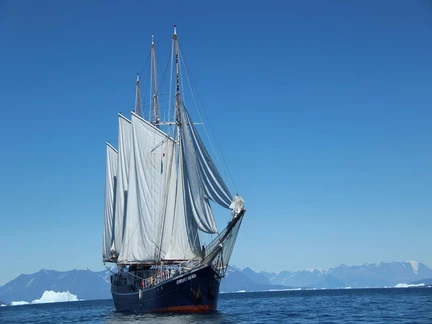
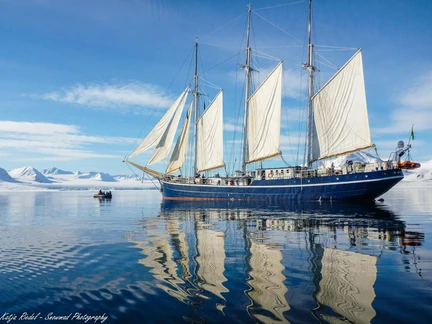
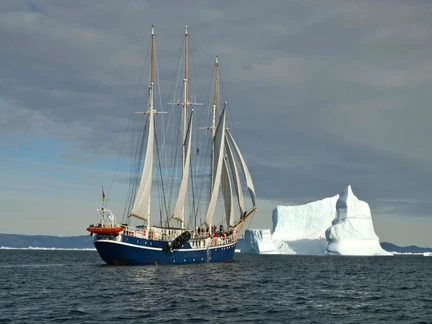
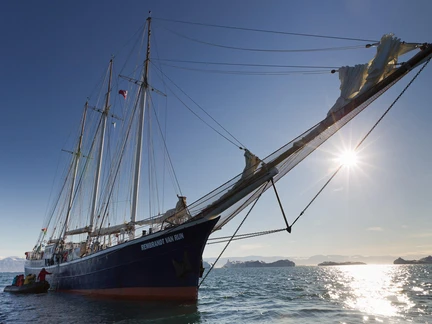
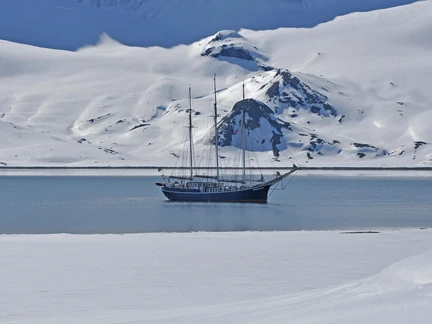
Our three-mast schooner, Rembrandt van Rijn, is ideally suited for expedition cruising among the fjords of Greenland and Spitsbergen.
Specifications
| Passengers: | 33 in 16 cabins |
| Staff & crew: | Crew 10 | Guides 2 |
| Length: | 49,50 meters |
| Breadth: | 6,65 meters (22,9 ft) |
| Draft: | 2,8 meters (8 ft) |
| Ice class: | Suitable to sail in the Svalbard and Greenlandic waters. |
| Displacement: | 435 tonnes |
| Propulsion: | 2 cummins engines together 550 KW |
| Speed: | 6,5 knots average cruising speed |
Cabins Gallery
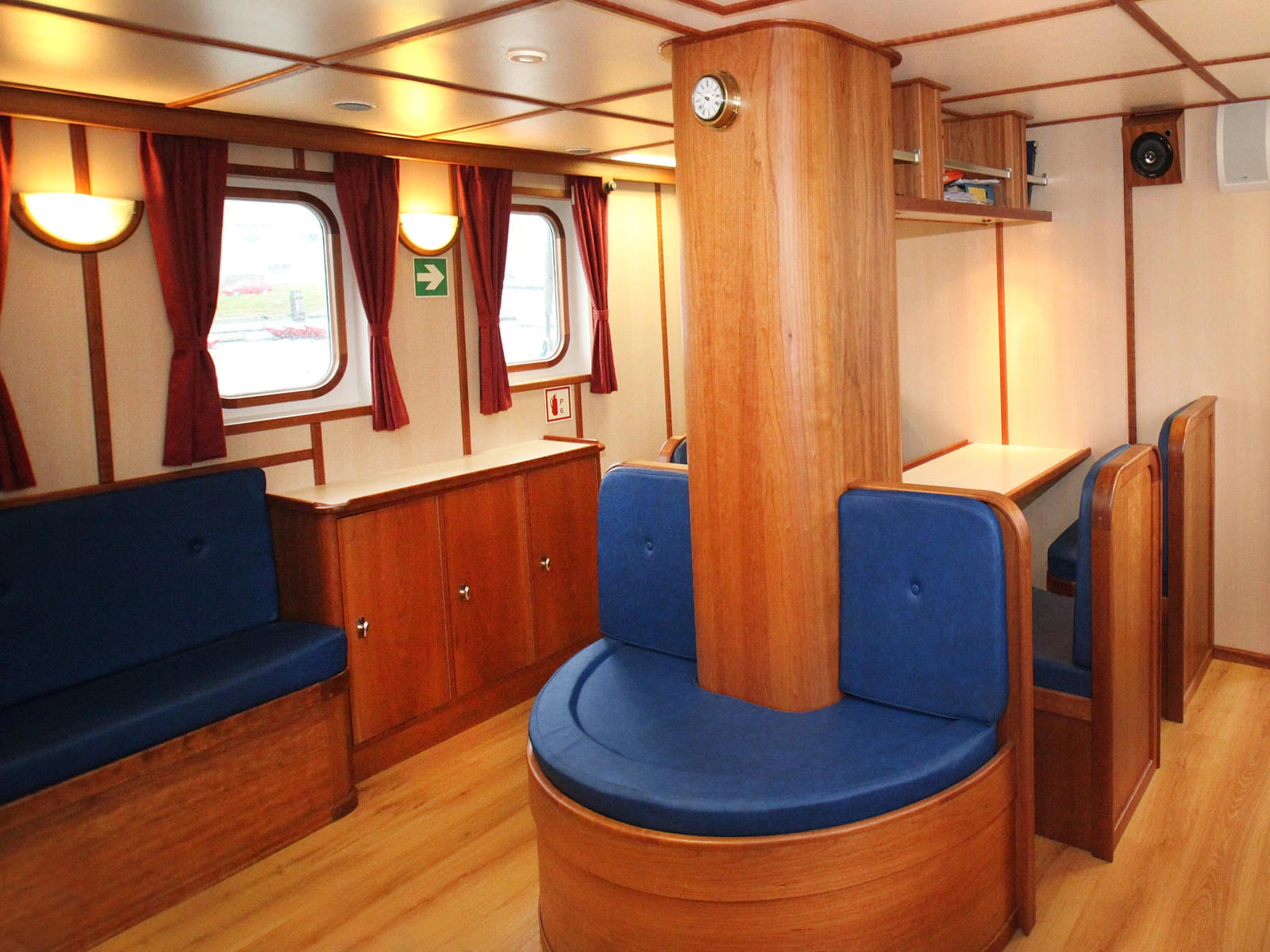
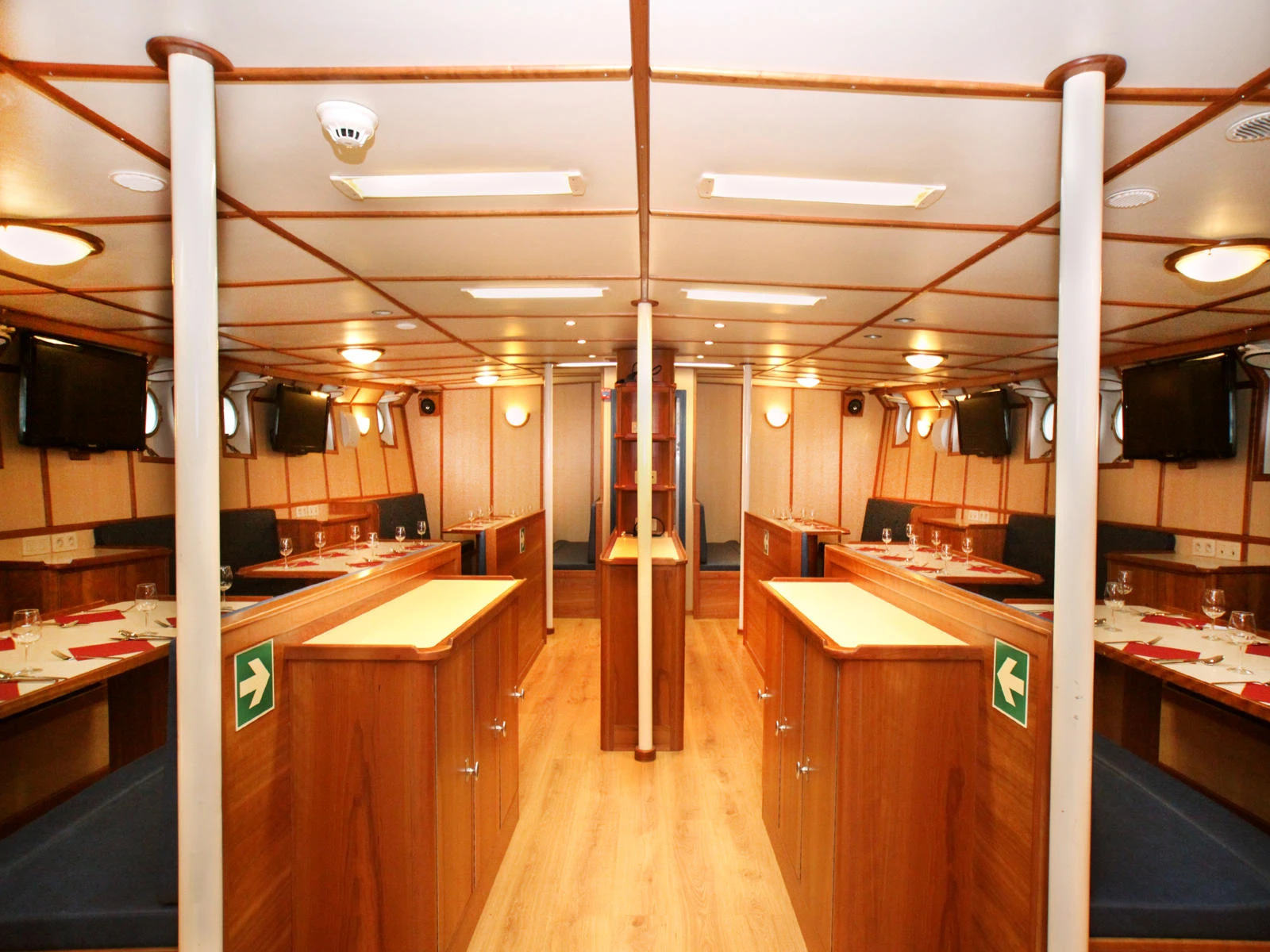
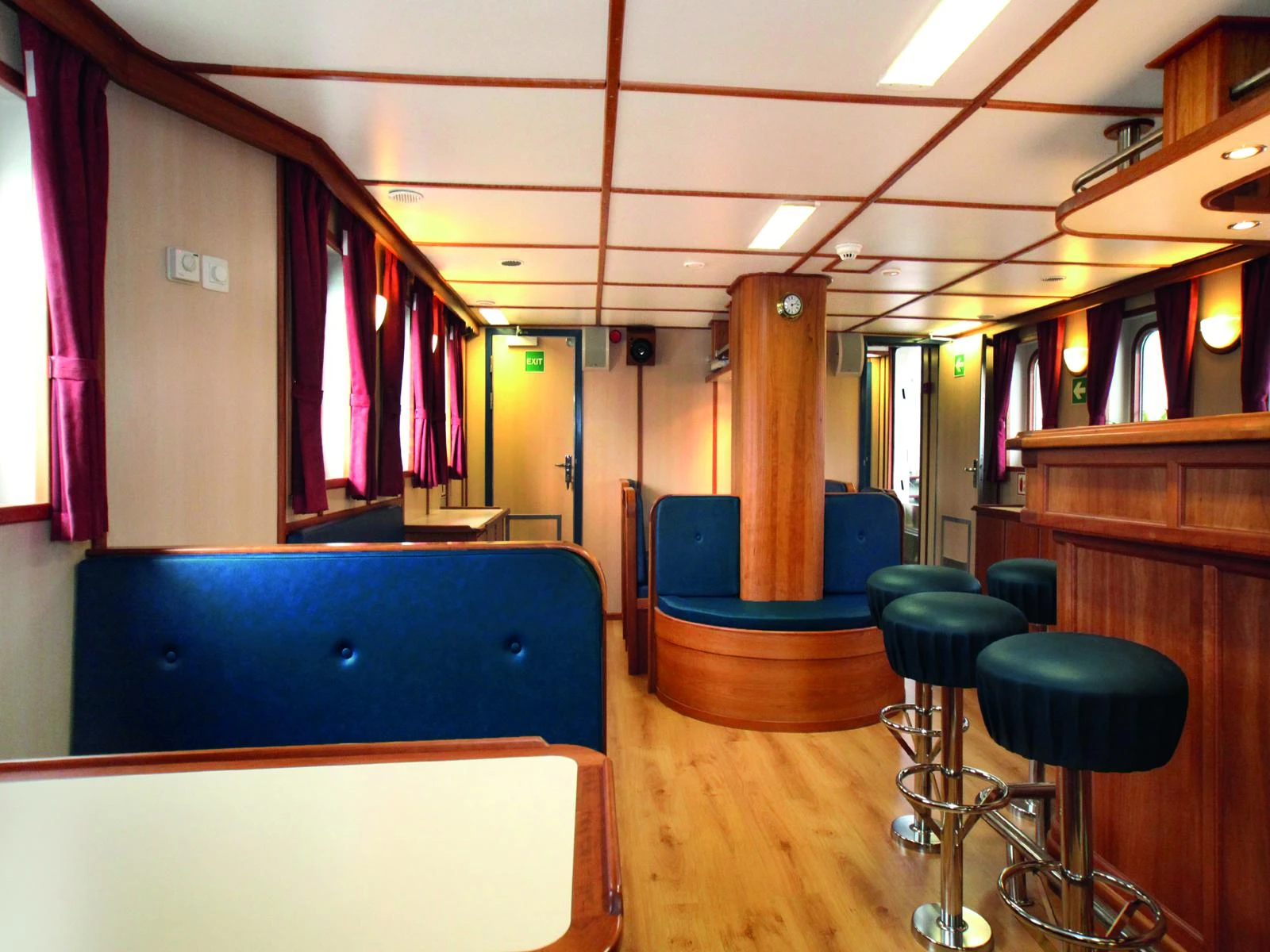
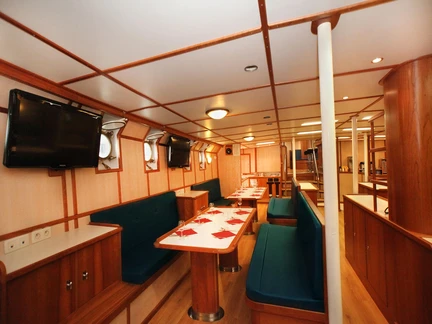
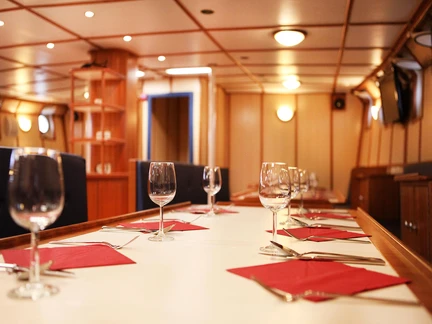
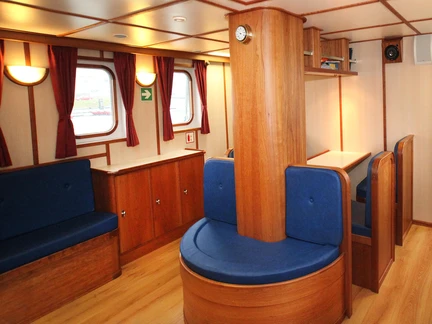
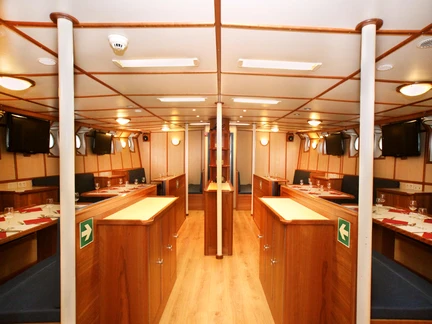
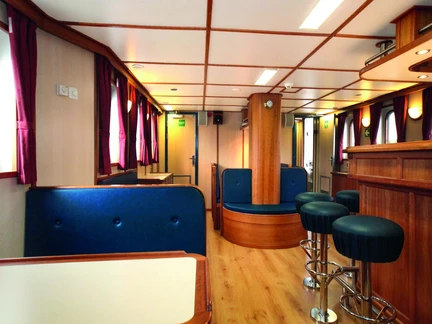
Ship Interior Gallery
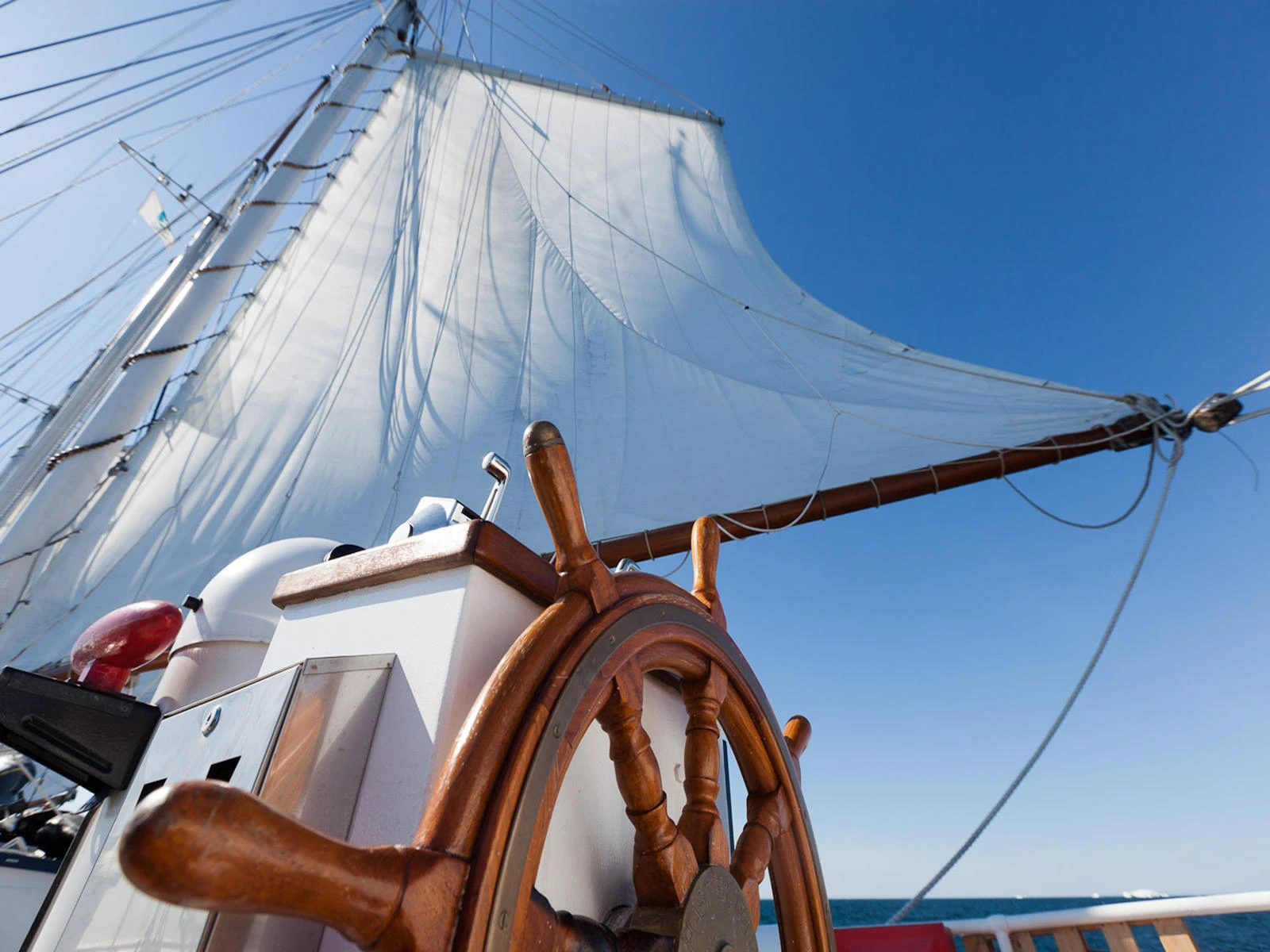
Ship Exterior Gallery
S/V Rembrandt Van Rijn was originally built as a herring lugger in 1947. The vessel was then rebuilt as a three-mast passenger sailing schooner in he Netherlands in 1994, sailing in Spitsbergen (1994 – 1996) and the Galápagos (1998 - 2001). The vessel later underwent a complete rebuilding and refurbishment program until 2011. The communication and navigation equipment has been completely renewed according to the latest SOLAS regulations.
Perfect for expedition cruising among small islands
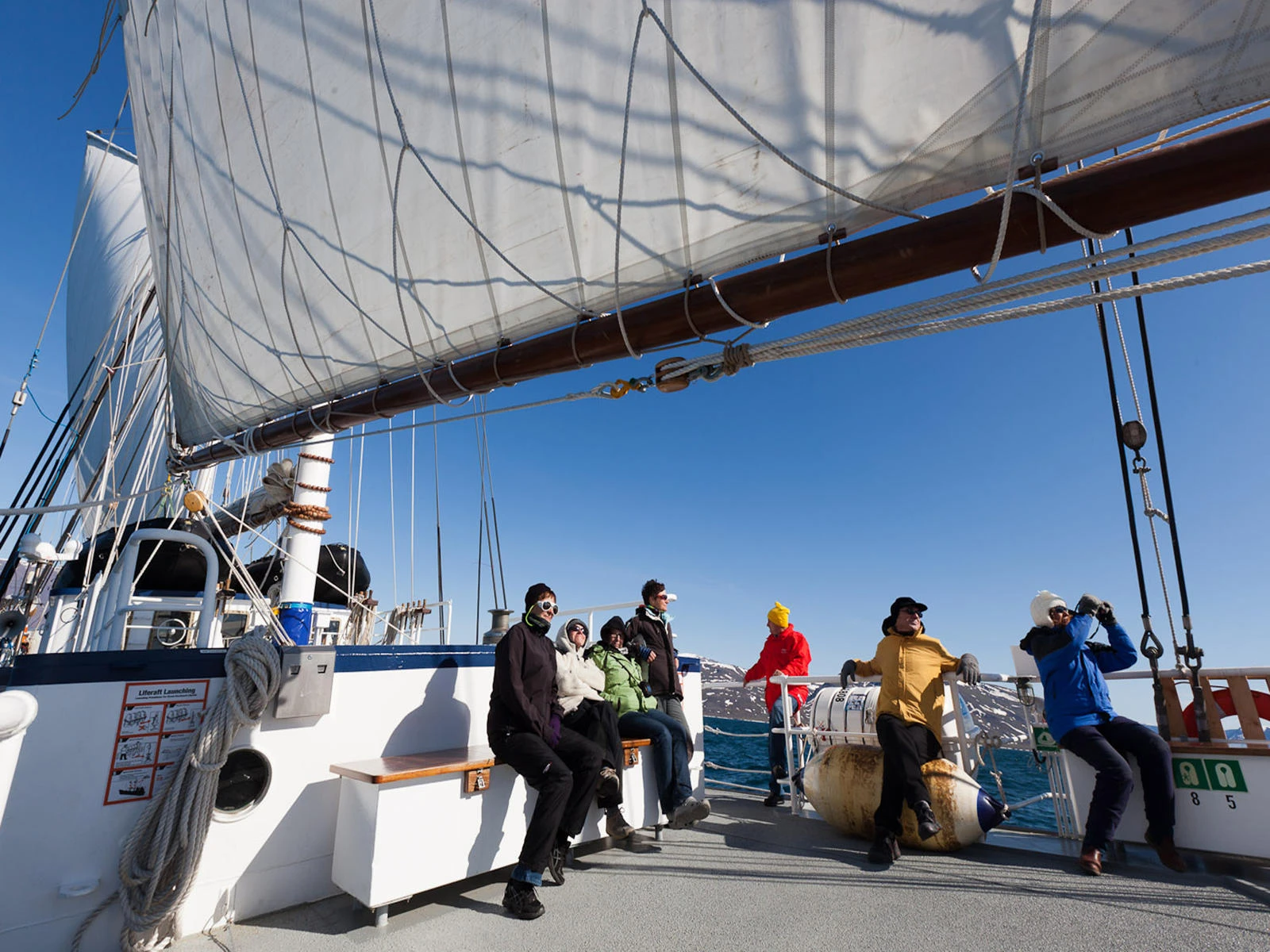
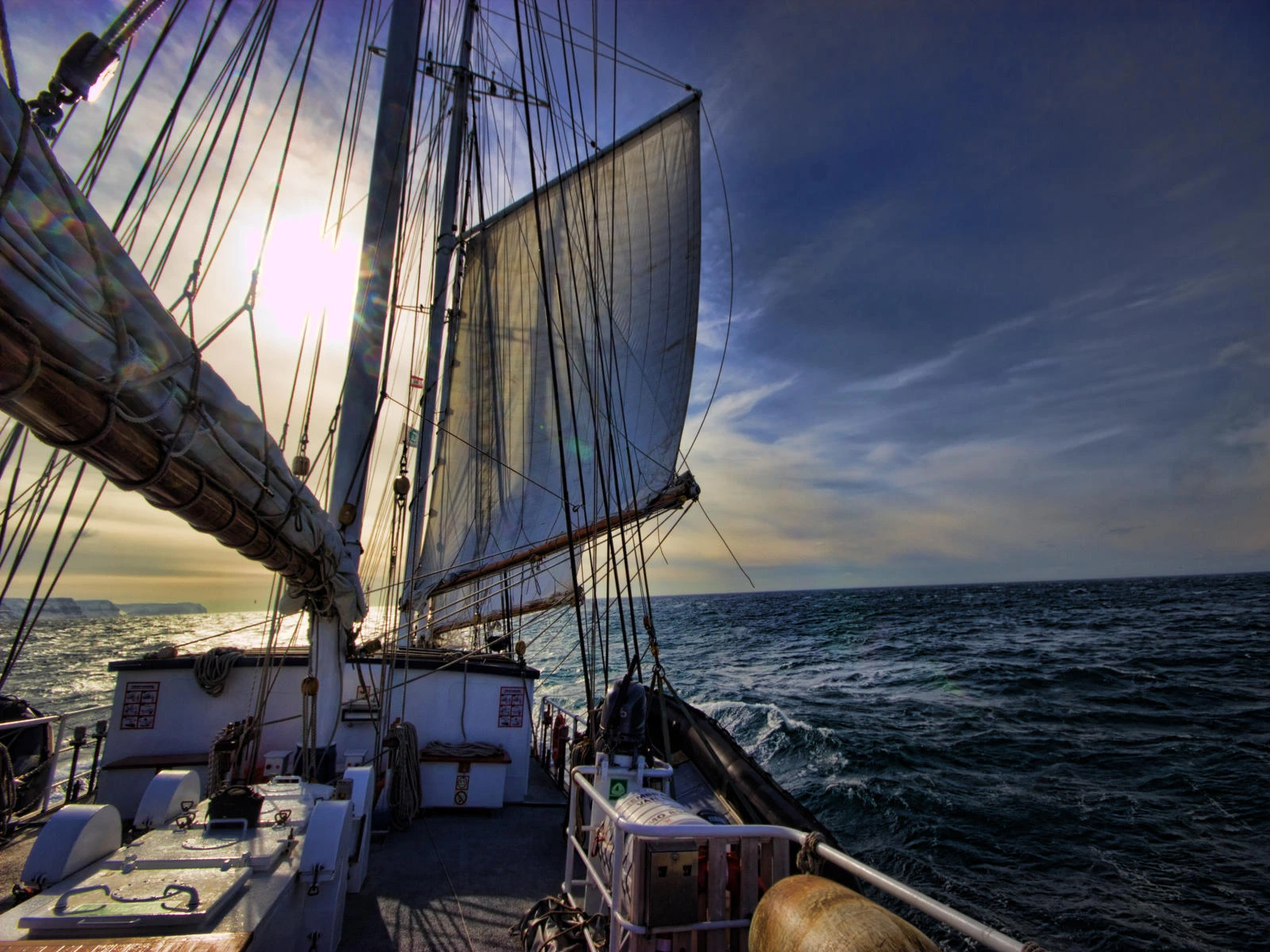
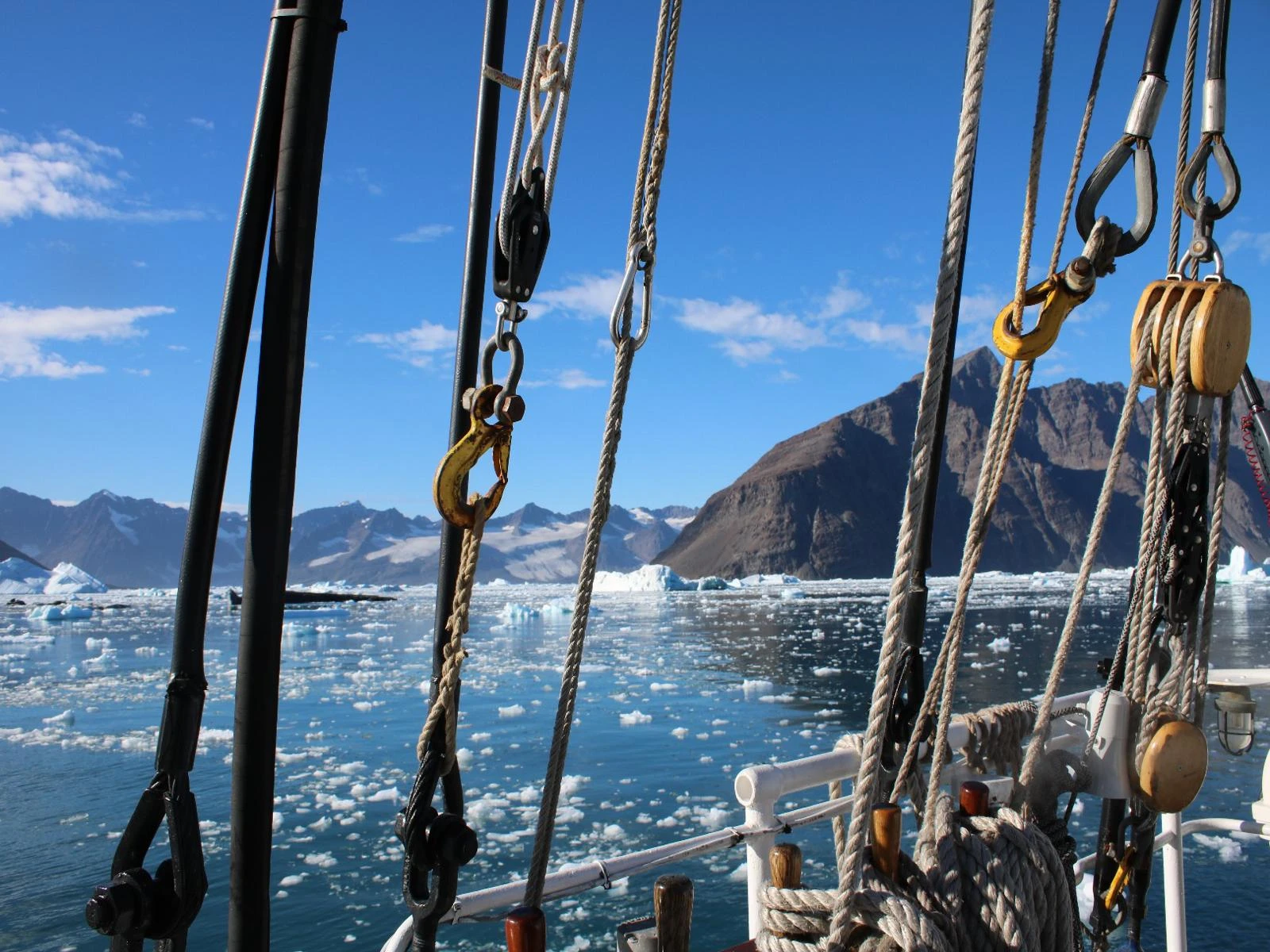
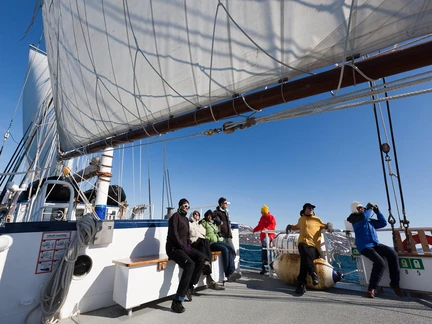
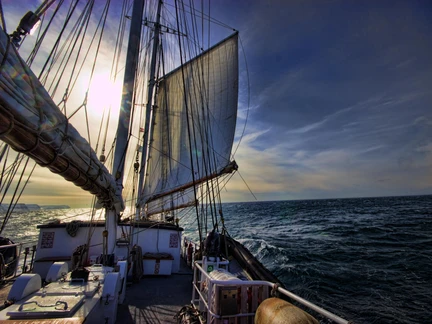
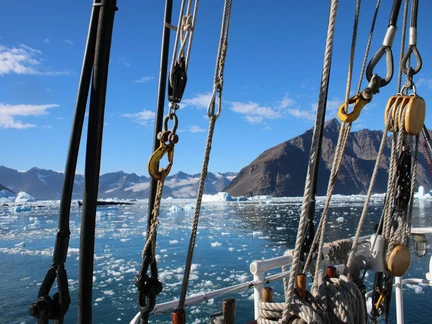
The ship is well suited for expedition cruising among small islands and offer good open deck viewing areas, also when under sail. The two inflatable rubber crafts (Zodiacs) enable landing and wildlife viewing opportunities in otherwise inaccessible areas.
Comfort and Character
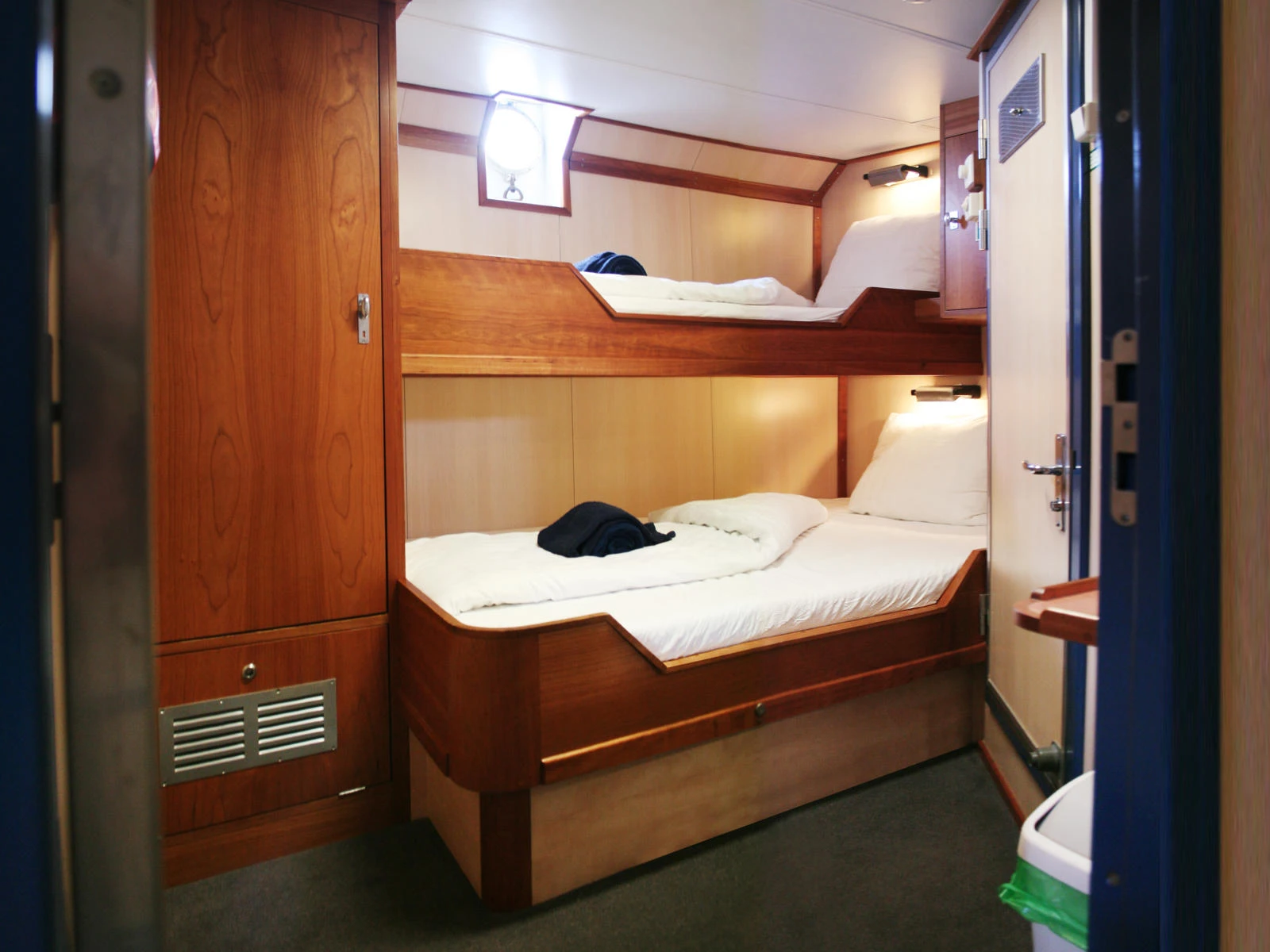
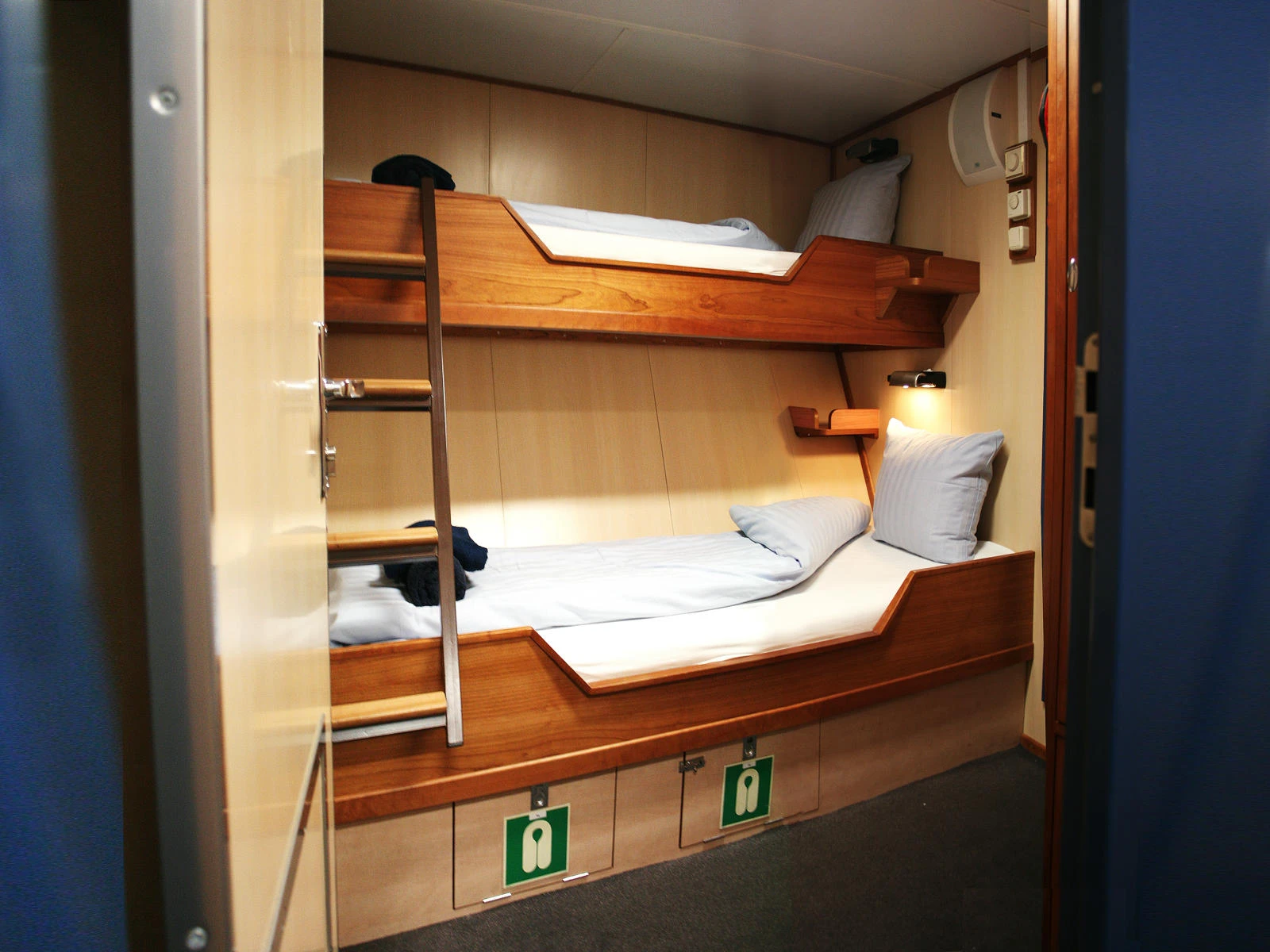
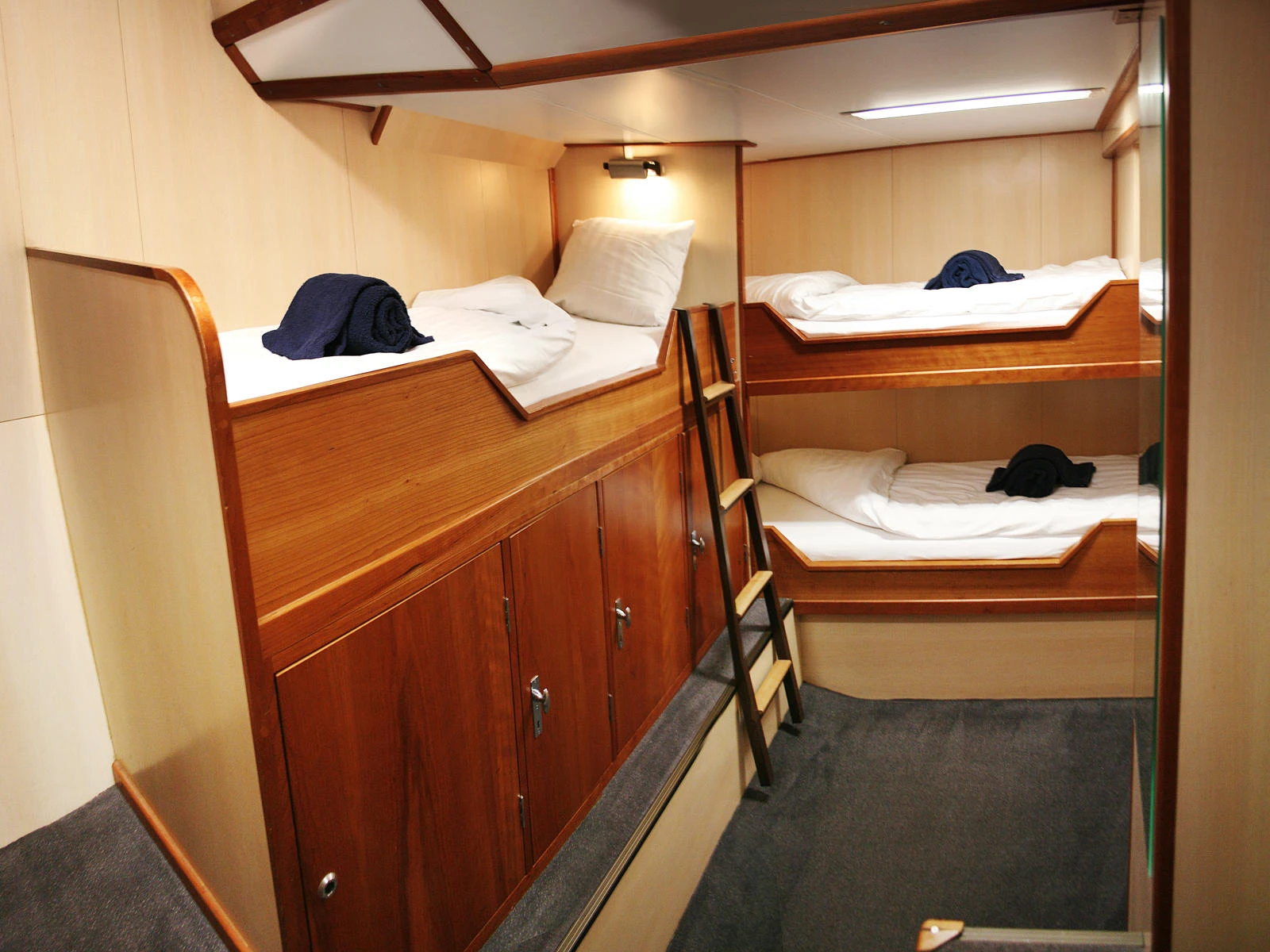
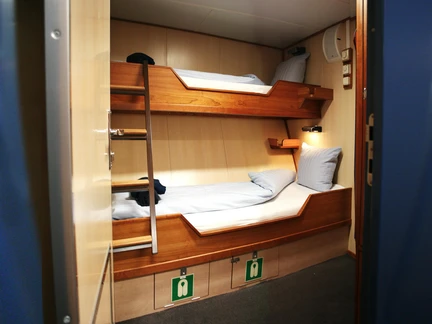
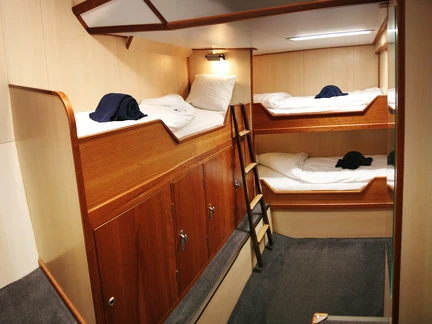
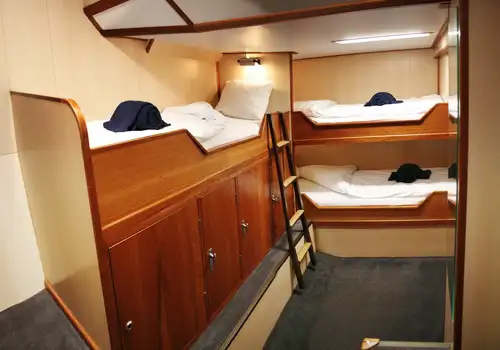
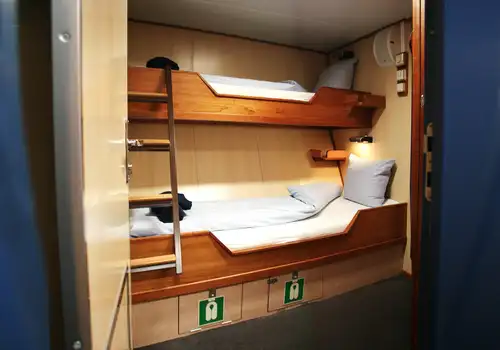
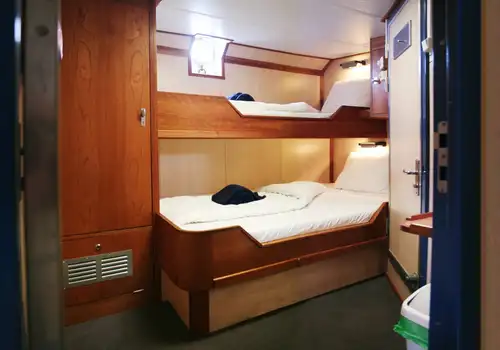
Rembrandt van Rijn measures 49,50 meters in length, 7 meters in width, and has a draft of 2,8 meters. The average cruising speed on engines is 6,5 knots. It has an experienced crew of 12 persons on board including 2 tour guides. The ship can accommodate a maximum of 33 passengers in 16 cabins. It has one Triple Private cabin (with shower and toilet and porthole), six Twin Private Inside cabins (with shower and toilet, no porthole), and nine Twin Private cabins (with shower and toilet and porthole).
Age range & Nationality onboard
Passengers on a typical voyage range from their 30s to their 80s - with a majority usually from 45 - 65, but a little younger on the Rembrandt van Rijn, between 30 - 55. Our expeditions attract independent-minded travellers from around the world. They are characterised by a strong interest in exploring remote regions. The camaraderie and spirit that develops aboard is an important part of the expedition experience. Many departures have several nationalities on board.
Catering
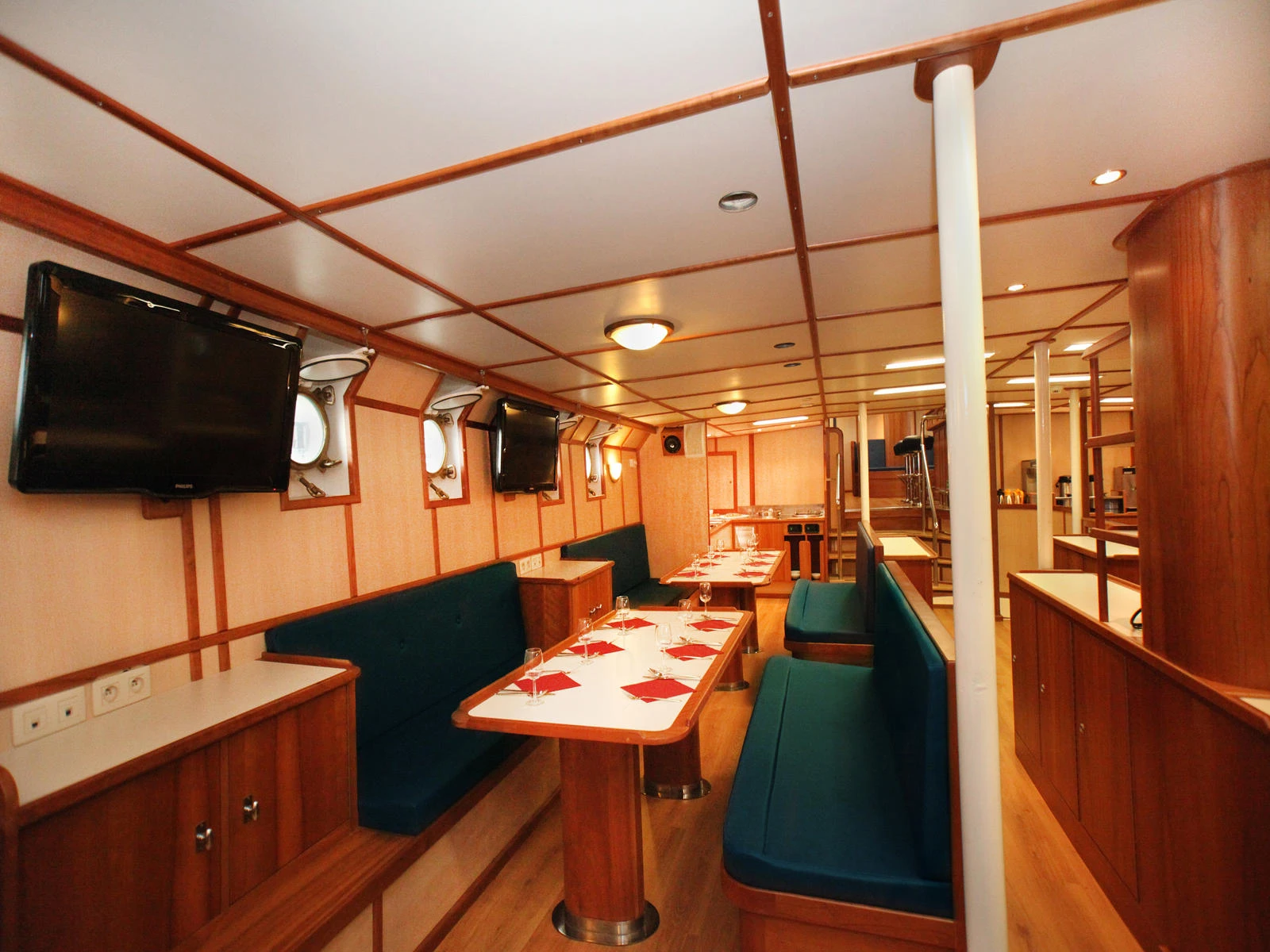
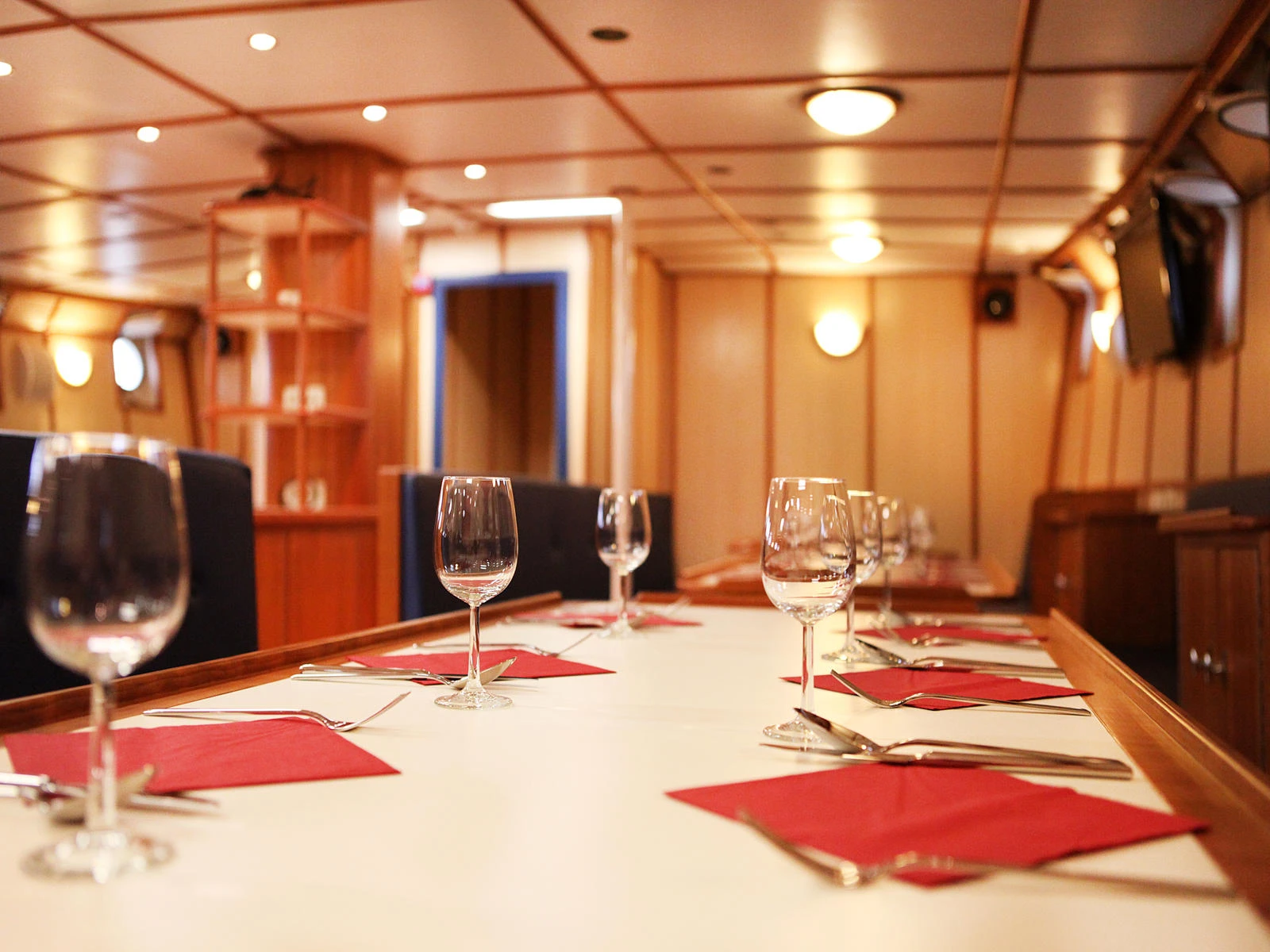
Three simple but good meals of international cuisine per day are served buffet style in the restaurant and is prepared by our cook.
Dress code
In keeping with our expeditions atmosphere, dress on board is informal. Bring casual and comfortable clothing for all activities. Keep in mind that much of the spectacular scenery can be appreciated from the deck, which can be slippery. Bring sturdy shoes with no-slip soles and make sure the parka is never far away in case of the call "Whales!" comes over the loudspeaker and you have to dash outside. Wear layers since it is comfortably warm aboard the ship - and often cold on deck.
Electric Current
The electrical supply aboard the ship is 220 volt 50hz. Electrical outlets are standard European with two thick round pins. U.S. passengers may need a 220v/110v converter.
Excursions & Landings
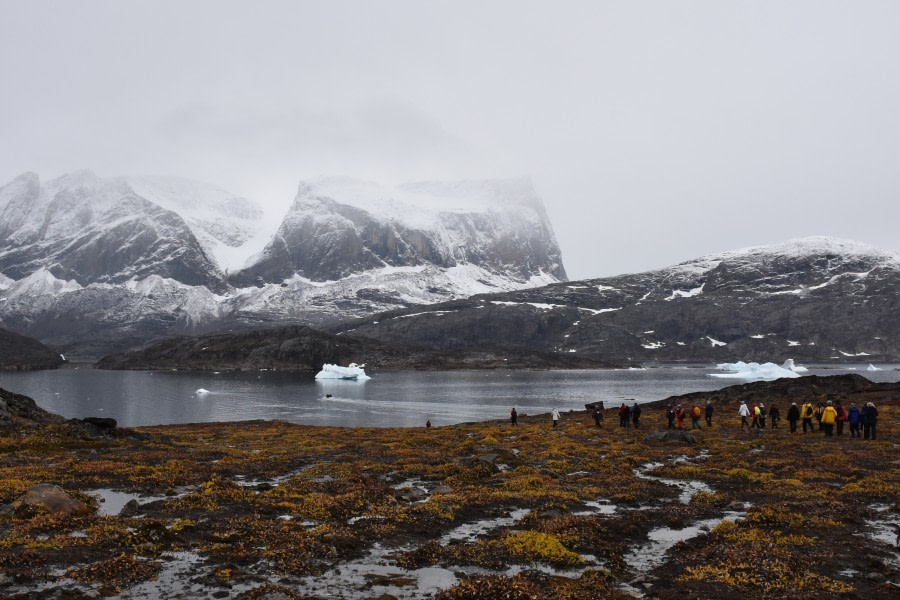
Every day there will be excursions on land, weather and ice permitting. The landings will take three to six hours per day over untracked areas. According to circumstances (the weather, the ice situation or the passengers´ wishes) the program can sometimes be adjusted. Ample time will be devoted to wildlife, vegetation, geography, and history.
Gratuities
The customary gratuity to the ship's crew and expedition leader is made as a blanket contribution at the end of the voyage. Tipping is a very personal matter and the amount you wish to give is at your discretion. We suggest to give cash in Euros, US Dollars or Danish kroner.
Non-smoking policy
On board our vessels we have a non-smoking policy. It is prohibited to smoke inside the ship. You can smoke in designated ares. Please respect the wishes of non-smokers.
The crew
The crew of the ´Rembrandt van Rijn´ consists of 9 experienced crew and 2 expedition guides and a cook. The sailors are in charge during sailing and will bring us ashore.
Your physical condition
You must be in good general health and you should be able to walk several hours per day. The expedition is ship-based and physically not very demanding. Although we spend as much time as possible ashore, you are welcome to remain aboard the ship if you like. To join most excursions, you must be able to get up and down the ladder from the ship to the water level to board the Zodiacs. Staff will assist you in and out of the boats. This will become progressively easier with practice. Ashore it can be slippery and rocky. You are travelling in remote areas without access to sophisticated medical facilities, so you must not join this expedition if you have a life-threatening condition, or need daily medical treatment.

- This is one of our most common questions, and the answer depends very much on the individual and whether or not you're going to the Arctic or Antarctica. If you are going to Antarctica, you will have to cross the Drake Passage, which can be stormy and turbulent. In this case, we advise bringing motion sickness medication or purchasing it on our vessels, if supplies last. In the Arctic, however, our voyages stay closer to shore, so you may not need seasickness medication as much, if at all. Nevertheless, we encourage you to bring it if you are prone to motion sickness, regardless of whether you're going to the Arctic or Antarctica. Most people recover from motion sickness within a day or two, and we always have a doctor on board our larger vessels (Plancius, Ortelius, and Hondius) should you need additional help with seasickness.
- Children under the age of 18 are not allowed to stay in a cabin without parental or adult supervision.
- Aboard Hondius, Ortelius, Plancius, and Rembrandt van Rijn, refreshments and souvenirs will be charged to your cabin. The day before disembarking, you can settle your bill with the hotel manager and pay by Visa or MasterCard, Diners Club/Discover, Union Pay, or cash (Euro or USD). The prices and standard currency on board all of our vessels is the Euro.
- When you make a confirmed reservation, we require a 40% deposit. But if the reservation is made within two months prior to departure, the full price of the voyage is due at the time of booking.
- Our sailing vessels are operated by experienced captains and crew. Passengers are invited to help with the sailing process under crew supervision.
- The vessel Rembrandt van Rijn can accommodate maximum of 33 passengers in 16 cabins. Furthermore, there is an experienced crew of 12 on board including two tour guides.

You May Also Like


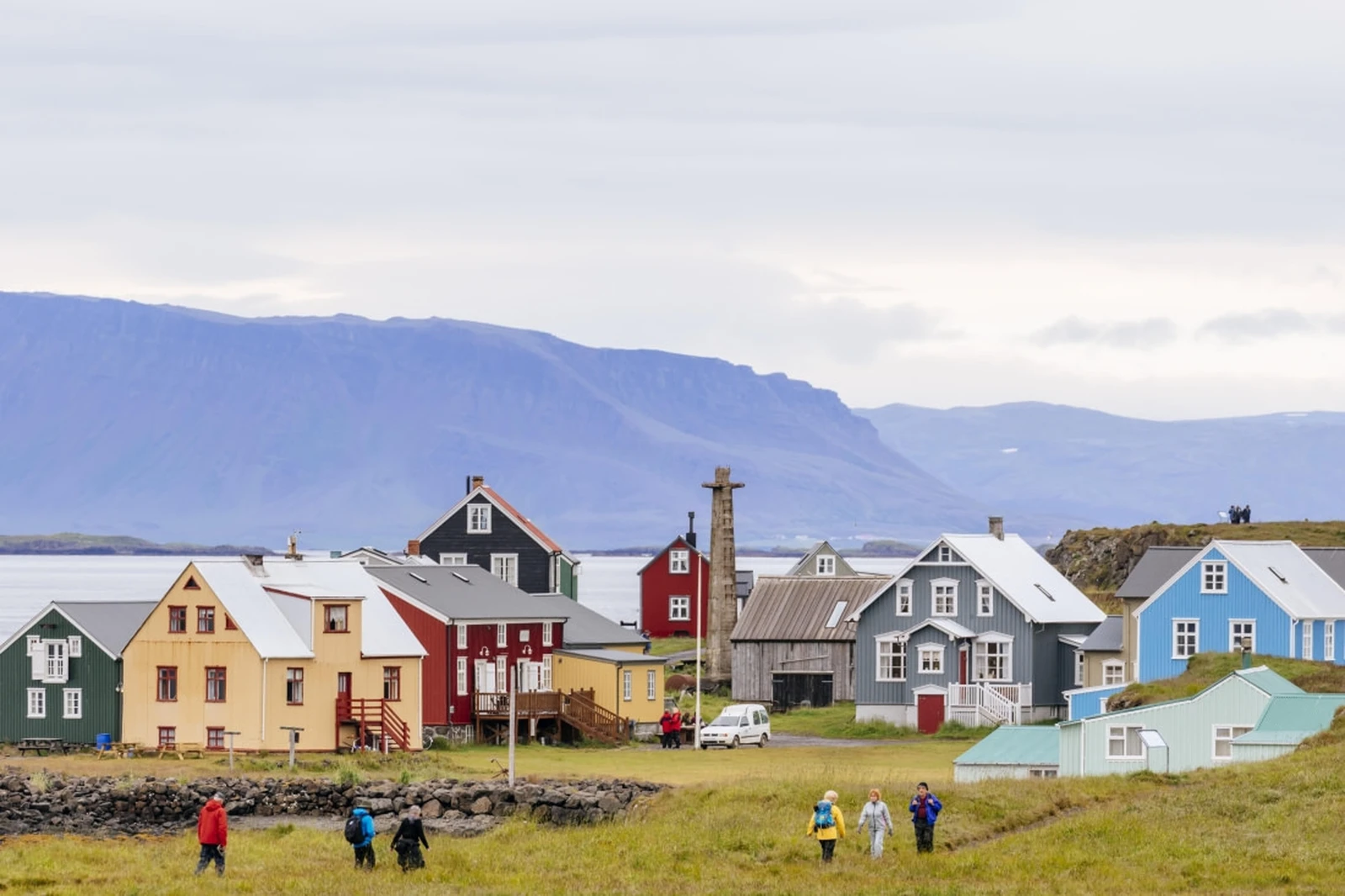
Northwest Iceland Explorer - Into the Greenland sea ice
29 May 2026 - 05 Jun 2026 8 Days / 7 Nights
Northeast Greenland Solar Eclipse Explorer Voyage
02 Aug 2026 - 15 Aug 2026 14 Days / 13 Nights
East Greenland, Scoresby Sund - Iceland , Aurora Borealis, Fly & Sail
01 Oct 2026 - 12 Oct 2026 12 Days / 11 Nights
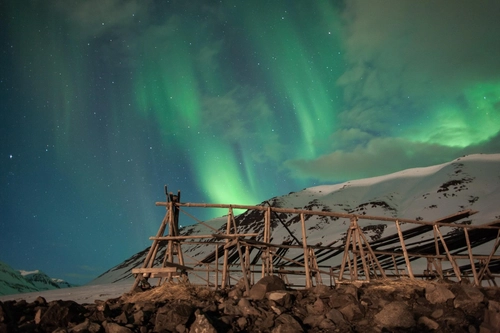
Northeast Iceland Explorer , Aurora Borealis, Hike & Sail - Incl. Bus back up
12 Oct 2026 - 18 Oct 2026 7 Days / 6 Nights
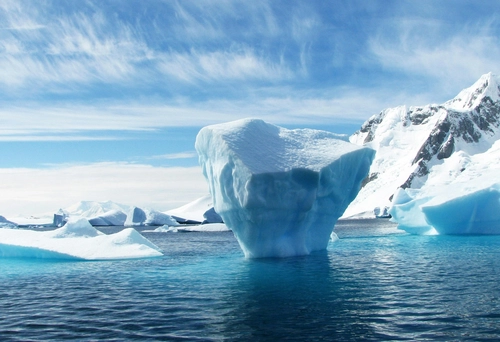
East Greenland, Scoresby Sund - Iceland, Aurora Borealis, Fly & Sail
01 Oct 2027 - 12 Oct 2027 12 Days / 11 Nights
Northeast Iceland Explorer, Aurora Borealis, Hike & Sail - Incl. Bus back up
12 Oct 2027 - 18 Oct 2027 7 Days / 6 Nights

Arctic Foxes: Constant Gardeners of the Arctic
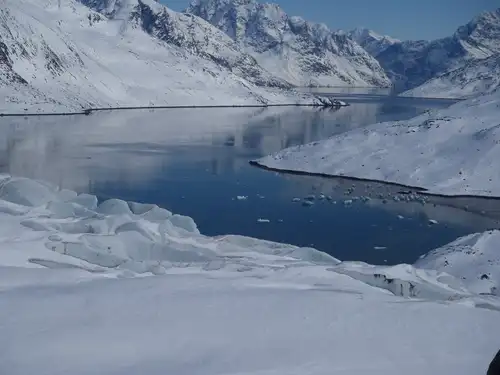
8 Scientific Wonders of the Arctic
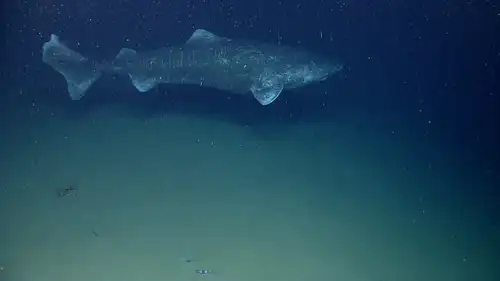
9 Facts about the Greenland Shark
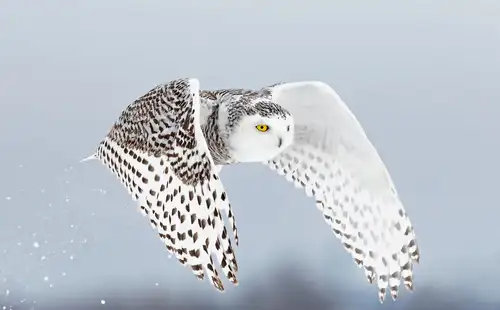
Secrets of the Snowy Owl: Habitat, Adaptations, and Other Facts