



Show More
Blog


Blog
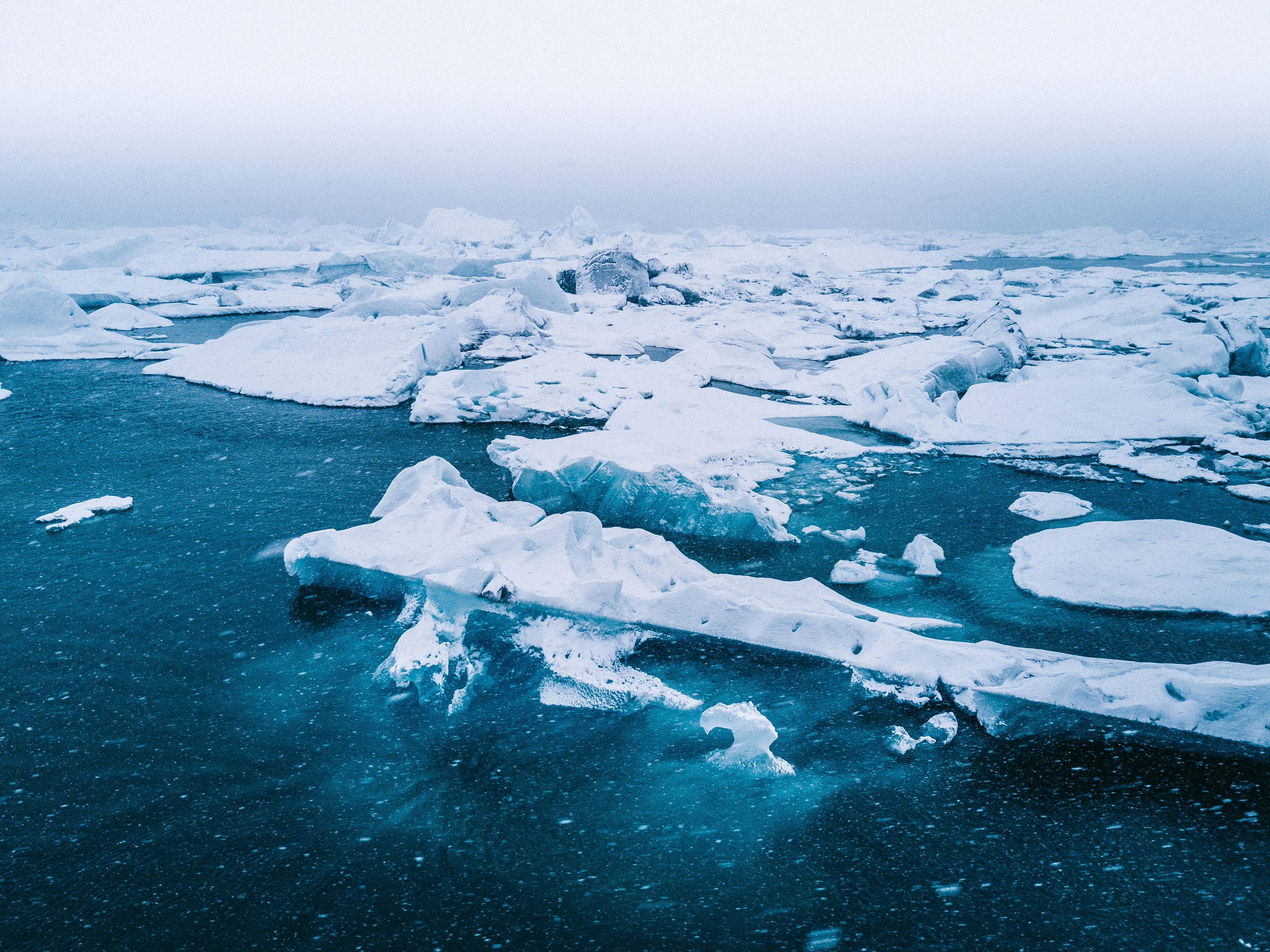
The Ice-Jewelled Geology of Spitsbergen
The Svalbard archipelago is located in the Arctic Ocean, roughly 660 km (410 miles) north of Norway's northernmost point. This region is a haven for geologists, boasting a rich geological history that spans from the Mesozoic era (65-245 million years ago) through the Cambrian era (570 million years ago) and back to the Archean era, over 3.5 billion years ago.
Blog
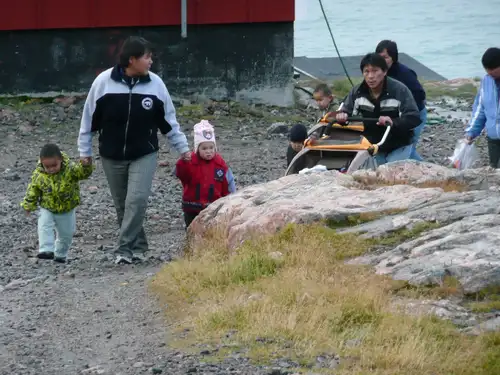
Greenlandic Inuit Beliefs
Greenland is the world’s largest island and with the northern tip around 740 kilometres from the North Pole it is the northernmost country on Earth. The island is around 2,670 kilometres long and is about 650 kilometres across at its widest point.
Blog
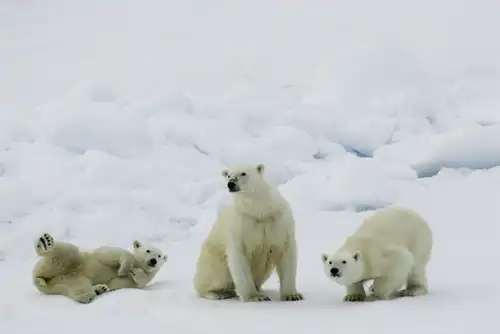
Polar bear encounter in Spitsbergen
I watch the sea ice from the bridge of a ship in one of the fjords of Spitsbergen, an archipelago north of Norway. I observe a perfectly adapted animal moving on the ice, the results of hundreds of thousands of years of ecological fine-tuning. Snowshoe-sized paws distribute weight, fur handles the cold and sunlight to perfection, and an incredible sense of smell samples this monochromatic realm.
Blog
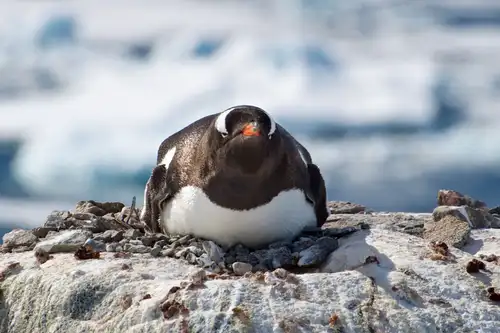
Life in a Penguin Colony
Captain Pieter J. Lenie Base, also known as Base Copacabana or simply Copa Base, is situated on King George Island off the western shores of the Antarctic Peninsula. This American research station has been home to scientists studying Adélie, gentoo, and chinstrap penguins for over three decades, aiming to understand how to best conserve these cherished species.

Blog
The Arctic Hare: Easter Bunny
Although the Arctic hare’s stern expression might make it seem like the least amused member of a serious tribunal, this polar animal is actually one of the most charming creatures on the planet – especially when Easter Sunday comes around.
Blog
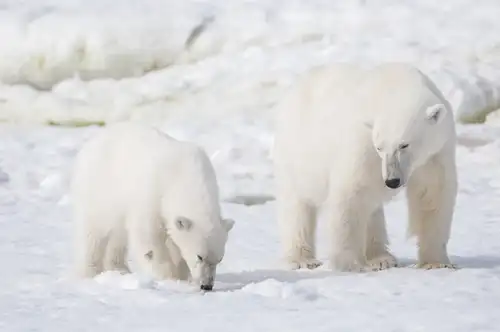
The polar bear: king of the Arctic food chain
As apex predators, polar bears reign supreme in the Arctic food chain. Only humans pose a threat to this massive and majestic species. But one look at these magnificent creatures explains why so many people embark on Arctic trips hoping to spot a polar bear in its natural habitat.
Blog
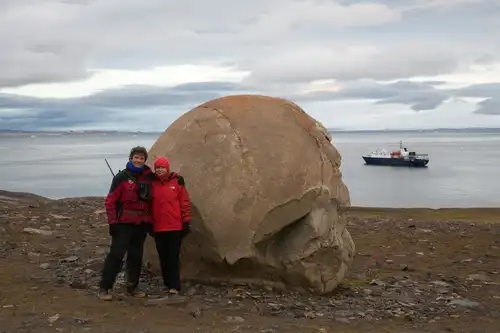
The Return to Franz Josef Land
As the possibility of international travel slowly returns, we are eagerly awaiting all the great locations, activities, and wildlife we might experience in the coming season. One of the things we’re most excited about is the return of our Franz Josef Land voyages.
Blog
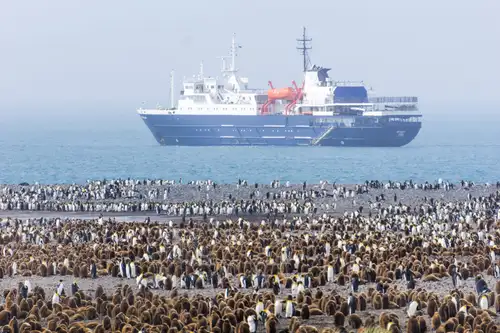
Three Antarctica Cruise Deals
For many travelers, Antarctica represents the ultimate polar destination. Its vast white landscapes offer an endless array of surreal vistas, much of its unique wildlife is found nowhere else on Earth, and its complete lack of an indigenous human population provides a sense of untouched seclusion that few other places can match.
Blog
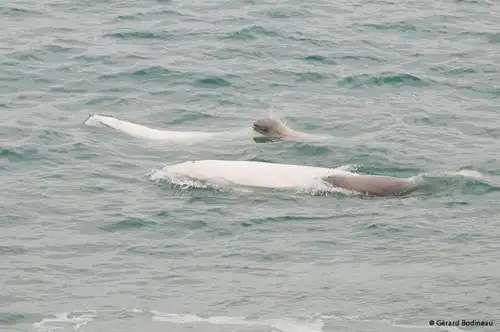
The Mysteries of the Beluga Whale
Beluga whales, also known as white whales, sea canaries, and sometimes melonheads, are a rare but cherished sight during Arctic cruises, thanks to their striking appearance. Despite the rarity of beluga sightings, a good amount is known about these friendly-faced cetaceans.
Blog
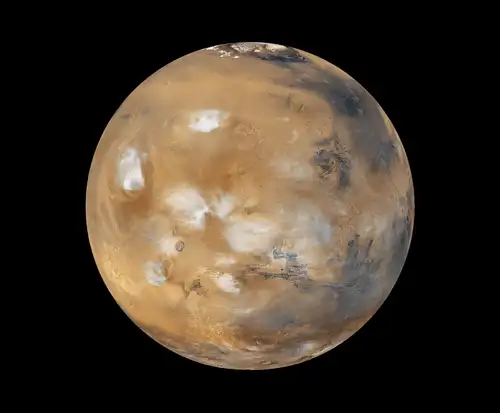
Earth vs. Mars: Polar Regions Compared
It’s well-known that Mars, like Earth, has its own polar regions, often referred to as the Martian ice caps. These regions, similar to Earth's, are situated at the north and south poles and experience much lower temperatures compared to the areas in-between.
Blog
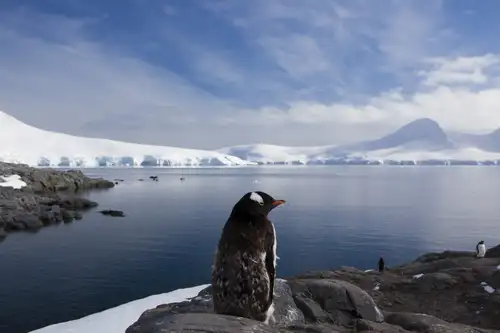
Guidelines for visitors to Antarctica
Activities in the Antarctic are governed by the Antarctic Treaty of 1959 and associated agreements, collectively known as the Antarctic Treaty System. The Treaty established Antarctica as a zone dedicated to peace and science. In 1991, the Antarctic Treaty Consultative Parties adopted the Protocol on Environmental Protection to the Antarctic Treaty, designating the Antarctic as a natural reserve.
Blog
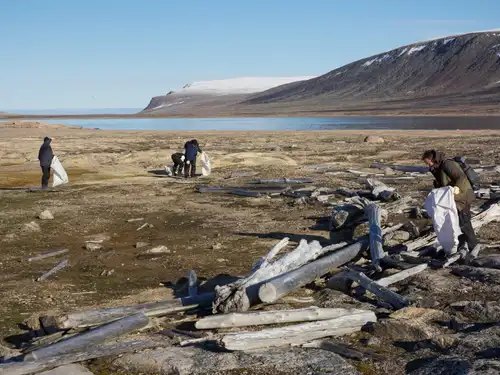
Keep It Green: Our Commitment to Sustainable Polar Travel
It doesn’t make much sense for expedition travel if every time we visit the polar regions we leave them worse than we found them. And that’s just considering things from a purely human perspective, which we don’t.

Blog
Orcas of the Polar Seas
The orca, also known as the killer whale, is the apex marine predator and possibly the most widespread vertebrate on the planet. While they are most numerous in colder regions like Antarctica, Norway, and Alaska, they also inhabit tropical and subtropical seas. Here, we’ll explore some essential orca facts you might want to know before encountering them in person, concluding with a fantastic video showcasing our top ten favorite killer whale facts.

Blog
The Research Stations of Antarctica and the sub-Antarctic
Numerous research stations operate throughout the Antarctic and sub-Antarctic, engaged in all manner of scientific inquiry. This article will cover the stations under the management of the British Antarctic Survey (BAS), which conducts year-round terrestrial and atmospheric research in some of the most compelling polar locations on Earth.
Blog
What the ice reveals about Antarctica
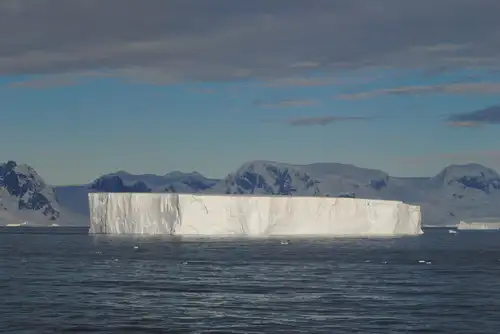
The continent you'll explore during your Antarctica cruise is far more than just an ice-covered land with penguins, whales, and seals. Beneath the thick ice lie hidden freshwater lakes teeming with thousands of microbes, hinting at a diverse array of life. In 2013, a team of researchers obtained the first uncontaminated water sample ever retrieved directly from an Antarctic lake.
Blog
Greenland's History: When Vikings Ruled the Ice Age
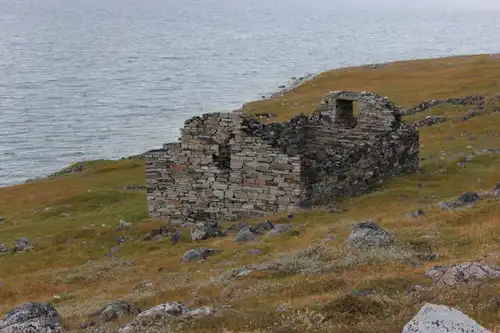
A Greenland cruise offers a journey into a rich history filled with intriguing details that captivate polar expedition enthusiasts. Among the most fascinating historical aspects is the fact that Vikings once ruled this land. Anthropologists and climate scientists have long studied Greenland to pinpoint when and why the Vikings left. Recent findings have shed new light on this historical culture.
Blog
5 Life Lessons You'll Learn in Antarctica
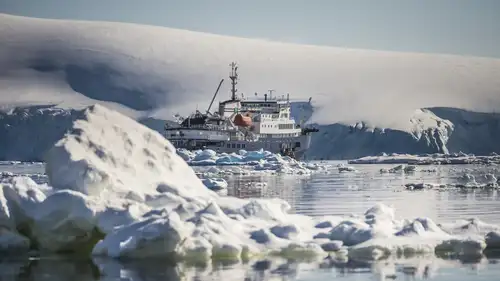
Embarking on a journey to the Antarctic might seem daunting. However, cruise lines strive to simplify the process as much as possible. They typically assist with travel insurance, guide you to the embarkation point, and advise on the appropriate clothing to bring.
Blog
The Small but Social Commerson’s Dolphin
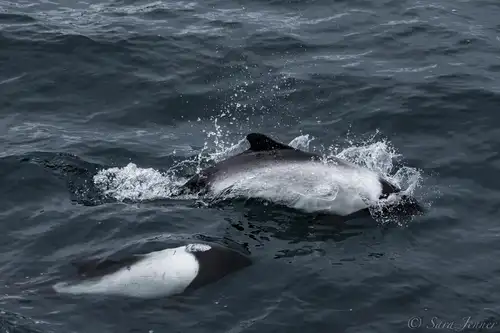
Despite being one of the lesser-known Antarctic cetaceans, Commerson's dolphins are quite social and have been given various names over the years, including Piebald dolphins, skunk dolphins, and panda dolphins. These names have been in use since their discovery in 1767 by French naturalist Philibert Commerson.
Blog
Under the Greenland Ice Sheet
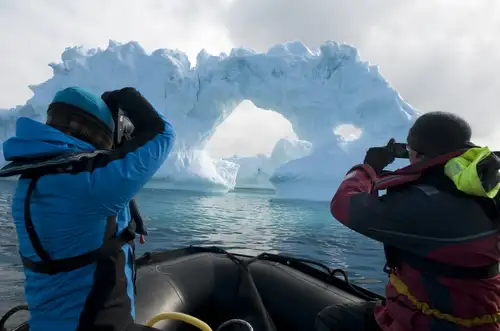
Anyone who ventures to the right part of the globe can encounter vast amounts of ice, but a Greenland cruise offers something truly unique: ice sculptures hidden beneath the northern ice sheet. Scientists once thought these sculptures were rocky hills buried in ice, similar to the Ghost Mountains in Antarctica. However, it turns out that Mother Nature has crafted one of the most exclusive art exhibits in the world. These sculptures are not visible from the surface, but some scientists have managed to get a sneak peek using radar equipment.

Blog
Top Antarctica Cruise Experiences for 2025
Antarctica, the world’s southernmost continent, captivates adventurous travelers with its breathtaking landscapes and rich biodiversity. Cruises to this icy destination offer unparalleled access to pristine wilderness, unique wildlife, and transformative experiences. In 2025, the allure of Antarctica promises to be even greater, with cutting-edge expeditions and eco-conscious travel options reshaping the journey south.