



Show More
Blog


Blog
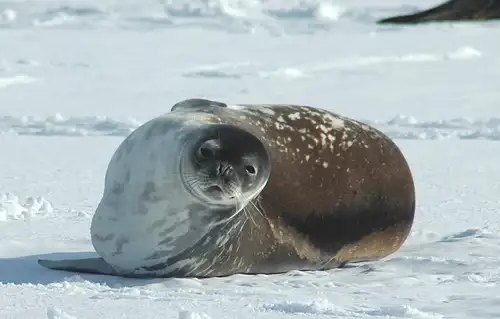
Weddell seals: The data collectors scientists of Antarctica
Weddell seals inhabit some of the coldest and darkest waters deep within the Ross Sea ice, making them the southernmost naturally occurring mammals on Earth. During the winter and summer months, their movements are largely governed by the presence of sea ice and the availability of suitable breathing and exit holes.
Blog
Eight Antarctic Misconceptions
Antarctica has given rise to some pretty far-fetched rumors.
Blog
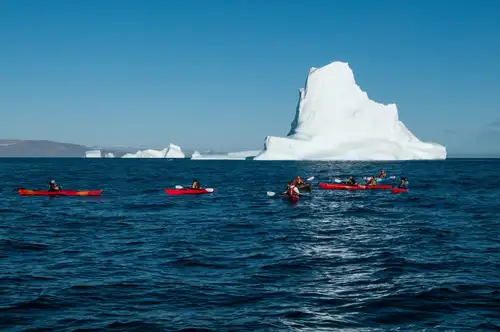
Kayaking In Greenland
Think of Greenland and two images come to mind:
Blog
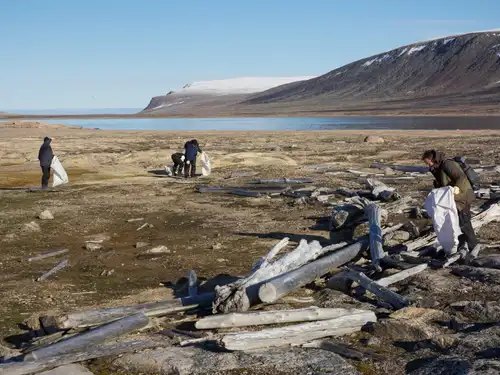
Keep It Green: Our Commitment to Sustainable Polar Travel
It doesn’t make much sense for expedition travel if every time we visit the polar regions we leave them worse than we found them. And that’s just considering things from a purely human perspective, which we don’t.
Blog
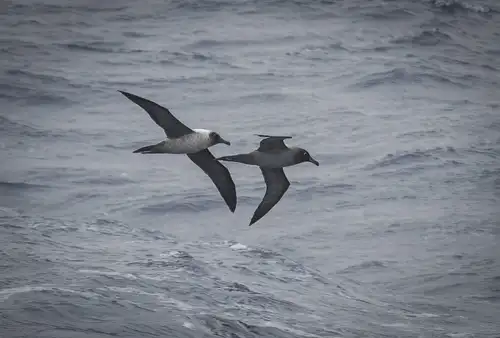
Birds of the South: 33 Antarctic Birds and Seabirds
Of the many compelling reasons people travel to Antarctica and the sub-Antarctic, bird life is among the most beloved.

Blog
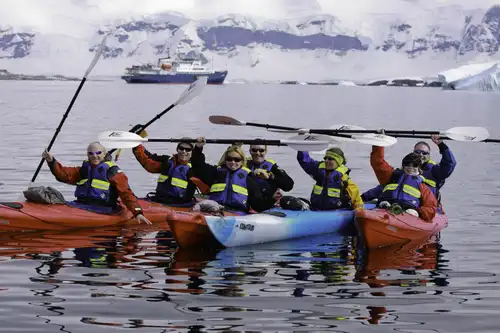
Cheapest Antarctica Cruises: How to Save on Your Journey
Antarctica, the world’s most remote and pristine continent, is often seen as a destination reserved for luxury travelers. However, affordable options do exist, making this dream journey accessible to more adventurers. With careful planning and the right provider, like Nexta Expeditions, you can explore the icy wilderness without breaking the bank. This guide will show you how to save on your Antarctic cruise while still enjoying a high-quality experience.
Blog
A Day of Basecamp in Antarctica – Paradise Harbour
After an early morning gathering of our camping group, we reached the entrance to Lemaire Channel. The snow and mist around the mountain peaks created a captivating atmosphere as we began our journey to Paradise Bay. The channel was dotted with impressive icebergs, and we even spotted a few sleeping humpback whales, providing ample photo opportunities.

Blog
Polar Diving: A Supreme Underwater Adventure
Most scuba divers are drawn to warm waters and tropical reefs, and it's easy to see why. However, even the most thrilling experiences can become repetitive if done too often.

Blog
The Plants of Antarctica
Surviving in Antarctica is a monumental challenge for any plant. The extreme cold, limited sunlight, scarce moisture, poor soil, and short growing season make it nearly impossible for most flora to thrive. Yet, some plants have adapted to these harsh conditions and have managed to flourish where others cannot.
Blog
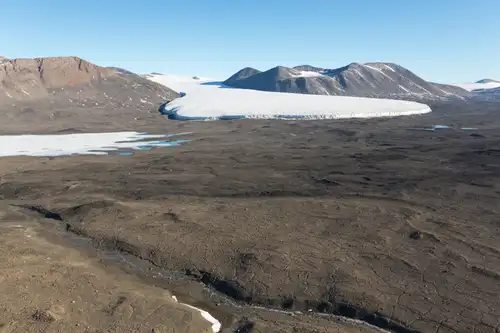
The Dirty Details of Antarctica's Dry Valleys
Situated on the western coast of McMurdo Sound, the McMurdo Dry Valleys represent the largest ice-free region in Antarctica.
Blog
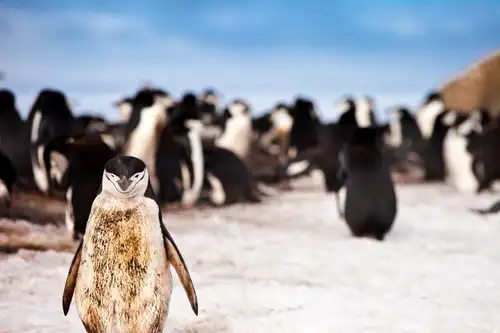
Seven Facts About Antarctic and Sub-Antarctic Penguins
Approximately 50 million years ago, Antarctica was detaching from the vast supercontinent of Gondwana, and penguins were emerging as a distinct species. Initially native to warmer regions, they gradually adapted to the cooling climate of Antarctica as they ventured further south.
Blog
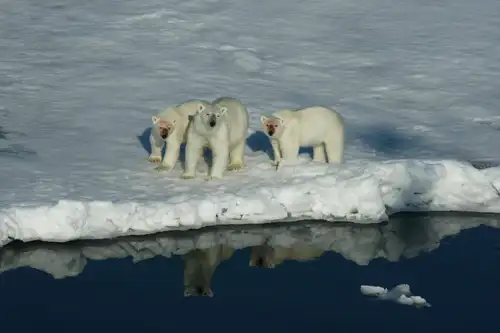
Polar Bear Primer: Eight Facts About the Arctic Wanderer
Polar bears inhabit the Arctic region across 19 subpopulations, including areas in Alaska, Canada, Greenland, Norway, and Russia. These majestic creatures prefer the edges of pack ice where currents and wind interact, creating a dynamic environment of melting and refreezing that forms ice patches and leads, which are open spaces in the sea between sea ice.

Blog
Seven Tips to Get the Most out of Your Expedition Cruise
Polar cruises are easy to enjoy, but there’s an art to getting the most out of them.
Blog
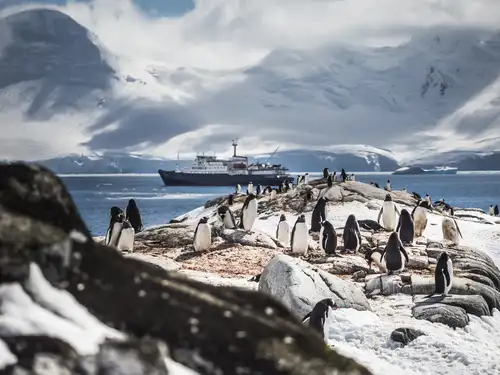
Top 10 Antarctic Attractions
There’s a reason people go to such lengths to visit Antarctica, and its abundance of whales, seals, penguins, and seabirds are only part of the polar story.
Blog
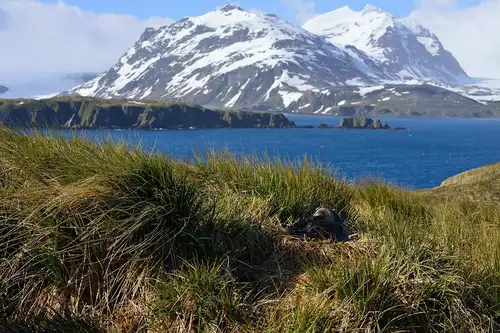
Flowers in Antarctica
The polar regions are among the most inhospitable environments for plants and animals. Life here faces numerous challenges, including low temperatures, high winds, solar radiation, and cell freezing. The Antarctic continent experiences extreme conditions, with darkness during winter and continuous light during summer. Winter temperatures can drop to -60°C or lower.
Blog
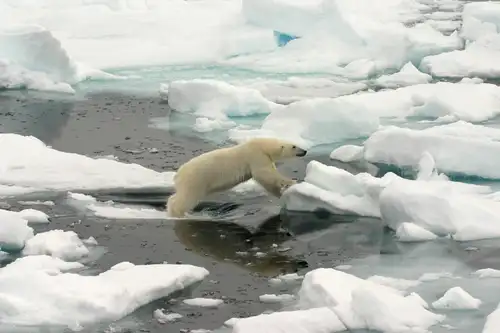
Spitsbergen: a true polar bear trip
On the third day of our Svalbard cruise, we navigated through the sea ice north of Spitsbergen. The morning greeted us with fog and fragmented ice, but conditions gradually improved. A swarm of black-legged kittiwakes trailed behind us, as our ship stirred the waters, pushing aside ice floes to reveal the tiny dark polar cod beneath.
Blog
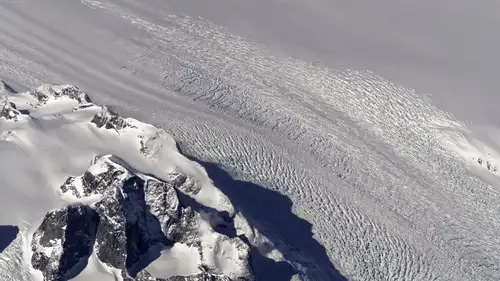
Ice streams and lakes under the Greenland Ice Sheet
The Greenland ice sheet is a dynamic mass of dense, flowing, and deforming ice. Snow deposited on the central parts of the ice sheet is gradually compressed into ice that slowly moves towards the ice margin. At the ice margin, the ice is removed by melting or by breaking off into icebergs.
Blog
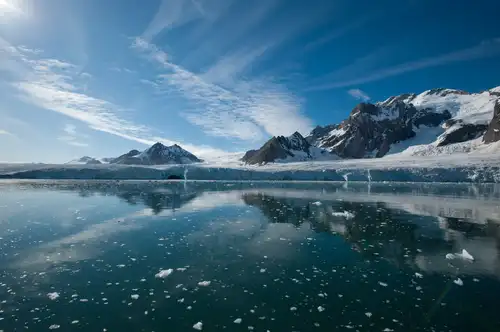
A Bug’s Life in Svalbard
When you think about Svalbard wildlife, you might imagine reindeer, Arctic foxes, polar bears – the primary animal attractions that draw passengers to an Arctic cruise. But in fact, the Svalbard archipelago is a thriving location for over 1,000 species of terrestrial and freshwater invertebrates: animals that lack backbones. Despite this richness of life, however, these invertebrates are only found in the Isfjord and Kongsfjord areas of these wonderfully diverse islands.
Blog
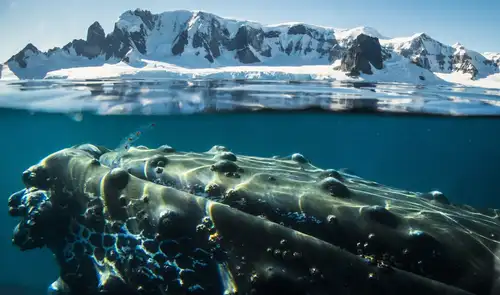
Baleen Whales – The Gentle Giants of the Ocean
They are the largest animals on Earth, yet they thrive on some of the tiniest creatures. These giants can reach lengths of 30 meters (90 feet), but it is the microscopic zooplankton, krill, and small fish that sustain them. These are the baleen whales. Unlike toothed whales, baleen whales lack teeth. Instead, they use plates of baleen in their mouths to trap and consume their tiny prey.
Blog
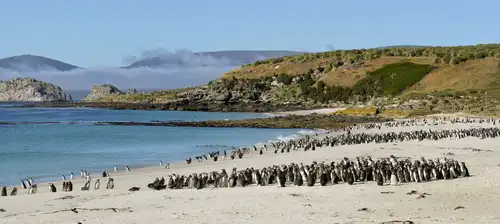
17 Reasons to Cruise the Falklands
Maybe you’ve already marveled at the colossal penguin colonies of South Georgia, sailed among the plunging seals of the Antarctic Peninsula, and watched whales in the Weddell Sea lunge among titanic tabular icebergs.