



Show More
Blog


Blog
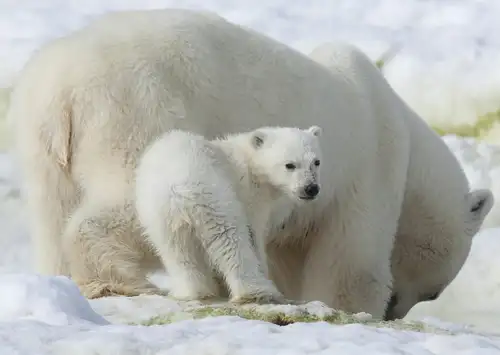
Arctic Icon: 10 Facts about the Polar Bear
Polar bears are to the Arctic what penguins are to Antarctica.
Blog
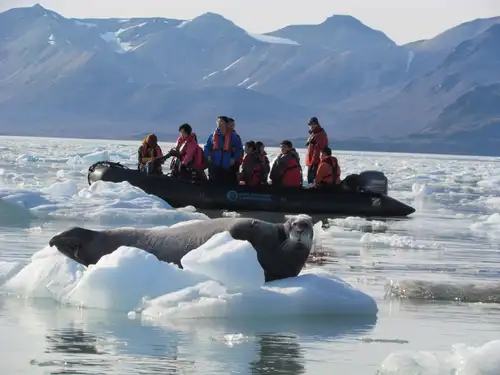
Six Seal Species You Might See On Your Greenland Cruise
If you spot a grand old whiskered man lounging in solitary splendor, there's a good chance you're looking at a bearded seal. Your Greenland cruise will take you to bays where these solitary fellows (except during breeding season) hunt for fish in the relatively shallow waters near the shores.
Blog
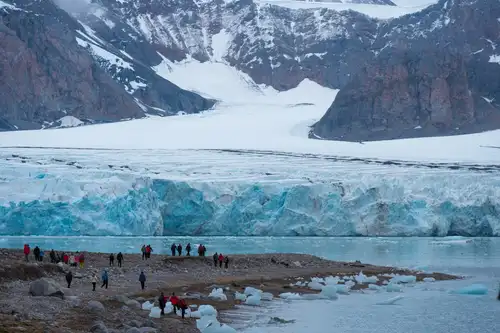
16 Conversation-Starting Svalbard Facts
It might seem odd that an icy, snowy, bear-packed cluster of islands at the edge of the world could be such a hotspot (so to speak) of outdoor tourism.
Blog
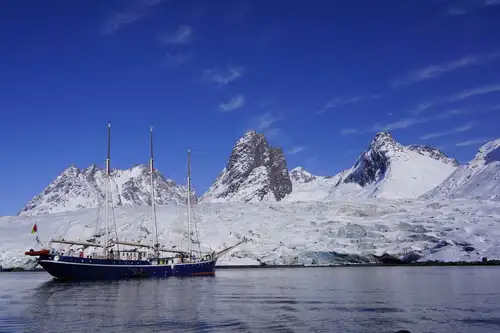
5 Misconceptions You Might Have About Greenland

Blog
Explore Antarctica Without Leaving Your Couch
There are numerous ways to embark on an Antarctica expedition from the comfort of your home. Explore these fantastic resources to experience the White Continent without leaving your couch.
Blog
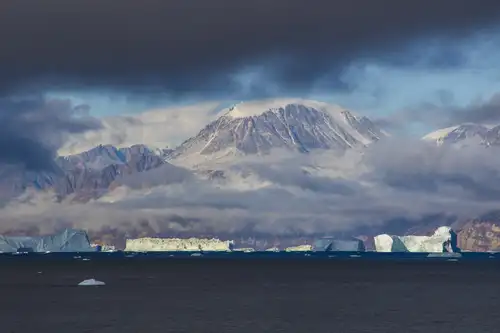
Greenland: East vs. West
East and West Greenland offer vastly different experiences due to their unique climates, wildlife, habitation, and geology.
Blog
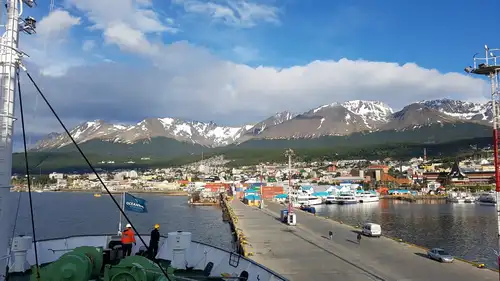
Seven Things to Do around Ushuaia
We often recommend arriving early to Ushuaia before embarking on an Antarctica cruise, and for good reason: Ushuaia, on top of being the southernmost city in the world, has in recent years developed into a decidedly charming tourist destination.
Blog
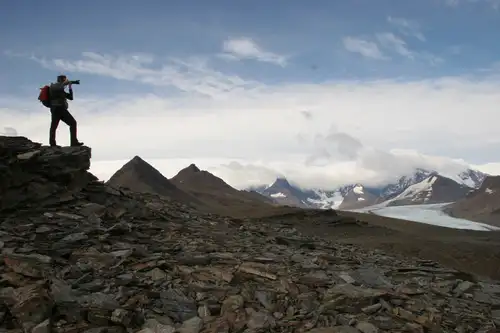
Hondius Photography and Video Workshops
There’s no shortage of great things to say about a Hondius expedition cruise, but among the best are the free video and photography workshops offered during some of this ship’s voyages. These informative, interactive, highly useful supplements allow you to not only capture your memories in the best way possible but also make your friends back home maddeningly jealous.
Blog
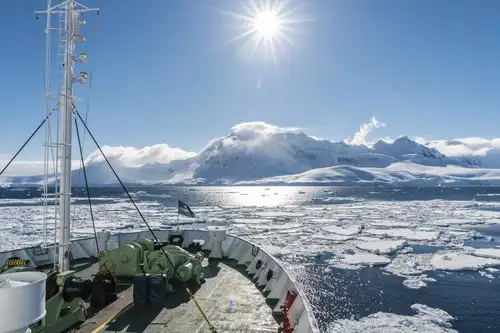
Cruising Solo: The Benefits of Single-Passenger Polar Travel
Traveling is often done with family, friends, or romantic partners. However, the benefits of solo travel, especially in polar regions, deserve more attention.
Blog
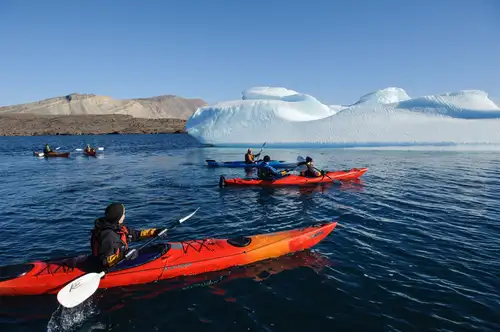
Greenland: Where the Kayak Was Invented
If you've ever enjoyed kayaking, you owe a debt of gratitude to the ancient Greenlandic Inuit who originally designed them for hunting. The thrilling adventures people now have navigating some of the world's most challenging rapids wouldn't be possible without the Inuit's need for a nimble form of water transportation. While travelers still use kayaks in this region, they are typically not fishing, whaling, or sealing. Consequently, recreational kayaks have been adapted to fit their new role.

Blog
A Diving Dream Fulfilled
Last January, Mark Hatter achieved a dream he’d been training for over two years. Booking his berth aboard the m/v Ortelius and making the long flight to Ushuaia, Argentina, he and two of his friends sailed down the famous Drake Passage, bound for Earth’s southernmost continent. But their Antarctica trip was not just about shoreline walks and photographing penguins.
Blog
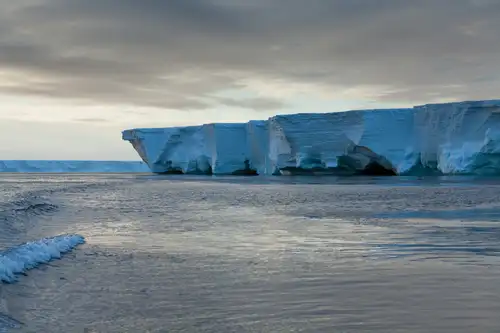
Science of the Ross Ice Shelf
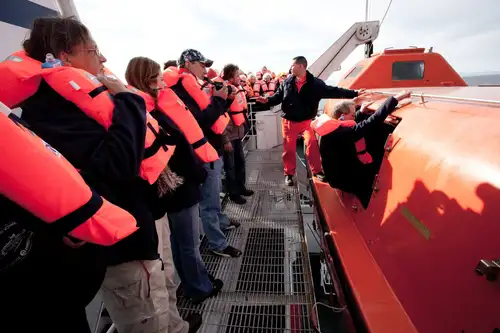
Antarctica’s Ross Ice Shelf is vast, spanning 487,000 sq. km – comparable to the size of France – with a thickness that varies from a few hundred meters near the sea to over 1,200 meters away from the floating edge. The edge along the Ross Sea forms a towering ice wall, rising up to 50 meters above the water, with most of the ice submerged below the waterline.
Blog
The Evolving Shipboard Eco-traveler
Feeling stuck in the monotony of everyday life? Looking for a change of scenery? Look no further! Most of us spend our lives on solid ground, despite our bodies being composed of 71.5% water. You'd think we'd have a natural inclination to be in or on the water! So why not try something different? Consider an Arctic holiday adventure on the same waters that famous explorers once navigated!
Blog
The First Buildings in Antarctica: Borchgrevink’s Historic Huts
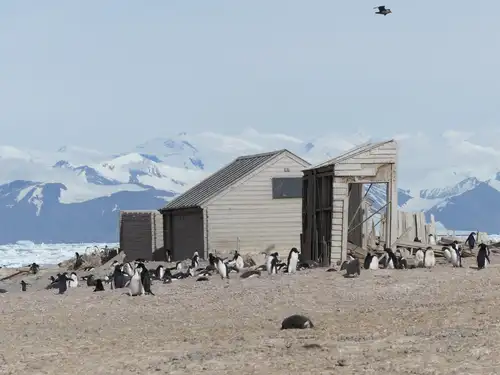
Borchgrevink’s huts at Cape Adare hold a significant place in Antarctic history, being the first structures ever built on the continent.
Blog
Greenlandic Inuit Beliefs
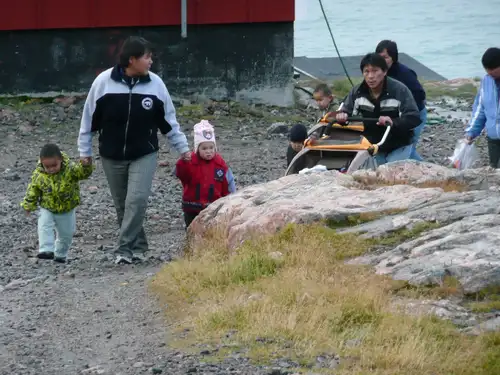
Greenland is the world’s largest island and with the northern tip around 740 kilometres from the North Pole it is the northernmost country on Earth. The island is around 2,670 kilometres long and is about 650 kilometres across at its widest point.

Blog
Visa to Argentina for Antarctic Expedition Travelers (2025 Guide)
Introduction
Argentina is the main gateway for travelers heading to Antarctica, with most expedition cruises departing from the southern city of Ushuaia. Whether you’re flying in through Buenos Aires or connecting domestically, knowing Argentina’s visa requirements is critical for a smooth journey before and after your polar adventure.
Blog
Life in a Penguin Colony
Captain Pieter J. Lenie Base, also known as Base Copacabana or simply Copa Base, is situated on King George Island off the western shores of the Antarctic Peninsula. This American research station has been home to scientists studying Adélie, gentoo, and chinstrap penguins for over three decades, aiming to understand how to best conserve these cherished species.
Blog
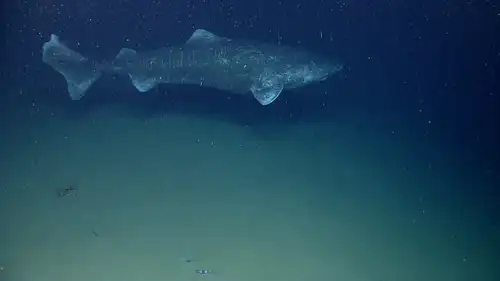
9 Facts about the Greenland Shark
The Greenland shark, or Somniosus microcephalus, is one of many fish that inhabit the waters around Greenland, though this is not the only area in which the shark resides. These sharks, sometimes referred to as “gray sharks” or “gurry sharks,” can also be found in the north Atlantic Ocean near Iceland, Norway, and Canada.
Blog
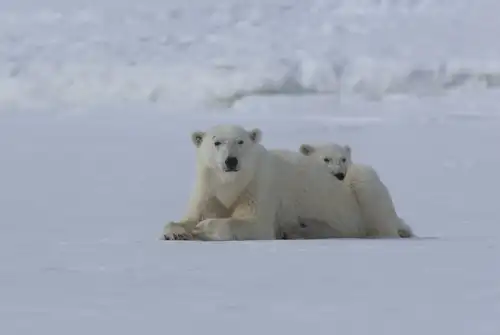
Polar Bears and Pack Ice: 22 Pics from North Spitsbergen
Last month, we explored one of the premier Arctic cruise destinations in our North Spitsbergen blog. That post not only detailed our itinerary in this breathtaking region but also highlighted some of the stunning locations where you might encounter polar bears, whales, walruses, seals, seabirds, and the mesmerizing ice formations of the far north.
Blog
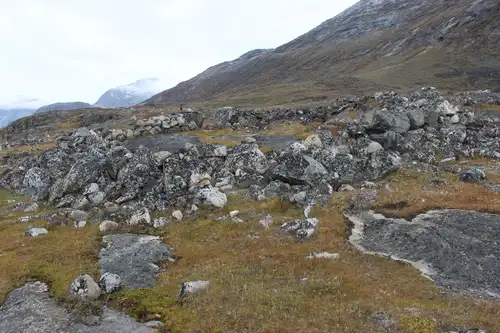
The Norse Settlement of Greenland
Erik the Red is a significant and vibrant figure in the history of the Norse Vikings. His story is primarily documented in the Icelandic Sagas Huaksbók (14th Century) and Skalhóltsbók (15th Century). These accounts offer slightly different versions of events that occurred 3-400 years earlier. The original saga of Erik the Red is believed to have been written around 1200 A.D., with the Skalhóltsbók version considered closest to the original. Additionally, Flateyjarbók (13th Century), which includes the Saga of the Greenlanders, is a crucial source for understanding the settlement of Greenland and the discovery of Vinland – North America.