


Show More
Blog


Blog
Life in the Polar Regions
Polar bears in the Arctic, penguins in Antarctica.
Blog
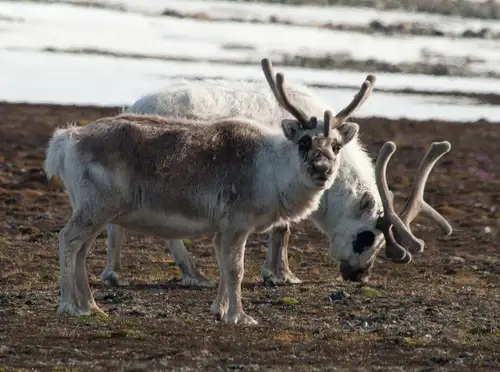
Amphibian, reptiles and herbivore mammals in the Arctic
Arctic ecosystems are relatively young in geological terms, having primarily developed over the past three million years. Generally, species richness is lower in the Arctic compared to more southerly regions, aligning with scientific observations that biodiversity decreases from the Equator to the poles.
Blog
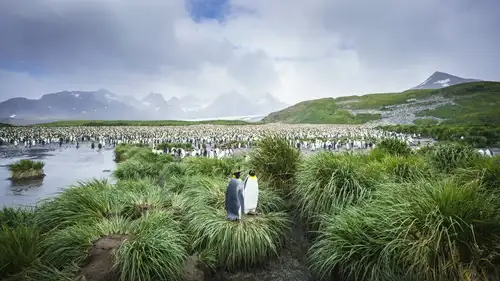
The South Georgia Seven: Hikes, Fjords, Whales, & Penguins
Few places encapsulate such a staggeringly rich assortment of sub-Antarctic scenery, wildlife, and outing opportunities as South Georgia.

Blog
Day and night in Antarctica
At the Concordia station, a French-Italian research facility situated 3,233 meters above sea level at Dome C on the Antarctic Plateau, European Space Agency (ESA) scientists are investigating the effects of extended space missions. The station is more isolated than the International Space Station, with the nearest humans located 600 kilometers away.
Blog
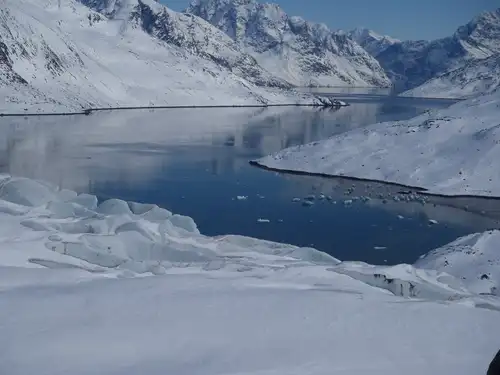
8 Scientific Wonders of the Arctic
The Arctic’s frozen landscape not only contains scenic gems, it also prompts fascinating advances in research. Here are some of the eight best.
Blog
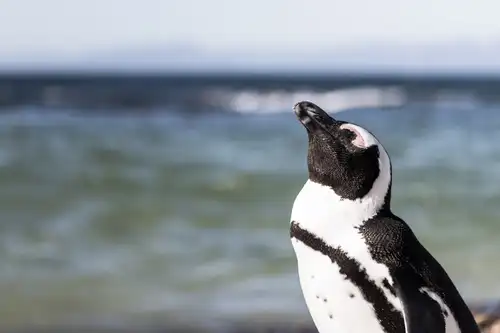
How Arctic Wildlife Differs from Antarctic
While the north and south poles share certain characteristics, they are also remarkably distinct. Both regions are cold and dry, yet each has its own unique terrain and climate. The Antarctic is particularly harsh and inhospitable, with only two native vascular plant species, whereas the Arctic tundra supports a wider range of fauna due to its relatively warmer temperatures and greater plant diversity. Here are some of the animals you can find in the Arctic compared to the Antarctic.
Blog
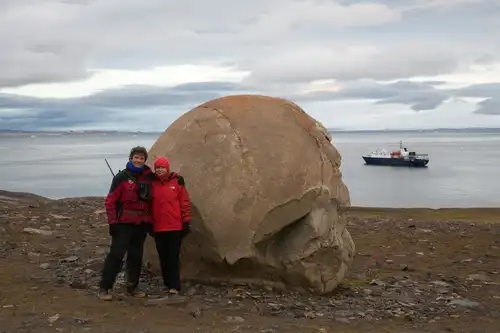
The Return to Franz Josef Land
As the possibility of international travel slowly returns, we are eagerly awaiting all the great locations, activities, and wildlife we might experience in the coming season. One of the things we’re most excited about is the return of our Franz Josef Land voyages.
Blog
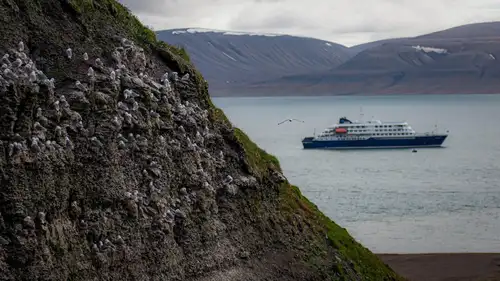
Circumnavigating Spitsbergen
Many of our expedition cruises focus on specific areas of the Arctic or Antarctica, delving deep into local wildlife and other natural highlights. However, some programs aim to provide a broader survey, visiting a variety of sites to offer guests a wider perspective.
Blog
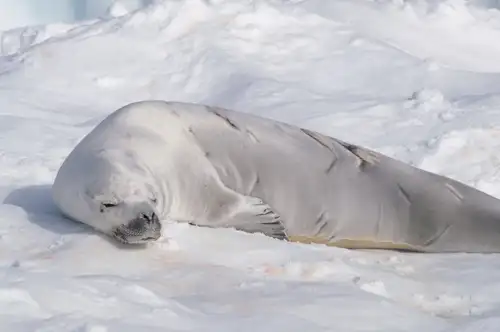
Six Facts About the Crabeater Seals of Antarctica
Antarctic fur seals, leopard seals, Weddell seals, Ross seals, southern elephant seals... The many seal species of Antarctica all have names that are in some way explained by their appearance or primary region of distribution.
Blog
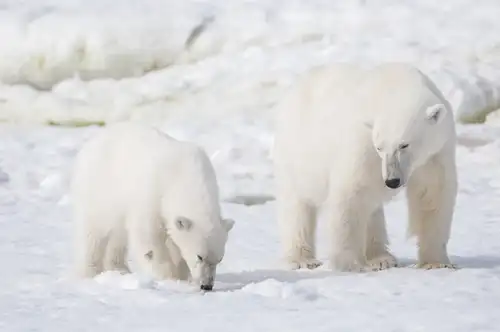
The polar bear: king of the Arctic food chain
As apex predators, polar bears reign supreme in the Arctic food chain. Only humans pose a threat to this massive and majestic species. But one look at these magnificent creatures explains why so many people embark on Arctic trips hoping to spot a polar bear in its natural habitat.
Blog
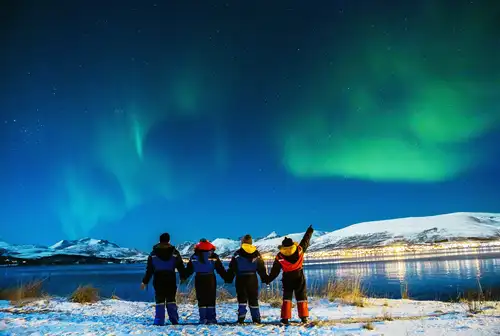
10 Tips for Photographing the Northern Lights
The northern lights, also known as the aurora borealis, offer some of the most breathtaking photographic opportunities in the Arctic. However, capturing this stunning phenomenon requires more than just luck. To take your best northern lights photos, it's helpful to understand some key aspects of aurora-specific photography.
Blog
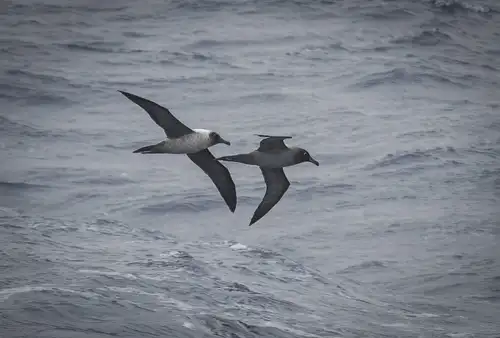
Birds of the South: 33 Antarctic Birds and Seabirds
Of the many compelling reasons people travel to Antarctica and the sub-Antarctic, bird life is among the most beloved.
Blog
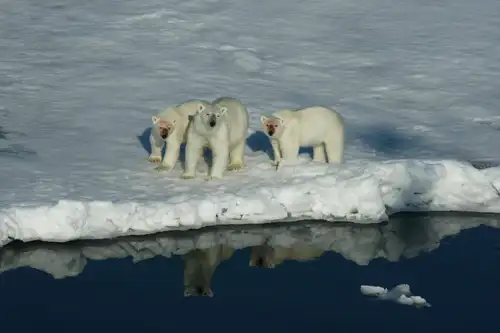
Polar Bear Primer: Eight Facts About the Arctic Wanderer
Polar bears inhabit the Arctic region across 19 subpopulations, including areas in Alaska, Canada, Greenland, Norway, and Russia. These majestic creatures prefer the edges of pack ice where currents and wind interact, creating a dynamic environment of melting and refreezing that forms ice patches and leads, which are open spaces in the sea between sea ice.
Blog
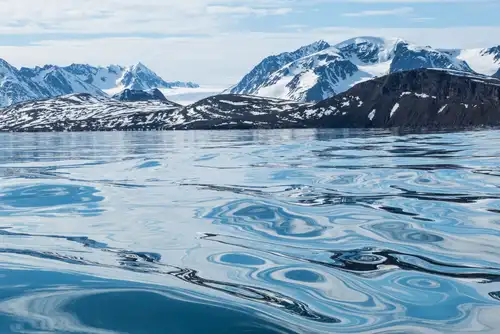
Freshwater ecosystems in the Arctic
The Arctic, surprisingly, hosts a rich and varied array of freshwater ecosystems, including lakes, ponds, rivers, streams, deltas, and wetlands. Some of the world's largest rivers and deltas, such as the Lena, Ob, and Yenisei, are found in this region.
Blog
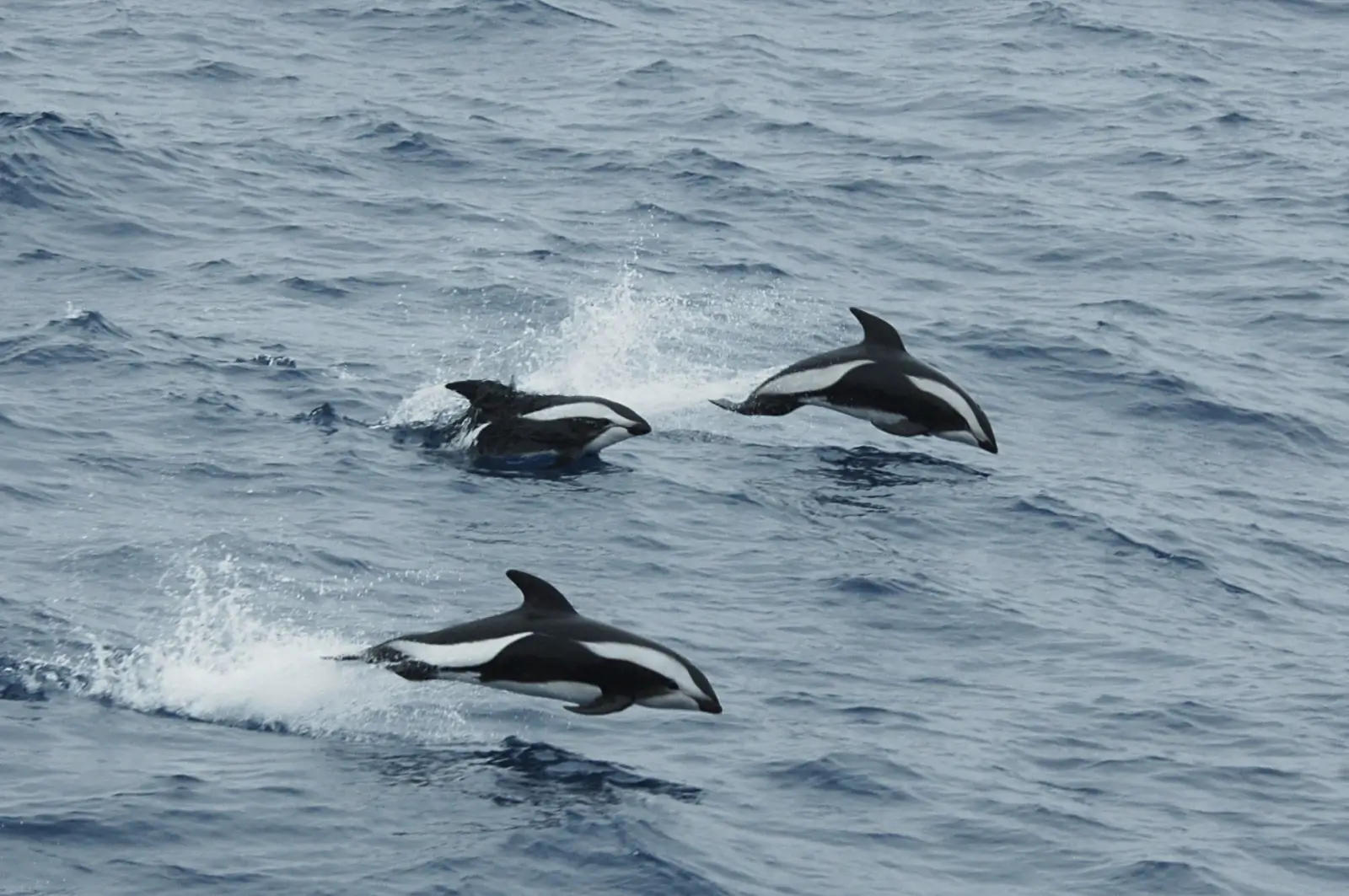
Antarctica’s Hourglass Dolphin
Though hourglass dolphins are especially rare, they’re actually not a threatened or endangered species.
Blog
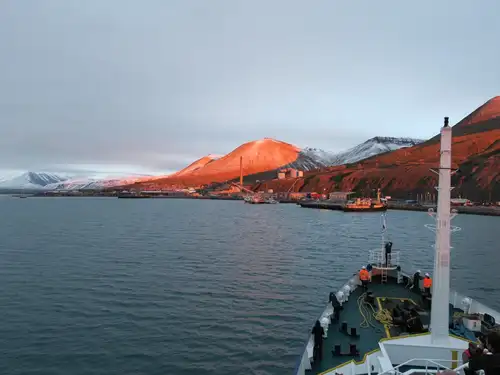
Port Pastimes: 7 Fun Things to Do in Longyearbyen
Waiting in port for an Arctic expedition cruise to begin might seem a little like waiting for water to boil or coffee to brew or a Seinfeld reunion to materialize: Time seems to defy its own laws, life slows to a crawl, and you begin to wonder if it’s really going to be worth it.
Blog
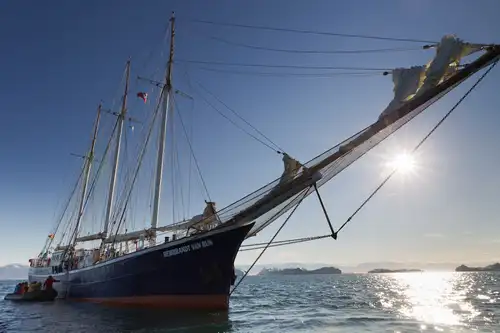
Ancient Arctic Exploration
When it comes to polar exploration, the Arctic boasts a much longer history compared to Antarctica.
Blog
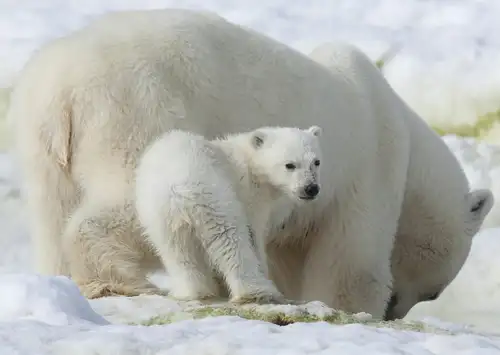
Arctic Icon: 10 Facts about the Polar Bear
Polar bears are to the Arctic what penguins are to Antarctica.
Blog
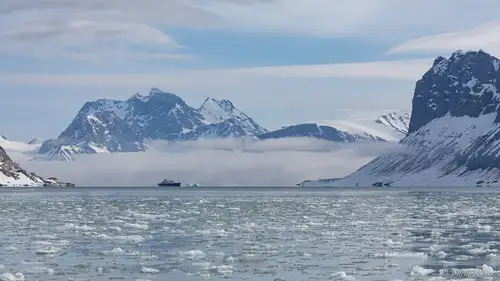
Svalbard vs. the Canadian Arctic
It’s easy to assume the Arctic is uniform, a vast expanse of northern freeze shaped by snow, ice, and endless darkness.
Blog
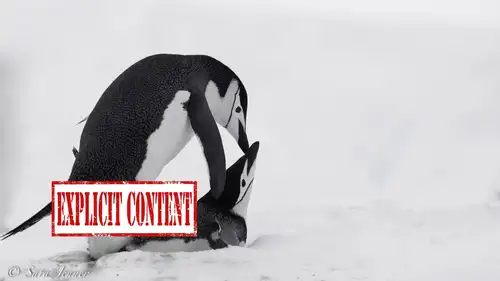
Hot Ice: Breeding Practices of Five Polar Animals
Last Valentine's Day we gave you 14 wildlife pictures highlighting the ins, outs, ups, and downs of polar romance. This year we're moving on to something a little more advanced: the nitty-gritty details of polar wildlife breeding rituals.