


Show More
Blog


Blog
Book Recommendations for Your Polar Cruise
Though books can't replace the experience of visiting the polar regions, they make excellent companions for your journey. We reached out to our social media followers, many of whom are past or future travelers, to gather their recommendations for polar-related books. The results were impressive, and we've compiled them below in no particular order.
Blog
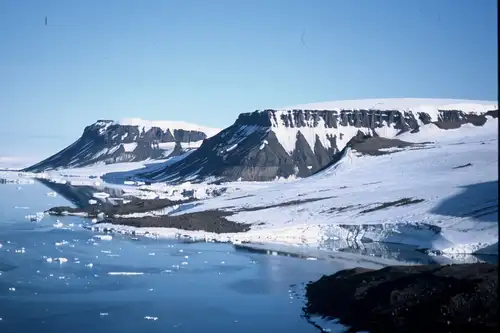
Franz Josef Land Sites, Species, and Experiences
The archipelago of Franz Josef Land is to Russia what Svalbard is to Norway: Both island groups offer excellent Arctic scenery, adventurous outdoor activities, and a good chance of seeing iconic species like polar bears and walruses - alongside a wide range of marine mammals and seabirds.
Blog
Ancient Arctic Exploration
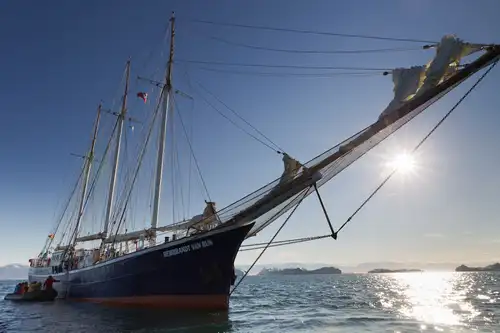
When it comes to polar exploration, the Arctic boasts a much longer history compared to Antarctica.
Blog
15 Toothy Facts About the Atlantic Walrus
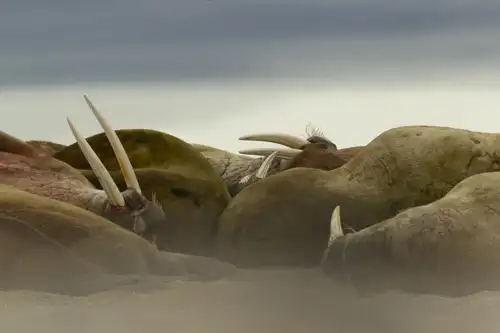
The walrus is one of the most recognizable animals on the planet, and for good reason. Try sneaking into a cinema with those tusks!
Blog
Harp seals harping on in Greenland
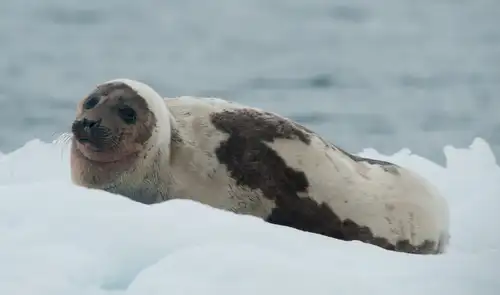
Harp seals are a moderately sized species, typically reaching about 1.6 meters in length and weighing around 130 kilograms. Both males and females are similar in size and weight, with males being only slightly larger. They possess a thick, robust body, a small broad and flat head, short narrow flippers, and a narrow muzzle.
Blog
Antarctica Cities (and Five Other Things That Don’t Exist There)
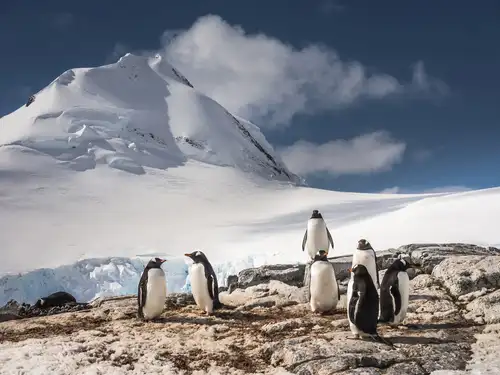
Why write about what you won't find in Antarctica? Most travel blogs highlight what a destination offers, but many polar tourists visit Antarctica to experience a new world and escape their old one.
Blog
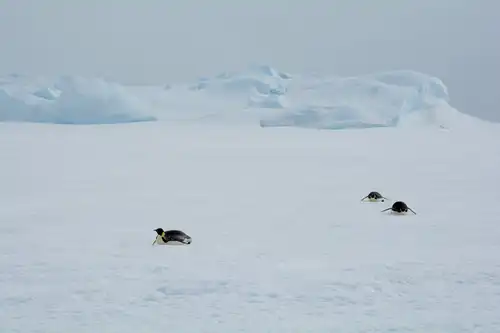
Encounter with the emperor penguin in Antarctica
Dutch journalist Gemma Venhuizen embarked on the MV Ortelius during the Weddell Sea cruise 'In search of the emperor penguins'. She had several encounters with this majestic penguin species - both from the sea and from the air.
Blog
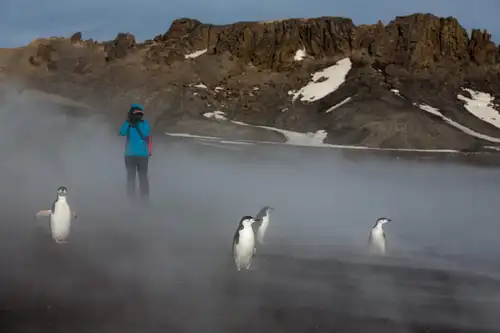
Graham Land: A landscape dominated by volcanoes
An Antarctic cruise may explore the upper tip of the Antarctic Peninsula where one finds Graham Land, a jagged, glaciated part of Antarctica with a landscape dominated by volcanoes. Despite the volcanoes being over 200 million years old they are far from extinct with volcanic activity occurring today. Graham Land is connected to Palmer Land at the point where the Antarctic Peninsula widens from around 75 km to around 200 km south of Marguerite Bay.
Blog
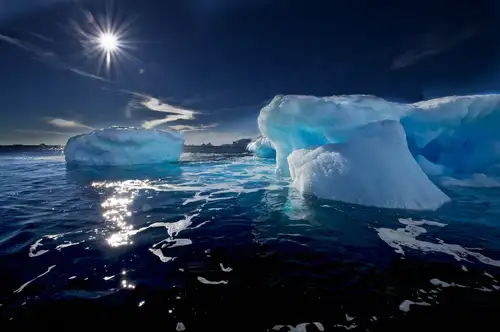
Everything you need to know about Antarctic icebergs
The ice in Antarctica might seem static, but it is constantly moving. Pieces of ice are continuously breaking off from ice shelves, glaciers, or other icebergs. They float freely along with the Antarctic currents, with about 90 percent of their mass below the surface of the water. This fact is actually what gave rise to the nowadays popular phrase “the tip of the iceberg”. Regardless, the sighting of the first iceberg is always a moment to celebrate in any and all Antarctic expeditions. So that you may appropriately ready yourself for that joyous moment, in this article you will find everything you need to know about Antarctic icebergs.
Blog
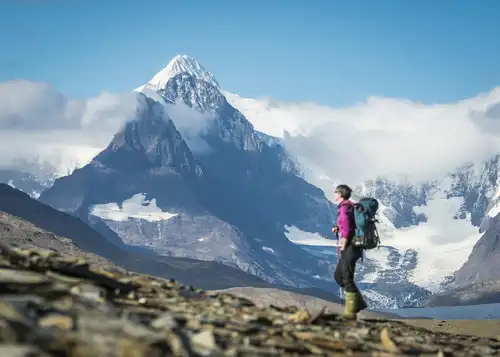
Path of Polar Heroes: Hiking Shackleton’s Historic Route
“We had seen God in his splendors, heard the text that Nature renders.” ~Ernest Shackleton
Blog
Guidelines for visitors to Antarctica
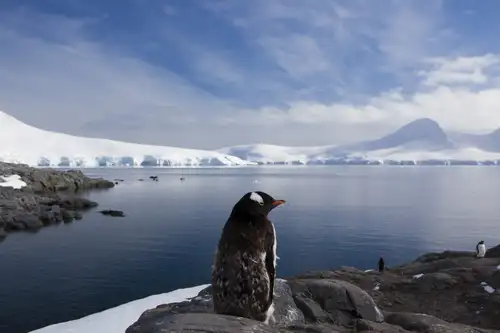
Activities in the Antarctic are governed by the Antarctic Treaty of 1959 and associated agreements, collectively known as the Antarctic Treaty System. The Treaty established Antarctica as a zone dedicated to peace and science. In 1991, the Antarctic Treaty Consultative Parties adopted the Protocol on Environmental Protection to the Antarctic Treaty, designating the Antarctic as a natural reserve.
Blog
Polar Bears and Pack Ice: 22 Pics from North Spitsbergen
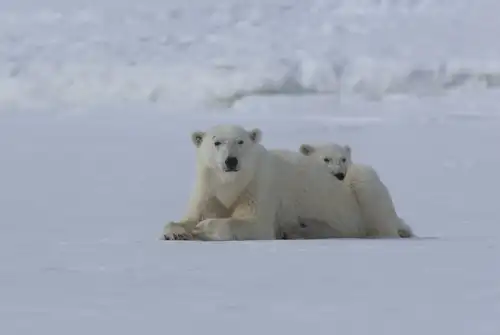
Last month, we explored one of the premier Arctic cruise destinations in our North Spitsbergen blog. That post not only detailed our itinerary in this breathtaking region but also highlighted some of the stunning locations where you might encounter polar bears, whales, walruses, seals, seabirds, and the mesmerizing ice formations of the far north.
Blog
Earth vs. Mars: Polar Regions Compared
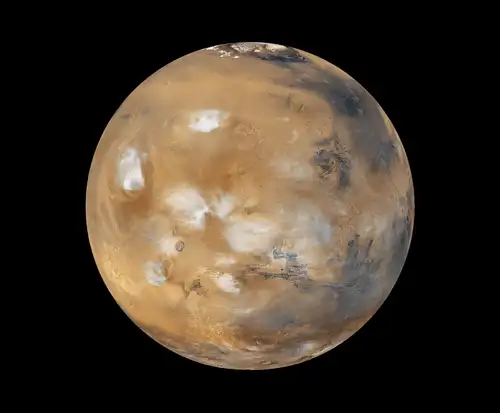
It’s well-known that Mars, like Earth, has its own polar regions, often referred to as the Martian ice caps. These regions, similar to Earth's, are situated at the north and south poles and experience much lower temperatures compared to the areas in-between.
Blog
12 photo tips to make better pictures on your Antarctica cruise
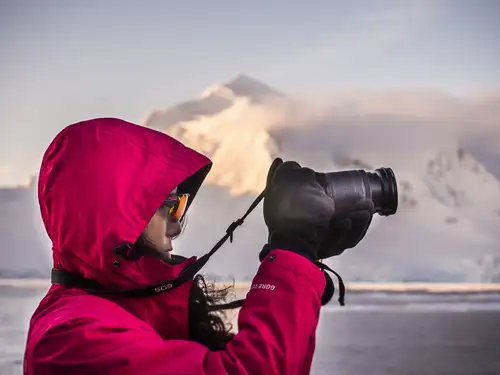
During your trip in the Arctic or Antarctic cruise you and your camera equipment will be exposed to a variety of challenging conditions. Be careful with your equipment and protect it from the salty spray when in Zodiacs, on a beach, or on deck. Salt water and electronics is not a good mix!

Blog
Seven Tips to Get the Most out of Your Expedition Cruise
Polar cruises are easy to enjoy, but there’s an art to getting the most out of them.
Blog
Antarctica’s first Marine Protected Area
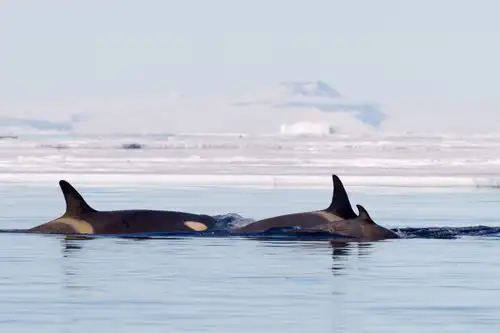
In October of this year, the Commission for the Conservation of Antarctic Marine Living Resources, which includes 24 countries such as the United States, the European Union, Australia, and New Zealand, reached a consensus on a New Zealand/United States proposal to establish a large-scale Marine Protected Area (MPA) in the Ross Sea region.
Blog
Six Facts About the Crabeater Seals of Antarctica
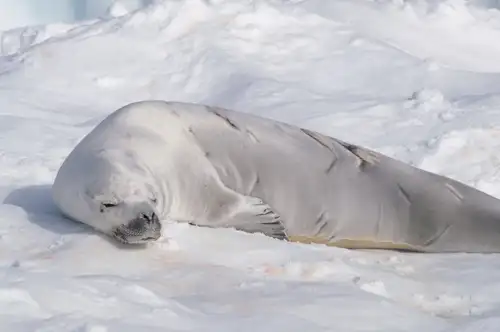
Antarctic fur seals, leopard seals, Weddell seals, Ross seals, southern elephant seals... The many seal species of Antarctica all have names that are in some way explained by their appearance or primary region of distribution.
Blog
Cruising Solo: The Benefits of Single-Passenger Polar Travel
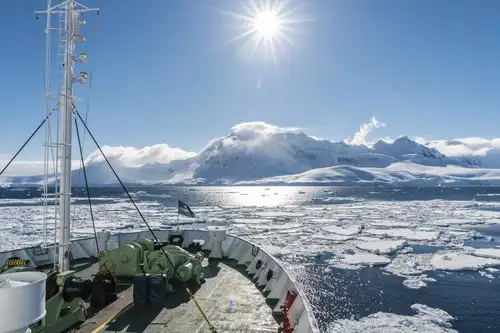
Traveling is often done with family, friends, or romantic partners. However, the benefits of solo travel, especially in polar regions, deserve more attention.
Blog
Penguins, Albatrosses, Petrels: The Winged Wildlife of South Georgia
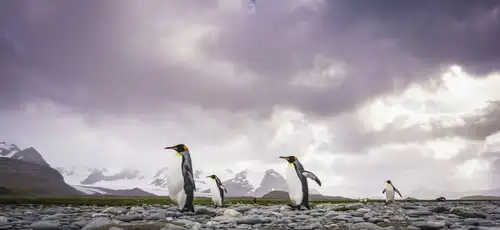
South Georgia’s location south of the Antarctic Convergence gives the island a more Antarctic-like climate compared to other regions at the same latitude. The climate here is marked by cold, cloudy, wet, and windy conditions with highly variable weather.
Blog
The first race to the South Pole in 50 years
Before the South Pole could be reached, the question was what exactly lay at the southern ends of Earth. The concept of Terra Australis Incognita, an unknown continent, was first introduced by Aristotle, who reasoned that a southern landmass must exist to ‘balance’ the known lands in the northern hemisphere.