



Show More
Blog


Blog
The Pack Ice and Polar Bears of North Spitsbergen
The Arctic archipelago of Svalbard is renowned for being one of the prime locations to observe polar bears. The largest island in this region, Spitsbergen, not only offers sightings of these majestic Arctic creatures but also provides a unique opportunity to experience the phenomenon of pack ice.
Blog
The Emperor Penguin of the Drake Passage
There are certain moments in life when a series of events combine to create an experience that is both unexpected and unforgettable. These are the times when you are reminded how fortunate you are to be a part of something that few people will ever have the opportunity to experience. This trip to Antarctica was full of these moments for me.
Blog
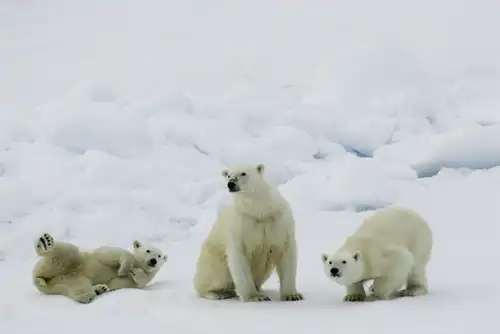
Polar bear encounter in Spitsbergen
I watch the sea ice from the bridge of a ship in one of the fjords of Spitsbergen, an archipelago north of Norway. I observe a perfectly adapted animal moving on the ice, the results of hundreds of thousands of years of ecological fine-tuning. Snowshoe-sized paws distribute weight, fur handles the cold and sunlight to perfection, and an incredible sense of smell samples this monochromatic realm.
Blog
Weddell Sea: the Original Antarctic Adventure
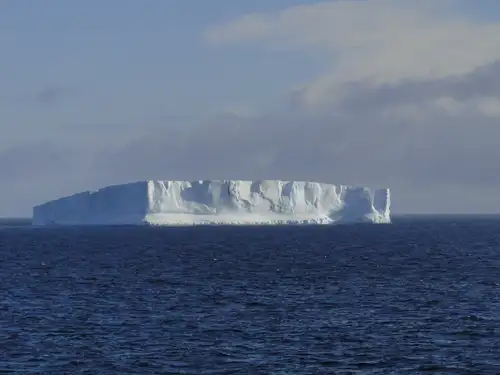
According to historian Thomas R. Henry, visiting the Weddell Sea requires a brave heart. In his 1950 book, "The White Continent," he described sudden “flash freezes” that occur in the region. It was one of these flash freezes that trapped Ernest Shackleton’s ship, Endurance, in January 1915, forcing his crew to endure over a year in the harsh environment before they could escape.

Blog
Six Must-See Svalbard Sites
It's home to humanity's last-ditch supply of crop seeds, the world's northernmost settlement of over 1,000 people, and it is one of the best places on Earth to spot a polar bear.

Blog
What to pack for your Atlantic Odyssey voyage?
When packing, avoid burdening yourself with excessive clothing or gear. Opt for casual, practical attire that can be layered. Consider including the following:
Blog
Humpback Whales: the Stars of the Western Antarctic Peninsula
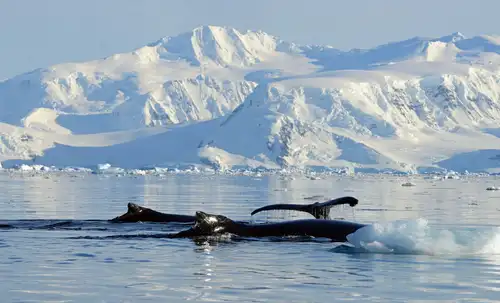
The marine ecosystem of the West Antarctic Peninsula (WAP) stretches from the Bellingshausen Sea to the northern tip of the peninsula. This region includes the Antarctic Sea Ice Zone, a highly productive area that supports large populations of marine mammals, birds, and Antarctic krill. One of the highlights of this region, which you can observe on a whale-spotting Antarctica cruise, is the humpback whale.
Blog
10 Tried-and-True Bird Photography Tips
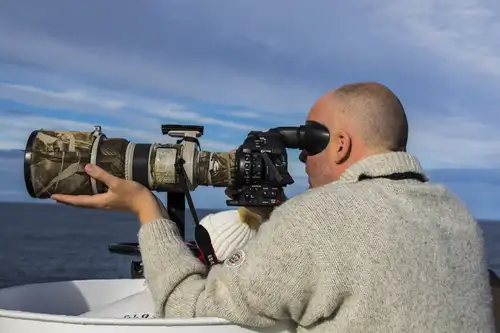
It’s easy to understand our fascination with birds: they’re beautiful, graceful (usually), and most of them have the power of flight.

Blog
Polar Marine Visitors: the Whales of Antarctica and the Arctic
Whales are the world’s largest mammals, found in the Arctic and Antarctica. This article covers some of the major species you may see on voyages to these remarkable areas.
Blog
Port Pastimes: 7 Fun Things to Do in Longyearbyen
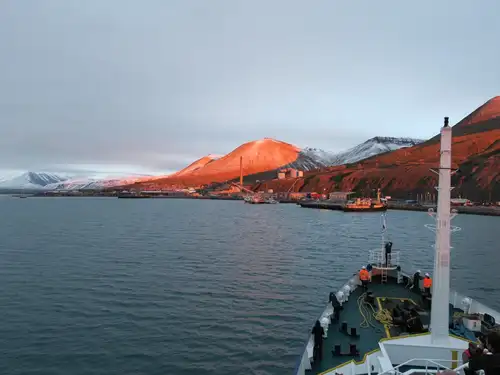
Waiting in port for an Arctic expedition cruise to begin might seem a little like waiting for water to boil or coffee to brew or a Seinfeld reunion to materialize: Time seems to defy its own laws, life slows to a crawl, and you begin to wonder if it’s really going to be worth it.
Blog
The Wildlife of Antarctica’s Seas and Skies
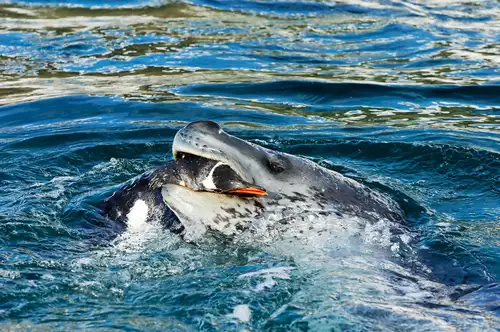
Antarctica is one of the most pristine environments on Earth, home to whales, penguins, seals, and birds, providing nature lovers with a treasure trove of wildlife memories to take back home.
Blog
12 Things to Do in Antarctica
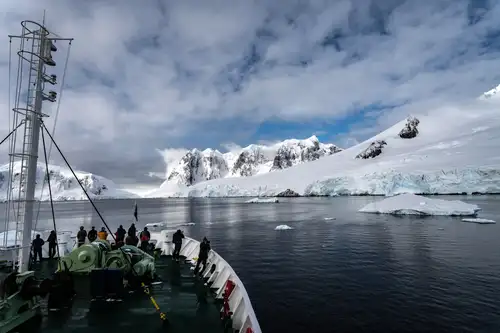
Traveling to Antarctica is unlike traveling to any other place on Earth.
Blog
Albatross, penguin and krill research in Antarctica
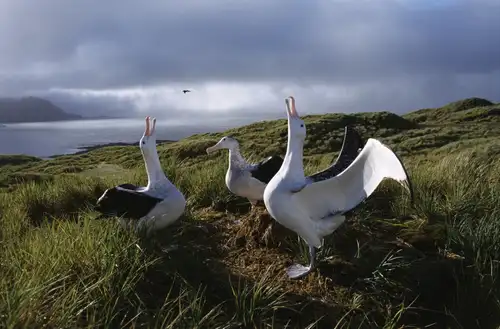
In the Antarctic region, extensive research is being conducted by national Antarctic programmes from countries like the UK, Australia, and Japan. These studies aim to understand species in the air, on the ground, and in the sea, and how these species are interconnected without variables such as human impacts and climate change.
Blog
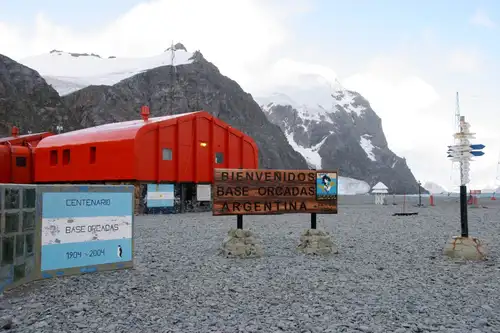
A Look Into the International Research Stations of Antarctica
In 1902, William S. Bruce, along with a team of naturalists, explorers, and sailors, embarked on the first Scottish expedition to Antarctica’s South Pole aboard the Scotia. The Scottish National Antarctic Expedition (SNAE) aimed to establish the continent's first meteorological station and explore its largely undocumented biological, topographic, and meteorological features.
Blog
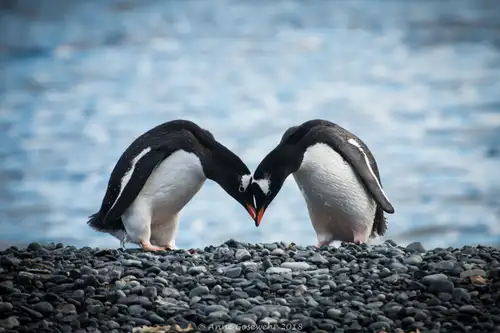
Polar Amore: 14 Wildlife Pics to Warm up Your Valentine’s Day
Blog
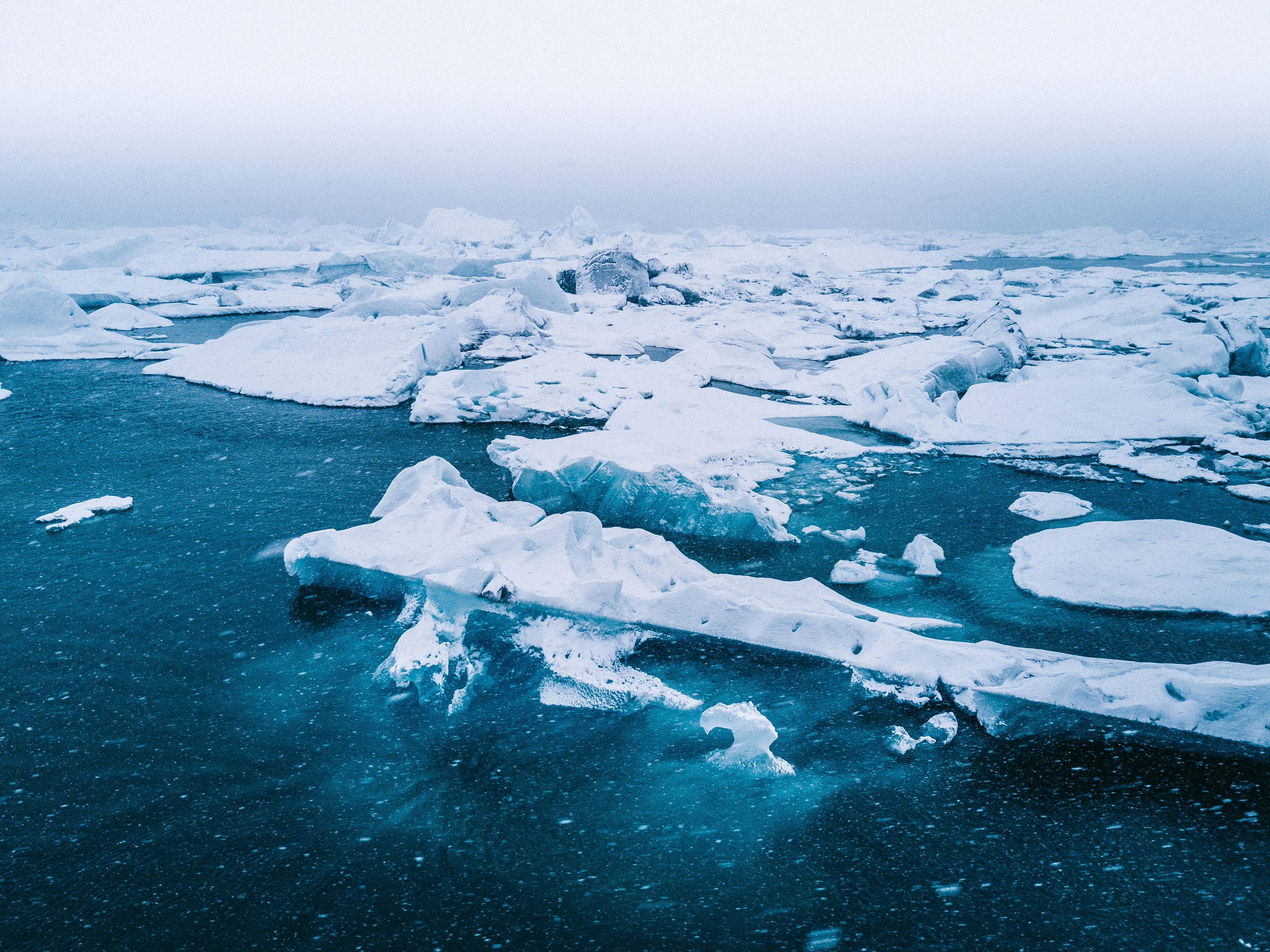
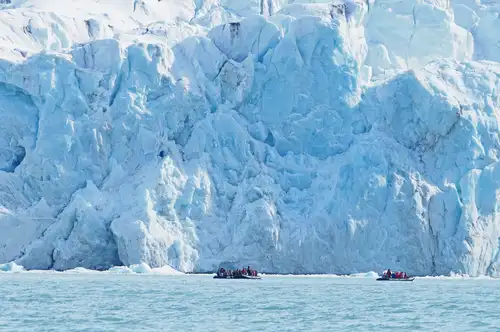
Get to Know Your Ice
Ice plays a crucial role in everything from cooling your drink to regulating the planet's temperature. Let's explore the various forms of ice you might encounter during an Arctic or Antarctic adventure.
Blog
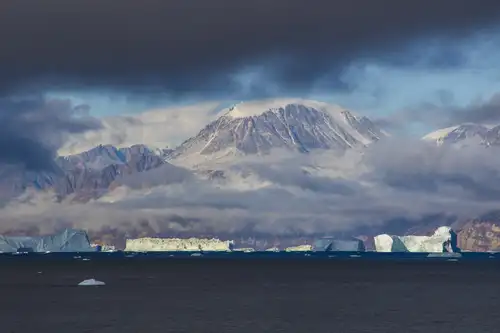
Greenland: East vs. West
East and West Greenland offer vastly different experiences due to their unique climates, wildlife, habitation, and geology.
Blog
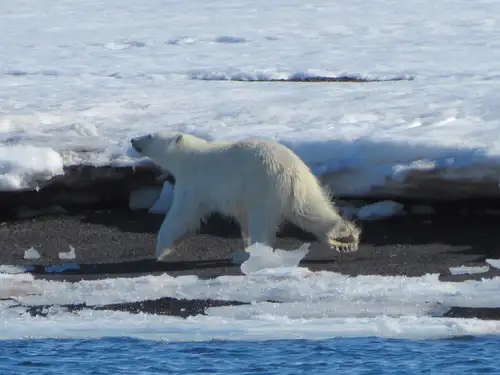
Polar bear feast
The polar bear was relishing his meal; the snow and his face were turning red from the blood. As we observed him eating, our own stomachs began to grumble. It was time for lunch.

Blog
A Diving Dream Fulfilled
Last January, Mark Hatter achieved a dream he’d been training for over two years. Booking his berth aboard the m/v Ortelius and making the long flight to Ushuaia, Argentina, he and two of his friends sailed down the famous Drake Passage, bound for Earth’s southernmost continent. But their Antarctica trip was not just about shoreline walks and photographing penguins.
Blog
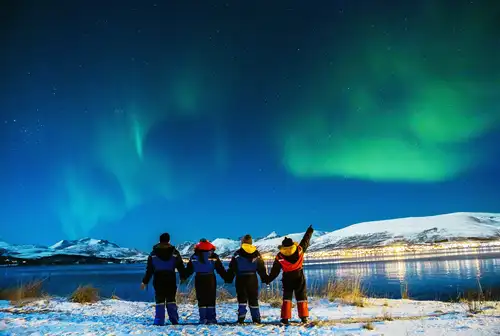
10 Tips for Photographing the Northern Lights
The northern lights, also known as the aurora borealis, offer some of the most breathtaking photographic opportunities in the Arctic. However, capturing this stunning phenomenon requires more than just luck. To take your best northern lights photos, it's helpful to understand some key aspects of aurora-specific photography.