12 Things To Do In Antarctica - Nexta Expeditions
12 Things to Do in Antarctica

12 Things to Do in Antarctica

Traveling to Antarctica is unlike traveling to any other place on Earth.

Whether you’re embarking on a classic Antarctic Peninsula cruise or a more specialized voyage – such as a Weddell Sea trip (with helicopters) or Antarctica Basecamp cruise – any experience of the White Continent will be unique and unforgettable.

That said, there are numerous things to do in Antarctica that might help sharpen your focus, ensuring you get an experience tailored to your personal tastes.

That’s why we’ve written this entry about our guests’ favorite things to do in Antarctica. Including both onboard activities and in-field excursions, this list will help you decide the best way to enjoy Antarctica – and which cruise will give it to you.

1. Cruise to Antarctica

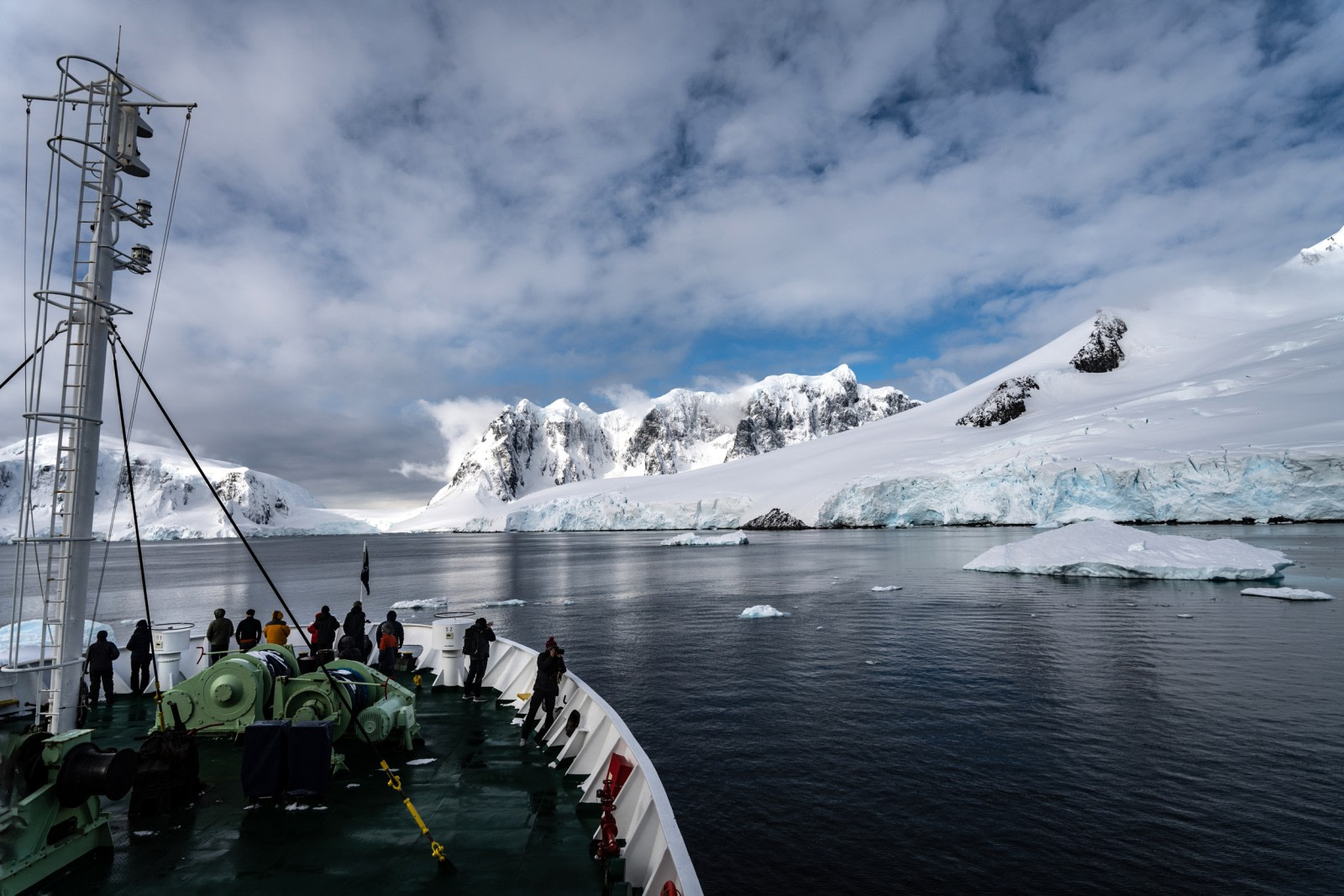
Let’s start with the obvious. Unless you’re a scientist employed at an Antarctic research station, the best (and typically only) way to enjoy Antarctica is by setting out on an Antarctica cruise. Of all the things to do in Antarctica, this is the baseline. Book a cruise to Antarctica and you’re already on the right track.

2. Look for wildlife

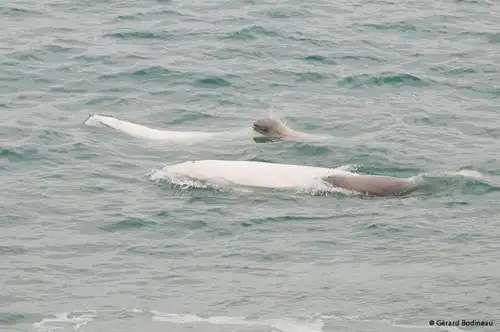
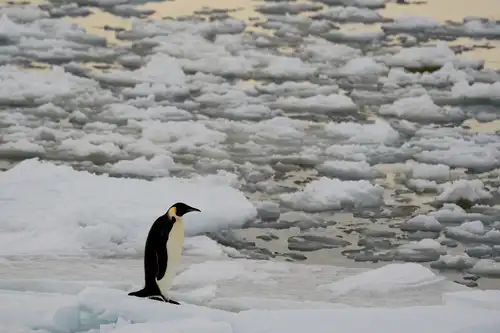
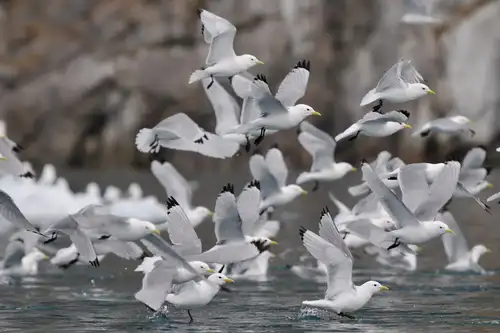
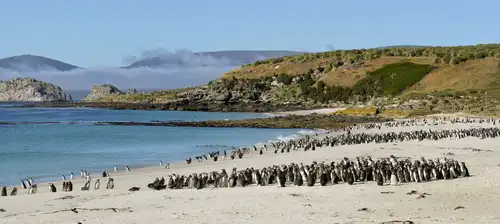
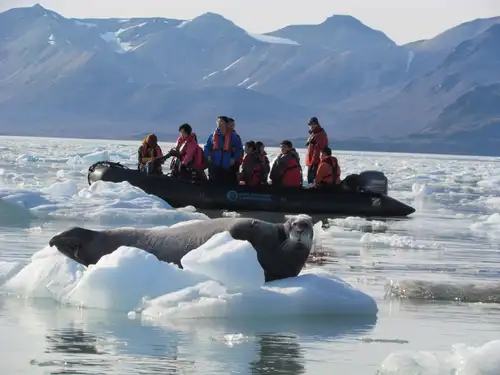
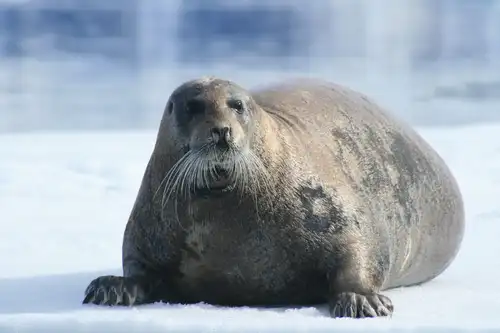
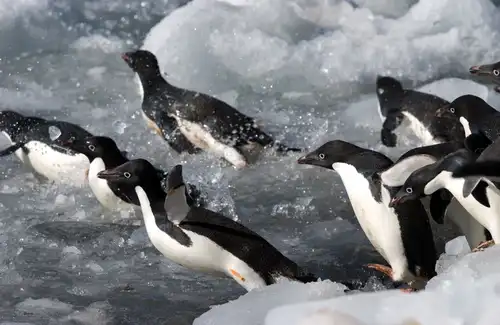
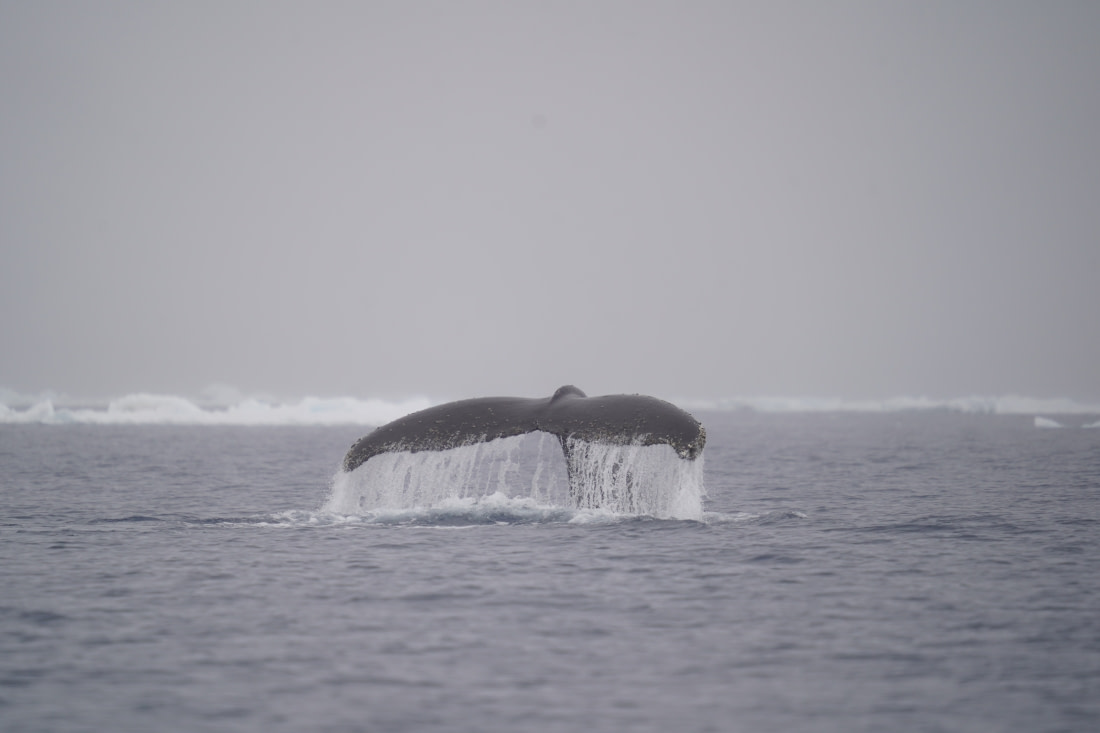
It probably comes as no surprise that this is one of the best things to do in Antarctica, and for good reason: many species of seal (leopard, crabeater, Ross, and Weddell seal), multiple species of whale (humpback, minke, fin, sei, and blue whale, among others), and even more species of penguin (gentoo, Adélie, rockhopper, chinstrap, and emperor penguin, just to name a few) make Antarctica one of the top places on the planet to see exotic wildlife. And did we mention all the other southern birds you can see?
blog-image

3. Camp in Antarctica

Perhaps less expected is the fact that our guests consider camping one their favorite things to do in Antarctica. Contrary to what you might think, Antarctic camping is a comfortable activity most anyone can do. Joined by our expert expedition guides, you and your fellow passengers will have all the gear and assistance you need to stay warm and dry. And what a story you’ll have when you get back to the vessel (and back home)!

4. See icebergs and landscapes

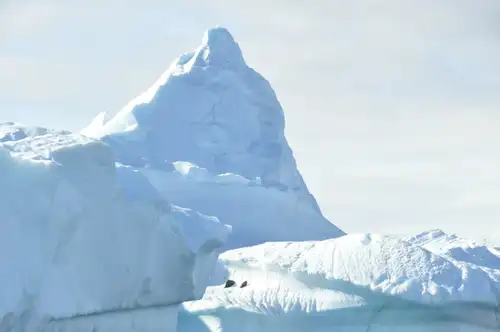
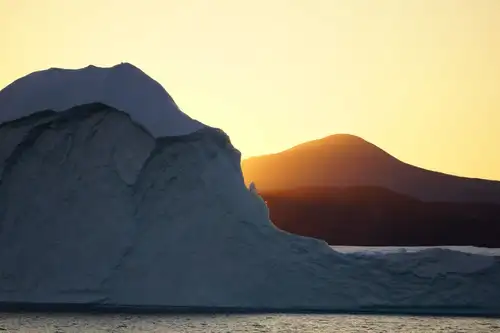
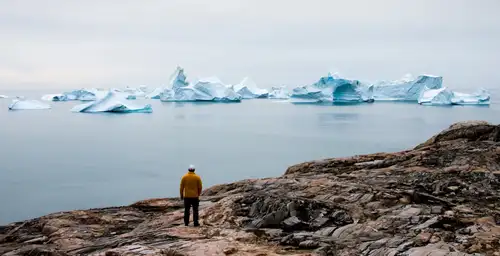
No list of things to do in Antarctica can be complete without mentioning the ice. We’re talking about the polar regions, after all. Indeed, there are key differences between the ice formations of Antarctica and the Arctic that set the southern polar regions apart – beyond all the beautiful tabular icebergs.

5. Kayak Antarctica’s waters

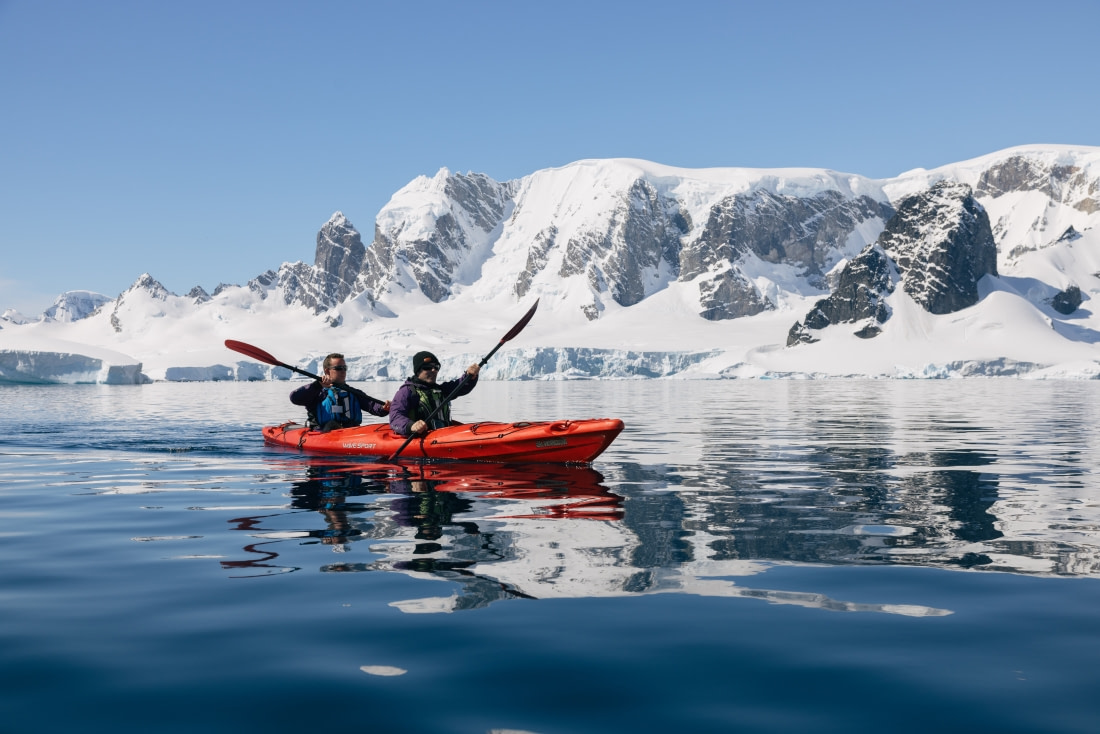
Of all the things to do in Antarctica, this is near the top of the food chain for both our guests and guides. Nothing gets you away from the vessel in a more peaceful, natural way than paddling a kayak among the ice floes and bergs. Kayaking in Antarctica lets you experience the area in the most intimate way possible, apart from walking. But we’ll get to that.
blog-image

6. Mountaineer

Looking for more vigorous things to do in Antarctica? It’s hard to beat Antarctic mountaineering for that. We mostly do soft climbs with gradual ascents, but occasionally we offer more technical climbs for experienced mountaineers. Antarctica offers up spectacular views wherever you are, but even more so from on high.

7. Visit Antarctic research stations

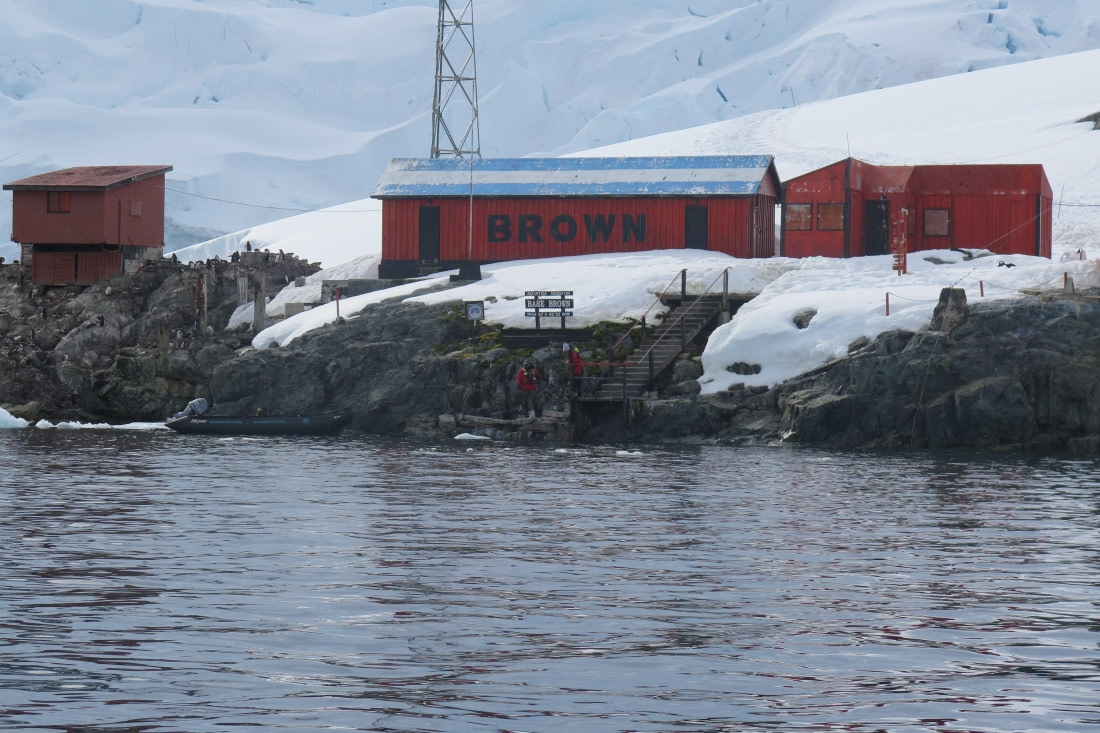
While we can’t guarantee this option will always be available, one of our guests’ favorite things to do in Antarctica is see some of the research stations open to civilians. These house the only semi-permanent human population of the Antarctic Continent, composed chiefly of scientists studying topics ranging from biology to climatology.
blog-image

8. Practice photography

It’s almost impossible to take a bad picture in Antarctica, but that doesn’t mean you can’t enjoy sharpening your skills in our photography workshops. Offered on both our Basecamp trips and certain other cruises, these workshops take place on board and off and are led by experienced nature photographers. This is a fun and informative thing to do in Antarctica.

9. Scuba dive in Antarctica

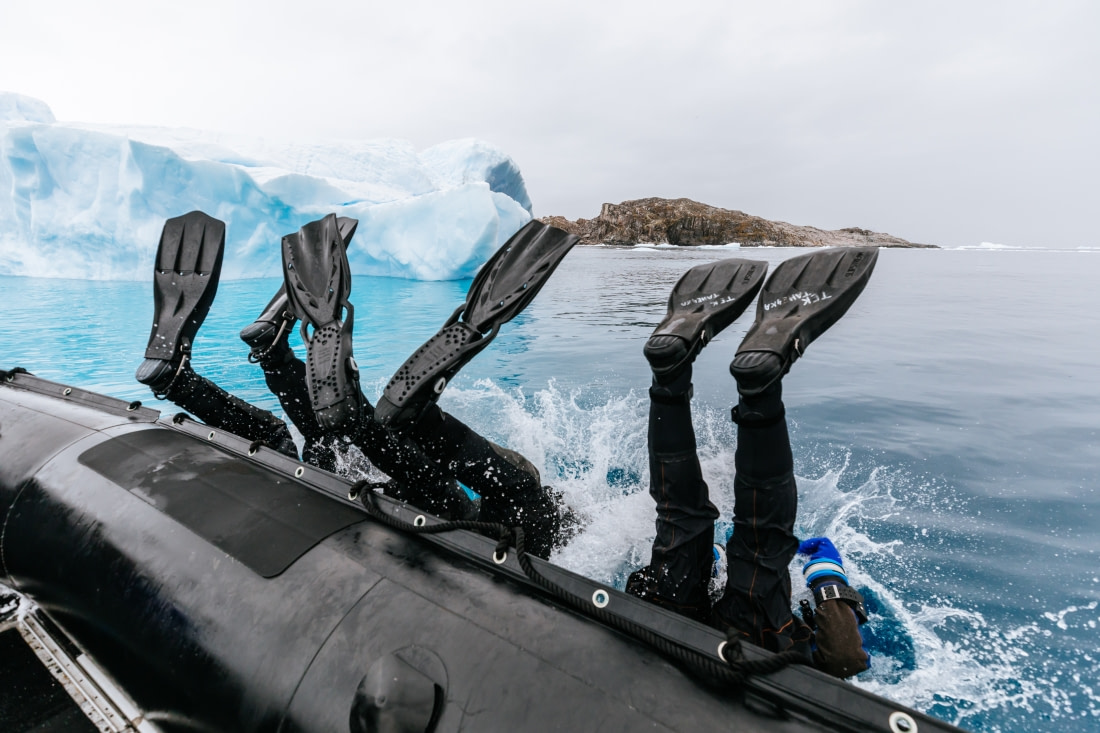
Yes, you read that right. If you have the required dry suit experience, you can join our guides on an adventure below the Antarctic waves – and icebergs. While this is a specialty activity only offered on select cruises, Antarctic diving consistently proves to be one of the most popular things to do in Antarctica for the adventurous few.
blog-image

10. Go snowshoe hiking

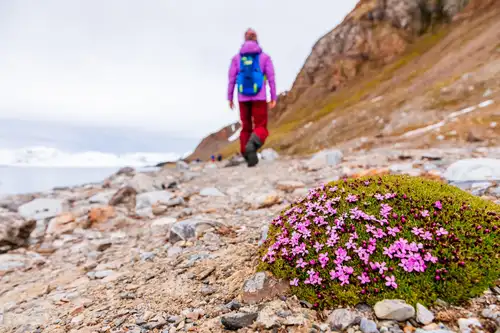
Strap on a pair of snowshoes and set out into the surreal polar wilderness! How could this not be one of our guests’ top things to do in Antarctica? If kayaking and scuba diving get you as close as possible to the Antarctic waters, our hiking and snowshoeing activities get you just as close to the otherworldly polar terrain.

11. Attend interesting lectures

Our guests are usually doing so many outdoor activities during their Antarctica cruise that they welcome the chance to warm up on our vessels, drink something hot, and enjoy the many engaging presentations our guides love to deliver. Covering subjects as varied as local wildlife, expedition history, and the science of ice formations, these talks are sometimes also delivered by guest-lecturers who work in the sciences. Of all the things to do in Antarctica, this is one of the most relaxing and informative.

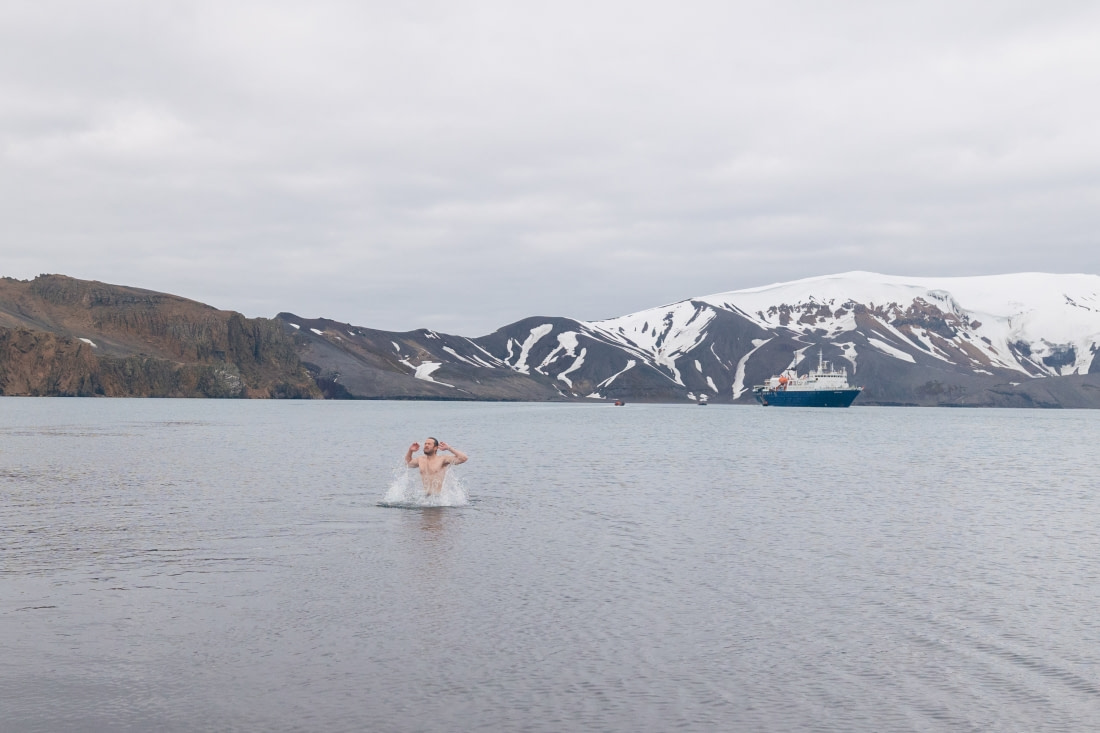
12. Do the polar plunge

We saved the most thrilling (or shocking?) for last. This is another activity we can’t always offer, since it depends so heavily on local conditions. But when it’s available, the legendary polar plunge is by all accounts one of the most daring things to do in Antarctica, truly separating the polar junkies from the tourists. Don’t be too nervous, though – we keep blankets and hot chocolate on hand for all those bold enough to do it.
blog-image

Blog
go-leftgo-right

Navigating by touch through the sea ice - Nexta Expeditions
Blog

Navigating by touch through the sea ice

Ships are meant to glide effortlessly through calm waters, but our Greenland expedition vessel Ortelius is shuddering and wiggling as it navigates through the calm yet frozen waters between Svalbard and the islands. We’re on the North Atlantic Odyssey, a journey that starts in continental Europe and concludes near the North Pole in Svalbard. Onboard are 115 enthusiastic passengers. Most of them are currently on the outer decks, cameras in hand, captivated by the sea ice.
Secrets of the Snowy Owl: Habitat, Adaptations, and Other Facts - Nexta Expeditions
Blog

Secrets of the Snowy Owl: Habitat, Adaptations, and Other Facts

The snowy owl (Bubo scandiacus), also known as the great white owl or Arctic owl, is one of the most distinctive bird species on the planet. While you won’t find them in all areas of the Arctic – they don’t exist in Svalbard due to the lack of lemmings – snowy owls are seen in the polar regions of Eurasia and North America and are a potential visitor during Greenland cruises. The binomial species name, “scandiacus,” is derived from Scandinavia, as this is where the bird was first discovered. The snowy owl is the official bird of Quebec, and they are a must-see for countless bird watchers and naturalists.
Arctic on Foot: Hiking and Snowshoeing the Far North - Nexta Expeditions
Blog

Arctic on Foot: Hiking and Snowshoeing the Far North

The focus of our voyages is always to get you off the ship and into the action as frequently as possible. While we travel from site to site on ice-strengthened vessels, our expeditions are crafted to provide you with the maximum firsthand experience of the polar regions and their unique wildlife.
Visa to Argentina for Antarctic Expedition Travelers (2025 Guide) - Nexta Expeditions
Blog

Visa to Argentina for Antarctic Expedition Travelers (2025 Guide)

Argentina is the main gateway for travelers heading to Antarctica, with most expedition cruises departing from the southern city of Ushuaia. Whether you’re flying in through Buenos Aires or connecting domestically, knowing Argentina’s visa requirements is critical for a smooth journey before and after your polar adventure.
Humpback Whales: the Stars of the Western Antarctic Peninsula - Nexta Expeditions
Blog

Humpback Whales: the Stars of the Western Antarctic Peninsula

The marine ecosystem of the West Antarctic Peninsula (WAP) stretches from the Bellingshausen Sea to the northern tip of the peninsula. This region includes the Antarctic Sea Ice Zone, a highly productive area that supports large populations of marine mammals, birds, and Antarctic krill. One of the highlights of this region, which you can observe on a whale-spotting Antarctica cruise, is the humpback whale.
Eight Ultimate Antarctica Adventures - Nexta Expeditions
Blog

Eight Ultimate Antarctica Adventures

Antarctica has adventure in its bones. Long before most travelers even reach the continent, they have to cross the Drake Passage, an oft-tumultuous waterway considered by many a hallmark of high adventure in itself. Once you do reach the Antarctic shores, the variations of landscape and wildlife are as multiform as the activities you can pursue there. While not all of these activities can or should be shoehorned into a single article, this piece will give you a survey of the top eight. Like everything in the polar regions, these activities are subject to weather conditions – and your own threshold for adventure.
Taking the Polar Plunge - Nexta Expeditions
Blog

Taking the Polar Plunge

There are some human activities that for many people simply defy understanding: We juggle chainsaws, we breathe fire, we fling ourselves out of perfectly good airplanes.
What to Expect When Crossing the Drake Passage - Nexta Expeditions
Blog

What to Expect When Crossing the Drake Passage

Positioned between the southern tail of South America and the Antarctic Peninsula's north-sweeping arm is a lively little waterway known as the Drake Passage.
A Day of Whale Watching in Antarctica - Nexta Expeditions
Blog

A Day of Whale Watching in Antarctica

This morning we awoke early to enjoy the first light in Wilhelmina Bay, with the snow and cloud blanketing the surrounding mountains. As dawn broke, we could see the blows of humpback whales scattered throughout the bay. Some of the whales were closer to the ship and we spotted their small dorsal fins and occasionally their white patterned tails. It was a terrific start to our first full day in Antarctica.
Top 10 Tips for Packing Your Polar Photography Equipment - Nexta Expeditions
Blog

Top 10 Tips for Packing Your Polar Photography Equipment

One of the most common questions I get asked before a cruise is, “What photography equipment should I bring?” It’s a broad question, and answers vary based on the individual. There are, however, a few key pointers that apply to almost everyone.
The first race to the South Pole in 50 years - Nexta Expeditions
Blog

The first race to the South Pole in 50 years

Before the South Pole could be reached, the question was what exactly lay at the southern ends of Earth. The concept of Terra Australis Incognita, an unknown continent, was first introduced by Aristotle, who reasoned that a southern landmass must exist to ‘balance’ the known lands in the northern hemisphere.
Eight Antarctic Misconceptions - Nexta Expeditions
Blog

Eight Antarctic Misconceptions

Antarctica has given rise to some pretty far-fetched rumors.
Polar bear feast - Nexta Expeditions
Blog

Polar bear feast

The polar bear was relishing his meal; the snow and his face were turning red from the blood. As we observed him eating, our own stomachs began to grumble. It was time for lunch.
Graham Land: A landscape dominated by volcanoes - Nexta Expeditions
Blog

Graham Land: A landscape dominated by volcanoes

An Antarctic cruise may explore the upper tip of the Antarctic Peninsula where one finds Graham Land, a jagged, glaciated part of Antarctica with a landscape dominated by volcanoes. Despite the volcanoes being over 200 million years old they are far from extinct with volcanic activity occurring today. Graham Land is connected to Palmer Land at the point where the Antarctic Peninsula widens from around 75 km to around 200 km south of Marguerite Bay.
10 Traits of Post-Ice-Age Greenland - Nexta Expeditions
Blog

10 Traits of Post-Ice-Age Greenland

Grasses, sedges, and other species of heath were the first arrivals, and are still commonly found in Greenland. Scientists have been able to work out how plants colonised Greenland by examining ancient pollen samples found in deposits at the bottom of lakes: Dwarf birch came to western Greenland around 9,000 years ago, and around 4,500 years ago – roughly the same time humans were first boating onto Greenland shores – green alders were taking up residence there.
Light in the Land of the Midnight Sun - Nexta Expeditions
Blog

Light in the Land of the Midnight Sun

The midnight sun, also referred to as the polar day, is a fascinating natural event observed within the Arctic and Antarctic circles. During the polar summer, the sun remains above the horizon for 24 hours a day, resulting in continuous daylight without any sunrise or sunset. This phenomenon occurs due to the Earth's seasonal tilt towards the sun during the summer months in these regions.
North Norway, Northern Lights, and All the Pretty Whales - Nexta Expeditions
Blog

North Norway, Northern Lights, and All the Pretty Whales

At first glance, visiting Northern Norway outside of a blazing-hot summer might seem daunting for the average traveler.
A visit to the fascinating island of Jan Mayen - Nexta Expeditions
Blog

A visit to the fascinating island of Jan Mayen

After exploring the remote island of Fair Isle, our Atlantic Odyssey voyage once more turned its attentions northwards and left the outer extremities of the UK behind. Our destination was Jan Mayen, a volcanic island situated on the mid-Atlantic ridge just north of 71° (about 550 kilometers north of Iceland and 450 kilometers east of Greenland).
All About Ice: Glaciers and Icebergs of the Arctic and Antarctica - Nexta Expeditions
Blog

All About Ice: Glaciers and Icebergs of the Arctic and Antarctica

After exploring the remote island of Fair Isle, our Atlantic Odyssey voyage once more turned its attentions northwards and left the outer extremities of the UK behind. Our destination was Jan Mayen, a volcanic island situated on the mid-Atlantic ridge just north of 71° (about 550 kilometers north of Iceland and 450 kilometers east of Greenland).
Six Must-See Svalbard Sites - Nexta Expeditions
Blog

Six Must-See Svalbard Sites

It's home to humanity's last-ditch supply of crop seeds, the world's northernmost settlement of over 1,000 people, and it is one of the best places on Earth to spot a polar bear.