


Show More
Blog


Blog
10 Common Misconceptions About the Arctic
The Arctic is a vast region. Truly immense.
Blog
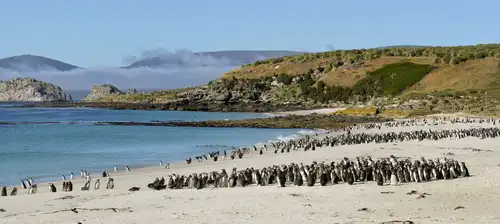
17 Reasons to Cruise the Falklands
Maybe you’ve already marveled at the colossal penguin colonies of South Georgia, sailed among the plunging seals of the Antarctic Peninsula, and watched whales in the Weddell Sea lunge among titanic tabular icebergs.
Blog
“The polar bear will still be there”
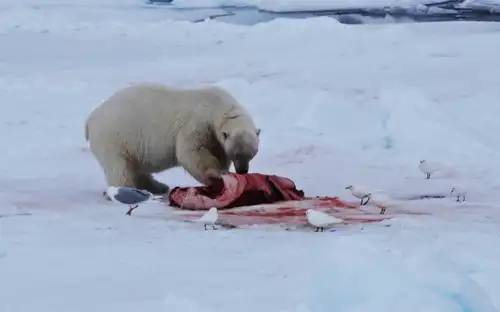
For several hours, we had been navigating the pack ice in search of polar bears. Despite numerous binoculars scanning the ice, no bears were visible, and only a few tracks were found. This suggested we might be in an area with fewer bears. Later that morning, we decided to head a few miles east, suspecting a higher bear population there.
Blog
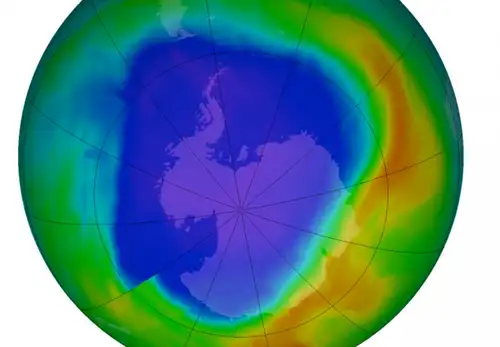
The ozone layer in Antarctica
An ozone molecule is composed of three oxygen atoms rather than the usual two. It exists in the atmosphere in trace amounts. Ozone molecules are created through the interaction of ultraviolet (UV) radiation from the sun with oxygen molecules: When an O2 molecule is split, the two free oxygen atoms bond with other O2 molecules to form O3 molecules.

Blog
11 Seals You May See in Antarctica or the Arctic
1. Weddell seals – These seals are known for their calm demeanor and spend most of their lives beneath the Antarctic ice. Although they need to come up for air, they can remain underwater for up to 45 minutes. Weddell seals can dive to depths of 610 meters (2,000 feet) in search of food. These vocal animals usually have one pup annually and can grow up to 3 meters (10 feet) and weigh 544 kg (1,200 lbs).
Blog
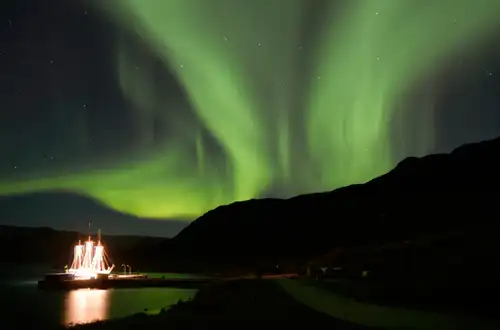
The Northern Lights dancing across the skies
The Northern Lights typically manifest in a belt with a radius of 2,500 kilometers centered on the magnetic North Pole. This auroral zone spans northern Scandinavia, Iceland, the southern tip of Greenland, and continues over northern Canada, Alaska, and along the northern coast of Siberia.
Blog
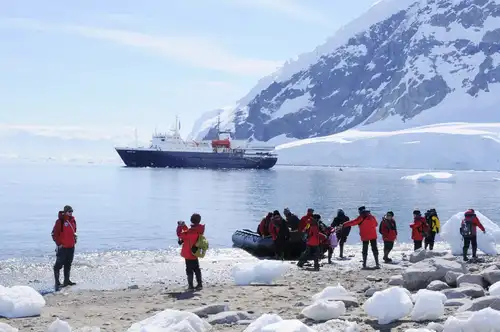
The Seven Best Things to Do in Antarctica
Unless you’re a scientist, there’s no such thing as a means-to-an-end trip to Antarctica.
Blog
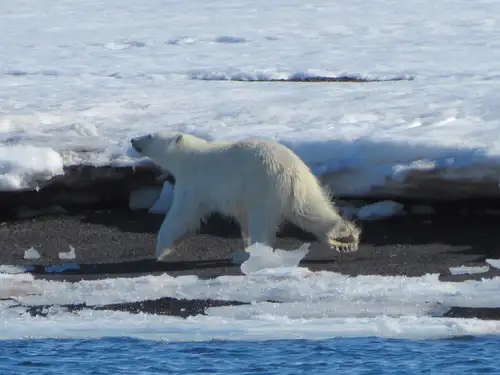
Polar bear feast
The polar bear was relishing his meal; the snow and his face were turning red from the blood. As we observed him eating, our own stomachs began to grumble. It was time for lunch.
Blog
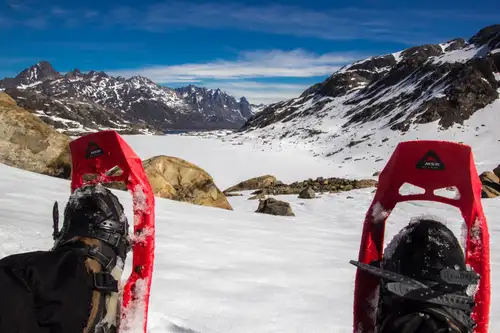
Five Reasons Why Snowshoeing is a Perfect Polar Activity
One of the most beloved polar sports is also one of the oldest. Snowshoeing has been the preferred means of foot travel in the Arctic since antiquity, and in the years since Antarctica was discovered, it has been highly popular among researchers and polar tourists alike.
Blog
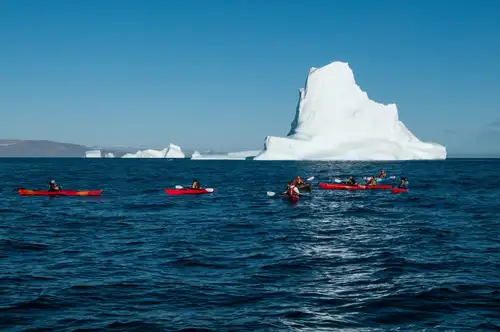
Kayaking In Greenland
Think of Greenland and two images come to mind:
Blog
Antarctica in Pictures: Photos from 2018
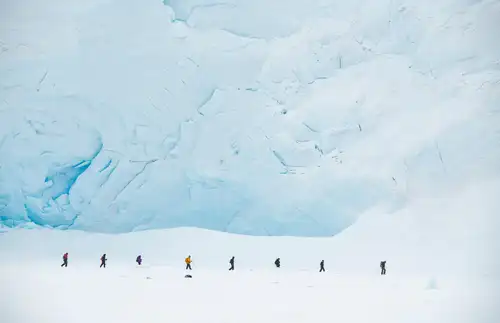
Pictures can never truly capture the essence of an experience, and this is especially true for the breathtaking adventures in Antarctica.
Blog
Spitsbergen: Alkefjellet magic
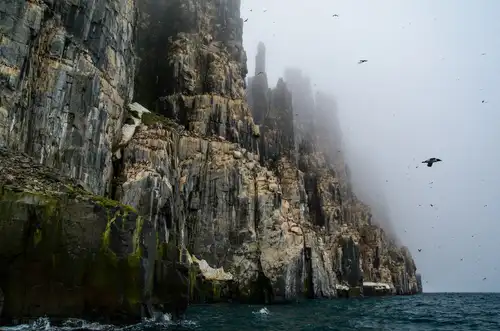
If they knew their way home, why not follow them? Equipped with GPS and compass, we approached the cliffs by zodiac. First, we heard the noise from the colony – the distinct calls of guillemots, kittiwakes, and Glaucous gulls. Then the cliffs gradually emerged from the mist.

Blog
Six Must-See Svalbard Sites
It's home to humanity's last-ditch supply of crop seeds, the world's northernmost settlement of over 1,000 people, and it is one of the best places on Earth to spot a polar bear.
Blog
10 Traits of Post-Ice-Age Greenland
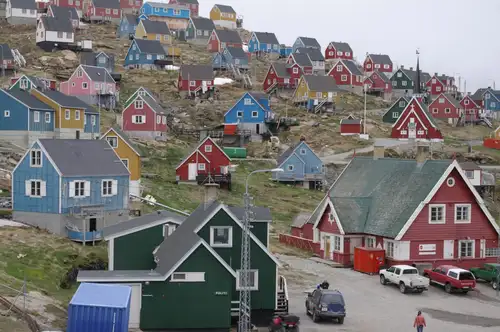
Grasses, sedges, and other species of heath were the first arrivals, and are still commonly found in Greenland. Scientists have been able to work out how plants colonised Greenland by examining ancient pollen samples found in deposits at the bottom of lakes: Dwarf birch came to western Greenland around 9,000 years ago, and around 4,500 years ago – roughly the same time humans were first boating onto Greenland shores – green alders were taking up residence there.
Blog
Antarctica: When to Visit, How to Plan, What to Expect
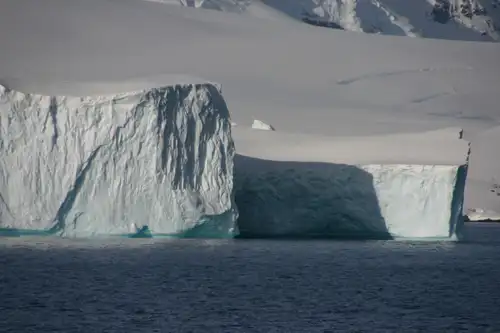
Antarctica is an astonishing location loved in equal measure by ice enthusiasts and continent hoppers, but it also asks a lot in return for its prestigious polar status.
Blog
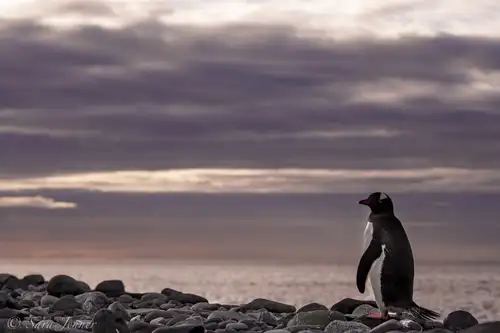
Penguin Wisdom: Life Lessons from Our Favorite Flightless Birds
As enthusiasts of wildlife travel, we believe every creature has something valuable to impart - from the grand blue whale to the tiny cephalopod, the formidable polar bear to the elusive Arctic fox.
Blog
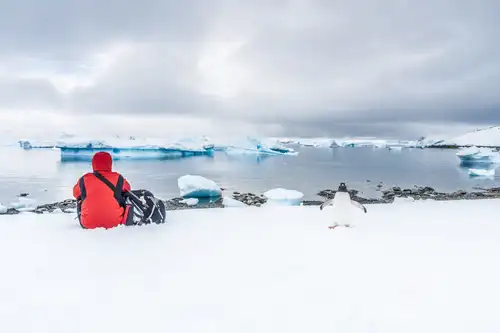
Adding Antarctica to Your Seven-Continents Bucket List
Many travelers aspire to visit all seven continents, a goal that fits naturally with the concept of a "bucket list," a term popularized by the 2007 movie.
Blog
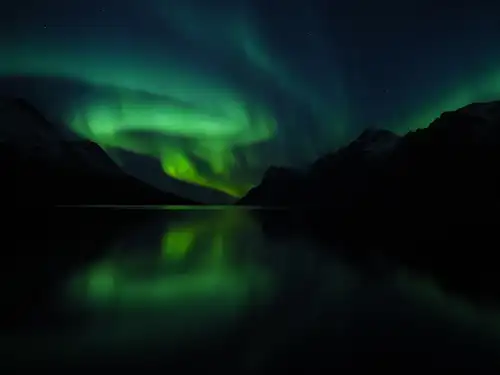
10 Illuminating Facts about the Northern Lights
In Roman mythology, Aurora was the goddess of the dawn. The term "borealis" is derived from the Greek word for "wind." Thus, "aurora borealis" translates to "dawn wind," commonly known as the Northern Lights. This natural phenomenon has captivated humanity for millennia and remains a major attraction in the Arctic, with numerous cruises dedicated to witnessing this mesmerizing light display.
Blog
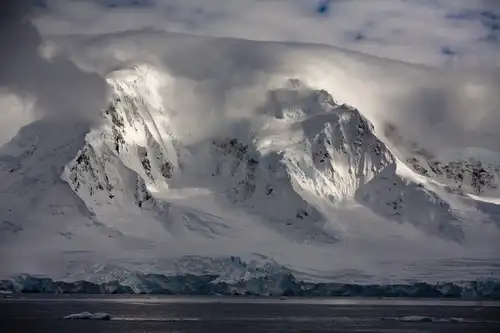
The Ancient Fossil Forests of Antarctica
Over a hundred years ago, Robert Falcon Scott’s expedition to Antarctica discovered fossils of plants on the Beardmore Glacier, less than 500 km (310 miles) from the South Pole. Edward Wilson, who was the expedition’s chief scientist, recorded the findings in his diary, stating that “most of the bigger leaves were like beech leaves in shape and venation.”
Blog
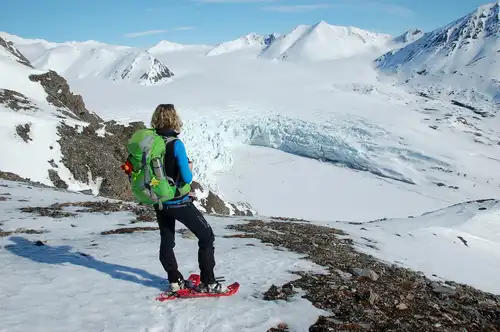
Arctic on Foot: Hiking and Snowshoeing the Far North
The focus of our voyages is always to get you off the ship and into the action as frequently as possible. While we travel from site to site on ice-strengthened vessels, our expeditions are crafted to provide you with the maximum firsthand experience of the polar regions and their unique wildlife.