



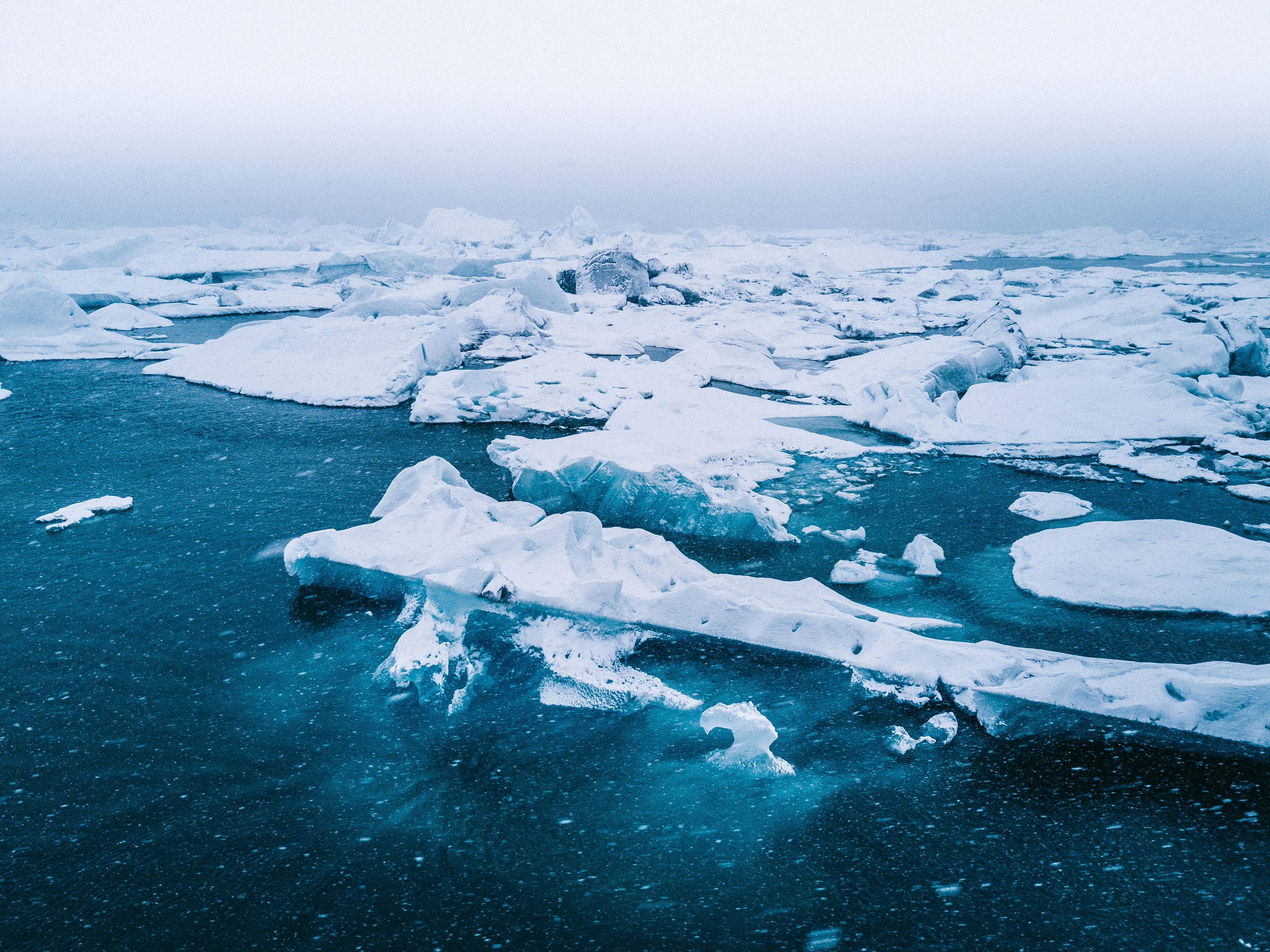
Show More

Blog


Blog
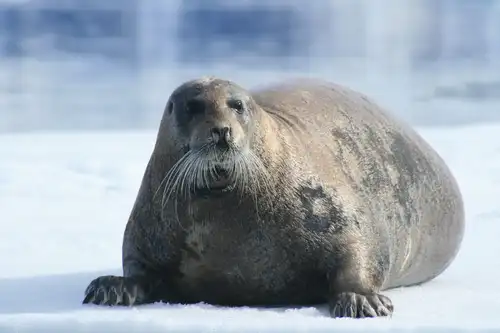
Arctic Seals
Owing to the large landmasses that populate the Northern Hemisphere, the Arctic boasts the most diverse wildlife among the planet’s polar regions. Some of the most captivating Arctic animals are the marine mammals found just offshore.
Blog
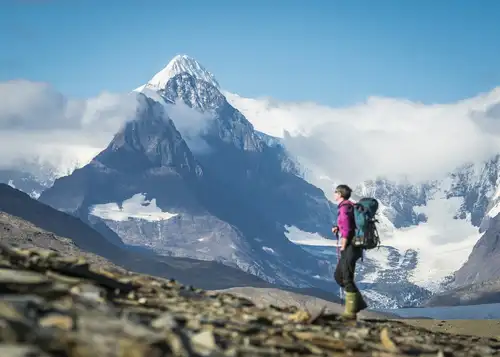
15 Fantastic Photos of Antarctica
It is often said that it's impossible to take a bad picture in Antarctica.
Blog
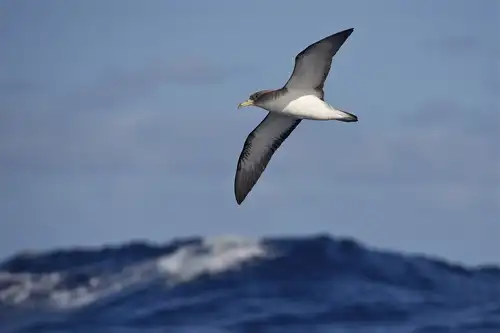
Islands of the Blessed: Things to Do Around Cape Verde
We visit Cape Verde and its capital city of Praia during our occasional St. Helena to Cape Verde voyages. Characterized by peaceful days at sea, these trips allow you to see some of the lesser-known gems of the Atlantic.
Blog
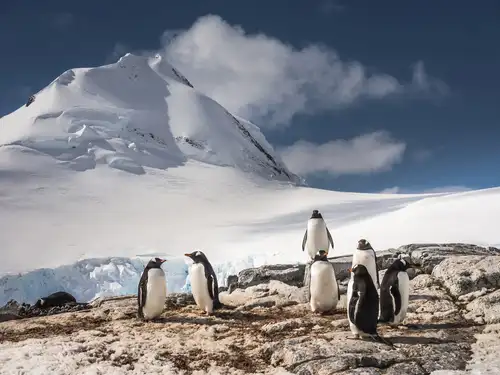
Antarctica Cities (and Five Other Things That Don’t Exist There)
Why write about what you won't find in Antarctica? Most travel blogs highlight what a destination offers, but many polar tourists visit Antarctica to experience a new world and escape their old one.
Blog
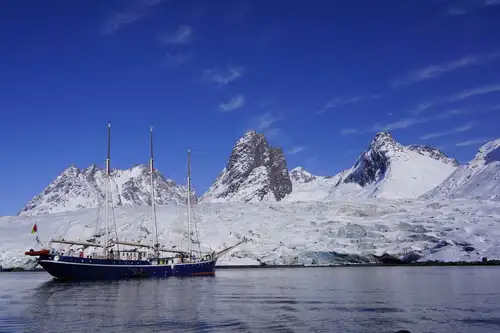
5 Misconceptions You Might Have About Greenland
Blog
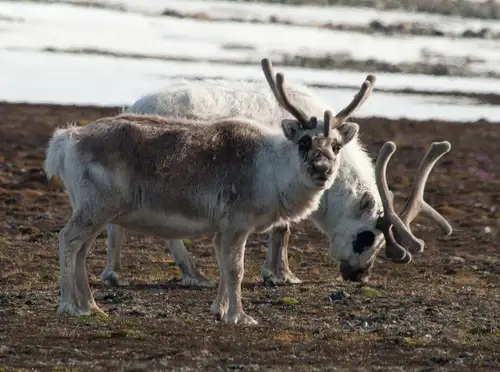
Amphibian, reptiles and herbivore mammals in the Arctic
Arctic ecosystems are relatively young in geological terms, having primarily developed over the past three million years. Generally, species richness is lower in the Arctic compared to more southerly regions, aligning with scientific observations that biodiversity decreases from the Equator to the poles.
Blog
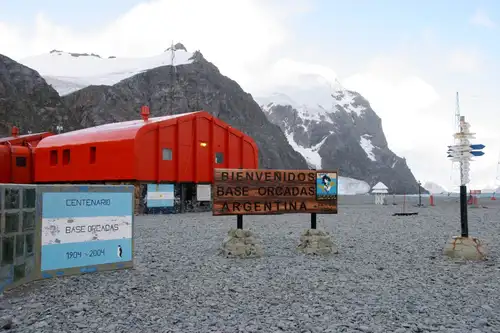
A Look Into the International Research Stations of Antarctica
In 1902, William S. Bruce, along with a team of naturalists, explorers, and sailors, embarked on the first Scottish expedition to Antarctica’s South Pole aboard the Scotia. The Scottish National Antarctic Expedition (SNAE) aimed to establish the continent's first meteorological station and explore its largely undocumented biological, topographic, and meteorological features.
Blog
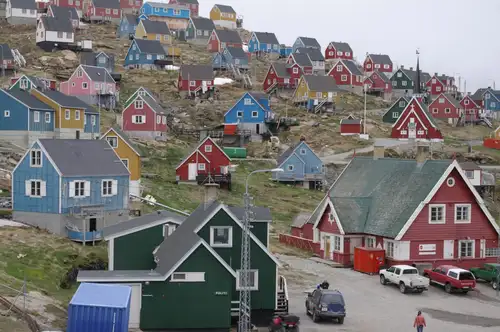
10 Traits of Post-Ice-Age Greenland
Grasses, sedges, and other species of heath were the first arrivals, and are still commonly found in Greenland. Scientists have been able to work out how plants colonised Greenland by examining ancient pollen samples found in deposits at the bottom of lakes: Dwarf birch came to western Greenland around 9,000 years ago, and around 4,500 years ago – roughly the same time humans were first boating onto Greenland shores – green alders were taking up residence there.
Blog
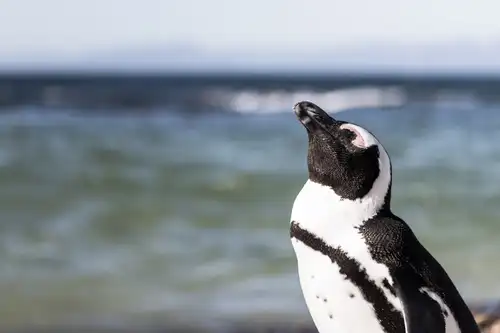
How Arctic Wildlife Differs from Antarctic
While the north and south poles share certain characteristics, they are also remarkably distinct. Both regions are cold and dry, yet each has its own unique terrain and climate. The Antarctic is particularly harsh and inhospitable, with only two native vascular plant species, whereas the Arctic tundra supports a wider range of fauna due to its relatively warmer temperatures and greater plant diversity. Here are some of the animals you can find in the Arctic compared to the Antarctic.
Blog
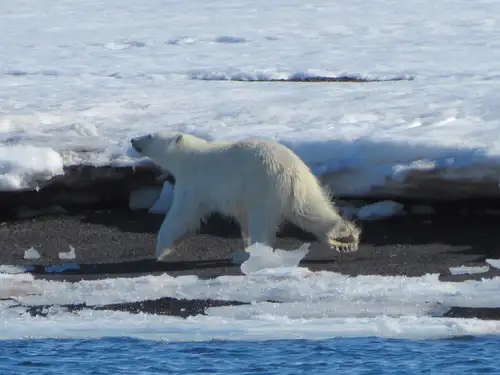
Polar bear feast
The polar bear was relishing his meal; the snow and his face were turning red from the blood. As we observed him eating, our own stomachs began to grumble. It was time for lunch.
Blog
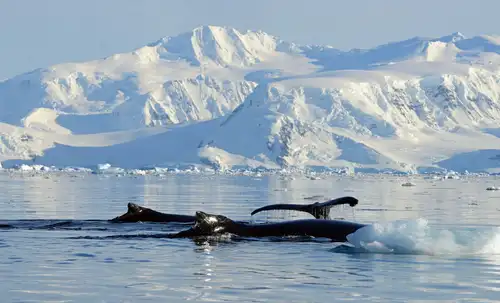
Humpback Whales: the Stars of the Western Antarctic Peninsula
The marine ecosystem of the West Antarctic Peninsula (WAP) stretches from the Bellingshausen Sea to the northern tip of the peninsula. This region includes the Antarctic Sea Ice Zone, a highly productive area that supports large populations of marine mammals, birds, and Antarctic krill. One of the highlights of this region, which you can observe on a whale-spotting Antarctica cruise, is the humpback whale.
Blog
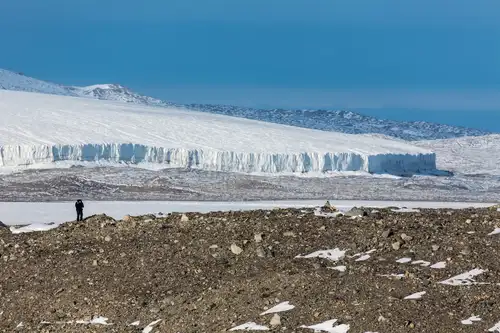
The Secret Life of Glaciers: How They Form, Move, and Melt
One of the most awe-inspiring natural wonders you can witness on an Arctic or Antarctic expedition is glaciers. These immense ice formations have been gradually moving from the mountains to the oceans for countless years, acting as both time capsules and indicators of our rapidly changing environment.
Blog
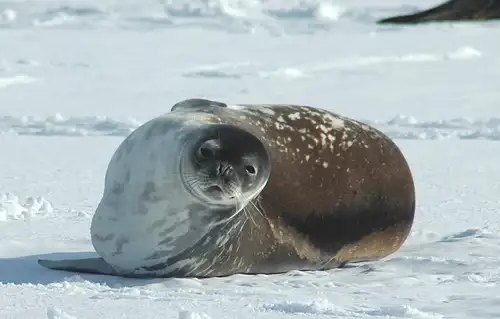
Weddell seals: The data collectors scientists of Antarctica
Weddell seals inhabit some of the coldest and darkest waters deep within the Ross Sea ice, making them the southernmost naturally occurring mammals on Earth. During the winter and summer months, their movements are largely governed by the presence of sea ice and the availability of suitable breathing and exit holes.
Blog
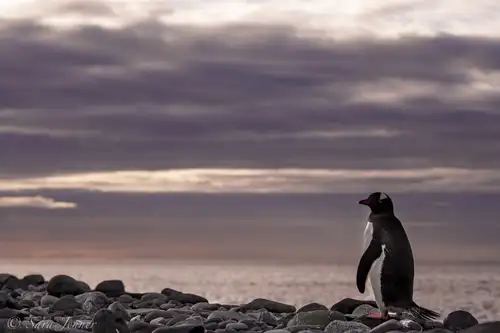
Penguin Wisdom: Life Lessons from Our Favorite Flightless Birds
As enthusiasts of wildlife travel, we believe every creature has something valuable to impart - from the grand blue whale to the tiny cephalopod, the formidable polar bear to the elusive Arctic fox.
Blog
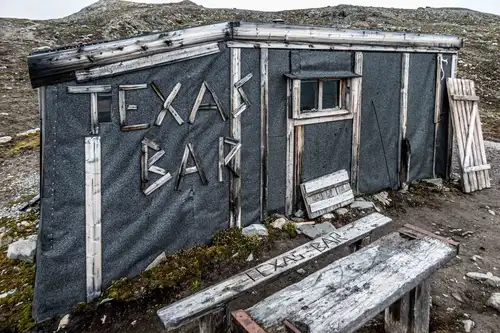
Svalbard’s Texas Bar
Texas Bar is one of the historic areas we visit on certain Svalbard trips, and it always proves to be a cherished landing site among both our guides and guests. This might be surprising, however, given that its name can be a bit misleading.
Blog
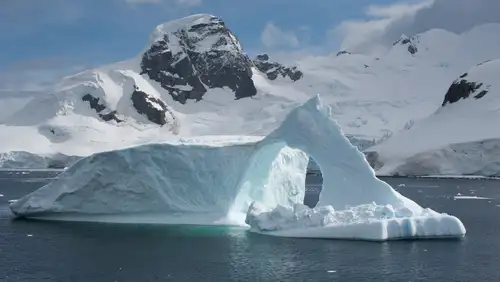
All things ice in the Antarctic
The first documented sighting of an iceberg in Antarctica occurred on February 1, 1700, when Edmond Halley was on an expedition to measure the Earth's magnetic field. He noted in his diary that he encountered "great Islands of Ice, of Soe Incredible a hight and Magnitude that I scare dare to write my thoughts on it."
Blog
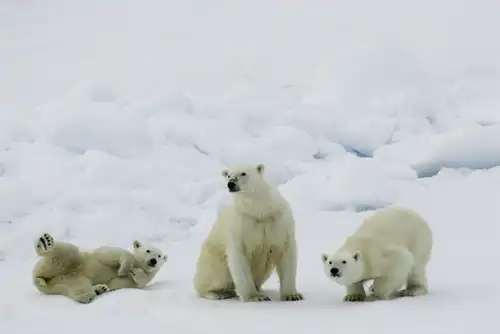
Polar bear encounter in Spitsbergen
I watch the sea ice from the bridge of a ship in one of the fjords of Spitsbergen, an archipelago north of Norway. I observe a perfectly adapted animal moving on the ice, the results of hundreds of thousands of years of ecological fine-tuning. Snowshoe-sized paws distribute weight, fur handles the cold and sunlight to perfection, and an incredible sense of smell samples this monochromatic realm.
Blog
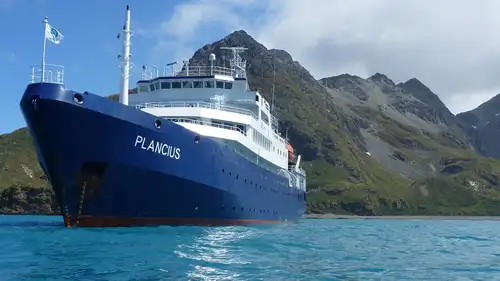
A Day on m/v Plancius
Stepping aboard this long-running expedition vessel, it’s easy to forget that she’s been making voyages to the polar regions since “Afternoon Delight” by Starland Vocal Band was on the Billboard Hot 100.
Blog
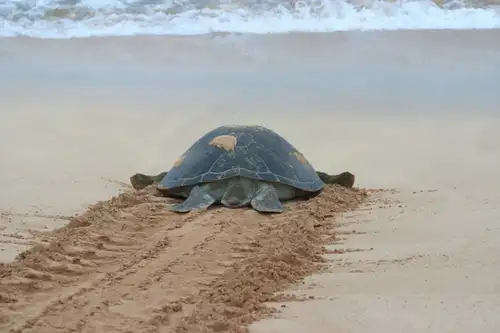
The Overlooked Treasures of Ascension Island
If you know anything about Ascension Island, which is unlikely, it probably has to do with the green turtle breeding population that exists there.
Blog
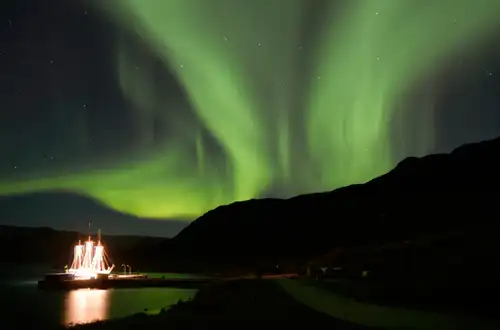
The Northern Lights dancing across the skies
The Northern Lights typically manifest in a belt with a radius of 2,500 kilometers centered on the magnetic North Pole. This auroral zone spans northern Scandinavia, Iceland, the southern tip of Greenland, and continues over northern Canada, Alaska, and along the northern coast of Siberia.