


Show More
Blog


Blog
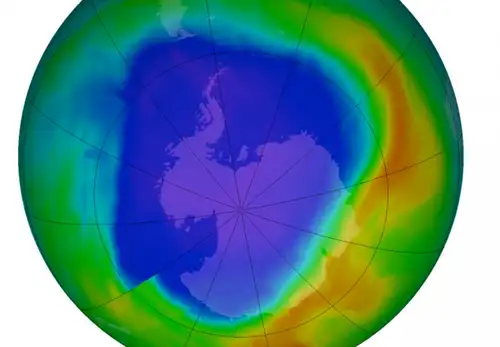
The ozone layer in Antarctica
An ozone molecule is composed of three oxygen atoms rather than the usual two. It exists in the atmosphere in trace amounts. Ozone molecules are created through the interaction of ultraviolet (UV) radiation from the sun with oxygen molecules: When an O2 molecule is split, the two free oxygen atoms bond with other O2 molecules to form O3 molecules.

Blog
Explore Antarctica Without Leaving Your Couch
There are numerous ways to embark on an Antarctica expedition from the comfort of your home. Explore these fantastic resources to experience the White Continent without leaving your couch.
Blog
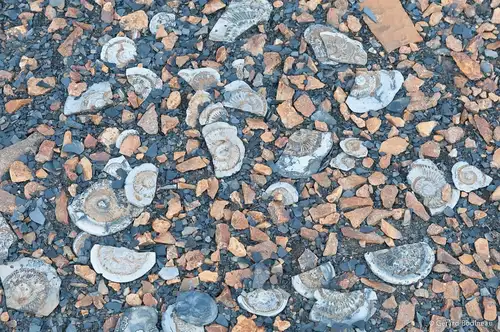
Svalbard a Disneyland for geologists
Svalbard is situated in the north-western corner of the Eurasian plate. Historically, Svalbard was part of a vast continent that included North America, Greenland, and Eurasia. At one point, both Northeast Greenland and Svalbard were submerged under the ocean before resurfacing.

Blog
What to Pack for Your Expedition Cruise to the Arctic or Antarctica
It’s easy to get confused about what to pack for a polar cruise. Some items are provided and some are not, and it’s not always clear which is which. This article will make your polar pack list painstakingly clear. Promise.
Blog
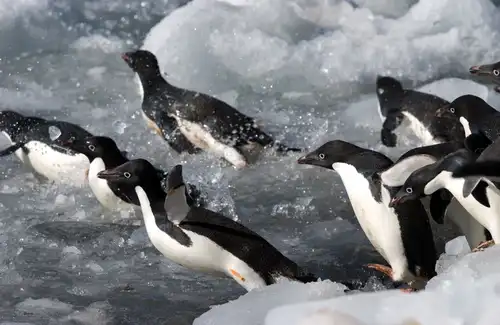
Adélie Penguins: the Little People of the Antarctic
Described as “an object of endless pleasure and amusement” by Apsley Cherry-Garrard, survivor of Robert Falcon Scott’s ill-fated Terra Nova expedition to the South Pole, the Adélie penguin stands with the regal and iconic emperor penguin as one of only two penguin species found on mainland Antarctica.
Blog
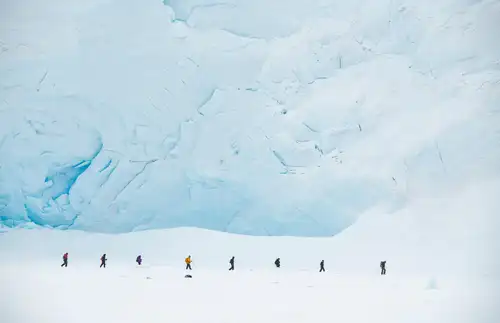
Antarctica in Pictures: Photos from 2018
Pictures can never truly capture the essence of an experience, and this is especially true for the breathtaking adventures in Antarctica.
Blog
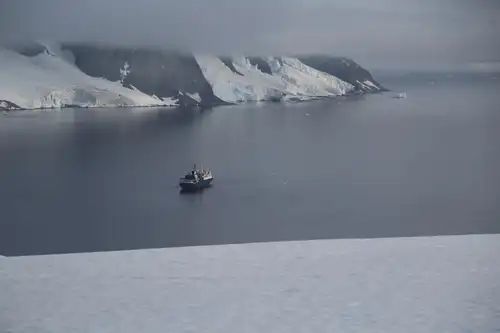
The Most Enchanting Antarctica Cruise Islands
Whether it’s Greenland in the Arctic or Snow Hill Island in Antarctica, the bulk of our polar expeditions take place around, between, and upon islands.
Blog
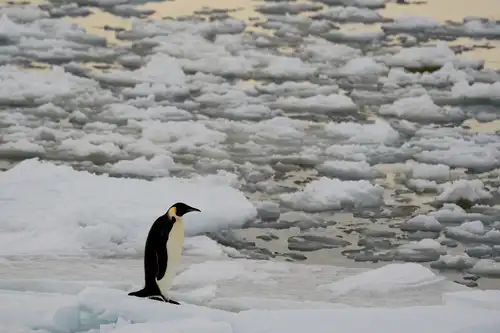
The Ways and Wildlife of the Weddell Sea
The Weddell Sea is situated off the coast of Antarctica, at the southernmost part of the Atlantic Ocean. Its coordinates are 75 degrees south and 47 degrees west, encompassing the Argentine, Chilean, and British territories of Antarctica. The severe weather and extensive pack ice have historically made the Weddell Sea challenging to access, but modern icebreaker ships are now enabling explorers to venture into this remote area.
Blog
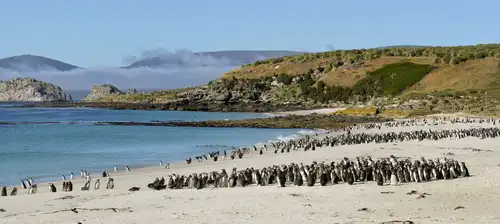
17 Reasons to Cruise the Falklands
Maybe you’ve already marveled at the colossal penguin colonies of South Georgia, sailed among the plunging seals of the Antarctic Peninsula, and watched whales in the Weddell Sea lunge among titanic tabular icebergs.

Blog
The Arctic’s Most Phenomenal Fjords
Fjords are often linked with Norway, but they are not exclusive to that region. They are a common feature of the Arctic and are major attractions in Greenland and Svalbard.
Blog
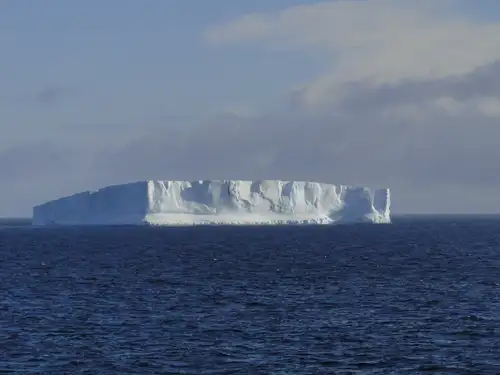
Weddell Sea: the Original Antarctic Adventure
According to historian Thomas R. Henry, visiting the Weddell Sea requires a brave heart. In his 1950 book, "The White Continent," he described sudden “flash freezes” that occur in the region. It was one of these flash freezes that trapped Ernest Shackleton’s ship, Endurance, in January 1915, forcing his crew to endure over a year in the harsh environment before they could escape.
Blog
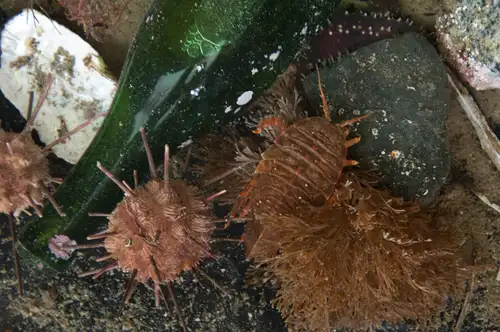
Deep Sea Dwellers: 10 Facts about The Antarctic Giant Isopod
On average, the Giant Antarctic Isopod grows to 9cm (3.5in.) in length. This may not seem very large, but factors including low light levels, freezing cold water, and a lack of oxygen prevent these isopods from growing very large. Other species of isopods, including the Giant Isopod, have been known to grow up to 40 cm (16 inches) in length!
Blog
Weddell Sea, Shackleton’s Endurance, and New Swabia
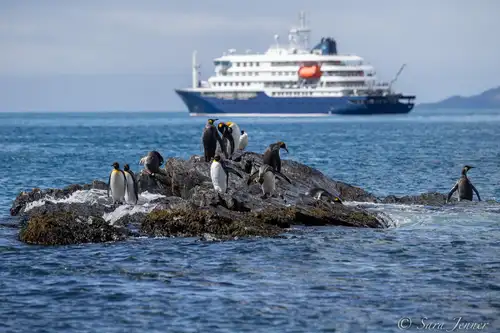
Our Antarctica 2023-24 cruise program is packed with incredible expeditions, including a new itinerary that explores key locations such as South Georgia, the Weddell Sea, and the more easterly region of New Swabia (Neuschwabenland).
Blog
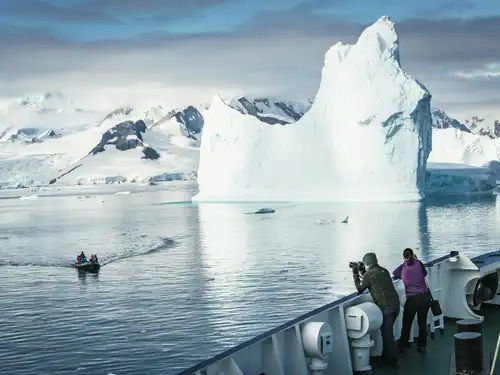
Antarctic Explorer’s Voyage
There’s off the beaten track, and then there’s really off the beaten track.
Blog
Earth vs. Mars: Polar Regions Compared
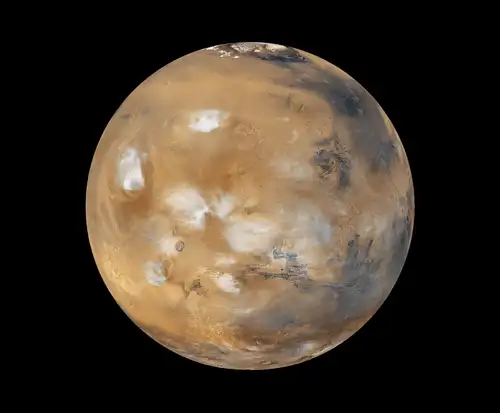
It’s well-known that Mars, like Earth, has its own polar regions, often referred to as the Martian ice caps. These regions, similar to Earth's, are situated at the north and south poles and experience much lower temperatures compared to the areas in-between.
Blog
Life in the Polar Regions
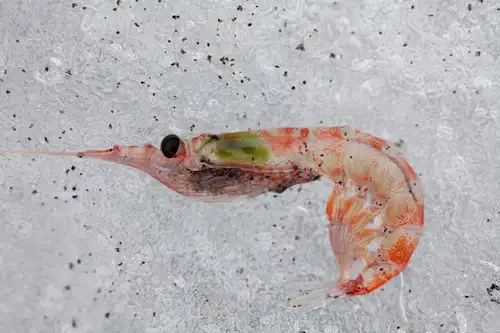
Polar bears in the Arctic, penguins in Antarctica.
Blog
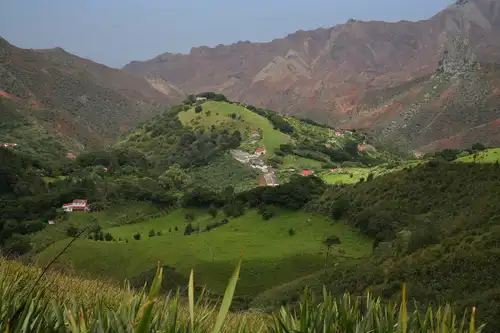
Five Reasons to Love St. Helena
Being one of the most remote islands on Earth gives St. Helena a unique allure. Named after a Roman empress and the mother of Constantine the Great, this island also holds the distinction of being Napoleon’s final place of exile, making it a fascinating topic of conversation.

Blog
A Diving Dream Fulfilled
Last January, Mark Hatter achieved a dream he’d been training for over two years. Booking his berth aboard the m/v Ortelius and making the long flight to Ushuaia, Argentina, he and two of his friends sailed down the famous Drake Passage, bound for Earth’s southernmost continent. But their Antarctica trip was not just about shoreline walks and photographing penguins.
Blog
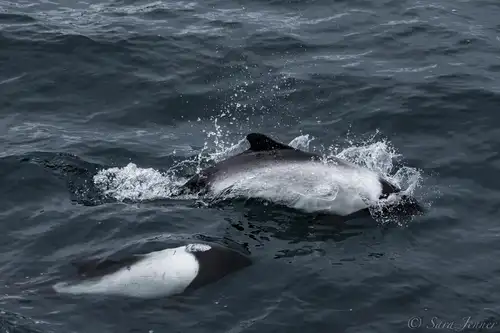
The Small but Social Commerson’s Dolphin
Despite being one of the lesser-known Antarctic cetaceans, Commerson's dolphins are quite social and have been given various names over the years, including Piebald dolphins, skunk dolphins, and panda dolphins. These names have been in use since their discovery in 1767 by French naturalist Philibert Commerson.
Blog
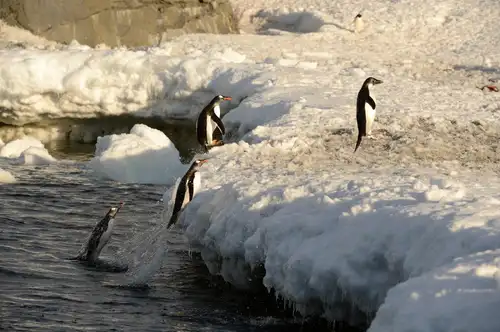
10 Terrific Antarctic Bird Facts
Antarctica is a premier destination for birdwatching, boasting around 45 unique species. Describing them all would require an extensive article, so here we will focus on 10 fascinating facts about the birds you can encounter in Antarctica.