


Show More
Blog


Blog
Adding Antarctica to Your Seven-Continents Bucket List
Many travelers aspire to visit all seven continents, a goal that fits naturally with the concept of a "bucket list," a term popularized by the 2007 movie.
Blog
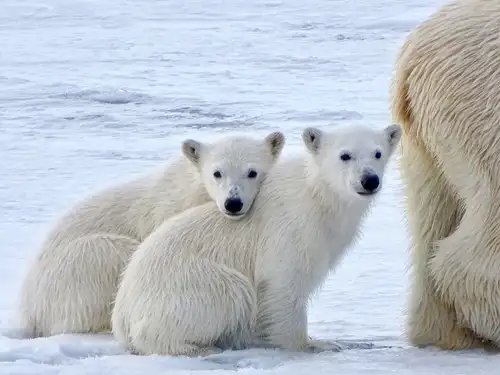
Where the Polar Bears Roam
Going to the Arctic without clapping eyes on a wild polar bear can be reasonably compared to visiting Africa without seeing a giraffe or a zebra or, most analogously, a lion.
Blog
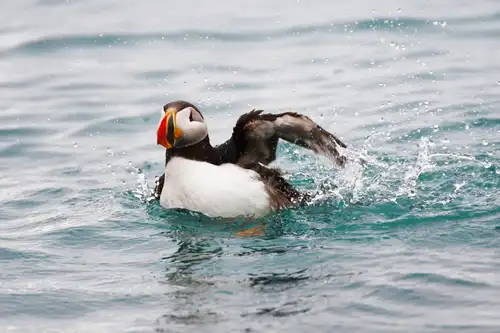
Puffins: Clown Birds of the Atlantic
Puffins are part of a family of 22 seabird species known as auks, which are pigeon-sized birds that thrive on a diet of small fish and crustaceans.
Blog
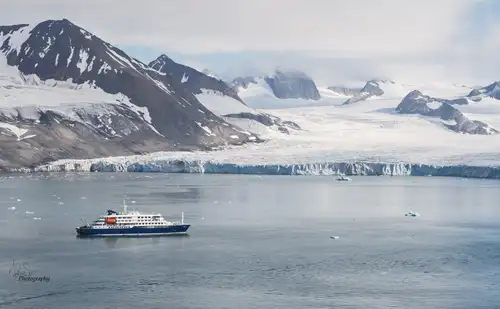
What’s so Special about East Spitsbergen?
We’ve previously discussed our north Spitsbergen journeys and Spitsbergen circumnavigations, but the eastern parts of this incredible island have not received the attention they deserve. Despite the name, our east Spitsbergen voyages explore much more than just the eastern side of Spitsbergen.
Blog
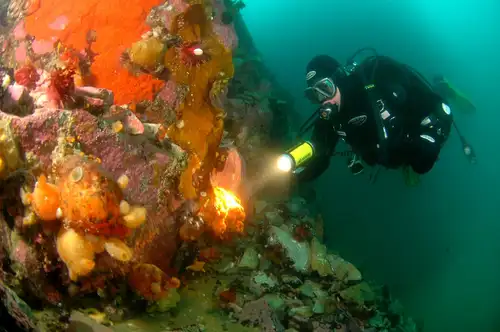
Diving in Antarctica: The Ultimate Underwater Experience
Ice diving offers an extraordinary experience on an Antarctica diving trip. The dive sites are teeming with a unique array of colorful marine life, including penguins and leopard seals, which are exclusive to this region.
Blog
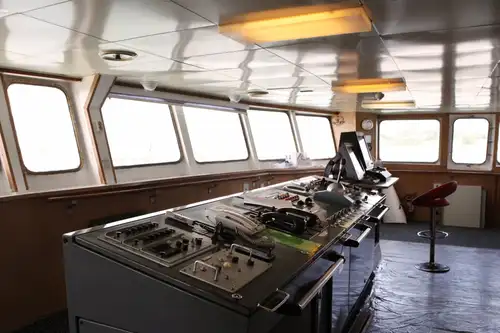
Navigating by touch through the sea ice
Ships are meant to glide effortlessly through calm waters, but our Greenland expedition vessel Ortelius is shuddering and wiggling as it navigates through the calm yet frozen waters between Svalbard and the islands. We’re on the North Atlantic Odyssey, a journey that starts in continental Europe and concludes near the North Pole in Svalbard. Onboard are 115 enthusiastic passengers. Most of them are currently on the outer decks, cameras in hand, captivated by the sea ice.

Blog
8 Whales You Might See During Your Antarctica Cruise
They're powerful, beautiful, and really, really big. Whales are a wonder of the natural world, and one of the best places to see them is Antarctica. In fact, whale watching is one of the most popular and rewarding activities you can enjoy on an Antarctic trip.
Blog
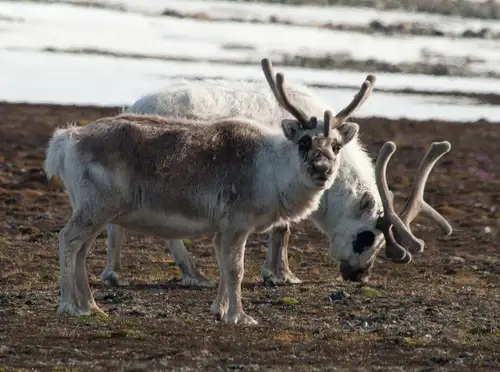
Amphibian, reptiles and herbivore mammals in the Arctic
Arctic ecosystems are relatively young in geological terms, having primarily developed over the past three million years. Generally, species richness is lower in the Arctic compared to more southerly regions, aligning with scientific observations that biodiversity decreases from the Equator to the poles.
Blog
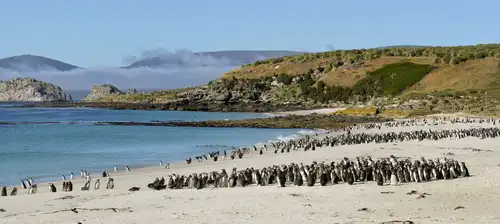
17 Reasons to Cruise the Falklands
Maybe you’ve already marveled at the colossal penguin colonies of South Georgia, sailed among the plunging seals of the Antarctic Peninsula, and watched whales in the Weddell Sea lunge among titanic tabular icebergs.
Blog
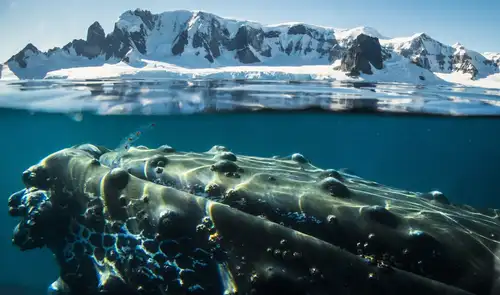
Baleen Whales – The Gentle Giants of the Ocean
They are the largest animals on Earth, yet they thrive on some of the tiniest creatures. These giants can reach lengths of 30 meters (90 feet), but it is the microscopic zooplankton, krill, and small fish that sustain them. These are the baleen whales. Unlike toothed whales, baleen whales lack teeth. Instead, they use plates of baleen in their mouths to trap and consume their tiny prey.

Blog
Six Must-See Svalbard Sites
It's home to humanity's last-ditch supply of crop seeds, the world's northernmost settlement of over 1,000 people, and it is one of the best places on Earth to spot a polar bear.
Blog
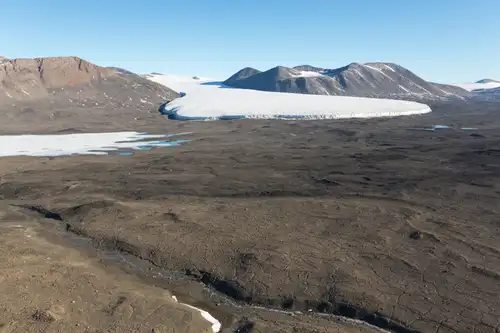
The Dirty Details of Antarctica's Dry Valleys
Situated on the western coast of McMurdo Sound, the McMurdo Dry Valleys represent the largest ice-free region in Antarctica.

Blog
What to pack for your Atlantic Odyssey voyage?
When packing, avoid burdening yourself with excessive clothing or gear. Opt for casual, practical attire that can be layered. Consider including the following:

Blog
Day and night in Antarctica
At the Concordia station, a French-Italian research facility situated 3,233 meters above sea level at Dome C on the Antarctic Plateau, European Space Agency (ESA) scientists are investigating the effects of extended space missions. The station is more isolated than the International Space Station, with the nearest humans located 600 kilometers away.

Blog
The Arctic Hare: Easter Bunny
Although the Arctic hare’s stern expression might make it seem like the least amused member of a serious tribunal, this polar animal is actually one of the most charming creatures on the planet – especially when Easter Sunday comes around.
Blog
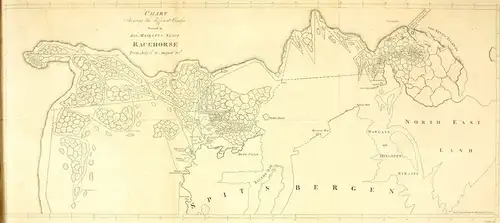
First to the North Pole: Five Failed but Brave Expeditions
Being first to reach the North Pole was seen by several nations as economically invaluable due to the open polar sea said to encircle it, but for the explorers themselves it was also a gloriously adventurous grab for immortality.

Blog
Seven Tips to Get the Most out of Your Expedition Cruise
Polar cruises are easy to enjoy, but there’s an art to getting the most out of them.
Blog
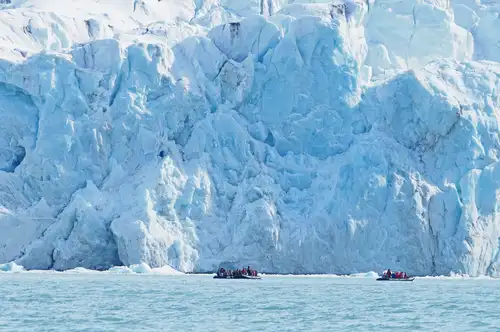
Get to Know Your Ice
Ice plays a crucial role in everything from cooling your drink to regulating the planet's temperature. Let's explore the various forms of ice you might encounter during an Arctic or Antarctic adventure.
Blog
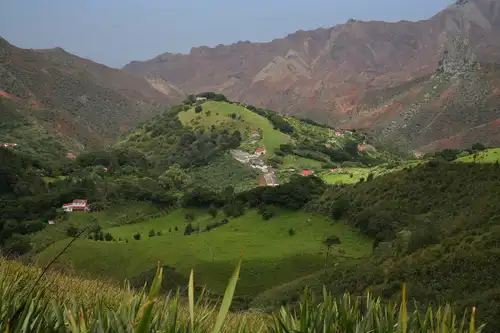
Five Reasons to Love St. Helena
Being one of the most remote islands on Earth gives St. Helena a unique allure. Named after a Roman empress and the mother of Constantine the Great, this island also holds the distinction of being Napoleon’s final place of exile, making it a fascinating topic of conversation.

Blog
The disastrous expedition in the Arctic west
In 1902, Otto Sverdrup, captain of the Fram on Nansen’s expedition, led his own Arctic expedition to the north of Canada. Over the period of the expedition, which started in 1898, Sverdrup and his 15-man crew charted over 250,000 square kilometres of the Arctic using the Fram and sledges. During the expedition Ellesmere Island’s west coast was explored and new islands discovered.