



Show More
Blog


Blog
Solargraphy & Pin Hole photography in the Arctic

Blog
Of Treacherous Rocks & Audacious Fin Whales
Soon large blows filled our view; small groups of fin whales sped by heading north all the while feeding on concentrations of krill & small fish. Group after group was seen, with many simply feeding in the general area and not heading anywhere in particular. Soon it became evident that we were not simply seeing a few random groups of fins, but a very large concentration spread out over a large area of sea just north and around the islands north of the South Shetlands. Dozens upon dozens of fin whales were feeding, diving around the ship and on the horizon in massive numbers; we must have seen well over fifty fin whales in the general area of Elephant Island, something many of the guides had never seen before.

Blog
Five Reasons to Love St. Helena
Being one of the most remote islands on Earth gives St. Helena a unique allure. Named after a Roman empress and the mother of Constantine the Great, this island also holds the distinction of being Napoleon’s final place of exile, making it a fascinating topic of conversation.
Blog
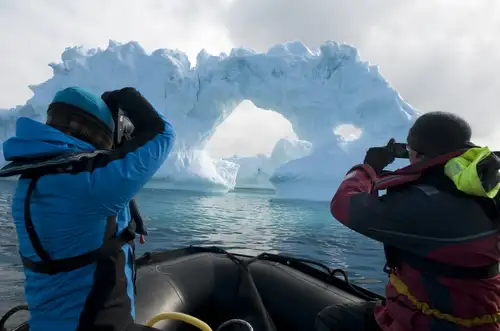
Under the Greenland Ice Sheet
Anyone who ventures to the right part of the globe can encounter vast amounts of ice, but a Greenland cruise offers something truly unique: ice sculptures hidden beneath the northern ice sheet. Scientists once thought these sculptures were rocky hills buried in ice, similar to the Ghost Mountains in Antarctica. However, it turns out that Mother Nature has crafted one of the most exclusive art exhibits in the world. These sculptures are not visible from the surface, but some scientists have managed to get a sneak peek using radar equipment.
Blog
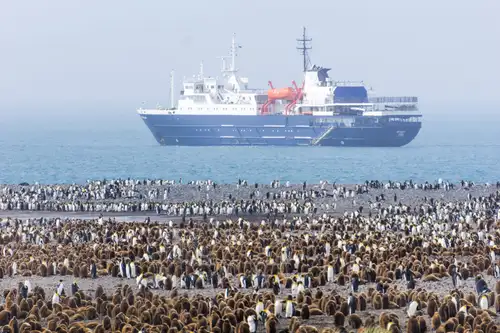
Three Antarctica Cruise Deals
For many travelers, Antarctica represents the ultimate polar destination. Its vast white landscapes offer an endless array of surreal vistas, much of its unique wildlife is found nowhere else on Earth, and its complete lack of an indigenous human population provides a sense of untouched seclusion that few other places can match.
Blog
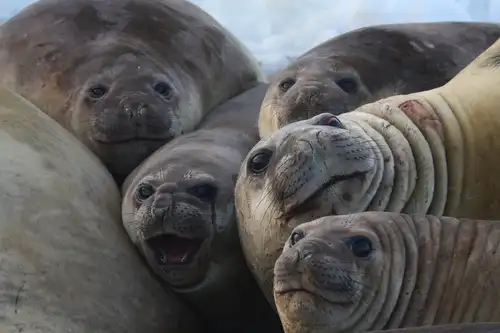
Large and in Charge: Antarctica’s Southern Elephant Seals
Southern elephant seals are the largest species of seal on the planet and a highlight among Antarctica cruise wildlife.

Blog
11 Seals You May See in Antarctica or the Arctic
1. Weddell seals – These seals are known for their calm demeanor and spend most of their lives beneath the Antarctic ice. Although they need to come up for air, they can remain underwater for up to 45 minutes. Weddell seals can dive to depths of 610 meters (2,000 feet) in search of food. These vocal animals usually have one pup annually and can grow up to 3 meters (10 feet) and weigh 544 kg (1,200 lbs).

Blog
Two for the Snow: Polar Cruises for Couples
Do you know the old saying, “Cold hands, warm heart”? In our opinion, that bodes well for couples who visit the polar regions.
Blog
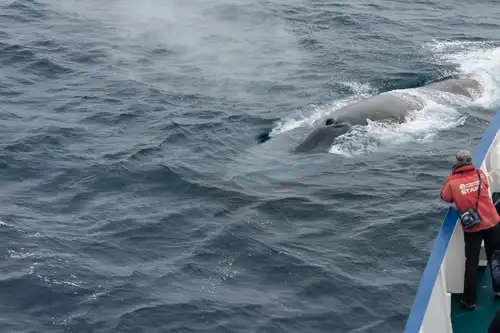
10 Bountiful Blue Whale Facts
The umbrella term “whale” refers to a wide variety of large marine mammals. To zero in on blue whales, however, we’ll need to unpack this term a bit. The Latin word for whale, cetus, is the root of the whale infraorder, Cetacea, the largest parvorder of which is Mysticeti.
Blog
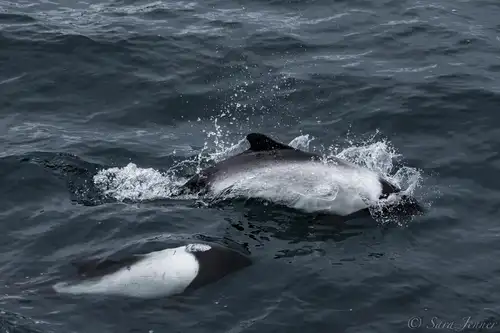
The Small but Social Commerson’s Dolphin
Despite being one of the lesser-known Antarctic cetaceans, Commerson's dolphins are quite social and have been given various names over the years, including Piebald dolphins, skunk dolphins, and panda dolphins. These names have been in use since their discovery in 1767 by French naturalist Philibert Commerson.
Blog
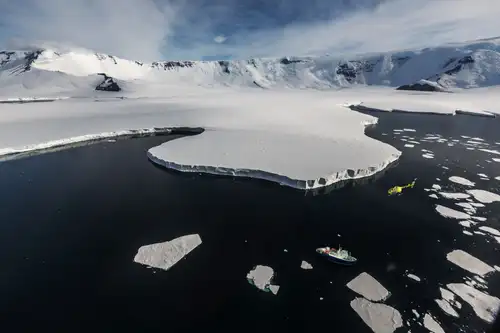
Taking a polar expedition cruise delivers no shortage of show-stopping highlights, but one of the most exhilarating is lifting off from the ship in a helicopter and taking flight over the incomparable Antarctic wilderness.
Embarking on a polar expedition cruise offers a plethora of breathtaking experiences, but one of the most thrilling is taking off from the ship in a helicopter and soaring over the stunning Antarctic wilderness.
Blog
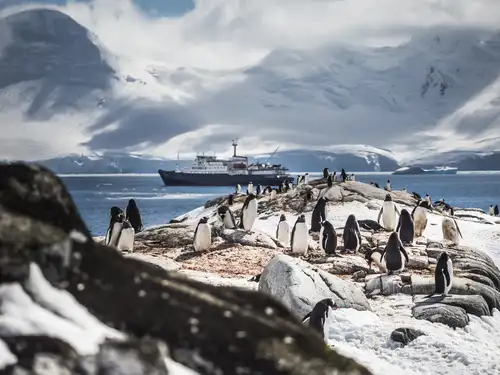
Top 10 Antarctic Attractions
There’s a reason people go to such lengths to visit Antarctica, and its abundance of whales, seals, penguins, and seabirds are only part of the polar story.
Blog
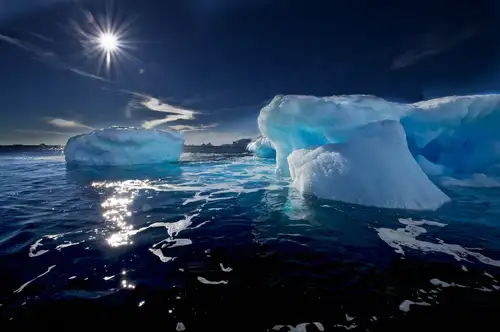
Everything you need to know about Antarctic icebergs
The ice in Antarctica might seem static, but it is constantly moving. Pieces of ice are continuously breaking off from ice shelves, glaciers, or other icebergs. They float freely along with the Antarctic currents, with about 90 percent of their mass below the surface of the water. This fact is actually what gave rise to the nowadays popular phrase “the tip of the iceberg”. Regardless, the sighting of the first iceberg is always a moment to celebrate in any and all Antarctic expeditions. So that you may appropriately ready yourself for that joyous moment, in this article you will find everything you need to know about Antarctic icebergs.

Blog
Polar Marine Visitors: the Whales of Antarctica and the Arctic
Whales are the world’s largest mammals, found in the Arctic and Antarctica. This article covers some of the major species you may see on voyages to these remarkable areas.
Blog
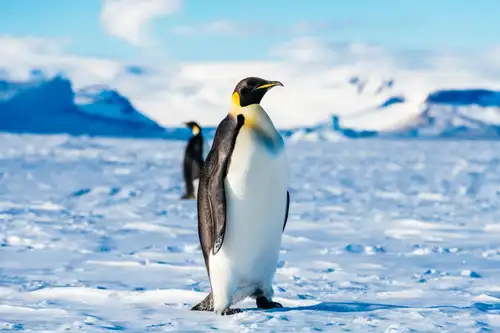
Penguins, Petrels, and Prions: Top Antarctica Bird Tour Spots
If anyone tells you Antarctica is for the birds, they’re right.
Blog
The Classic Polar Cruise: Antarctic Peninsula Facts, Pics, and More
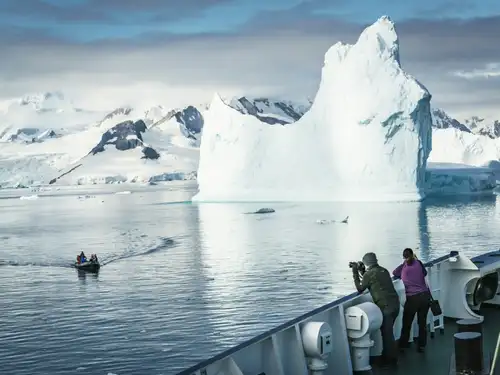
When it comes to experiencing the vast wonders of Antarctica, the Antarctic Peninsula stands out as an unparalleled destination.
Blog
A visit to the fascinating island of Jan Mayen
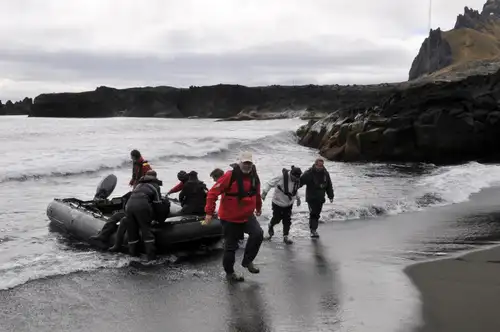
After exploring the remote island of Fair Isle, our Atlantic Odyssey voyage once more turned its attentions northwards and left the outer extremities of the UK behind. Our destination was Jan Mayen, a volcanic island situated on the mid-Atlantic ridge just north of 71° (about 550 kilometers north of Iceland and 450 kilometers east of Greenland).

Blog
The Eight Great Penguin Species of Antarctica
There are 17 species of penguin on the planet, but the eight you’ll most likely recognize live in Antarctica, its nearby islands, and the sub-Antarctic archipelagos of South Georgia and the Falklands. These are the core species we tend to see on our expedition cruises.
Blog
Harp seals harping on in Greenland
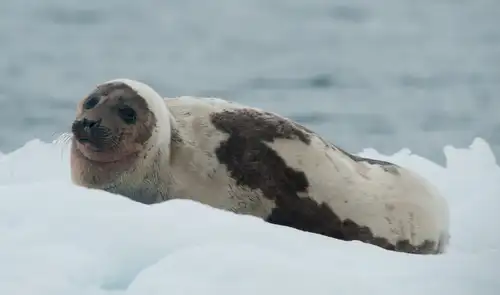
Harp seals are a moderately sized species, typically reaching about 1.6 meters in length and weighing around 130 kilograms. Both males and females are similar in size and weight, with males being only slightly larger. They possess a thick, robust body, a small broad and flat head, short narrow flippers, and a narrow muzzle.
Blog
Kayaking In Greenland
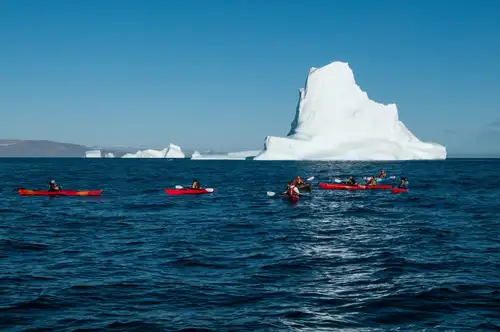
Think of Greenland and two images come to mind: