



Show More

Blog


Blog
Visa to Argentina for Antarctic Expedition Travelers (2025 Guide)
Introduction
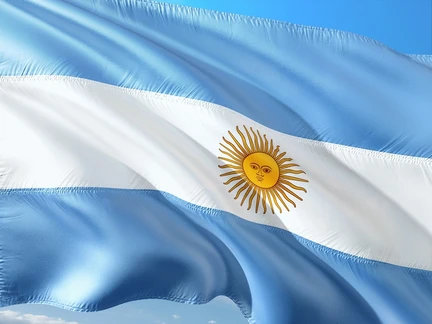
Argentina is the main gateway for travelers heading to Antarctica, with most expedition cruises departing from the southern city of Ushuaia. Whether you’re flying in through Buenos Aires or connecting domestically, knowing Argentina’s visa requirements is critical for a smooth journey before and after your polar adventure.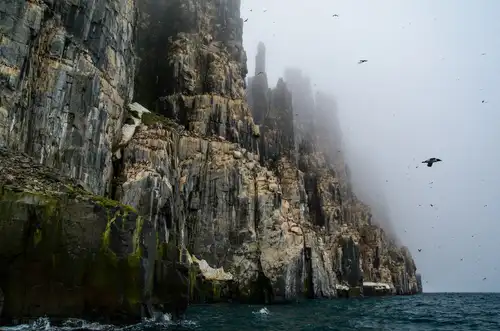
Blog
Spitsbergen: Alkefjellet magic
If they knew their way home, why not follow them? Equipped with GPS and compass, we approached the cliffs by zodiac. First, we heard the noise from the colony – the distinct calls of guillemots, kittiwakes, and Glaucous gulls. Then the cliffs gradually emerged from the mist.
Blog
All things ice in the Antarctic
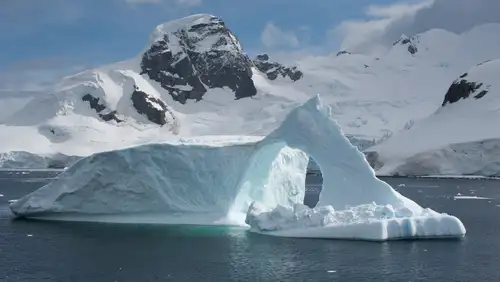
The first documented sighting of an iceberg in Antarctica occurred on February 1, 1700, when Edmond Halley was on an expedition to measure the Earth's magnetic field. He noted in his diary that he encountered "great Islands of Ice, of Soe Incredible a hight and Magnitude that I scare dare to write my thoughts on it."
Blog
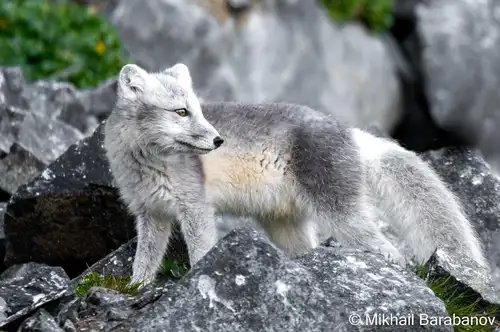
The Small Mammals of the Arctic and Antarctica
As Lillian Gish says in Night of the Hunter, “It’s a hard world for little things.”

Blog
The Eight Albatrosses of Antarctica and the Sub-Antarctic
Our guests are typically wildlife enthusiasts, with a particular interest in bird life. While many bird lovers focus on the penguins we encounter, there's a smaller yet equally passionate group that favors the more airborne seabirds. Among this birdwatching subset, the albatross is a species that garners (and deserves) significant attention.

Blog
Orcas of the Polar Seas
The orca, also known as the killer whale, is the apex marine predator and possibly the most widespread vertebrate on the planet. While they are most numerous in colder regions like Antarctica, Norway, and Alaska, they also inhabit tropical and subtropical seas. Here, we’ll explore some essential orca facts you might want to know before encountering them in person, concluding with a fantastic video showcasing our top ten favorite killer whale facts.
Blog
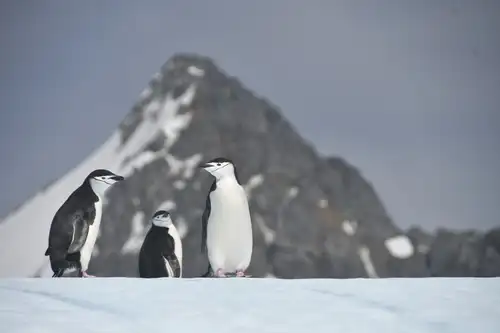
11 South Orkney Animals: Whales, Seabirds, and Penguins Aplenty
The South Orkney Islands are often overlooked as a destination for Antarctic travel.
Blog
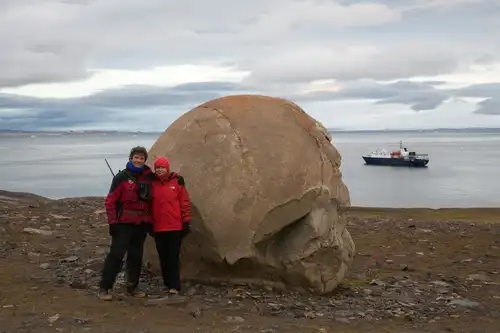
The Return to Franz Josef Land
As the possibility of international travel slowly returns, we are eagerly awaiting all the great locations, activities, and wildlife we might experience in the coming season. One of the things we’re most excited about is the return of our Franz Josef Land voyages.

Blog
Polar Cuisine in Pictures
Embarking on a polar expedition cruise to some of the world's most remote and wild locations doesn’t mean you have to compromise on fine dining.
Blog
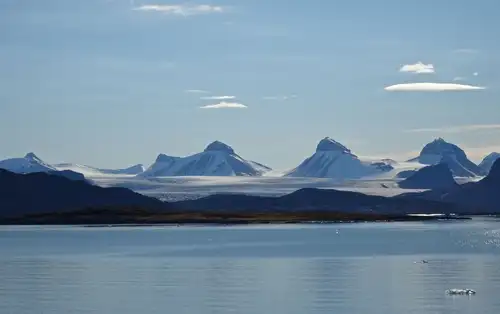
The Arctic Borderland of Kongsfjorden, Svalbard
Kongsfjorden is a glacial fjord in Svalbard that hosts a diverse array of flora and fauna.

Blog
Exploration of the Polar Regions
From the Vikings via the first whale and seal hunters to Scott and Amundsen, from the maritime explorers Franklin and Nordenskiöld to present-day polar tourism, a quick tour through history reveals some of the aspects which motivated people to extend their horizons. Existential need, sheer curiosity, imperial greed, polar science, and a taste for adventure all converged in regions which pardon no mistakes.
Blog
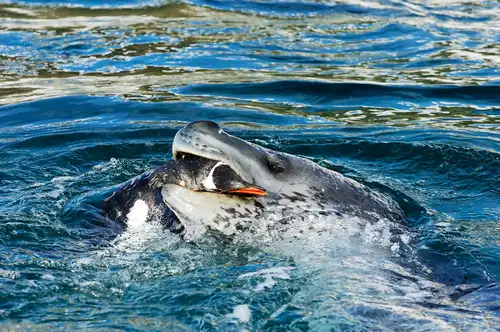
Danger Beneath the Water: 10 Facts About Leopard Seals
If your thirst for adventure leads you to Antarctica, you may be lucky enough to cross paths with a leopard seal while you’re there. These amazing animals are wonderful to observe both in and out of the water, and they are a coveted part of the polar wildlife experience.
Blog
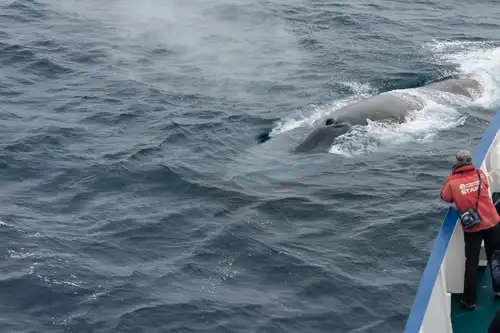
10 Bountiful Blue Whale Facts
The umbrella term “whale” refers to a wide variety of large marine mammals. To zero in on blue whales, however, we’ll need to unpack this term a bit. The Latin word for whale, cetus, is the root of the whale infraorder, Cetacea, the largest parvorder of which is Mysticeti.
Blog
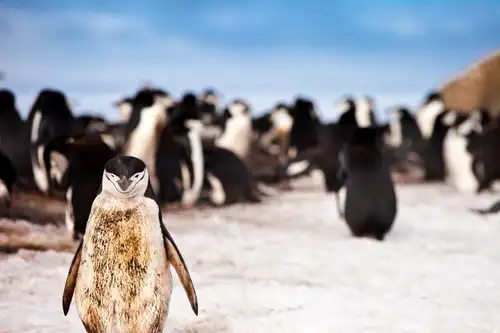
Seven Facts About Antarctic and Sub-Antarctic Penguins
Approximately 50 million years ago, Antarctica was detaching from the vast supercontinent of Gondwana, and penguins were emerging as a distinct species. Initially native to warmer regions, they gradually adapted to the cooling climate of Antarctica as they ventured further south.

Blog
Book Recommendations for Your Polar Cruise
Though books can't replace the experience of visiting the polar regions, they make excellent companions for your journey. We reached out to our social media followers, many of whom are past or future travelers, to gather their recommendations for polar-related books. The results were impressive, and we've compiled them below in no particular order.
Blog
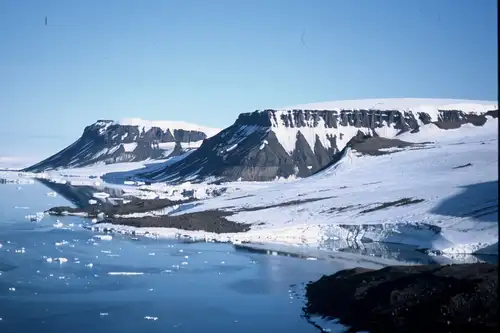
Franz Josef Land Sites, Species, and Experiences
The archipelago of Franz Josef Land is to Russia what Svalbard is to Norway: Both island groups offer excellent Arctic scenery, adventurous outdoor activities, and a good chance of seeing iconic species like polar bears and walruses - alongside a wide range of marine mammals and seabirds.
Blog
Svalbard a Disneyland for geologists
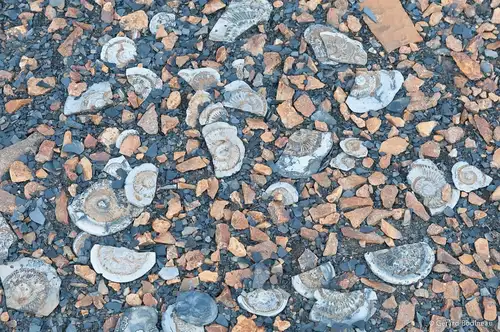
Svalbard is situated in the north-western corner of the Eurasian plate. Historically, Svalbard was part of a vast continent that included North America, Greenland, and Eurasia. At one point, both Northeast Greenland and Svalbard were submerged under the ocean before resurfacing.

Blog
Seven Sublime Antarctic Bays
Antarctica is renowned for its glaciers, icebergs, and panoramic colonies of penguins. However, less known are the stunning crystal-clear bays that dot the Great White Continent, many of which are explored on our Antarctica cruise routes.
Blog
17 Reasons to Cruise the Falklands
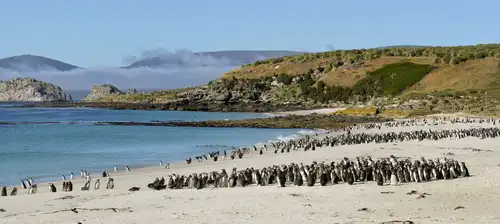
Maybe you’ve already marveled at the colossal penguin colonies of South Georgia, sailed among the plunging seals of the Antarctic Peninsula, and watched whales in the Weddell Sea lunge among titanic tabular icebergs.

Blog
Seizing the Season: Spitsbergen’s Late Spring, Early Summer
Most Arctic expedition cruises can be categorized into two main types: those that operate during the autumn and winter, focusing on the northern lights, and those that sail during the high season (mid to late summer), concentrating on a broader range of experiences.