


Show More
Blog


Blog
Under the Greenland Ice Sheet
Anyone who ventures to the right part of the globe can encounter vast amounts of ice, but a Greenland cruise offers something truly unique: ice sculptures hidden beneath the northern ice sheet. Scientists once thought these sculptures were rocky hills buried in ice, similar to the Ghost Mountains in Antarctica. However, it turns out that Mother Nature has crafted one of the most exclusive art exhibits in the world. These sculptures are not visible from the surface, but some scientists have managed to get a sneak peek using radar equipment.
Blog
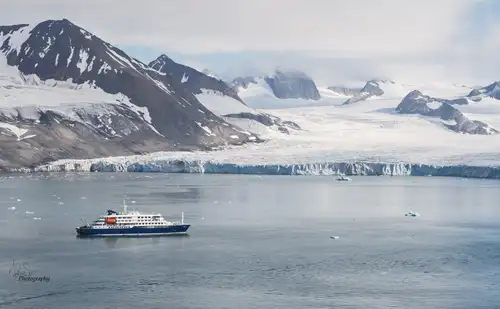
What’s so Special about East Spitsbergen?
We’ve previously discussed our north Spitsbergen journeys and Spitsbergen circumnavigations, but the eastern parts of this incredible island have not received the attention they deserve. Despite the name, our east Spitsbergen voyages explore much more than just the eastern side of Spitsbergen.

Blog
The History of Antarctica in Maps
Long before human eyes ever beheld Antarctica, the ancients were convinced that it existed – or at least something like it.
Blog
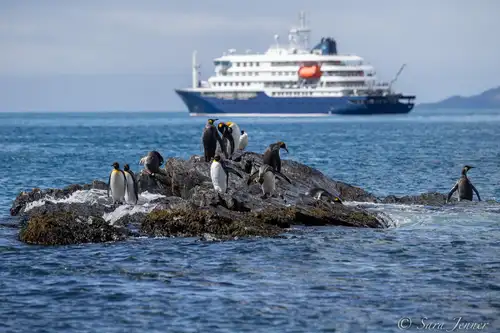
Weddell Sea, Shackleton’s Endurance, and New Swabia
Our Antarctica 2023-24 cruise program is packed with incredible expeditions, including a new itinerary that explores key locations such as South Georgia, the Weddell Sea, and the more easterly region of New Swabia (Neuschwabenland).
Blog
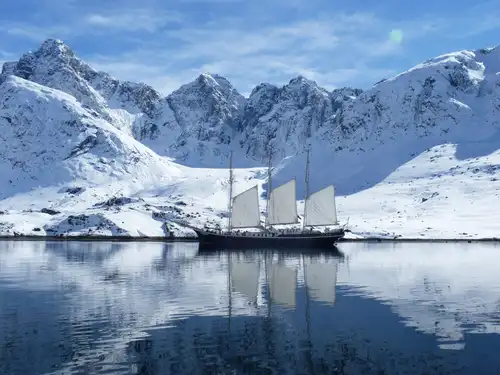
Why You Should Visit Greenland: 11 Things to See, Do, and Explore
There's nothing quite like witnessing your first Greenland glacier, navigating into the island's largest fjord system (which also happens to be Earth's largest), or observing a humpback whale breach over the dark Greenland Sea.
Blog
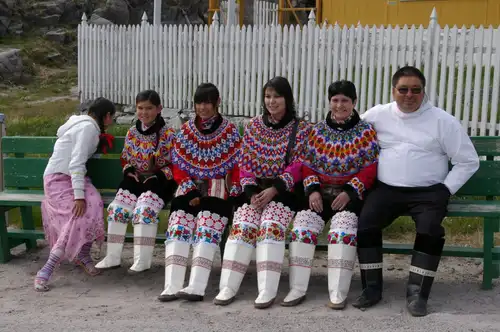
Not Eskimos: 10 Enlightening Facts About the Inuit
If you are planning to join an Arctic cruise, you might be intrigued by the Inuit culture. To help you gain a deeper understanding of these people, especially if you are considering a trip to Greenland, here are 10 fascinating facts about the Inuit that everyone should know.
Blog
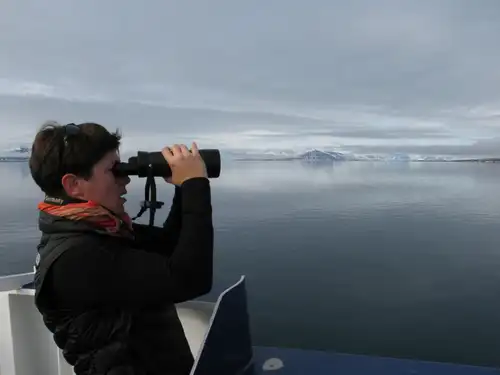
10 Popular Bird Watching Binoculars
Binoculars are a staple for outdoor enthusiasts, often packed with minimal thought alongside essentials like bug spray, sunblock, and waterproof matches. However, for certain groups, binoculars are indispensable, particularly for bird watchers. If you're part of this technical hobbyist community, here are 10 birding binoculars you should know about.
Blog
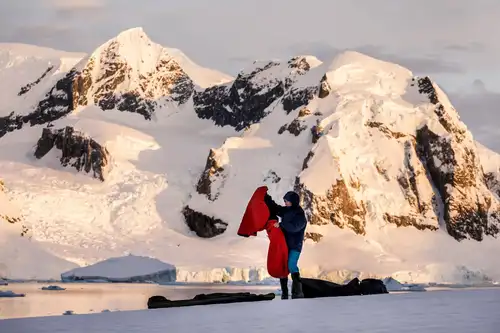
Camping in Antarctica: a True Expedition Experience
We often think of camping as a summer activity, filled with warm nights, campfire dinners, and serene mountain lakes. However, there's a whole other world of camping to explore.

Blog
Day and night in Antarctica
At the Concordia station, a French-Italian research facility situated 3,233 meters above sea level at Dome C on the Antarctic Plateau, European Space Agency (ESA) scientists are investigating the effects of extended space missions. The station is more isolated than the International Space Station, with the nearest humans located 600 kilometers away.

Blog
Orcas of the Polar Seas
The orca, also known as the killer whale, is the apex marine predator and possibly the most widespread vertebrate on the planet. While they are most numerous in colder regions like Antarctica, Norway, and Alaska, they also inhabit tropical and subtropical seas. Here, we’ll explore some essential orca facts you might want to know before encountering them in person, concluding with a fantastic video showcasing our top ten favorite killer whale facts.
Blog
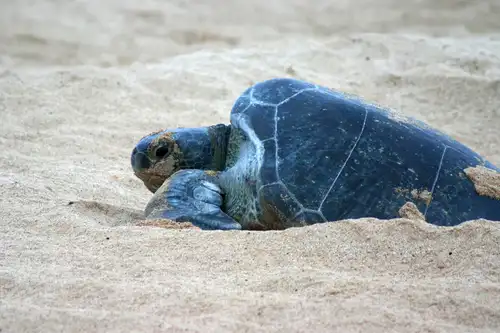
Going Green: Ascension Island Sea Turtles
Gold beaches, green mountains - and greener turtles.
Blog
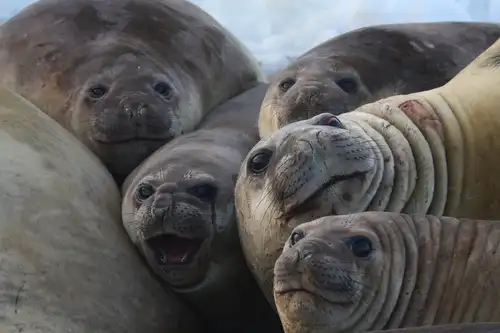
Large and in Charge: Antarctica’s Southern Elephant Seals
Southern elephant seals are the largest species of seal on the planet and a highlight among Antarctica cruise wildlife.
Blog
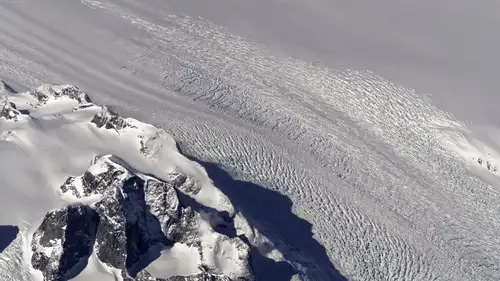
Ice streams and lakes under the Greenland Ice Sheet
The Greenland ice sheet is a dynamic mass of dense, flowing, and deforming ice. Snow deposited on the central parts of the ice sheet is gradually compressed into ice that slowly moves towards the ice margin. At the ice margin, the ice is removed by melting or by breaking off into icebergs.
Blog
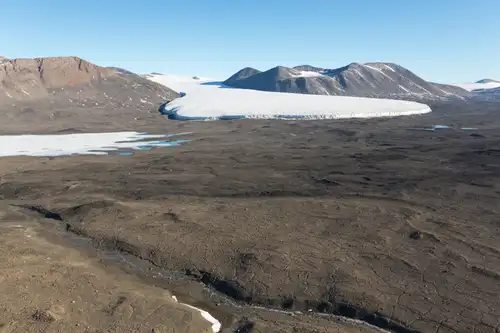
The Dirty Details of Antarctica's Dry Valleys
Situated on the western coast of McMurdo Sound, the McMurdo Dry Valleys represent the largest ice-free region in Antarctica.
Blog
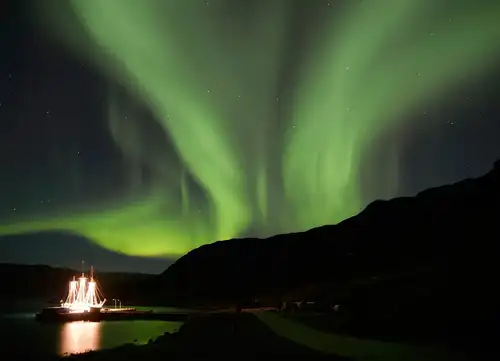
North Norway, Northern Lights, and All the Pretty Whales
At first glance, visiting Northern Norway outside of a blazing-hot summer might seem daunting for the average traveler.
Blog
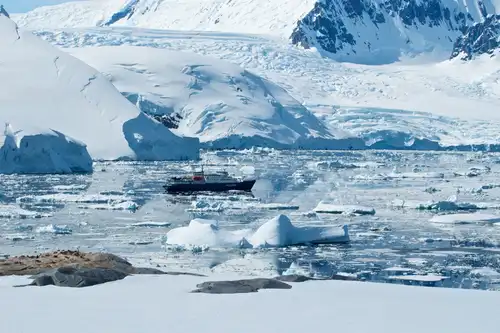
10 Books and Films To Prepare for your Antarctica cruise
Exploring the Wonders of the Deep Sea
The deep sea remains one of the most mysterious and least explored regions on our planet. With its vast, dark expanses and unique ecosystems, it continues to captivate scientists and adventurers alike.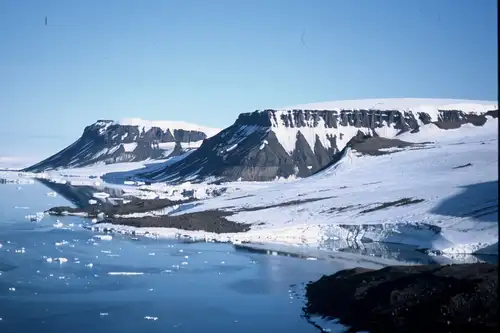
Blog
Franz Josef Land Sites, Species, and Experiences
The archipelago of Franz Josef Land is to Russia what Svalbard is to Norway: Both island groups offer excellent Arctic scenery, adventurous outdoor activities, and a good chance of seeing iconic species like polar bears and walruses - alongside a wide range of marine mammals and seabirds.
Blog
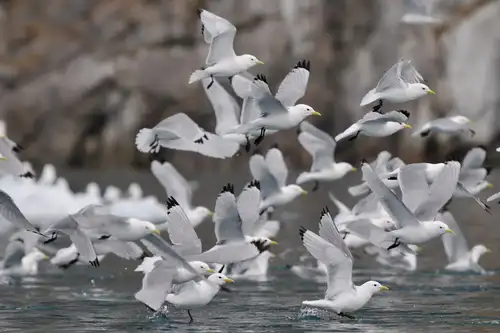
Five Birds You Might See on Your Greenland Cruise
A Greenland expedition cruise offers birdwatchers a unique opportunity to capture stunning avian photographs. With over 230 bird species, Greenland boasts both spectacular landscapes and diverse winged wildlife.
Blog
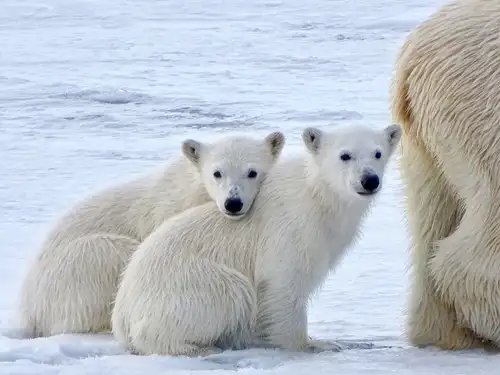
Where the Polar Bears Roam
Going to the Arctic without clapping eyes on a wild polar bear can be reasonably compared to visiting Africa without seeing a giraffe or a zebra or, most analogously, a lion.
Blog
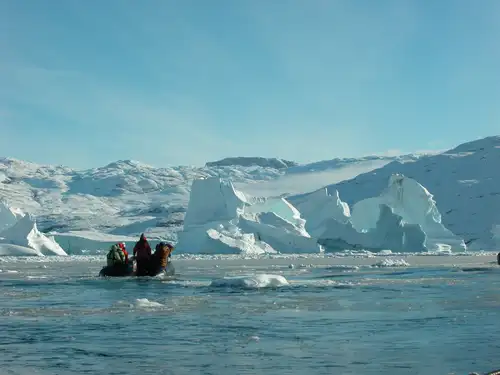
Discover the Scoresby Sund Fjord System in East Greenland
Are you considering a trip to Greenland? One destination you absolutely must visit is the world's largest fjord with stunning landscapes: Scoresby Sund.