



Show More
Blog


Blog
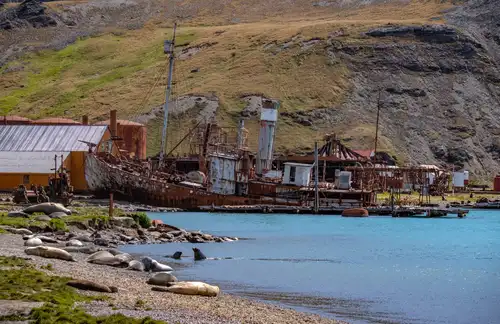
South Georgia Whaling Stations
South Georgia is a paradise for animal enthusiasts. It stands out as one of the most wildlife-abundant destinations in our polar expeditions, whether in the Northern or Southern Hemisphere.
Blog
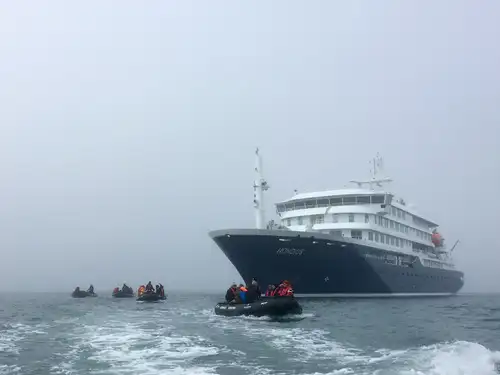
Highlights from the First Arctic Voyage of Hondius
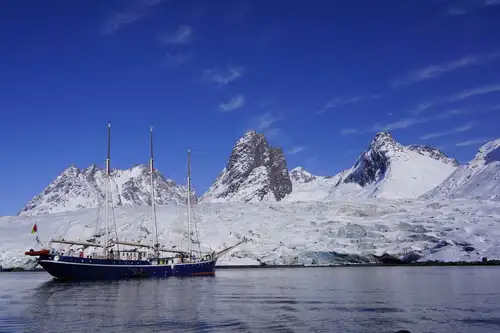
Our new ship Hondius completed its first Arctic expedition cruise on June 14, 2019. This being a new ship, the maiden voyage was not without its hiccups. But despite these, passenger response to the expedition was overwhelmingly positive.
Blog
5 Misconceptions You Might Have About Greenland
Blog
Spitsbergen: a true polar bear trip
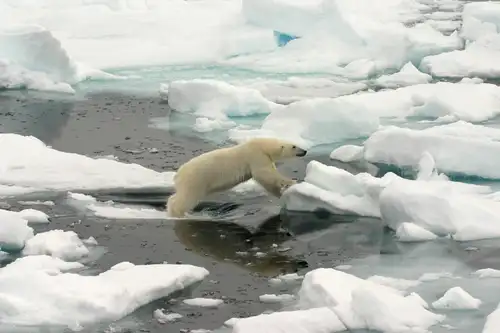
On the third day of our Svalbard cruise, we navigated through the sea ice north of Spitsbergen. The morning greeted us with fog and fragmented ice, but conditions gradually improved. A swarm of black-legged kittiwakes trailed behind us, as our ship stirred the waters, pushing aside ice floes to reveal the tiny dark polar cod beneath.
Blog
Antarctic krill: Antarctica's Superfood
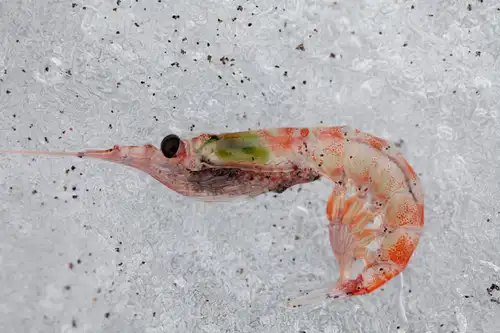
The size of a paper clip, pink, krill is a shrimp-like crustacean that does not look like much. Without them, though, the Earth's marine ecosystems would collapse completely.

Blog
Cheapest Antarctica Cruises: How to Save on Your Journey
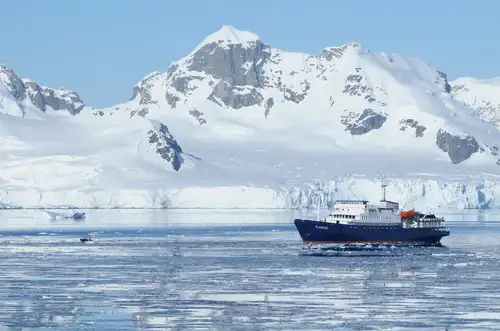
Antarctica, the world’s most remote and pristine continent, is often seen as a destination reserved for luxury travelers. However, affordable options do exist, making this dream journey accessible to more adventurers. With careful planning and the right provider, like Nexta Expeditions, you can explore the icy wilderness without breaking the bank. This guide will show you how to save on your Antarctic cruise while still enjoying a high-quality experience.
Blog
The Ultimate Traveler’s Guide to the Arctic and Antarctica
Sunrises or sunsets? Coffee or tea? Polar bears or penguins?
Blog
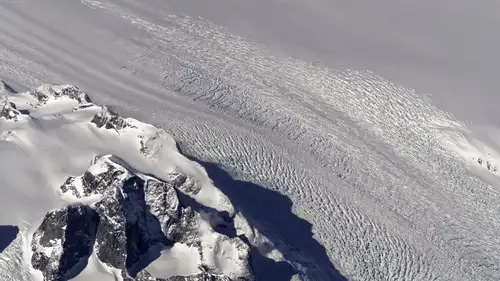
Ice streams and lakes under the Greenland Ice Sheet
The Greenland ice sheet is a dynamic mass of dense, flowing, and deforming ice. Snow deposited on the central parts of the ice sheet is gradually compressed into ice that slowly moves towards the ice margin. At the ice margin, the ice is removed by melting or by breaking off into icebergs.
Blog
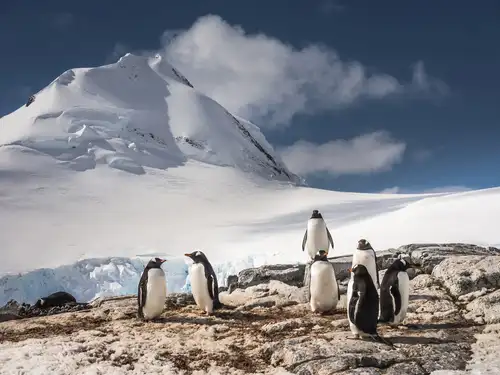
Antarctica Cities (and Five Other Things That Don’t Exist There)
Why write about what you won't find in Antarctica? Most travel blogs highlight what a destination offers, but many polar tourists visit Antarctica to experience a new world and escape their old one.
Blog
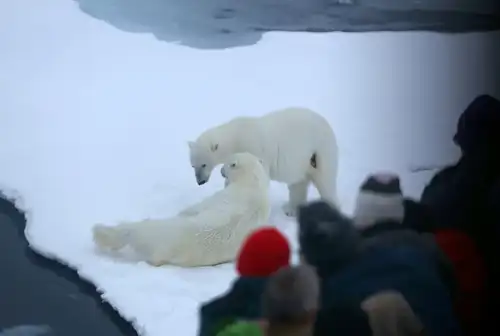
The Pack Ice and Polar Bears of North Spitsbergen
The Arctic archipelago of Svalbard is renowned for being one of the prime locations to observe polar bears. The largest island in this region, Spitsbergen, not only offers sightings of these majestic Arctic creatures but also provides a unique opportunity to experience the phenomenon of pack ice.
Blog
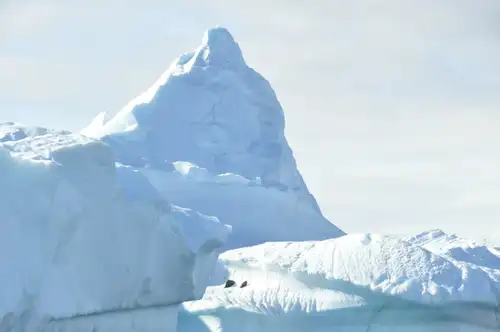
Life migrating through the Polar Front
Since James Cook’s second voyage to Antarctica from 1772-1775, which provided the first descriptions of Antarctic animals, scientists have progressively uncovered the biodiversity of the Antarctic and sub-Antarctic regions. Numerous expeditions and research projects have since been undertaken to understand the unique ecosystems of this continent.
Blog
10 Weather-Fueled Facts about Antarctica
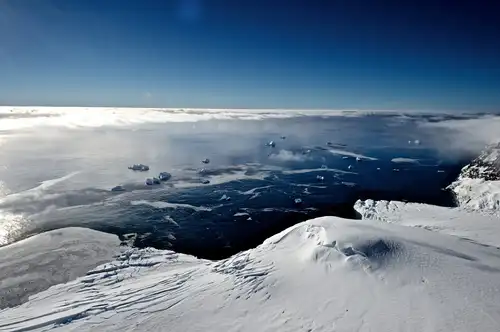
Most of us have at least a vague notion of what makes the North and South Poles so brutally, bone-chillingly cold: They receive less sunlight than the rest of the planet, what sunlight they do receive arrives at an angle, and they’re usually buried under endless mounds of ice and snow. This holds especially true for the South Pole and its centerpiece, Antarctica. Fewer people know, however, what drives Antarctic weather, or what results from it. Here are ten weather-related facts about the most southern continent that will put your polar meteorology ahead of the curve.
Blog
What to pack for your Atlantic Odyssey voyage?
When packing, avoid burdening yourself with excessive clothing or gear. Opt for casual, practical attire that can be layered. Consider including the following:
Blog
The Ancient Fossil Forests of Antarctica
Over a hundred years ago, Robert Falcon Scott’s expedition to Antarctica discovered fossils of plants on the Beardmore Glacier, less than 500 km (310 miles) from the South Pole. Edward Wilson, who was the expedition’s chief scientist, recorded the findings in his diary, stating that “most of the bigger leaves were like beech leaves in shape and venation.”
Blog
10 Popular Bird Watching Binoculars
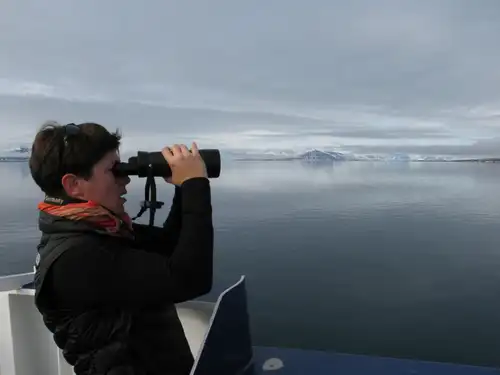
Binoculars are a staple for outdoor enthusiasts, often packed with minimal thought alongside essentials like bug spray, sunblock, and waterproof matches. However, for certain groups, binoculars are indispensable, particularly for bird watchers. If you're part of this technical hobbyist community, here are 10 birding binoculars you should know about.
Blog
Science of the Ross Ice Shelf
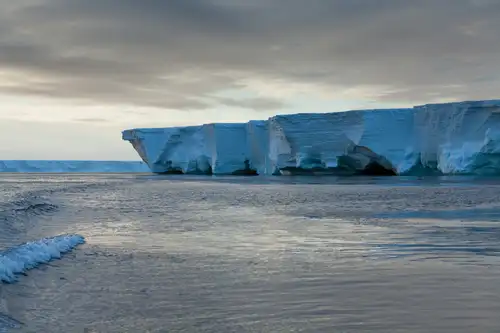
Antarctica’s Ross Ice Shelf is vast, spanning 487,000 sq. km – comparable to the size of France – with a thickness that varies from a few hundred meters near the sea to over 1,200 meters away from the floating edge. The edge along the Ross Sea forms a towering ice wall, rising up to 50 meters above the water, with most of the ice submerged below the waterline.

Blog
Book Recommendations for Your Polar Cruise
Though books can't replace the experience of visiting the polar regions, they make excellent companions for your journey. We reached out to our social media followers, many of whom are past or future travelers, to gather their recommendations for polar-related books. The results were impressive, and we've compiled them below in no particular order.

Blog
8 Whales You Might See During Your Antarctica Cruise
They're powerful, beautiful, and really, really big. Whales are a wonder of the natural world, and one of the best places to see them is Antarctica. In fact, whale watching is one of the most popular and rewarding activities you can enjoy on an Antarctic trip.
Blog
12 Tips to Help Keep Birds Safe During an Antarctic Cruise
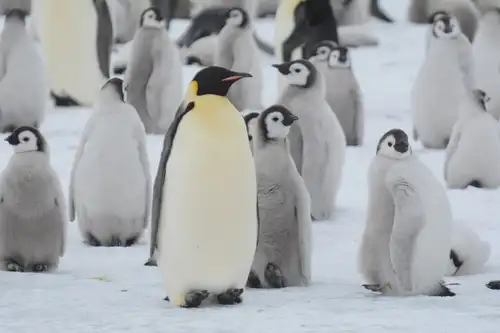
One of the most incredible experiences on an Antarctic cruise is observing the numerous penguins in their natural environment. Naturally, passengers often worry about the potential of disturbing the penguins and other Antarctic birds, which could disrupt their breeding and nesting patterns.
Blog
Flowers in Antarctica
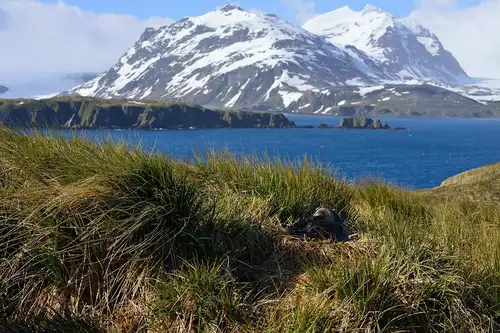
The polar regions are among the most inhospitable environments for plants and animals. Life here faces numerous challenges, including low temperatures, high winds, solar radiation, and cell freezing. The Antarctic continent experiences extreme conditions, with darkness during winter and continuous light during summer. Winter temperatures can drop to -60°C or lower.